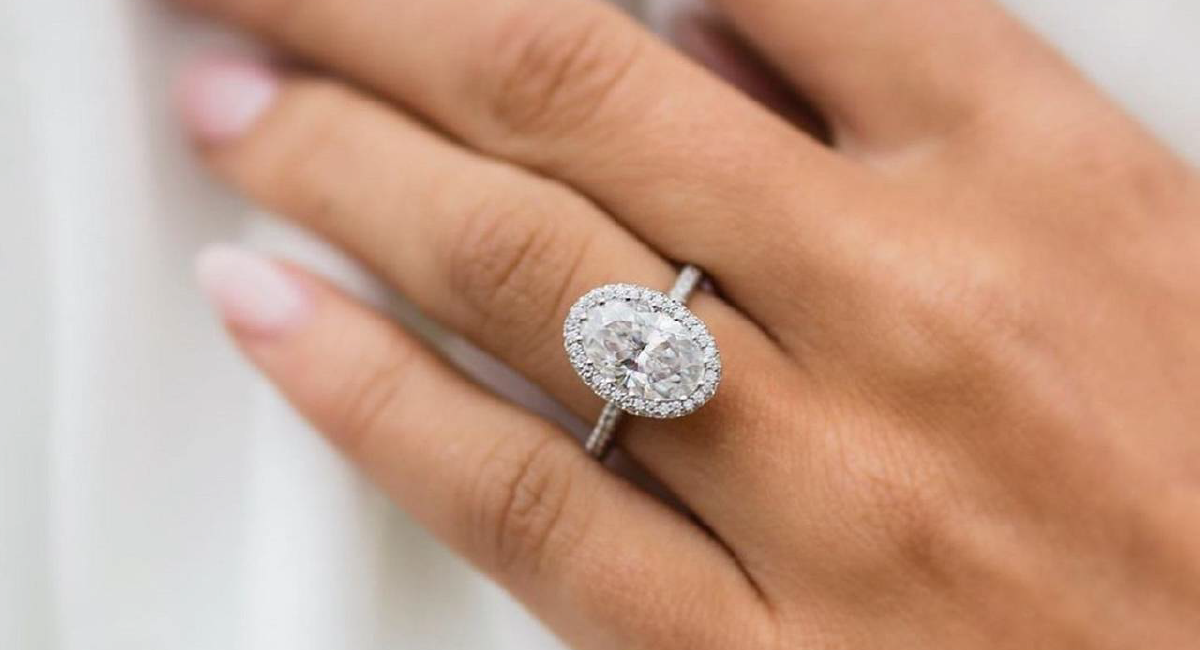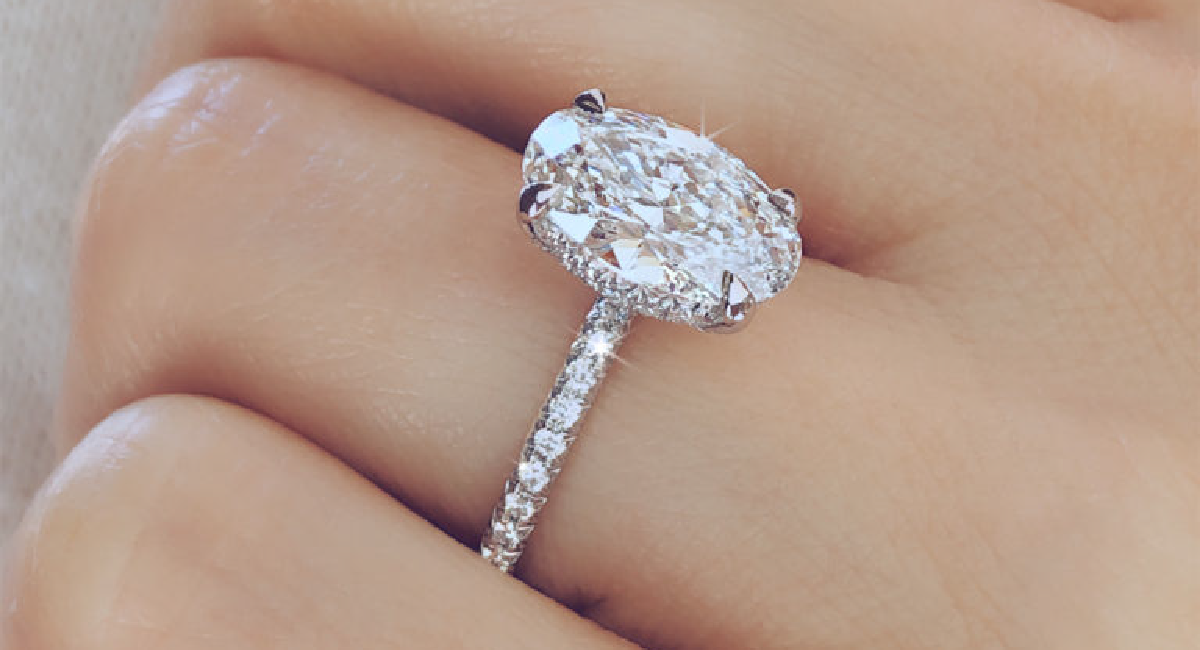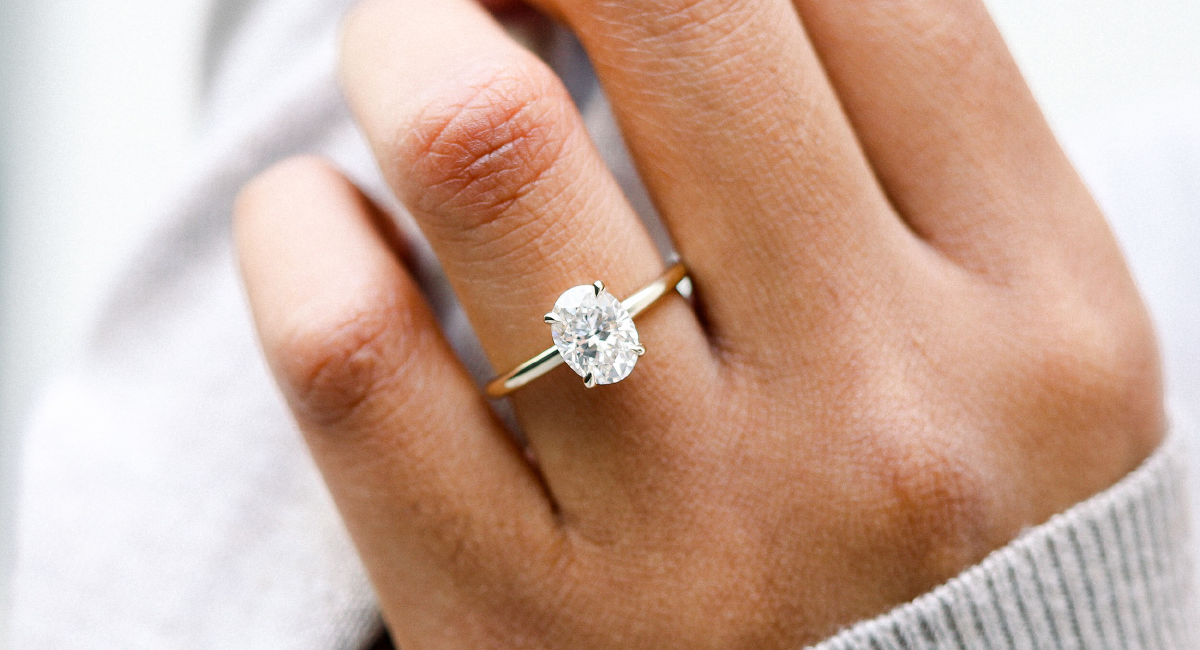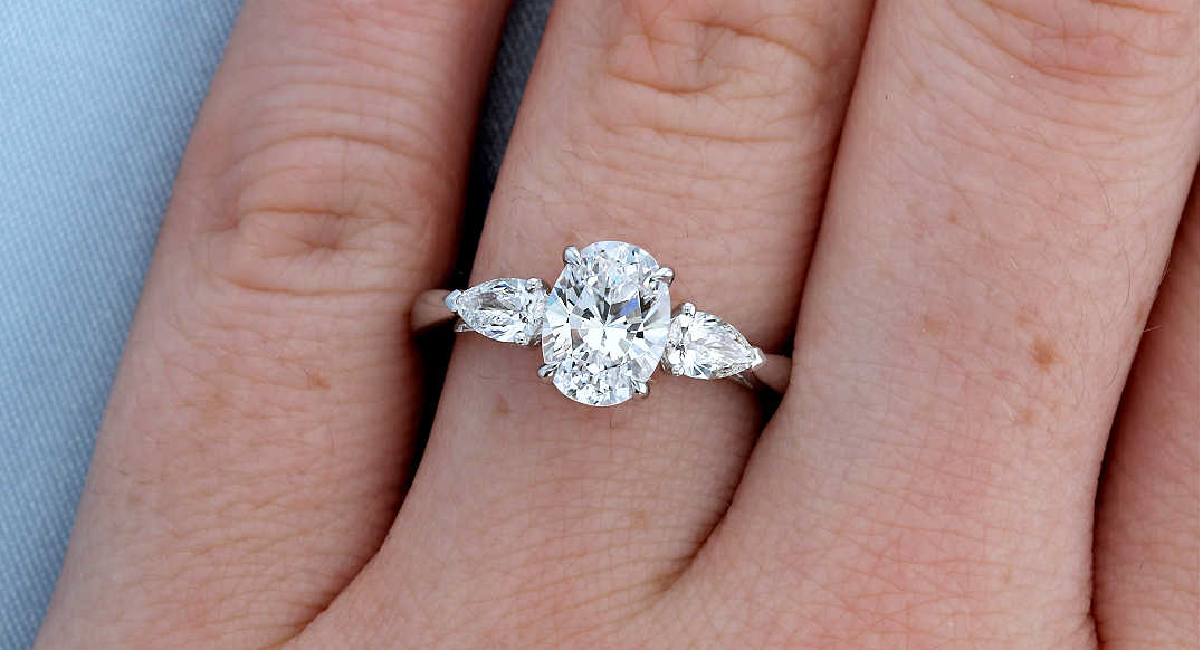
Round Cut Diamonds: Everything You Need to Know

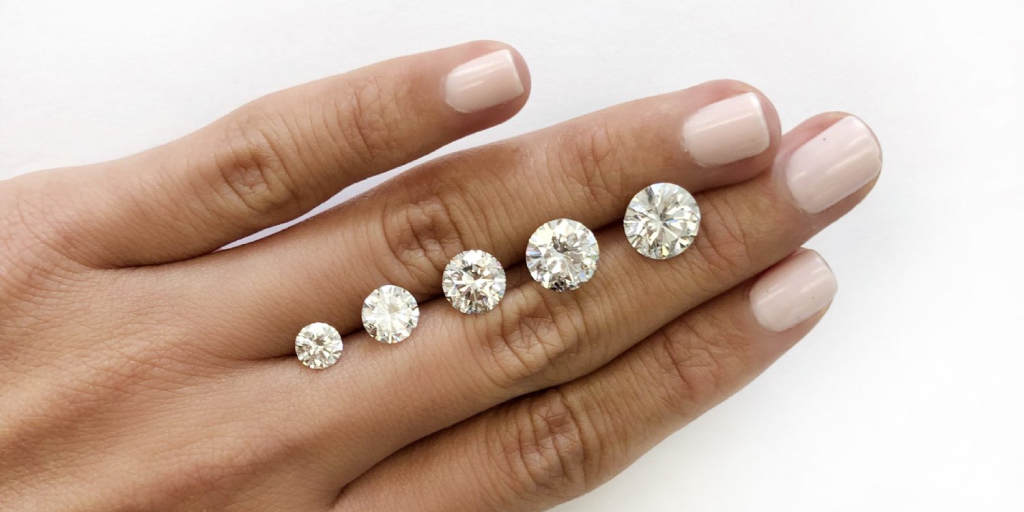
They say that size doesn’t matter but does shape? A case must be made for round cut diamonds here, for they are both traditional and everlasting and are generally the cut that comes to mind when people think of diamonds. 

From time immemorial in the history of the diamond, permutations of this famous sphere-like form have been tried and tested. Round cut diamonds have a glimmering radiance like no other, making them ubiquitous, and the round cut is regarded as the common currency in diamond cuts for investors, jewelers, and consumers.
round lab grown diamond

Coming into the 21st century the round cut saw a few modifications and the already shiny cut now had enhanced brilliance due to technological advancements. The Round brilliant cut is now a timeless classic diamond cut.

Surprisingly, a round cut sheds most of its carat weight during shaping and polishing as compared to other cuts, making it comparatively more expensive as well.

The brightness of a round diamond is boosted when decided by refinement techniques conducted by professional diamond shapers.

What is a Round Cut Diamond?

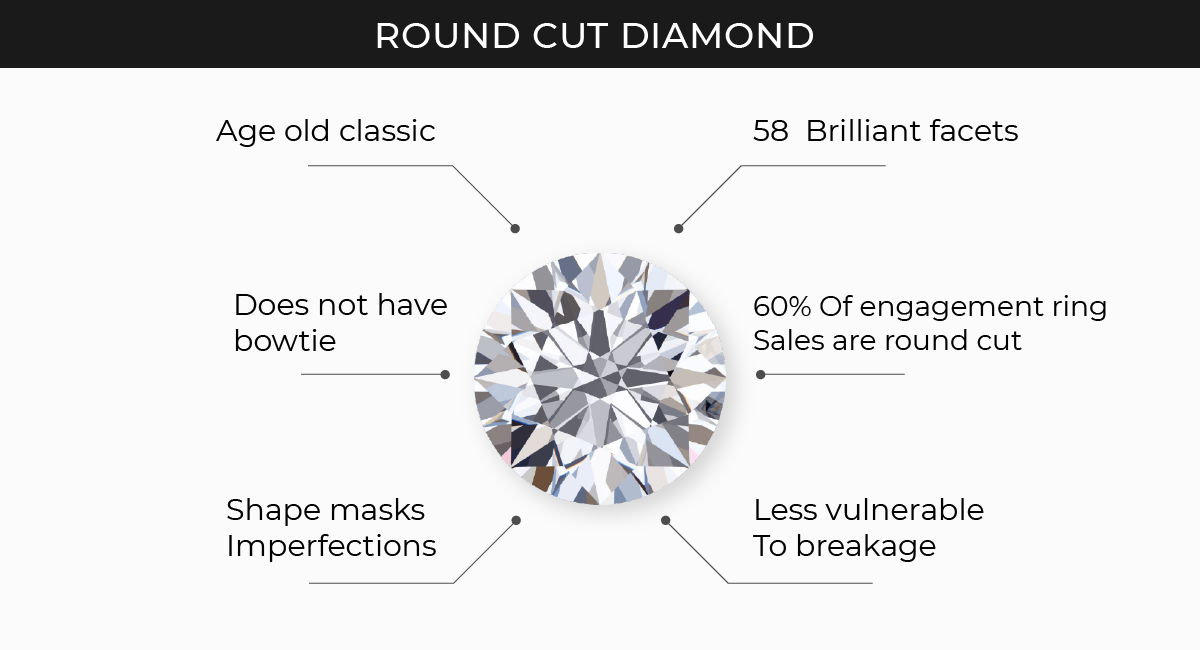
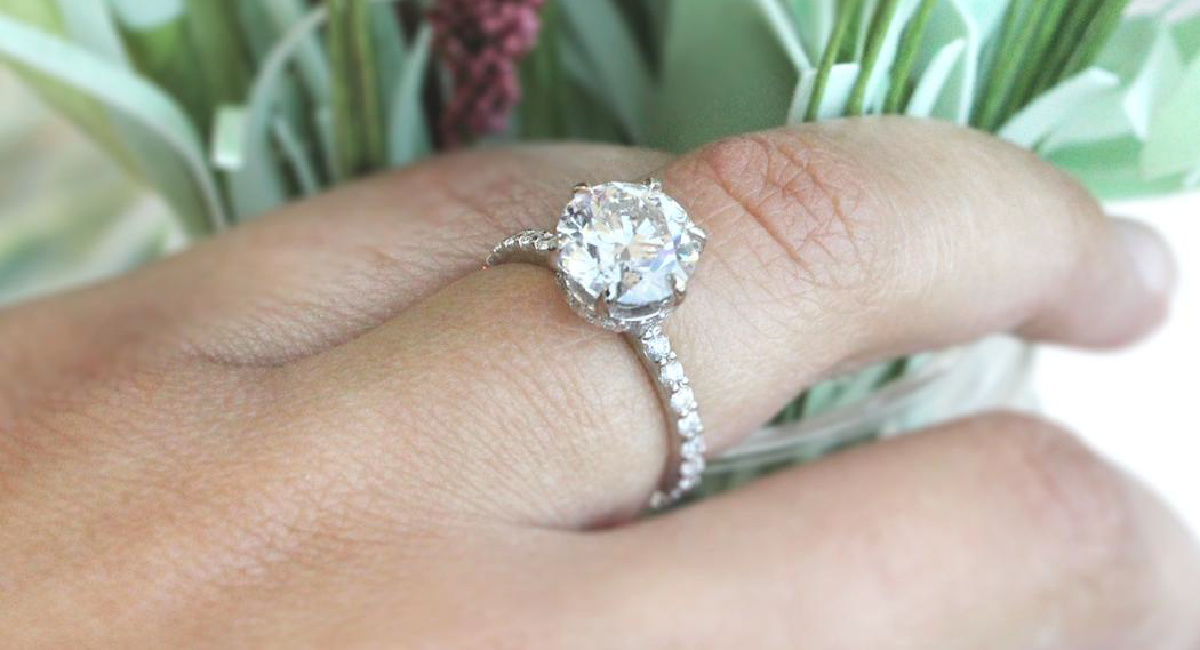
The round cut is the most famous diamond of all and is commonly called the ideal cut. It can fit into engagement rings, earrings, necklaces, and anything else.

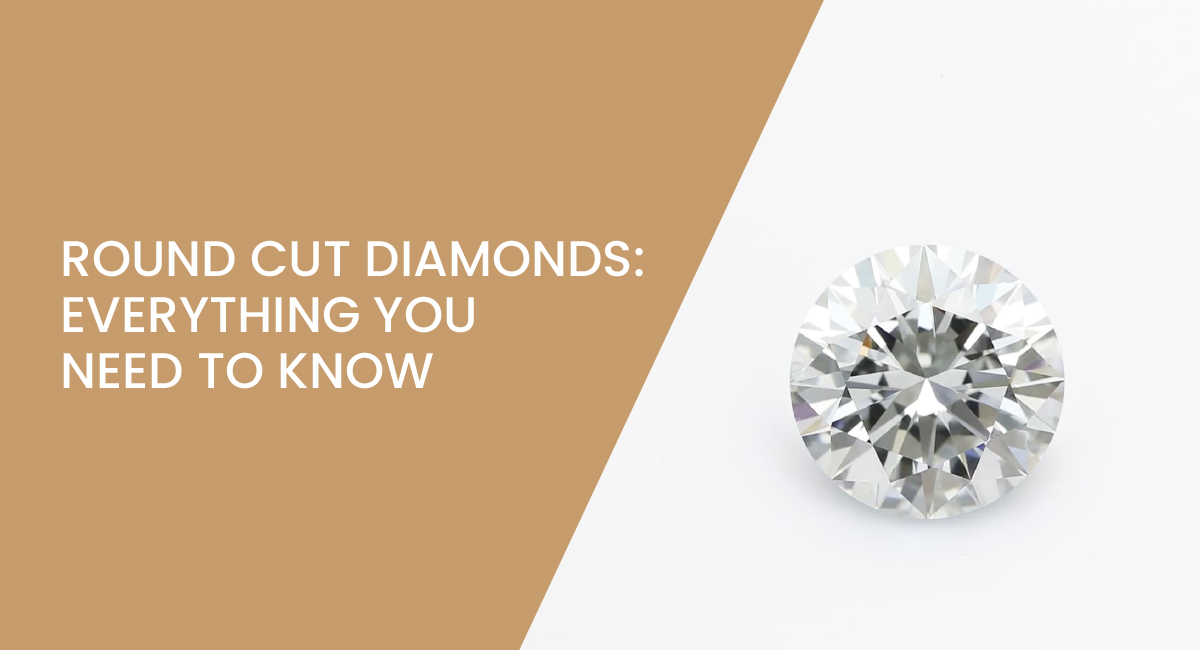
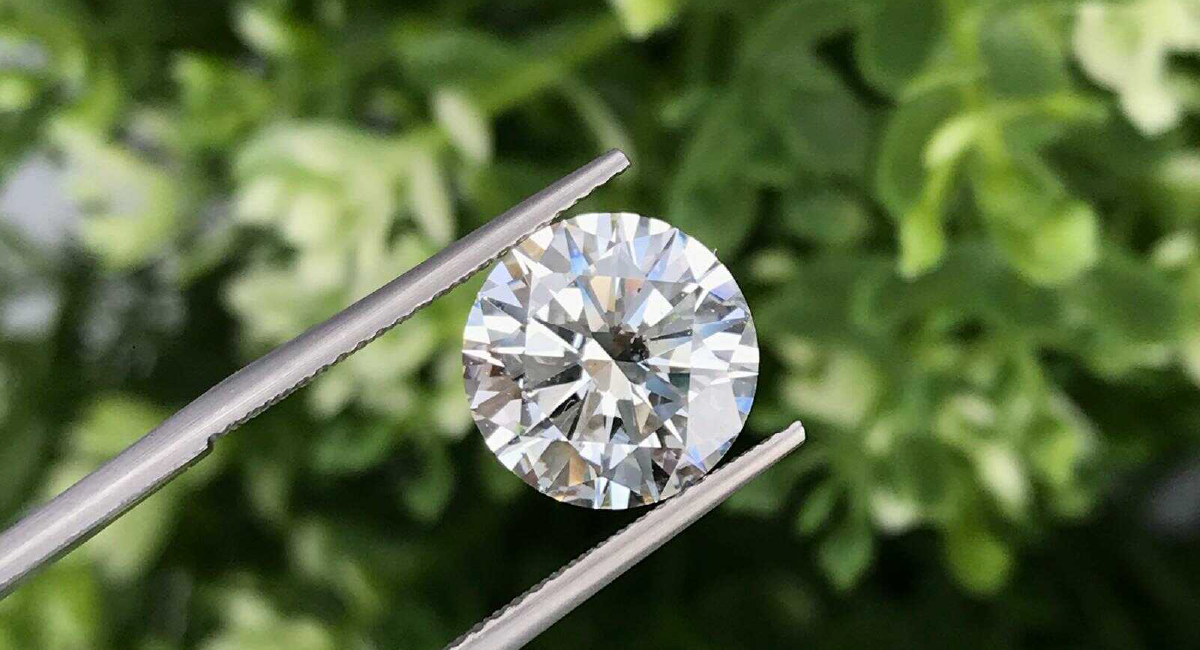
The lab grown round diamond has been refined to have 58 facets. Its round design accentuates all of these 58 various glittering facets by optimizing and capturing light coming from all directions. Being the most common design is the circular cut, the cut can not only be effortlessly spotted, but also adapt to every occasion’s needs, daytime or nighttime, and the bearer, youthful or aged, modern or antique.
round cut lab diamond

The quest for the perfect cut to highlight all the facets of the gemstone’s stone’s luminosity and brightness has resulted in the development of several unique cuts over the years.

Round cut diamonds are the only gems having a separate grading system on its GIA diamond grading report is the round brilliant cut. Since GIA is the largest and most successful diamond certifying laboratory, it has considerable power in the business.

[blog_page_inventory shape=”Round” carat=”2.00,2.10″ cut=”1,4″ color=”0,10″ clarity=”0,11″]
[blog_page_btn title”Buy Now” url=”https://www.loosegrowndiamond.com/inventory/?shape=Round”]

History of Round Cut Diamonds

Over many centuries, the expertise or technological apparatus needed to make a round lab diamond was nowhere to be found and practised. 

The round brilliant diamond cut was made a reality with the development of the bruting machine at the close of the 19th century.

Due to the ‘Diamond Design Thesis’ by Marcel Tolkowsky, the round cut underwent another change in 1919 through his carefully calculated mathematical formula to angle the facets in a way that reflects the most light.

Since Tolkowsky’s work, the round brilliant cut has become the most popular and widely used diamond cut in the world. Its timeless elegance and unparalleled sparkle have made it a favourite choice for engagement rings and other fine jewelry.

What Do You Call a Round Cut Diamond?
round diamonds on hand

A round cut diamond has 57 or 58 facets on the sides depending on whether it has a culet or a flat face at the bottom of the diamond. The facets of an evenly cut diamond would simply converge at a critical location, making no space for a culet.

There are Two Types of Round Cut Diamonds:

  • Brilliant Cut Round Diamonds

This cut makes excellent use of its edges to reflect not absorb but throw out infinite flashes of light. Contours and dimensions interact with each other to refract spectacularly and be the brightest. The brilliant cut round diamonds have a culet that ranges from average to big and an underside holds up 65% of the diamond’s total durability and strength.

Brilliant cut round diamonds are a fantastic selection for contemporary jewelry with stunning glitter.

  • Old European Cut Round Diamonds

The antique European cut round diamond was prevalent before the twentieth century as well as meticulously manufactured before contemporary diamond processing. As a result, these cuts have greater depth in dimensions than brilliant cut round diamonds. Diamonds of the Old European cut were principally fashioned due to their hue. 

The fundamental distinction between brilliant cut and old European cut diamonds pertains to their facets since the old European cut had facets with triangular frames, whilst the round brilliant diamond has narrower kite or ace-shaped facets. Both the cuts have their own special way of reflecting light.

4cs of The Round Cut Diamond

The 4Cs of diamond quality measurement have not only become a globally understood vocabulary among jewelers, but also a handy checklist for any customer lacking expertise in picking the perfect diamond for their requirements. The Gemological Institute of America (GIA) created the Cs as an official grading method in 1953.

It encompasses Color, Clarity, Cut, and Carat Weight, to provide an objective, effective, and reliable appraisal of diamond excellence and cost. These aspects interact and might be reliant on each other within a diamond, needing a holistic examination rather than a concentrated inquiry of one feature.
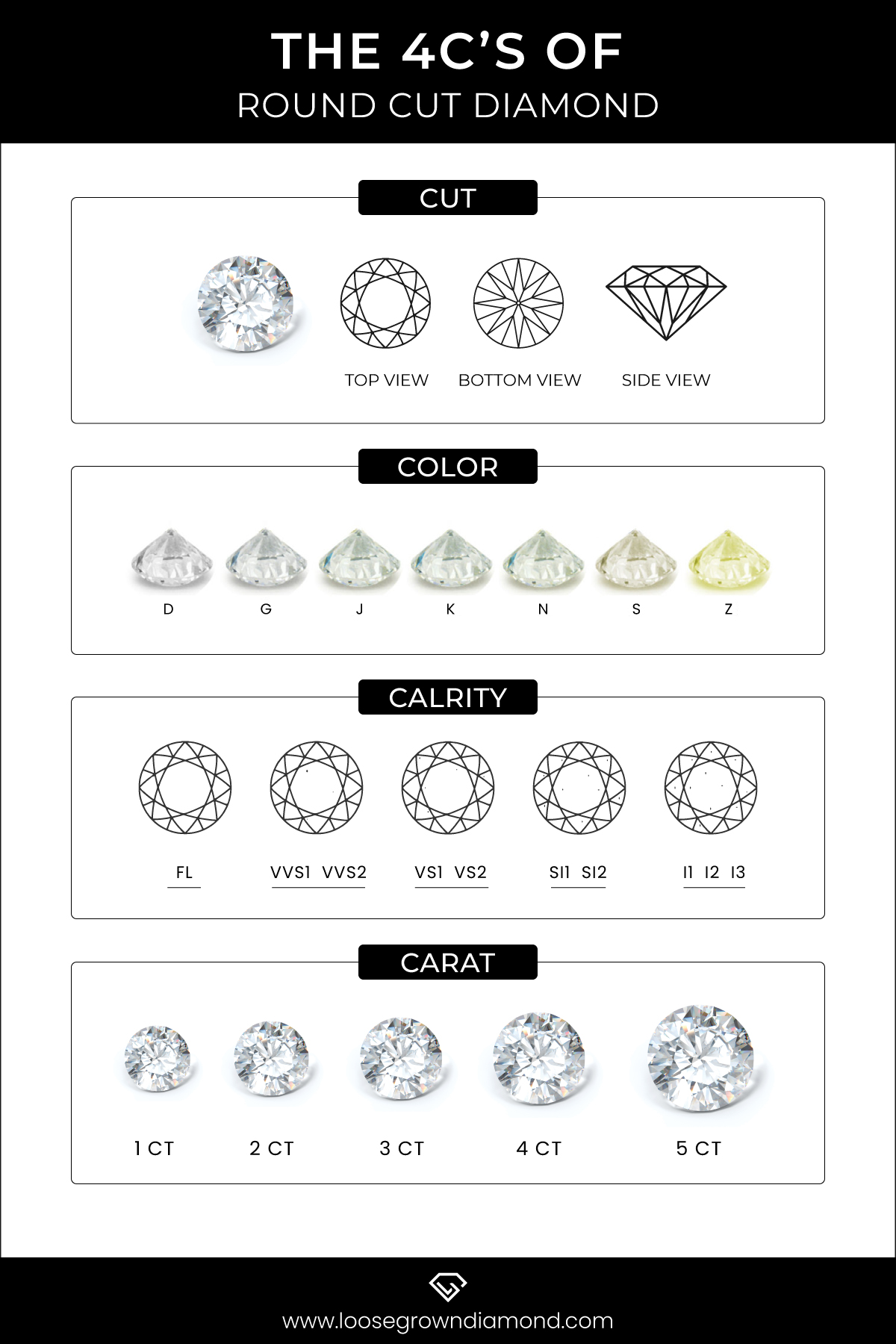
4cs round cut diamond infographic

  • Carat Weight

Mostly, people who prefer round-cut diamonds will be benefitted as these stones will always seem to be more carat weight than the other cuts. Moreover, unlike other cuts that require a minimum carat size to maintain the integrity of their shape, round cuts can go as small as possible without making their shape obscure. 

  • Clarity

The GIA divides clarity into 11 key subcategories, which are mentioned below from highest to lowest-

  • Flawless (FL)
  • Internally Flawless (IF)
  • Very Very Small Inclusions (VVS1)
  • Very Very Small Inclusions (VVS2)
  • Very Small Inclusions 1 (VS1)
  • Very Small Inclusions 2 (VS2)
  • Small Inclusions 1 (SI1)
  • Small Inclusions 2 (SI2)
  • Inclusions 1 (I1)
  • Inclusions 2 (I2)
  • Inclusions 3 (I3)

The most crucial factor in determining a diamond’s clarity is whether or not the diamond appears to be clear to the naked eye. Many imperfections may be apparent only to a trained specialist using highly sophisticated equipment.

For round diamonds, most of the decision-making procedure depends on the onlooker since some individuals might want to know that their stone is confirmed as perfect, while some are fine with the idea of slight defects that are not easily observable. 

  • Color

Diamond color grading is the accepted practice for classifying round diamond tints as a scale that starts from a D grade (translucent) and progresses to a Z grade. Diamonds are tested to match specified color categories all of which are carefully selected and tested before usage.

The hue of the diamond tends to be directly related to the size and setting of the round cut. Small variances in the color of the cut are harder to identify with the naked eye, yet they can constitute a significant change in the diamond’s cost. Furthermore, the color and substance of the rough diamond chosen can create a significant impact on the finished stone.

  • Cut

The cut quality of the diamond must be considered too. The dimensions of a round cut dictate how vividly it will sparkle. The cut of a diamond is graded by assessing its edges and gloss. The purpose of achieving a decent cut is to pick the one with all the proper proportions to have the greatest passage of light, giving the stone a gorgeous glitter that your companion shall adore.

The cut of each diamond is graded as Ideal, Excellent, Very Good, Good, Medium, Fair, or Poor. A good round cut will have measurements that permit ideal reflectivity through the crown and table, resulting in a stunning, bright shine.

Round Cut Diamond Price

Loose Grown Diamond has an extensive inventory of round-cut diamonds with half-carat round-cut diamonds, beginning at $600 and fluctuating according to cut, clarity, color, and carat weight preferences.

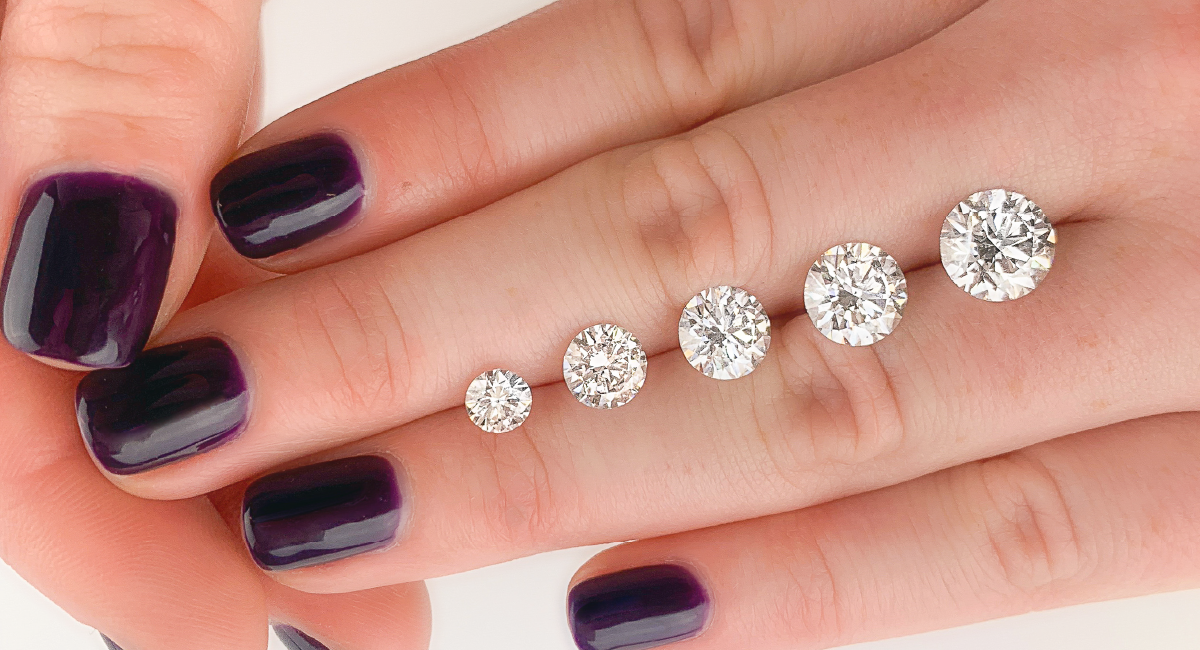
The industry benchmark for elegant 1-carat round diamonds is around $900. 2-carat round diamonds certified by the Gemological Institute (GIA) are scarce and worth a starting price of $1500.

These 2-carat round cut diamonds on hand are a charming scene. Now, coming to more significant pieces, these stones display genuine brilliance, priced at $2000 for a 3-carat round diamond and $3,000 for a 4-carat round diamond option.

If you’re stuck, you can use our ‘diamond price calculator‘ to help with pricing.

Why Should You Choose a Round Cut Diamond?

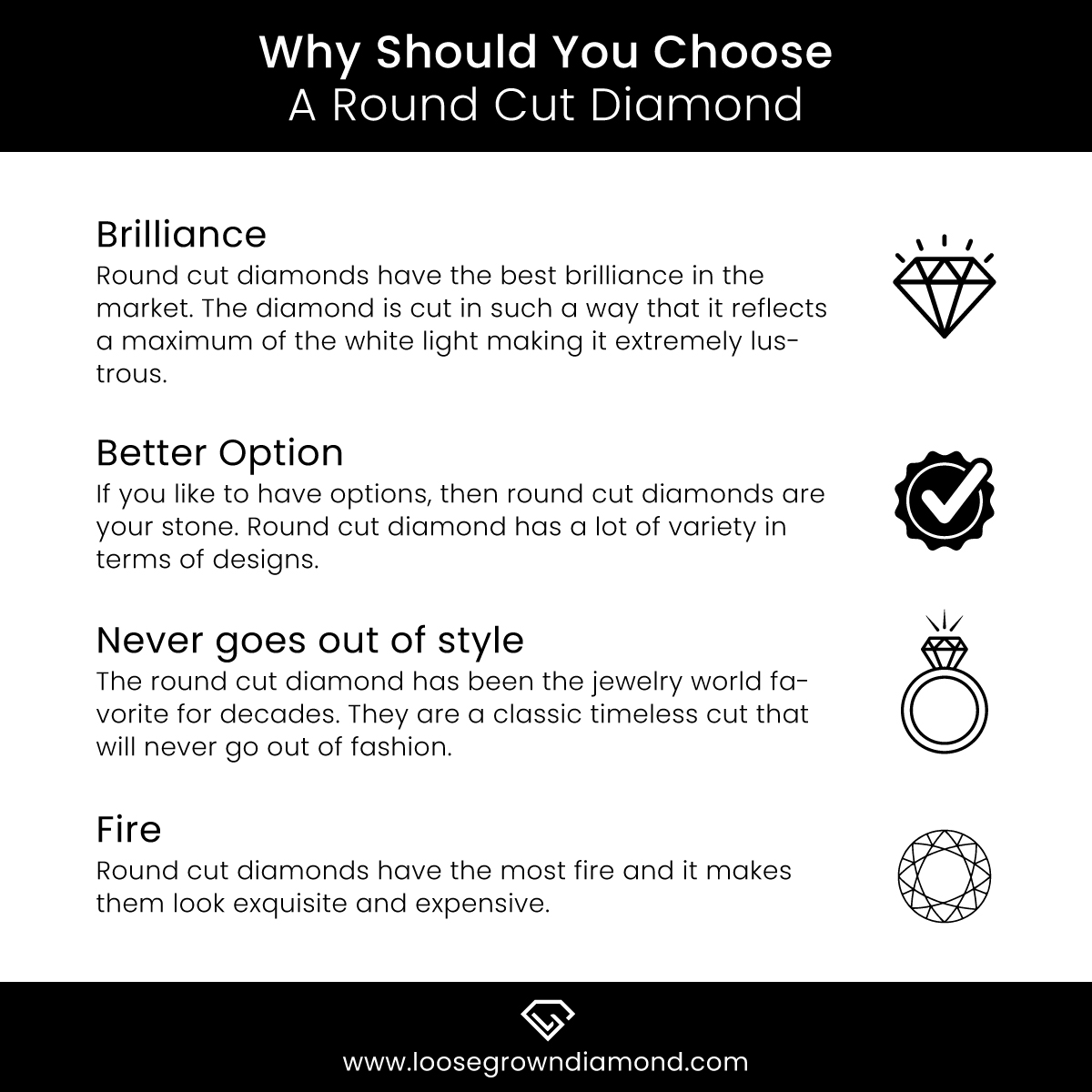
There are certain advantages that a Brilliant round cut diamond has and why you should prefer buying it. Here are the pros of buying a lab grown round cut diamond.
round cut diamond infographics-2

Brilliance: Round-cut diamonds have the best brilliance in the market. The diamond is cut in such a way that it reflects a maximum of the white light making it extremely lustrous. As the name suggests, brilliance is the top priority of the round cut.

Better Option: If you like to have options, then round-cut diamonds are your stone. Round cut diamond has a lot of variety in terms of designs. They can be adjusted and added to any jewelry design and this is one of the reasons why they are so widely used.

Never Goes Out of Style: The round-cut diamond has been the jewelry world favourite for decades. They are a classic timeless cut that will never go out of fashion. Your jewelry piece will always be in trend if you buy a round-cut diamond.

Fire: Have you ever looked inside a diamond? If you have, chances are you would have seen a rainbow-like light inside the diamond. This is known as the fire of the diamond, one of the beauty factors the stone has. Round-cut diamonds have the most fire and it makes them look exquisite and expensive.

Round Diamond Ring Settings

A diamond setting in a lab grown diamond ring can be anything from a plain band to a complex design with several diamonds or other jewels placed onto the ring. It’s the style of the ring that secures the diamond. Choosing one that compliments personal taste in addition to the diamond’s shape and size is crucial as it dramatically affects the ring’s overall appearance and beauty. Herein, let us explore the different settings for round cut diamond rings.

Solitaire Round Diamond Ring:

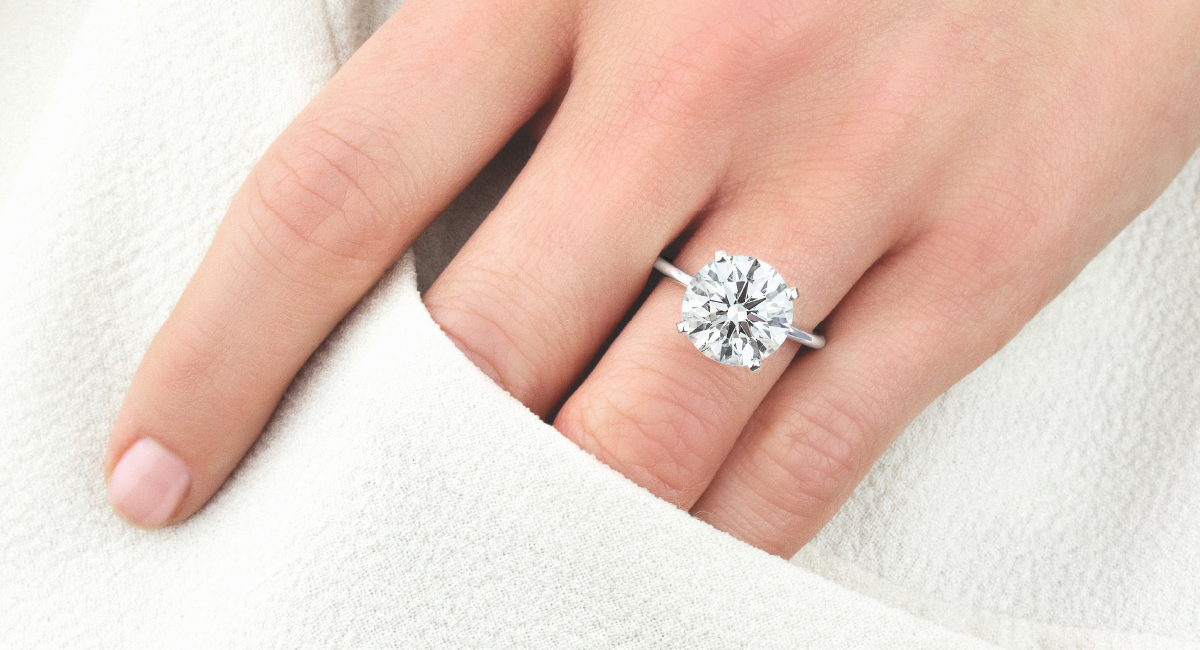
The solitaire setting is a popular option for round-cut diamonds since it showcases the stone by mounting it on a thin band. Classic and beautiful patient settings range from simple to ornate.

Bezel Set Round Diamond Ring:

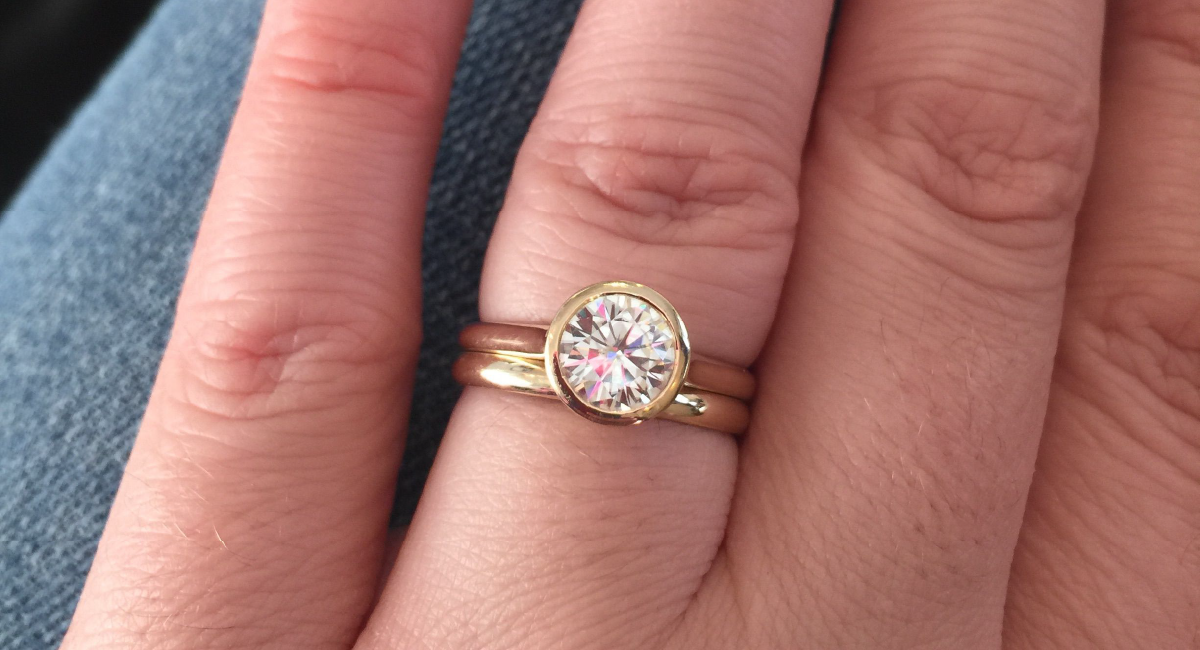
Another option is a round diamond ring with a bezel setting, which encases the stone in a metal rim for further security. The diamond’s brightness may be slightly diminished but offers additional protection.

Pave Round Diamond Ring:

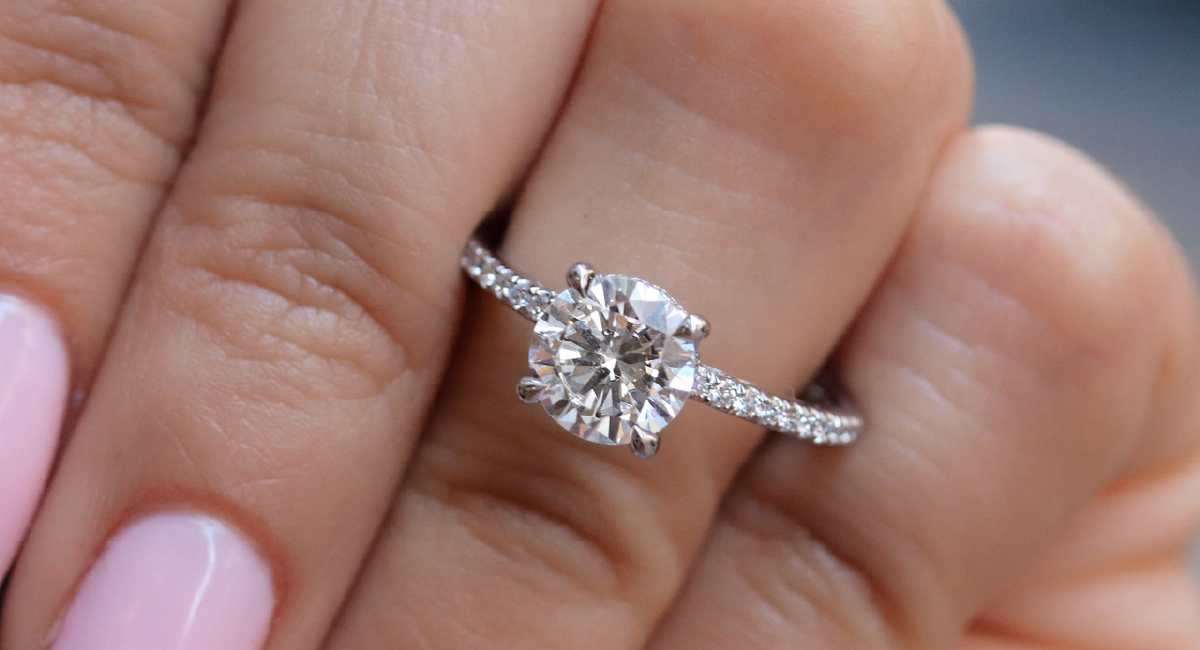
Another alternative is the pavé setting, which involves intricately arranging little diamonds or gemstones around the center diamond. This technique enhances the ring’s brilliance and gives it a more contemporary look.

Three-Stone Round Diamond Ring:

[su_youtube_advanced url=”https://www.youtube.com/watch?v=5EGzKuu8TF0″ width=”1600″ controls=”alt” autohide=”yes” autoplay=”yes” mute=”yes” loop=”yes” rel=”no” modestbranding=”yes” theme=”light” playsinline=”yes” title=”round diamond three stone engagement ring”]

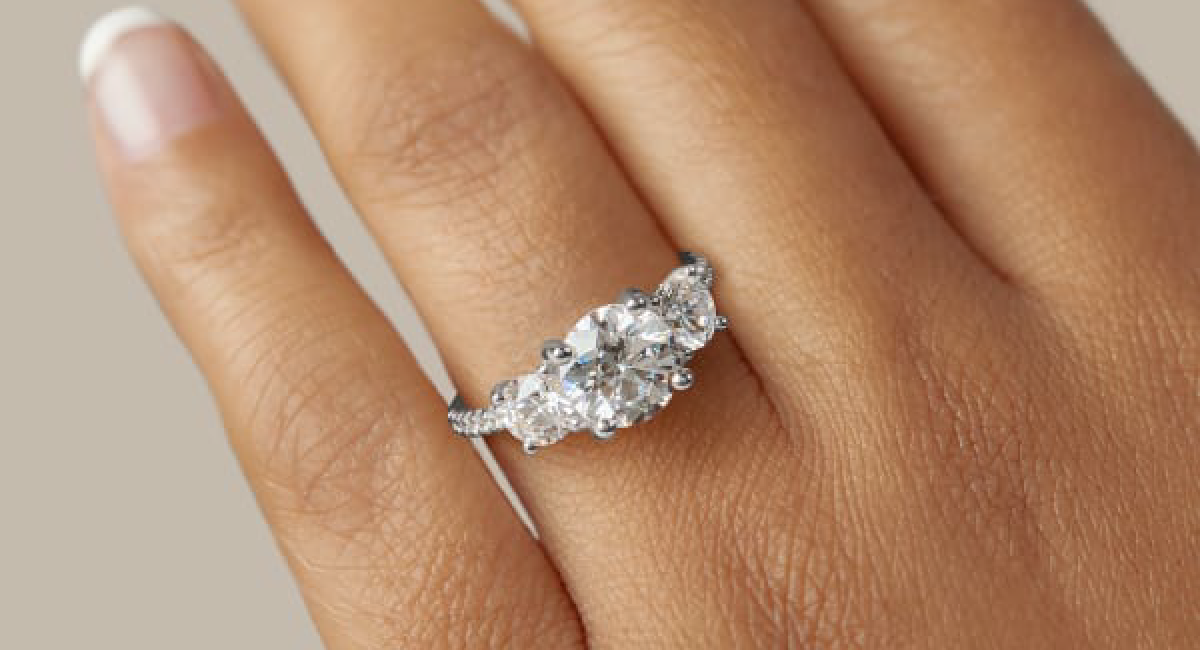
A round diamond band with Three Stones features three diamonds, one slightly larger than the others, placed in a three-stone setting. The center stone adds sentimental value to the round cut engagement ring. These 3 diamonds symbolize the past, present, and future.

Halo Round Diamond Ring:

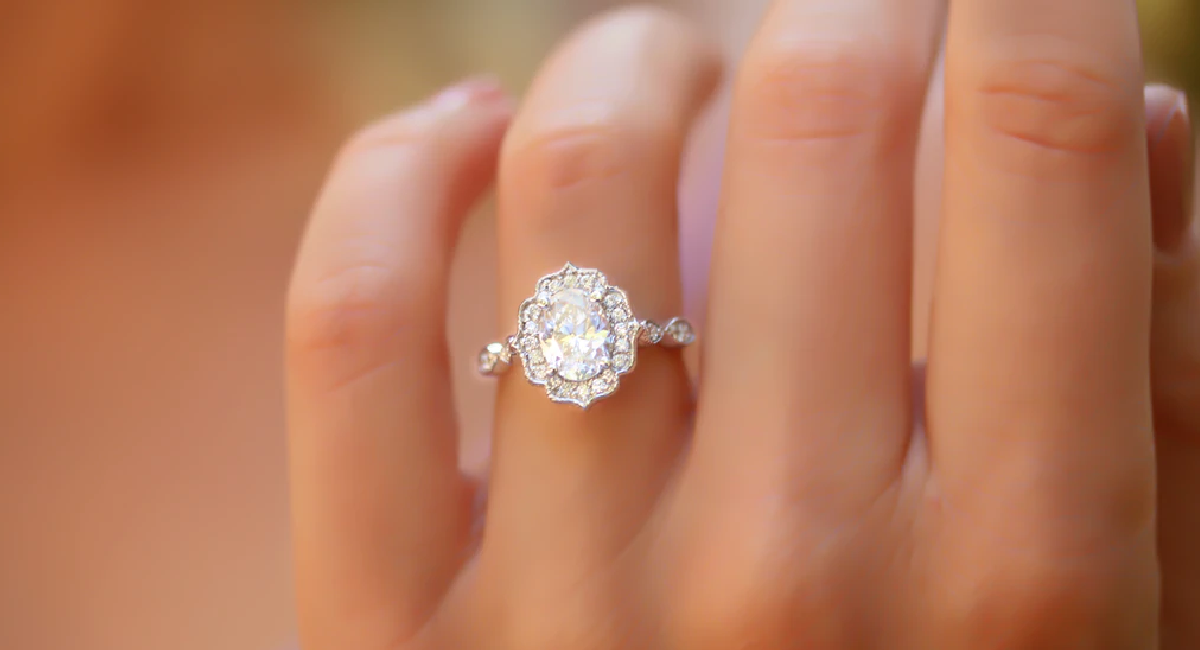
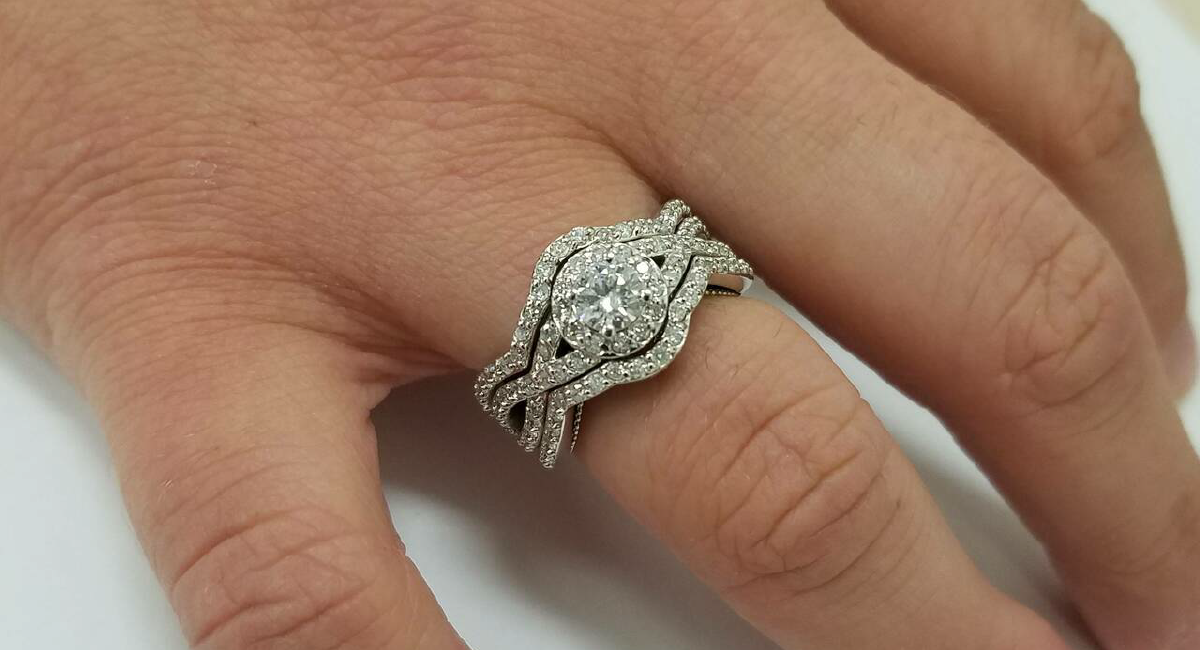
round diamond ring with halo style makes the center diamond look larger by encircling it with a circle of lesser diamonds or gemstones. It has a romantic, vintage vibe and is perfect for those who love diamonds.

Vintage Round Diamond Ring:

This ring style is perfect for the one you love, with its classic round stone and delicate filigree or milgrain settings that will always stay classic. A halo or pavé setting may be added to set the stone off.

Celebrity Round Diamond Engagement Rings

The round cut diamond engagement rings are popular among many famous people. Quarterback Tim Tebow presented Demi-Leigh Nel-Peters with a flawless 7.5-carat round diamond, while Brittany Snow showed off a round diamond set in a pave band.

Felicity Jones chose a timeless circular cut on a band of golden metal. A halo-encircled round diamond is the focal point of Alison Brie’s rose gold ring.

Jamie Bell proposed to Kate Mara with a classic round cut diamond engagement ring back in 2020. The round diamond on Meg Ryan’s yellow gold band and the one on Rosie Huntington Whitley’s equally astonished viewers.

So, celebrities equally invest in the diamond saga, with each of them gifting/selecting a unique ring.

Conclusion

Round diamonds were the most favoured diamond cut in the marketplace for generations, notably for engagement rings, pendants, and studs. This magnificent diamond cut is designed to match new artistic principles while maintaining an ageless and traditional appearance.

Round cuts have remarkable brightness and flare, which flashes under lighting, thanks to stringent rules for optimal dimensions. To define the quality of a round diamond, these rules look at its facet shapes, girdle breadth, culet, luster, and evenness.

The appropriate ratios of round cuts give universality, grace, and superb sparkle, proving a traditional yet attractive diamond alternative.


FAQs

How many facets in a round brilliant cut diamond?
A round brilliant cut diamond has 58 facets, optimizing brilliance and sparkle for exquisite beauty.

How much is a 3 carat round diamond worth?
The value of a 3 carat round diamond varies widely depending on its quality and characteristics, but it could range from $5,000 to $70,000 or more.

Does a round diamond sparkle the most?
Yes, a round cut diamond typically sparkles the most due to its symmetrical shape and faceting pattern, which maximize light reflection and brilliance.

Why do round diamonds look bigger?
Round diamonds often appear bigger than other shapes of the same carat weight due to their unique cutting style, which maximizes the stone’s surface area visible from the top, known as the table. This optical illusion makes round diamonds appear larger than other shapes of equal weight.
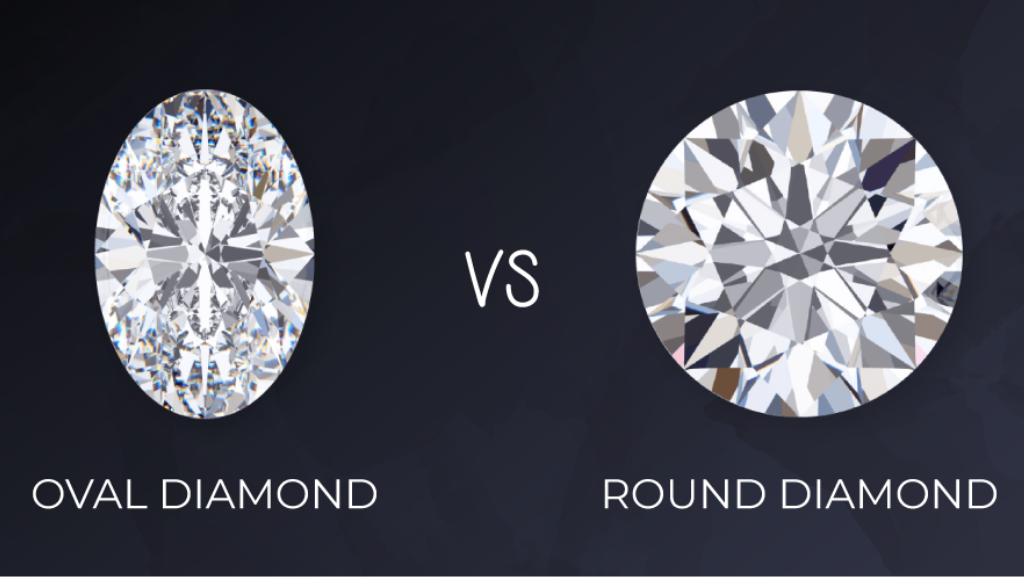
Oval vs Round Diamond: Which One to Choose?

Choosing a specific cut can be quite a task when comparing different cuts in the diamond world. Each cut has its own uniqueness and beauty and is suitable for different occasions but still drawing a comparison between two cuts is especially difficult and even more, so when both are as famous as the oval cut and the round cut.

These two cuts have been around for centuries and with the round one prevailing in the diamond market, but does that make it better or just more accessible?

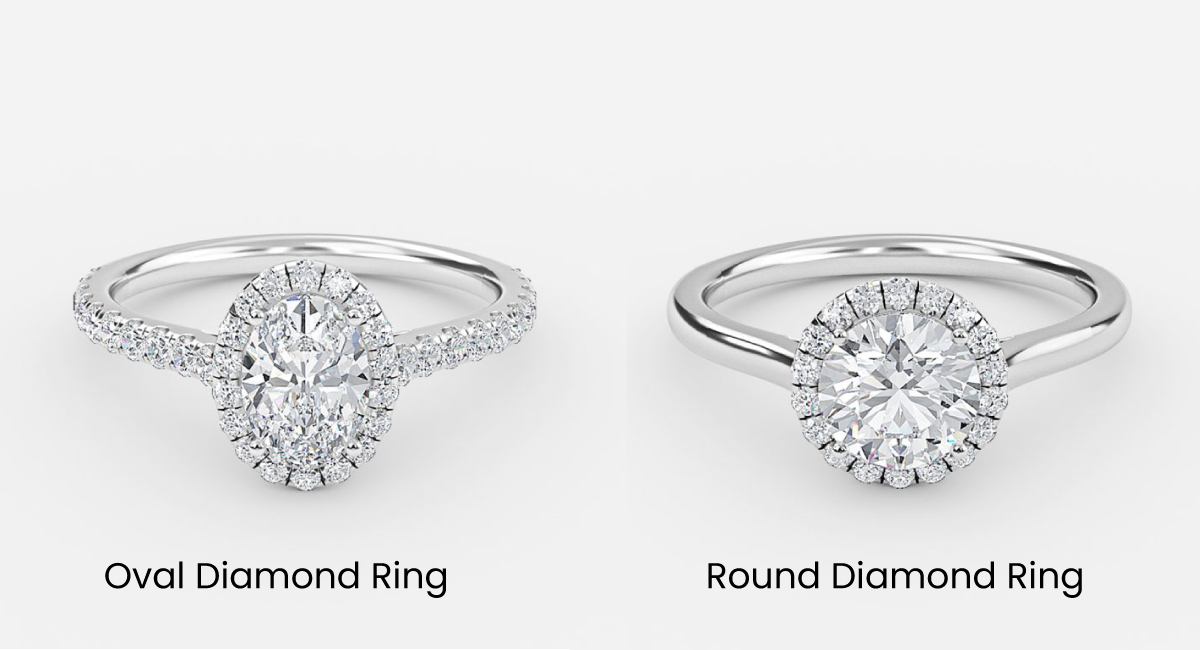
lab grown diamond oval vs round diamond 
It can be quite confusing when choosing between the two so we have brought you a detailed guide as to what’s the difference between a round cut diamond and an oval cut diamond. Along with all you need to know about how similar, yet how different both of them are in comparison. Which one will suit your budget and which one will suit your style, let’s find out!

What is a Round Cut Diamond?

round lab diamond
The round cut diamond is the oldest and most popular diamond cut. It is the market’s favourite diamond. The round cut diamond is a classic cut that is extremely popular amongst engagement ring designs. The name round cut diamond of course suggests that the diamond has a round table and a conical pavilion.

[blog_page_inventory shape=”Round” carat=”2.00,3.10″ cut=”1,4″ color=”0,10″ clarity=”0,11″]
[blog_page_btn title”Buy Now” url=”https://www.loosegrowndiamond.com/inventory/?”]

What is an Oval Cut Diamond?

oval cut diamond
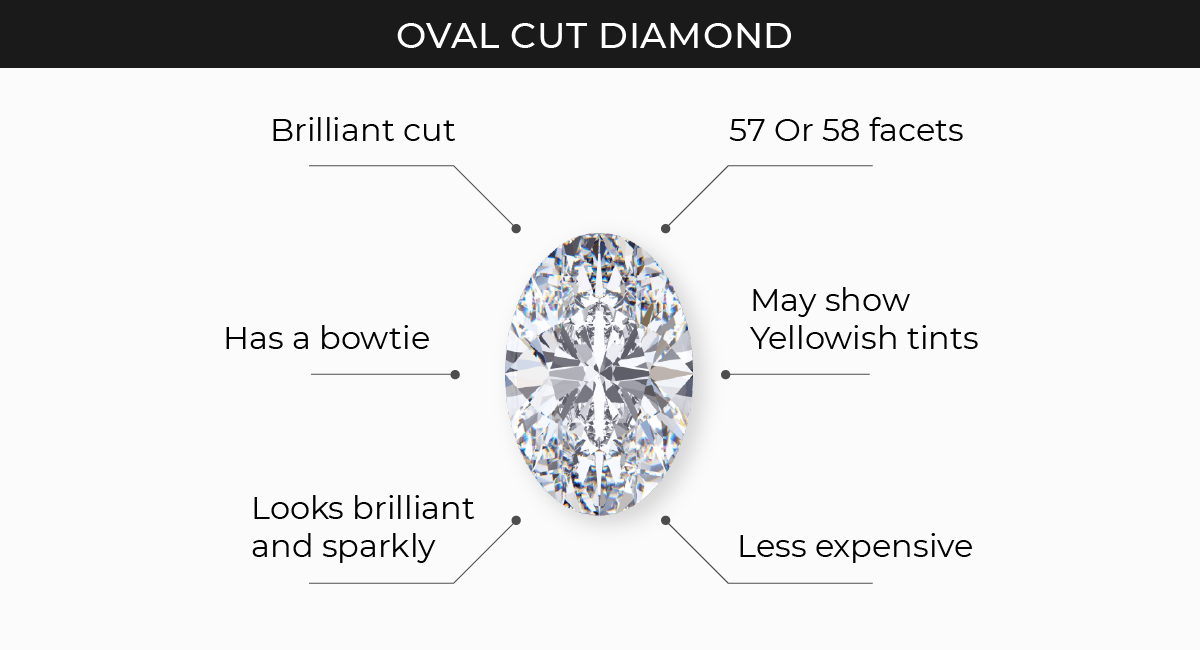
The lab grown oval cut diamond has now gained a lot of popularity because it definitely makes for a grand piece of jewelry be it a ring, a necklace, an earring, pendant or any other piece of jewelry. The oval table and the short pavilion make for a flatter but bigger-looking diamond.

[blog_page_inventory shape=”Oval” carat=”2.00,3.10″ cut=”1,4″ color=”0,10″ clarity=”0,11″]
[blog_page_btn title”Buy Now” url=”https://www.loosegrowndiamond.com/inventory/?”]

Similarities in Round and Oval Diamond

Round and oval diamonds, despite their differing shapes, share several similarities. You get a curvy appeal, along with great brilliance in both diamonds. Both diamond cuts make for exceptional pieces of jewelry, especially engagement rings.

Both round and oval diamonds are subject to the same criteria regarding diamond grading standards. The Oval and Round cut diamonds have a similar finished look.

Oval vs Round Diamond

oval vs round diamond Infographics

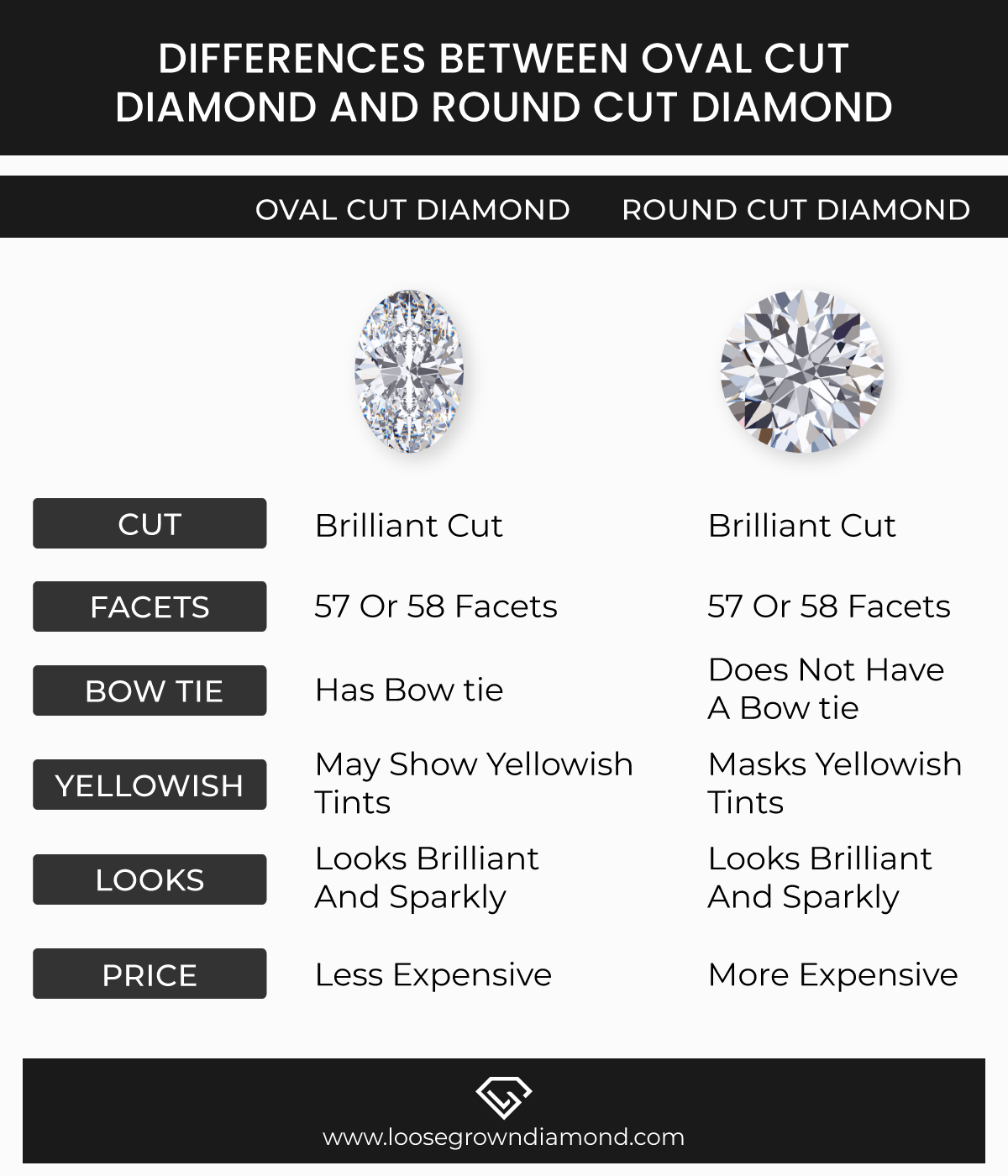
The round cut diamond has older origins than the oval cut diamond. It is used much more in the market today and hence is a more popular diamond but for the same reason, it might become a common choice if you choose to buy a round cut diamond.

In contrast to this, an oval cut diamond is much less in demand and hence makes purchasing an oval cut diamond a very unique choice. Only in the last few years have people started using the oval cut diamond for statement pieces.

A round cut diamond has a higher brilliance than an oval cut diamond due to the depth of its pavilion and the internal refraction in the diamond. The oval cut diamond has a wider table and shallower pavilion, hence even though the brilliance comes second to the round cut diamond, an oval cut diamond has much more fire, which is colored reflection inside the diamond.

Round vs Oval Diamonds:  The Bow Tie Effect

bow tie effect in oval and round diamonds 
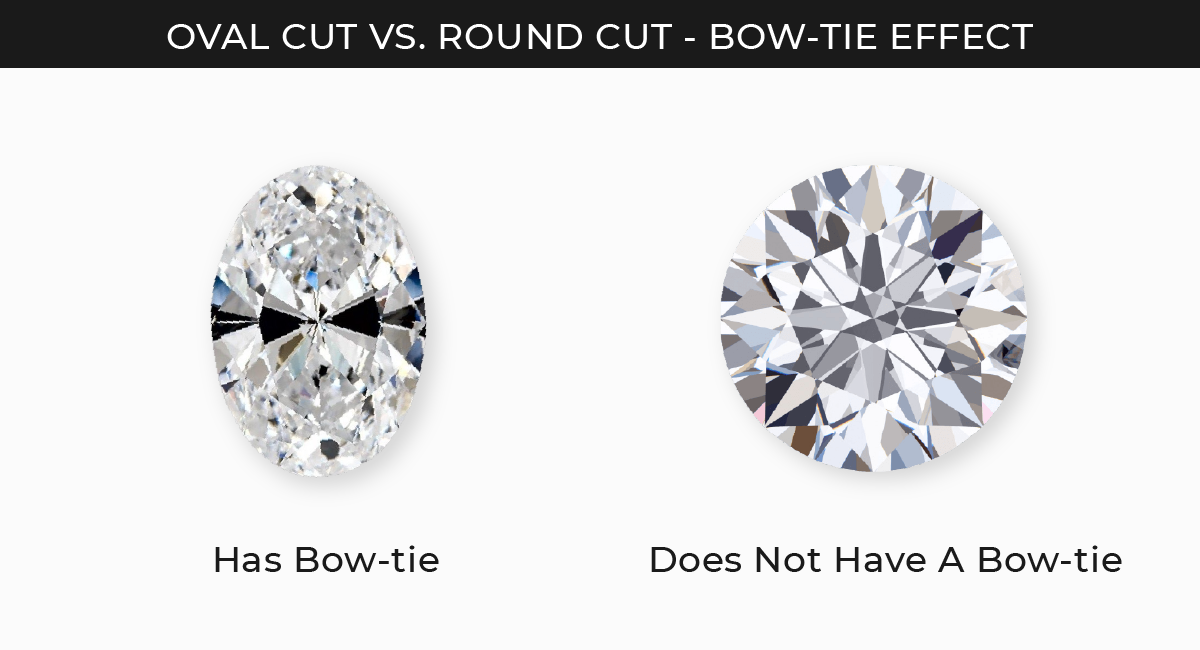
The bowtie effect is one of the biggest disadvantages of an oval cut diamond. The diamond cut is fancy and hence authorities like the GIA do not give grading to these diamonds which often leads to poor cut diamonds being floated in the market.

The bow-tie effect happens when a diamond has been poorly cut and hence the light at several points exists in the diamond creating a shadow inside a diamond that looks like a bow-tie, hence the name. If you do go ahead in choosing an oval cut diamond make sure you proof-check it for the bow-tie effect.

Oval vs Round Diamonds: Sparkle Comparison

The sparkle of a diamond is the dazzling play of light it emits with every movement. Among diamond shapes, the round cut stands out for its superior sparkle, thanks to its specific faceting structure and concentrated shape.

Both round and oval diamonds belong to the brilliant cut category, designed to maximize brilliance. Round diamonds, with 58 facets, reflect excellent white light. Oval diamonds, with 57-58 facets, have the potential to sparkle as much as round diamonds.

To evaluate brilliance, diamond labs like GIA use a grading scale ranging from Excellent to Poor, based on strict criteria like table and depth percentage, crown and pavilion angles. The ideal cut balances these factors for optimal light return. However, lab grown oval diamonds don’t receive a cut grade due to their diverse shapes, making it challenging to standardize light return assessment.

Assigning a ‘light return’ grade to oval diamonds is tricky because each oval is unique. Factors like length to width ratio may help labs gauge light performance in the future. For now, comparing multiple diamonds based on personal preference remains the best way to choose a well-cut oval diamond.

Oval vs Round Diamonds: Size Perception

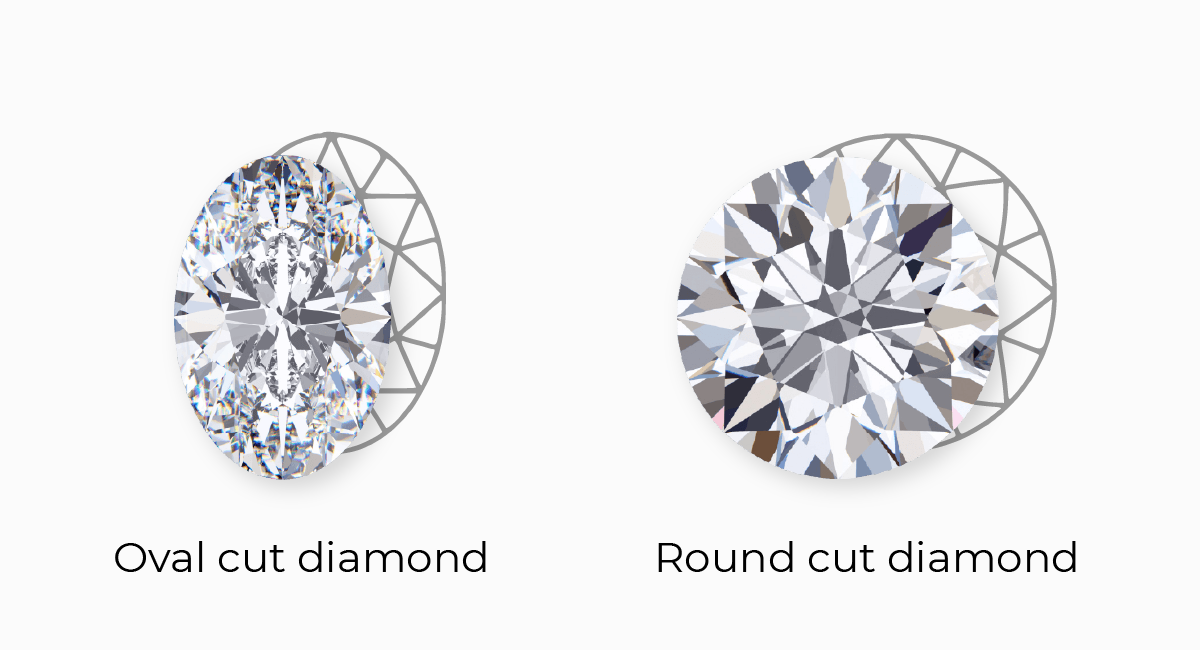
When comparing the size of oval and round diamonds, a few factors make ovals seem larger. Due to their elongated shape and weight concentrated toward the top, ovals appear larger than round diamonds of the same carat weight.

This is supported by the overall surface area on display. Ovals look approximately 10% bigger than round diamonds of similar weight. Additionally, because ovals have a longer length and a shorter width, people often instinctively perceive the oval’s size based on its length rather than its width.

Oval vs Round Diamonds: Variety

Round diamonds are always the same shape – round. They vary in carat size but remain uniform in shape.

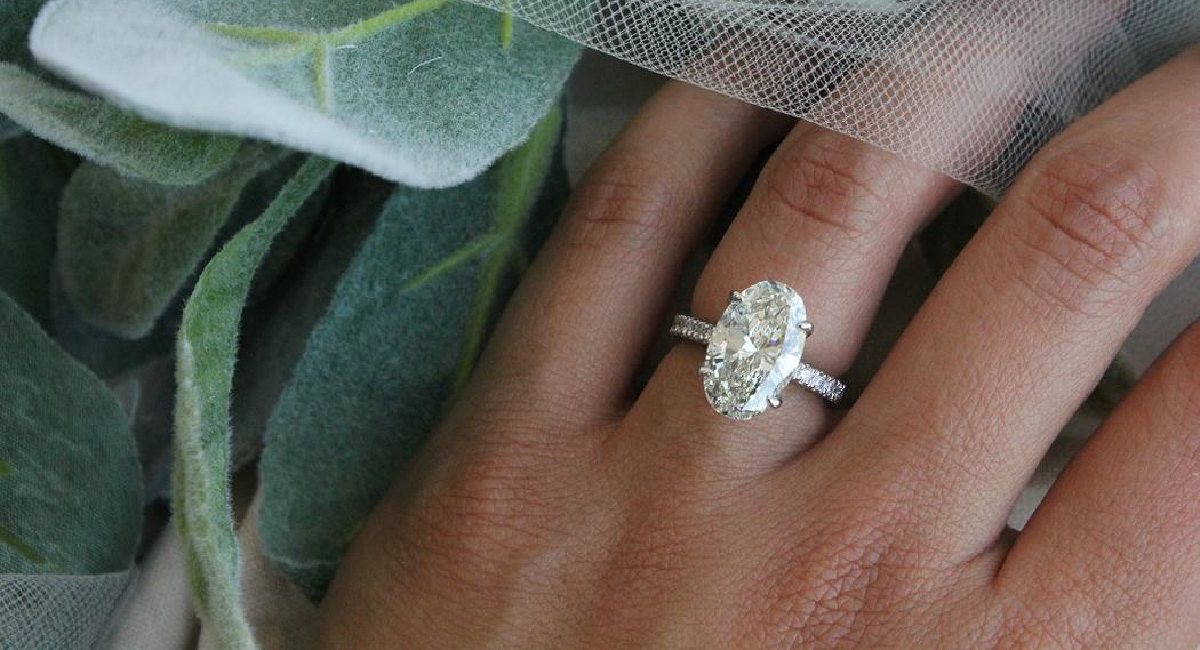
In contrast, oval diamonds offer a range of shapes and sizes based on their length to width ratio. Elongated ovals (ratio > 1.5) appear thin, while rounded ovals (ratio ~ 1.3) look wider. Most oval diamonds fall within a 1.34 to 1.42 ratio.

For example, the oval ring on the left has a 1.30 ratio, appearing more rounded. The one on the right has a 1.52 ratio, showcasing a longer and thinner appearance.

Oval vs Round Diamonds: Which One is More Expensive?

Round cut diamonds have a much higher demand than oval cut diamonds and hence their price range is relatively more than an oval cut diamond. An oval cut diamond is easier to cut. Even the making charges of both the diamonds differ, due to which the oval cut has a lower manufacturing rate. 

To put it in perspective when you go for a less clear diamond, round-cut diamonds can still be fairly expensive. But if you go for a less clear diamond in the Oval cut, you can get a pretty good deal on its price.

For example, let’s consider two diamonds with similar specifications except for their shapes:

[su_table responsive=”yes” fixed=”yes”]

Shape Round Oval
Cut Ideal Ideal
Color D D
Clarity VVS1 VVS1
Carat 1 Carat 1 Carat
Price $1500 $1200

[/su_table]

If you are smart enough to choose your diamond, you may be able to get a ‘lesser grade diamond’ at a lower price with inclusions and abnormalities that are not detectable by the naked eye.

Round or Oval Diamond Cut Diamond Ring, Which Style to Choose?

Round or Oval Diamond Cut Diamond Ring, Which style to choose?

Oval and round cut both are curved diamonds but one might be more suitable to your own personal style statement than the other. An Oval cut diamond is suitable for you if you like a more grand diamond and you prioritize fire over the brilliance of your diamond.

Designs You Should Consider Buying if You Prefer Oval Cut Diamonds:

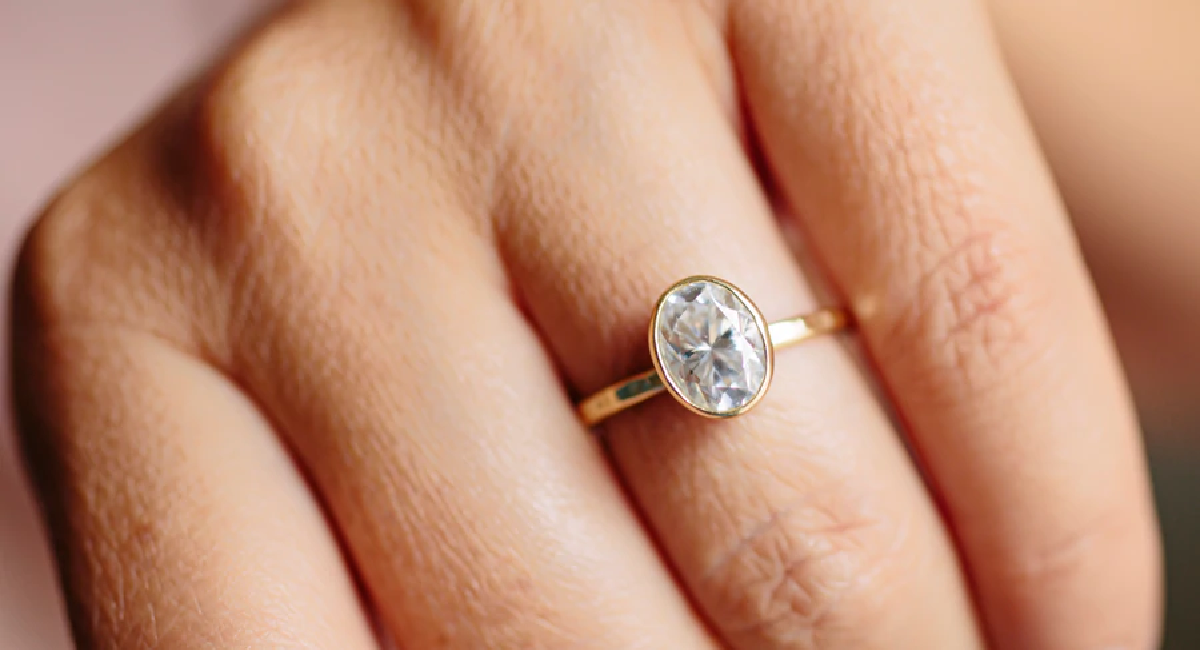
Oval Bezel Ring

oval diamond bezel setting

A bezel set oval diamond ring is a classical and evergreen design. A bezel setting places more focus on the central diamond and generally an oval cut diamond looks clean and almost perfect in the setting. We assure you, that a bezel setting with a paves-cut diamond band never fails to amaze. 

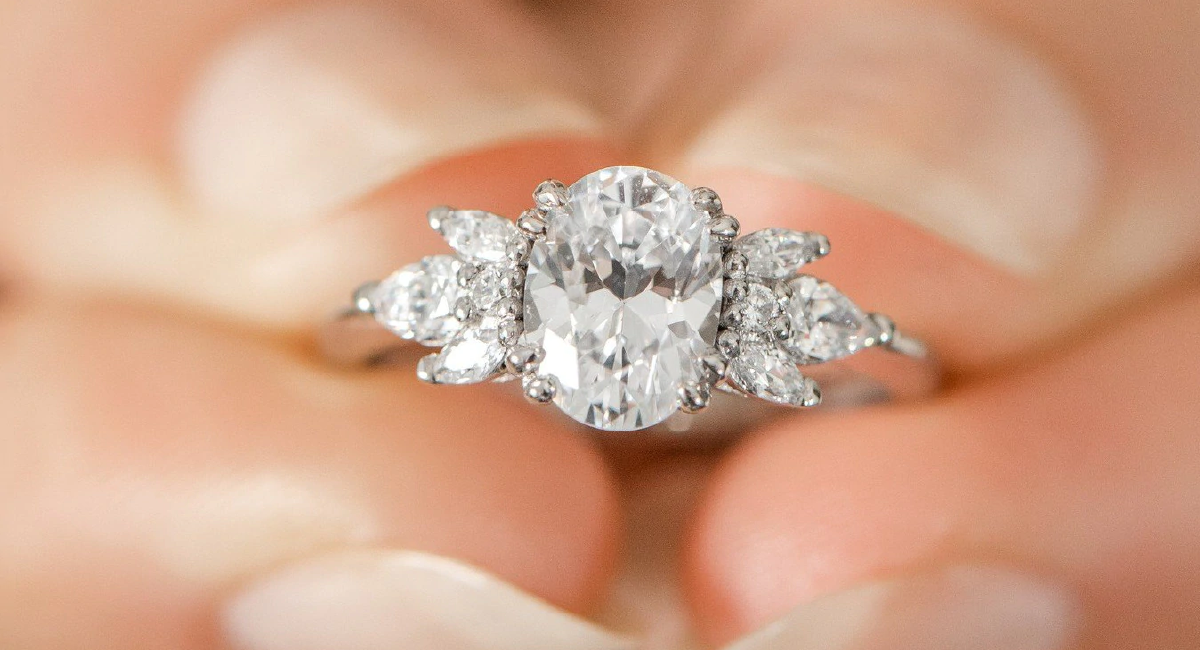
Oval Cluster Ring

oval shape cluster ring

A cluster ring setting is an absolute head-turner because the presence of multiple diamonds gives extra dazzle to the diamond. You can choose to go with the same size of smaller diamonds or go ahead with a big central diamond surrounded by multiple smaller diamonds, both designs are quite stunning.

Oval Diamond Band Ring

oval diamond band

This ring basically plays with the band of the diamond and you can go ahead with different prong settings or you can use different effects like the bow-tie effect to give grandeur to the ring. You can choose to go with a white platinum pave set band if the simple look is a little underwhelming. 

Oval Diamond Halo Ring

oval diamond halo ring

A halo oval diamond ring is a popular design because of the symmetry it offers. It adds extra drama to the central diamond by placing smaller diamond accents around the main central diamond. We suggest you go with a white platinum setting because it only adds to the brilliance of the whole design.

Oval Hidden Halo Ring

oval cut hidden halo ring

The hidden halo ring is a new adaptation of the classic halo ring design. The hidden halo ring consists of a halo beneath the diamond and this makes the diamond appear bigger from the side because the halo adds height to the central diamond. The hidden halo ring adds extra sparkle on the side. 

Oval Solitaire Ring

oval diamond solitaire ring

The solitaire ring is the most widely bought engagement ring. It is one design that never goes out of fashion. The central oval diamond is the show stopper and if you have a higher-carat diamond, then this design is the best to show it off. 

Oval Three Stone Ring

oval diamond three stone ring

A three stone ring works best with a four-prong setting. We suggest that along with the beautiful central oval diamond you choose rhombus-shaped diamond accents because they add width to the central diamond making it look bigger. The design is quite brilliant and beautiful.

Oval Vintage Ring

lab grown oval vintage ring

An Oval cut diamond is one of the best-suited diamonds for vintage and old designs. Vintage designs often had a pave set or dome set band with small milgrain details along with diamond accents complimenting the central diamond. Vintage rings also often sport minor nature-related details that look exquisite on a diamond ring. 

Designs You Should Consider Buying if you Prefer Round Cut Diamonds:

Round Bezel Ring

round diamond bezel ring

A round-cut bezel ring is suited for both men and women. It is one of the very few engagement ring designs which is unisex and looks great on both. The classical way to go about bezel diamond rings is a plain gold band with a round-cut diamond.

Round Cluster Ring

round cluster engagement ring

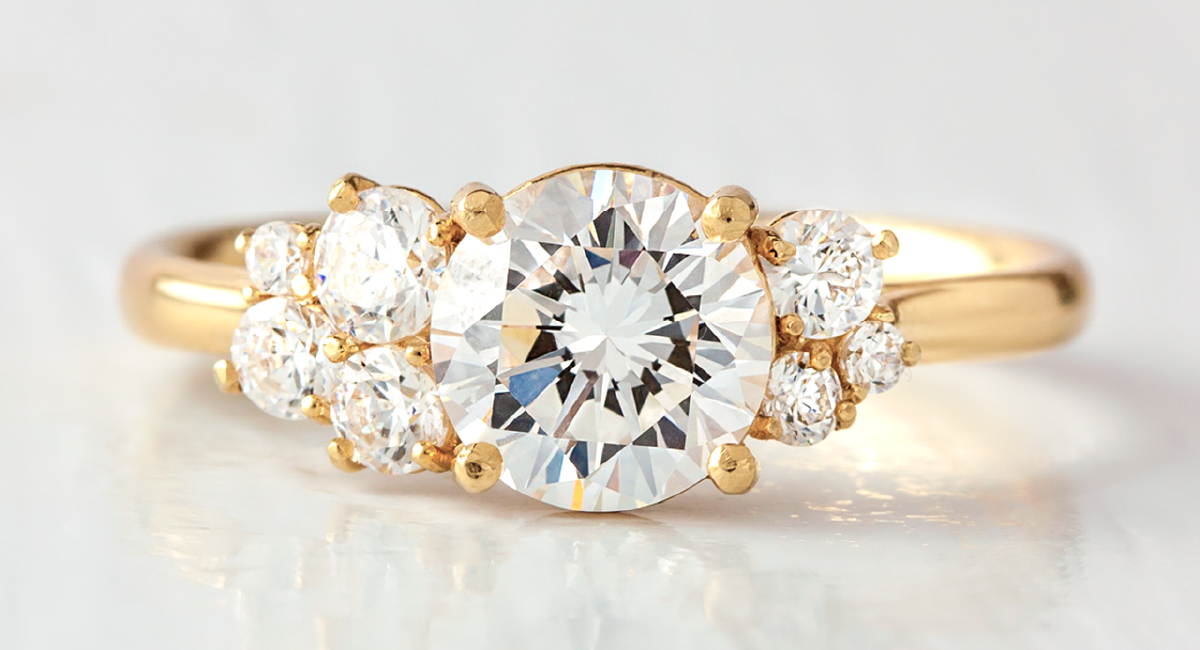
A round cluster diamond ring comes in many variations. You can go with a single central large diamond or choose multiple colored diamonds along with a big central diamond. Cluster rings tend to have higher brilliance and fire due to the presence of multiple diamonds and you can choose other band designs. 

Round Diamond Band

round cut diamond ring with diamond band

Round diamond bands are yet another design that is suitable for men and women. They are quite contemporary and offer many variations as well. The three most popular settings with this design are gypsy settings, channel settings, and pave cut settings. The metals to go with this design are white gold and platinum.

Round Halo Ring

round cut diamond with halo

The round halo ring is a simple clean design with a lot of dazzle and great diamond accents to add to that dazzle. It is often said to be one of the best designs there are for an engagement ring. You also can customize the design on your own by selecting a fancy band style.

Round Hidden Halo Ring

round diamond hidden halo ring

The round hidden halo ring is a simple design that is not so simple. The design has a halo of diamonds beneath the main central diamond. The design is contemporary and it does have other variations in it. The design is quite versatile and multiple mental bands and band settings work with this design.

Round Solitaire Ring

round cut diamond solitaire ring

The round solitaire is the best-selling engagement ring design. You can choose between a four-prong or six-prong setting. Platinum is one of the best metals to go with a solitaire design. If you are going for a higher clarity grade then definitely this is the best design to show this off. 

Round Three Stone Ring

round diamond three stone ring

The three stone diamond ring is another evergreen design. It looks great especially if you pair it with two marquise diamonds. The brilliance of the central round cut diamond is further enhanced by the two diamonds. Three stone round cut diamond engagement ring is a great symmetrical and clean design.

Round Vintage Ring

round diamond vintage ring

Round vintage rings are often with a lot of details inspired by nature. Round vintage designs can also be inspired by the art deco period. The bands generally have milgrain details along with small diamond accents embedded in the band. Vintage designs never go out of style.

Conclusion

The diamond world is filled with beauty but at the same time, there are a lot of different specifications you need to keep in mind before you select a diamond. 

As not every beautiful diamond suits every occasion it is better if you choose one that suits you and your style. Before investing a lot of money in a diamond purchase you need to make sure that you thoroughly go through all your options and compare them so you end up choosing the best one.

In the end, the round cut diamond is considered the best type of diamond when ranked according to popularity and accessibility, this also leads to it being more expensive. While the oval cut diamond is considered to be more unique but equally risky to buy without proper certification.

We at Loose Grown Diamonds make sure each and every one of our diamonds is certified by reputed institutions like GIA and IGI. Each diamond is manufactured by us and put in front of the consumers to buy directly, without any involvement of a middle-man. Check out our store for more details.

FAQs

What is the primary difference between oval and round diamonds?
Oval diamonds have an elongated, elliptical shape with pointed ends, while round diamonds are perfectly circular.

Which diamond shape appears larger, oval or round?
Generally, oval diamonds appear larger than round diamonds of the same carat weight due to their elongated shape, which creates an illusion of greater size.

Do round diamonds cost more than oval diamonds?
Generally, round diamonds are priced slightly higher per carat compared to oval diamonds of similar quality due to the higher demand and the loss of more rough diamond during cutting.

Do oval engagement rings look bigger than round?
Yes, oval engagement rings often appear larger than round diamond ones of the same carat weight due to their elongated shape.