Lab-grown diamonds are setting a different fashion statement in the jewelry world. These are the best alternatives to the mined diamonds that are also an affordable and sustainable deal. Understand the top 10 benefits of buying lab grown diamond for your jewelry in this guide. But, first, let’s get to know what lab grown diamonds are.
What are Lab-Grown Diamonds?
With the name, we can understand that these diamonds are made in a lab. Lab-grown diamonds are created with the use of cutting-edge technology performed by experts. The production of these diamonds includes favorable conditions and processes that are similar to the making of a natural diamond. But the difference is that lab created diamonds are created under controlled environmental conditions compared to natural ones. This controlled condition makes them ethical, eco-friendly and sustainable.
Why You Should Buy Lab-Grown Diamond?
Lab-grown diamonds are the best alternative to natural diamonds that provide a list of benefits to not only buyers but also to the environment. Learn about the top 10 benefits offered by these diamonds.
Ethical Sourcing: The mining of natural diamonds includes unethical processes like forced labor and unsafe working practices. Whereas, the lab-grown diamonds are created in controlled lab conditions ensuring ethical production. Thus the creation of these diamonds does not have a bad impact on humankind.
Environmentally Friendly: The mining of natural diamonds has a great impact on the environment including the destruction of natural habitats, water pollution and excessive carbon emission. In comparison, lab-grown diamonds do not affect the environment as they are created in the labs under controlled conditions.
Customization and Variety: As these diamonds are produced in labs they can be customized to a specific shape, size and design giving it a personal touch. The customization of these diamonds leads them to include many cuts that do not exist in natural diamonds.
Exceptional Quality and Purity: The lab-grown diamonds are created using top-notch technology that sets quality standards and consistency in the 4Cs factor. The lab-grown diamonds are available in various carat, color, cut and clarity.
Transparency and Certification: Lab-grown diamonds are graded and certified on the standards same as those of natural diamonds. These diamonds are certified by reputable and renowned institutions like the Gemological Institute of America (GIA). The certifications ensure transparency during the purchase and provide customer satisfaction.
Quality and Purity: Natural diamonds are indeed of high quality but it also costs a lot of dollars. But, advanced technologies have made it possible to get a high-quality diamond similar to natural ones but at an affordable price. These lab-grown diamonds are created at such high quality with exceptional clarity and fewer flaws which make them pure.
Guaranteed Conflict-Free: The money received by the sale of diamonds is used to fund violent conflicts in countries like Sierra Leone and Angola. The Kimberley Process Certification Scheme took the initiative to make these diamonds conflict-free. To resolve this issue Lab-grown diamonds are the best substitute as they are conflict-free and do not contribute to any conflict.
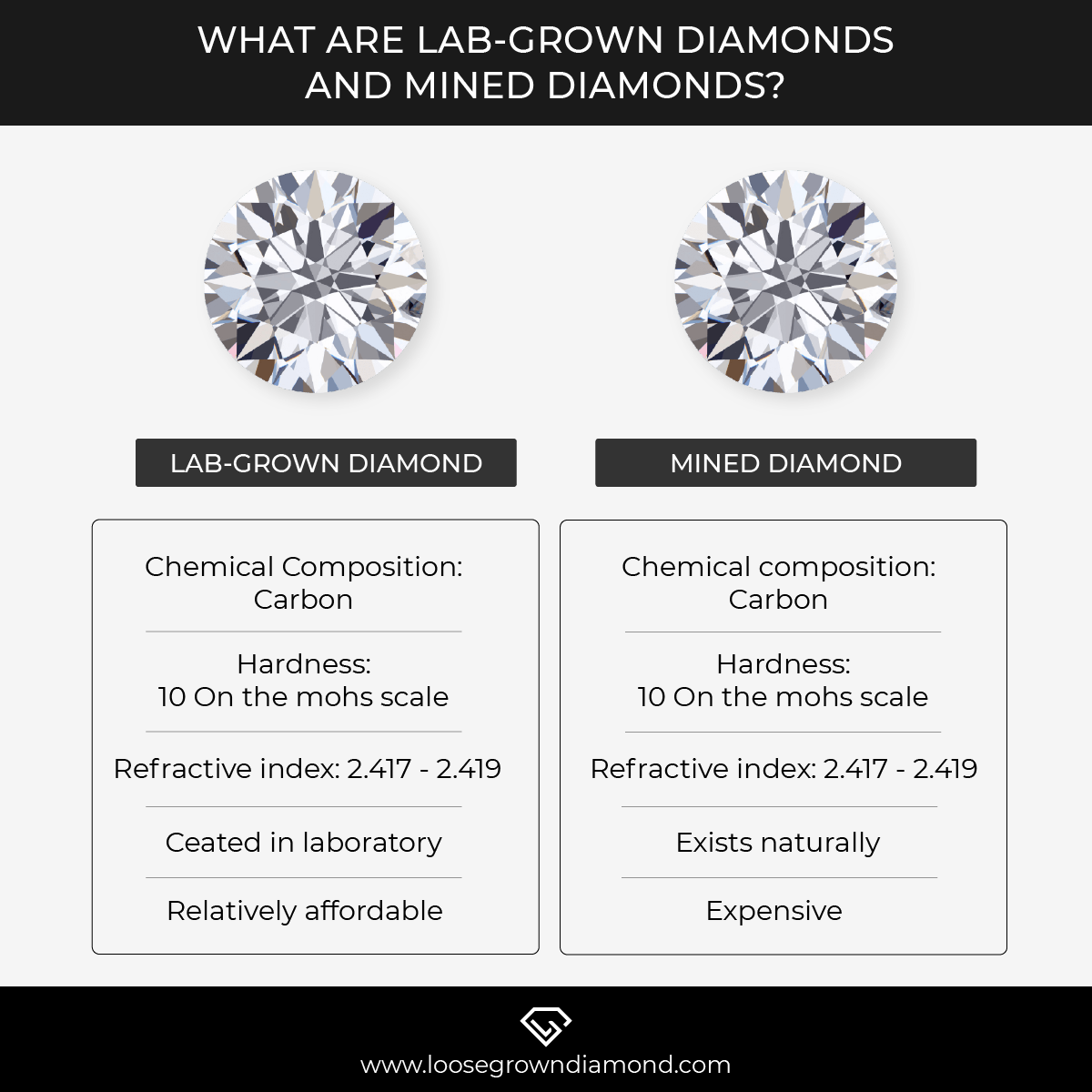
Same Durability and Sparkle: Although these diamonds are lab-grown they have the same durability as natural diamonds. The lab-grown diamonds rank 10/10 on the Mohs scale of hardness just like natural ones. They also have excellent sparkle due to various cut designs.
Less Expensive than Natural Diamonds: As we all know natural diamonds are expensive as they are rare. In contrast, lab-grown diamonds are less expensive than natural diamonds making them the best affordable alternative.
Increasing Popularity and Acceptance: Lab-grown diamonds have gained so much popularity in the market due to their similar features to natural diamonds. People have started accepting this type of diamond over natural ones as they are sustainable and affordable.
Identical appearance: One of the important reasons to go for Lab-grown diamonds is that they are identical to the natural ones. Which means that these diamonds are similar to the brilliance, appearance, cuts, sparkle and clarity of the natural diamond. They look similar as the carbon crystals of the lab-grown diamonds are arranged as that of natural ones.
How are lab diamonds made?
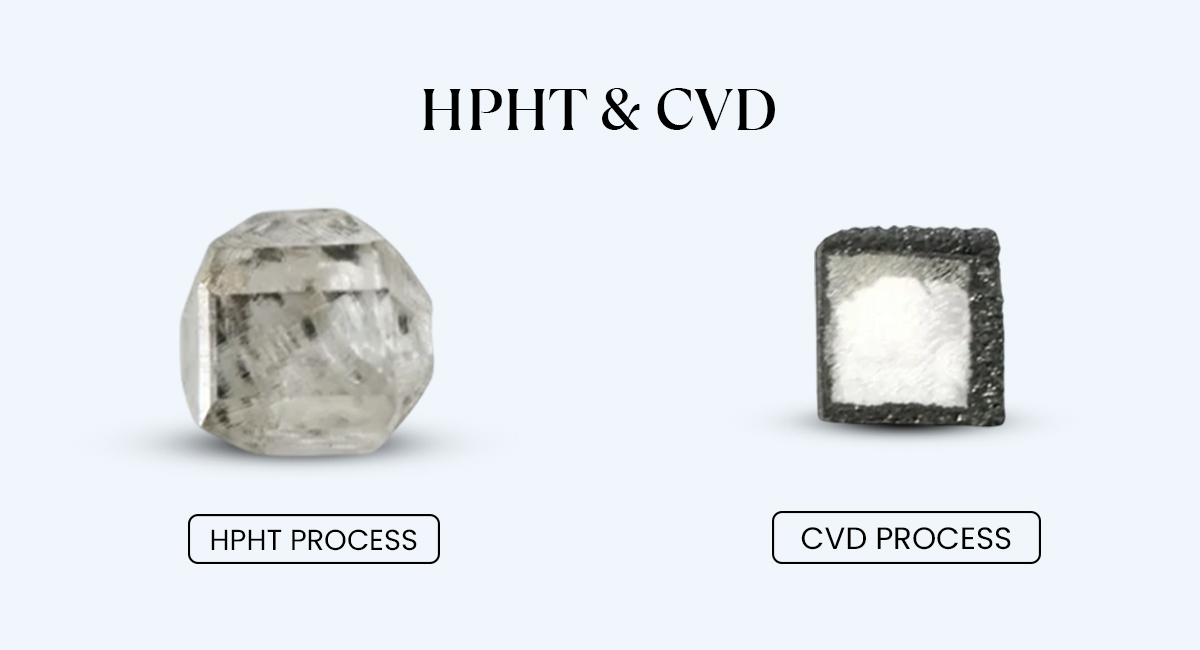
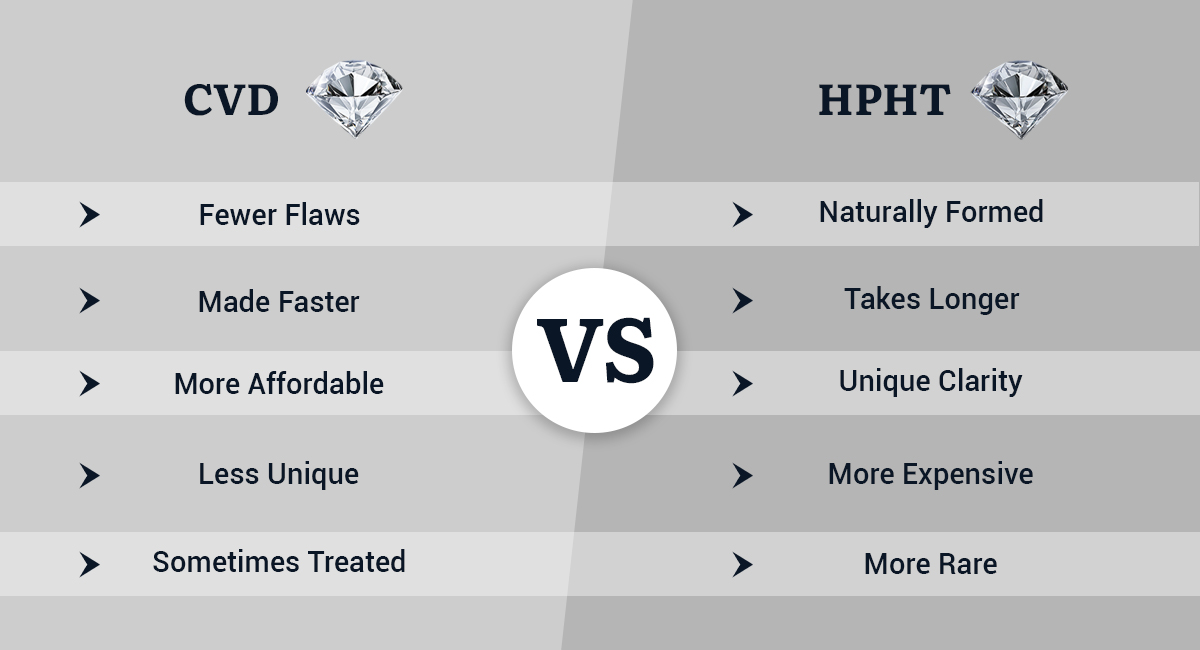
Lab-grown diamonds are created with high-quality advanced technology under controlled processes in a lab. The production process of lab-grown diamonds includes two main methods: High-Pressure High Temperature (HPHT) and chemical vapor deposition (CVD). Let’s understand the methods used to create these diamonds.
HPHT or High-Pressure High-Temperature method:
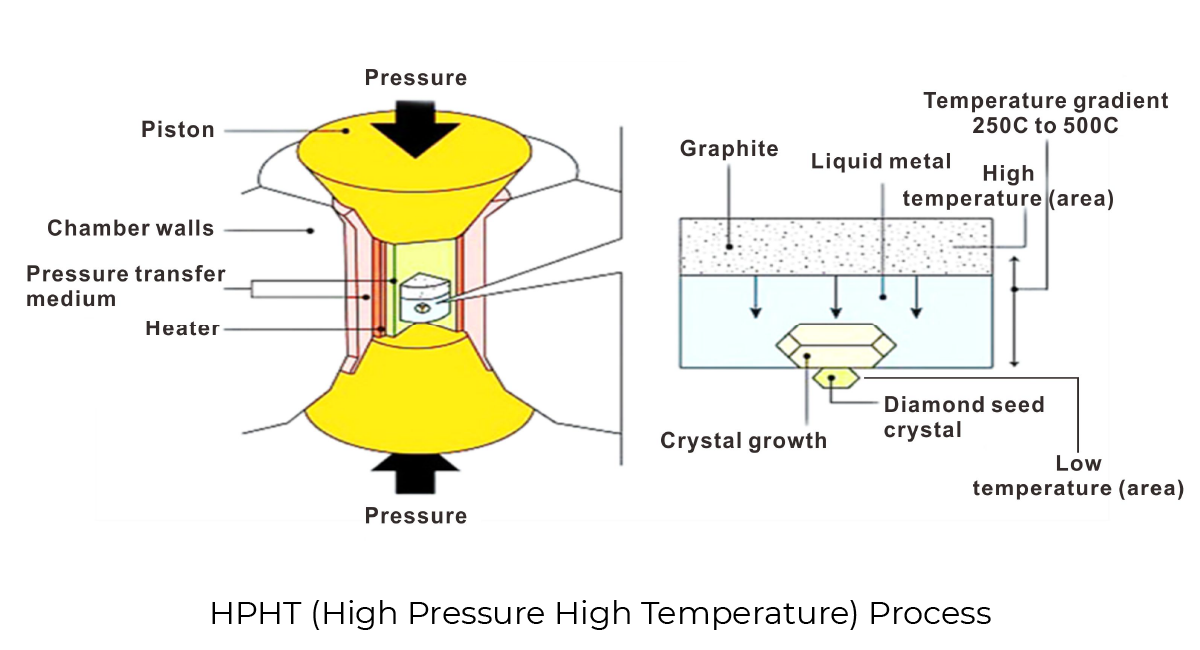
This method includes the recreation of the conditions required to form a natural diamond in a controlled manner. The process further continues by placing a diamond seed with carbon-rich gas in a chamber. After placing the seed in the chamber it is given high pressure and temperature to the chamber. With the effect of pressure and temperature the carbon gas bonds with the seed and gradually grows into a complete diamond.
Chemical vapor Deposition (CVD):
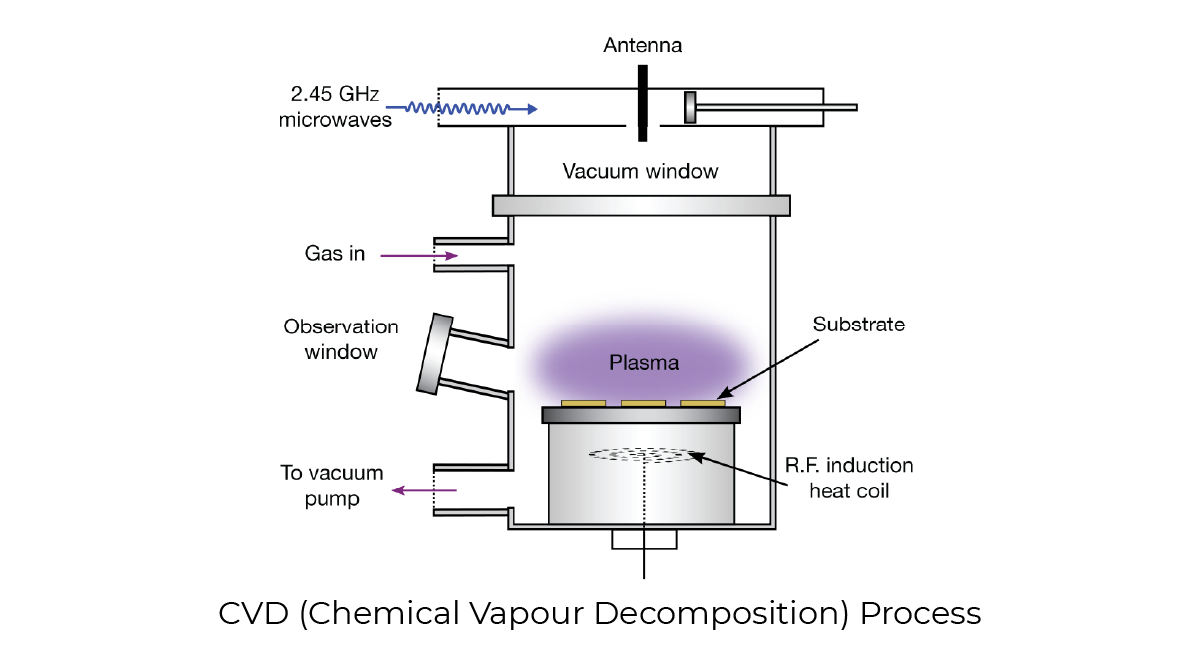
This method involves an underlying substance like a small seed of diamond or a silicon sheet. This substrate or a layer is exposed to the plasma of gas rich in carbon. This plasma helps to deposit thin layers of carbon atoms on the substrate that grows up into a crystal of diamond.
The grading and certification of the Lab-Grown diamonds are done similarly to that of natural diamonds. They are of high quality just like natural diamonds.
Customized Jewelry with Loose Grown Diamond
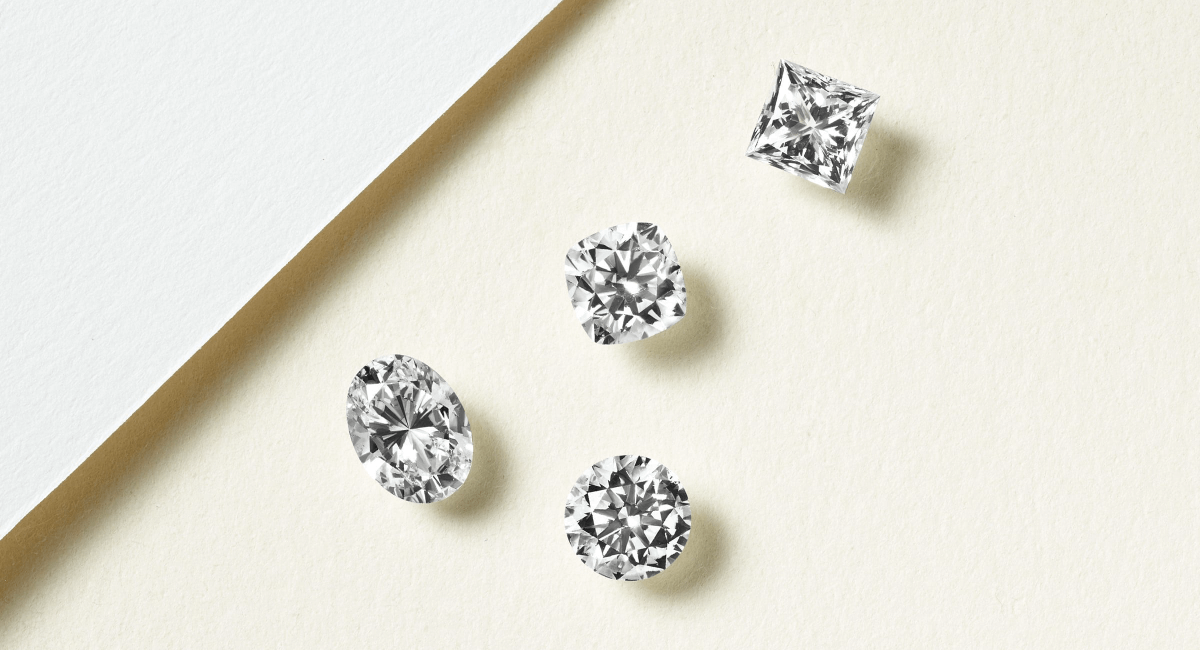
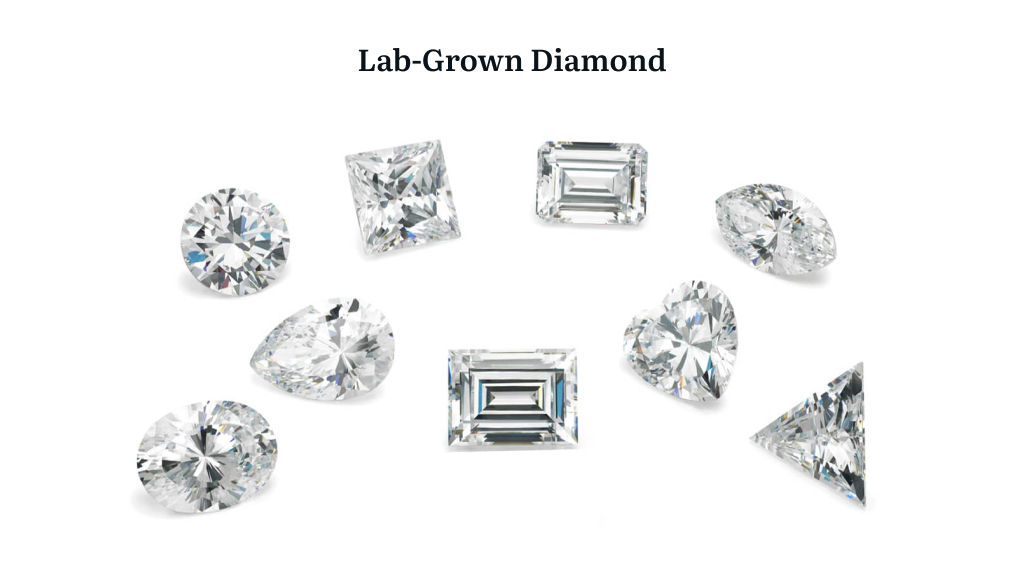
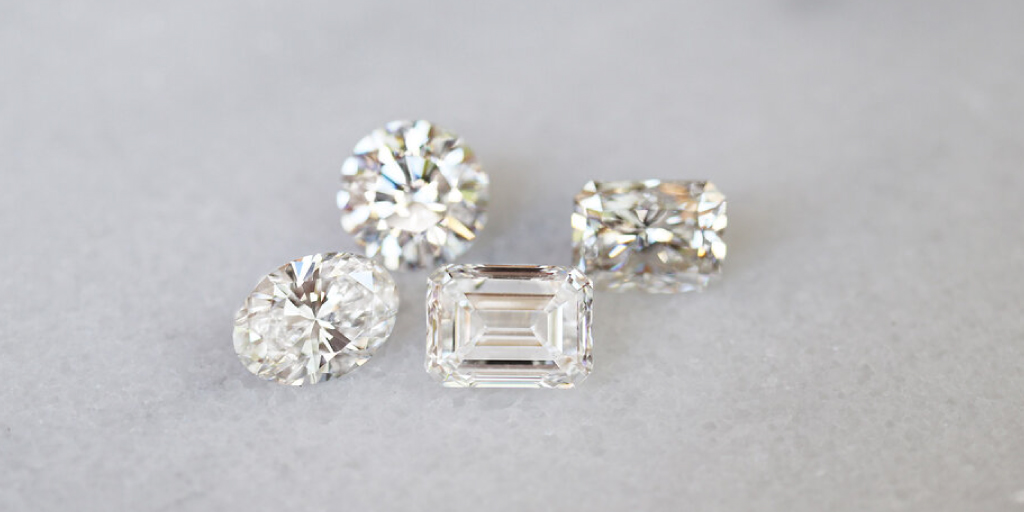
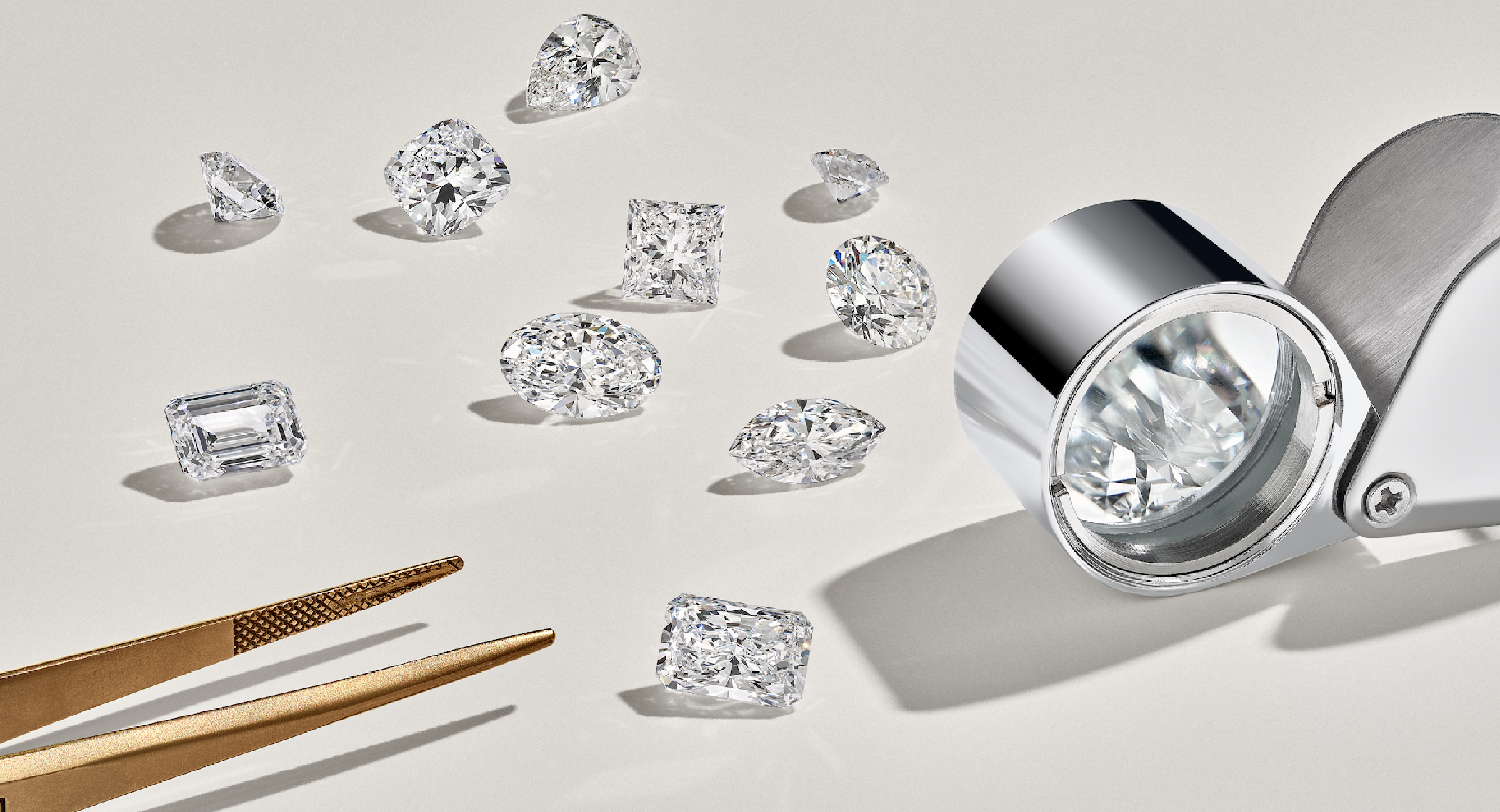
One of the amazing features of lab-grown diamonds is that they are available for the customization that allows the buyers to add their personal touch. Loose grown Diamond with a team of professional and long-term experience creates these diamonds in a lab under controlled environment. This controlled environment allows them to change the size, cut and shape giving it the look as desired by the buyers. The diamonds are available in a varied shape like versatile round, oval, radiant cut, square and others.
Loose-Grown diamond allow the customers to get their preferable jewelry with their excellent customization services. Buyers are allowed to add their personal touch in the form of intricate designs, combinations of shapes or some engraving details to give a meaningful design.
Conclusion
Lab grown diamond have created a huge place in the diamond market. Features like affordability, ethical production, sustainability and environmental friendly make the ideal alternative to natural diamonds. They not only benefit the buyers but also the environment. Get yourself lab-grown diamond jewelry with Loose Grown Diamond at the best deal.
FAQs
Are lab-grown diamonds real diamonds?
Yes, Lab-grown diamonds have similar features to earth-mined diamonds, but the only difference is that they are lab-generated.
How do you identify lab-grown diamonds?
To identify a lab-grown diamond, one can look for the certificate, the laser inscriptions showing the serial number, and ”LG” written. One signifier that gemologists use is that Lab-grown diamonds do not have nitrogen.
Do lab-grown diamonds have resale value?
Lab grown diamonds do have resale value but not that much as compared to earth-mined diamonds.
Diamonds are always going to be a woman’s best friend. From purchasing them for no specific reason to celebrating the most important days of one’s life with the gems, diamonds are going to stay in trend and people’s hearts for as long as we have occasions to celebrate.
But are people aware of the impact that the mining of diamonds creates on our planet’s internal environment and ecosystem? Most diamond shoppers tend to simply concentrate on the bling and sparkle that diamonds bring along and ignore the harm it causes to our planet since the process of mining diamonds is in reality highly detrimental for our planet.
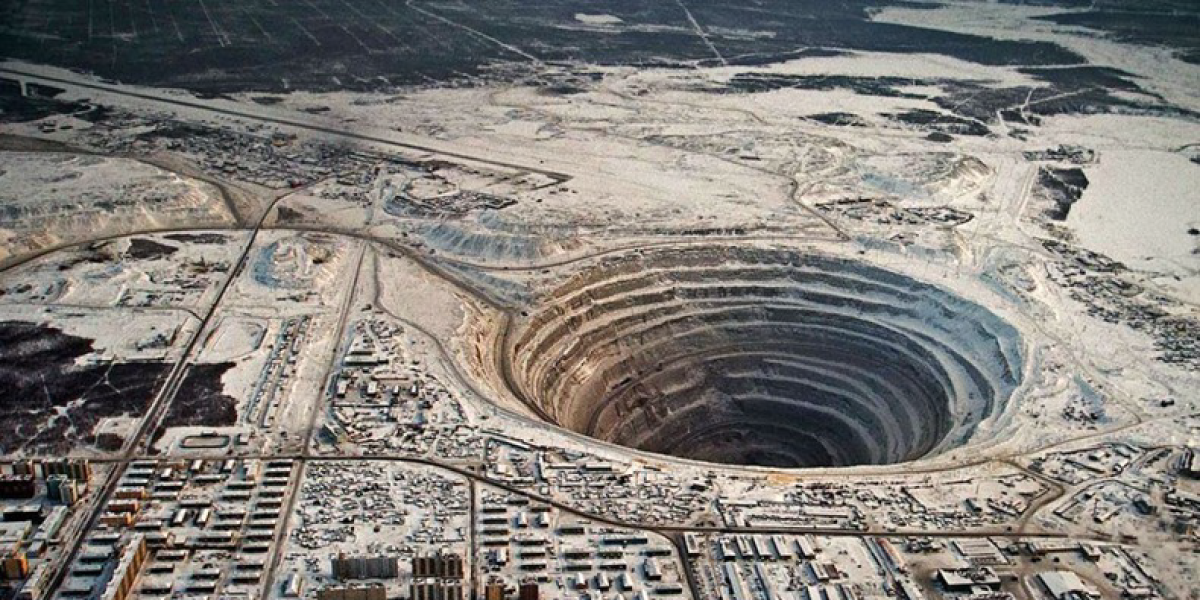
Digging into the earth for miles to get access to a handful of diamonds creates many disadvantageous side effects to our planet’s natural resources since the soil, water, and air surrounding the site from where diamonds are mined get heavily polluted. A large amount of soil and other natural resources have to be removed from mining sites which leads to a massive depletion in natural land resources. But as mentioned before, diamonds share a special relationship with most people wherein the attachment between them is hard to maim. And hence, scientists and diamond jewelers have made an excellent effort at battling this issue wherein a new type of diamonds have been invested.
Grown in labs, the lab-grown diamonds, have minimal to no impact on the earth’s environment and are the perfect choice for customers who love our planet and diamonds alike!
How Lab-Created Diamonds are made
Lab-created diamonds are diamonds that resemble real stones based on most of the aspects such as the optical, physical, and chemical properties. The only major difference between the two is their source of origin.
Real diamonds are created under extreme conditions inside the earth’s crust and take a time period of around millions of years to form. The stimulus needed for their creation is naturally provided by our planet and we are merely discovering their existence by digging and mining
Lab-created diamonds however are made by men through the process of replication in a controlled environment of the earth’s natural growth processes. This leads to the formation of pure carbon raw diamonds that are practically identical to the earth mined diamonds.
The grading of such diamonds is also done by the same expert and reputable gemological institutes that provide their services for the grading of natural diamonds.
Methods for Growing Lab-Grown Diamonds
Two methods can be used to create lab-grown diamonds.
Chemical Vapor Deposition (CVD)
Through this method, natural diamond particles are used to build a diamond wherein the particles are positioned in a CVD machine. The machine is then filled with carbon gas and the temperature is hiked to extreme limits for the particles to get heated. The high temperature and pressure from gas lead to the breaking down of the carbon molecules in the particle. Then the molecules vaporize and bind to the diamond seed forming various layers until a larger diamond of the desired size and carat weight is formed.
High-Pressure High Temperature (HTPT)
This particular technique uses an HPHT machine and diamond seed to form a lab-grown diamond. The HPHT machine is filled with pure carbon and extreme heat with pressure is applied to melt the carbon. The rough diamond starts forming around the seed and eventually forms enough amount according to the desired size and carat weight.
Through either method, the diamonds grown are rough diamonds that are cut, polished, and mounted on bands by various cutters and designers to form the different forms of jewelry.
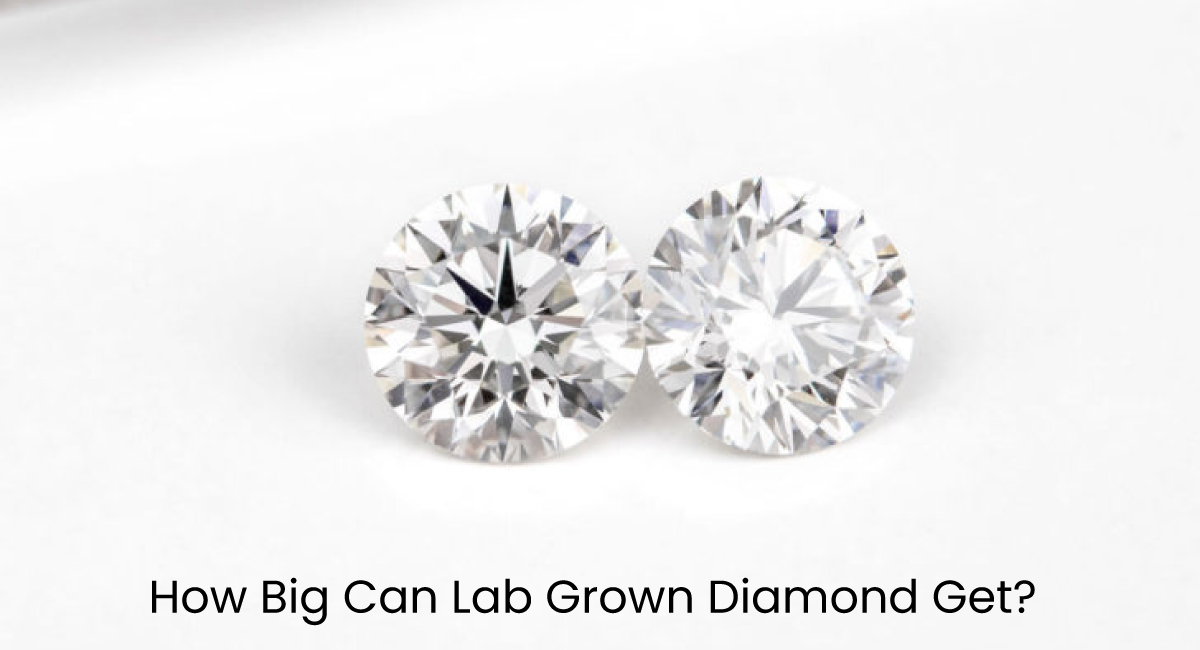
Do the Methods of Growing a Diamond Affect its Size?
If we talk about the most commonly used process to grow a diamond it is High-Pressure High Temperature (HPHT). It has been around for the longest. However, Chemical Vapor Deposition (CVD) is a method that has been termed to be more effective and has been in the market and demand for quite some time.
At once the most reliable method was considered to be HPHT as it could make your diamond grow exceedingly large, that is up to 10 carats. On the other hand, let us also remind you that the market for lab-grown diamonds with their technology is quite competitive and changing every day.
Through the recent years, CVD as a method has grown a great deal of market reputation. It has done this by also increasing its production proportion range, it went from producing 6-carat diamonds to 9-carat diamonds. Even the largest lab-grown diamond has a 155-carat disc which was done through CVD.
In some ways HPHT does have an edge over CVD, that is because of the carat size both the processes make. The size that HPHT produces is a whooping 10 carat, and in front of it, a maximum 9-carat diamond produced by the CVD process is something that makes it fall back a little.
Though if we look at any other factor, both methods are incredibly effective to make a large lab-grown diamond. Keeping in mind the size producing capabilities, let us remind you it only seems to be growing with advancing technology.
Given how technology is growing, there is no margin as to how large a lab-grown diamond can get. This also means that buyers will have a lot of sizes to pick from and that is a plus in itself. Lastly, the size of the lab-grown diamond largely depends on the time invested to grow it.
Large Diamonds vs Small or Medium Diamonds: What takes Longer to Grow?
The time taken to grow a lab-grown diamond can be a few weeks, on the other hand, natural diamonds take millions of years. The time taken in the lab for a diamond to grow however is influenced by the technique used for its growing.
HPHT is a technique that uses an extreme amount of pressure to grow a diamond. The pressure applied shall be altered as and when the size of the diamond grows. What it looks like visually is like trying to compress a tiny pebble. However, in this process, that pebble grows into a larger and larger rock.
To grow a large diamond is a very systematic process. And the lab in this setting is the perfect environment to include the process of this growth. A medium-size diamond in the lab will relatively take only a few weeks to grow, however, a large diamond needs more time and attention (a few months).
However, all of this makes one thing clear: there is a huge array of options in terms of size when you go to choose a lab-grown diamond.
Hence, lab-created diamonds are the most suitable option for people who want to avoid leaving a carbon footprint on our planet but still want the effect and brilliance of a real diamond. The lab-grown diamonds offer the same amount of durability and genuineness as the real ones do and so can be chosen by customers to decorate their outfits on special occasions including something as special as an engagement or a wedding, with the bonus being the much lower prices at which the lab-grown diamond jewelry is available at.
Natural diamonds have many competitors such as man made diamonds, diamonds simulants, hybrid diamonds among others. These competitors have contributed to reducing the market for natural diamonds.
As all these gems and stones look somewhat similar, many buyers mistake one for another. At times, incidents have taken place where a consumer wanted to buy a man made diamond but ended with a diamond hybrid or a diamond simulant.
It is essential for you to know the difference between a man made diamond and a diamond hybrid, so you don’t make any such mistakes Here is the difference.
What is Man made Diamonds?
Man made diamonds are real diamonds that are created in labs. These lab-created diamonds are created by two methods: CVD diamond & HPHT diamond making method. In this process, a tiny diamond seed is put inside a chamber under a controlled environment. After the process starts, carbon layers cover the tiny diamond seed to produce a final man-made diamond. These man-made diamonds are also called CVD diamonds or HPHT synthetic diamonds.
Lab-grown loose diamonds have the same physical, chemical, and optical properties as natural diamonds. Lab created white diamonds, fancy diamonds, colored diamonds, and loose diamonds are about 20%-30% cheaper than mined diamonds.
What are Diamond Hybrids?
As you must have understood from the name ‘hybrid’ diamond hybrids are a mix of two types of substances. These diamonds are a mix of diamond stimulants and man-made diamonds. How so?
Well like in man made diamonds, we use a tiny diamond seed to make the core. A similar is done in diamond hybrids, but the only difference is, the core is made up of a diamond simulant or a crystal core. This core is then covered over by layers of enhanced man made diamonds. Doing so gives a diamond hybrid the texture and toughness of a real diamond. A diamond hybrid even looks like a real diamond, due to its lab-made diamond cover; yet it has a crystal core.
Characteristics of Diamond Hybrids
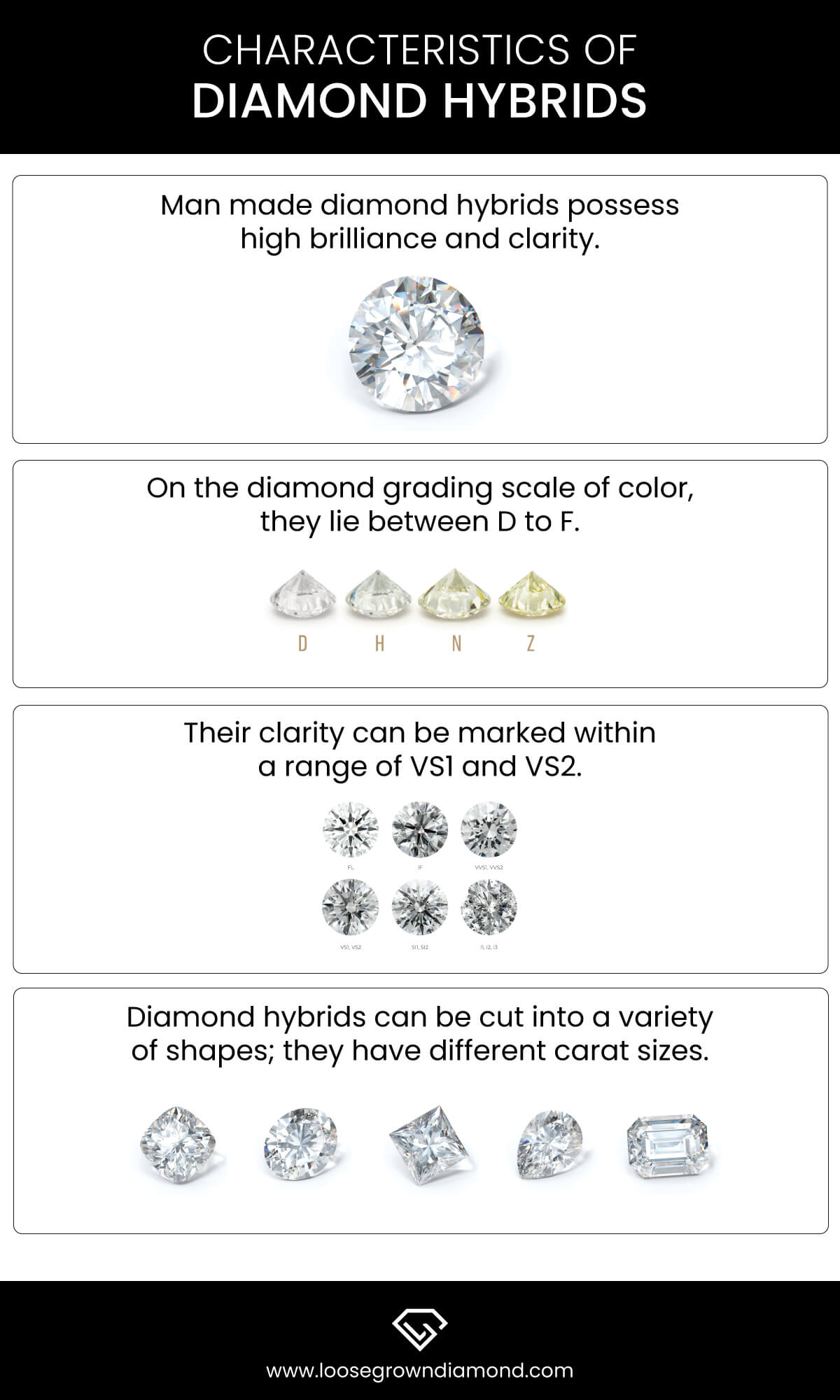
Man-made diamond hybrids possess high brilliance and clarity.
On the diamond grading scale of color, they lie between D to F.
Their clarity can be marked within a range of VS1 and VS2.
Diamond hybrid can be cut into a variety of shapes; have different carat sizes.
The process used to form diamond hybrids is somewhat similar to CVD diamond & HPHT synthetic diamond making methods. A tiny crystal core or a tiny diamond simulant is placed inside a chamber. High levels of heat and pressure are applied, along with the presence of man-made diamond crystals in the chamber.
Both the diamond simulant and man-made diamond are infused together on a molecular level. The man-made diamond crystals stack up on the core and align together. The finished product produced is a diamond hybrid, consisting of a crystal core with diamond crystals stacked up on top of it. These two won’t detach or degrade ever.
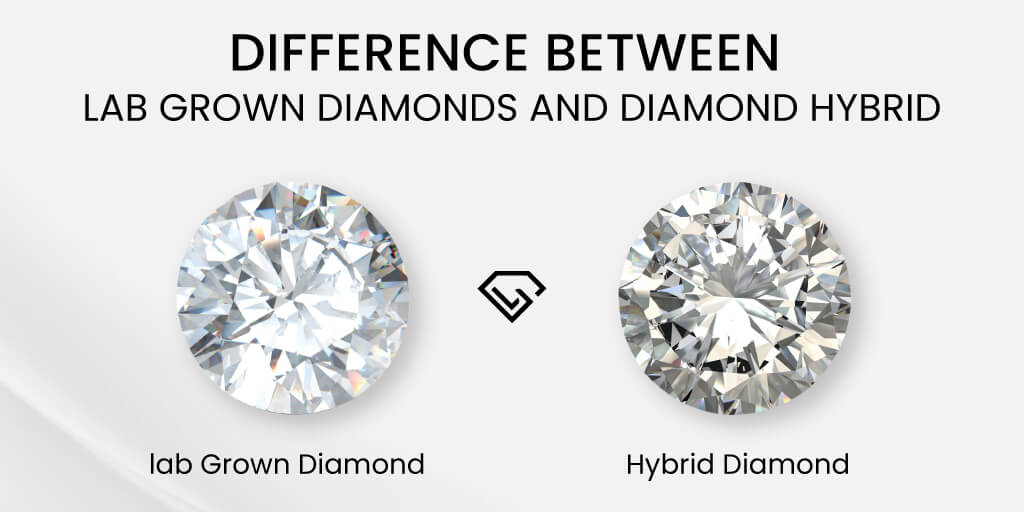
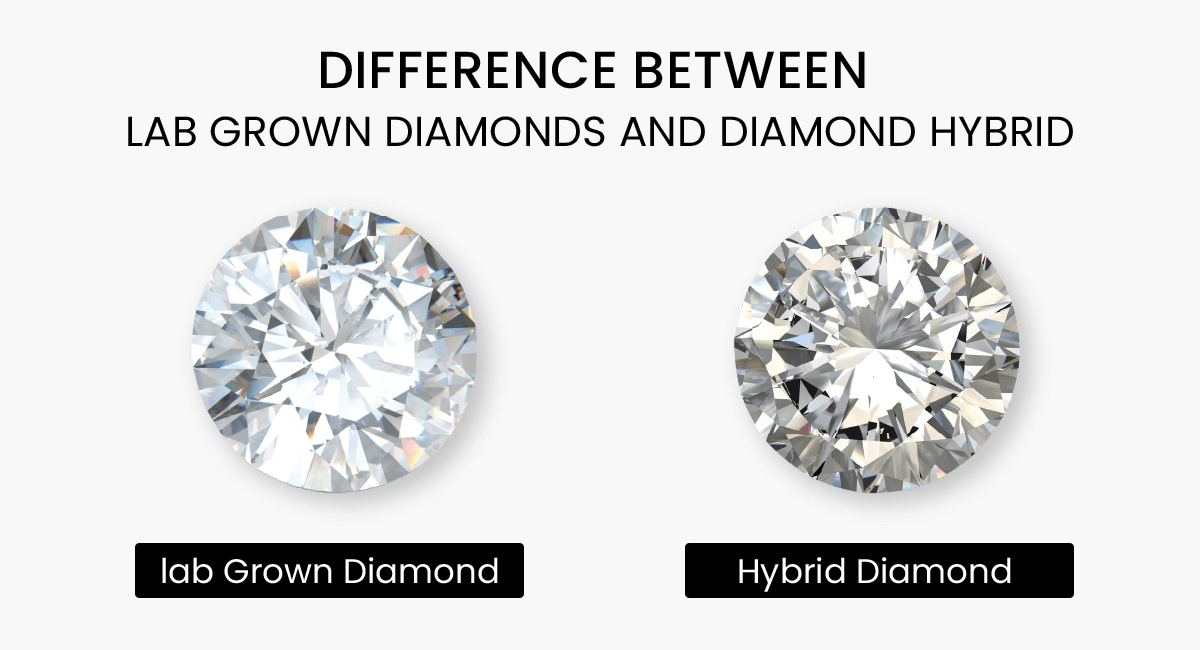
Difference Between Lab Grown Diamonds and Diamond Hybrid
These two are quite distinct from each other, here are their difference in properties between man made diamonds (MD) and hybrid diamonds (HD)
Mohs hardness scale: MD- 10, HD- outer layer 9.6
Bonds in the diamonds: MD- 100%, HD- 85% in the outer layer
Color (according to scale): MD- D to F colorless & S to Z yellow, HD- D to F colorless
Clarity (according to scale): MD- WS to SI, HD- flawless to VS2
Price of Diamond Hybrids
Diamond hybrids are inexpensive and affordable. To give you a brief idea of the price; a diamond hybrid is worth 10% of the price of a man made diamond. And about 3% the price of a natural diamond.
Which is a Better Choice?
That is totally up to your preference, the above information should have assisted you in making your decision. If you want to get an affordable and cheap diamond then a diamond hybrid is a good choice to go with. But, if you wish to buy a real diamond for an engagement ring or other jewelry, then we would recommend man made diamonds.
These lab-grown loose diamonds, fancy diamonds, and white diamonds have gained popularity over the years in the markets. Due to them possessing the same intrinsic properties as that of natural diamonds and being affordable.
We have other articles that may help your research, like what is a diamond simulant or what is a blood diamond. Research well and then buy a natural diamond or buy man made diamond.
Conclusion
Lab-grown diamonds have and will continue to be recognized at par with mined diamonds as they are pure carbon which is physically, chemically, and optically identical to natural diamonds. The measure for the realness of a diamond is never the origin but the composition of it. The origin is ethical, sustainable as well as less human, and environmentally damaging when it comes to lab-grown diamonds. They also cost 40% less than naturally mined diamonds.
Diamond hybrids, on the other hand, are merely diamond simulants, meaning a hybrid of a combination of diamond simulant and lab-creation technologies. They must be differentiated from Moissanite or Cubic Zirconia (CZ), which are ephemeral and made of glass inside out, as diamond hybrids, albeit not real diamonds, have an outer layer of the lab-grown real diamond to give it more shine and durability.
We at Loose Grown Diamonds provide the best quality lab-grown diamonds that are 100% real and made with meticulous and fastidious caution. This caution does not just stop as soon as the stone is created, but continues to the decision-making of what cut, shape, and size will best suit the diamond and the consumer.
All in all, the quality of these diamonds from the interiors, or their atomic composition, to the angle and proportions of every cut on its exterior is duly delivered and guaranteed by us.
According to a survey, around 82% of brides receive a sparkle as their engagement ring before they walk down the aisle. To remember the biggest and best moments of life, nothing beats a traditional diamond ring.
Has the thought of the origin ever come across your mind? Some take the conventional route i.e, composing in-depth of the surface of the earth for millions and billions of years until man found it. While others take a more distinct route- they are grown in a lab.
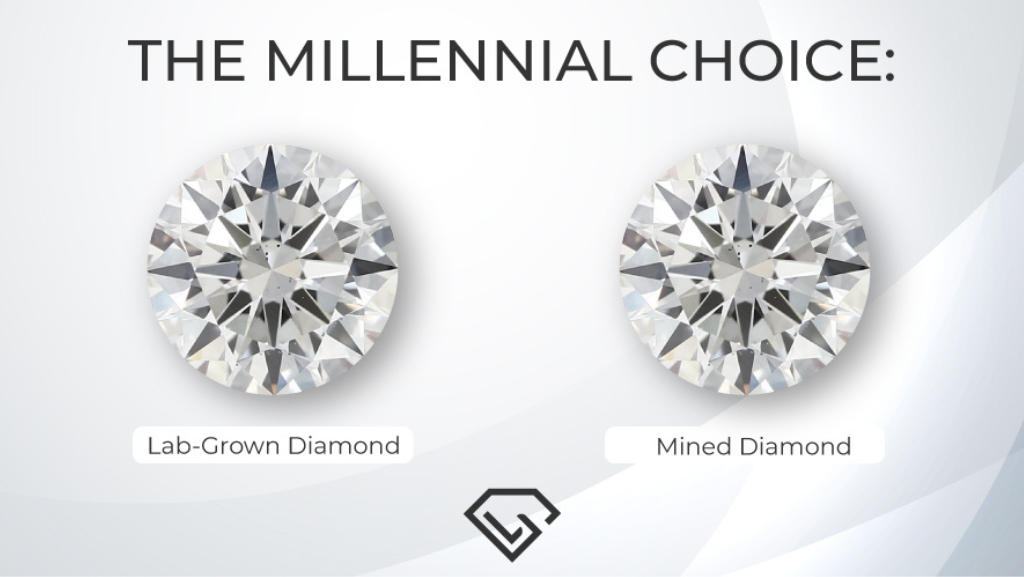
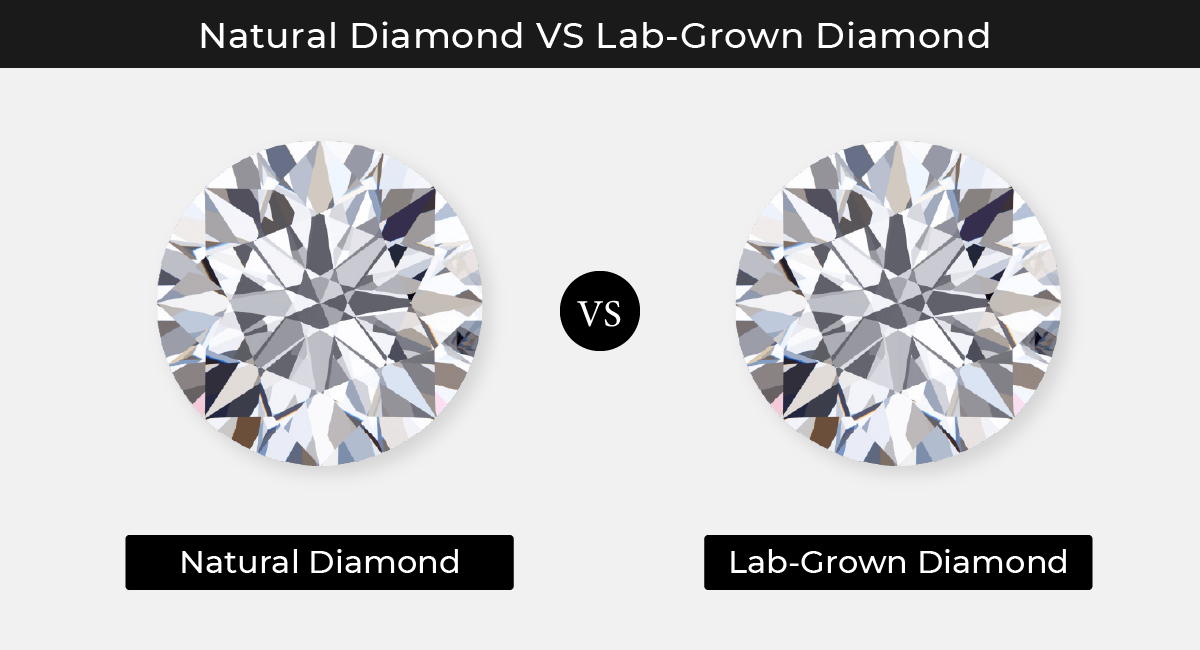
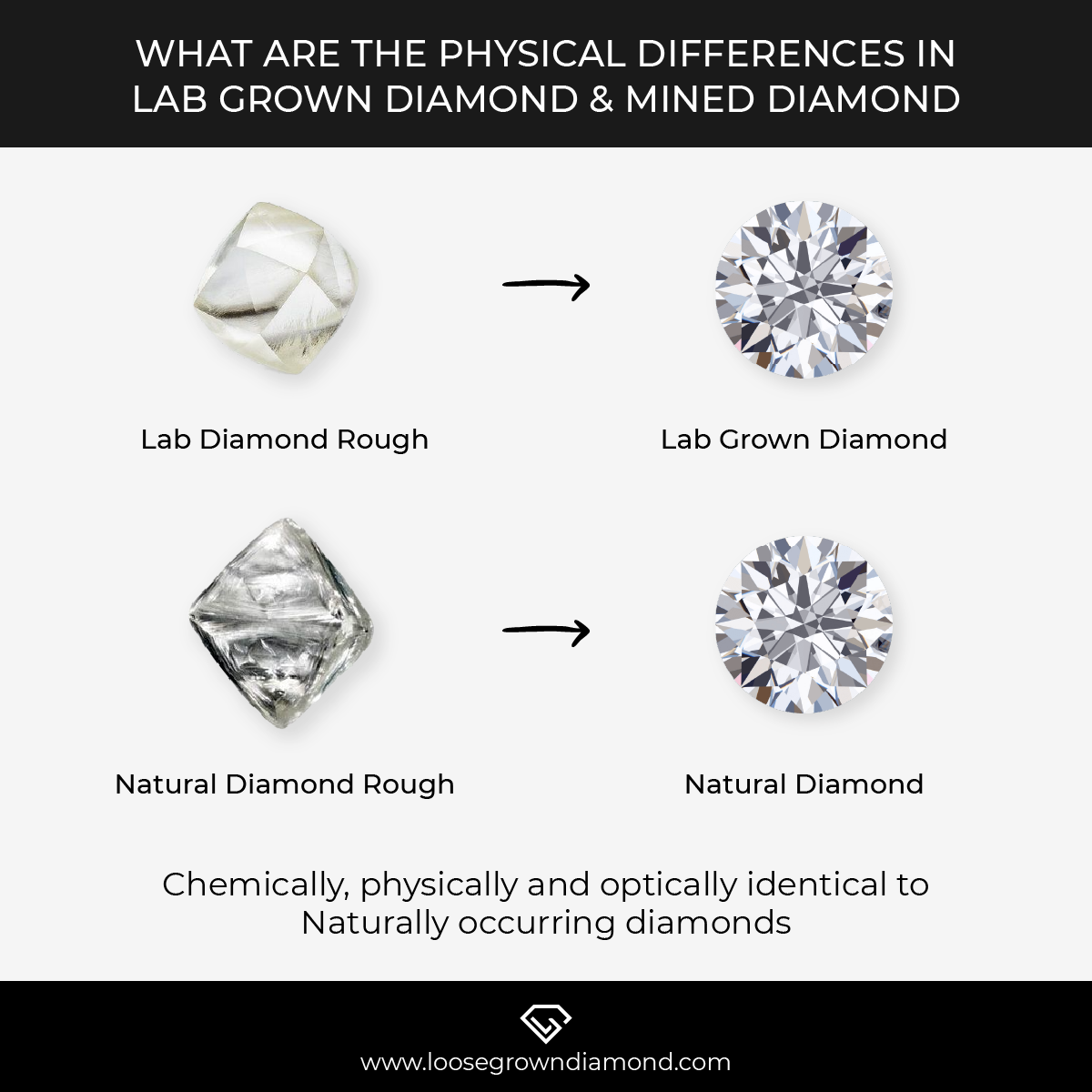
Lab grown diamonds and mined diamonds look identical, so much so that even a trained geologist can’t tell them apart with a naked eye.
This article will provide you with accurate information about lab grown diamonds vs natural diamonds.
Lab Created Diamonds vs Natural: How They are Differ?
Lab Created Diamonds vs Natural: What They Are?
What are Lab Grown Diamonds?
As the name suggests, diamonds are grown in a lab. Where organic diamonds take thousands of years to form, lab grown diamonds just take a few days or weeks. There are 2 main methods for making diamonds — high-pressure, high-temperature (HPHT) diamonds and chemical vapor deposition (CVD) diamonds.
High-Pressure, High-Temperature (HPHT)
To create HPHT diamonds, scientists expose carbon to high pressure and temperature similar conditions to that of the mined diamonds. First used by General Motors in the 1950s.
This method tends to produce yellow to brown diamonds mainly due to the interaction with gases and vapors. However, with advancements in technology, colorless diamonds can now easily be formed by this method. This diamond is typically expensive due to its massive energy and equipment requirements.
Chemical Vapor Deposition (CVD)
To create diamonds, workers start with a bud of diamond and grow it into an expanded crystal through layers of deposits of chemicals. In this method, hydrocarbon gas (methane) is pumped into a vacuum chamber. Microwaves are then sent through to separate H2 and CO2. The carbon atoms build up and are deposited on the diamond seed.
This process has been around for more than a decade, therefore making it less costly Requires less energy and equipment because it requires less temperature and pressure. It produces clear, colorless diamonds.
What are Mined Diamonds or Natural Diamonds?
Mined diamonds come from beneath the earth — the mantle. They are formed over millions of years where pressure and temperature turn carbon into lumps of crystallized carbon or diamonds.
Diamonds are found in the form of kimberlite, a native rock named after a town in Southern Africa namely Kimberly. To extract these diamonds, companies have to set up extracting mines dig the earth using specialized equipment and extract the crystals.
Lab Created Diamonds vs Natural: Pros and Cons
Lab Grown Diamonds
PROS
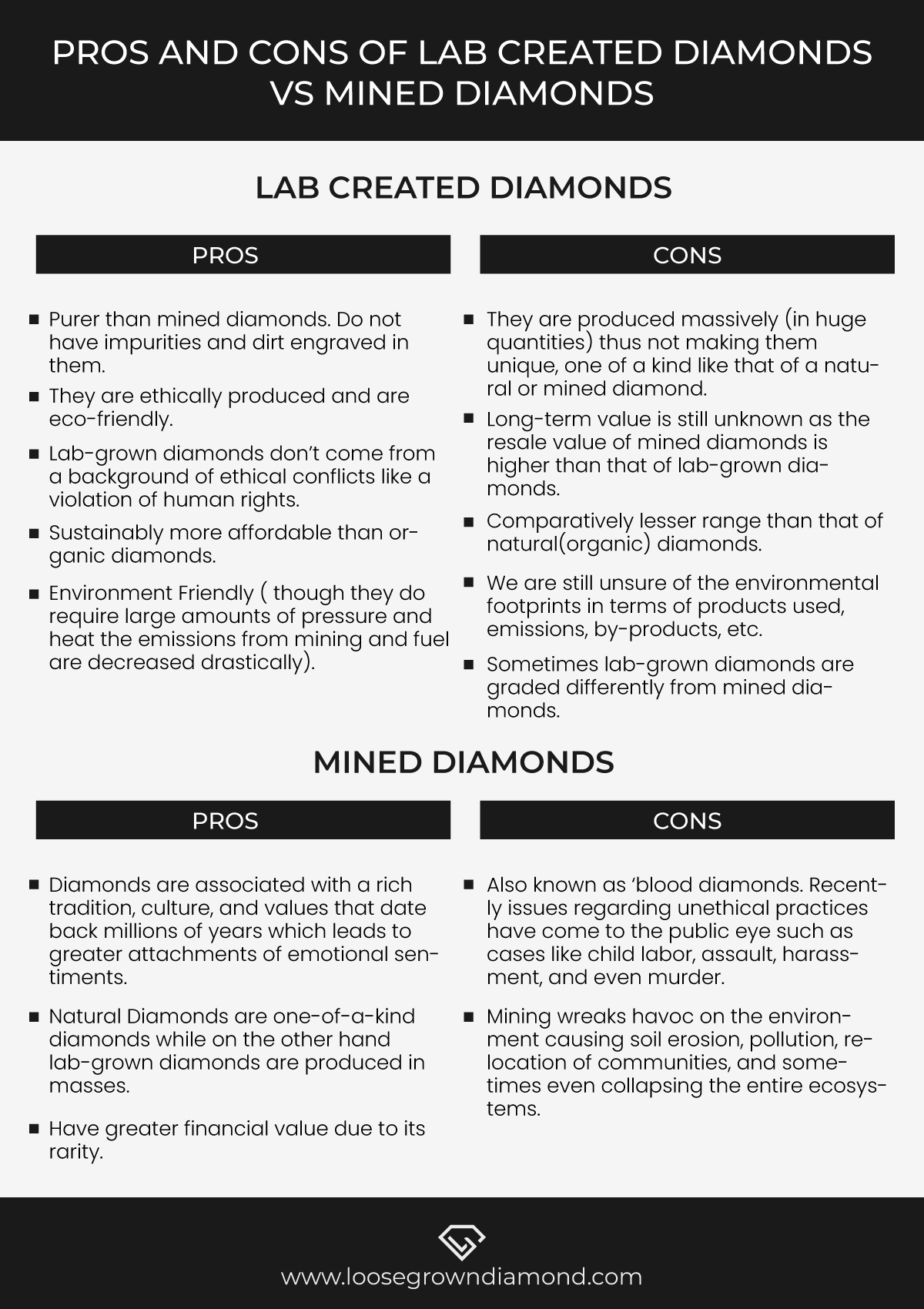
Purer than mined diamonds. Do not have impurities and dirt engraved in them.
Lab created diamonds don’t come from a background of ethical conflicts like a violation of human rights.
Sustainably more affordable than organic diamonds.
Environment friendly (though they do require large amounts of pressure and heat the emissions from mining and fuel are decreased drastically).
CONS
They are produced massively (in huge quantities) thus not making them unique, one of a kind like that of a natural or mined diamond.
Long-term value is still unknown as the resale value of mined diamonds is higher than that of lab grown diamonds.
Comparatively lesser range than that of natural(organic) diamonds.
We are still unsure of the environmental footprints in terms of products used, emissions, by-products, etc.
Sometimes lab grown diamonds are graded differently from natural diamonds.
Natural Diamonds
PROS
Diamonds are associated with a rich tradition, culture, and values that date back millions of years which leads to greater attachments of emotional sentiments.
Natural Diamonds are one-of-a-kind diamonds while on the other hand lab created diamonds are produced in masses.
Have more excellent financial value due to its rarity.
CONS
Also known as ‘blood diamonds. Recently issues regarding unethical practices have come to the public eye such as cases like child labor, assault, harassment, and even murder.
Mining wreaks havoc on the environment causing soil erosion, pollution, relocation of communities, and sometimes even collapsing entire ecosystems.
Lab Created Diamonds vs Natural: Physical Differences
No two sparkles are alike, lab grown and natural diamonds both differ only in a way that isn’t visible to a human eye.
Lab Created Diamonds vs Natural: Inclusions
No diamond is flawless. These imperfections are so common that even jewelers work their whole life without seeing a diamond getting a flawless rating. Specialized laboratories like the American Gem Society (AGS), International Gemological Institute (IGI), and Gemological Institute of America (GIA) grade all diamonds, organic and lab-grown alike, based on their flaws.
There are mainly two types of flaws that are looked out for blemishes and inclusions. The imperfections visible on the surface of the diamond are called blemishes. Flaws within the diamonds are termed inclusions.
Lab Created Diamonds vs Natural: Price
Natural diamonds are expensive because they are rare. Mining them involves complex and costly operations with no guarantees about what will be found. The cost also includes labor, energy for mining and polishing, and the somewhat questionable control and advertising in the diamond market.
On the other hand, lab diamonds are often up to 50% less expensive than natural ones due to different supply chains and more efficient crafting with advancing technology.
Lab Created Diamonds vs Natural: Durability
Lab created diamonds are made of carbon, just like natural diamonds, making them equally durable. Both types of diamonds are the hardest materials on Earth, scoring a 10 on the Mohs hardness scale, and are resistant to chipping and damage.
Lab Created Diamonds vs Natural: Distinctions are Microscopic
It takes professional training to identify lab grown diamonds from organic diamonds. Specific scientific equipment is required that amplifies the size of the diamond by 10x. To the naked eye, the imperfections are merely visible. The only way to tell them apart is by telling them the truth about the origin of the diamond.
Lab Created Diamonds vs Natural: Color
It is possible to compare diamonds based on their color. Mined diamonds are commonly found in yellow and brown color due to the geological conditions surrounding them. The diamonds under formations mix up with nitrogen giving them a yellow/brown tint. Colors beyond yellow and brown are very rarely found in nature.
With grown diamonds, experts can introduce minute amounts of gases to create stained diamonds. These gases such as nitrogen and boron are introduced in small quantities during the growing process, they can create yellow, brown, green, or even pink colored diamonds.
GIA grades their colored diamonds with the following scale.
Faint
Very Light
Light
Fancy Light
Fancy
Fancy Intense
Fancy Vivid
Fancy Dark
Fancy Deep
Lab Created Diamonds vs Natural: Sparkly Appearance
Diamond graders use different optical terms to grade diamonds’ sparkles. They evaluate qualities based on their brilliance, fire, and scintillation. Brilliance or brightness is the reflection of light seen in the diamond. Fire and Scintillation are the flashes of color contrasting between dark and light areas.
The value of a diamond is determined by the market and what people are willing to pay. Lab created diamonds, if known and documented as such, are valued less than natural diamonds of similar quality. However, the importance lies in the symbolic value of the diamond as a representation of love and commitment.
The evolving technology of lab grown diamonds might lead to changes in their value, especially if they become easier and cheaper to produce, or if societal priorities shift away from diamonds as symbols of love and marriage.
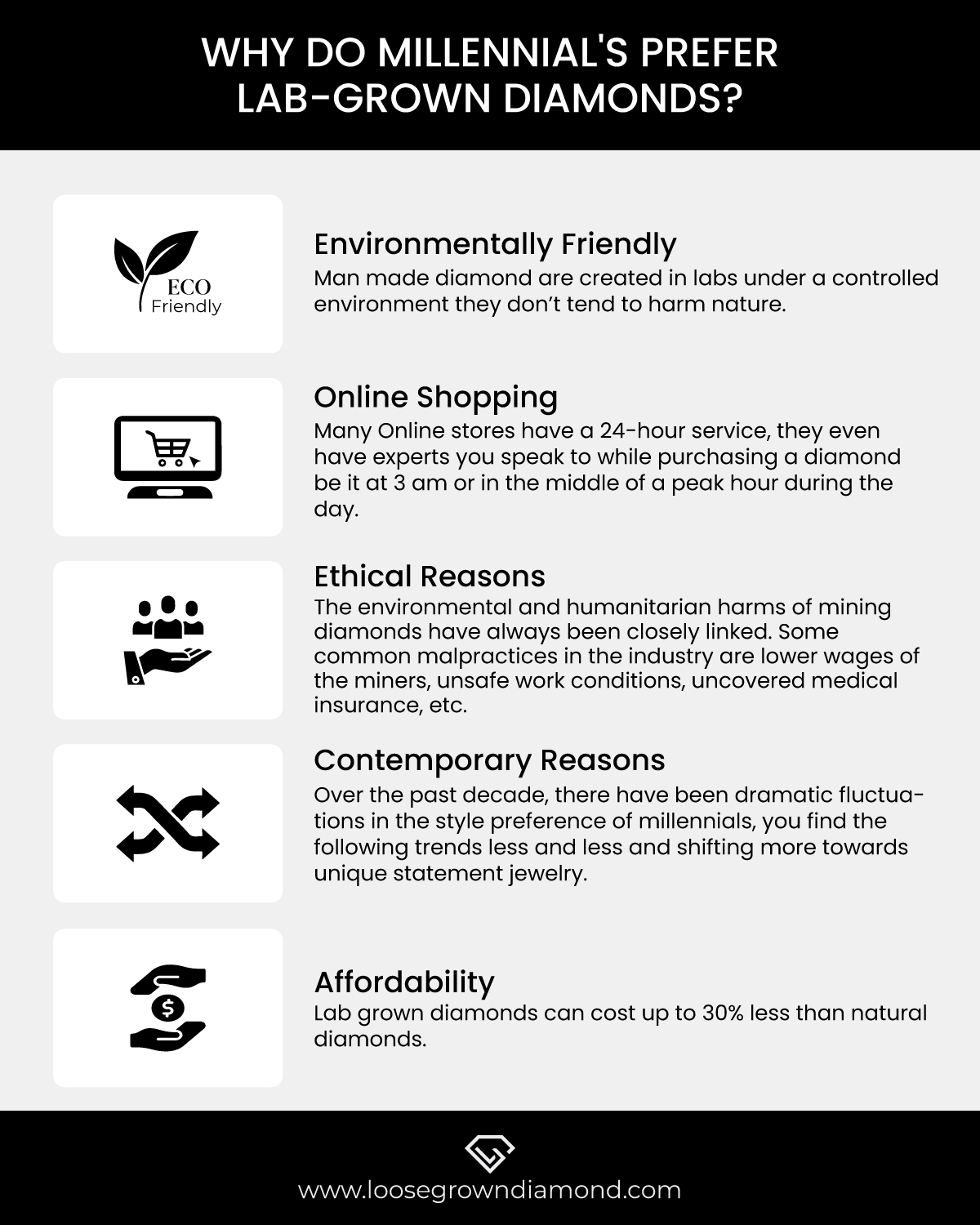
However, price is not the only reason why millennials prefer lab grown diamonds for diamond jewelry and engagement rings. They are more commonly preferred for the following reasons:
1. Environmentally Friendly
According to most of the reports concerning the problems faced by the world, Climate Change has to be at the top of the pyramid. With the worsening condition, more and more companies, traditional and modern have come to recognize this issue as a global catastrophe and decided to shift this work in support of treating climate change. In some companies, the changes haven’t been as drastic as it has been in the diamond industry.
To break it down in simpler terms. The energy required for mined diamonds is exponentially more than for lab grown diamonds. In recent years ocean mining gained popularity, however, only in a short period were we able to see its drastic harmful effects on the environment. The increased ship traffic, noise, light, and pollution in the sea waters are some of the main reasons for disrupting marine life.
But with the growing industry of lab grown diamonds. It might be more than just possible. Lab created diamonds can be used in transistors in order to reduce the energy lost as heat as electricity. According to reports from the US Department Of Energy, the diamond-based components reduce these losses by up to 90%
Lab grown diamonds can also be made applicable to mechanical parts of cars to windmills. A thin coat of diamond can reduce friction in moving mechanical parts of machines. According to reports, friction can be reduced by 40%. Mined diamonds do not have the purity that is necessary for all these applications
2. Online Shopping
In the wake of recent conditions, the pandemic, and growing technologies, almost everything has shifted to online platforms, So why not purchase diamonds? As a matter of fact, the historical timeline of online shopping has perhaps never been this glorious and is bound to only grow according to experts. Many companies have made it so much easier to shop from the comfort of your home by opening up online stores.
Many online stores have a 24-hour service, they even have experts you speak to while purchasing a diamond be it at 3 am or in the middle of a peak hour during the day. Or you could choose to not interact with anyone until the checkout process.
Online shopping has never been preferred for mined diamonds, as no number of high pixels and graphics show you the exact image of what you are about to buy. In fact, many of the diamond’s characteristics may even be subjective hence it’s always preferred to have done a physical inspection before buying them.
3. Ethical Reasons
The environmental and humanitarian harms of mining diamonds have always been closely linked. Some common malpractices in the industry are lower wages for the miners, unsafe work conditions, uncovered medical insurance, etc. The corruption practiced in the production of diamonds is worse than our imaginations. ‘Blood Diamonds’ can be considered as a sub-average version of the reality faced by miners and other professionals involved. Violence and conflict can be commonly seen due to unethical practices in this field.
The Kimberly processes established in the early 2000s tried to curtail the unethical practices of this industry and reduce conflict in the trade of diamonds. The origin of such conflicts is obscure. Even with the Kimberly process in place, there are gaps in the system that cannot be filled. Even though they tried to drastically decrease the percentage of illegal diamond mining; however, it is apparent that the tier is broken beyond repair. The abuse of human rights has crossed a line beyond which it cannot return.
For example, there was a huge discovery of diamonds in Zimbabwe in the mid-2000s, costing hundreds of miners their lives. These diamonds were traded in Antwerp and Dubai. They were freely circulating in the international market.
Hence you can no longer guarantee if you are mined naturally diamond is ethically sourced. The growing attention towards the unethical practices in various fields and the revolution against them has also caused a drastic shift to lab-grown diamonds, as you can be sure that they are ethically sourced.
4. Contemporary Reasons
Over the past decade, there have been dramatic fluctuations in the style preference of millennials, you find the following trends less and less and shifting more towards unique statement jewelry. Moreover, a trend that is followed is most likely set by a celebrity and changes as soon as another celebrity picks up something new.
Traditional natural diamonds do not offer such flexibility to the millennials. Simple settings are no longer everyone’s cup of tea. More developed styles such as different metal colors, and ring stacks have become more prominent. For engagement rings, more unique cuts and settings are preferred. Lab-created diamonds offer the variety that the public seeks
5. The Last Most Important Reason is Affordability
Ex-traditions have become less popular where engagements and weddings are concerned as new millennial couples have surfaced. Most people put off buying diamond jewelry till they can afford it. To get the most out of your money, a lab grown diamond is an optimum choice.
One would expect lab-grown diamonds to be more expensive considering that they are more ethical, however, that does not seem to be the case here. Lab grown diamonds are 20-30% less expensive than mined diamonds. This means that you get a bigger size for your money. For example, say you have the budget for a 1.5-carat, round-cut diamond. You can get a 2-carat diamond within the same budget at a competitively priced lab grown diamond jeweler.
Conclusion
Mined diamonds are associated with a rich heritage and might seem very hard to get over them easily, on the other hand, there are lab diamonds that are grown in laboratories literally at a fraction of the cost and contain the same properties that even experts find difficult to tell them apart.
Both have their pros and cons and no one diamond can be termed superior. It depends on the individual to make their choice. Either choose something environment-friendly or something that is connected with the heritage. What are your thoughts regarding both types of diamonds?
Frequently Asked Questions (FAQs)
Can gemologist tell the difference between lab grown diamonds and natural diamonds?
When you have your diamond evaluated, it’s not easy to deceive an expert gemologist or your insurance provider. While you might not spot the dissimilarity between a natural diamond and a lab-created one just by looking, a skilled jeweler can always discern the disparity. Our experienced jewelers can differentiate between the two kinds by employing specialized equipment, mainly because of the distinct inclusion patterns and structures found in each type.
Are lab grown diamonds real?
Certainly! Lab grown diamonds are genuine diamonds created in a controlled laboratory setting, where conditions are carefully engineered to mimic the natural processes. Instead of being extracted from the Earth through mining, they are produced in a controlled environment.
Which is better, lab or natural diamonds?
The choice between lab grown and natural diamonds depends on personal preferences and values. Lab grown diamonds are a more sustainable and potentially more affordable option, while natural diamonds have unique characteristics and are traditionally valued.
How much do lab grown diamonds cost?
Lab grown diamond prices fluctuate based on factors like size and quality. In general, they are priced lower than natural diamonds with similar quality.
 It is essential for you to know the difference between a man made diamond and a diamond hybrid, so you don’t make any such mistakes Here is the difference.