The diamond industry is striving with a flourishing supply of all types of diamonds. This includes man made diamonds natural diamonds, diamond hybrids, and even clarity-enhanced diamonds.
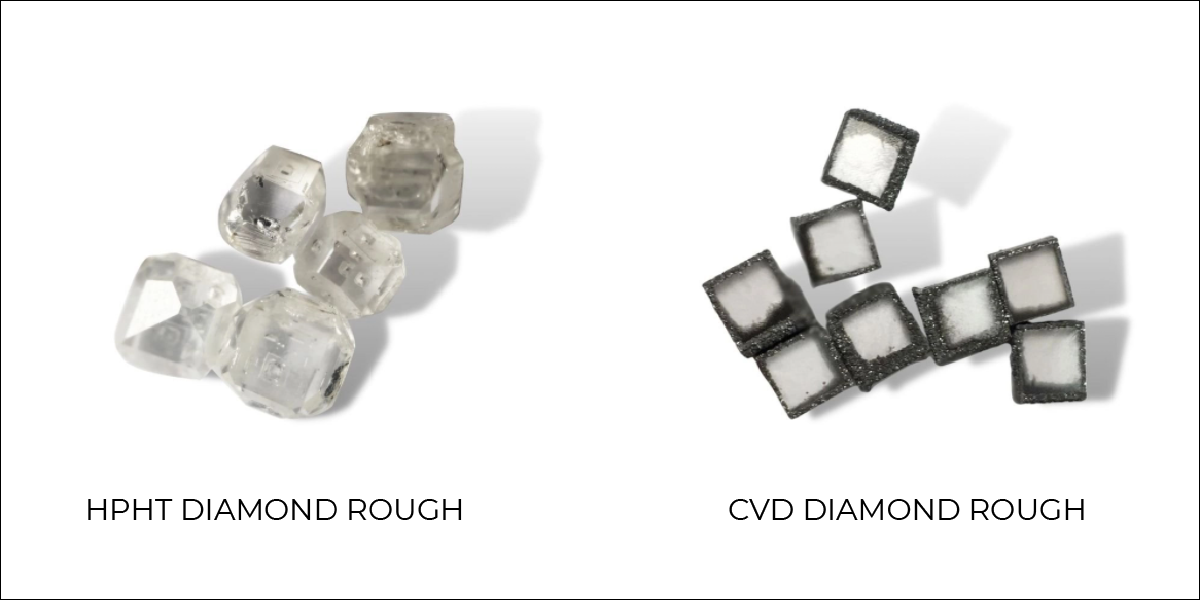
As lab grown diamonds are produced by two methods, CVD diamonds & HPHT synthetic diamond-making methods. It has led to a sufficient supply of man made diamonds in the market. However, this has also increased the level of difficulty for retailers and customers to differentiate between lab grown loose diamonds and natural diamonds.
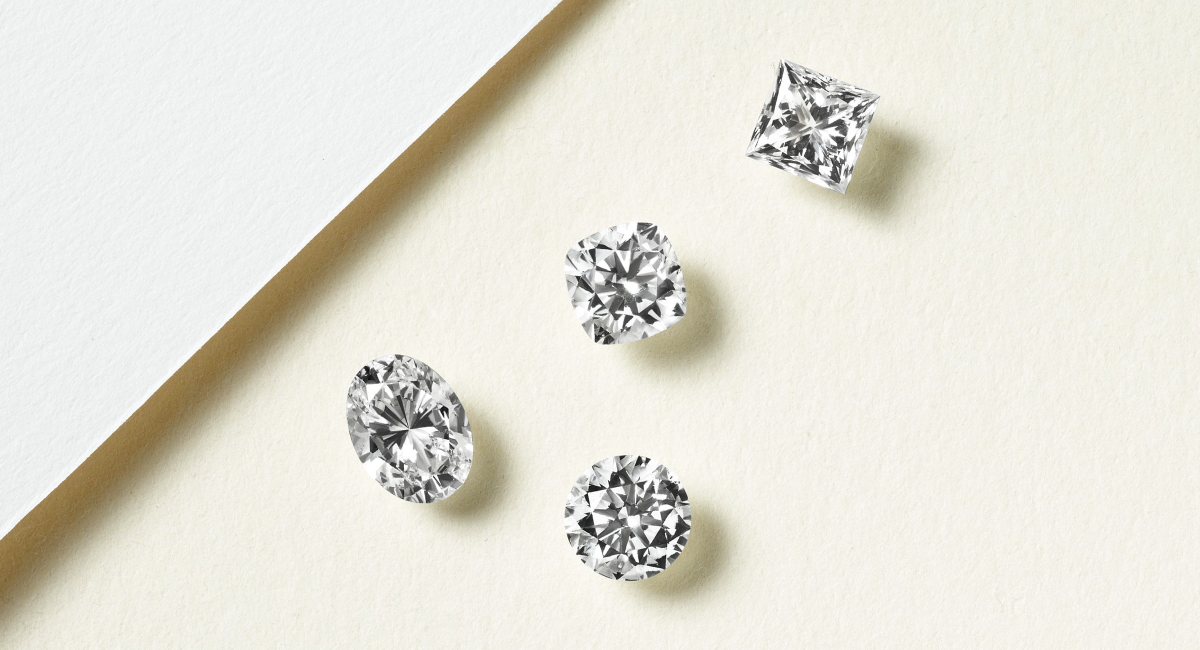
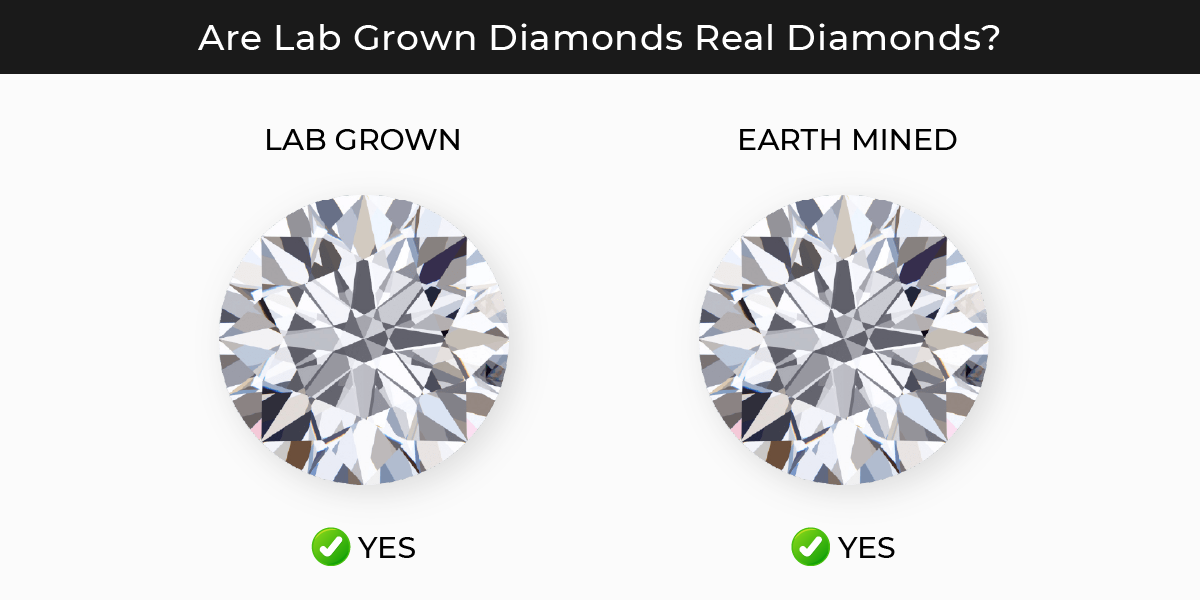
It is easy to determine which is a diamond stimulant, an enhanced diamond, or even a diamond hybrid, but distinguishing between lab grown diamonds and natural diamonds is a hard task.
As many consumers have become conscious and aware, they prefer to purchase man made diamonds because of the esteemed benefits; Eco-friendly, cheaper than natural diamonds, doesn’t have fun conflicts. This results in concern among jewelers and consumers to identify man made diamonds, and whether lab grown fancy diamonds can be identified by expert gemologists or gemological labs.
Visual Properties of Man Made Diamonds
Diamonds have the same physical, chemical, and optical properties as natural diamonds. However, there are some characteristics of CVD diamond & HPHT synthetic diamond that trained gemologists with special types of equipment can distinguish.
CVD Diamond
- Abnormal fluorescence colors
- Fluorescence color patterns detected
- Even the distribution of colors
- Graining patterns not detected
- Banded strain patterns detected
- Intermittent dark pinpoint-size inclusions
- Inscribed on the griddle by a diamond grading institution
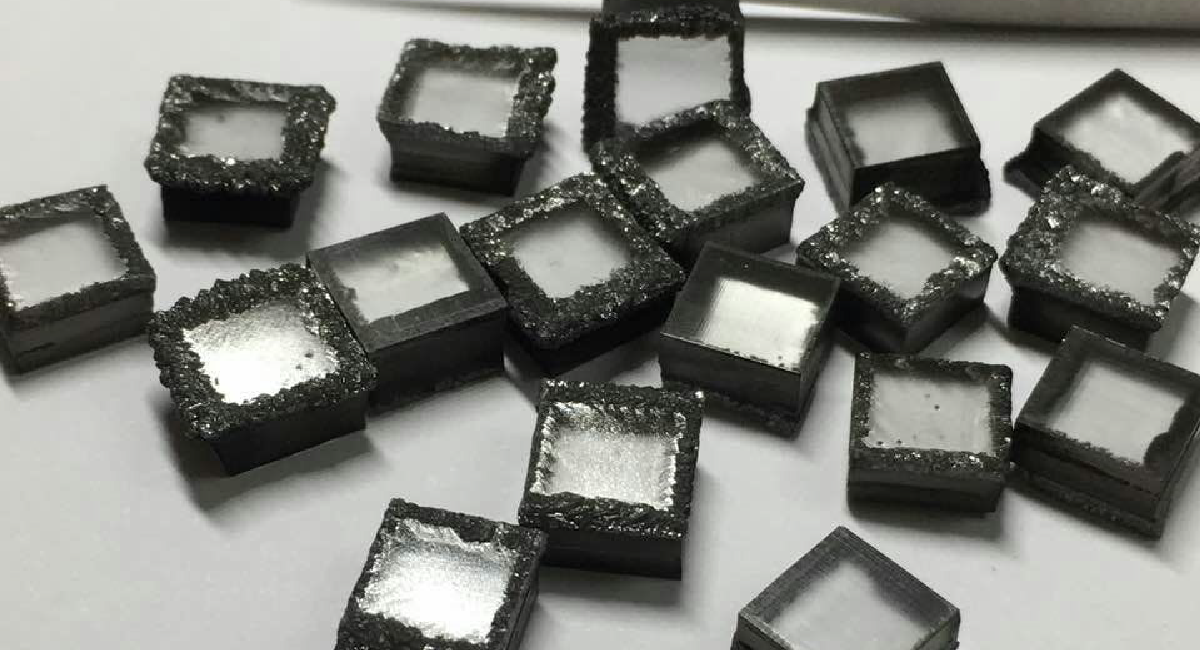
The diamonds created by the CVD diamond making method show a red-orange fluorescence under U.V light. These CVD diamonds have intermittent black pinpoint-size inclusions and contain some particles of non-carbon in them. All CVD diamonds can be determined by looking under a UV light irrespective of what treatment they might have gone through.
HPHT Synthetic Diamond
- Irregular color distribution within the diamond
- Abnormal fluorescence colors
- Graining patterns detected
- No strain patterns detected
- Intermittent phosphorescence
- Metallic flux inclusions detected
- Inscribed on the griddle by a diamond grading institution
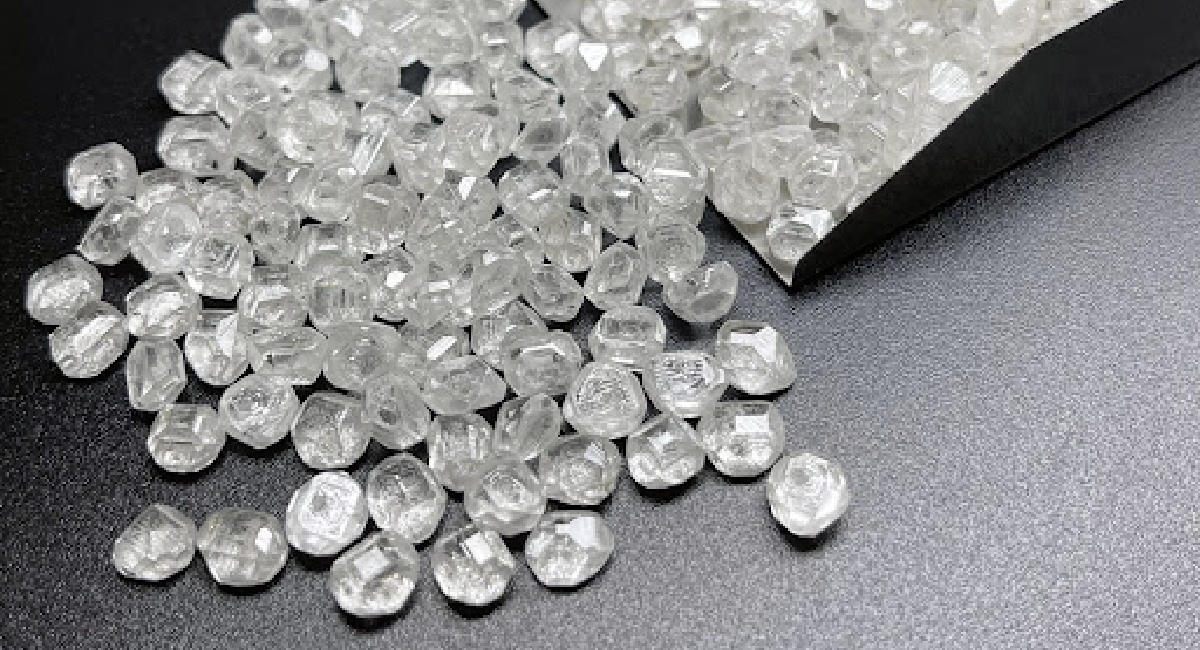
The HPHT synthetic diamonds can be distinguished from natural diamonds, by the metallic flux inclusions they possess. HPHT synthetic diamonds can be white diamonds or even colored diamonds. Their carat size varies between 0.5-10 carats.
Different Types of Diamonds
Man made diamonds can be categorized into different types, depending on the clarity and the type of impurity it consists of in the carbon lattice. Powerful equipment such as an infrared spectrometer (used to determine functional groups in molecules).
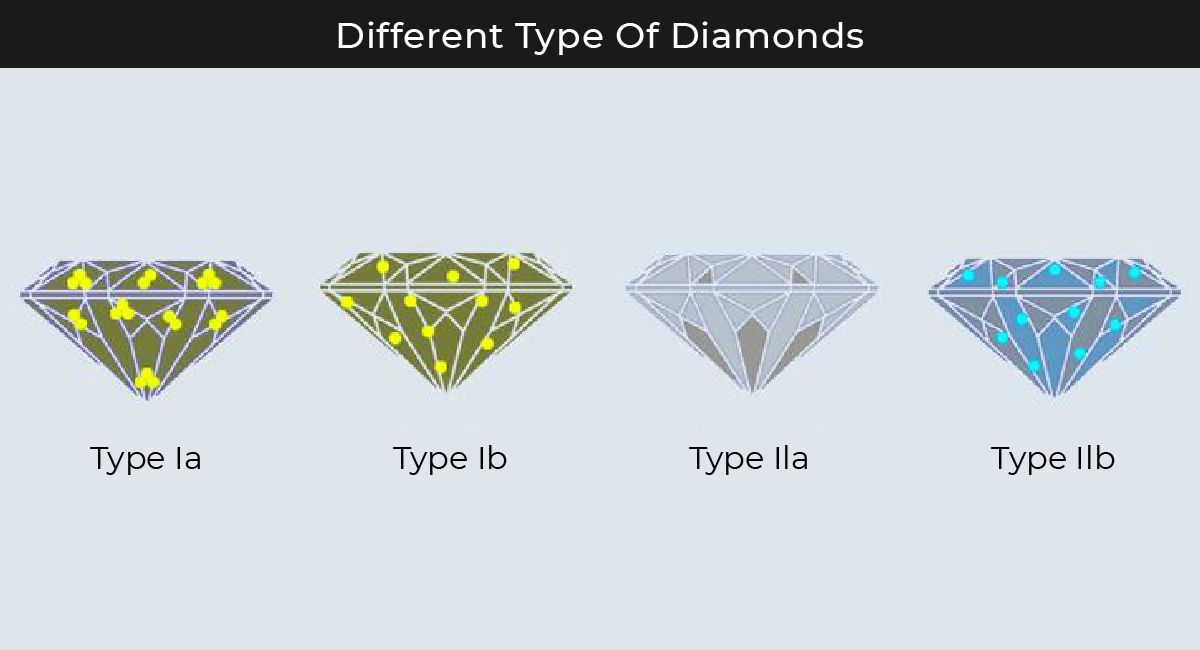
The 4 types of Classification Based on Impurities are: Ia, Ib, IIa, IIb
Type Ia: In this type of white diamond, there are nitrogen clusters within the diamond crystal lattice. Type Ia diamonds are pale yellow and 95% of the diamonds which are mined worldwide are of this type.
Type Ib: In this type of loose diamond, single nitrogen atoms are present throughout the carbon lattice of a diamond. All lab created diamond which are yellow is of this type, while 0.1% of mined diamonds are this type.
Type IIa: This type is the purest form of fancy diamond that can be found, (Type IIa)consists of no or marginal impurities in its crystal lattice. All lab grown white diamonds or colorless diamonds are of this type, while 1%-2% mined diamonds are of this type (white to pink).
Type IIb: A type 2b (type IIb) loose diamond has the presence of boron impurities in it. All lab grown blue fancy diamonds are of this type, while in the case of mined blue diamonds, only 0.1% are of this type.
[blog_page_inventory shape=”round,oval,pear,cushion,heart,princess,emerald,radiant,kite,old mine,hexagon” carat=”2.30,3.60″ cut=”0,4″ color=”0,10″ clarity=”0,11″]
[blog_page_btn title”Buy Now” url=”https://www.loosegrowndiamond.com/inventory/?”]
Methods to Identify the Lab Grown Diamond
There are several technical ways that can be used to check whether a diamond is lab-made or not. But there are certain methods that can be implemented on a personal level to check whether or not a diamond is created in a laboratory, and we are here to list the same. So when you start your inspection of a diamond here are a few things to keep in your mind:-
Certification
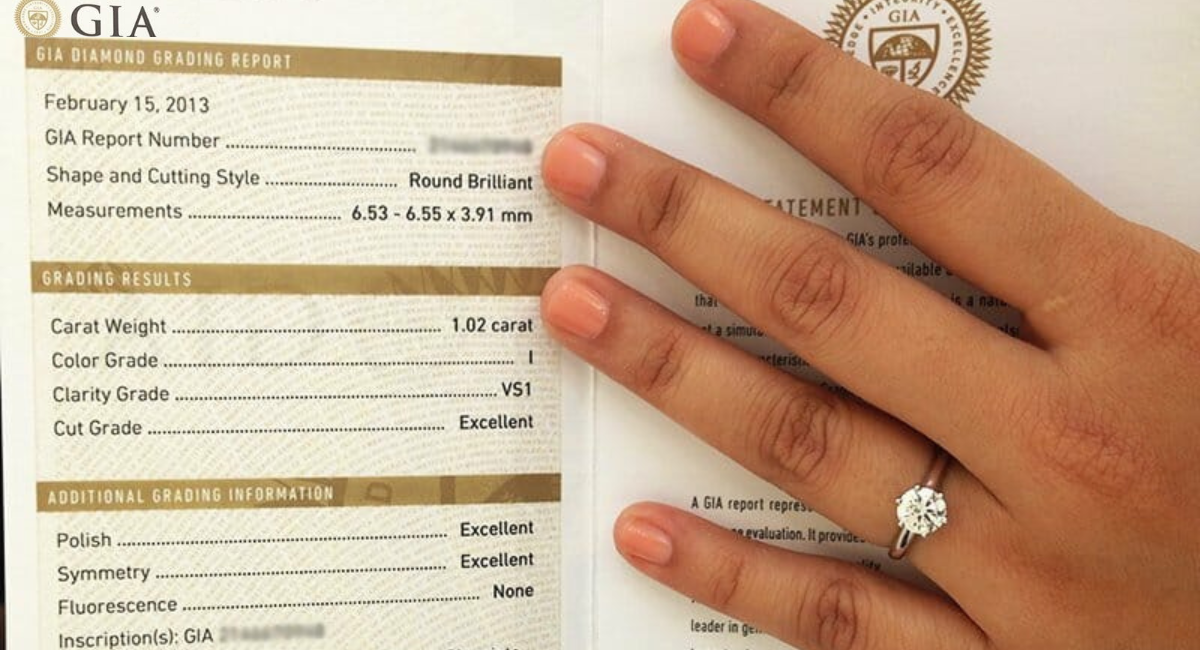
One method to identify lab-created diamonds is through certification. When a diamond is created in a laboratory, it often undergoes rigorous testing and analysis to determine its origin and quality.
Look for certifications from reputable gemological laboratories like GIA (Gemological Institute of America), GCAL (Gem Certification & Assurance Lab) or IGI (International Gemological Institute), often specifying if a diamond is lab-created.
These certificates provide detailed information about the diamond’s characteristics, including color, clarity, cut, and carat weight. They may also include specific language indicating that the diamond is lab-created or synthetic. However, it’s important to note that not all lab-created diamonds come with certificates.
Color
Checking the color of the diamonds is a good enough technique to learn whether or not it is lab-grown. As most of them are either bright yellow or blue.
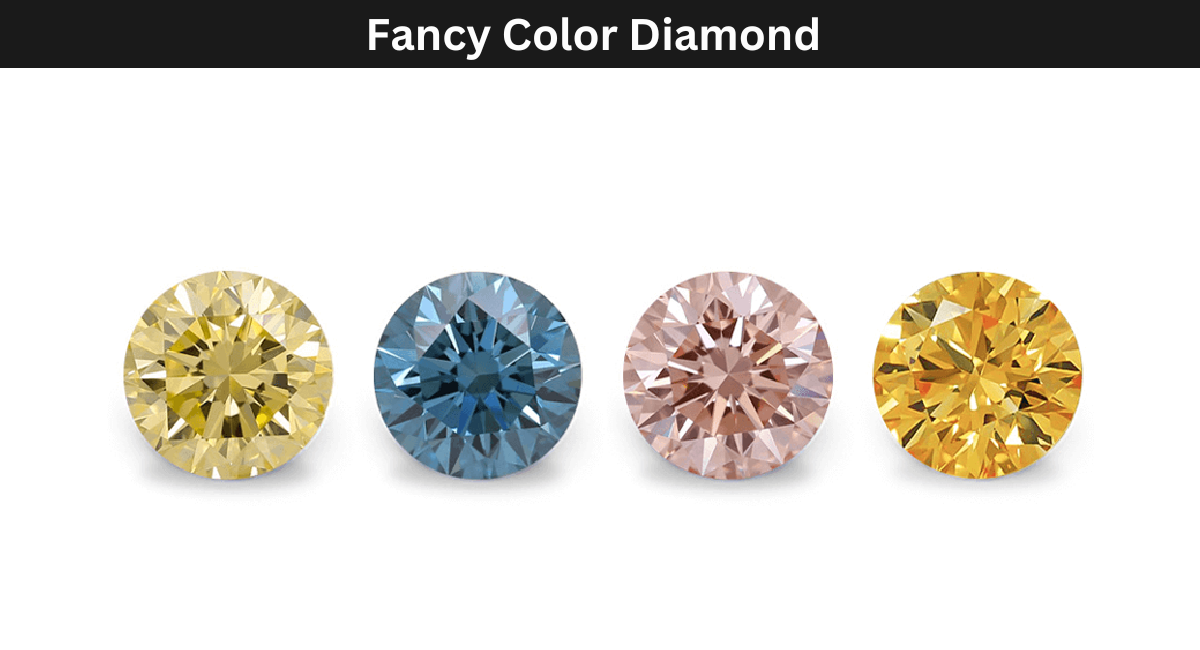
What you need to know is that both yellow and blue are rare colors to find in the market (for natural diamonds), and hence the prices of these gems are soaring. Stones with extraordinary or on the face color, are generally lab-made. However, this is not the only sign you can bank upon.
Disclosure
You can figure out whether a diamond is lab-made or not by looking out for responsible disclosure. A lot of times in the industry, there are non-disclosed diamonds too, which could be lab made diamonds sold as natural ones.
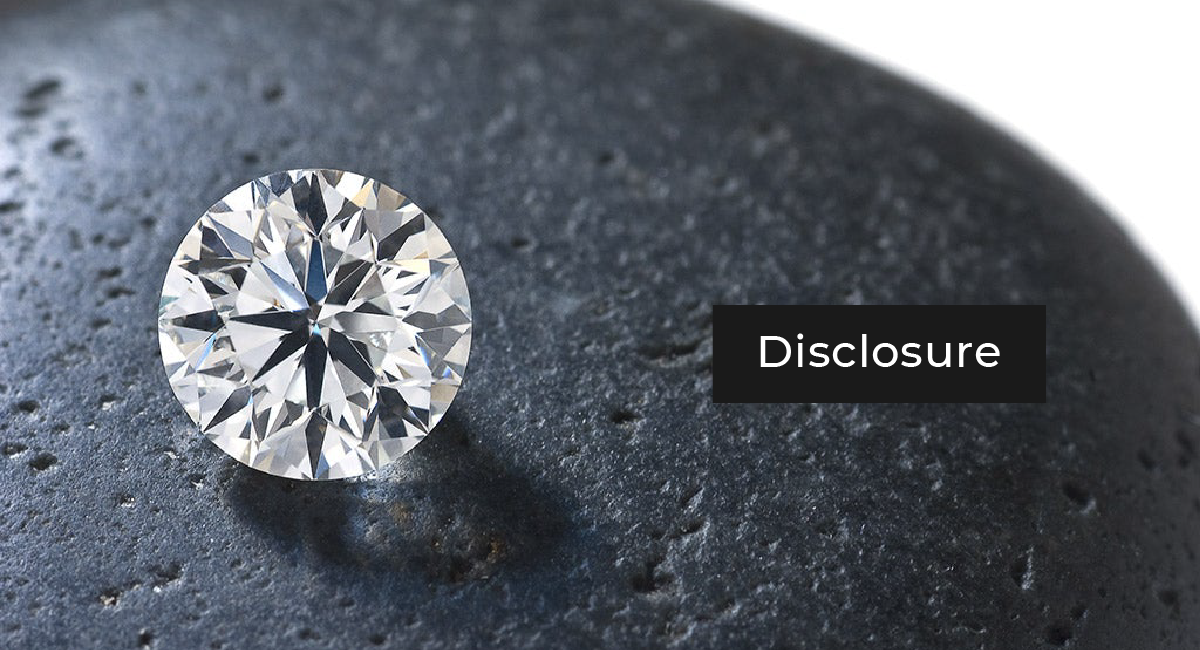
However, this is rare as most of the time manufacturers of lab grown diamonds are legitimate and upfront about their stones. A lot of them have inscriptions made with lasers on the gem which state the diamond is lab-grown.
Inclusions
Natural or lab grown diamonds both have a great number of inclusions present in them which hamper their clarity to an extent. Natural diamonds that grow inside the earth, the inclusions found in them are naturally occurring. Like bird feathers, flecks of other gems, or clouds.
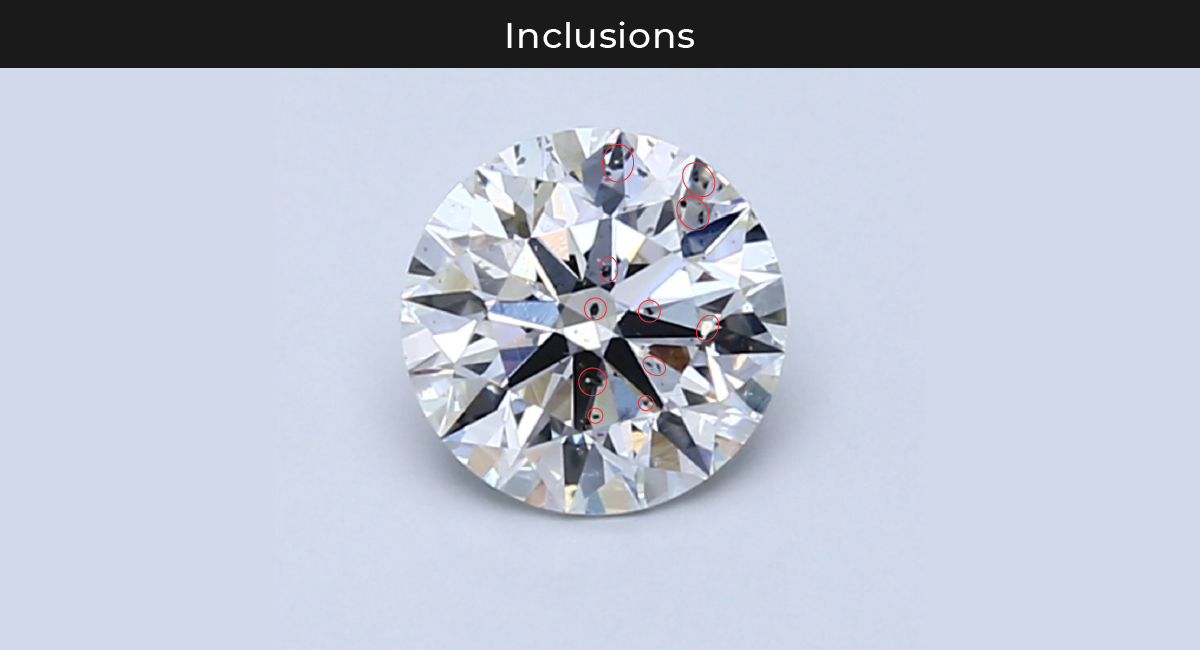
However, lab made diamonds are made with chemicals, solutions, and metals. Hence a common inclusion present in these gems is most often metallic. These are usually not found in natural diamonds, because for obvious reasons.
Either way inclusions in both of these diamonds are hard to detect and you’d usually need a 10x magnification to even get an idea if there are inclusions present inside them.
Scientific Type
Scientific type or Type IIa tests are used to categorize lab made diamonds. There are four categories, and these categories are based on how much the diamond is contaminated with carbon lattice, at the atomic level of the diamond. To identify these impurities a piece of powerful equipment like an infrared spectrometer is used for detection.
The types are
- Type Ia – It has about 98% mined diamonds.
- Type Ib – It has maximum synthetic diamonds which are yellow, with 0.1% mined diamonds.
- Type IIa – It is a completely synthetic diamond that is colorless, with about 1% or 2% of a mined diamond.
- Type IIb – It is again completely synthetic but blue-colored diamonds, with about 0.1% mined blue diamonds.
The best indicator to bank on whether or not a diamond is lab-grown is, to check if it is a Type IIa diamond or not. What it means to belong to the Type IIa variant is how much pure carbon is used to make that diamond.
Even less than 2% of the time natural diamonds turn out to be a Type IIa, however, almost all lab grown diamonds are Type IIa. Thus, if the type test categorizes the diamond to be Type IIa it is a pretty good indicator that the diamond you are holding is a lab made diamond.
Basic Equipment
Simple testers are available at the jewelers and these can help you figure out whether the diamond is lab made or not. These tests are usually to check the thermal conductivity level of the diamonds, this is done due to the fact of how diamonds are good conductors of heat. These thermal tests help us identify whether they are lab made or natural diamonds.
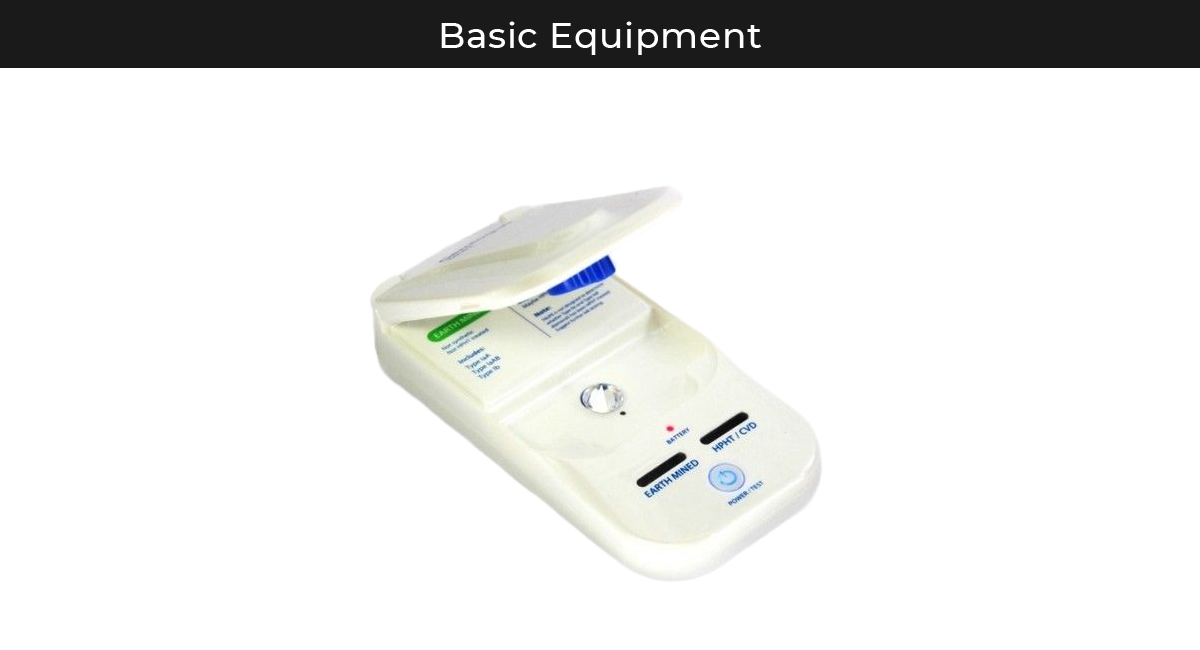
Let us give a few more tips regarding these conductivity tests so that you can figure them out better. So, yellow and mined white diamonds aren’t electrically conductive. On the other hand, blue diamonds are because of the boron present in them.
Also, some white diamonds are grown with the HPHT process which can make them conduct electricity, though they are colorless. This test of conductivity is more accurate for yellow diamonds.
Advanced Equipment
There exist advanced techniques too, that will for sure help you identify lab made diamonds. For instance, The Fourier transform infrared spectrometer (FTIR) or the energy dispersive X-ray fluorescence (EDXRF) are devices that can be used to identify any indication of metal in diamonds.
This metal usually is found in lab made diamonds, as it comes from the molten metal solution it is made in the lab. Another device that can be used is a cathodoluminescence (CL) spectrometer; it can show the sectors where a diamond can grow.
Naturally found diamonds usually just have octahedral growth, that is growth from six sides. Whereas diamonds made through the HPHT process can have either a cubical or octahedral growth.
DeBeers, the diamond mining company, has over the years come up with two machines that can identify diamonds very correctly. One of them is, DiamondSure, this machine calculates the very specific wavelength of light absorption in the lab made diamonds. This is done at the beginning stage.
As you look for more advanced technology, which also means it would be more costly, there is the DiamondView machine, which traces fluorescence patterns in diamonds with the help of shortwave ultraviolet imaging.
[blog_page_btn title=”Buy Lab Grown Diamonds” url=”https://www.loosegrowndiamond.com/inventory/”]
Conclusion
Following all these techniques at once might get a little hard so you won’t instantly be able to recognize whether or not your diamond is lab-made. However on the bright side, today a great number of diamond manufacturers and merchants responsibly disclose that they sell lab grown diamonds.
This in turn helps them with their business. Let’s also give you this reassurance that several major and popular diamond suppliers have started purchasing diamond testing machines. This again leaves no stone unturned for you to identify whether or not your diamond is lab made or not.
The industry as a whole has gone to lengths to make sure that when a diamond is being sold as being told it is natural, it ought to be it. And, you can trust the market with the same, because even they work on word of mouth and customer satisfaction. Which is colloquial in the business.
FAQs
How is a lab grown diamond made?
Lab created diamonds are made using either High Pressure High Temperature (HPHT) or Chemical Vapor Deposition (CVD) processes, which simulate the natural conditions under which diamonds form in the earth’s mantle.
Are lab created diamonds environmentally friendly?
Lab created diamonds have a smaller environmental footprint compared to mined diamonds because they do not require large-scale mining operations.
Are lab grown diamonds a good choice for engagement rings?
Lab man mad diamonds are an excellent choice for engagement rings due to their beauty, durability, and lower price point compared to natural diamonds.
Are lab created diamonds as valuable as natural diamonds?
Lab grown diamonds can be just as beautiful and durable as natural diamonds, but they are typically priced lower due to their controlled production process and lower mining impact.
How much is a 3 carat lab grown diamond?
The price of a 3-carat lab grown diamond can vary depending on factors such as its color, clarity, cut quality, and the specific retailer. Generally, you can expect to pay anywhere from $3,000 to $40,000 for a 3-carat lab grown diamond.