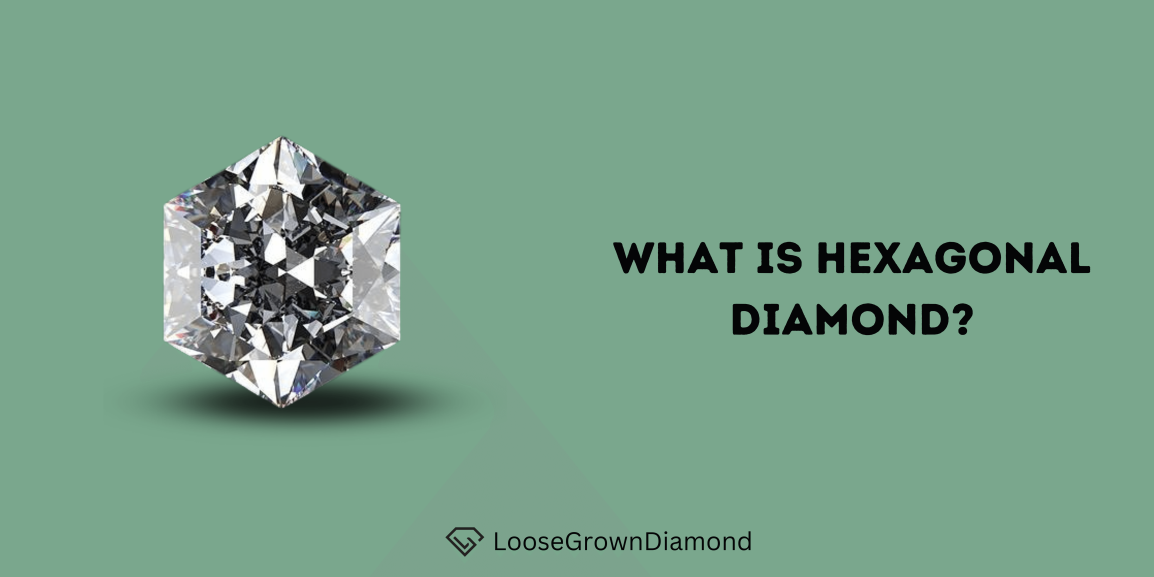
Hexagon Diamond Ring: Wear the Most Fabulous Shaped Diamond

6 sided mesmerizing gems, also known as hexagonal diamonds, have become a popular choice for brides who want their engagement ring to be unique.

Many people like the different and unique shapes of diamonds in their jewelry. If you are one of those people, you will surely be amazed by the beauty of hexagon diamonds.

A hexagon shape could signify the uniqueness inside you or an unconditional and remarkable love for your partner if you select this diamond for an engagement ring.

In this article, you will get to know more about the unique features of the hexagon diamond and what setting will bring out the true beauty of your ring.

What are Hexagon Diamonds?
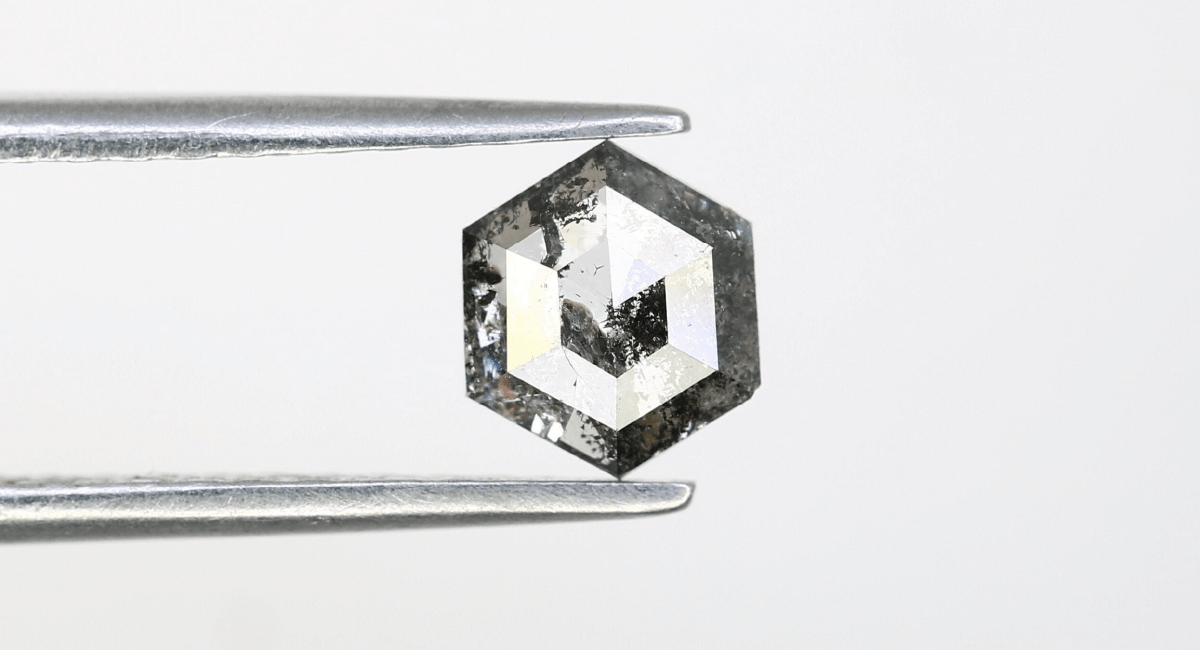
What Are Hexagonal Diamonds?

As we all know, the brilliance of a diamond is mainly dependent on the cut of the diamond.

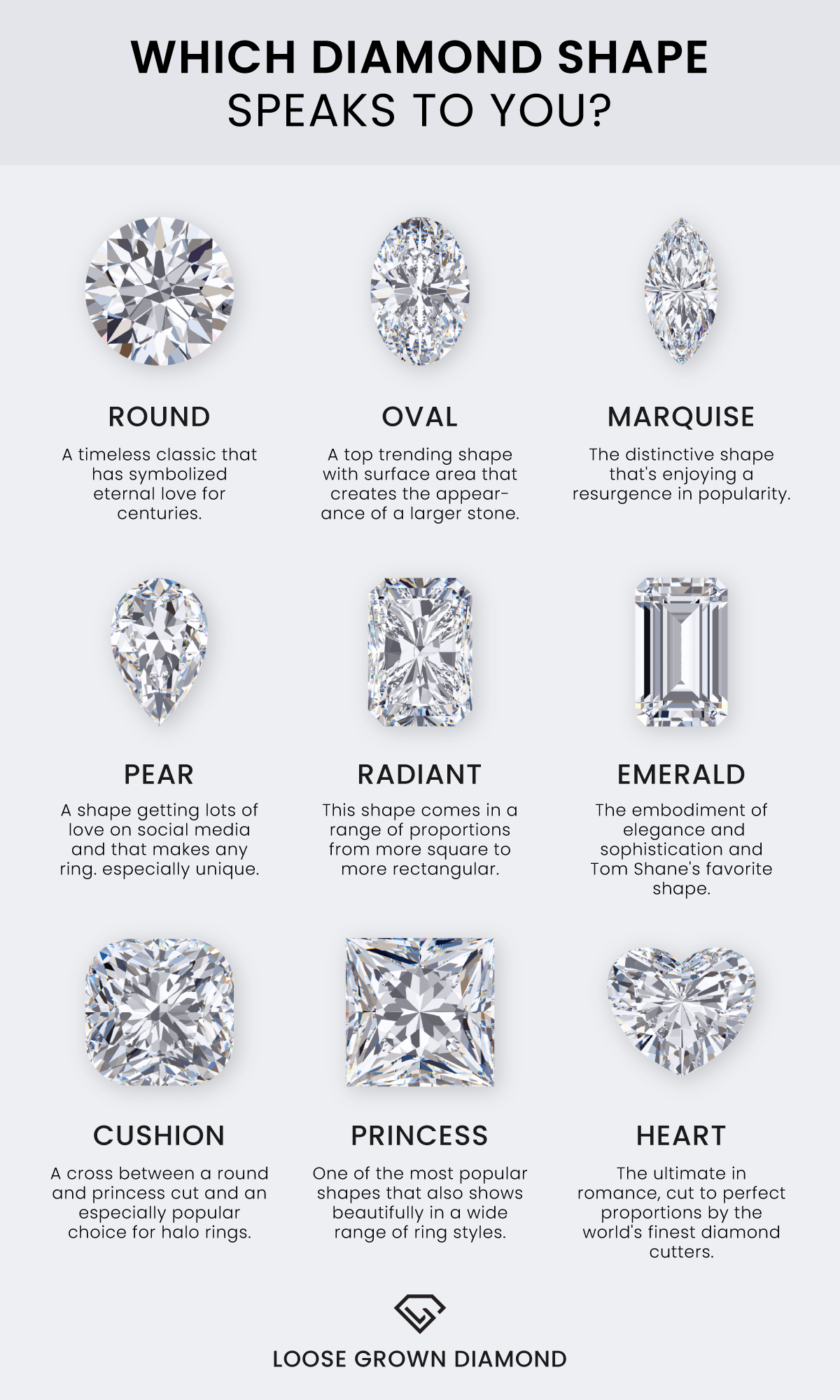
The hexagon is a six-sided diamond shape that gives a diamond its perfect brilliance. It can come in three cuts: the step cut, the brilliant cut, and the rose cut.

Also, there are two types under the hexagon shape category: one is when all sides are equal with an ideal symmetry, and the other can be a little elongated, almost like a rectangular-like hexagonal shape.

The specialty of this shape is that it gathers the majority of light reflection at its center. thus making it sparkle with great intensity.

The hexagonal diamond ring has a taste of a nontraditional shape, and because of its uniqueness, it has become a sensation among brides.

This six-sided diamond looks great in multiple engagement ring settings. This shape can also go flawlessly with different kinds and shapes of stones, primarily colored gems.

One major drawback of this six-sided geometric shape is that its perfect six corners and edges are not totally perfect; if you don’t take proper care of them, they can get dull after a few years.

To prevent this, you have to be very careful while wearing the ring, consider removing the ring while doing hard jobs in which the ring can get in the way or get stuck onto something. For higher security, set the ring in a durable setting like a prong or bezel setting.

[blog_page_inventory shape=”Hexagon” carat=”1.20,4.50″ cut=”0,4″ color=”0,10″ clarity=”3,10″]
[blog_page_btn title”Buy Now” url=”https://www.loosegrowndiamond.com/inventory/?”]

Below are some pros and cons of hexagon diamonds:

Pros

  • It is an uncommon shape, making your ring unique.
  • Hexagon diamonds are versatile and vintage.

Cons

  • Won’t suit an active lifestyle
  • The beauty of this shape and its edges can be a drawback too. It can break easily if not placed in the proper setting.

Hexagon Diamond Ring Designs

Hexagon Diamond Ring

These hexagon engagement rings are bold and geometric; they also have the angular Art Deco style that the Bohemian era is famous for.

This six-sided shape of a diamond is very uncommon, so finding the perfect design will mainly depend on your preference.

The dimensional and angular properties are responsible for giving a vintage look to this diamond. Due to this look, these polygonal-shaped diamonds can look perfect in almost every setting.

Three-stone, halo, solitaire, and bezel are some of the most popular settings for this shape.

These are rare, but that doesn’t mean you can’t be creative while choosing your dream hexagon diamond ring.

Here are some points that can help you design your perfect match ring.

  • You can have a prolonged gold setting with a long black diamond. The gold color and the shine of the black diamond will make a royal pair.
  • A dark-shaded, symmetrical hexagon diamond as the center stone, surrounded by brilliant, transparent round diamonds in a halo setting, will look gorgeous on a ring.
  • One big symmetrical loose hexagon diamond shape in the center in a prong setting and some small, colorful diamonds on two sides of the polygon can be a good choice. This simple and beautiful setting can be perfect for a wedding ring.

If somehow you are not able to find a hexagon diamond ring, then you can go for a round brilliant cut with a hexagonal setting, this setting has the power to make the diamond appear like a hexagon.

What to Look for in a Hexagon Engagement Ring?
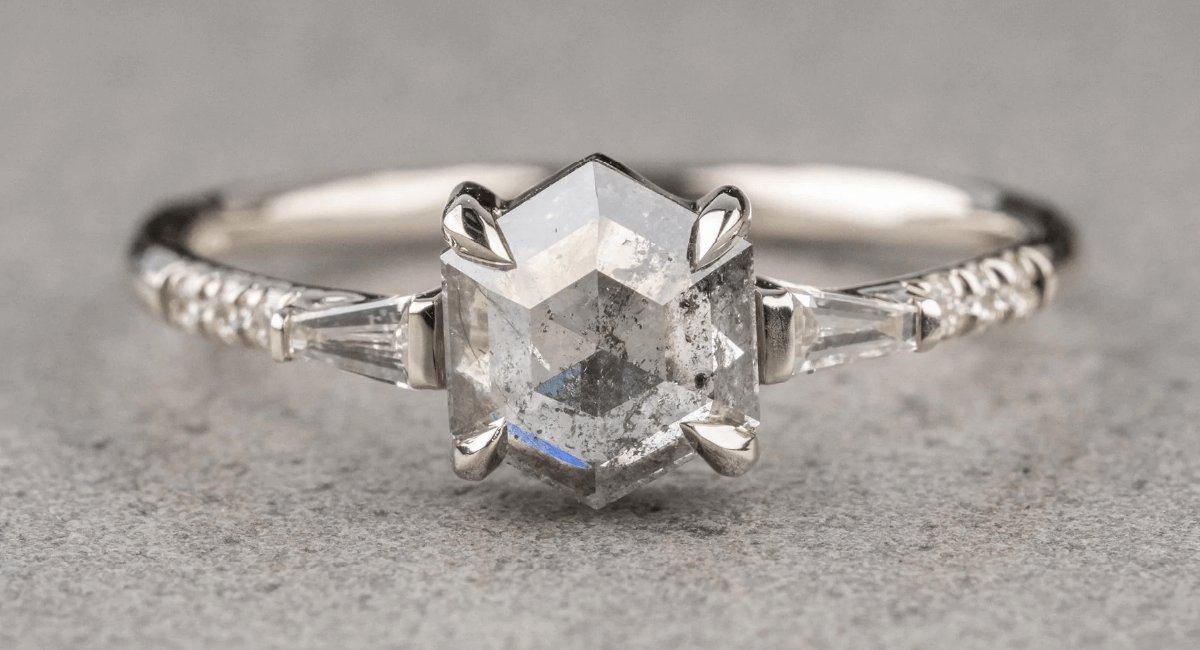
What to Look for in a Hexagon Engagement Ring

  • The best setting for your hexagon diamond ring: you should go for a setting that is not going to hide the beauty of your diamond plus is a good match for your diamond. The four-prong setting is favorable for hexagon diamonds, as it gives a traditional vibe to the modern-cut hexagon diamond.
    In addition, this setting is also good for safety, because the prong setting is going to save the diamond from falling damage and prevent the dullness of the edges.
  • Only hexagon diamonds can be eligible for the hexagon setting: as these unique shapes like hexagons are hard to find. Therefore,  not all hexagon diamond rings have hexagon-shaped diamonds in them.
    Round brilliant-cut diamonds are mainly used in place of hexagon diamonds; they can make the ring appear geometric. You can increase the edgy look by adding a few small baguette diamonds in a halo fashion.
  • Pricing of a hexagon diamond: the price of a diamond mainly depends on cut, clarity, carat, and color. However, the cut is largely responsible for the high and low prices of hexagon diamonds.
    These beautiful six-sided polygon diamonds have gained high popularity recently; it will be no shock if their price falls within the range of round diamonds.
  • Certified diamond: if you’re going to buy a diamond ring, you should check its origin, cut, clarity, etc. All these properties of diamonds are mentioned correctly in a certificate issued by a reliable diamond association, such as GIA , IGI, or GCAL. It also gives proof of whether the diamond is real or fake.

Should I Choose a Hexagon Shaped Diamond?
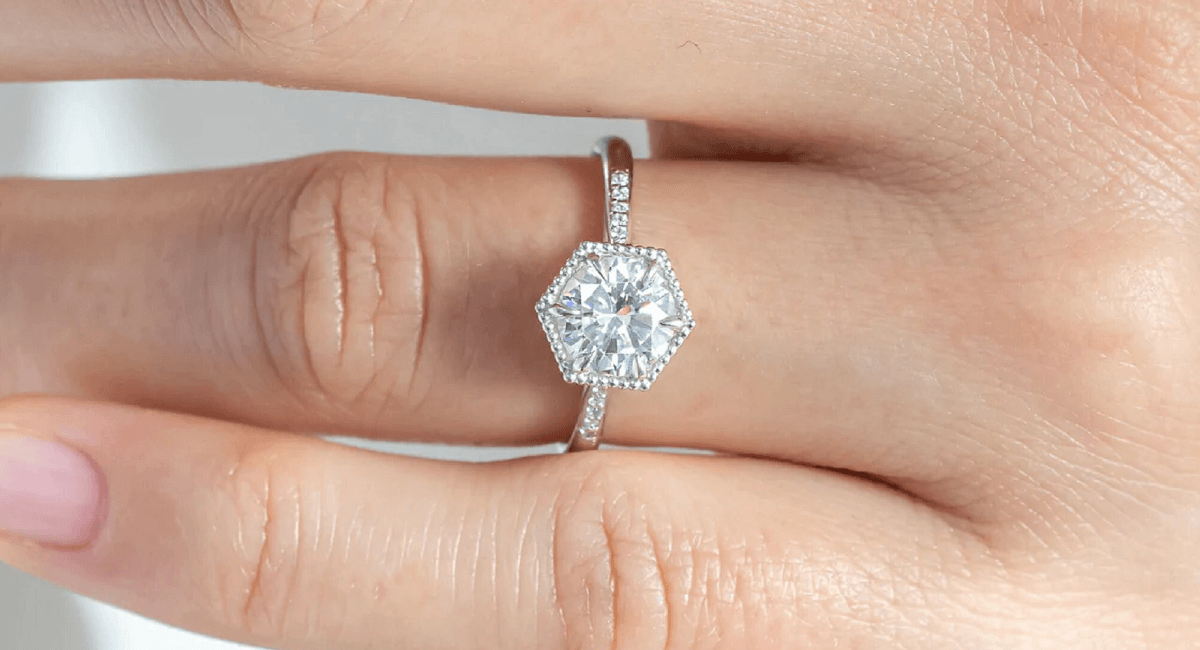
Should I Choose a Hexagon Shaped Diamond

You should choose hexagon diamonds as they are perfectly shaped and have a beautiful geometric touch without being too complex. These hexagonal shaped diamonds have become an unconventional choice that brides have opted for in the last few years.

This six-sided polygon is not like a triangular or square gem that we generally find in jewelry.

It consists of six unique edges that make up the face of a pyramid if you look at it from the side. The face gets broad at the base and becomes narrow at the top.

The diamond can vary in size, but these hexagonal diamonds have a height of more than 3–4 mm and a width of about 2 mm.

If you are looking for a unique, new, and stronger gem, then the hexagon diamond cut could be the perfect choice for you.

It has an admirable geometric shape, which can look pretty in almost every setting. You can also add small diamonds around your polygon, which will increase the beauty and value of your diamond ring.

How to Care for A Hexagon Diamond Engagement Ring
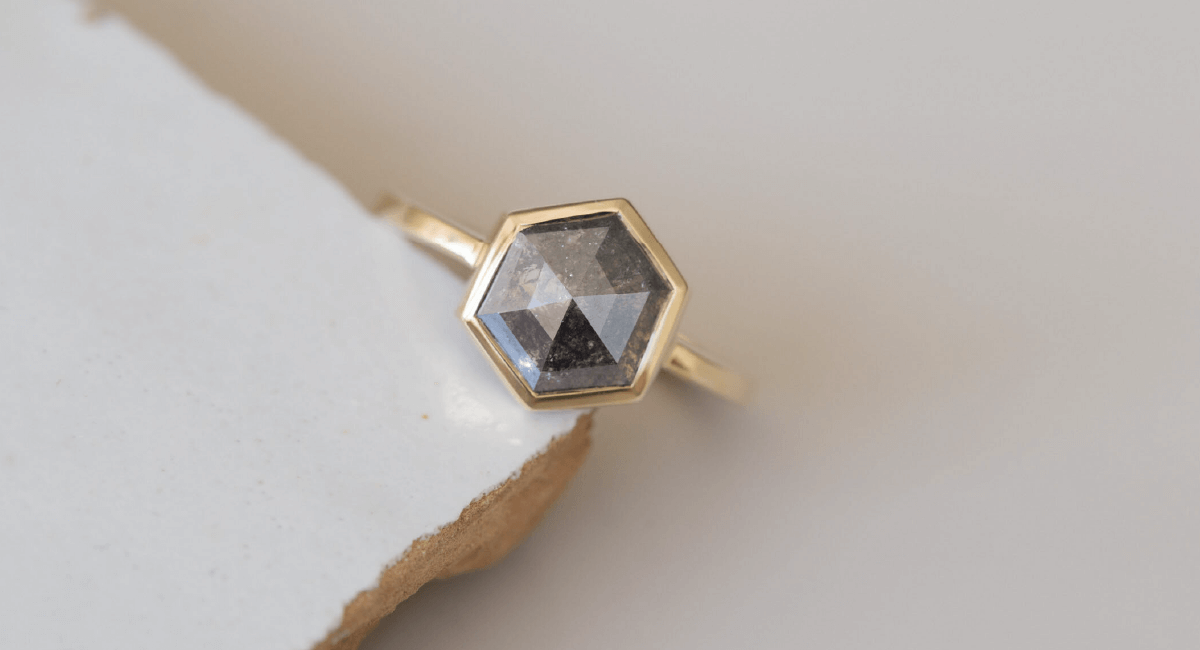
How to Care for A Hexagon Diamond Engagement Ring

A diamond can be the hardest and strongest substance present in nature, yet a diamond can lose its shine if it is not cared for properly.

It can chip or break from the edge, it can fall off and receive permanent damage, which cannot be undone.

But if you keep your diamonds clean and wear them with care, your diamond or any jewelry can look brand new even after years of wearing it.

Below are some points that can help you keep your hexagon diamond engagement ring looking flawless.

  • Do not touch your diamond frequently: by regularly touching your diamond, you can get oil or dirt on it from your hands. This will make up a thin layer on top that is going to affect the brightness, color, and beauty of the diamond. Also, you should touch it gently. If excessive force is applied, it may be displaced or become loose.
  • Regular cleaning: regular cleaning can be good, as oil, dirt, and sweat can block the way of light. Regular cleaning will help to keep the diamond shining bright. The cleaning process is not too technical. You just have to wash it a little with warm water and use a soft toothbrush and mild soap to rinse it. And do not use toothpaste at all.
  • Storage: A diamond should be protected from being stolen and also from getting damaged. If a diamond gets damaged, there is a great chance the damage cannot be undone. A diamond can be rubbed against other jewelry and have its edges damaged, making it appear dull. Some of your other jewelry can also get damaged by rubbing against your diamond. So one should use a designated ring box for the storage of diamonds or diamond jewelry.

Our Top 5 Hexagon Diamond Rings

  1. Halo setting: In the halo setting, the hexagon diamond is surrounded by small diamonds, which are going to add beauty and additional safety to our hexagon.
  2. Pave settings: if you want a very unusual and special style in your ring, then the pave setting is definitely for you. This setting incorporates the use of diamonds in the metal band to make the center stone appear pretty. You can be creative with colors in this setting.
  3. Prong setting: This is the most favorable setting from the list for the hexagon diamond setting. It is just beautiful, and it keeps the central diamond secure from any kind of fall damage.
  4. Bezel setting: this setting also helps to keep your diamond safe by framing it from all sides. Unlike others, the bezel setting protects the diamond from all possible damage.
  5. Three-stone setting: Three stone setting, we have two more stones in addition to our central hexagon. You can be very creative with this, one can add colors to the side stone, or different-shaped side stones can also be used.

We at Loose Grown Diamond offer the best-quality lab-grown diamonds at wholesale rates. We manufacture our diamonds and customize jewelry. Have a look at our inventory if you are interested.

You can use our diamond price calculator to determine the right price for your diamond. Explore exclusive savings with our promo code when elevating your diamond shopping experience. Feel free to contact us if you need any help selecting a diamond or piece of jewelry.


Conclusion

A hexagonal diamond has six sides and a geometrical shape. These diamonds definitely have similar fire and are just as pretty as other diamond shapes. Depending on the length, these can be symmetrical or elongated.

Hexagon diamonds offer a great size with a great look. It has the perfect geometrical shape, which can go with every setting that exists, but a prong setting is recommended as it prevents damage as well.

It can, however, be a hard task to find a high-clarity and large-sized hexagonal diamond. If you want to feel unique and want something uncommon and new, the hexagon diamond shape is the perfect choice for you.

Frequently Asked Questions (FAQs)

Are hexagon diamonds rare?
Hexagon diamonds are pretty rare because they are uncommon and non-traditional shapes. You might never find a hexagon diamond at shops near you. But a hexagon diamond ring can be a perfect match for someone who likes a modern look with a vintage twist.

What Is a hexagon diamond called?
Hexagon diamond is also called Lonsdaleite. It has a crystal structure of carbon with a hexagonal lattice. It can be found at the site where the meteorite impact occurred. But this is different, as this hexagon refers to the hexagon created within the crystal lattice of the diamond. The hexagon diamond mentioned in this article is about a diamond that has 6 sides.

Can I custom design a hexagon cut engagement ring?
Yes absolutely, your desired design can be customized, and get in touch with us through our website. We will be more than happy to design a customized engagement ring for you.
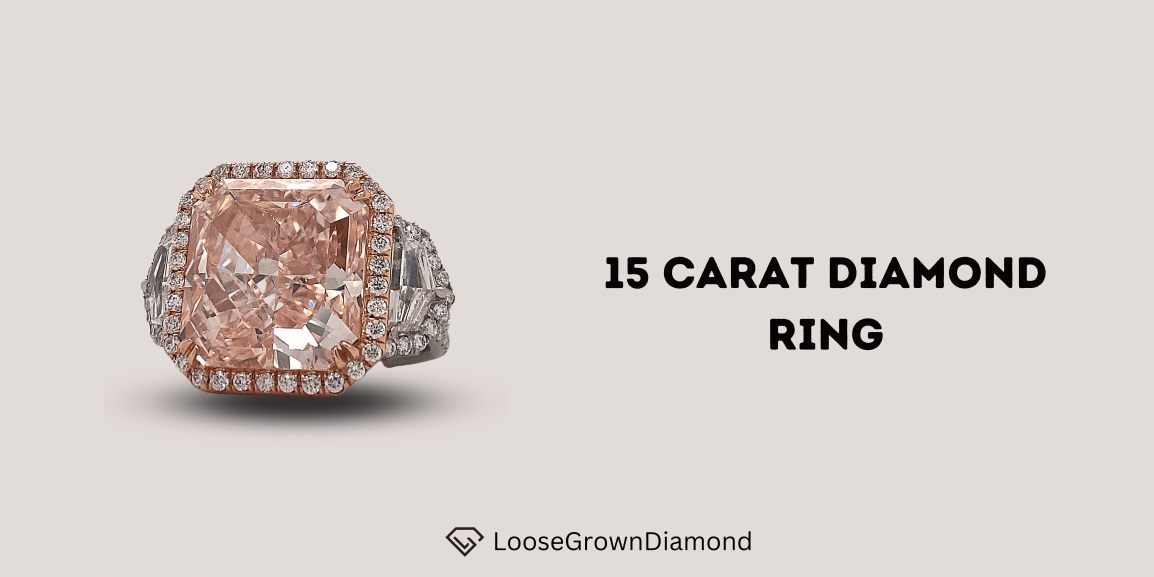
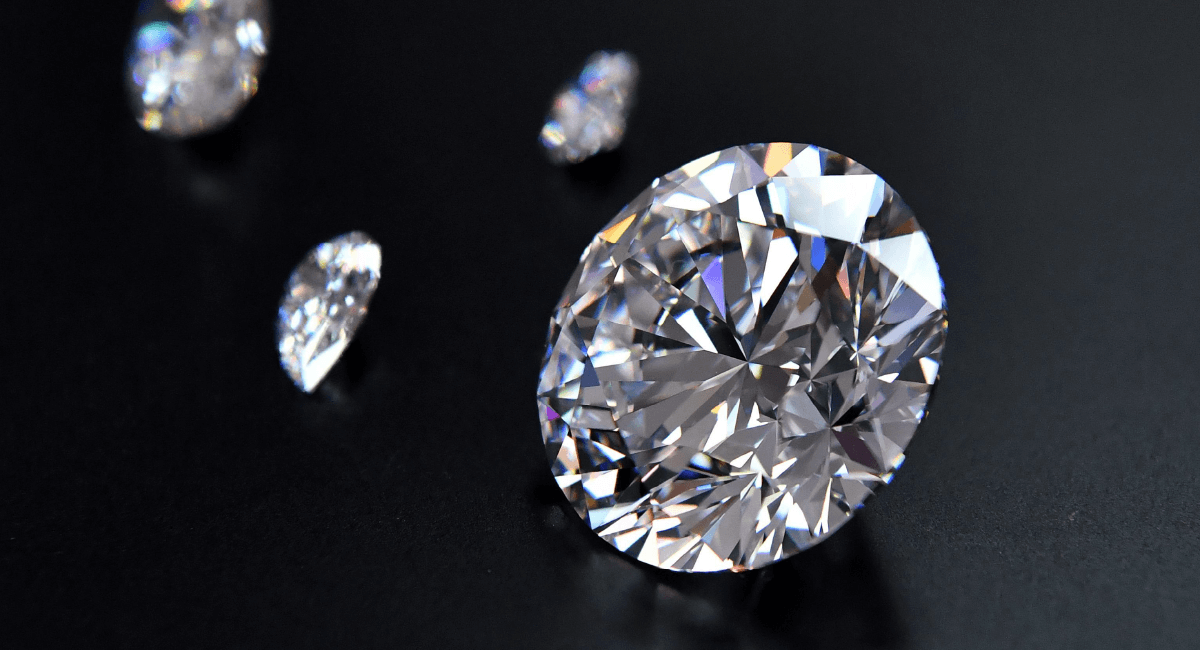
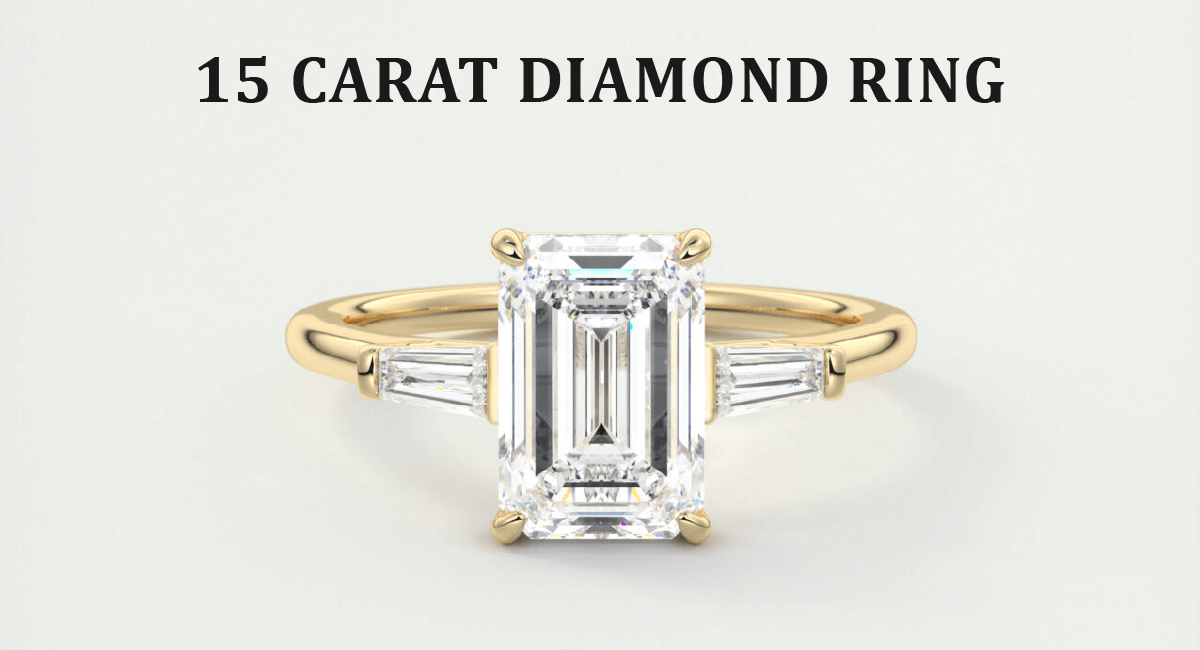
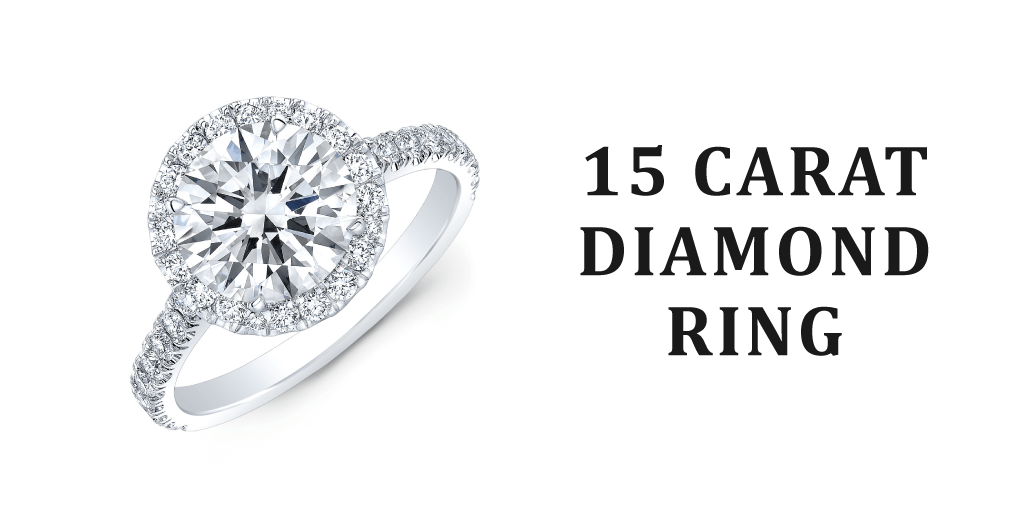
Stunning 15 Carat Diamond Ring that Set the Fashion Frenzy

What is a 15 carat diamond ring? Are there diamonds that are this big? How much is a 15 carat diamond ring? Are 15 carat diamonds real? If you have such questions on your mind, let us answer them for you.
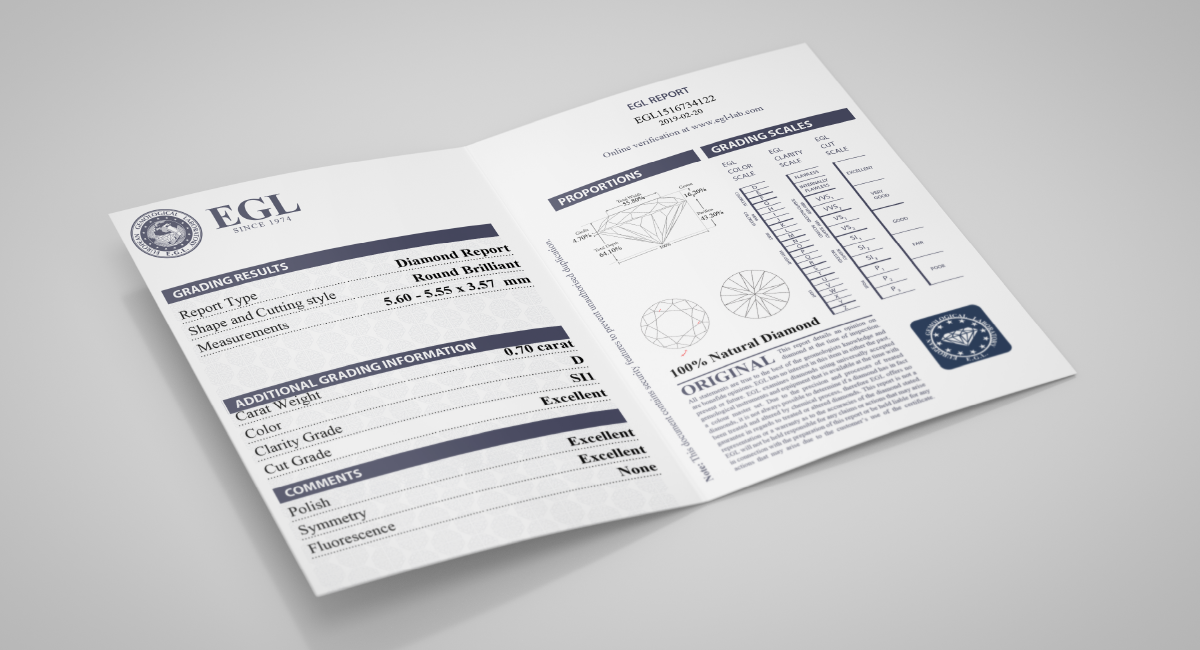
Well, many buyers get confused between the size and weight of a diamond. When we say “15 carat diamond ring,” the “carat” here refers to the weight of the diamond, not its size. It will be a big diamond, but its size will vary; its carat weight, however, will stay the same for different sizes.

Are there diamonds that are this big? How much is a 15-carat diamond ring? Are 15-carat diamonds real?

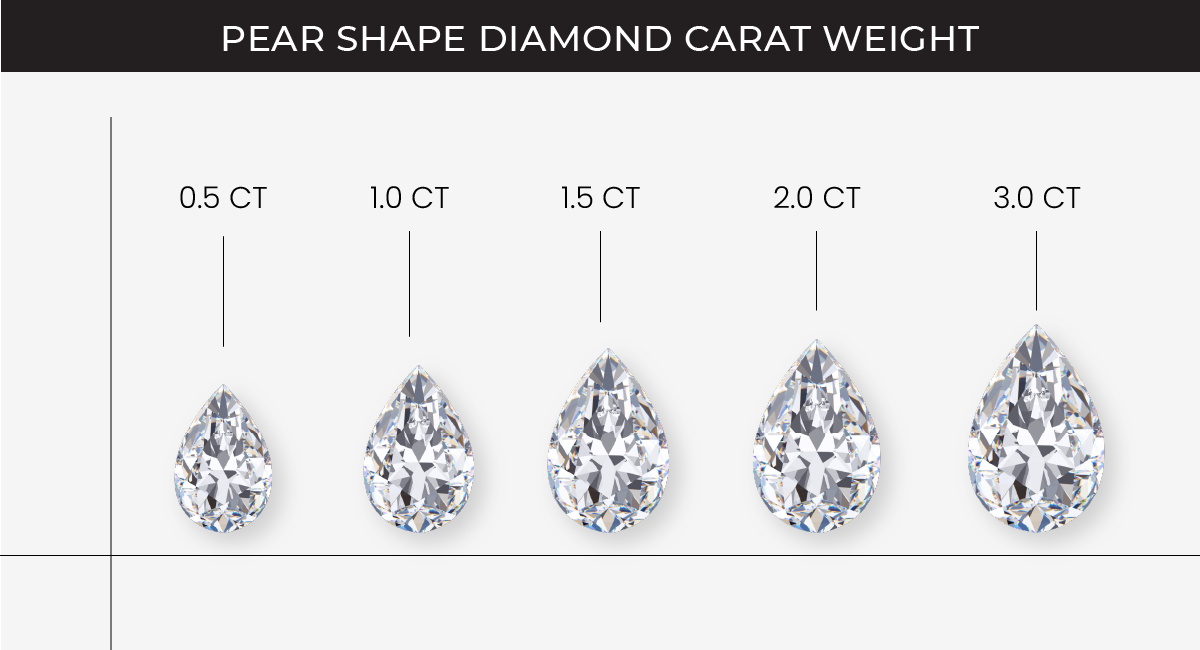
While the carat is the accepted measuring unit, a diamond’s millimeter potentially reveals its actual dimension. If you were to look at a diamond carat chart, various shapes will appear bigger at equal carat weights; therefore, it’s crucial to take the facets and shape into consideration when going for big carat diamonds.

Now, the next question that will arise in your mind is, “What determines the price of such a 15 carat diamond ring?” The answer is 3 out of the 4 c’s, i.e., cut, color, and clarity (not carat because it is fixed here).

All these factors determine the cost of the diamond. Given that it has the biggest impact on a diamond’s brightness, the cut is the most significant of the 4Cs after carat. Color is the next most significant of the 4Cs since it is what the eye first perceives after sparkling. And finally, clarity is used to analyze a diamond’s purity.

To give you a deep insight, we have discussed every aspect of a 15 carat diamond ring below.

15 Carat Diamond Ring Price

15 Carat Diamond Ring Price

Prices for a 15 carat diamond range from $150,000 for a minimal stone to up to $15–20 million, or possibly more, depending on its “4 C’s.”

As discussed above, the remaining 3C’s will determine the price of a 15 carat diamond. Additionally, keep in mind the general principle that a diamond’s value increases in exact proportion to its mass.

Therefore, it is beneficial to compare diamonds of comparable size, brilliance, and form to use the price per carat technique. In this method, a price is decided per carat for a diamond. You have to multiply the price by the number of carats to get the final amount.

It is important to keep in mind that the costs stated by multiple companies may differ when purchasing diamonds. Price comparison is also readily available to help you determine a 15 carat diamond ring’s cost. This can help speed up the decision-making process.

If you want to purchase a 15 carat diamond ring in person, you will end up spending more, as online merchants often offer the lowest prices.

Loose Grown Diamond provides the most affordable diamonds on the market. We have our diamond price checker tool, which you can check out and get an idea of a 15 carat diamond ring’s price.

To give you an idea of a 15 carat diamond ring’s cost, you should take note that there is no concrete price on diamonds. The rates fluctuate depending on the 4Cs, shape, and market price.

For example, an average-cut diamond with less sparkle will be worth less when compared to a 15 carat diamond with an excellent cut and brilliance. The price of a 15 carat diamond ring can also increase or decrease based on its shape. Round brilliants are common and hence may cost less when compared to marquise diamonds for such big carats. The same may be true for small-carat values.

For instance, a 1.5 carat diamond will be valued substantially more than the combined value of three 0.5 carat diamonds. The cost of rarity is paid when using a huge stone. It’s also critical to be aware that a rough diamond loses a significant portion of its weight when it is cut.

The cost of diamonds has decreased recently, and the general public may now purchase lab grown diamonds for rates that are comparably less than those of mined diamonds. It will be easier to find a lab grown 15 carat diamond than a naturally mined one.

15 Carat Diamond Ring Size

15 Carat Diamond Ring Size

The diamond’s mass plays a significant role in determining its size and its diameter. It is not that a 15 carat diamond ring comes in only one size, it depends on two factors that determine the size of the diamond. The two factors are:

1. The Cut of The Diamond

There are three main types of diamond cuts, each with a unique measurement and precision. As a result, the size of each diamond cut varies. And thus, each cut of a diamond with the same weight is different in size. Poor, good, and excellent cuts (GIA standards) are the cuts we take into consideration.

2. The Shape of The Diamond

Depending on the shape of the diamond, such as a round cut, princess cut, cushion cut, etc., the size of the diamond will matter.

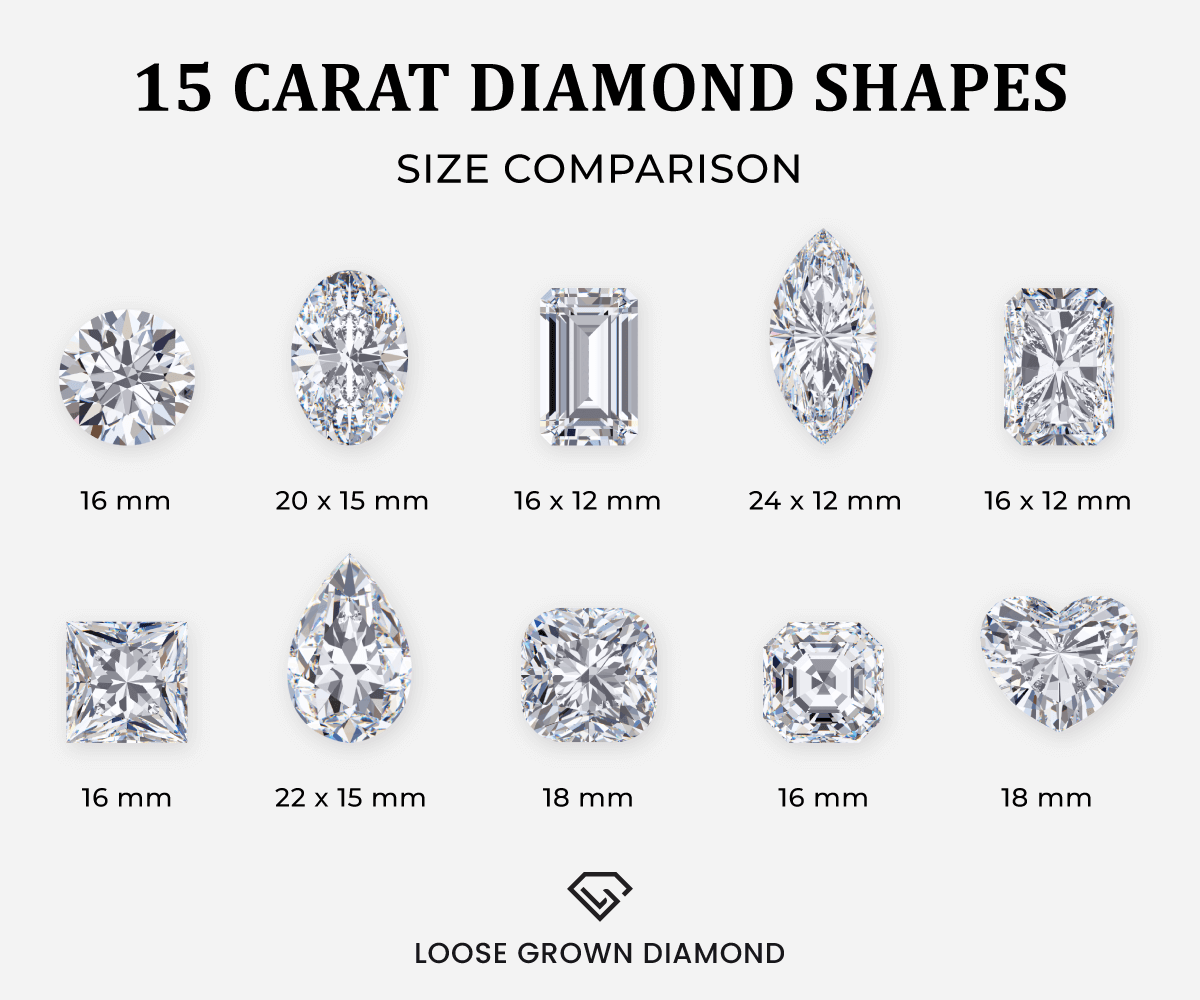
For example, for a 1-carat round diamond, the average size is 6.4 mm in diameter. Similarly, as you increase the carat weight, the size of the diamond also changes. A 15 carat diamond will have a diameter of 15–17 mm, which is bigger than the average human finger.

Another method of estimating the diamond’s size is to look at its face-up area per carat. It is a simple method for comparing stones of comparable weight. Subtract the weight of the carats from the face-up area per carat.

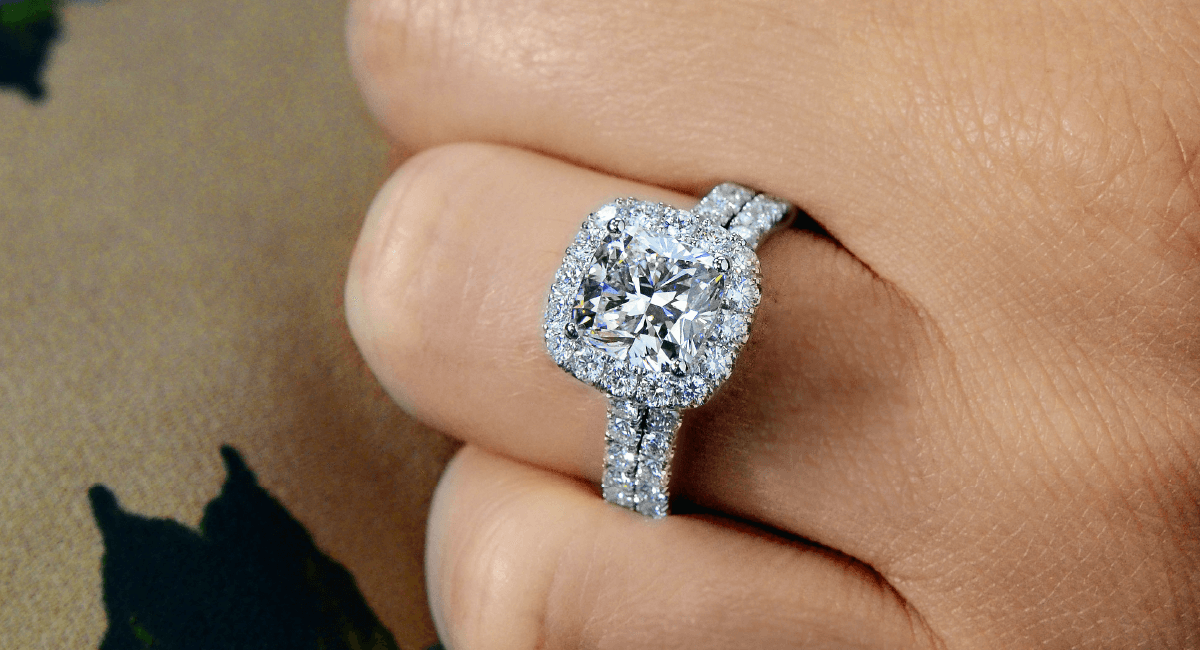
15 Carat Diamond Ring on Fingers

How big the diamond will appear on a finger should be one of your first considerations when purchasing a 15-carat diamond engagement ring for your significant other. Diamonds of varying carat weights and sizes will appear differently on different fingers.

How big the diamond will appear on a finger should be one of your first considerations when purchasing a 15 carat diamond engagement ring for your significant other. Diamonds of varying carat weights and sizes will appear differently on different fingers.

You must know the precise ring size to determine how big a diamond ring will be on a fingertip. Women’s ring sizes in the US range from 3 to 9, with 6.5 being the normal size. A finger that is 17 mm (or 16.9 mm, to be more precise) in width fits within these appropriate dimensions.

A diamond that weighs 15 carats is not only stunning, but also more difficult to acquire and, of course, obscenely expensive. A round-cut diamond with a 15 carat weight is significantly larger than 15 mm in diameter and occupies 80–90% of the finger’s width. It has a substantial weight of a few grams or more.

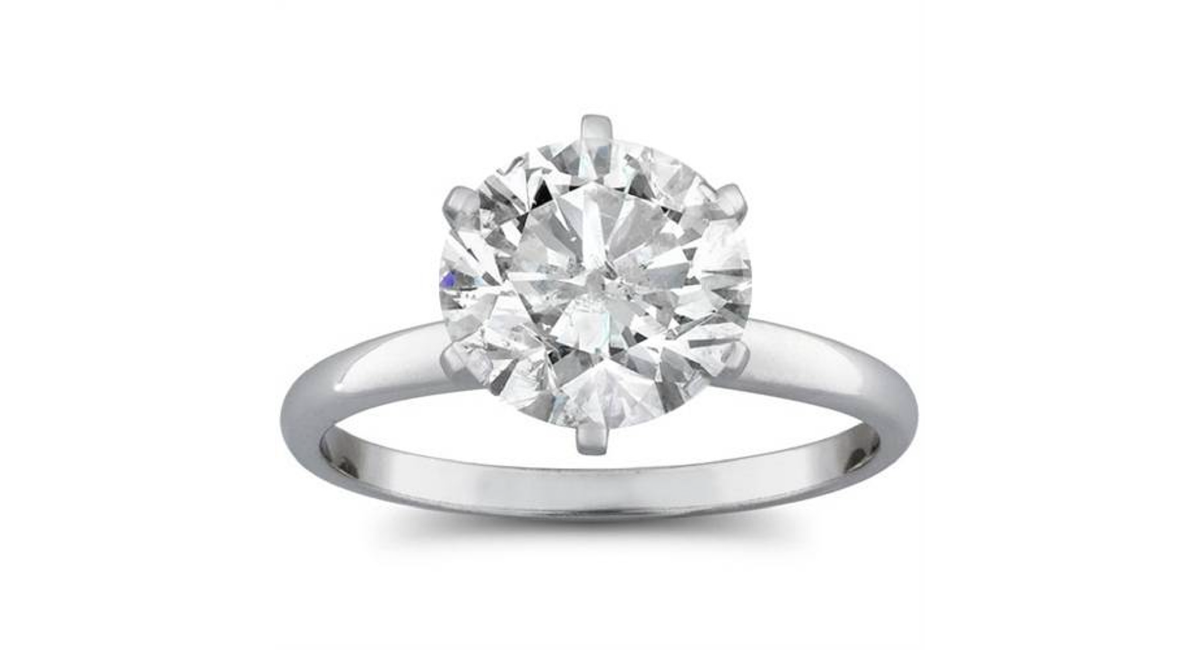
Wedding rings with 15 carat diamonds stand out and are stunning by themselves. They do not require a halo or pave setting because they are stunning in a solitaire setting.

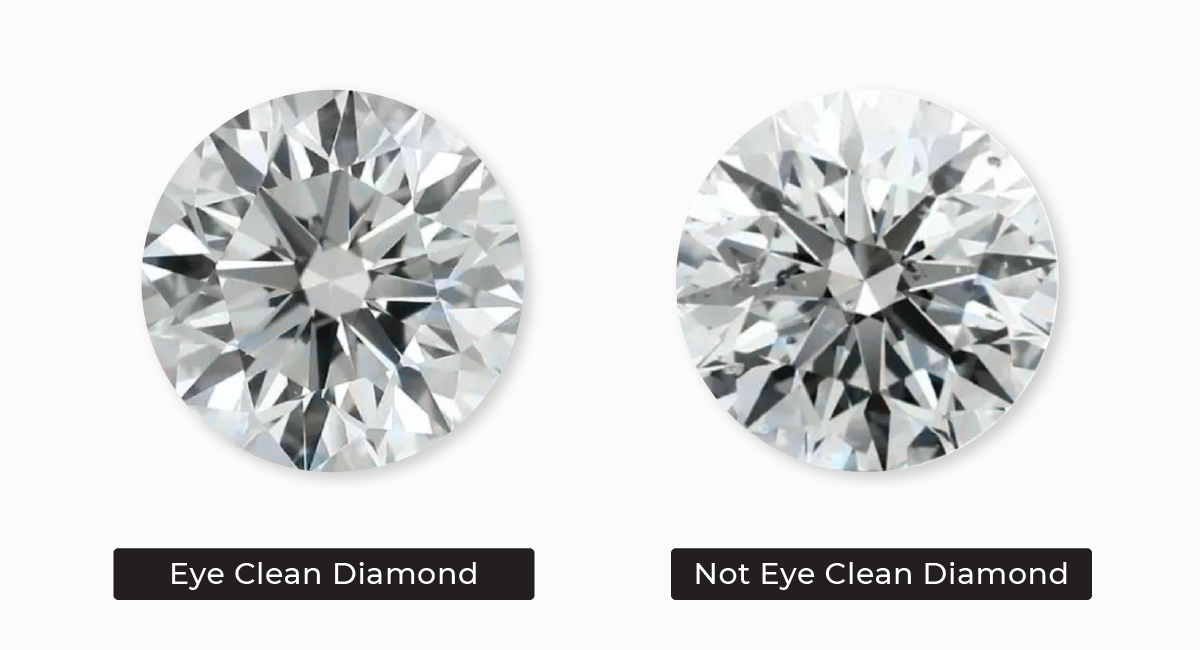
One consideration to keep in mind is that a diamond’s imperfections will be easier to see if it is a big stone. It is important to search for an eye-clean diamond that is placed on your 15 carat diamond ring.

15 Carat Diamond Shape

15 Carat Diamond Shape Comparison

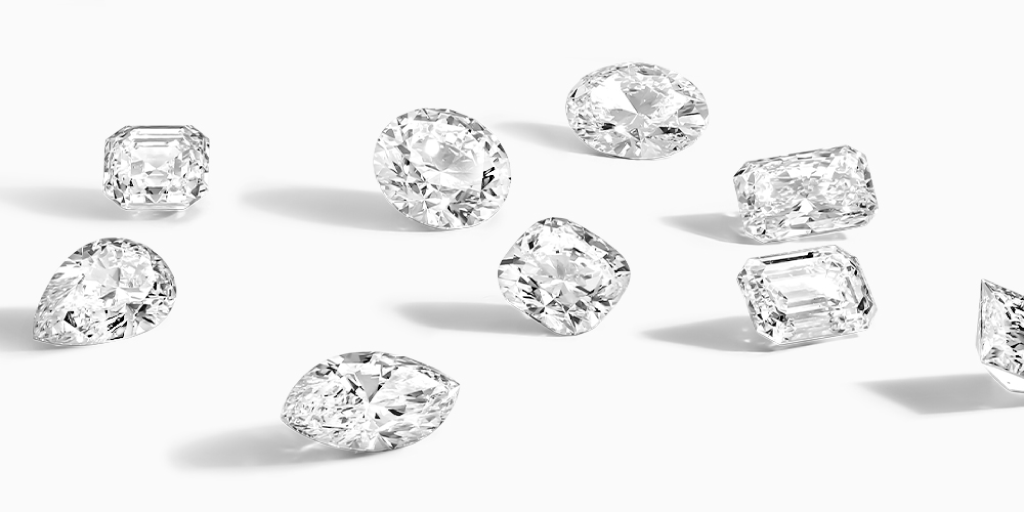
Each diamond cut carries its weight differently. A 1-carat diamond with a round cut, for instance, is smaller than one with an oval, princess, or pear cut. So to understand in depth, let us first discuss different shapes that look fantastic on a 15 carat diamond ring.

1. Round or Brilliant Cut

The preferred choice would be round-cut stones in a 15 carat diamond ring, despite the size of your fingers. Because a round brilliant cut is created to bring out the most brilliance, blaze, and glitter in a colorless diamond, It is the most popular shape for diamond engagement rings.

The contemporary round brilliant cut stone in a 15 carat diamond ring contains 57 or 58 facets in total, including table facets and an alternative culet facet. It also has a circular girdle shape and 56 triangular and kite-shaped faces that are arranged symmetrically.

2. Cushion Cut Diamond

The cushion-cut diamond has soft edges and thus looks like a soft rectangle or square. It has been gracing the fingertips of brides for ages. It often features a big culet aspect, a deep canopy, a high crown, and a little seat. A cushion cut is ideal for colored diamonds because it preserves more color face-up than a brilliant cut.

When choosing an engagement ring, a bride who prefers an antique design will love a cushion-cut diamond. So, if you are planning to buy a 15 carat diamond-colored ring, make sure you consider this cut.

3. Radiant Cut Diamond

The radiant cut, a refined spectacular cut that was first developed in 1977, is one of the latest shapes for square diamonds. It flaunts the flames of a square or rectangular gem with chopped sides in a rectangular shape.

Additionally, the radiant cut is a little bigger than the round cut. A 1-carat diamond with a radiant cut has a 7mm diameter, to give you an idea of size. Long and thin fingers can look lovely with this dazzling shape.

4. Marquise Cut Diamond

When selecting a marquise diamond for your jewelry, several variables must be taken into account. You like to have a marquise that is not too wide (which could forfeit luminosity and design) nor too slim (which would deprive your bride’s finger of the advantage of length). Both ends should be smooth.

The largest diamond cut is the marquise shape, with a 1-carat stone measuring 10mm wide. For comparison, the diameter of a 4 carat round cut diamond is 10.32 mm. Given their size, marquise cut diamonds would look best on short, delicate fingers. Additionally, they might be more attractive on wider wrists.

 5. Oval Shaped Diamond

In comparison to the princess cut and the cushion cut, the oval cut is larger. Some people like longer oval diamonds, but as they are more challenging to cut, they are less common.

The attractiveness of an oval diamond depends on its symmetry, just like it does with other fancy diamond shapes. Again, if you draw an arbitrary line along the diamond’s diameter and then across its center, the two halves’ shapes and faceting should be the same.

Oval cut diamonds are perfect for short fingers since they provide the appearance of stretch.

6. Heart Shaped Diamond

The diamond with a heart shape epitomizes romanticism. Additionally, it is a really attractive style for longer fingers. For good reason, this is one of the most uncommon diamond shapes for engagement rings attractive style for longer fingers. For good reason, this is one of the most uncommon diamond shapes for engagement rings.

A huge diamond, at least 1.5 carats, is needed to get a 1-carat diamond with a well-shaped heart. Additionally, this shape tends to make inclusions more noticeable, so you want a diamond with exceptional clarity. The well-rounded lobes should match in size, shape, and faceting technique, and the gap between them (as well as the point) should be well-defined.

The Best Grades for a 15 Carat Diamond Ring

The Best Grades for a 15 Carat Diamond Ring

Cut:

The cut of a diamond should be as precise as shown in the diagrams. The cut is graded by reputed institutions like GIA or IGI. Which have their own set of grades. The GIA has five grades in general: excellent, very good, good, fair, and poor. While IGI has six: ideal, excellent, very good, good, fair, and poor.

For a 15 carat diamond ring, the cuts that have an excellent (GIA standards) or ideal (IGI standards) grade should be selected. as these cuts will give off maximum fire and brilliance. A proper quantity of light will interact with each angle thanks to a good cut. Intensity, or the projection of white light, is another crucial component of transparency.

Color:

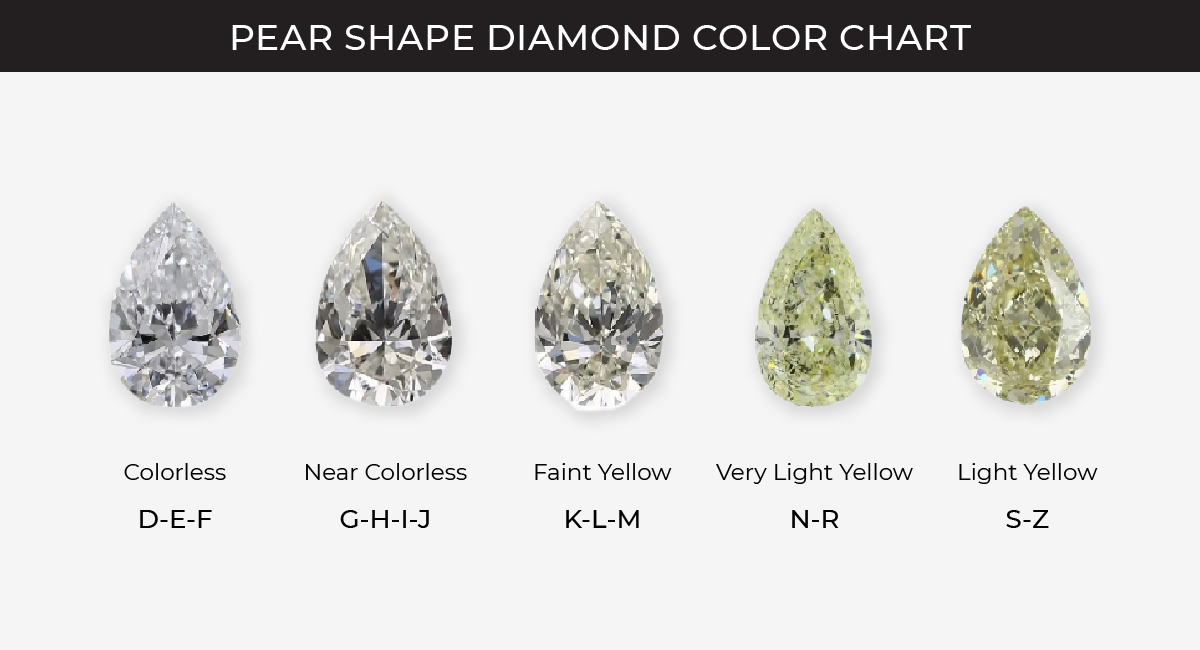
On the GIA color scale, the colorless diamonds that are graded G, H, or I should be selected as the gem for a 15 carat diamond ring. As these grades are given to stones that are close to colorless, On viewing a G color diamond with an unaided eye, it will appear colorless, and there will be a negligible difference between it and a D color diamond of the same carat.

Clarity Rating for a 15 Carat Diamond Ring

Since they offer the highest value of diamond shine, VVS2 clarity and VS2 clarity grades have become the most favored among 15 carat diamond rings. Select stones with inclusions that aren’t exactly in the center of the stone.

The best quality grading for gems of this size will be VS2 or greater, so if you’re choosing a huge diamond (larger than 10 carats, like in the case of a 15 carat stone), look for that. This is because inclusions are easier to see as carat numbers increase.

If you can find them, the best clarity grades for investment-grade diamonds (more than 10 carats, D color) would be IF or FL, if you can find any.

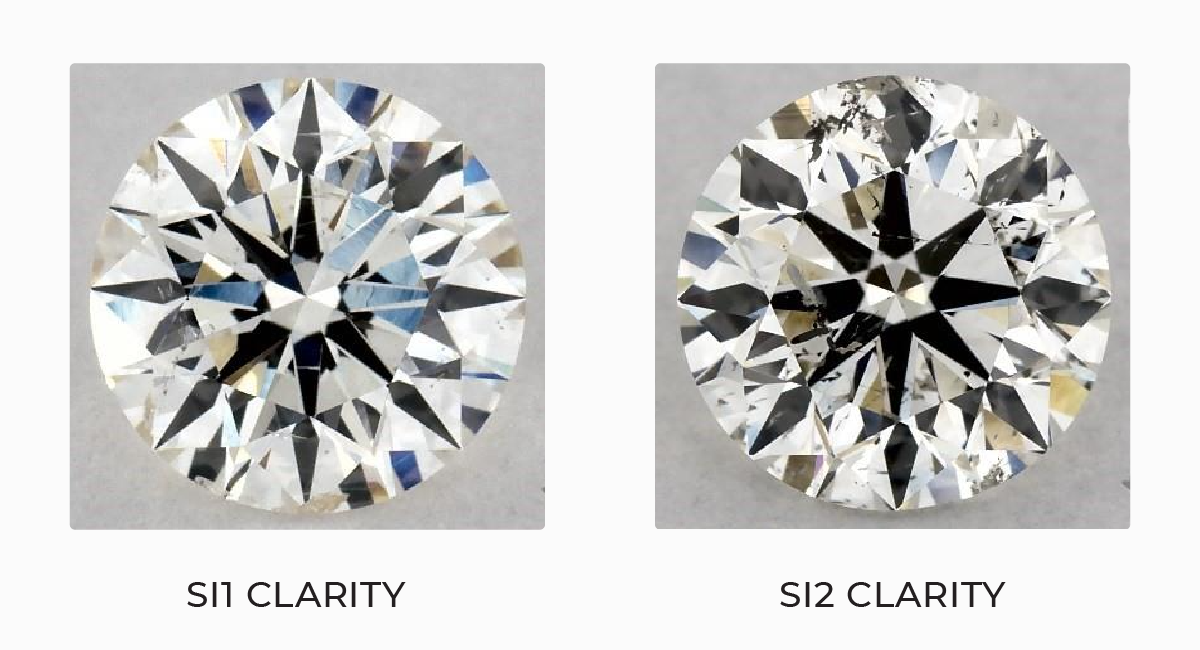
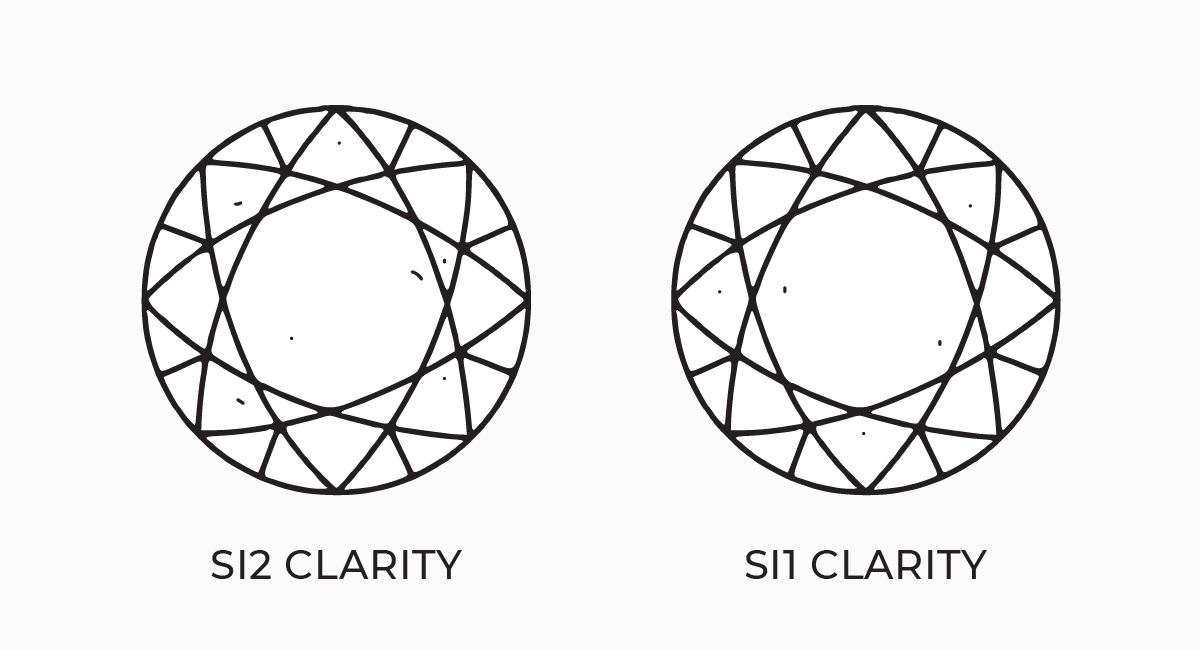
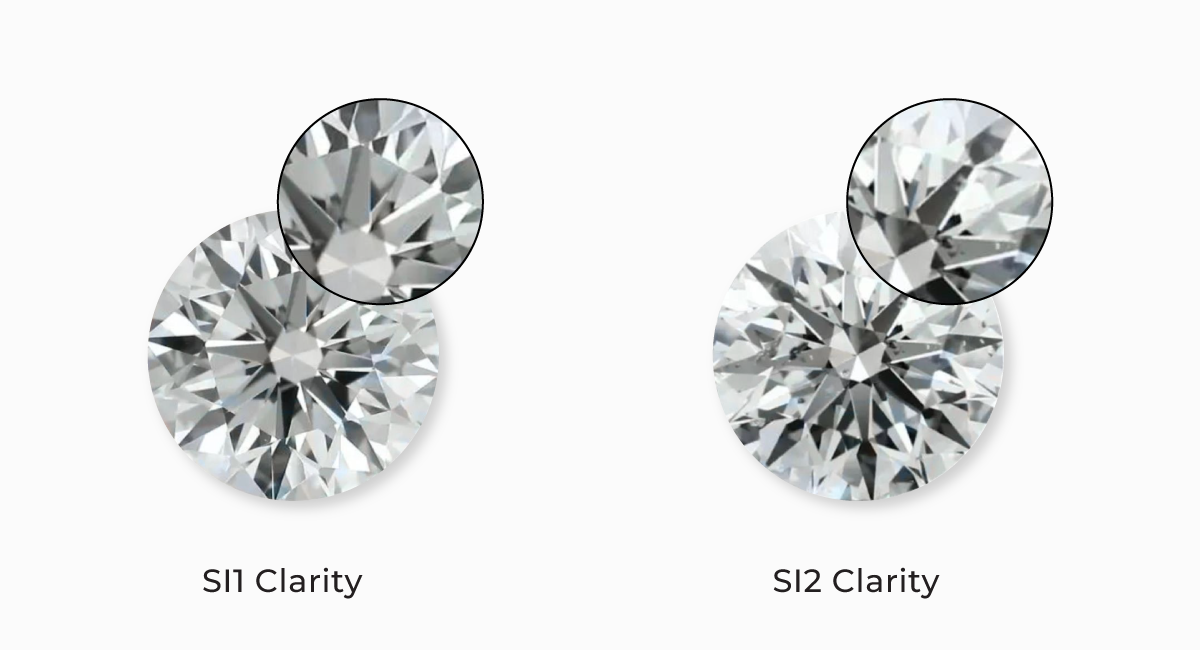
Over 50% less money can be spent on SI1 and SI2 stones, which may be eye-clean but need to be checked independently. If you locate an eye-clean diamond at SI1, you can use the difference in cost, and the stone will otherwise appear identical to one that is flawless.

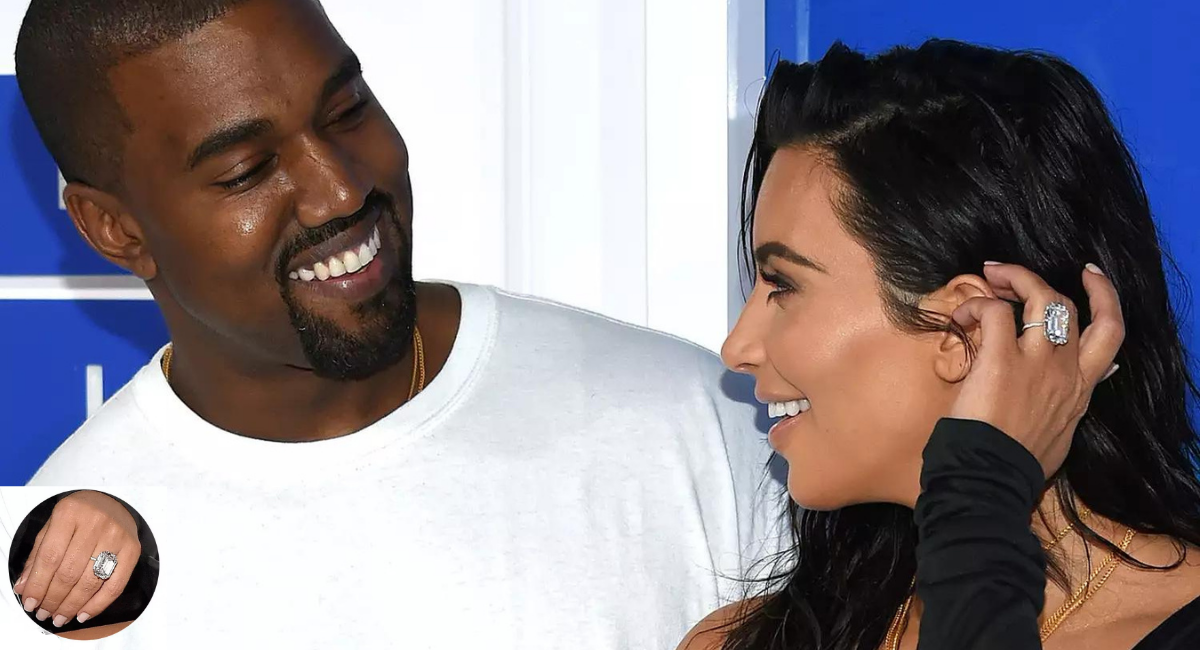
Kim Kardashian's 15 carat diamond ring

Worn by notable figures like Hollywood stars, musicians, and public figures, the 15 carat diamond ring serves as a statement piece on red carpets and in high-profile events, solidifying its status as a coveted accessory that epitomizes both elegance and prestige. Stands as a symbol of opulence and glamour in the world of luxury jewelry.

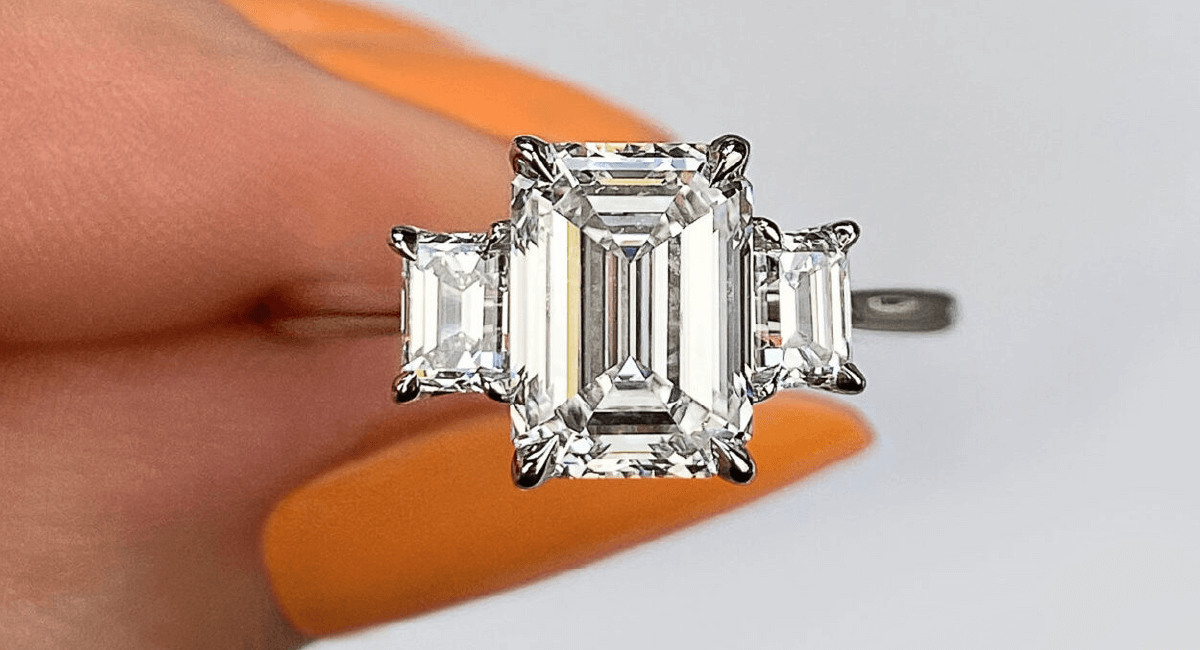
Renowned for its breathtaking size and exquisite sparkle, this diamond ring often features a classic round, cushion, or emerald cut, each contributing to its mesmerizing brilliance.

Where to Buy 15 Carat Diamond Ring

Where to Buy 15 Carat Diamond Ring

It will be difficult to attain a 15 carat diamond ring, as these expensive pieces of jewelry are not sold anywhere. Famous diamond or jewelry retailers might have them. You can also look into online stores. The benefit of opting for an online store is that you will be able to browse through numerous options at once and will get cheaper prices.

A 15 carat diamond ring purchased from an online store will cost 20–30% less than one purchased from a nearby retailer.

We at Loose Grown Diamond have a large inventory of lab-grown diamonds of all carats, clarity, color, cut, and shape. If you are interested, feel free to check out our store and contact us if you need any help deciding.


Conclusion

Gifting a diamond to your significant other is a sign that you care about them. These gems have evolved into a representation of never-ending love over time.

Talking about a 15 carat lab diamond ring will attract attention from anyone, everywhere. Similar-sized and exquisite diamonds are hard to come by. A gem of this size is rare, and many people are unlikely to encounter one. Still, a diamond’s carat weight isn’t the only factor to consider.

Check your diamonds’ cut, clarity, and color once again to ensure that they match the grading certificate. Due to its flaws, a huge diamond ring may pose certain issues. You shouldn’t spend money on a 15 carat diamond with a noticeable imperfection.

You’re prepared to make your magnificent piece of jewelry once you’ve chosen the ideal diamond for your 15-carat ring.

FAQs

How big is a 15 carat diamond?
A 15 carat diamond is relatively large, with a noticeable presence on the finger. It’s often chosen for its impressive size and elegance.

What shapes are available in 15 carat diamonds?
15 carat diamonds can be found in various shapes, including round, cushion, oval, pear, asscher, marquise, emerald, and Heart, allowing for personalization.

What is a 15 carat lab diamond ring?
A 15 carat diamond ring features a lab grown diamond at its center, with a weight of approximately 15 carats.

Is a 15 carat diamond suitable for an engagement ring?
Yes, a 15 carat diamond can make a stunning and impressive engagement ring, though personal preferences vary.

Can you customise a 15 carat lab diamond ring?
Yes, you can customize a 15 carat diamond ring to suit your preferences. Click here You can choose from various diamond shapes, settings, and metal options to create a unique and personalized piece.

Is a 15 carat lab diamond ring as durable as a natural diamond ring?
Yes, lab grown diamonds are equally durable as natural diamonds and are rated 10 on the Mohs scale of mineral hardness. They are suitable for everyday wear and can withstand the rigors of daily life.

Do 15 carat diamonds come with certificate?
Yes, reputable lab-grown diamonds are accompanied by certifications from independent gemological laboratories. These certifications provide information about the diamond’s 4Cs (carat weight, cut, color, and clarity) and confirm its authenticity.

How do I clean and care for a 15 carat diamond ring?
Cleaning a lab diamond ring is similar to cleaning a natural diamond ring. You can use mild soapy water and a soft brush to clean the diamond and the setting. Regular maintenance and periodic professional cleanings will help keep the ring looking its best.

What does a 15 carat diamond ring look like? How heavy is it?
A 15 carat diamond ring is large and impressive. It appears substantial on the finger. In terms of weight, the entire ring would generally weigh around 10 to 15 grams, depending on the design and metal used.

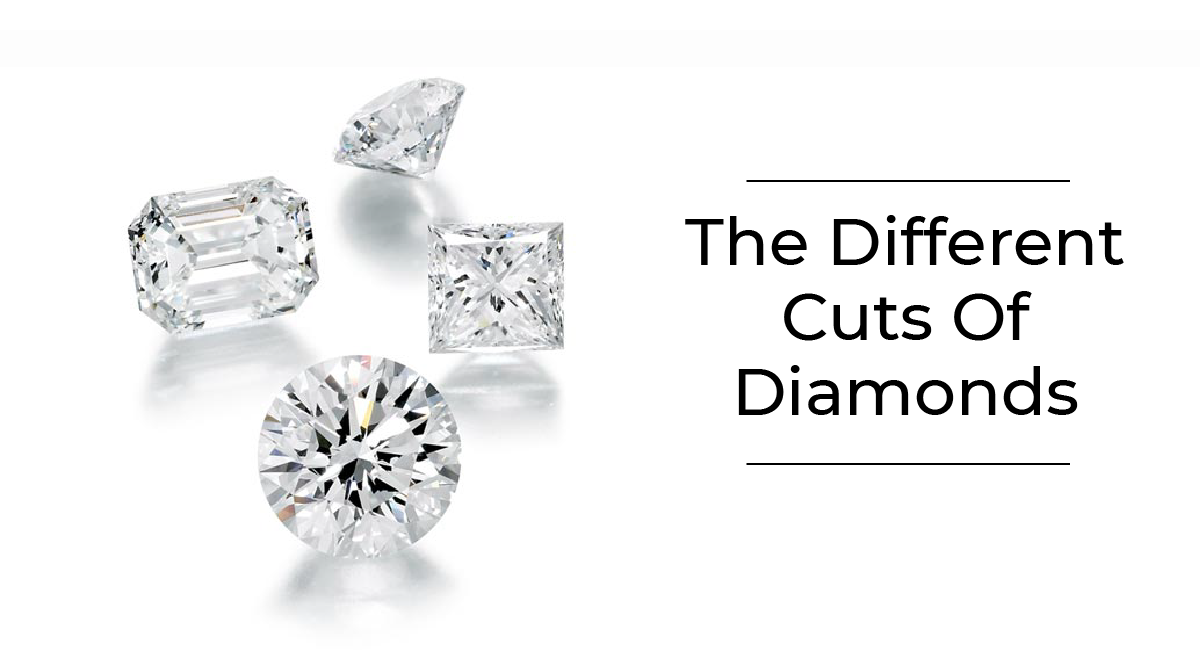
A Guide to the Different Cuts of Diamonds

Just like the other characterized facets of the diamonds, such as quality, color, and shape, diamonds “Cuts” are also a prominent feature that changes the various dynamics of the diamonds from their creation to their purchase.

In layman’s language, the diamond shape is the initial focus and has been considered chiefly an exclusive feature when making choices. We must look more deeply into the context of diamond cuts to know it better and understand it more profoundly.

In this blog post, we will explore some of the most popular diamond cut and their unique characteristics.

Different Cuts of Diamond

What does a diamond do to people? Why does it always tend to attract them? What’s that one major factor or feature of diamonds that never fades away?Different Cuts of Diamond

Diamond has its own sparkle and brilliance that reflects the light around it and charismatically attracts people. This is the sole factor that never goes in vain and keeps individuals invested in the beauty of diamonds.

Before the diamond is cut and polished, it is known as a rough diamond which is highly opaque and it is not truly see-through. The rough diamonds contain nil sparkle within them. The cutting of the diamond impacts its light performance and visually embarks the brilliance and beauty of the lab grown diamond.

This cutting procedure is the basic step towards the formation of the diamond and later arrives at its shaping and quality framing. Visibility of colors and fire within the diamond is only possible with the cutting of the diamond.

Diamonds are always a go-to choice for people; they love them for all their exquisite brilliance. These gems always stand out on every occasion and compliment the bearer making them look prettier.

The Most Popular Diamond Cuts

To know more about different diamond cuts and their detailed existence, we have to dig a little deeper. When concluding, people usually confuse diamond “cuts” as the “shape” which is not beneficial for making a decision. We at LGD will be giving you the right direction by throwing light on the different cuts of diamonds.

different cuts of Diamond: explained in detail

A diamond requires specific characteristics that demonstrate the quality representation of the diamonds, which are the 4C’s: Color, Clarity, Cut, and Carat Weight, which eventually helps in determining the cost of a diamond. Along with these 4C’s, the diamonds are graded within definite ranges and a graphic representation of the proportions of the diamonds is presented.

Let us get to know about different cuts of diamonds in detail:

Round Cut Diamond

The most popular diamond cut until now. Round cut diamonds are considered real classics that could never go out of style and would always keep incrementing their value and worth. Specifically, these diamonds look bigger in comparison with many other diamonds whereas the cutting quality highlights their brilliance as well.

First, the round cut diamond was created in the 17th century, and almost after 100 years, it started to originate on its own. One thing about the round-cut diamond that always impresses the jewelers is that they leave the littlest waste and deliver the maximum worth. Approximately, in the last thirty years, the value of diamonds has been increasing and the round cut has secured a position as a “favorite” in the hearts of the people and the round cut diamond is the best choice for creating a beautiful ring. Round cut diamond rings are gaining popularity among individuals who admire vintage.

[blog_page_inventory shape=”Round” carat=”1.56,2.60″ cut=”3,4″ color=”5,8″ clarity=”6,10″]
[blog_page_btn title=”buy round diamond” url=”https://www.loosegrowndiamond.com/inventory/?shape=Round”]

Asscher Cut Diamond

The Asscher cut diamond was created by Joseph Asscher in 1902 and so it was named after him only as he had a patent put up on his unique design. This cut is rare as opposed to flaunting its brilliance and fire, it embarks on the clarity of the diamond. Precisely, the luster and clarity of the diamond are the main focus, whereas it has its own brightness from within.

It has a symmetrical geometry that also secures its vintage style inspired in line from the Art Deco Era. This cut has a variedly structured design with an unusual facet pattern that makes it more appealing to the masses and it is found rarely. These diamonds are in high demand these days, as give a unique look to Asscher cut diamond rings.

[blog_page_inventory shape=”Asscher” carat=”1.50,2.60″ cut=”0,4″ color=”0,10″ clarity=”0,11″]
[blog_page_btn title=”buy Asscher diamond” url=”https://www.loosegrowndiamond.com/inventory/?shape=Asscher”]

Emerald Cut Diamond

The Emerald cut diamonds invention dates back to the 1500s when the creators came across this design and gave it a stylistic approach. It is one of the oldest diamond shapes that is structured as a rectangular cut with cropped corners, this gives it an edgy, sharp, and bold look. Its popularity soared during the Art Deco period only, especially due to its geometric shape and eye-catching formation.

During the 13th century, the ‘step-cut’ was formed after various experimental cuttings which had a bit of octagonal structure and later evolved into this emerald cut. Within the emergence of the 19th and 20th centuries, people’s choices were found getting intact with this cut and now it has highly secured a position in the market due to its elongated shape. It emphasizes clarity rather than sparkle, creating a unique and elegant appearance and their unique emerald cut diamond ring designs are creating a fresh appeal.

[blog_page_inventory shape=”Emerald” carat=”1.50,2.60″ cut=”0,4″ color=”0,10″ clarity=”0,11″]
[blog_page_btn title=”buy Emerald diamond” url=”https://www.loosegrowndiamond.com/inventory/?shape=Emerald”]

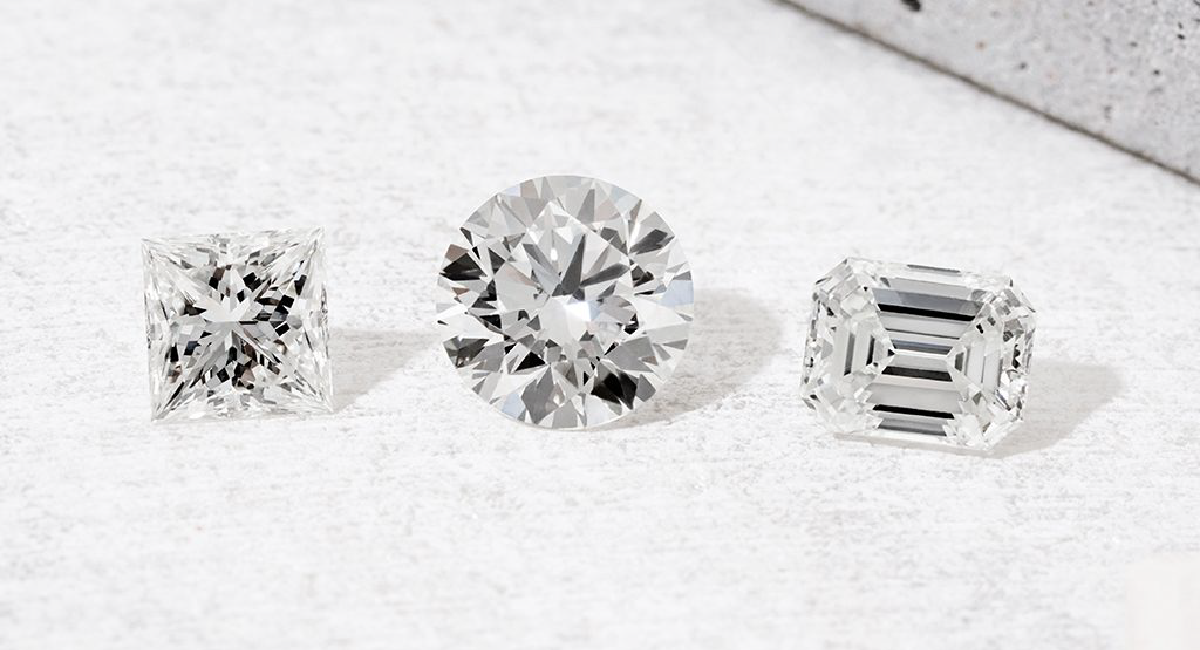
Princess Cut Diamond

The princess cut diamond finds its existence with the origination of a Barion Cut patented in 1971 by the creator who named it after himself and his wife. The cut is highly recommended to those who desire the same brilliance and fire as that of a round cut diamond, but that too in a square shape.

The princess cut diamond can be square shaped as well as rectangular shaped too but the most chosen shape is square cut as it remarks the uniqueness. Princess cut diamond rings have numerous facets that enhance their brilliance, making them a popular choice for engagement rings.

[blog_page_inventory shape=”Princess” carat=”1.50,2.60″ cut=”0,4″ color=”0,10″ clarity=”0,11″]
[blog_page_btn title=”buy Princess diamond” url=”https://www.loosegrowndiamond.com/inventory/?shape=Princess”]

Cushion Cut Diamond

The cushion cut is a modern-day design that traces back its existence to the old mine cut, which was found around the 1700s, but after a lot of digging and mining, it began to dry up, and later the cushion cut diamond was formed. It hides its inclusions very well and has a very soft, pillow-like formation that withholds less brilliance but has got its own fire which is its most appealing feature.

This cut highly interests vintage and aesthetic stylists and portrays the feminine look. It also looks a bit smaller than other diamonds when looked at from the top due to its deeper cut and extra weight under the girdle of the stone. The cushion cut diamond ring is becoming increasingly popular among those who appreciate vintage and aesthetic styles.

[blog_page_inventory shape=”Cushion” carat=”1.50,2.60″ cut=”0,4″ color=”0,10″ clarity=”0,11″]
[blog_page_btn title=”buy Cushion diamond” url=”https://www.loosegrowndiamond.com/inventory/?shape=Cushion”]

Radiant Cut Diamond

The radiant cut was first made in New York in 1977 but it didn’t get a hold of urgent success and later in the years it exploded by securing the center stage and sidelining the brilliant round cut diamond. This time, there was no compromise either on the formation or the brilliance.

It was structured in square and rectangular shapes enabling higher brilliance. It is a classic that always keeps your ring stand out from the crowd and the radiant cut diamond ring gives a unique impacting design.

[blog_page_inventory shape=”Radiant” carat=”1.50,2.60″ cut=”0,4″ color=”0,10″ clarity=”0,11″]
[blog_page_btn title=”buy Radiant diamond” url=”https://www.loosegrowndiamond.com/inventory/?shape=Radiant”]

Oval Cut Diamond

The oval cut is an elongated version of the Round cut diamond that elegantly follows almost all the similar features whereas makes the hands of the wearer look a bit different and slender. It never loses its classic elements and maintains a vintage look throughout.

It is less expensive than round cut diamonds due to its sparkly feature and has this timeless yet sophisticated vibe. Typically, they are 20% less expensive in comparison to other diamonds making them a splendid choice.

[blog_page_inventory shape=”Oval” carat=”1.50,2.60″ cut=”0,4″ color=”0,10″ clarity=”0,11″]
[blog_page_btn title=”buy Oval diamond” url=”https://www.loosegrowndiamond.com/inventory/?shape=Oval”]

Heart Cut Diamond

The heart cut diamond made its debut in the year 1463, which states its deep-rootedness and ancient history, which undoubtedly symbolizes the eternal love amongst the partners. Earlier, the cut was popular amongst the royal families, that too for exchanging it as a means of goodwill.

It is primarily a brilliant cut only, which is later molded in a heart shape but consists of the same brilliance and sparkle within it. It is generally 15-20% cheaper and one can have a larger diamond in shape with this cheaper rate as well, precisely in comparison with round cut diamond. A heart cut diamond ring symbolizes romance and affection, making it a sentimental choice for expressing love and adoration.

[blog_page_inventory shape=”Heart” carat=”1.50,2.60″ cut=”0,4″ color=”0,10″ clarity=”0,11″]
[blog_page_btn title=”buy Heart diamond” url=”https://www.loosegrowndiamond.com/inventory/?shape=Heart”]

Marquise Cut Diamond

The marquise cut diamond has a unique story to its origination, and it dates back to the 18th century, when King Louis XV of France, demanded one of the jewelers to create a unique shaped diamond that would be similar to the shape of the lips of the king’s mistress. The diamond kept evolving over time and has become what we have now.

It was also named after the king’s love, which is sometimes called ‘Navette Cut’ by the jewelers. It has a tapered Oval shape with pointed ends which is suggested to be “old school” but that doesn’t mean it can’t be stated as a symbol of modernity and must be included in evolution as styling is always dynamic and could be put forth with a lot of unexpected.

A marquise cut diamond ring offers a distinct and elegant appeal, perfect for those seeking a unique and glamorous piece of jewelry.

[blog_page_inventory shape=”Marquise” carat=”1.50,2.60″ cut=”0,4″ color=”0,10″ clarity=”0,11″]
[blog_page_btn title=”buy Marquise diamond” url=”https://www.loosegrowndiamond.com/inventory/?shape=Marquise”]

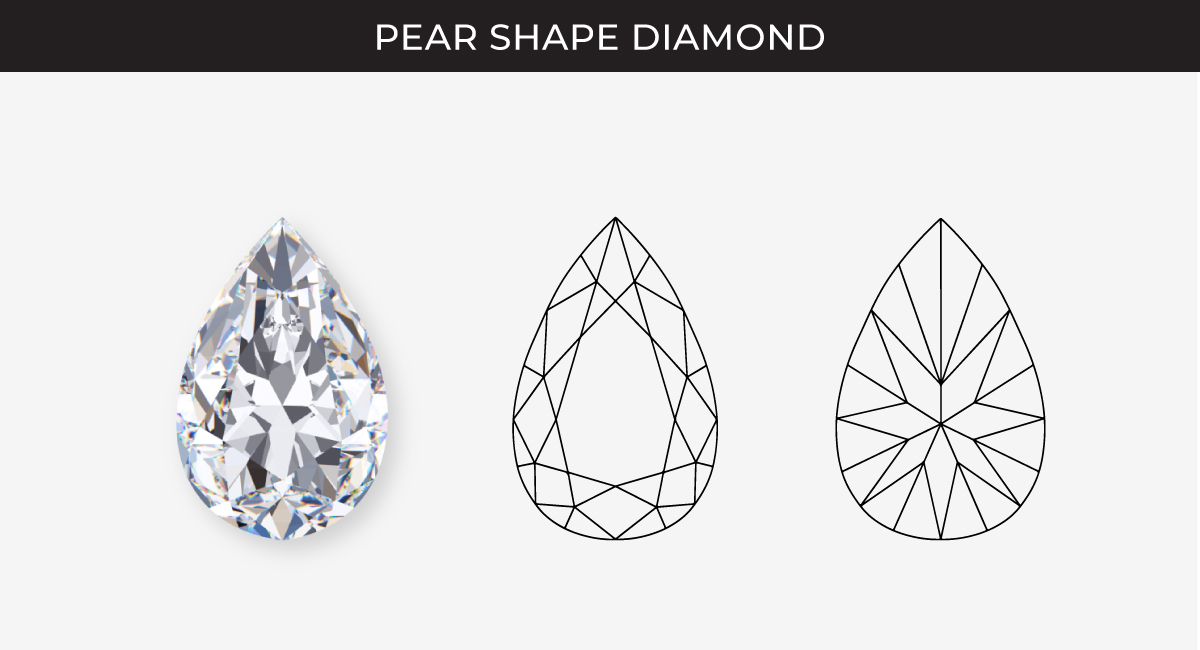
Pear Cut Diamond

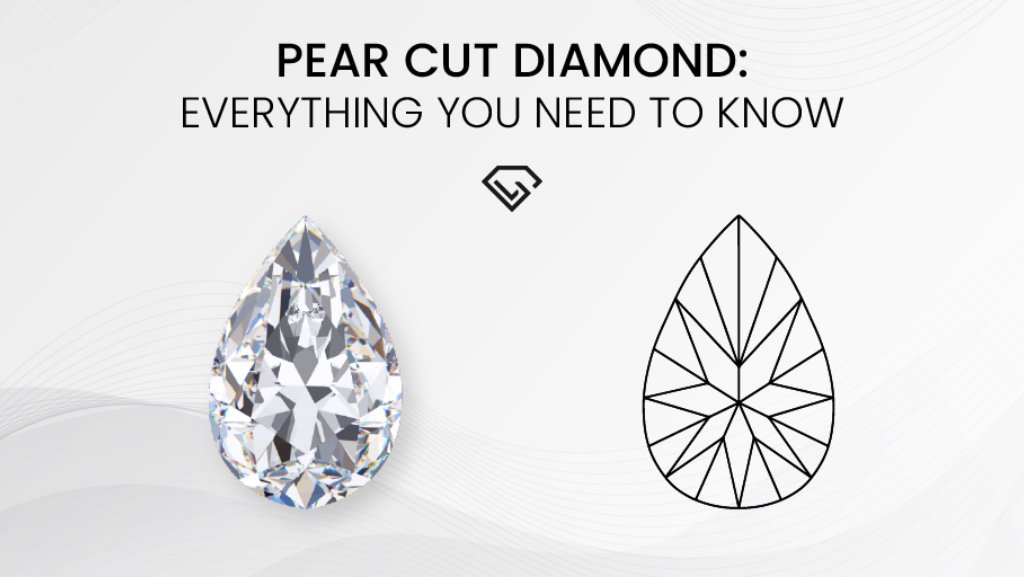
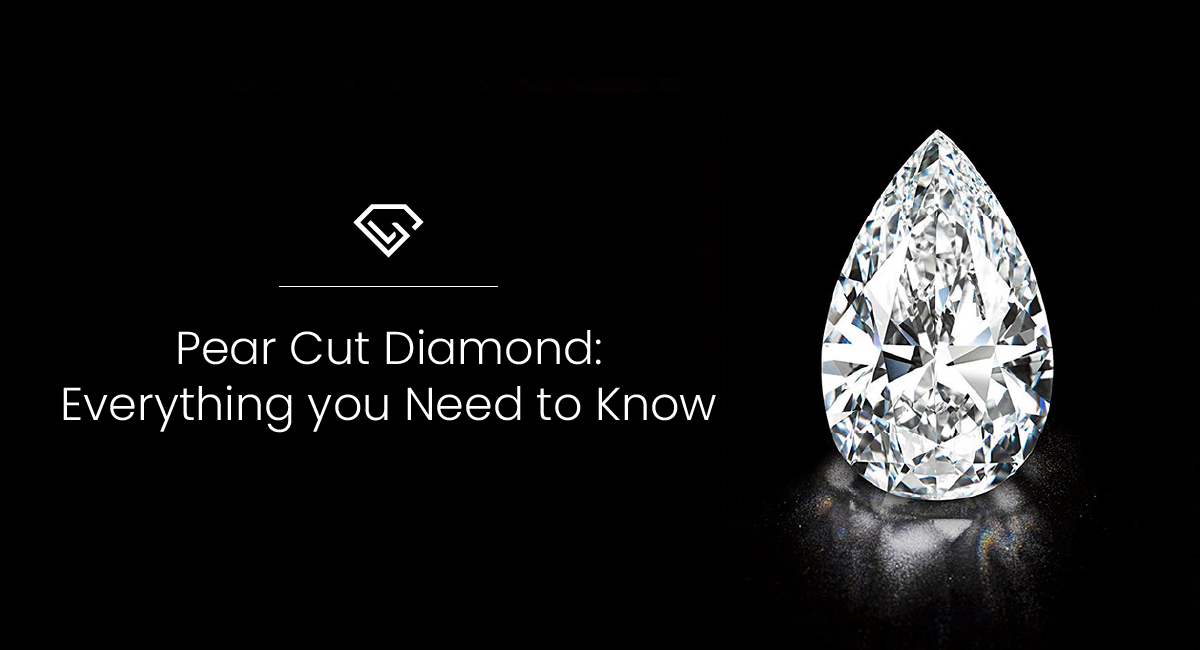
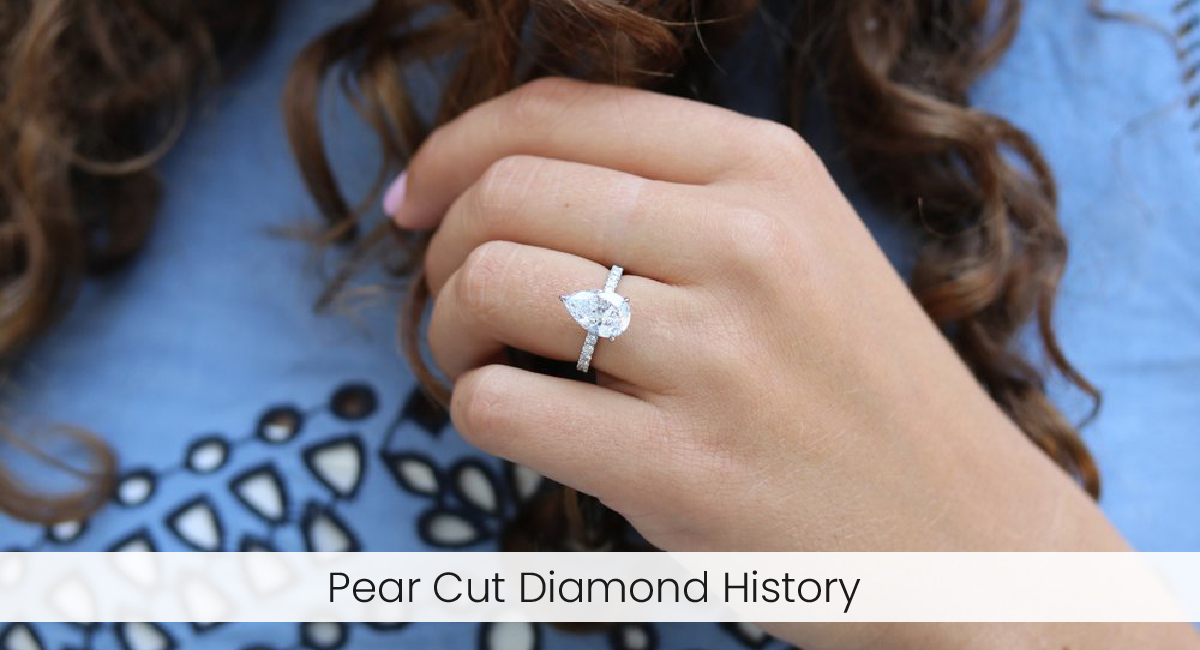
The pear cut diamond originated in the 1400s in Flanders by a Flemish diamond cutter and polisher. It is considered to be a vintage jewel and is highly popular for engagement rings which sparkle a lot and have got utter brilliance. About only 4% of diamonds found in the market are evaluated for their rarity.

Though people don’t like it much and prefer not to buy it due to its small size and lumpy sides. Also, the bow tie within it is considered to be an ill inclusion. The diamond, however, produces less waste while cutting so it is cheaper than the other diamonds.

[blog_page_inventory shape=”Pear” carat=”1.50,2.60″ cut=”0,4″ color=”0,10″ clarity=”0,11″]
[blog_page_btn title=”buy Pear diamond” url=”https://www.loosegrowndiamond.com/inventory/?shape=Pear”]

Old European Cut Diamond

The old european cut diamond was first handcrafted in the year 1890 to 1930 and remained extremely popular in the 1900s amongst almost all classes. During the Art Deco Era, their popularity grew continuously. They are also considered the predecessors to one of the most popular diamond cuts in the present, which is the round cut diamond.

The diamond was cut in a way where it was a deeper cut, high crown, and a small table surface over the top with fewer facets to it. Making it one of the antique diamond cuts of all time.

[blog_page_inventory shape=”old european” carat=”1.00,5.60″ cut=”0,4″ color=”0,10″ clarity=”0,11″]
[blog_page_btn title=”buy old european diamond” url=”https://www.loosegrowndiamond.com/inventory/?shape=old european”]

Baguette Cut Diamond

The baguette cut diamond was created from the rectangular step-cut diamond which evolved from the hogback, which was an elongated cut explored during the mid-16th century. During that era, it was highly used to form monograms or jeweled letters, precisely the initials of the names. “Baguette” is a French word, it is a kind of bread that is elongated in shape and this name has been derived from it.

This diamond cut has a vintage nostalgia emotion leading back to the Art Deco Era that is exceptionally alluring. The lab diamond is highly expensive due to its tough composition as it is sustainably difficult to match the sizes and cut from a rough diamond, but it is still worth it.

[blog_page_inventory shape=”Baguette” carat=”1.10,4.60″ cut=”0,4″ color=”0,10″ clarity=”0,11″]
[blog_page_btn title=”buy Baguette diamond” url=”https://www.loosegrowndiamond.com/inventory/?shape=Baguette”]

What is the Difference Between Diamond Cuts and Diamond Shapes?

The diamond cut refers to how well a diamond is cut to maximize its brilliance and light performance, while the diamond shape refers to the physical outline or external appearance of the diamond, such as round, princess, or emerald shape. The cut of a lab grown diamond is referred to and understood with its facets, symmetry, dimension, and reflective measures and the shape remains as an outlining structure of the particular diamond.

What is the Difference Between Diamond Cuts and Diamond Shapes?

For instance, let’s try to understand it in an easier way, think of any diamond cut, be it a trillion cut diamond, it might be shallow or deep, dull or brilliant, and even highly symmetrical or lumpy, but these all factors directly affect the diamond cut and has nil effect on its shape. It remains triangular with only various inclusive changes to its formation.

Both the elements are different but they highly impact the overall creation and worth of the diamond, which also plays an important role in choosing one.

The Most Expensive Diamond Cut

The most expensive diamond cut around the world is round brilliant cut diamond as it wastes most of the rough stone while under the cutting procedure, almost around 60% of the diamond is wasted. It is a precious stone that embarks on its sparkle and radiation that highly reflects the light and makes it a crowd-pleaser. The light performance of the diamond is also a factor of interest and must be highly considered.

The Most Expensive Diamond Cut
Any of these factors are highly impactful due to its cut, as that only brings out the formation of the diamond and evolves its appealing style. It is a classic shape that runs through generations and highly never loses its real worth, which also makes it exceptional from the other diamonds.

Which Diamond Shape Looks Biggest?

Some other diamonds that also run in the race to look larger than their usual appearance are round diamonds, Marquise, Pear, Oval, and Emerald cuts, whereas all of these are classic styles existing for a very long time and have developed a greater interest in the minds of the people.

All of these cuts are elegant and have a greater impact when chosen as a center and sole diamond. Other than these varied cuts, a diamond in a ring can also look bigger with various prescriptive settings.

Cut Grades

In layman’s language, grading simply means the act of classifying on some specific scaling/metric which could be based on the quality of the diamonds. Diamond cut grade is based on several factors, including symmetry, polish, brilliance, and fire, which could be only determined, while under magnification. It helps you identify all that you must know about the diamonds, such as their rarity and the measurement of reflection it carries within itself when light hovers through them.

Cut grades vary from being excellent to poor, which highly and specifically means if the diamond has greater factors, they precisely are good enough but if the quality has deteriorated and you get the least of anything it is similar to a mere stone, which is poor in quality.

Tips for Selecting the Best Diamond Cut for Your Engagement Ring

Knowing the depth of the different diamond cuts is a necessity but there are other factors as well that collide while purchasing a precious lab diamond, precisely the engagement ring. Let’s have a look at a few knocking and quick tips to follow in order to have a better purchase:

Get to know about 4C’s in a diamond.

Tips for Selecting the Best Diamond Cut for Your Engagement Ring

It is a very easy concept but confusing as well, so have a better look at it to have a much better understanding of the lab diamonds, because it is the basic form & structure of the diamonds.

Learn about various cut and shape styles of the diamonds, differently. Never forget that a lab diamond cut is different from diamond shapes. Study the various metals, their availability, quality, and prices, and choose one of the best.

Lastly, have a budget in mind and revolve around it, because we believe that even with the lowest budget one can have the desired choice. You can use our diamond price calculator to determine the right price for your diamond. Explore exclusive savings with our promo code when elevating your loose grown diamond shopping experience.

[perfect_ring_box title=”Ready to create your perfect ring?” btn1ttl=”Start with a Setting” btn1url=”https://www.loosegrowndiamond.com/build-a-ring”]

Conclusion

Know when we exclaim “best” it is simply your style, liking, and budget that makes it one, nothing that others choose for you, we only recommend them.

Diamonds are anyways the greatest investments of all time and one must have a sense of belongingness attached to them. They are a one-time investment for the ages and later run through generations, in a tone of generic terms. Types of lab grown diamond cuts are indeed a factor to be known but it should never be the “only” factor to be indulged with, know a bit about all to have a better perspective and considering these factors will assist you in finding the ideal engagement ring.

FAQs

What are the different diamond cuts?
The different diamond cuts include round brilliant, princess, emerald, asscher, cushion, oval, marquise, pear, radiant, and heart-shaped cuts.

What are the most popular diamond cuts?
The most popular diamond cuts include the round brilliant cut, princess cut, and cushion cut.

Which diamond cut offers the most sparkle?
The round brilliant cut is known for its exceptional sparkle and brilliance due to its precise facet arrangement and optimal light reflection.

Are certain diamond cuts more expensive than others?
The price of a diamond is influenced by various factors, including the cut. Generally, fancy shaped cuts like emerald, Asscher, and marquise cuts can be more expensive compared to round brilliant cuts.

Which diamond cut is best for an engagement ring?
The best diamond cut for an engagement ring depends on personal preference. The round brilliant cut is a classic and popular choice, while other cuts like princess, cushion, and oval offer their own unique appeal.

Can diamond cuts affect the diamond’s perceived size?
Yes, diamond cuts can influence the perceived size of a diamond. Certain cuts, like the oval or pear, can create an elongated appearance that makes the diamond appear larger than its actual carat weight.

IF Diamond: Are Internally Flawless Diamonds the Finest Choice for Clarity Grade?

“Are IF diamonds worth buying?” Our answer is yes, they are, but let us look into some technicalities to make sure you truly understand what IF diamond is and why they are so expensive.

Diamonds are some of the most beautiful stones that nature has created. As we extract the diamonds and segregate them, we see them based on the 4 most important factors that make a diamond what it is. These 4 factors that make up the identity of a diamond are cut, carat, color, and clarity. In this article, we will be focusing on the clarity of diamonds, or in this case, IF diamond.

IF Diamond: Are Internally Flawless Diamonds the Finest Choice for Clarity Grade?

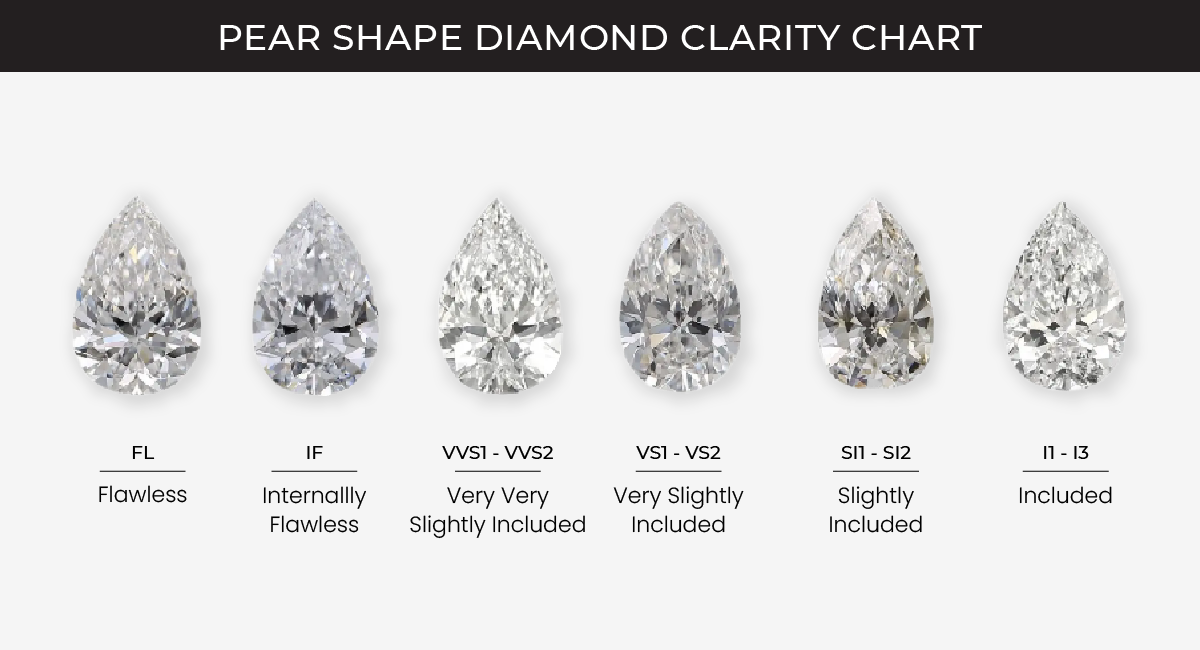
Each of these 4 segregations has divisions, and here we talk about the clarity. The clarity of a diamond can be divided into F (Flawless), IF (internally Flawless), VVS (Very Very Slightly Inclusive), VS (Very Slightly Inclusive), and SI (Slightly Inclusive). These are further broken down into grades to make it clear which group a diamond belongs to.

The clarity of a diamond suggests the inclusion of blemishes and flaws in the white crystal while it was being formed. Diamond, being a natural stone, has inclusions from the time it was created under tremendous pressure and just below the surface of the earth.

What Is an IF Diamond?

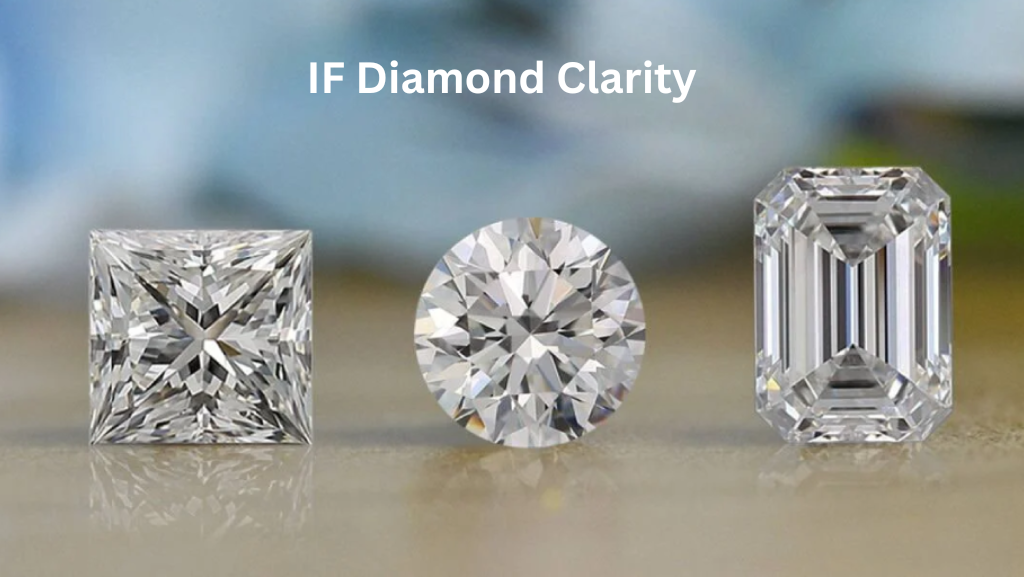
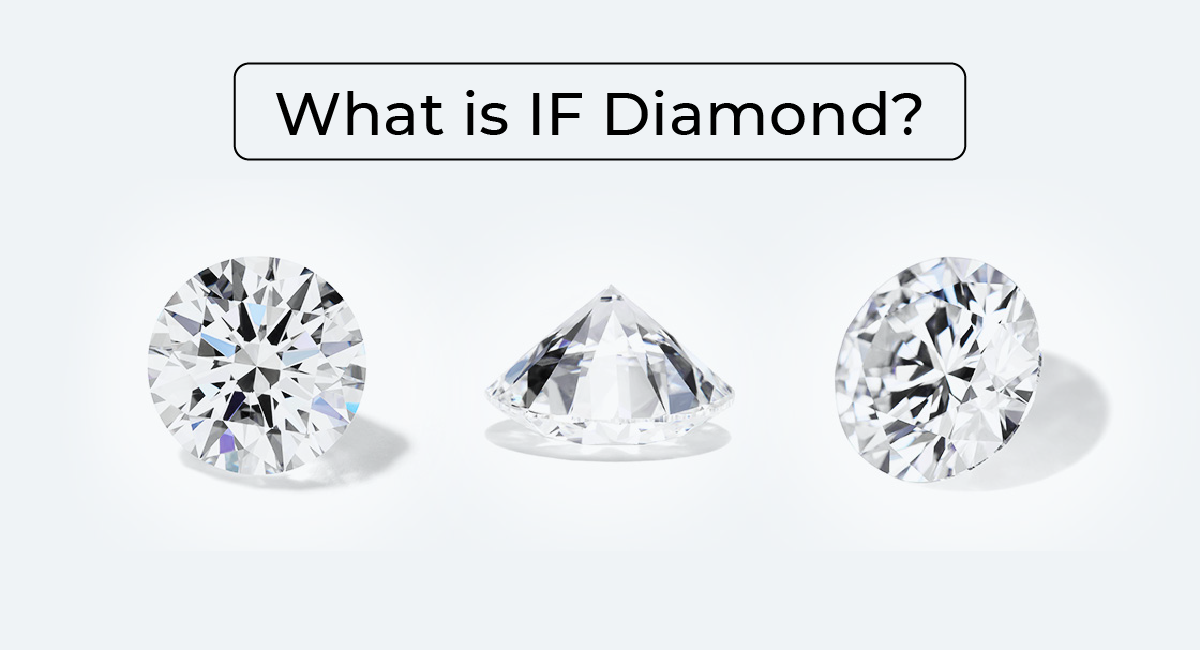
IF diamonds are Internally Flawless diamonds. They are graded only after the FL category, which stands for Flawless. They are the second least flawed diamonds. Internally flawless diamonds have inclusions and blemishes which are not visible under 10x magnification. Viewing IF lab diamonds with the naked eye will make them appear as clear as a flawless diamond.

What Is an IF Diamond

These diamonds contain flaws that might in some ways affect the strength and durability of the diamond, which in this case, shall not be considered. The flaws of these diamonds are not internally included, as stated by the name. The only flaws they might have are minor details like scratches or polish marks. These might have occurred while adding finishes or cuts to the diamond.

The IF clarity diamond will make you want to buy it over other options that might be available in the market. Due to its brilliance, the IF lab diamond is used in a variety of jewelry options, which can be customized based on the wearer’s style.

Internally Flawless diamonds fall into the category of those with the highest brilliance and shine. These If diamonds are one of the topmost sparkling diamonds, due to their lack of flaws on the inside. An IF diamond is said to have a very brilliant shine as compared to other lower grades of diamonds.

Diamond clarity IF is very clear, but it does not seem to have any advantage over a VVS or VS when compared in aesthetics. Since, to the normal eye, they appear very similar. Before choosing an IF clarity diamond, one should see how it affects them when selecting a better grade of a lower clarity diamond.

If diamond clarity

IF diamonds are worth a lot and are valued as one of the top categories of diamonds, The brilliant shine and flawless nature of these diamonds make them rare and super valuable. Only a small percentage of diamonds worldwide are IF diamonds.

These are usually very expensive and can take a toll on your finances. It is necessary to have a pre-decided budget before you start to buy these precious gems. A lab created IF diamond is high-priced, hence is preferred only for ceremonial or crucial pieces of jewelry/items.

VVS or VS clarity diamonds are considered a preference after IF since they are visibly flawless to the naked eye and cannot be distinguished. Moreover when wearing these diamonds in rings or other jewelry makes the inclusions completely invisible.

To save money and also get a better value for the price, VVS or VS are chosen by individuals over a similar carat of IF diamond.

Clarity is not the only value that a diamond has. Clarity is only one of the 4Cs (Clarity, Cut, Carat, and Color) that are present in a diamond. Other C options, such as carat, color, or cut, can also be selected based on personal preference or design requirements.

Deciding which quality of the diamond is crucial to you will in turn determine what diamond is appropriate for you and also come to a fixed budget concerning the IF clarity of diamonds.

How Much Is an IF Diamond Worth?

How Much Is an IF Diamond Worth?

Internally flawless diamond price start at around $800-900 depending on the other varying factors like the remaining Cs. Usually, the FL and IF variants of diamonds do not give good returns, as they end up catering to the top audience. Usually, the market is open to VVS or VS diamonds and at most SI diamonds.

FL and IF diamonds do not fall into the affordable category of diamonds and hence end up being an asset rather than an investment.

An eye-clean diamond is a much more feasible option than a diamond that seems similar to the naked eye and is much more expensive for the same amount of diamond carat.

Also Read: The Lab Grown Diamond Clarity: Things To Contemplate

[blog_page_inventory shape=”Round,Oval,Princess,pear,cushion,emerald,radiant,rose cut,old mine,kite,hexagon” carat=”1.50,3.60″ cut=”0,4″ color=”0,10″ clarity=”9,11″]
[blog_page_btn title”Buy Now” url=”https://www.loosegrowndiamond.com/inventory/?”]

Difference Between IF and FL Diamond

An FL diamond is flawless and contains no blemishes or inclusions visible to the naked eye. They are hardly visible under a magnification of 60-100x. These are the top category of diamonds and hence the most expensive.

IF diamonds are Internally Flawless diamonds, meaning internally as blemish free as FL, with some blemishes or flaws on the surface of the diamond. Hence, these fall into a category lower than and next to the FL. And IF diamond clarity will make you feel like it is everything you need because the brilliance of the gem just leaves you mesmerized.

Difference Between IF and FL Diamond

IF vs FL Diamond: Price

The price difference between an FL diamond and an IF diamond is substantially large. When 1 carat of FL diamond and IF diamond is compared, the difference comes up to anywhere between $1000-1700.

This makes up a huge amount. When comparing these two diamonds, one can buy an IF diamond with a larger carat than that of an FL, at a price that is the same. There are no visible distinctions between these two varieties and they end up being visually the same as one another.

Are IF and FL Diamonds Worth It?

The external flaws are very minute and cannot even be seen under a magnification of 10x, let alone by the normal eye. Even IF diamonds require way too much magnification (close to 60x) to see the flaws, that too by a professional eye. No matter how good your eyes are, a normal person can’t tell the difference between these diamonds.

IF vs FL Diamond: Eye-Cleanliness

The IF clarity can be considered the highest among the diamonds, with slight flaws that are only external and not visible to the unaided eye. These diamonds are known to be expensive due to their internally flawless nature.

Regardless, they do not provide the best value in diamonds. One can easily choose VVS clarity diamonds or even VS, at a much lower price than an IF diamond, and help save a lot when on a budget.

IF vs FL Diamond: Eye-Cleanliness

Buying IF Diamonds: You Should Buy It or Not

Buying IF clarity diamond is a task in itself too, since we never know which one to choose. The best option is to get started with a budget so that there is a clear idea of where you shouldn’t exceed your expenses.

One place where a compromise can be made for an IF diamond is the color of the diamond. When one chooses a D color for the diamond, then it is certainly going to be heavily priced.

The lower grade of colors like G and H will decrease the cost of the diamond by almost more than half. This will not end up creating a vast difference in the appearance of the diamond, and it will definitely allow one to stick to a budget when they are considering buying these diamonds.

Buying IF Diamonds: you should buy it or not

Also Read: Lab Created Diamond Color Grade: What to Look for

When buying IF diamonds online, one has to be considerate as to buying from well-known websites and also trust them to send in a certificate of the diamond used. Once the certificate exists, then the value of the diamond is believable.

We at Loose Grown Diamonds offer the best-price diamonds certified by Gemological Institute of America (GIA), International Gemological Institute (IGI), and Gem Certification & Assurance Lab (GCAL). Every one of these diamonds is perfectly made and can be put on any piece of jewelry you want.

Moreover, if you find yourself confused about determining the cost of your chosen diamond, you can make use of our diamond price calculator and you can also use our promo code for a discount.

[blog_page_btn title=”buy certified lab grown diamond” url=”https://www.loosegrowndiamond.com/inventory/”]

Conclusion

IF diamonds are one of the niche qualities of diamonds, that caters to a very specific crowd. These are usually preferred by people who do not have budget constraints and end up spending on the best of the diamonds. Alternatively, if one is specifically looking for a good quality diamond on a budget, then there are a variety of options that one can choose from.

In cases like this, it becomes important to make a wise decision. You are investing in an IF diamond, and even if there is no return, there should be some value that the diamond provides. If there is a similar-quality product available at a lower price, why should one invest more than twice in the same product?

IF diamonds are very precious and beautiful but also very tricky to buy, you should stay updated with information on diamonds in the market. So you know what is trending, and then it helps you either form a budget or come to a conclusion about the internally flawless variety of diamonds.

Frequently Asked Questions (FAQs)

Are IF Diamonds Rare?
IF Diamonds are one of the rarest kinds of diamonds that are in the high clarity category of diamonds. They make up only 0.5-1% of the diamonds in the market since they are very unique and hard to find.

How Common are IF Diamonds?
IF diamond form around only 1% of the diamonds mined. This rare nature of these diamonds thus makes them more expensive as compared to the other clarity of diamonds.

What Is a 1-Carat Flawless Diamond Worth?
A 1 carat flawless diamond will be worth almost $1600 on average, which will be affected by a lot of other factors that make the diamond what it is. These shall include the other 3 Cs that make up the diamond’s identity. 1 carat IF diamonds are very precious, but they do not offer such a good value for the money one has invested. The investment in the diamond should be worth the price that has been offered to buy it.

Is IF Better than VVS1?
In terms of certification, IF is higher than VVS1, but overall, we see that VVS1 is worth more than IF. VVS is valued rightly and gives a good return even at later stages of the diamond’s life. When viewed through the naked eye, VVS1 is as flawless as compared to IF. Without magnification, they both possess the same quality. Hence, while investing or choosing, one should make a wise decision based on what matters to them the most.

What Are I3 Clarity Diamonds and Should You Buy Them? An Expert Guide

If you have ever searched “What are the lowest quality diamonds?”, you would have probably gotten the answer I3 diamonds are the lowest quality diamonds. Now, why does such a diamond exist in the first place? Can you use an I3 diamond? If you have such questions on your mind then let us help you out with the answers.

Diamonds are a rare mineral with innumerable properties and varied compositions. For decades, diamonds have been a symbol of prosperity, and power and often are a mark of a particular social status. To attain this mark of power many individuals have tried to find a cheaper way as the clearest diamonds have the highest prices.

WHAT ARE I3 CLARITY DIAMOND

If you have been to a store in search of a perfect diamond, you would possibly be aware of the fact that diamonds follow a universally recognized grading system and each grade of diamond has its own unique set of characteristics, and prices are fixed accordingly. We are going to look at I3 diamonds and explore what they entail by addressing some questions related to I3 diamonds followed by faqs.

What Are I3 Diamonds?

The lowest or weakest diamond clarity grading that is presently recognized and obtainable is I3 as per the GIA Scale. The Gemological Institute of America developed the GIA diamond clarity scale, which is used to evaluate and grade the quality of diamonds

What Are I3 Diamonds?

GIA’s Clarity Scale:

  • Flawless (FL)
  • Internally Flawless (IF)
  • Very Very Small Inclusions (VVS1)
  • Very Very Small Inclusions (VVS2)
  • Very Small Inclusions 1 (VS1)
  • Very Small Inclusions 2 (VS2)
  • Small Inclusions 1 (SI1)
  • Small Inclusions 2 (SI2)
  • Inclusions 1 (I1)
  • Inclusions 2 (I2)
  • Inclusions 3 (I3)

The ‘I’ in I3 diamonds stands for inclusions or incorporations, to put it simply. The diamond’s rating on the diamond clarity scale is indicated by the number “3” in the diamond clarity I3. In layman’s language, it indicates that the I3 grade is third in order in the Included diamonds category of the diamond clarity scale. (For context, included diamonds is a term that refers to the I1, I2, and I3 clarity grades.) 

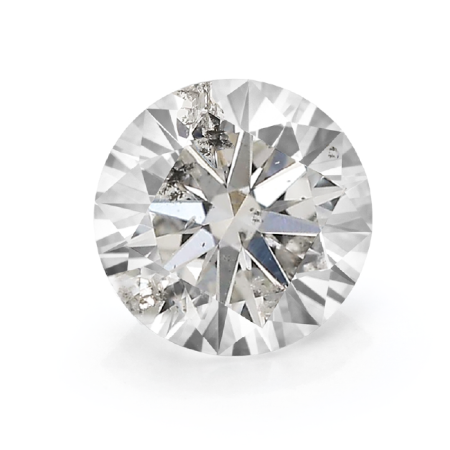
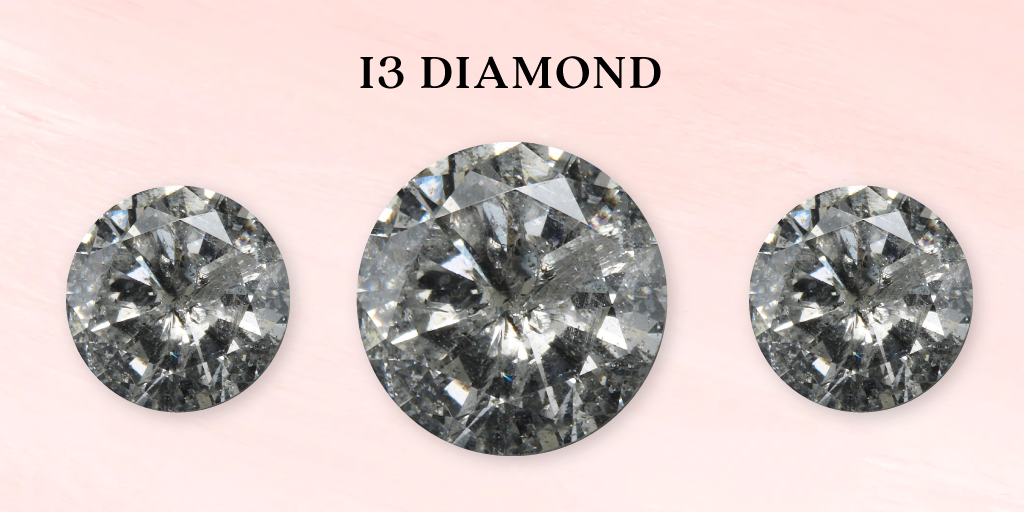
Now, since I3 diamonds lie at the very bottom of the scale, they have a large number of noticeable inclusions. A diamond’s inclusions are flaws or defects that reduce its luminescence, sturdiness, and aesthetic appeal. Pores, bruises, dents, and scrape grooves are a few examples of inclusions that are frequently found in I3 diamonds. 

On the diamond clarity scale, I1 clarity diamonds have apparent inclusions that are less prominent than diamond clarity I3. Whereas, diamonds with I2 diamond clarity have far greater inclusions than I1 but still way less as compared to I3 diamonds.

This is attributable to the fact that I3 diamonds are not only in the lowest portion of the chart but also take the final spot there. As a result, it receives the GIA’s and other organizations’ lowest clarity grade, including GSI.

Are I3 Diamonds Worth Buying? 

Now to answer the real question, are I3 diamonds worth buying? I3 diamonds are composed of the same composition as other lab grown diamonds, therefore the only thing that distinguishes them is the degree of inclusion and its corresponding intensity and how that affects the diamond. 

Are I3 Diamonds Worth Buying?

We now know that diamonds with a clarity grade of I3 diamond have more imperfections than those with a higher grade. Depending on the intended use, applicability, and purpose of the purchase, an I3 diamond may or may not be worthwhile.

I3 diamonds have recently attracted considerable attention when they show up in some eye-catching trends like “hued diamonds” or “salt and pepper diamonds.”

A salt-and-pepper effect can be seen throughout the diamond due to the presence of black and white inclusions. Additionally, an I3 diamond may perform well when used in small-sized jewelry or other pieces containing numerous diamonds. 

We advise consumers to choose diamonds with a minimum clarity rating of SI2 diamonds. Anything below this will be futile if you are going for a big stone.

Is I3 Diamond Clarity Good?

As we move down the clarity scale, the rate of increase of inclusions increases. Consequently, I3 diamond clarity merely indicates that a diamond is severely included, as it is at the bottom of the range of included diamonds. 

To clarify, little grains that are trapped inside the diamond are what really produce inclusions, which are useful markers of diamond clarity. The poorest diamond clarity grade that is formally offered is I3. As a result, we might conclude that it is not thought to be the greatest option offered.

How Much Do I3 Clarity Diamonds Cost?

Costs for various diamonds of various clarity grades operate in such a way that the cost increases for each step up in clarity grade. When you select an I3 clarity diamond, you may anticipate paying substantially less. 

Diamonds that are included are more abundant. Prices are significantly reduced as a result. Moving from an I3 diamond to an I2, and from an I2 to an I1, you should anticipate a slight price increase, thus an I3 diamond price being relatively the least in the order. 

An I3 diamond should cost between $1,200 and $2,000 per carat. A clean edge and L hue I3 diamond may cost around $1,000-$1,300. I3 diamond price with a J color grade may cost $1,600-$1,800. Be aware that these values are not fixed and are based primarily on the various properties of diamonds, even those with the same clarity grade.

Loose Grown Diamond provides the most affordable diamonds on the market. We have our lab grown diamond price calculator which you can check out.

Why Should You Avoid I3 Clarity Diamonds?

When customers are running after the diamonds that give them the most evident appearance and blinding luster, very few would go for an I3 clarity diamond. Due to this, a large number of well-known major retailers refrain from offering loose I3 diamonds. Let’s examine some potential drawbacks or negatives of diamonds with an I3 clarity rating: 

Average Appearance: The aesthetic appearance of I3 diamonds is characterized by a heavy presence of inclusions that are readily apparent to the naked eye. Inclusions in I3 diamonds are typically big, darkish, and immediately noticeable. Buyers who are searching for a loose grown diamond with no obvious inclusions may be turned away by this.

Poor Quality: A diamond’s inclusions have an impact on its overall quality as well. They prevent it from shining. Quality cuts with few inclusions are characteristics of diamonds with the highest light performance. Light can effectively enter or leave the diamond thanks to this interaction. The diamond won’t sparkle as brightly when you rotate it as one with a better clarity grade. However, a diamond that weighs just under 0.5 carats won’t have as obvious a poor brilliance.

Poor Resale: The value of I3 diamonds at the time of resale is very poor. There really isn’t a huge requirement for them because of the overabundance of inclusions. Furthermore, there is no lack of supply because lab diamonds can be discovered plenty anywhere. An I3 diamond may allow you to partially retrieve your initial investment, but you will still be making a big loss.

Low Durability: An I3 clarity diamond may have issues with durability because of the heavy proportion of inclusions, which compromise the diamond’s fundamental physical structure. The presence of inclusions increases the risk of chipping and bruises in diamonds.

If you’re looking for the best quality diamonds and jewelry, the diamond wholesaler where you can buy top-quality diamonds is LGD, which do a fantastic array of loose grown diamonds.

[blog_page_btn title=”Buy Lab Grown Diamonds” url=”https://www.loosegrowndiamond.com/inventory/”]

Conclusion

In closing, we can say that there are more qualities to consider when buying I3 lab grown diamonds than simply thinking about doing so favorably. Due to its low ranking on the scale used to grade diamonds, it is more likely to have significant inclusions, which diminishes the diamond’s brilliance and luster and gives it a murky aspect.

In order to avoid being lured in by the low price these diamonds bear, it is essential to think about higher graded diamonds for significant purchases like women’s diamond rings or diamond jewelry.

Frequently Asked Questions (FAQs)

Is I3 Good Diamond Clarity?
The lowest clarity grade a diamond can receive is an I3 grading. Since I3 diamond clarity contains various flaws and could not be worth the investment, jewelry companies avoid selling them.

Is I2 I3 Clarity Diamond Good?
The second-lowest clarity grade for diamonds is I2. I2 falls between the lowest diamond clarity grade, I3, and the highest of the ‘included’ grade; I1. I2 clarity diamonds have observable inclusions that are visible to the naked eye.

But I3 diamonds are at the top of the list for having the most inclusions, and because of their abundance and size, these inclusions can impart the diamond a dreary, opaque look. As a result, I2 is undoubtedly superior to I3, while I1 is superior to both I2 and I3.

What Is an I3 Clarity Diamond?
Without the use of a microscope, inclusions can be seen in diamonds in the I1–I3 tier of the clarity chart. The lowest clarity grade, an I3 diamond, will have much more obvious inclusions than an I2 diamond.

Are I3 Diamonds Good for Earrings?
The ideal choice of diamonds chosen for something like diamond earrings marketed by the retail diamond industry is I1 clarity, which denotes that the inclusions or imperfections inside the lab diamond are clearly visible without magnification at a distance of 9 to 12 inches. As a result, we can see this as a crucial criterion for excluding I3 diamonds from the category of diamond jewelry production.

Are I2 Diamonds Worthless?
The center of the lowest degree of clarity for diamonds is represented by I2 clarity diamonds. That indicates that they are heavily populated with clearly discernible inclusions, such as flaws, flakes, fissures, and other defects. We can claim that I2 diamonds are worth more than I3 diamonds, at least in part because they can be used in designs that call for melee, side, and tiny stones.

Which Diamond Clarity Is Best?
To ensure you’re obtaining the diamonds you want for a fair price, it’s crucial to examine the diamond quality. Since diamonds stay for a lifetime and are more of an asset, they should be bought with much consideration. Shape, color, purity or clarity, and carat are important markers that experts and customers use to estimate the value of a diamond.

Usually, diamonds with a clarity grade of SI1 or higher are eye-clean. Because step-cut diamonds, like emerald or Asscher cut, don’t conceal imperfections as well, you could also choose one with a clarity of VS2 or above.

Do I3 Lab Diamonds Shine?
Since the inclusions reduce how much light the diamond can absorb and reflect, I3 diamonds have little brilliance. Fewer inclusions equal more shine because they don’t interfere with the way light passes through the lab grown diamond.

We advise emphasizing a diamond’s cut as well as clarity if you want it to have the most brilliance. These are the elements that have the greatest bearing on a diamond’s ability to reflect light, and I3 diamonds score poorly on the clarity scale.

EGL vs GIA: A Detailed Diamond Certification Comparisons

In the rivalry of EGL vs GIA, which grading institutions prosper? Read ahead and find out.

When looking for a diamond evaluating everything, such as color grading, carat weight, and how the cut affects the price, can be pretty overwhelming. On top of that, the question, of whether “you should buy a lab graded diamond or not?” keeps revolving around your head. 

The absolute answer to that question is yes, always. You should always buy a lab-certified diamond to be safe against any scam, whilst getting the best value for money. 

You probably would know that the color, carat weight, clarity, and cut (the 4Cs) are what you should look for while buying a diamond since these things determine the value of the diamond. 

For example, suppose you are going to buy a large diamond, which if you even change the clarity or color by only 1 grade, the price difference would be immense. 

So it is necessary that you only buy a diamond that has been certified by an independent grading lab and not by the house (or seller). Because the house has graded it, there is a fair chance that it will not be accurate, and you will end up paying way more than the actual value of the diamond. So it is important to only look for an independent lab certification. 

Now, since you have decided that you will buy only lab-tested diamonds, you must have a question, which is very common. What is the name of these labs, and which lab certification is the best? 

There are quite a few labs, but in this article, we will be focusing on two in particular; GIA and EGL. Both are independent laboratories that grade diamonds, and we will tell you the differences between their certifications so you can make an informed decision. 

EGL vs GIA: What are the Differences Between the Two Certifications

The answer to that question is very forthright, and there’s a fair chance you already knew the answer but just wanted to re-affirm it. GIA (Gemological Institute of America) is the gold standard of diamond testing in the diamond market, and everyone trusts its certification. 

EGL vs GIA: What are the Differences Between the Two Certifications

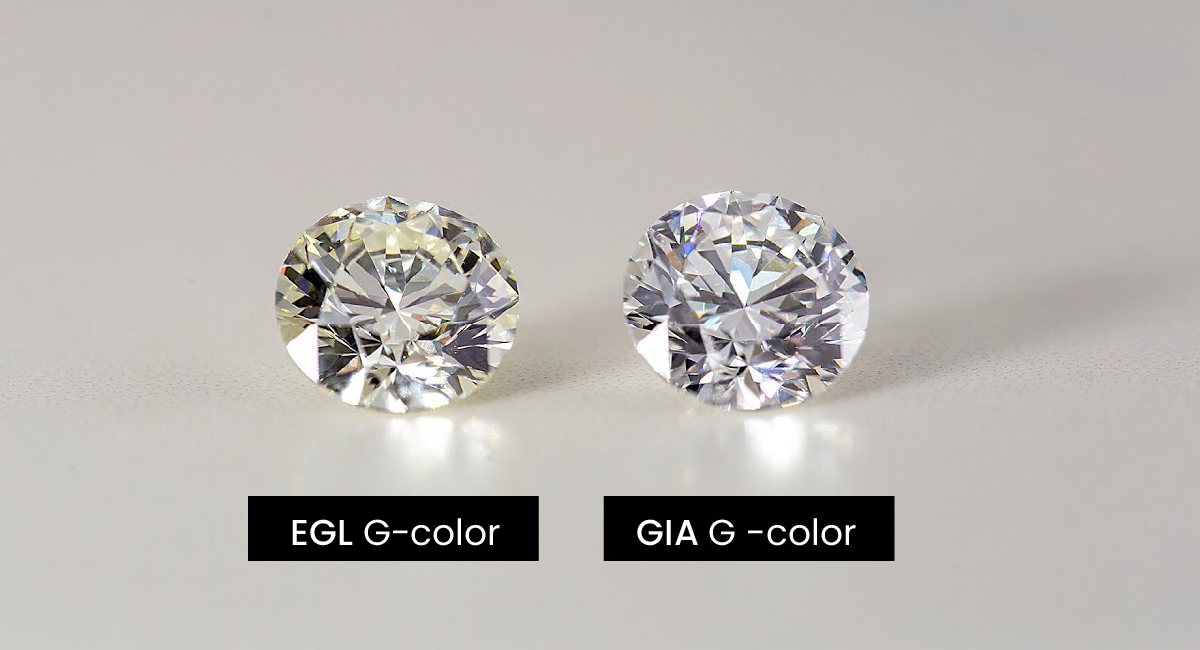
Whereas the EGL (European Gemological Laboratories) is not known for its quality testing; instead, a diamond with its certification is mainly frowned upon by reputed jewelers. 

You must ask, why is that? GIA is an independent non-profit organization known for its strict testing methods. A diamond with a GIA certification is sure to have the quality and grading they claim in their certificates.  

It doesn’t mean that the EGL certification is always inadequate or perhaps worthless. The reason why they are not trusted by many is because of their inconsistent reports. 

The EGL is not a centralized organization and has many branches. Such as EGL India, EGL USA, EGL Canada. While you might think that all of them are branches of the same organization, their reports must also be identical. But that’s not the case; their certificates are always inconsistent compared to one another, which is why people deem them primarily unreliable. 

While EGL doesn’t have a good reputation as a whole, EGL USA is a little better and is still trusted by some. The form of testing of EGL USA comes out to be more strict and reliable when compared to other EGL branches. 

While all of that is true, you’d still be better off buying a diamond with a GIA diamond certification, although it will cost you more. 

The GIA diamond certification costs much more when compared to EGL certifications of the same-grade diamond. We have already explained the reason for this. But if you want a diamond that should be certified don’t care about the resale value and want to save some money, you can go for EGL-certified diamonds. 

However if you want a strictly certified diamond of the same grade as it claims to be on paper, and if you see yourself ever re-selling it. We recommend you go with GIA certified diamonds.

Quick Differentiation between EGL and GIA

1. Grading Consistency:

  • EGL: Inconsistent and loose grading.
  • GIA: Consistent and reliable grading.

2. Standards:

  • EGL: Lower standards compared to GIA.
  • GIA: Higher grading standards and uniformity.

3. Diamond Comparison:

  • EGL-certified diamond is equivalent to a GIA certified diamond of 3-4 grades lower (depending on the specific EGL lab).

4. Industry Trust:

  • EGL: Known for inflating grades and considered unreliable.
  • GIA: Gold standard lab, widely respected in the industry.

5. Merchant Choices:

  • James Allen and Brian Gavin Diamonds prefer GIA and AGS; they do not stock diamonds certified by EGL.

6. Market Presence:

  • EGL has a place due to lower certification costs and faster turnaround compared to GIA and AGS.

7. Cost Considerations:

  • GIA and AGS certification can be expensive (e.g., $100 for a 1-carat diamond).
  • EGL offers cheaper grading services.

8. Service Speed:

  • EGL provides faster grading services compared to GIA and AGS.

9. Pre-Cert Options:

  • EGL: Offers pre-cert options, allowing payment for the certificate only after receiving grading results.
  • GIA and AGS: Do not offer pre-cert options.

10. Clarity Grade Innovation:

  • EGL: Introduces an “SI3” clarity grade, addressing issues with the broad range covered by GIA’s “I1” grade.

11. Upgrade Estimation:

  • On average, EGL may provide approximately 2.5 upgrades compared to GIA, considering color and clarity.

12. Market Awareness:

  • EGL-graded diamonds are sold at a significant discount compared to diamonds with equivalent grades certified by GIA.

EGL vs GIA: Grading Differences

As we have stated earlier, when we compare both laboratories, there is a significant difference between them. GIA diamonds are known to have gone through rigorous testing, and then they are certified. 

Whereas when we talk about EGL USA diamonds, even though they have stricter methods to grade a diamond than other EGL branches, they still don’t catch up to the quality and testing GIA diamonds provide.

EGL diamonds are known to have had some quality issues in the past, but they were still graded higher by 3-4 grades. Which can cost or save you a lot of money when we talk about a bigger diamond. 

GIA’s diamond certification process is consistent and streamlined throughout all branches, and they have managed to deliver the same quality testing and certification to every department. 

Although out of topic, you will be interested to know that GIA was the laboratory that invented the 4C’s; cut, clarity, color, and carat weight. If you don’t know what the 4C’s are, they are the criteria the diamond’s price depends upon. 

Also, if you are wondering why we don’t talk about the other EGL branches, then the reason is that the other branches are not reliable at all. Their grading is off the charts and not in a good way. 

EGL vs GIA: Differences In Color Grading

The color of a diamond is one of the most critical aspects. The color grading is also a significant factor that contributes to how expensive a diamond would be. 

EGL vs GIA: Differences In Color Grading

While you don’t certainly need the best color-graded diamond, it is necessary to have a higher-grade diamond so that it shines like a diamond. 

Also, if you are confused about how color grading works, then it is a measure of how white the diamond is. A diamond is a color graded between the alphabet ‘D’ to ‘Z,’ where D is the best color grading, and Z is the absolute worst. 

When it comes to grading G color diamonds, there are some differences between EGL and GIA grading for G color diamonds, buyers need to consider the reputation and grading standards of each laboratory.

As we have mentioned many times, the GIA diamonds are color-graded accurately. In contrast, the EGL diamonds have a reputation of being two grades higher even though they are of the same color grade. 

In brief, if a diamond is graded H according to the GIA certification, the EGL may grade it as an F. This then means that although for, it might look like you are paying less money for a higher-grade diamond, in reality, you are paying more money for a lower-grade diamond. 

EGL vs GIA: Differences In Cut and Clarity Grading

As you might have noticed, the pattern of the GIA certificate being accurate and EGL being inaccurate, it’s the same when it comes to cut and clarity. 

For example, suppose a GIA certified diamond has a clarity of VS1 and a cut rating of very good. In that case, there’s a good chance that the EGL-certified diamond will have a VVS1 clarity grading and a cut rating of Excellent. 

The difference is that the EGL-certified diamond has one grade-up advantage in both gradings, even though both diamonds will be the same. 

Also Read: Lab-Grown VVS Diamond versus VS Diamond: What’s the Difference?

EGL vs GIA: Differences In Carat

We have talked about GIA vs EGL in almost every grading throughout this article. But this is where we will not speak about GIA vs EGL because while everything else in the 4c’s is subjective to grading, carat weight is not. 

Carat weight is simply the measurement of how big and heavy the diamond is; the EGL vs GIA doesn’t apply here as both do not play a role in carat weight. A diamond certified by GIA and the same diamond, if approved by EGL, will not differentiate in carat weight. 

[blog_page_inventory shape=”emerald,oval,pear,cushion,round,radiant,heart,rose cut,old mine,kite,princess” carat=”2.40,4″ cut=”0,4″ color=”0,10″ clarity=”0,11″]
[blog_page_btn title=”buy certified lab diamond” url=”https://www.loosegrowndiamond.com/inventory/”]

EGL vs GIA: Accuracy in Diamond Reports

GIA reports stand out for their superior accuracy and dependability compared to EGL reports due to the rigorous evaluation process employed by GIA.

At GIA, a diamond undergoes scrutiny from a minimum of 4 gem experts. Only after a thorough examination and a unanimous agreement among the experts, the results are officially documented. Moreover, GIA employs cutting-edge technology, making its assessment methods one of the most advanced in the industry.

On the other hand, EGL reports are less reliable when it comes to accuracy, especially in comparison to GIA. EGL results are known for their inconsistency, and the testing standards are perceived to be more lenient. This leniency poses a risk for buyers who seek assurance in the authenticity and quality of the diamond they are purchasing.

EGL vs GIA: Diamond Testing 

When it comes to the expense of grading diamonds, EGL takes the lead. Getting a diamond graded by EGL is more affordable compared to GIA. This cost disparity is substantial and influences the ultimate price of the diamond.

For buyers, EGL offers diamonds at a notably lower price than GIA-graded diamonds. This affordability is a major factor driving EGL’s popularity among buyers.

EGL vs GIA: Convenience in Diamond Certification

GIA imposes stringent guidelines for diamond manufacturers seeking certification, making the process more time-consuming, expensive, and methodical.

In contrast, EGL offers greater convenience due to its more lenient evaluation criteria. Additionally, EGL introduced the SI3 clarity grade, allowing manufacturers to enhance the value of their lower-quality diamonds and sell them at a more favorable price. This flexibility and adaptability make EGL a more convenient choice for diamond certification.

EGL USA vs EGL International

If you are asking, what about the other EGL branches? Are they not even comparable? Yes, they are not. 

EGL certificate

EGL USA has maintained a decent position in the diamond market, but the other branches are an absolute disaster. Since EGL is not a centralized body, the other EGL branches, such as EGL Europe and EGL Israel, are so poorly managed that they are considered frauds by many. 

Through this article, we gave you the information you needed to know about these diamond laboratories so that it would help you make an informed decision. But if we were to recommend you, we would not recommend buying an EGL-certified diamond since they are unreliable. 

Even though we have said that the USA branch of EGL is somewhat reasonable, it is still not up to the mark. There have been many instances where when organizations put the EGL diamonds to the test, they were found to be graded 2-3 times higher than they should have been. 

This means that even though you might not want to sell your diamond shortly if you ever decide to, you would be very thankful to have a GIA certificate. The other perk of having a GIA certificate is the peace of mind that comes with it by being sure that you have precisely what the paper says. 

Also Read: Igi vs Gia: Comparison on The Basis of Color Grading, Pricing, and Diamond Reports 

Where to Buy GIA Certified Diamonds?

You can buy GIA certified diamonds from Loose Grown Diamond. Trusted online platforms will often offer a wide selection of GIA-certified diamonds. Explore exclusive savings with our promo code when elevating your diamond shopping experience.

Loose Grown Diamonds unveiling the best choice for your investment. Explore the differences in grading accuracy, and resale value to make a confident decision when buying lab-grown certified diamonds.

[blog_page_btn title=”Buy Lab Grown Diamonds” url=”https://www.loosegrowndiamond.com/inventory/”]

Conclusion

The bottom line is don’t buy an EGL-certified diamond and only look for GIA certified diamonds. You will be led to believe that EGL has a higher grade and GIA diamonds have a lower one, and thus you will be charged more. 

Remember that the 2-3 grades higher EGL diamond has the same value as the 2-3 grades lower GIA diamond. This means you will pay less money if you go for a GIA certified diamond since the diamond will be rated accurately and have a lower grade. 

In contrast, the same diamond can be 2-3 grades higher when it is EGL certified, and you will have to pay more money, which benefits the seller and fools the consumer.

FAQs

What is a GIA diamond certificate?
A GIA diamond certificate is an official document issued by the Gemological Institute of America, providing a detailed analysis of a diamond’s characteristics, including cut, color, clarity, and carat weight.

How important is the Gia certificate while buying a diamond?
A GIA certificate ensures accurate and reliable information about a lab diamond’s quality, helping buyers make informed decisions based on standardized grading criteria.

How much cost a GIA certified diamond?
The cost of a GIA certified diamond varies but can range from $500 to over thousands of dollars, depending on the diamond’s size and other factors.

White Gold vs Yellow Gold: How Do They Differ?

Which is Better: white gold or yellow gold? You have come to the right place if you are looking to answer this question.

Gold rings have always been one of the first things that come to a person’s mind when talking about jewelry, and those who plan on buying one know it can be quite a task to do so.

Why you may ask? Well, that’s because of the variety of gold available on the market, like white gold, rose gold, and yellow gold and among them, the most inconspicuous metals like white gold and yellow gold. Knowing why these two are different is necessary when selecting a gold or gold ring.

With the help of this article, you will get to know the pros and cons while shopping for these metals while being able to finally deduce a conclusion regarding which will be a better choice for you.
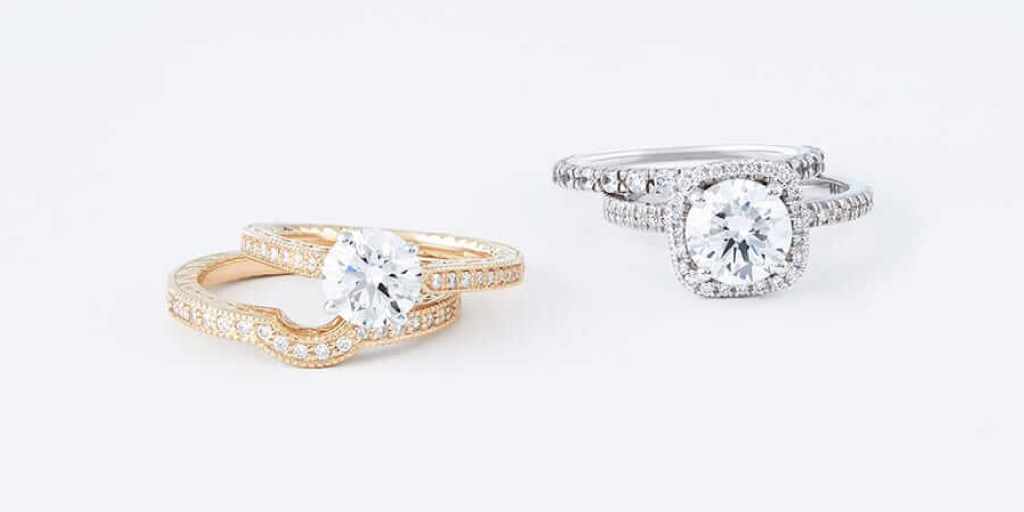
White Gold vs Yellow Gold How To Determine Which Will Suit You?

white gold vs yellow gold- difference Price, popularity, composition and color

White gold:

  1. Price: The price of white gold is slightly higher than yellow gold costing around $60.00+ for 24ct. 
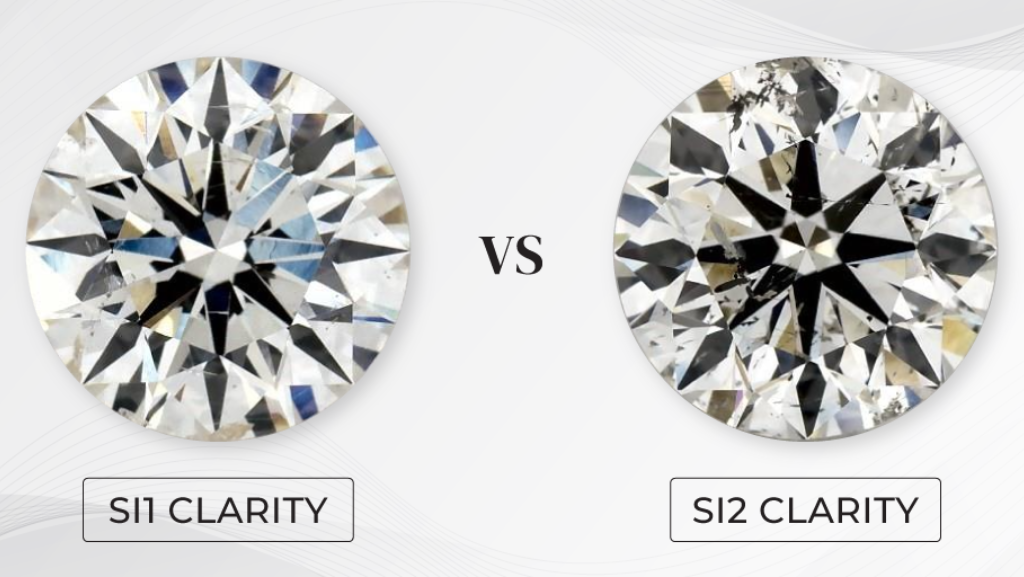
  2. Popularity: Due to its durability, it has gained popularity. 
  3. Composition: Although gold is an element, gold used in jewelry is an alloy of gold with copper, zinc, or other metals.

Yellow Gold:

  1. Price: The price of yellow gold does not vary much compared to white gold, costing around $ 59.00 for 24ct.
  2. Popularity: Comparatively less popular than white gold.
  3. Composition: White gold is a gold alloy that contains palladium, nickel, or other metals. It’s frequently plated in rhodium or platinum.

To understand, what is the difference between white gold and yellow gold, or even rose gold, you will first need to understand the foundational concept of how each type of gold is made.

How are Different Types of Gold Made?

Gold in any form which is present in the market is mainly a combination of gold and alloys of different materials such as copper, silver, palladium, and nickel. This is done mostly to increase its durability because gold in its purest form is extremely malleable and can be deformed easily with a push of a finger.

How Are Different Types of Gold Made

To make it suitable for everyday wear, it must be combined with other metals to increase its durability. If you have bought gold jewelry in the past then you would know well that fine jewelry comes in 10k, 14k, 18k, etc; but never in 24k as it is way too fragile to make or wear.

Also Read: Difference Between 10k, 14k, 18k & 24k Gold- Which Gold Is Most Suitable For You?

Pure gold or 24k gold has a perfect yellow tint so adding it with other metals gives us the variety of gold present in the market right now. As you may have guessed this is why yellow gold doesn’t need any additional substances to affect its color.

White gold, on the other hand, is a mixture of a variety of elements when compared to yellow gold to give it its white look and it shouldn’t come as a surprise that each type of gold looks different because of the alloys they are mixed with, for example, rose gold has pink in its color, and that’s due to the copper it is mixed with.

Just like that white gold is mixed with a variety of elements such as palladium, manganese, and nickel which have a whitish appeal.

Since we are on the topic it wouldn’t hurt to tell you that, while not an issue for everyone, some people are allergic to nickel because they happen to have sensitive skin.

White gold, on the other hand, is a mixture of a variety of elements when compared to yellow gold to give it its white look

So what? should you avoid buying that beautiful-looking white gold jewelry you saw on the market? No, when buying white gold, people with sensitive skin should ensure that the jewelry they buy is plated with rhodium.

If you’re buying yellow gold you may be able to reduce the color grade of your diamond a little and would still be able to retain the looks of a diamond that is quite white. That’s because in the presence of yellow gold a diamond is the center of attraction and pops out to look even more appealing.

And as far as the price of gold is concerned between white gold and yellow gold, both of these metals will be priced equally based on the presence of pure gold in them. That means that a 14k yellow gold will be equally priced when compared to a 14k white gold.

Sometimes the cases might differ and you may be asked to pay more for white gold because of the addition of rhodium plating on it.

Pros and Cons of White and Yellow Gold

While both these metals can be crafted into some of the finest jewelry pieces, they each have their pros and cons which are mentioned below. Read through the benefits and downside of these metals to decide which is better among yellow gold vs white gold.

Pros and Cons of White and Yellow Gold

Yellow Gold

Pros

  • To this date, yellow gold is the most popular metal for making jewelry and is a sign of luxury. It gives you a classy feeling.
  • It has the purest color that resembles real 24karat gold and is the easiest to maintain.
  • Easier for jewelers to manipulate which gives birth to more intricate designs which later prove to be beneficial for both seller and the buyer.
  • Preferable if you’re looking to save some money on your diamond because it works wonders when attached to lab diamonds with lower color/clarity grades.
  • Compliments all skin colors.

Cons

  • It needs proper maintenance because yellow gold is the most malleable gold, and is prone to dents and scratches.
  • The metal alloys it is mixed with can tarnish or corrode over some time under some conditions, and leave a black mark on your skin. Since it’s not permanent you need not worry that much but it can be a nuisance.

White Gold

Pros

  • While being more affordable than its counterpart, Platinum, it gives you the look and feels of the real thing.
  • It is much more preferable when looking for white gold engagement rings and thus it has a very modern feel to it.
  • It is much more durable than yellow gold because of being alloyed with stronger materials and that even makes it scratch resistant.
  • Compliments all skin colors and also blends in with the diamond giving it a lustrous look.

Cons

  • For white gold to look lustrous as if you just bought it, it needs to be re-plated with rhodium every couple of years. It won’t cost you anything, but it still takes time and effort. So when we talk about white gold vs yellow gold these things are the ones that should be taken into consideration.
  • Since white gold is often mixed with nickel it can cause an allergic reaction in people with sensitive skin. It needs to be mixed with metals other than nickel for it to be hypoallergenic.

White Gold Vs Yellow Gold: Which Is Preferable for Engagement Rings

White Gold Vs Yellow Gold: Which Is Preferable for Engagement Rings

Since these things fall under the design and style spectrum, the choice must be made based on what you like or what your significant other adores, and then you shall decide what to buy both of these “white gold vs yellow gold”.

But if we are to speak based on popularity then we would have to admit that white gold has maintained its popularity among soon-to-bemarried couples, but at the same time, yellow gold is also gaining back the popularity and demand it once enjoyed.

And if even now you’re confused about which will be better for you then it is recommended that you make your decision considering your skin tone and which will suit you best. For example, cool skin tones are better suited with the luster of white gold which enhances your overall beauty while maintaining its simple classy look.

Those who are more of a warm skin type would make the glossiness of yellow gold pop even more. And if you’re feeling stuck when deciding which one to choose then you would be happy to know that you don’t have to, mixing different colored jewels is picking its pace and is quite popular these days. So, if you can’t decide, consider combining them in any way you want.

Also Read: Platinum Vs Gold: What Metal Would Be The Best Choice for Your Engagement Ring?

Color of Yellow Gold and White Gold

yellow vs white gold

Yellow gold and white gold, while both are almost the same metals they are of different colors which is perhaps the most significant difference there is between the two and will matter the most when one’s on their way to buy a gold or gold ring.

When speaking of gold, yellow gold is the color most people think of, while white gold usually gets confused with platinum or even silver sometimes because of its white and chromatic look.

That’s because throughout the ages yellow gold has been the norm and people rarely even considered white gold, and this yellow gold vs white gold debate didn’t exist back then. Yellow gold was a sign of luxury, and people even thought that it brought them respect and cooperation from others.

Yellow gold goes with almost everything because it is warm and inviting. White gold engagement rings complement almost all skin tones and stand out the most. They pair best with white diamonds and colorless diamonds.

The number of karats also impacts its color which directly translates that the higher the karats the more the gold will appear to be yellow. For example, a 22k gold will appear to be way more yellow than 18k gold. So if you want your jewelry to match then make sure you take the karats and color into consideration.

Is White Gold More Valuable than Yellow Gold?

If we were to answer bluntly, then no. There is no difference in price and value. There’s a valid reason for that.

There is no price difference between the gold content of yellow gold and white gold. Suppose there is a yellow gold ring made of 18 karats of pure gold mixed with other alloys. Let there be another gold ring (white gold) made up of the exact karat weight (18 karats) combined with alloys used to make white gold. As long as the karat weight in both rings is the same, the price of both rings would be almost identical. The reason for this is that gold is a valuable material; the other alloys used will hardly cause a big price difference.

While saying that there is no significant difference in their price points, we don’t mean there isn’t any difference. A white gold ring might be a little more expensive. This is due to the manufacturing process and the presence of rhodium coating; which it needs to have because of the nickel present in it.

Which Is More Durable and Easy to Maintain?

Another take on the White gold vs yellow gold debate is in how durable they are and how easily they can be damaged. This is important to know, to take care of your jewelry and majorly if your lifestyle includes heavy-duty work or doing activities that could damage the metal.

Yellow gold is majorly pure gold with the addition of fewer metals which is why it is very prone to scratches and dents of even small impacts, depending on the karat. But that has a positive note to it; because it is so malleable it can be resized or reconstructed whenever you desire.

While white gold is slightly stronger than yellow gold because of the addition of other metal alloys like nickel, it needs just as much care and maintenance as its counterpart, and in several cases even more. White gold is usually coated with rhodium which provides for the luster we can so clearly see and it even prevents the scratches to a degree but the coating fades out after some time and you need to renew the coating every couple of years to retain its lustrous look.

[perfect_ring_box title=”Ready to create white gold and yellow gold your perfect ring?” btn1ttl=”Start with a Setting” btn1url=”https://www.loosegrowndiamond.com/build-a-ring”]

Conclusion

Selecting the perfect ring or jewelry for a special occasion is a tedious task that requires you to analyze all your options. Many times people do not pay much attention to the metal and only focus on getting the best diamond. This, in turn, can ruin the look of a piece of jewelry. And with the popularity of gold in the market the topic of white gold vs yellow gold is bound to come through your mind.

In the end, it depends on what you think suits you best. In case you are still confused we at Loose Grown Diamond provide our services in helping customers select the perfect product for themselves. Feel free to contact us & happy shopping!

FAQs

What Lasts Longer? White Gold vs Yellow Gold.
White gold is more durable than yellow gold. The yellow gold, which we are all most familiar with, is mainly pure. There are not many traces of other alloys present, which gives them their iconic yellow look. On the other hand, white gold is mixed with various alloys and, quite frankly, strong ones, such as nickel.

What is the main difference between white gold and yellow gold?
White gold and yellow gold primarily differ in their color. Yellow gold has a warm, traditional gold color, while white gold has a white appearance due to its alloy composition.

Is white gold pure metal like yellow gold?
No, both white gold and yellow gold are alloys. Pure gold (24 karat) is too soft for jewelry, so alloys are added to enhance durability. Yellow gold is often alloyed with copper and zinc, while white gold is alloyed with metals like nickel, palladium, or silver.

Does white gold or yellow gold cost more?
Generally, the cost is similar between white gold and yellow gold. However, white gold might have a slightly higher price due to the additional processing needed to achieve its color and the cost of alloying metals.

Is white gold vs yellow gold more popular?
The answer to this question is yes as well as no. The decision often depends on personal preferences for color and style. We can say that white gold is more prevalent among soon-to-be-married couples; this doesn’t mean that yellow gold is any less popular. We are trying to say that both are popular and in demand in different segments.

Which type of gold is better for people with sensitive skin?
People with sensitive skin might prefer white gold since it is usually alloyed with metals that are less likely to cause allergies, like nickel-free options. However, individual sensitivities vary.

Do white gold and yellow gold have the same durability?
Both types of gold are durable for everyday wear, but white gold can be slightly harder due to the alloying metals. However, the difference in durability is usually not significant enough to be a deciding factor for most jewelry wearers.

Which type of gold is better for engagement rings or wedding bands?
Both white gold and yellow gold are popular choices for engagement rings and wedding bands. Some might prefer the classic warmth of yellow gold, while others opt for the contemporary look of white gold.

Si1 vs Si2 Diamonds: Difference Between Two Clarity

In this article, you will find everything about the Si1 vs Si2 diamond’s clarity scale. Diamonds were discovered long after the jewelry was in progression amongst people, but they still managed to be equipped with their own identity and fame. Which is still instilled in them as the craze and want for diamonds can be seen around the globe.

The biggest disadvantage of Si2 and Si1 diamonds that can be “seen” through the naked eye is the inclusions present in them. Diamonds are aesthetically beautiful and tempting but this one thing determines the final purchase of them as it’s a one-time investment. And who doesn’t want everything to be perfect in life?

While buying the diamonds, one basic thing that we prominently look for is the 4C’s of the diamonds, one of which is clarity grade. Spotting out the clearest diamonds could be tricky as slight imperfections are a primary part of their overall growth, but these imperfections are also found in slight or higher ranges which must be taken under consideration.

Let’s talk more briefly about the inclusions of si diamonds.

Si1 vs Si2 Diamonds: What are the Differences Between Them

Si1 vs Si2: What are They?

Si1-And-Si2-Diamond-Clarity

What Is SI1 Diamond?

Si1 diamonds or slightly included 1 diamonds are those with slight inclusions that can only be seen through 10x magnification by an experienced gemologist. It is just 0.1% of what inclusions are seen in diamonds which highly engraves the value of Si1 diamonds in the market.

Where do inclusions come from? It is basically about the clarity within the diamond, and how it is cultivated or formed. Generally, while digging or during the extraction process, diamonds get inflicted upon due to external complications caused to them by known or unknown means.

But synthetic diamonds are different from these, as they are prepared in the labs with great perfection and extra care, still, they also tend to have inclusions due to the unnatural and chemicalized procedure of creation.

Si1 diamonds are one step backward from Si diamonds as they are considered clearer and the best diamonds to be purchased with this characteristic in particular. A great portion of Si1 diamond’s clarity, when cut into proper shapes, is eye-clean.

[blog_page_inventory shape=”Round,Emerald,oval,pear,heart,cushion,princess,radiant,marquise,rose cut,old mine,kite,baguette,” carat=”1.50,2.60″ cut=”0,4″ color=”0,10″ clarity=”4,5,”]
[blog_page_btn title”Buy Now” url=”https://www.loosegrowndiamond.com/inventory/?”]

What Is Si2 Diamond Clarity?

Si2 diamonds or Slightly Included 2 diamonds are those with slight inclusions to the 2nd degree. The ‘degree’ here is relative to each other; i.e Si, Si1 diamonds, and Si2 diamonds. The inclusions present in these si diamonds can only be seen through 10x magnification by an expert gemologist.

Si2 diamonds are just about a few extra inclusions in comparison with Si1 diamonds where these inclusions can also be observed by the naked eye, as well during varied times.

When looking for eye-clean diamonds, lab created Si2 diamonds are not the way to go as a majority of them (70%-90%) are not eye-clean diamonds.

If you do get a Si2 diamond that looks clean to the naked eye, then you are one lucky duck! This however is a very rare occurrence as Si2 diamonds have much more detectable inclusions in comparison to Si1 diamonds.

[blog_page_inventory shape=”Round,Emerald,oval,pear,heart,cushion,princess,radiant,marquise,rose cut,old mine,kite,baguette,” carat=”1.50,2.60″ cut=”0,4″ color=”0,10″ clarity=”3,4,”]
[blog_page_btn title”Buy Now” url=”https://www.loosegrowndiamond.com/inventory/?”]

Si1 vs Si2 Diamonds: Which Is Better?

Si1-vs-Si2-Diamonds

Identifying the best one out has always been the preferential matter. In most cases going for a Si1 diamond is better as the inclusions of Si2 diamonds are much easier to notice. The whole point of attraction towards these si diamonds (si2 and si1 diamonds) is their lower graded clarity which makes them less expensive whereas an advantage that comes with them is that these SI diamonds are not exactly clear but with the naked eye one cannot observe those inclusions to an extent.

The main criteria in deciding the lab created Si1 or Si2 diamonds is all about the price and quality in the end. Our suggestion is to opt for the Si1 lab diamond as you are more likely to find a clear diamond for a better price.

As mere guidance, preferably one can opt for the diamond which is clear to their eyes as that is one major point that matters the most. Conclusively, the lab diamonds are in almost the same range yet there is variation in quality but then again which seems better to you must be the ultimate choice. You must invest where you feel satisfied and comfortable in every way.

Si1 vs Si2: What are Eye Clean Diamonds?

Eye-Clean-Diamonds-Si1-vs-Si2-Diamonds

Eye-clean diamonds are those which when seen from afar or generally seen, the inclusions are not visible to the naked eye until it goes under 10x magnification. Just like Si1 diamonds possess fewer inclusions in comparison with Si2 diamonds but still, some of these stones are more eye clean than Si1 diamonds. Now both these si diamonds (si1 and si2 diamonds) are almost alike in the price range, as well as the quality but what is visible to the eyes is what matters.

Irrespective of their flaws if they are situated at a position in the lab grown diamond that hides it like the pavilion then you have an eye-clean diamond. GIA has stated that Si1 diamonds are eye-clean however you will need to check for yourself. Some Si2 diamonds are eye-clean but finding them is a task.

Si1 vs Si2: Understanding Price Differences

One significant advantage of choosing an SI diamond lies in its cost. SI1 diamonds, being just one grade below Very Slightly Included 2 (SI2) diamonds, offer similar quality with a notable distinction in price. Generally, opting for an SI diamond can result in savings ranging from 10 to 20 percent compared to a VS (Very Slightly Included) diamond.

When you compare an SI2 diamond to an SI1 diamond, you’ll observe a price discrepancy, but the actual margin depends on the specific characteristics of each stone.

Loose Grown Diamonds offers SI quality diamonds at attractive prices, with starting prices for almost certified SI diamonds at $500. If you’re unsure about the pricing, you can utilize our diamond price calculator for assistance.

Buying Guide For Si1 or Si2 Diamonds

si1-vs-si2-diamonds

Should I buy Si1 or Si2 diamonds? If you ask yourself this question then the answer for you is, yes! Buying a Si2 diamond has a good value in return, but only if bought correctly. Clarity grade is not a major fact to be worried about rather the eye clean mode of the diamond must be checked and validated.

According to the analysis, 70% of Si2 diamonds are eye-clean so there would be the least chance of not finding them proficiently. Just the idea of buying these si diamonds (si1 and si2 diamonds) with a good value, one must pay attention if it’s eye clean or not before purchasing them.

If in case you don’t find the eye-clean diamond within the Si2 category then Si1 lab diamonds would be a better option, but it’s just an optional recommendation.

Conclusion

The only conclusive statement that must be considered at this point of long discussion and recommendations is choosing what deserves you, as well as, whatever you want the most. Everyone must have choices plus comparative statements about those choices which makes it easier for us to understand the various aspects of the particular variations in a better way.

Similarly, here you have got choices and valid arguments in their regard, the only matter of fact is your want and desire. If you are still conflicted between the two and can’t decide who wins the “Si1 and Si2” battle. Then get in touch with our very own Loose Grown Diamonds gemologists to assist you in making a decision.

FAQs

How do SI1 and SI2 differ in terms of clarity?
SI1 diamonds have slightly fewer and smaller inclusions than SI2 diamonds. Generally, SI1 diamonds have inclusions that are less noticeable than those in SI2 diamonds.

Are SI1-SI2 diamonds a good choice for engagement rings?
Yes, both SI1 and SI2 diamonds can be suitable for engagement rings, especially if the inclusions are not easily visible.

Does the price differ significantly between SI1 or SI2 diamonds?
Generally, SI1 diamonds are priced higher than SI2 diamonds due to their better clarity.

Do SI1 and SI2 diamonds come with certifications?
LGD have reputable lab-grown diamonds that are accompanied by grading certificates from gemological laboratories such as the GIA, GCAL or IGI.

Pear Shaped Diamond: Everything You Need to Know

A cut of a diamond is the way a diamond has been shaped and formed to suit a particular variety of styles. When a diamond is cut, it is decided upon a form, which is the outline of the diamond. The cut of a diamond is the 3D form and the primary aspect that affects and determines the brilliance of the stone. 

The pear cut is a gorgeous cut diamond that is a replication of a teardrop/pear shape, thus calling it either a ‘pear cut diamond’ or ‘teardrop diamond’. The cut is a combination of a smooth round diamond with an extension of a pointed formation of the stone. This makes it a subtle flux of delicateness and strength, something which is represented by the respective combination.

Pear Shaped Diamond: Everything You Need to Know

The pear cut is a rather uncommon cut of the diamond, which is an elegant form. The elongated design of the pear gives a rather classy look when worn on the fingers. It is a vintage yet romantic style that gives a timeless look to the wearer of a pear cut diamond ring.

History of Pear Shaped Diamond

Despite having a modern look and touch in the pear cut diamond shape it is not that new in age. It ranges back to the fourteen hundreds. It was created by Lodewyk van Bercken nearly around the 1460s. The creator of these diamonds is a very famous name in the diamond industry even today as he was the one who introduced the concept of symmetry in diamonds and that the diamonds should be cut in a certain way in shape and size so as they yield us the best possible optimum results.

History of Pear Shaped Diamond

He also created the Scaife which is a type of wheel used to polish diamonds which is made with olive oil and the dust of the diamonds. It was a rebelling discovery that changed the entire diamond industry. Such was the greatness of this discovery that even to date the same Scaife is used for polishing the diamonds and making them even more beautiful and appealing.

It was this invention that allowed Lodewyk to create and implement new cuts and designs and during one such experiment, he created the famous pear shaped diamond design which to date is loved and appreciated by many out there.

[blog_page_inventory shape=”Pear” carat=”0.5,2.90″ cut=”1,4″ color=”0,10″ clarity=”0,11″]
[blog_page_btn title”Buy Now” url=”https://www.loosegrowndiamond.com/inventory/?”]

How To Buy a Pear Shaped Diamond?

The need to have a clear guide as to how to purchase a pear shaped diamond is quite vital to get the best stone worth your money. A few things that you need to keep in mind before buying the same are mentioned below.

  1. Cut

If you’re signing up for a pear shaped diamond, in the most flawless instance it should have perfect symmetry. The point and the rounded end’s tip should be well aligned. On all sides of the diamond, the bottom and the top cut should have uniform cuts.

The top of the pear shaped diamond should be like a semi-circle and not be narrower than that. Many times the cutters add more weight to the diamond, and adding more unfinished stone to the final cut might make it look like a square rather than pear shaped, which should be avoided at all costs. 

pear cut diamond

A prong should always be placed at the tip of the pear cut diamond because there is a high chance of chipping from this area. Natural flaws or extra facets also known as man-made flaws, or other inclusions may be found here since this point was formerly closest to the rough stones outside the border.

However, these imperfections will be hidden once the diamond is set because the tip is covered by a prong. The only remaining question is if the faults are large enough to compromise the diamond’s stability, which happens very rarely. 

  1. Clarity

Clarity evaluation in pear diamonds is subjective, just like color evaluation. If you want to check clarity grades, Gemological Institute of America (GIA) reports on the same are very efficient. It’s crucial to remember that everyone who is investing in a pear shaped diamond would have their ideal idea for clarity and hence its choice is subjective.

GIA clarity scale:

  • Flawless (FL)
  • Internally Flawless (IF)
  • Very Very Small Inclusions (VVS1)
  • Very Very Small Inclusions (VVS2)
  • Very Small Inclusions 1 (VS1)
  • Very Small Inclusions 2 (VS2)
  • Small Inclusions 1 (SI1)
  • Small Inclusions 2 (SI2)
  • Inclusions 1 (I1)
  • Inclusions 2 (I2)
  • Inclusions 3 (I3)

For some mixing in the diamond can be okay, as long as it can’t be seen at all. Whereas, others might demand a technically flawless and clear appearing diamond. Sticking to Slightly Included (SI) chart, which is the chart for clarity for slightly included diamonds by the GIA, SI1 and SI2 clarity are for the best monetary value.  

Pear shape diamond clarity chart

Pear shaped diamonds are brilliant at concealing inclusions because of their inherent round character. At the circular end of the stone, the incorporations are shadowed because of the circular shape. On the other hand in the pointed tip, it is even better to hide inclusions due to its narrow appeal which makes it impossible to see any imperfections.

Even yet, a concentrated black SI2 in the stone’s center will be apparent to the naked eye, so you shouldn’t be believing a site/seller that states that there’s nothing visible to the naked eye.

  1. Color

Color assessment of pear shaped diamonds is again subjective like the clarity assessment. It may be so, that many customers could prefer the somewhat warmer tones on their diamond rather than a completely colorless diamond.

Actually, in the supply and demand drivers, the premium price is attached and paid by buyers to a warm-toned diamond rather than colorless ones. Looking for the authentic color difference is something that is practiced in the diamond market with the only color grading system that is available.

Pear shaped diamond color chart

The color may appear significantly darker at the tip of larger pear shaped diamonds. Thus when in comparison to other diamonds people may choose to increase the color gradient in pear shaped diamonds.

Do not misunderstand this color of diamonds as ‘fancy colored diamonds. These are two different things, the latter is an extensive range of diamond colors like blue, yellow, pink, green, brown, black, etc. The former is the tint and colorless scale of a diamond. 

  1. Carat

The carat range that a pear shaped diamond can vary from is 0.50 Carat – 3 Carat, each one of which has its own beauty. But, yes larger the diamond gets more protection it would need, because of how it can nip or be damaged.

Choosing the carat size depends on a lot of things from budget to subjective choice as to what your loved one would like to wear. You can check the carat size with our Diamond Size Chart. Rightly so, these notions should be kept in mind before making a decision.

Length to Width Ratio of Pear Shaped Diamonds

The length-to-width ratio of the pear cut diamond has a lot of influence on the elegance and the shape of the pear shaped diamond ring. And, a lot of times it depends on how one likes their diamond to look.

Some people like thicker pear shaped lab diamonds than thinner ones and vice versa are also applicable. To have the length and width of the pear shaped diamond between 1.50-1.75 is what most people find suitable and is also a good call to make. A pear diamond with an excessively high length-width ratio will resemble a malformed round diamond.

length to width ratio pear shaped diamond

The length and the width of the diamond at the end depend upon individual decision-making. There are no incorrect or right answers when it comes to your preference regarding a thinner or stubbier stone. The pear’s outline must speak to you and your loved one, in the end.

Pros and Cons of Pear Shaped Diamonds

Pros

Everything in this world has its own benefits and dis-benefits such as the case with pear shaped diamonds.

  • Price: As compared to the other diamond shapes the pear shaped diamonds are very less expensive and are pocket-friendly to a level. At the same price we pay for the other diamond cuts, we will get a bigger and cooler size as in the case of the pear shaped diamonds.
  • Size: Along with the benefit of the less cost the size of the pear shaped diamond also looks quite large and elongated as compared to the other diamond shapes. It is approximately 8 percent larger in size than the traditional round shaped diamonds.
  • Sophistication: It is quite versatile in nature and can be worn as a neckpiece, ring, earrings, etc., and still look the best among its counterparts. This type of diamond cut can also be used as a side stone in various types of jewelry pieces despite being the main stone majorly.
  • Adaptability: The unique and antique visual effects of the pear shaped diamond are loved and appreciated by many. If worn around the neck it compliments the collar bone, and if as a ring it makes the fingers look thin and long. And also gives a completely sophisticated and classy look in the case of earrings. This is the most elegant diamond cut out of all the others.
  • Antiqueness: It is in the market for around many years now and is one of the evergreen and timeless classic cuts of diamonds. For women who prefer vintage and aesthetic shapes, it is the best choice.

Cons

If a certain thing has its positive sides there are negative aspects also same is applicable to pear shaped diamonds.

  • Expertise: As mentioned above symmetry and polish is a must for pear shaped diamonds and so it should only be done by experts in the fields. The naive ones cannot efficiently carry out the process thus giving it a not-so-complementing look. They also have a bow-tie effect that is they at times tend to show a dark pattern similar to the bow and tie. But in the case of well cut diamonds, this effect is not that much.
  • Fragileness: If we talk about the tip of the pear shaped diamonds it is very narrow and thus is prone to breakage and damage. Thus it becomes very important to carefully examine the tip of these diamonds before making a purchase.
  • Availability of fewer options: The pear shaped diamond cuts are very much popular and in-demand but they are not that enriched if we look at the case of options and varieties

Pear Shaped Diamonds Ring Settings

[su_youtube_advanced url=”https://www.youtube.com/watch?v=Jw1rJywO9W4″ width=”1600″ controls=”alt” autohide=”yes” autoplay=”yes” mute=”yes” loop=”yes” rel=”no” modestbranding=”yes” theme=”light” playsinline=”yes” title=”pear shaped diamond engagement ring”]

To find the ideal pear shaped diamond and that being paired with the most appropriate setting is a task we shall guide you with as it is not as simple as it may seem. The setting of a ring is important because it portrays the true beauty of a diamond while preventing it from damage; particularly on the sharp tip.

This tip is prone to chipping and catching on to items such as clothes. Hence, selecting the best setting for your style and how regularly you will wear it is important. 

Prong Settings

To put the pear shaped engagement rings in prong settings of either 5 or 6 prongs is a common phenomenon. The prong setting incorporates metal projections or blades, called prongs, to secure the diamond piece. 

Solitaire ring

How do they protect the stone? The prong’s job is to secure the stone without taking away from the diamond’s shine and show, and one prong on the point of the lab created diamond safeguards that too. You can choose the 5-prong setting for more protection, whereas the 6 prong setting protects the diamond a little less, but gives more space to let the diamond shine in its glory.

Bezel Setting

The bezel set pear diamond ring makes sure that it provides maximum protection to the main diamond completely by enclosing the outer ring. What does the Bezel setting look like? It is a setting where the diamond is made to fit in the design completely. In this type of setting, the engagement ring metal runs along the entire edge of the gemstone to hold it in place.

bezel set pear diamond ring 
The bezel setting is sleek, classic, simple, and most importantly functional when you have to work wearing the ring every day.

Halo Setting

The halo-setting pear shaped engagement ring is made of smaller stones, which cover the diamond and enclose the center of the stone. This setting can be of the same shape as the pear shaped diamond or can be different too depending on how the buyer likes it. 

pear diamond halo ring

It creates a breathtaking all-around glitter by highlighting the diamond’s distinctive shape as it constructs a ring around it with several smaller diamonds. The lesser diamonds make the center diamond appear larger, resulting in a stunning halo engagement ring.

Tension Settings

You can also use a tension setting which is another gemstone setting where the central diamond is held in the center via contact. In this setting, the central diamond seems to be hovering between the two pieces of the casting or metal, or can in the ring band itself. 

It creates a lovely, elegant, and stand-out design. As a part of the setting is used to curve around the sharp side of the diamond to protect it from any kind of damage. This setting is very ideal for pear cut lab diamonds.

pear cut diamond tension setting

This setting brings the diamond front and center, allowing you to fully appreciate its brilliance and radiance. Tension settings are normally more expensive, but they are an option if you want to go all out on a magnificent ring. These settings can be modified along with the pear cut diamonds.

Three Stone Settings

[su_youtube_advanced url=”https://www.youtube.com/watch?v=dEuGUsp0n1Y” width=”1600″ controls=”alt” autohide=”yes” autoplay=”yes” mute=”yes” loop=”yes” rel=”no” modestbranding=”yes” theme=”light” playsinline=”yes” title=”pear three stone engagement ring”]

A three-stone pear diamond ring features a central pear shaped diamond flanked by two smaller diamonds. The women’s pear-shaped diamond ring combines timeless elegance with a modern touch, making it a popular choice for those seeking a unique and stylish symbol of love and commitment.

Where Should I Buy Pear Cut Diamonds From?

We at Loose Grown Diamonds offer world-class modifications which you can attain by sending a request. Our pear lab-grown diamonds start at are available from just $450, offering diverse options for various preferences and your budgets, providing GIA/ GCAL and IGI certification for authenticity.

Even the small-sized diamonds of this shape have a tendency to make a big impact due to their shape and size which looks enlarged which makes them look nearly 8 percent bigger on the top surface as compared to the other popular diamond shapes and sizes.

Take advantage of our exclusive discount promo code during checkout to enjoy additional savings. Adorning these magnificent vintage cuts is beautiful in every way. Shining brightest among all, they are the classy and trendy choice for women these days.


Conclusion

2018 has undoubtedly been the year of pear shaped diamonds. From Paris Hilton to Ariana Grande, Cardi B, Kaley Cuoco, Zoe Saldana, Victoria Beckham, Margot Robbie, and Katherine Heigl all these celebs were seen flaunting this shape diamond out there in the public eye. Due to the large dimensions of these diamonds and a distinctive asymmetrical look more and more people are opting out of them these days.

The women who do not want to fit into ordinary designs and styles should definitely opt for them. They also have a personal touch in them with their shape being similar to teardrop and raindrops thus depicting tears of joy and sorrow and the various seasons of life accordingly along with its unique and elegant style which adds a statement to the look of the women wearing it. It makes all the heads turn towards her thus making her the most elegant and classy one out of all others.

FAQs

What is a pear shaped diamond?
A pear shaped diamond features a distinctive teardrop shape, combining the elegance of a round cut with the uniqueness of a marquise cut, creating a stunning and timeless silhouette.

How do I choose the right setting for a pear shaped diamond?
Select settings that enhance the diamond’s elongated shape, like a solitaire or halo setting. These accentuate the beauty of the pear shape while providing stability and security. For more clarity about this diamond shape’s ring, refer to our other informative piece to the rescue here.

Are pear shaped diamonds prone to the “bowtie effect”?
Like other fancy shapes, pear diamonds can exhibit a bowtie effect, a dark area across the center. Expertly crafted cuts and proper proportions minimize this effect, ensuring optimal brilliance.

Do pear diamonds sparkle?
Yes, pear shaped lab diamonds can sparkle beautifully if well-cut. The symmetry of the diamond is crucial in enhancing its sparkle.

Are pear shaped diamonds suitable for engagement rings?
Absolutely! The unique and romantic pear shape is a popular choice for engagement rings, symbolizing enduring love and sophistication. Customize your perfect ring with a pear shaped diamond at Loose Grown Diamonds.