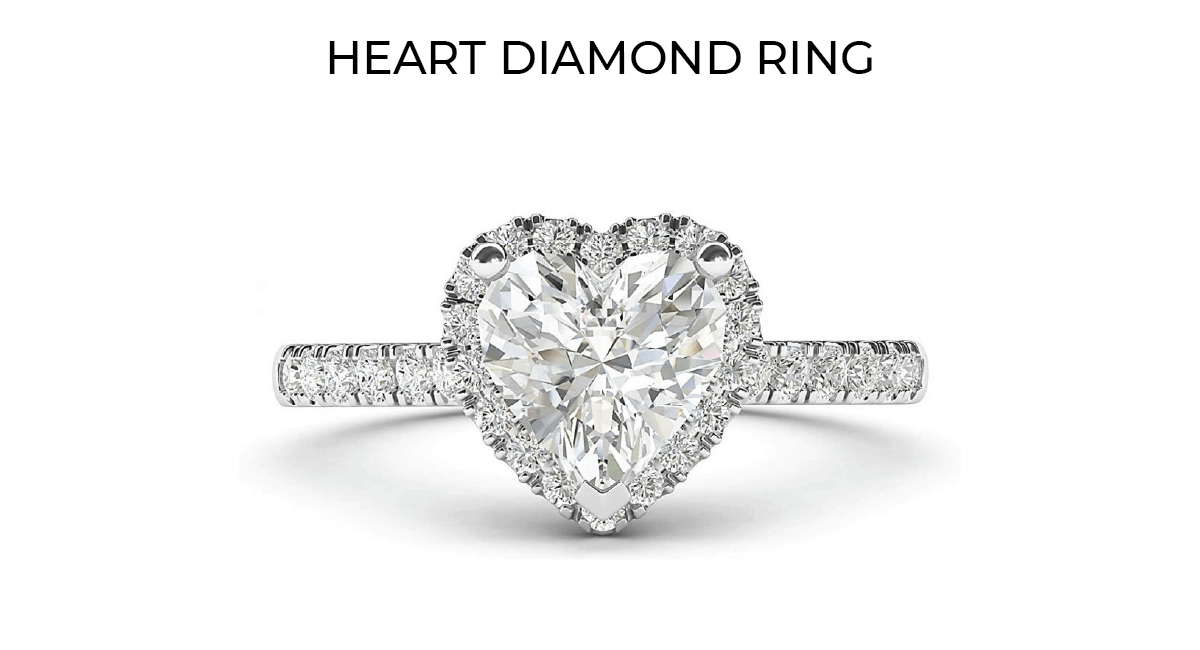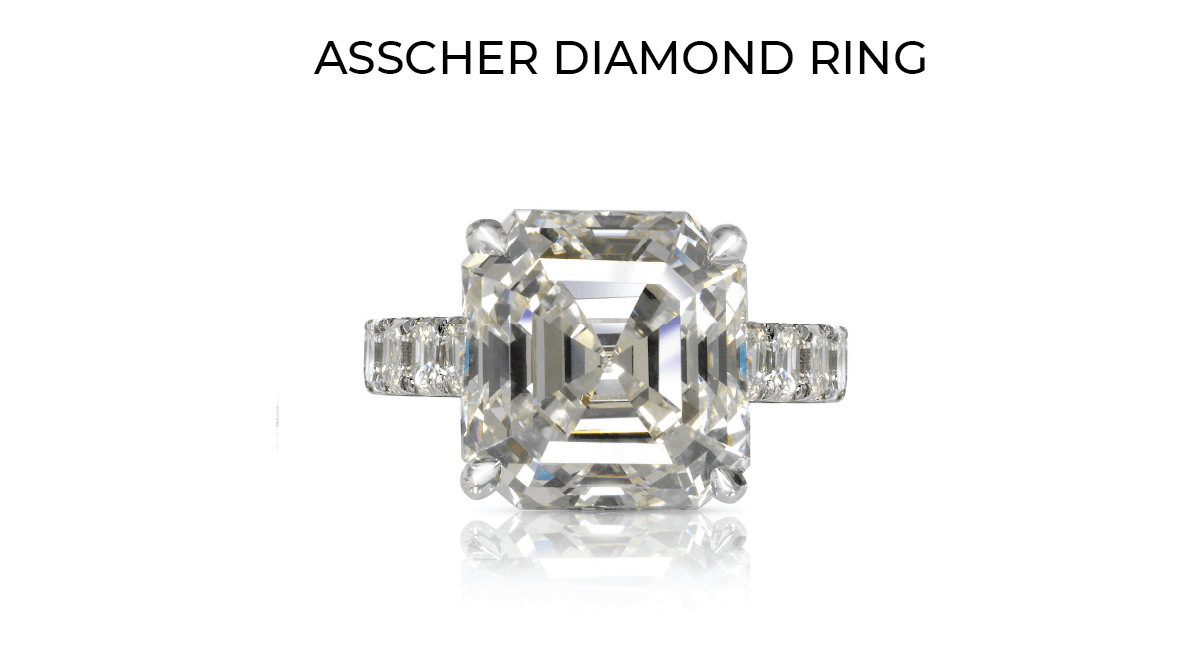
Trapezoid Diamonds 101: All About Its Side Stones

You may have heard the term “trapezoid diamond” from someone. You may have come across this term while researching. Have you ever wondered if there is such a thing as a trapezoid diamond? Are trapezoid diamonds side stones? Then let us explain in detail what these stones are and why people are inclined to buy them.

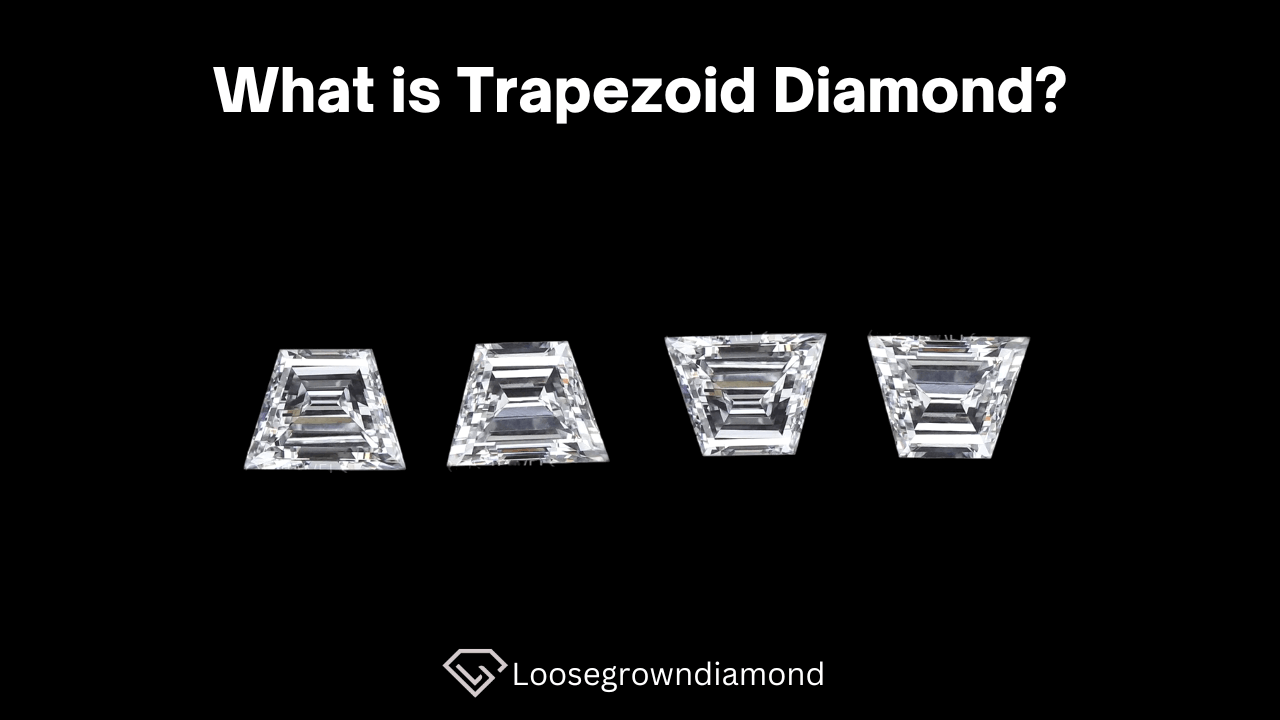
Brilliant-cut diamonds with a similar shape to a trapezoid were developed from either the tapered or the baguette cuts. The multiple-sized trapezoid diamond shape has two inward-slanting edges and a top and bottom that are equal. A triangular shape with missing edges will result in the resultant shape.

Some people consider trapezoids a fantastic substitute for the increasingly popular trillion or baguette shaped diamonds because they possess a comparatively large area and produce more sparkle when placed in jewelry.
Trapezoid Diamonds 101: All About Its Side Stones

In addition to adding shine, trapezoids generally exude refinement and style. The swinging canvas that became renowned inside the carnival is likely where the word “trapeze” originated.

In the last few decades, as the need for dazzling jewelry has grown, the trapezoid cut has become more and more popular with traditional gems.

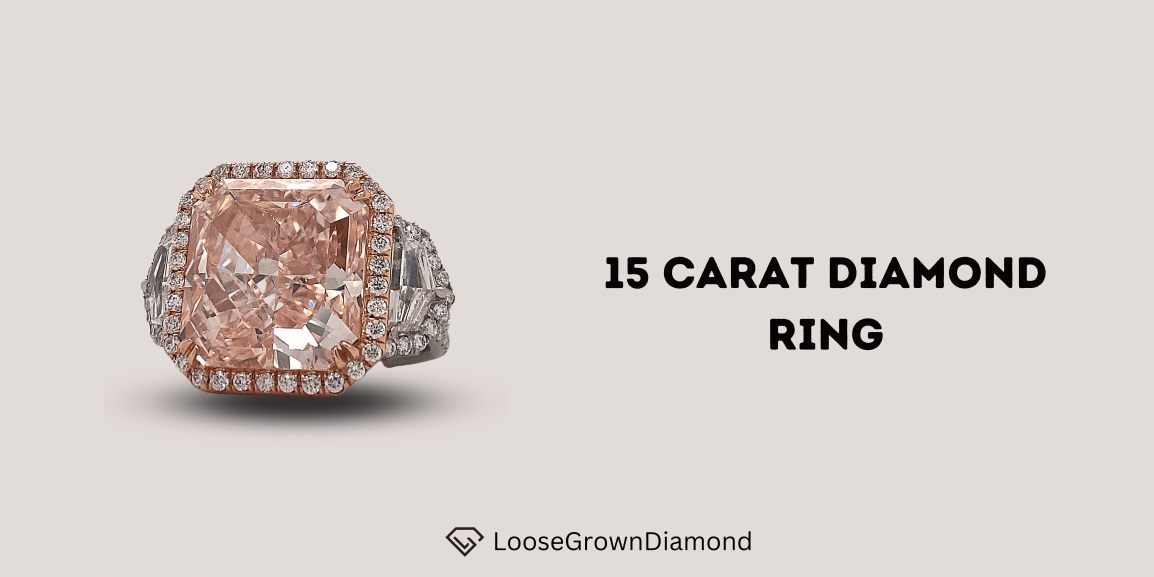
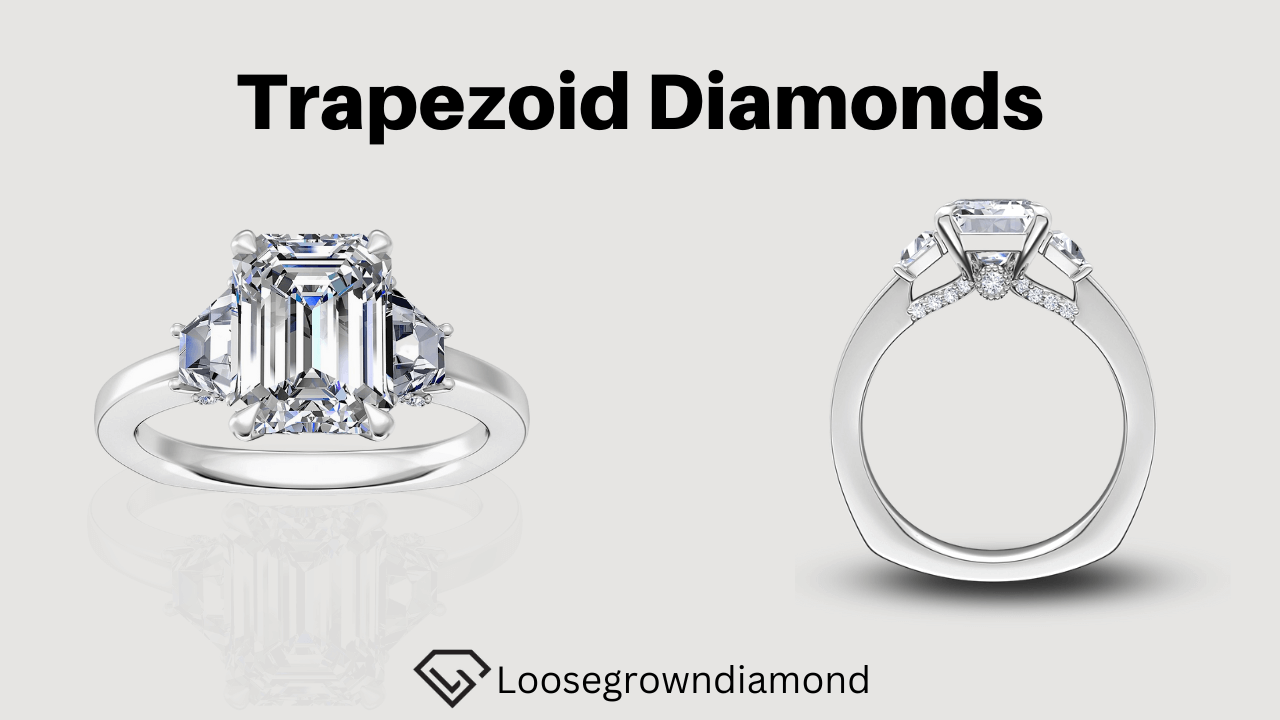
Trapezoids can be used as main stones, but they are more often used in pairs as side stones to match the size and shape of a larger core diamond. Due to their adaptability, trapezoids are quite desirable since they may accompany a variety of center shapes, including emerald, radiant, princess, asscher, and round diamonds.

What Is a Trapezoid Diamond?

Many people think that these shapes are a better match than the more common trillion or baguette cuts because they have a larger total surface area and still shine brightly.

Diamonds are known for their shine, and so are the trapezoid diamonds, but apart from adding sparkle to any jewelry’s look, these side stones add class to the piece. They make any ring or pendant look unique.
What is Trapezoid Diamond

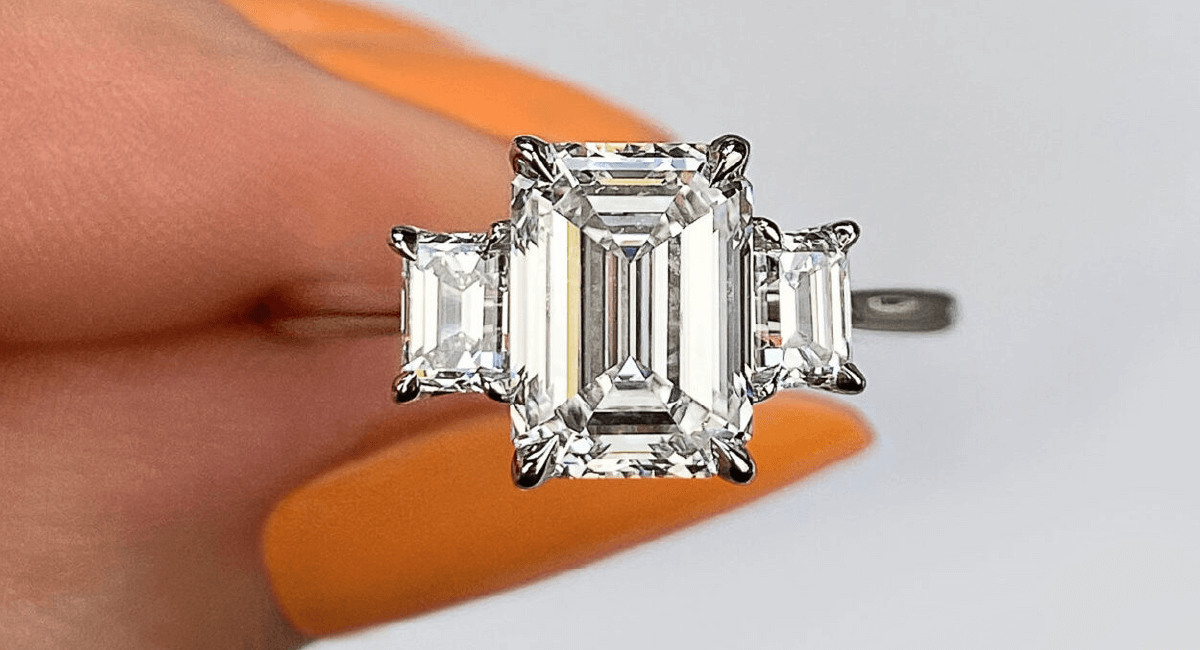
The step-cut trapezoids are famous and are usually paired next to the asscher– or emerald-cut center stones. When placed next to any of these gems, a step-cut trapezoid diamond will give off a “parallel set of stones” look. This, in turn, can make any engagement ring look sharp and give off a royal vibe.

A brilliant-cut trapezoid pairs fairly well with princess– and radiant-cut center diamonds. As all these shapes have more facets, they tend to look like a maze of reflections, making the ring look complex yet stunning.

In general, individuals are inclined towards going for baguettes or trillion-cut lab diamonds, as they are the more common choices available to jewelers. But with time, the use of trapezoid cut diamonds in engagement rings, earrings, and pendants has increased tenfold.

Of course, all measurements and dimensions should be made clear about the center stone before deciding which companion stone will work best with a ring style.

The Trapezoid Diamond and Its Center Stone

Depending on the selected jewelry design, you can opt for trapezoidal side stones. Knowing the center stone’s measurements is a must for using any type of trapezoid diamond.
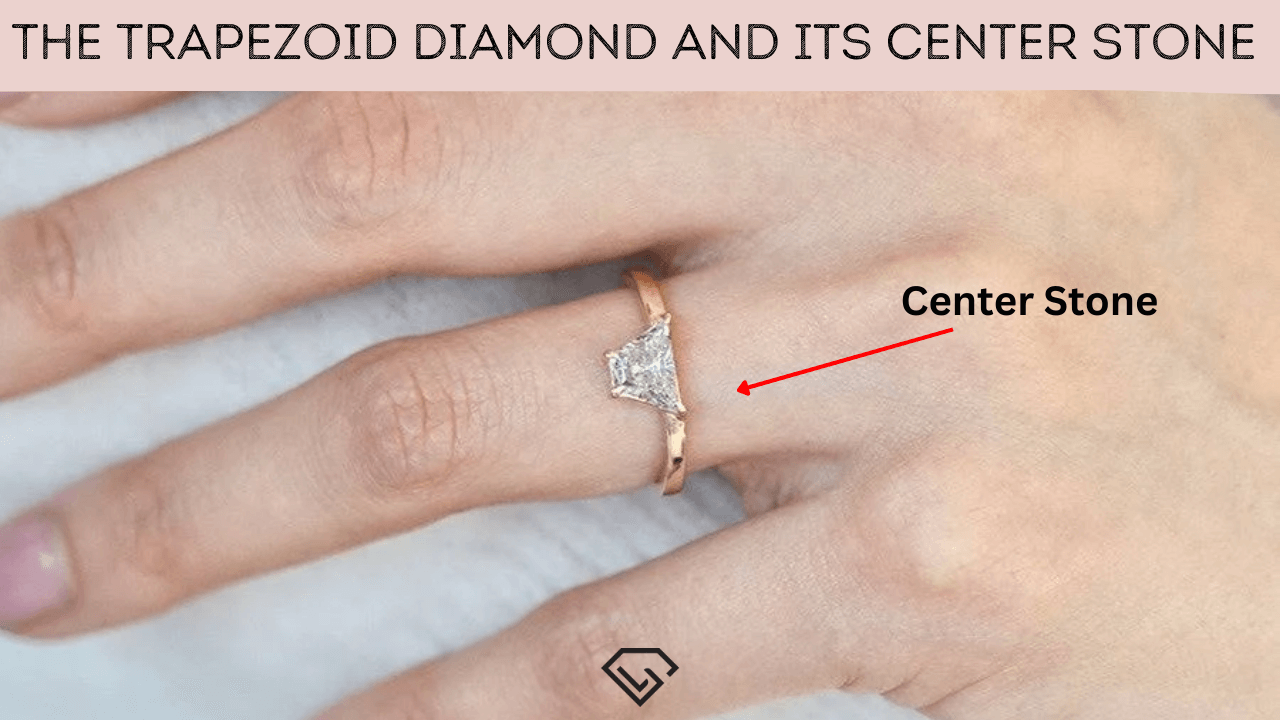
The Trapezoid Diamond and Its Center Stone

You wouldn’t want an engagement ring in which the side stone looks bigger than the center stone. Because trapezoid diamonds are so versatile, they can be set in many different ways without taking away from the main stone.

For any change to be undetectable to the naked eye, both stones must be the same color and clarity grade. Thus, first, decide the color and clarity grade of the center stone. Based on that, have the trapezoid diamonds, which will work as side stones, made. The side stones can have a color and clarity grade that is 1–2 grades lower than the main stone.

There shouldn’t be more than one color grade difference between the side and center stones. The adjacent stones cannot have a color grade lower than H, for instance, if the center stone has a G color grade.

Trapezoid Diamonds Cost

It is seen that trapezoid diamonds are used to enhance the brilliance of center stones and jewelry pieces. Trapezoids are known as versatile stones because their unique design allows them to compete with all other stones as side stones.
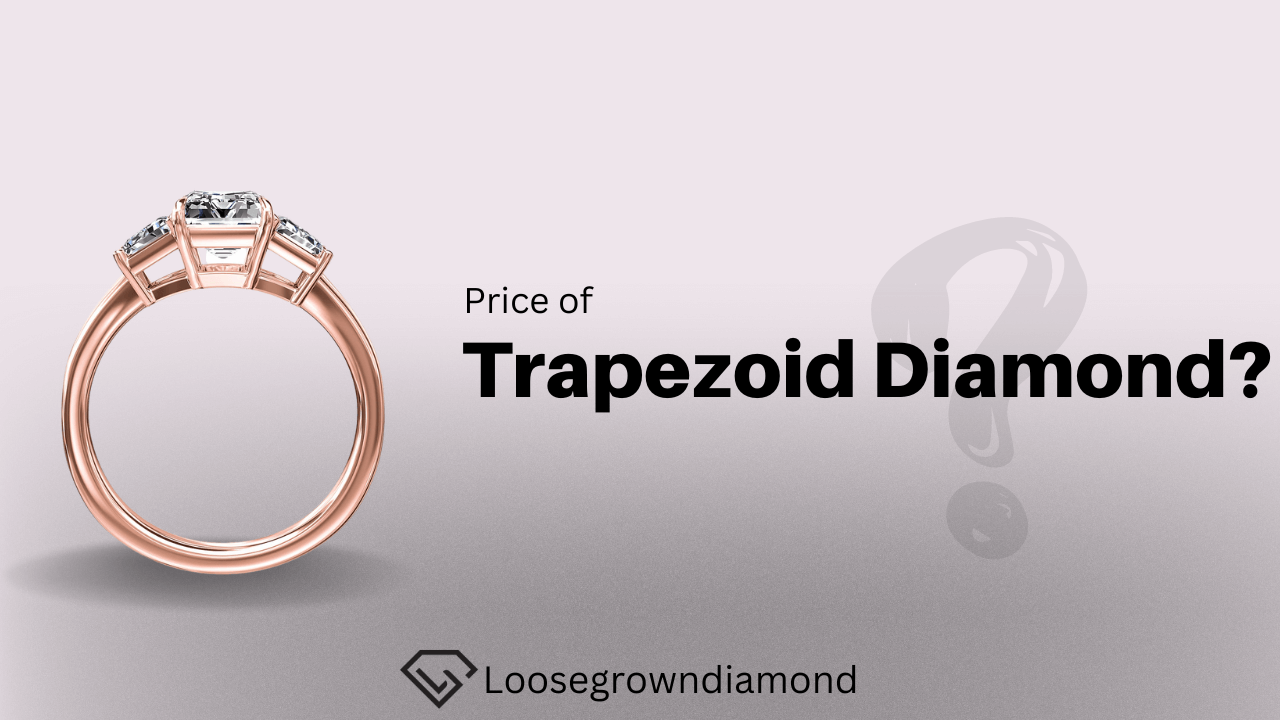
Trapezoid diamond price

As you get such a nice option to pair with your selected center stone, knowing about the prices of trapezoid diamonds is important to set a budget for your engagement ring.

Talking of an average rate, trapezoid diamonds are roughly available at $1000 per carat. Of course, size, color, and many other factors determine its actual price.

Prices may differ depending on the 4Cs. We can only give you an estimate of the prices so that you can budget accordingly.

Your engagement ring’s total cost will be the sum of the following: the cost of the center stone plus the cost of the side stone plus the cost of metal plus the cost of making.

When it comes to trapezoid diamond prices, a standard-size trapezoid diamond with base colors and design will cost you around $700-1000 per carat (at the very low end).

A trapezoid lab diamond can cost $400,000 or more depending on its features for a high-end design with a unique composition and large size. Additionally, we have a tool(diamond price calculator) for you to determine the trapezoid diamond price.

Types of Trapezoid Diamond

Contrary to other diamond cuts, the trapezoid lacks what is regarded as an optimum dimension-to-height ratio, making it more adaptable to individual pieces. Thus, diamond cutters can produce stones with the right size and lighting reflection.
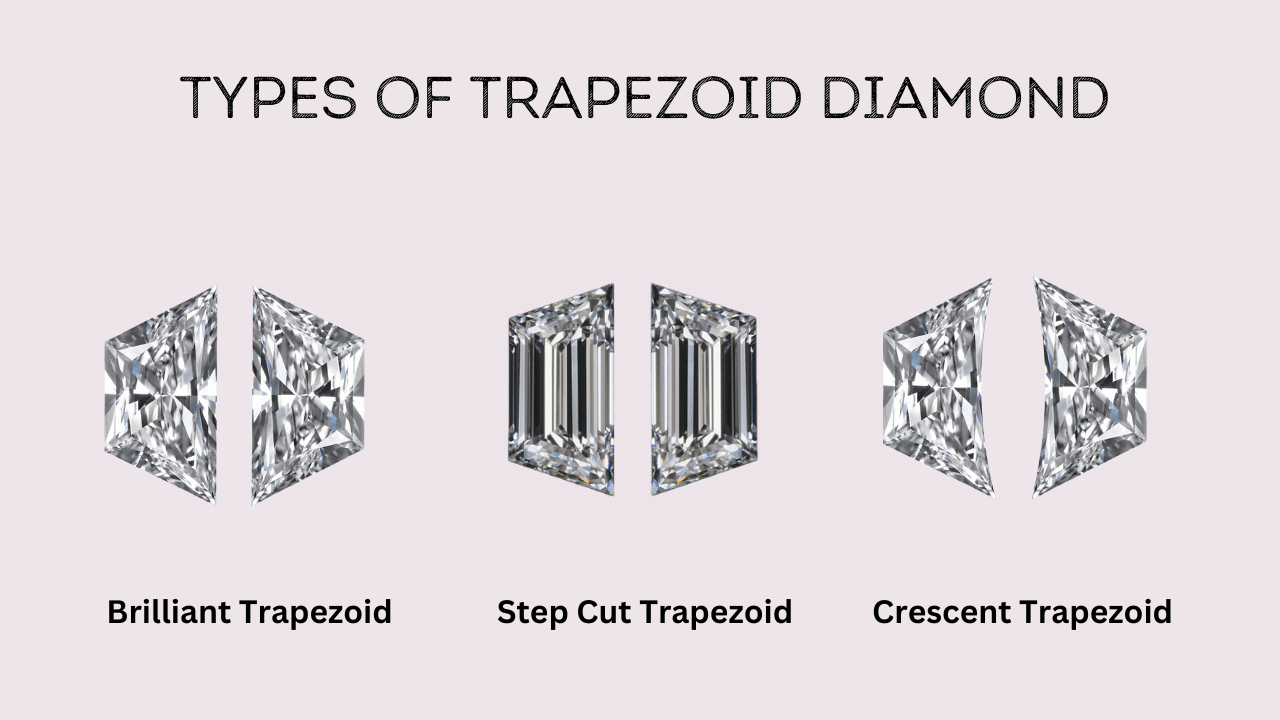
Types of Trapezoid Diamond- Brilliant Trapezoid, Step cut trapezoid, Crescent Trapezoid

There’s more to it, though. Finding the ideal center stone to go with it as an accent stone will require patience and skill.

Diamonds with a trapezoidal cut are typically used as side stones and come in brilliant-cut or step-cut varieties. At the same time, step-cut trapezoids are typically observed beside the emerald or asscher cut center stones.

The brilliant trapezoid cut diamond complements brilliant-shaped, rectangular center stones such as radiant and princess diamonds beautifully. Since it is wide enough to fit a nice little side diamond somewhere between the cut costs, the rectangle emerald form is perfect for notch trapezoid diamonds.

There is also a third type of trapezoid diamond called a crescent trapezoid diamond. Let us explain in detail.

Brilliant Trapezoid Diamond

Compared to step-cut trapezoids, brilliant-cut trapezoids are a far more recent cut. They emit a significant amount of light and fire compared to step-cut trapezoids. They are ideal when paired with lab created emerald or asscher cut diamonds.

The diamond’s bottom reflection is maximized thanks to the shape, which simulates a conical appearance.

Also, with contemporary methods, carving and cleaning a rough diamond always causes a significant loss in weight. On the other hand, these brilliant-cut trapezoid diamonds are either made from broken larger diamonds or produce less waste.

Step Cut Trapezoid Diamond

The trapezoidal cut that is utilized more commonly is the step-cut trapezoid diamond. In contrast to the brilliant-cut trapezoid, with more edges, the step cut technique has a stunning purity and sense of beauty.

It features parallel lines on each side that are significantly bigger than those in a brilliant-cut diamond, as is typical for step-cut diamonds.

The angles of the diamond consequently bounce light off one another, making the gemstone incredibly transparent.

Step-cut trapezoid diamonds have more obvious flaws when contrasted with brilliant-cut trapezoid diamonds.

So, we suggest that you choose a mix of step-cut trapezoids with excellent color and at least VS2 clarity.

Crescent Trapezoid Diamonds

The brilliant-cut crescent trapezoid is the most commonly encountered new trapezoidal shape. It has curved sides to fit round center diamond types, including round, cushion, oval, and marquise diamonds.

It has a comparable brightness and sparkles to the brilliant-cut trapezoid diamond. Crescent trapezoids require a professional diamond craftsman to make their beautifully curled tips. And then, place it firmly in an engagement ring around a round-cut diamond without chipping its edges.

While picking the brilliant-cut trapezoid stone, you can select a lower-quality gem since the flaws aren’t as noticeable, optimizing your budget on side stones.

Compare and Select

Step-cut trapezoids are excellent side gems for both an asscher cut and an emerald cut center stone. In 3-jewel settings, step-cut trapezoids are frequently utilized, with the trapezoidal diamonds serving as a gradient to the central diamond.

Step-cut gems are only suitable for use in conjunction with step-cut trapezoids to complement each other.

Step-cut trapezoids next to an emerald center stone provide a stylish choice for side stones in an engagement ring.

Asscher-cut center stones look stunning when placed beside white, clear, and excellent purity-grade step-cut trapezoids.

Similarly, brilliant-cut trapezoids provide a lot of sparkle and brightness, accentuating the central stone’s fire.

As a result, they’d be most commonly used as accent stones for diamonds with dazzling geometric shapes, such as princess and radiant cut diamonds.

And if both of these don’t tend to work, you can always opt for the crescent lab grown trapezoid diamond ring.

Any of the trapezoidal shapes will be ideal for you when you have finalized a center stone.


Conclusion

With a relatively wider structure than a conventionally cut stone, the trapezoidal cut has become popular among diamond buyers, which is not surprising. In this article, we have tried to cover each aspect of a lab grown trapezoid diamond, from its price to its types and features.

This is all you should consider when going shopping to ask for a trapezoid diamond. You can also take a look at our inventory at Loose Grown Diamond. If you like any of our trapezoid diamonds, be sure to connect with us. Elevate your diamond shopping experience with a generous discount using a promo code handed out by LGD Diamonds.

FAQs

Can a trapezoid diamond have different facet arrangements?
Yes, trapezoid diamonds can have various facet arrangements, including step cuts or brilliant cuts, depending on the desired appearance and style.

Do trapezoid diamonds sparkle?
Yes, trapezoid diamonds can sparkle. The brilliance and sparkle of a diamond are influenced by factors such as the cut, facets, and overall quality of the stone.

What does a trapezoid diamond look like?
A trapezoid diamond has a distinctive shape with four sides, where the top and bottom sides are parallel, and the other two sides slant inward. It creates a unique and stylish appearance in jewelry.
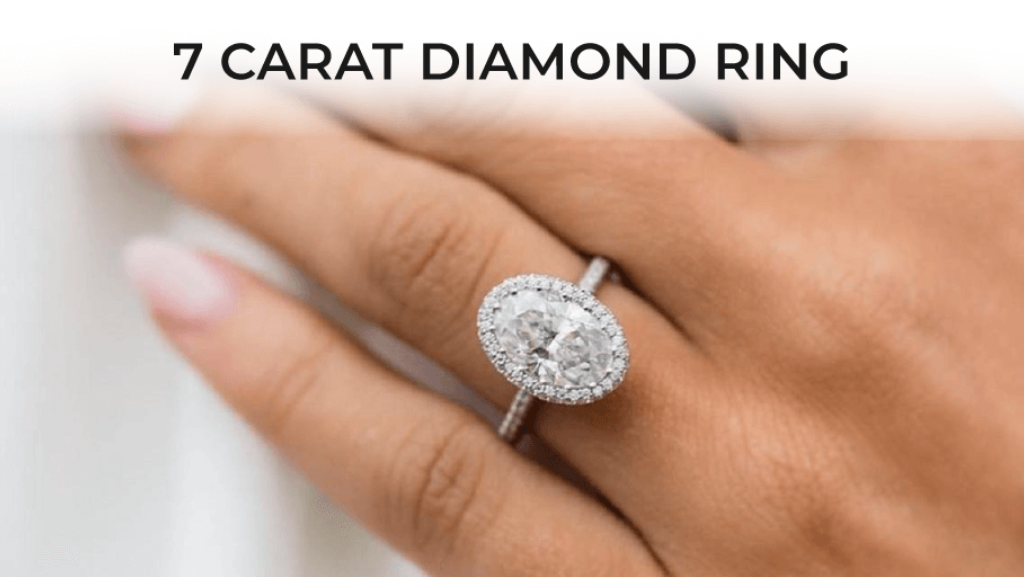
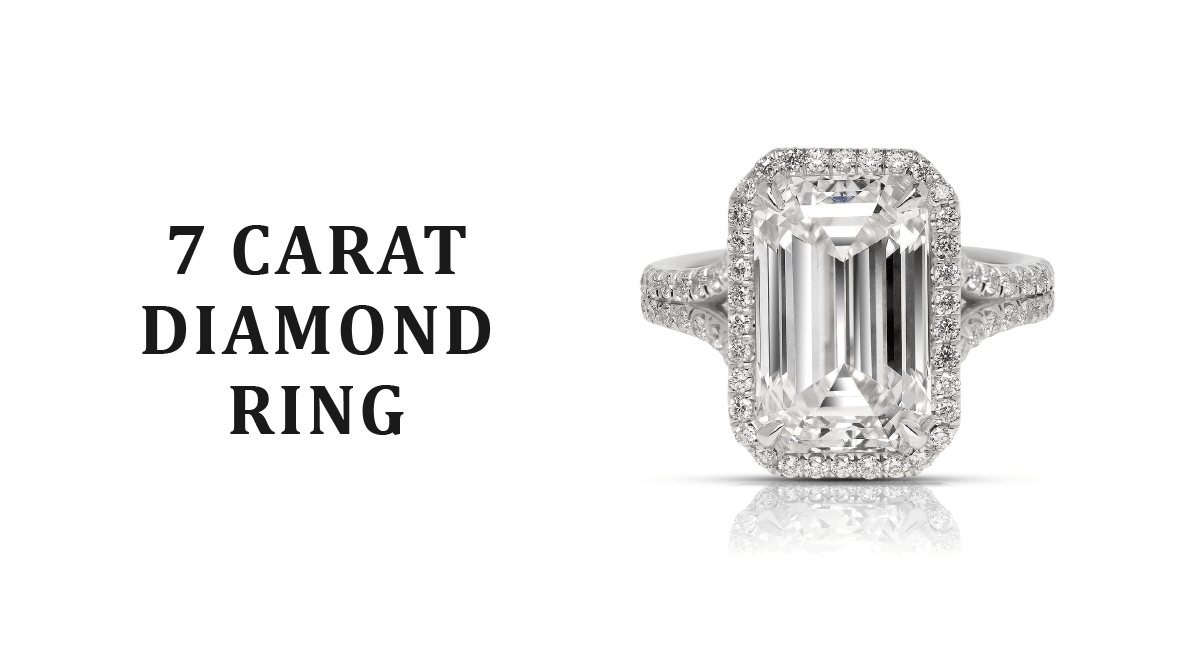
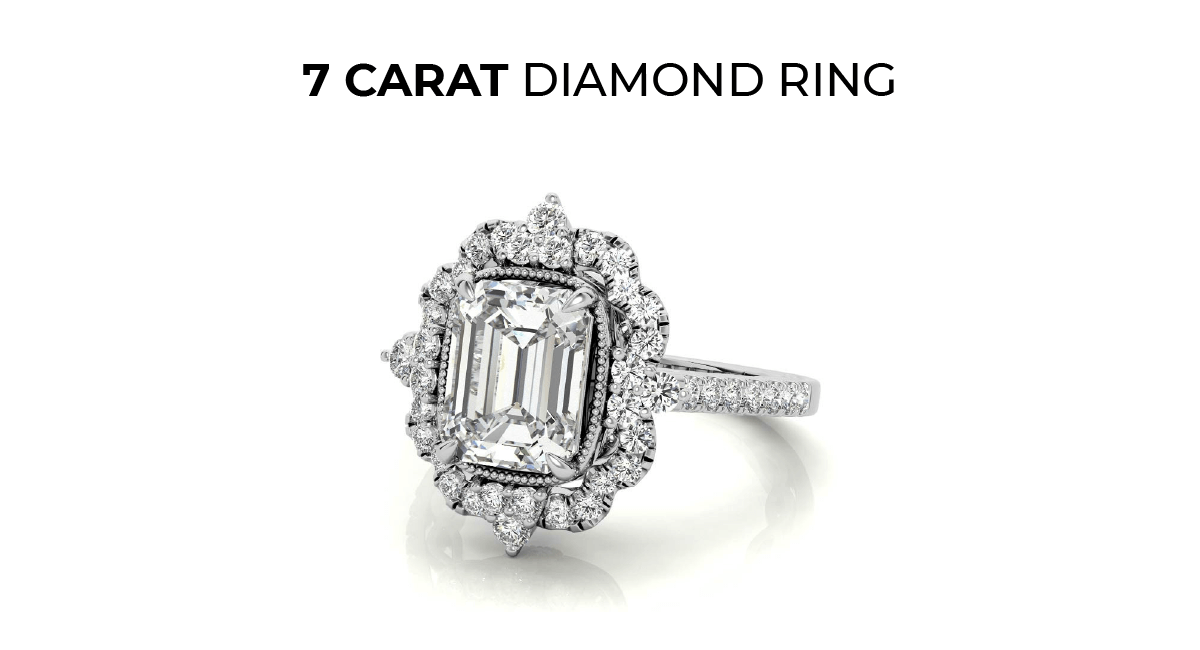
Stunning 7 Carat Diamond Ring that Set the Fashion Frenzy

Do you know the word diamond comes from Adamas? It is a Greek word, meaning “invincible. Diamonds are not only the most valuable, immortal, enduring gemstones. But they are also amazingly beautiful when worn by a human.

If you gift your fiance a stunning 7 carat diamond ring, this will be a lovely and bold way to show your love. Due to its unique qualities and rarity, a diamond ring can be seen as a sign of everlasting love, strength, and unity.

Stunning 7 Carat Diamond Ring that Set the Fashion Frenzy

A 7 carat diamond ring is an important statement, but it can be difficult to get it right on the first try. Unlike diamonds with lower carat weight, this niche of diamonds is much smaller. That means you have to do a bit more research before buying a 7 carat diamond ring.

With its exceptional size, a 7 carat diamond is the perfect choice for any special celebration. Clarity, cut, color, and carat weight are the main four aspects by which every diamond is unique in its own way. Especially at 7 carats or more, due to their size and rarity, the diamonds are truly one-of-a-kind.

The odds of finding a 7 carat diamond are low, but not impossible. We will guide you all the way to help you purchase the best quality 7 carat diamond within your budget. You can go to our inventory page and filter it based on your preferences. This will help you find how much your desired 7 carat diamond ring costs.

We have also hand-curated this 7 carat diamond guide so that you can get in-depth knowledge about this massive stone before you go off to buy one.

How Much 7 Carat Diamond Ring Price?

Many factors determine the price of a diamond. Above all, experts carefully examine the 4Cs and set prices accordingly. These are the cut, clarity, color, and carat of the diamond.

A 7 carat diamond ring will cost a lot, it won’t come cheap. Prices range from as much as $50,000 to a staggering $900,000, depending on the quality (4Cs) of the diamond.

A 7 carat diamond is extremely rare and valuable. The price per carat of a diamond is constant; it does not change with the increase in carat weight. In general, the heavier the diamond, the higher the rarity, which adds a premium to the price.

How Much 7 Carat Diamond Worth?

The 7 carat diamond cost of a round brilliant diamond, which has VVS1 clarity and a D color grade, will cost $700,000+. This is because the D color grade is the highest color grade and VVS1 clarity means you won’t be able to see inclusions even with magnification.

Undoubtedly, 7 carat diamonds are very rare and not easily available. To give you an idea, only 20% of all diamonds on the market are suitable for being incorporated into jewelry. Thus, the chances of finding a 7 carat stone are quite low.
However, if you were to go for a lab-grown 7 carat diamond you could find it available on the market. These lab-grown diamonds are also cheaper than conventional diamonds. They are easily 25%–40% cheaper. What you would need to pay attention to is the other characteristics apart from the carat weight.

It’s worth noting that just a slight decrease in one of these qualities can add or subtract thousands of dollars from a diamond’s price. Diamonds of the same color and clarity range in price from $7,000 to $200,000, where the only difference is the carat weight. Similarly, diamonds of the same clarity can have a difference of $100,000 just because of different carat weights.

7 Carat Diamond Ring Size

When looking at 7 carat diamonds, it is important to understand that carat weight is a measure of weight, not size. Size and carat weight may not be synonymous because the width and length of the diamond are more visible than the depth.

When looking at round brilliant cut diamonds, there are subtle size differences from stone to stone. They are all shaped to similar proportions, optimized to reflect light from the bottom surface. Deep-cut diamonds like asscher hide most of their carat weight in their depth. Smaller or elongated shapes, such as ovals or emerald cuts, scatter more and appear larger.

Non-round shapes, such as oval cuts and emerald cuts, may have more variation in size and in terms of actual weight, 1 carat is 0.2 grams, so a 7 carat diamond weighs 1.4 grams.

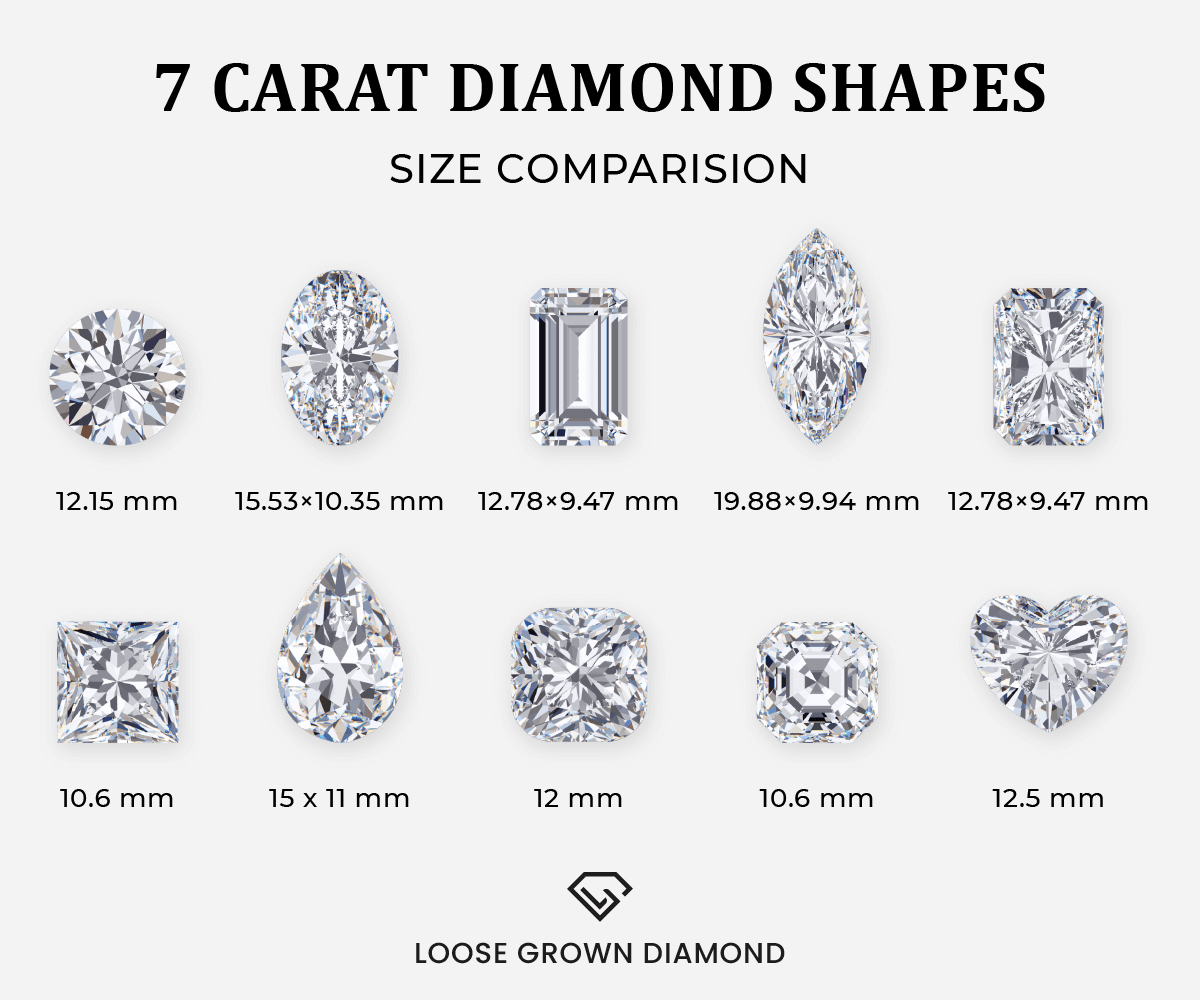
The approximate size of a 7 carat diamond is a staggering 12 x 12 x 7.5 mm (the average of many 7 carat diamonds). This is quite a handful in retrospect compared to other diamonds.

In comparison, the average human finger width is 17 mm. A 7 carat diamond ring is almost double in diameter as a 1 carat diamond of the same cut. Also, a ring of 7 carats covers about 70% of the surface of the finger (width-wise). As these stones are big, there is no need to accompany them with small melee diamonds or other side stones.

Therefore, choosing other diamond shapes such as pear and oval can result in your stone appearing even larger. Due to this, a 7 carat diamond ring varies greatly in size depending on its shape and cut.

Note that it is difficult to define an “average” price for less commonly shaped diamonds as fewer diamonds are available in the market at a given moment. This is especially true when few stones are available, such as marquise, triangular, or even heart-shaped diamonds.

If you are planning on buying a not-so-mainstream diamond, make sure to check for its availability because the price may differ depending on what is available.

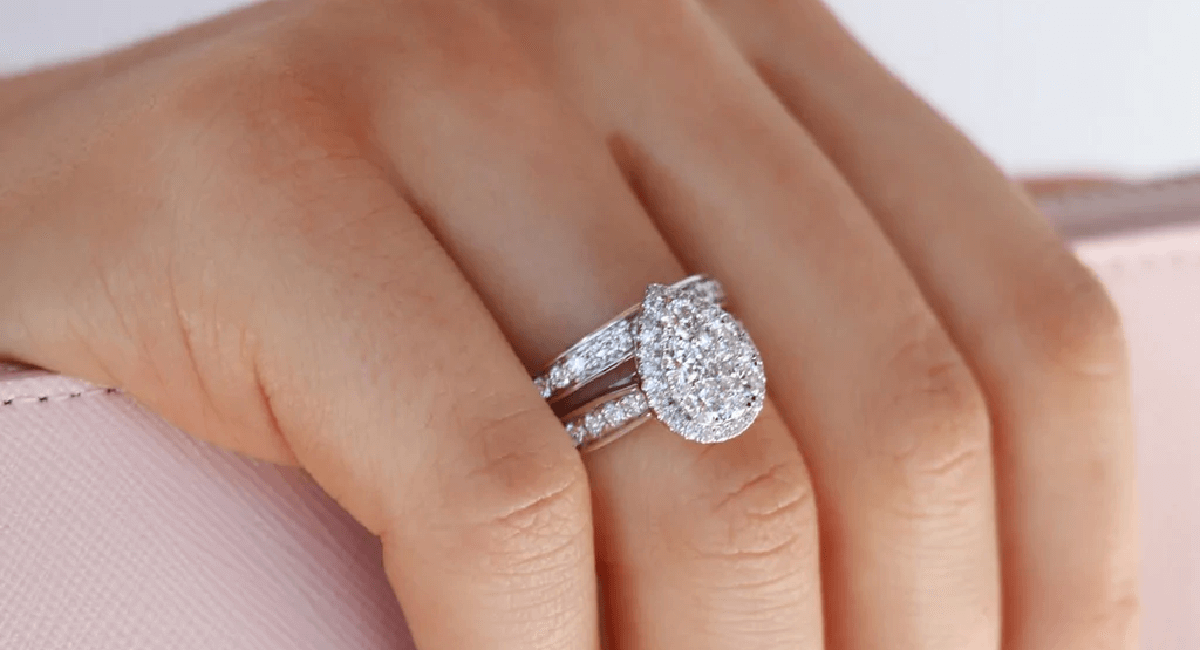
7 Carat Diamonds on The Finger

A stunning 7 carat diamond is rare and expensive. Assuming your finger is 17mm wide, 72.94% of your finger will be covered by a 7 carat diamond once worn. Its diameter is approximately 12 mm.

7 Carat Diamonds on The Finger

  • 7 carat round diamond ring on finger: A round brilliant stone will make an amazing 7 carat diamond ring. As this shape is the most convenient shape in the diamond industry, wearing a 7 carat diamond ring on your finger will make you completely stand out.
  • 7 carat cushion diamond ring on the finger: A cushion cut is slightly smaller in width than a round cut as some of its weight is used in the corners of the squared gem. This makes the stone appear smaller. However, if you think it will suit you well on your hand, go for it.
  • 7 carat emerald cut diamond ring on the finger: Emerald-cut diamonds make up a major part of the step-cut stone family. These diamonds are wider and have more surface area, hence they tend to look big. However, in the case of a 7 carat lab diamond, this shape may be too large for the wearer’s finger. Hence, if you are okay with a bulky look, then you can opt for this diamond shape.
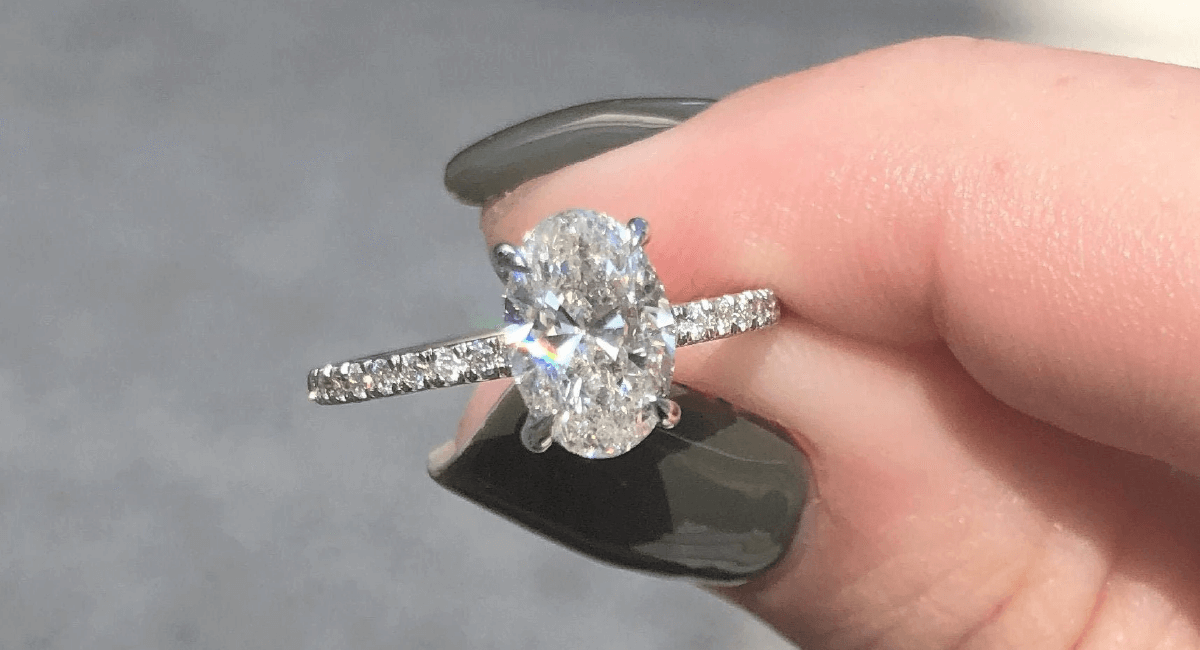
  • 7 carat oval diamond ring: This shape of a diamond can compliment your fingers better without looking too bulky, even in the case of 7 carat diamonds. Oval diamonds are narrower and longer than round diamonds.

Here is something to note. Although a 7 carat diamond weighs 7 times as much as a 1-carat diamond, it is not 7 times the physical size. We would also like to point out that 7 carat engagement rings can be huge. It can look overwhelming and imposing for smaller fingers and hands, so make sure you are comfortable with your choice before putting a 7 carat diamond ring on your finger.

7 Carat Diamond Shape

Diamonds come in plenty of beautiful shapes. Even the most common round diamonds are rare, so your choices are a bit more limited when looking at 7 carat diamonds.

As far as shape is concerned, one shape is not “better” than another. This depends on the personal taste, style, and preference of the person who is buying it.

Diamonds come in 10 common shapes, but not all are equally popular. Under 3 carats round diamonds are the most popular ones. They give off the most brilliance and offer the best settings.

As carat weight is increased, other shapes become more popular as they look more elegant and come in larger sizes. The cushion, oval, and emerald cuts are more common than round 7 carat diamonds, although their 7 carat lab diamonds are still beautiful.

Square shapes like a princess cut and asscher cuts are generally less popular. That means there is less demand, hence less supply. Some of the even less opted-for shapes are marquise and heart. These shapes are very difficult to find in higher carats and may require working with an expert to find the right diamond.

To give you a more technical advantage whilst shopping we have prepared a list of the 10 diamond shapes which are more commonly found. Have a look.

Different cuts/shapes for 7 carat diamond rings

  1. Round Brilliant Diamond- The most popular cut is the round brilliant, which has 57 perfectly aligned facets and a brilliance that stands out from the rest. Total internal reflection is important here. Light passes through the stone for optimum brilliance and sparkle. You can’t go wrong with a 7 ct diamond ring that has a round brilliant as the center stone.
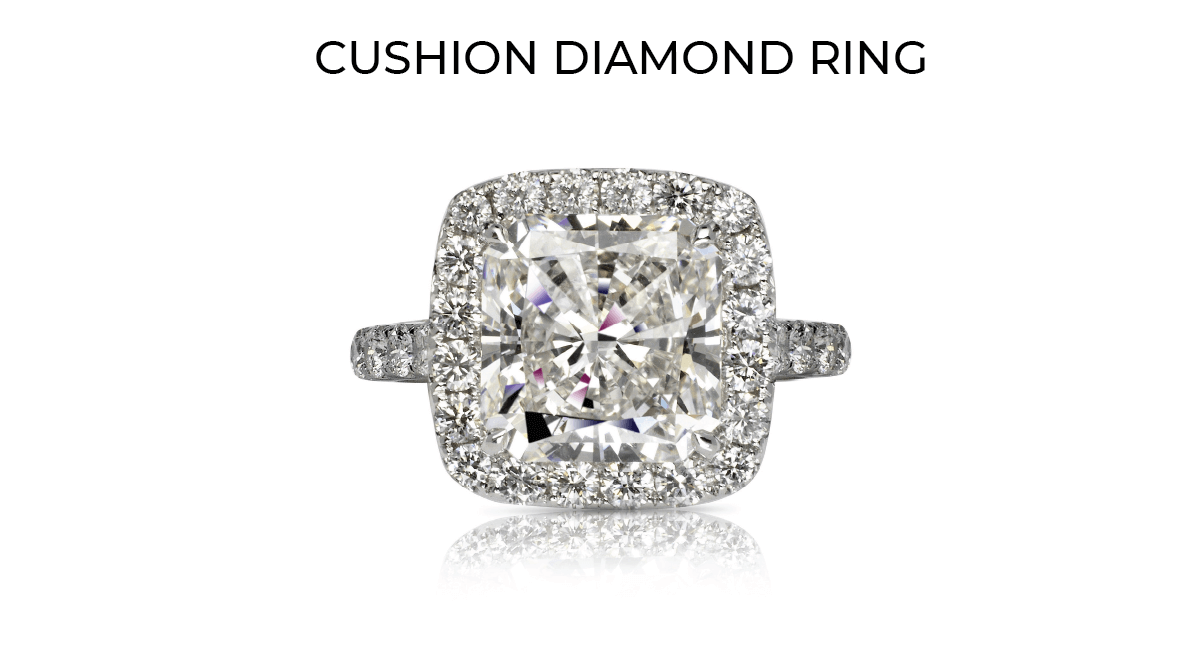
  2. Cushion Cut Diamond- It is the second most popular diamond shape, which has overtaken the princess cut. It is the intersection of round brilliant cuts and princess cuts. It was named cushion because, It is a soft square or rectangular shapes, such as a cushion or pillow. A 7 carat ring that has a cushion cut diamond will make any hand look beautiful.
  3. Princess Cut Diamond- It appeals to those interested in angles. The square shape gives the diamond ring a contemporary feel. We tend to set it with something called a “box claw” to show off the 90-degree angle. Buying a 7 carat ring with a princess diamond is one of the best ways to both save money and get the biggest gem placed on your significant other’s hand.
  4. Emerald Cut Diamond- From the list of most popular cuts, the emerald cut is always timeless. It’s beautiful and elegant. If you are aiming for a higher color and a higher clarity grade, this cut is highly recommended. This cut style offers a hall mirror effect due to its step-cut characteristics.
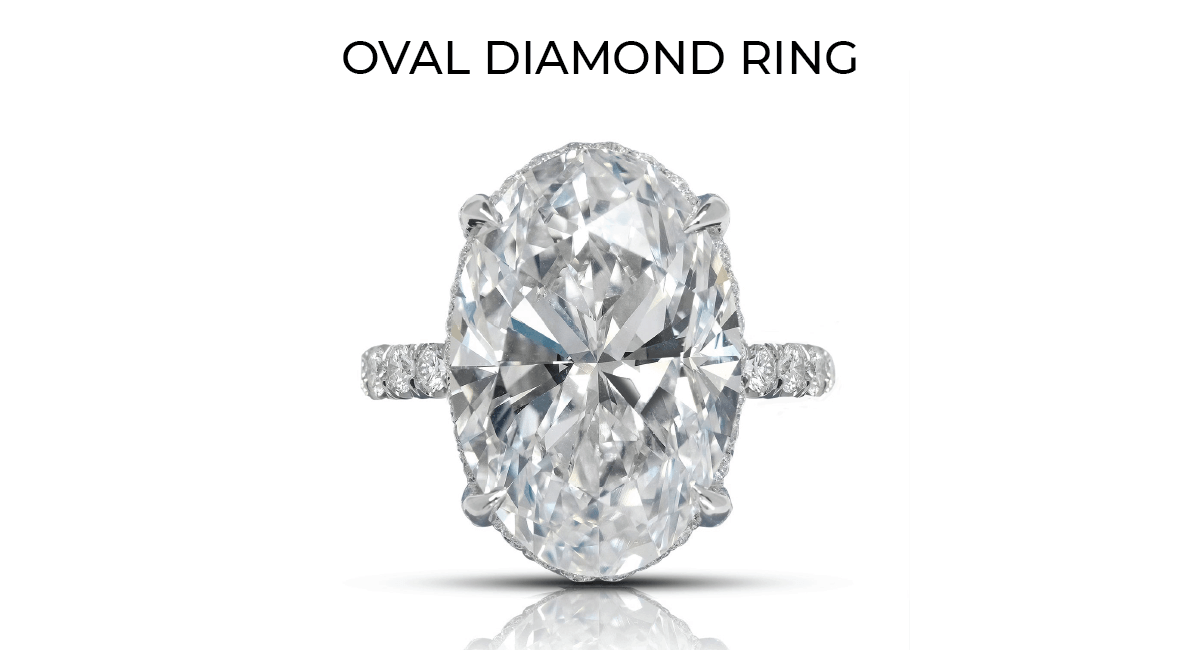
  5. Oval Shape Diamond- A 7 carat engagement ring that has an oval-shaped diamond will need no other side stone to add beauty to it. This is one of the softer shapes. It’s slightly longer than the round cut but has the same gloss, making it an excellent choice for long fingers.
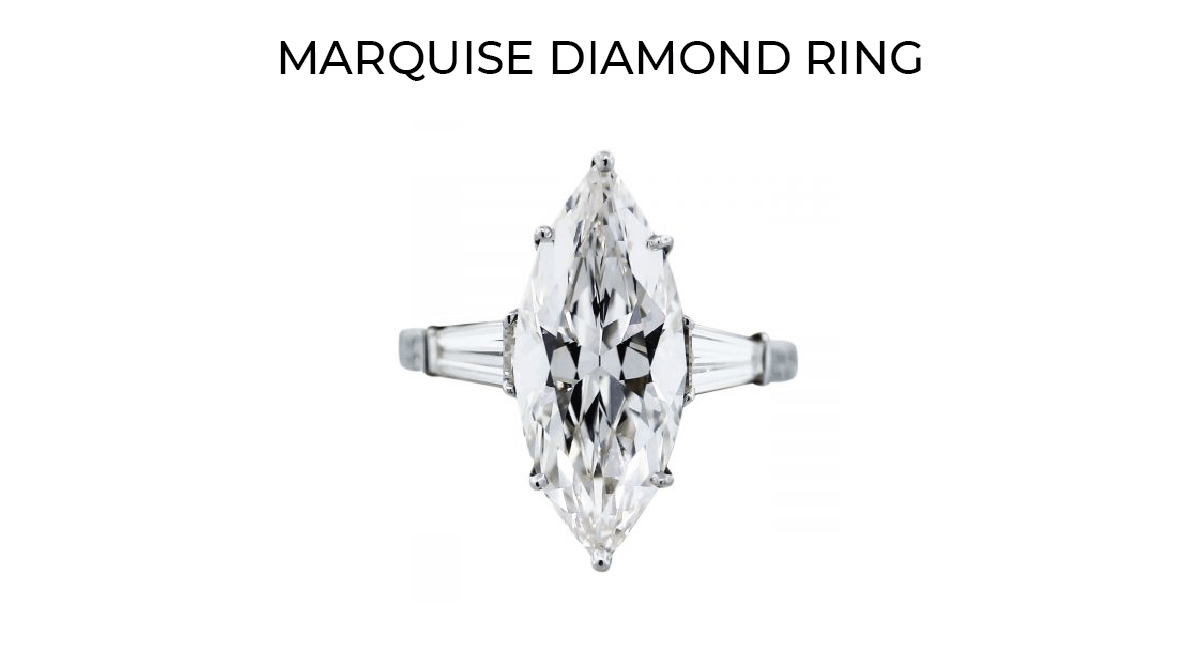
  6. Marquise Cut Diamond- If you’re looking for something longer, a Marquise cut diamond might be the best fit for you. Marquise is an excellent choice as it has the highest surface area of any diamond. If you gift your fiance a 7 ct diamond ring with a marquise diamond mounted on top of it, she will definitely be star-struck.
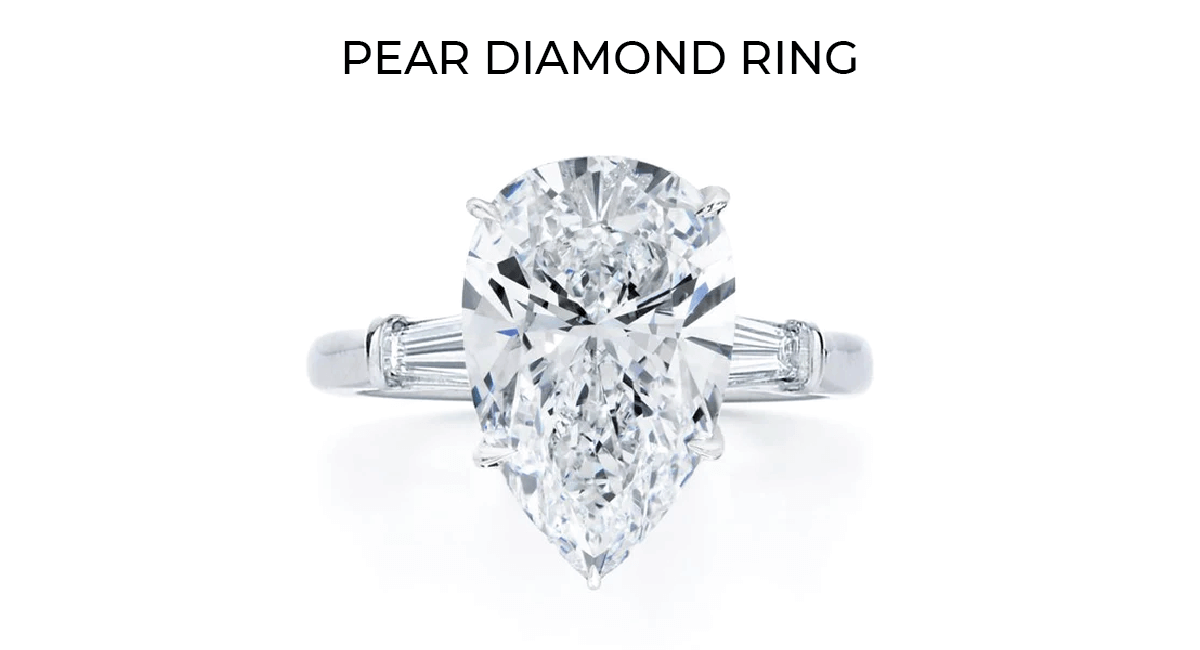
  7. Pear Shape Diamond- 2016 saw a surge in the popularity of pear shaped diamonds. Whether as a solitaire or in a halo setting, it’s always a winner. Pears are a very elegant shape and add an old-school charm to your jewelry.
  8. Asscher Cut Diamond- A square diamond with its corners cut is the correct description for an asscher cut diamond. The cut corners allow more light to refract, thus giving off an amazing sparkle. You can use an asscher cut diamond in a 7 carat ring and it is bound to do justice.
  9. Heart Shaped Diamond- What better way to show your love than by gifting a 7-carat heart shaped diamond? This is a shape that is not that easily found due to its complex structure but can work as the perfect anniversary gift.
  10. Radiant Cut Diamond-  The intersection of a round and an emerald diamond will get you a radiant cut diamond. You can add this gem to any ring and it will do the job. You will be gifting your fiance a 7-carat 70-facet diamond, which will sparkle with the utmost brilliance.

[blog_page_inventory shape=”Emerald,Round,Princess,Cushion” carat=”7.00,7.10″ cut=”1,4″ color=”0,10″ clarity=”5,6″]
[blog_page_btn title”Buy Now” url=”https://www.loosegrowndiamond.com/inventory/?shape=Emerald,Round,Princess,Cushion&carat=7.00,7.10&color=0,10&clarity=5,6″]

The Best Grades for a 7 Carat Diamond Ring

Before you start looking for diamonds, you may have heard about the 4Cs of diamonds. These four grades indicate the cut, color, clarity, and carat weight of a diamond. To help consumers make an informed purchase, the Gemological Institute of America (GIA) recommends the 4Cs as a popular way to understand diamonds.

We already know the ideal carat weight of the diamond, but let’s determine the cut, color, and clarity grades.

Color of 7 Carat Diamonds: Two diamonds with the same clarity, weight, and cut can have different prices depending on the color because little color differences can make a huge change in the value of a diamond. You should select the diamonds that fall within the normal color range on a scale of colorless to bright yellow.

Colorless diamonds are the rarest and therefore the most valuable within this range. They set the criteria for grading and grading different diamonds in a common color range.

According to the GIA color grade scale, the diamond’s color lies between D and Z. For a big diamond like a 7 carat diamond, it is recommended to go for a color grade above H. That is D, E, F, G, and H. The difference in color between these ranges is quite negligible when compared. However, their prices can vary by thousands of dollars. These diamonds look colorless and, as you go up the scale towards D, are considered flawless.

Clarity of 7 Carat Diamonds – Nothing is perfect. The same goes for diamonds. Diamonds have inclusions and blemishes throughout them, as well as some surface irregularities. The stones are judged on these factors, which are collectively referred to as clarity characteristics.

Among other things, defects include nicks and cracks on the surface of the diamond. Inclusions are usually found inside, and some can damage the stone’s strength and integrity. During diamond formation, small crystals of diamond and other minerals can get trapped inside it. Depending on where it is, the inclusion may still be there after the diamond has been cut and polished, which could change how it looks.

The best clarity grades for 7 carat lab diamonds are VS and VVS. These are the grades in which you will get an eye-clean diamond for the best price. We have explained the clarity grade in more detail below.

Cut 7 Carat Diamonds: The beautifully crafted diamonds are dazzling, and each face reflects the craftsmanship and care of the craftsman. When a diamond interacts with light, each corner and each side affect the amount of light returned to the eye. This gives off a unique sparkle.

The cut of a diamond determines the behavior of light as it enters the diamond. When light enters through the crown and exits through the pavilion, the diamond becomes dark and unappealing. Diamonds of different proportions and brilliance use light better, making them brighter, more colorful, and more radiant.

We’re not talking about shapes here, but rather cut grades. Cut quality refers to the quality of a diamond, with a rating ranging from excellent to poor. Our suggestion is to opt for a diamond that has an excellent cut grade when it comes to 7 carat diamonds. This cut quality will be graded by institutions like GIA/IGI or GCAL.

Clarity Rating for 7 Carat Diamond Rings

A clarity scale is used to measure how many blemishes or inclusions a diamond has. As the grade gets higher, the diamond looks clearer. We recommend looking only at diamonds that have been graded by a reputable institution such as GIA/IGI or GCAL.

Clarity Rating for 7 Carat Diamond Rings

GIA’s clarity scale:

  • Flawless (FL)
  • Internally Flawless (IF)
  • Very Very Small Inclusions (VVS1)
  • Very Very Small Inclusions (VVS2)
  • Very Small Inclusions 1 (VS1)
  • Very Small Inclusions 2 (VS2)
  • Small Inclusions 1 (SI1)
  • Small Inclusions 2 (SI2)
  • Inclusions 1 (I1)
  • Inclusions 2 (I2)
  • Inclusions 3 (I3)

However, inclusions are easier to see if you look at a large diamond So, for smaller diamonds, the SI1 grade may look fine to the eye, but this may not be the case for a 7 carat diamond. We recommend looking for a VS or VVS diamond (don’t forget to test that it’s eye-clean).

Where to Buy 7 Carat Diamond Ring

One of the biggest problems consumers face when purchasing a 7 carat diamond ring is the lack of options and inventory. Due to economic constraints and popularity, most people don’t buy diamonds over 2 carats. 7 carat diamonds cannot be found in most physical stores due to supply and demand.

7 carat diamonds are so rare that you won’t find them at your local jeweler. Even if you did and the diamonds were of high quality from a trusted grading organization, the price tag would be steep. It is important to first determine what the 4Cs are that you are looking for and then go on a search.

You can contact us at Loose Grown Diamonds. Being a diamond wholesaler, we sell our diamonds at the lowest possible cost in the market. Whether it be a 7 carat diamond or an 8 carat diamond. We will have it manufactured and ready in no time.


Conclusion

When shopping for a 7 carat diamond you have to follow a step-by-step procedure. Do not force the buying process, gain full confidence in your stone and then go for it. A diamond as big as this one can turn out to be a bad investment if not certified properly. Hence, take your time and find the diamond that best suits you.

Always purchase from a retailer that provides an authentic diamond certificate with a diamond. We at Loose Grown Diamond sell 7 carat diamonds and provide GIA/IGI or GCAL certification for authenticity.

FAQs

Can I customize the 7 carat diamond engagement ring?
LGD offers customization options, allowing you to choose the type and size of lab created diamonds for your diamond ring. You can also use engraving to add a personal touch.

How big is a 7 carat diamond ring?
The physical size of a 7 carat diamond can vary depending on its cut, but on average, it measures about 14mm in diameter.

How do I determine the right ring size for the 7 carat diamond engagement ring?
Accurately measuring the ring size is crucial to ensure a perfect fit. Ring size charts are also available for guidance.

What settings are suitable for 7 carat diamonds?
Popular settings for 7 carat diamonds include solitaire, halo, three-stone, bezel and diamond band.

Simulant Diamonds vs Lab Created Diamonds: How To Differentiate the Both of Them?

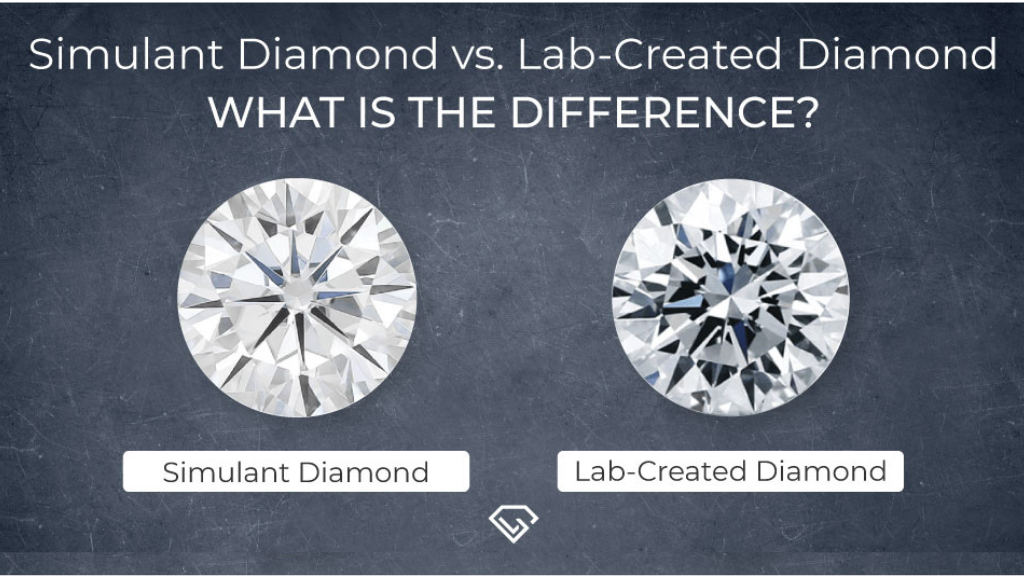
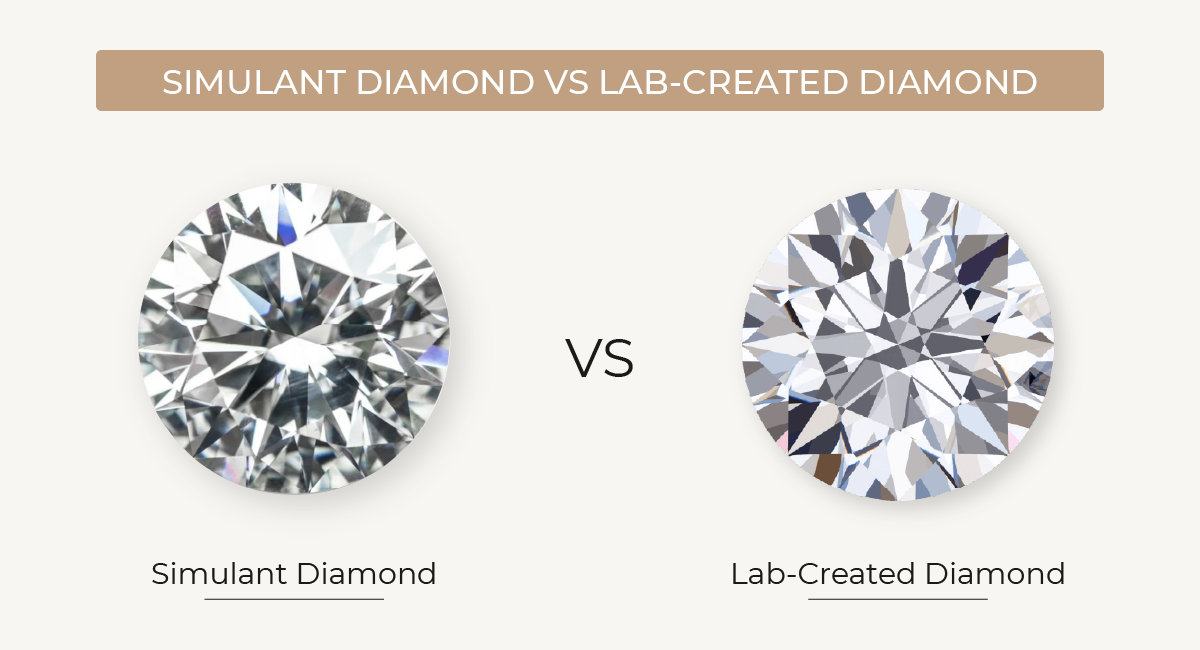
What are Simulant Diamonds vs Lab Created Diamonds? It is a typical query that lots of folks pose. Depending on the qualities you are seeking in a diamond, the answer to this question will vary. The finest choice, if you’re seeking for a high-quality, flawless diamond, is a lab grown diamond. However, simulated stones may be your best option if you’re looking for something more cost-effective and less pricey than a lab grown stone.

Simulant Diamonds vs Lab Created Diamonds: How To Differentiate the Both of Them?

What Is a Simulated Diamond?

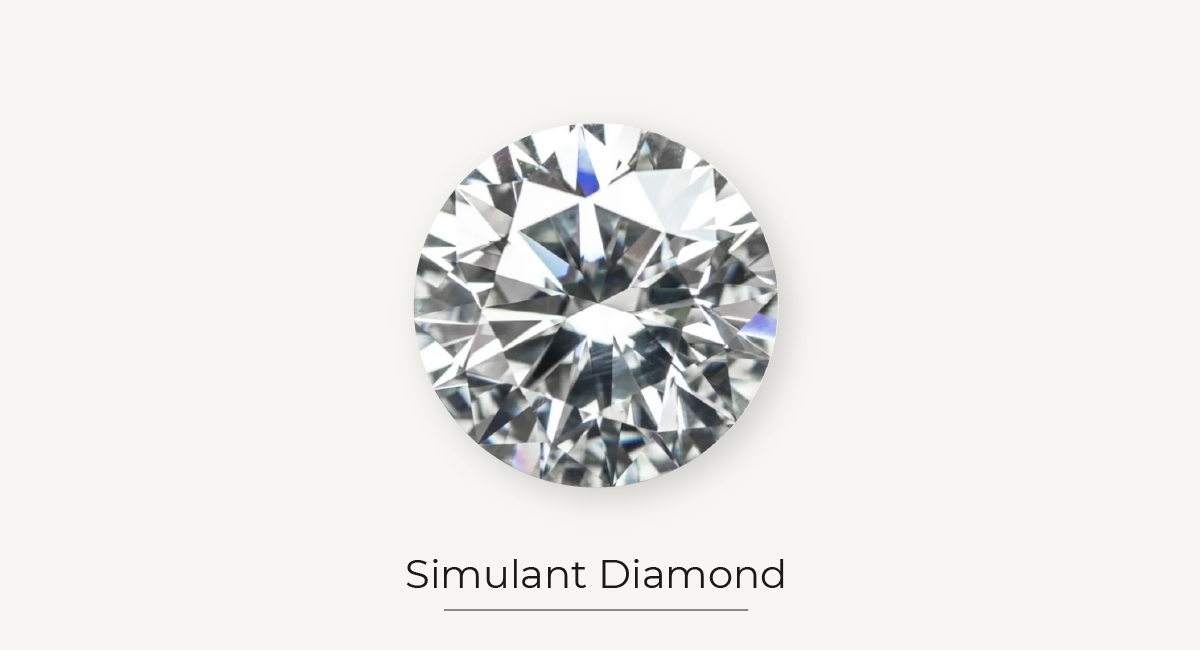
Simulated diamonds are those which are made to look like natural diamonds, however, are different to it in composition and structure. These are made of different chemical compositions hence, are poles apart from naturally mined diamonds. You can say simulated diamond is a replacement or substitute for an actual diamond.

Simulant Diamonds are either naturally occurring or lab-grown. Another point to note is, that naturally occurring gemstones that may look like diamonds cannot be categorized as ‘diamond simulants’ as these are not alternatives because they are not trying to imitate actual diamonds.

Simulated Diamonds

Cubic zirconia falls under this category. It consists of zirconium dioxide and is synthetic in nature. These are rare and exclusively created in labs. These cubic zirconia stones are obviously cheap monetarily as they are distinctive from naturally occurring diamonds.

Nexus Diamond is another type of ‘simulated diamond’. These are the closest replications of an actual diamond. They are created in labs, patented, and formulated in the exact same way to replicate a diamond. 

However, unlike man-made diamonds, these do not contain carbon. The GIA system of grading (4C’s) is used to inspect the quality of the nexus diamond. As mentioned, they are lab-grown hence, are environmentally viable and eliminate the risk of manual labor. Unlike cubic zirconia, these Nexus Diamonds are durable and will last till the end of time. 

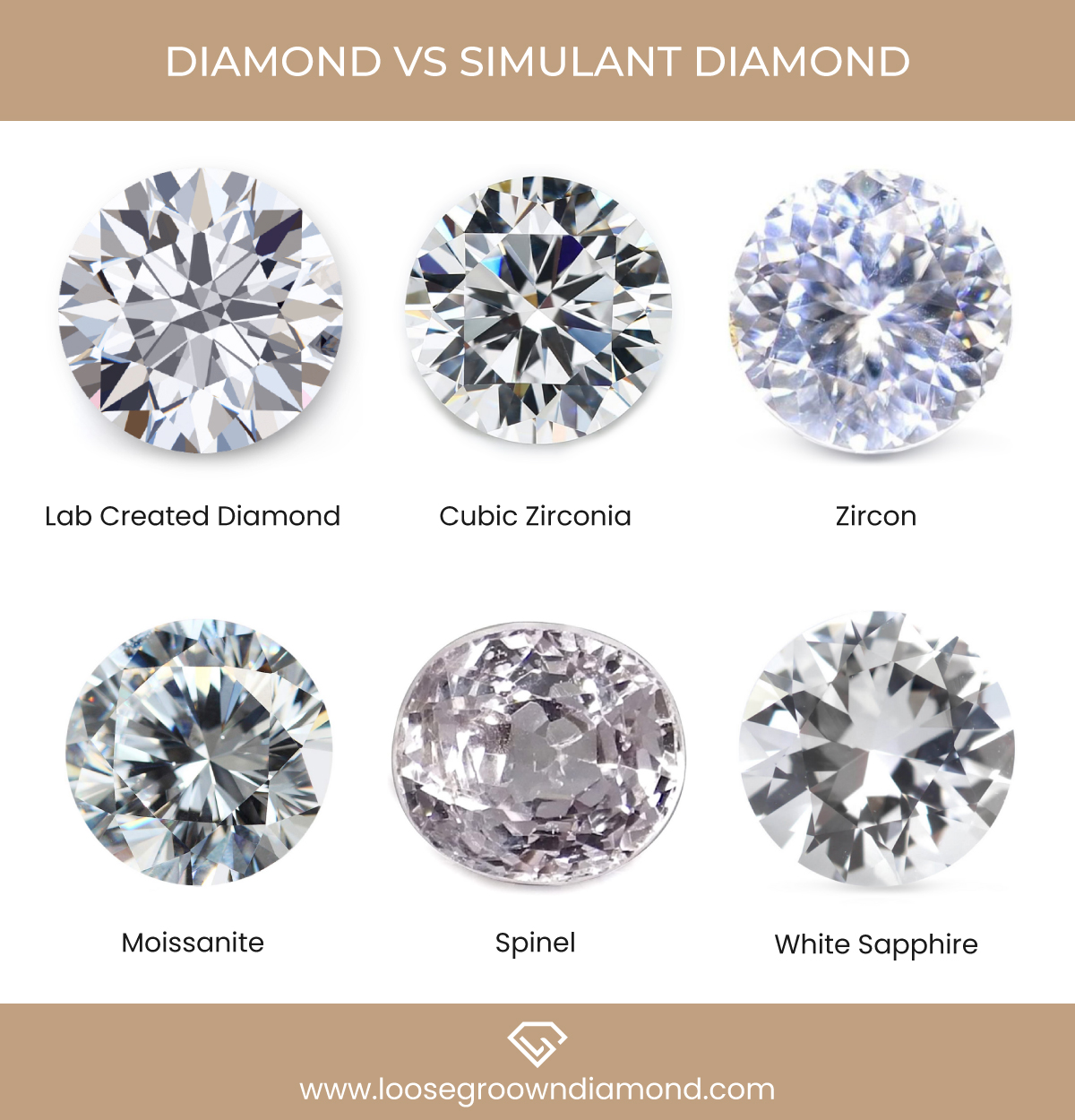
Moissanite is a newer diamond simulant. It is spun to give the illusion of a diamond however, they are different in properties and structure. The point of commonality between diamonds and moissanite is thermal conductors. They have a brighter and different brilliance than regular diamonds. This is because the system of faceting stands apart from actual diamonds. 

Pros and Cons of The Simulant Diamond

Pros of Simulant Diamond:

  • Simulated diamond is budget-friendly for those who do not necessarily want to spend a hefty sum
  • It is sustainable. It does not require mining as they are lab-grown.
  • A hit for those who love sparkle. These diamonds bling differently hence, making it a treat for those who love the sparkle.

Cons of Simulant Diamond:

  • These tend to break and crack. One has to be cautious while wearing these diamonds.
  • They illuminate a rainbow sparkle which is a major factor that distinguishes them from regular diamonds. It is more likely to look like a ‘copy’.

What Are Lab Created Diamonds?

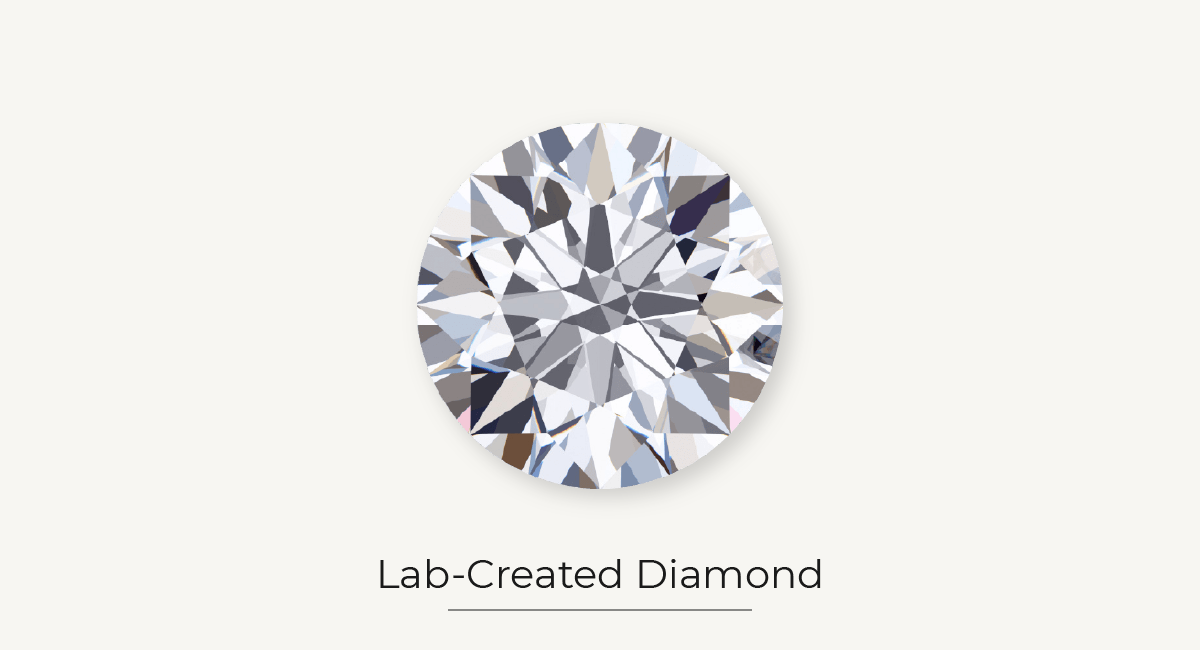
Lab-created diamonds also have different names in the jewelry world that are, lab grown diamonds, synthetic diamonds, artificial diamonds etcetera. These lab grown diamonds are obviously man-made and replicate naturally mined diamonds. 

They have carbon elements and look the same in physical properties as well as in composition as naturally mined diamonds. Lab grown diamonds are less expensive in terms of naturally mined diamonds. 

Also Read: Real Facts About Lab-Grown Diamonds

about lab created diamonds

Natural diamonds grow under intense heat with heavy pressure. It is a time-taking process as it takes a hundred and further years to turn into a diamond. On the other hand, lab-grown diamonds are created in the same manner. The diamond-creating process starts when a ‘diamond seed’ is placed in a glass chamber or a special chamber where earth-like properties are re-created.

These properties are similar to the temperature and pressure in which naturally mined diamonds are created. It is covered in carbon and thereafter grows into a synthetic diamond that is as close as a naturally occurring diamond.

The two major types of lab grown diamonds are used for creating diamonds in the lab High Pressure-High Temperature (HPHT) and Chemical Vapor Deposition (CVD). As the name suggests, the High-Pressure High-Temperature method uses temperatures and pressures as high as 2700 Fahrenheit and 1.5 million pounds per square inch, respectively. 

The diamond seed goes through intense processes and in turn, a synthetic diamond is created. The Chemical Vapor Deposition (CVD) method uses less temperature and less pressure, unlike the HPHT. It actually uses a combination of chemical compositions to break down the diamond seed.

It uses a variety of gasses to crystallize and harden the seed. The best part about these methods is that they are completed in a matter of weeks without any ecological and environmental wastage, and save manual labor. These are mass-produced and are much cheaper than naturally mined diamonds. It is a great option if you have a fixed budget.

To spot differences between naturally mined diamonds and lab grown diamonds, special instruments are needed even by professionals. The other way to spot the differences is in the IGI/GCAL/GIA/AGS report of each diamond.

Pros and Cons Lab Created Diamond

Pros of Lab Created Diamond:

  • They are literally the same as naturally mined diamonds. Their physical and chemical compositions are alike.
  • They are cost-effective and charge less than natural diamonds.
  • Environment Friendly. They do need any mining that causes harm to the environment.

Cons of Lab Created Diamond:

  • Lab grown diamonds do not have the same legacy as naturally-grown diamonds. The former is not assumed to be ‘rare or one of a kind.
  • They are mass-produced hence, making it feel less of a luxury.
  • The value wears off with time. And does not have a good resale value.

[blog_page_inventory shape=”Round,Oval,Emerald,Cushion,pear,radiant,princess” carat=”4.00,4.10″ cut=”0,4″ color=”0,10″ clarity=”0,11″]
[blog_page_btn title”Buy Now” url=”https://www.loosegrowndiamond.com/inventory/?”]

Simulant Diamonds vs Lab Created Diamonds?

Simulant Diamonds vs Lab grown Diamonds

Lab grown diamonds are literally the same as naturally occurring diamonds in appearance. Both these categories have the same physical and chemical compositions making both indistinguishable. 

Both are graded on the same scale which is used for all diamonds. You need to look at their respective GIA reports spotting the differences. However, simulant diamonds can be easily differentiated as they have different properties and elements. They sparkle differently and look a certain way than regular diamonds. These diamonds are the impersonation of regular diamonds.

There are 4 points appearance, about, cost, and ethics to differentiate both the simulated diamond vs lab grown diamond.

Infographics

Simulated Diamond vs Lab Created Diamond: About

Today, diamond simulants such as cubic zirconia and moissanite are synthetic stones manufactured in laboratories. They are made to simulate diamonds but are compositionally and optically different from diamonds and can be made from several different materials and gemstones.

Simulated Diamond vs Lab Created Diamond: Appearance

Diamond simulants can be differentiated from diamonds due to their optical properties. Moissanite, for example, is double refractive
while a diamond is singly refractive. This causes the moissanite to emit a fiery rainbow sparkle that is easily differentiated from a diamond with the naked eye.

Simulated Diamond vs Lab Created Diamond: Cost

The cost of many popular diamond simulants is often much lower than both natural and lab diamonds. Simulants are attractive
cost-friendly option for many couples as you can create your dream engagement ring without veering outside your budget or
compromising center gemstone size.

Simulated Diamond vs Lab Created Diamond: Ethics

As most popular diamond simulants are lab-grown using advanced technology, they require no new mining to produce and are a
sustainable option.

Are Simulants Diamonds and Lab Created Diamonds Real Diamonds?

Buyers of such luxurious goods want the best item for their money. They are not only paying for the money but for the experience. Hence, it is imperative to purchase a diamond that supports a lifestyle and can be one of those pieces which are remembered for ages. 

Jewelry, in general, has been an heirloom in families, which is why when purchasing such goods the quality has to be top-notch. People often raise the question of whether diamond simulants and lab created diamonds are even real diamonds. This question is valid because diamonds are an age-old creation and something that is conventionally traditional in nature. 

Hence, people are tensed to venture into newer methods of purchasing new-age diamonds such as diamond simulants and lab created diamonds.

Lab grown diamonds recreate an earth-like setting using high pressures and high temperatures with the help of an existing diamond seed which turns out to be a diamond. Both diamonds have the same properties. This is very much a real diamond and one must not think otherwise. 

On the other hand, diamond simulants are literally ‘resemblances of a diamond’. They look like diamonds in appearance however, their chemical and optical compositions are nowhere near an actual diamond. 

Some diamond simulants are easy to spot as they sparkle and shine in a manner that is different from an actual diamond. 

The confusion arises as both the terms that are, synthetic diamonds (lab grown diamonds) and diamond simulants are used synonymously.  

What Are the Benefits of Buying Lab Created Diamonds?

You may wonder why a lab-grown diamond should even be an option when naturally mined diamonds are still in existence. The latter is something that you can blindly trust and it comes with a certain sense of pride and luxury. 

When people decide to buy something as expensive as a diamond, they expect the best. It is not something that is bought on a whim but a lot of thought and emotions are put into it when making such a purchase.

While naturally mined diamonds are a trusted category, they also cause a lot of ecological damage and endanger the lives of miners who put in hours and hours of labor to score a single diamond. In many cases, these miners work in hazardous conditions without proper protective gear and receive meager wages.

Apart from this, it is a time-consuming process. It takes millions of years. Naturally mined diamonds are an expensive commodity and not everyone can afford to make such a purchase.

So what is the alternative? Lab grown diamonds have proven to be a great alternative to the problems posed by naturally-grown diamonds. As confirmed earlier, these are real diamonds despite the fact that they are not processed by nature. Lab grown diamonds are environmentally viable.

For a generation that is conscious of its consumption, it has a responsibility to preserve the environment. Especially in this day and age, one has to be aware of their surroundings.

We live in an already deteriorated environment and to pollute it further is a risk we will take unnecessarily. A single carat of a natural diamond can displace thousands of tons of the earth’s surface.

Hence, this is a perfect choice in this aspect. Another thing, lab grown diamonds are cost-effective and mass-produced. This makes diamonds accessible to everyday consumers while remaining a luxury.

You can buy a diamond without shaking up your bank balance. The quality of the diamonds is top-notch, clear, and sparkly as a naturally mined diamond. They are pure in clarity and most have almost zero imperfections or dents making them better than naturally-mined diamonds as they do have blemishes in most cases.

Time is another factor making lab grown diamonds ahead in the race. It takes a few weeks to process a lab grown diamond whereas years and years for a naturally-mined diamond to occur.

Conclusion

Simulant diamonds vs lab grown diamonds have their set of pros and cons. You must understand that simulant diamonds are simply a substitute for diamonds whereas, lab grown diamonds are actual diamonds. The latter is the same as naturally mined diamonds. These two terms are poles apart with clear distinctions.

When buying diamonds, be sure of their durability and quality else the money spent is simply wasted. You want to preserve these items for a lifetime as they carry different emotions.

People hand down jewelry from one generation to another and these moments are remembered. Hence, buy lab grown diamonds that fill you with joy and pride. You should not have to be overly cautious about it while wearing them.

The simulant diamonds can get cracked or broken over time which is not really the case with lab-grown or natural diamonds. A piece of the diamond must be enjoyed and not stressed.

FAQs

Do simulant diamonds have any advantages over lab created diamonds?
Simulated diamonds are more affordable, making them an attractive option for those on a budget. However, they lack the durability, brilliance, and overall quality of lab created diamonds.

What is a VVS simulated diamond?
In the context of simulated diamonds, VVS typically implies a high level of clarity and brilliance in a lab-created or synthetic stone, aiming to replicate the visual characteristics of a natural VVS diamond without the associated cost.

How to clean a simulated diamond?
To clean a simulated diamond, use mild soapy water and a soft brush. Gently scrub the stone and pat dry with a soft cloth. Avoid harsh chemicals or abrasive materials.

Half Moon Diamond: Express Your Feelings With An Impressive Cut

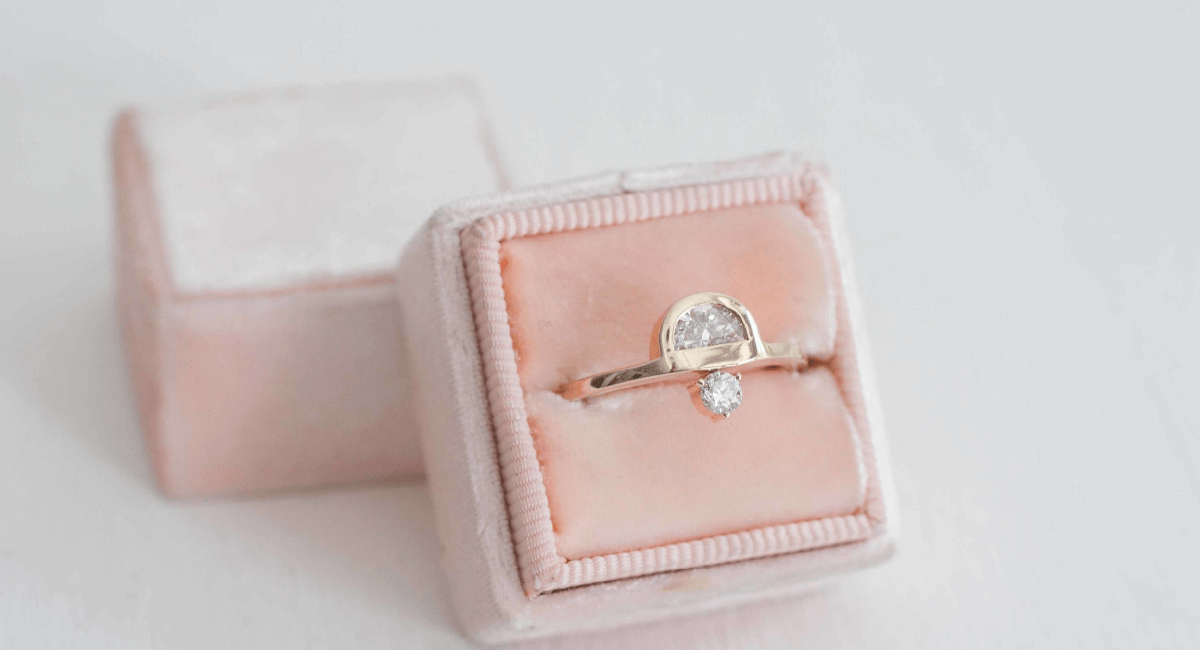
Half moon diamonds, also called semi-circles or crescent moons, have become a new trend in the jewelry market. This cut has become a great sensation among customers as well as designers.

In the early 20th century, the step-cut process was used to achieve the desired half moon shape. But today we have more advanced processes that give brilliant facets that, in turn, give a smooth and precise edge to the diamond. These diamonds are quite popular if you want to craft an unconventional engagement ring.

Half Moon Diamond: Express Your Feelings With An Impressive Cut

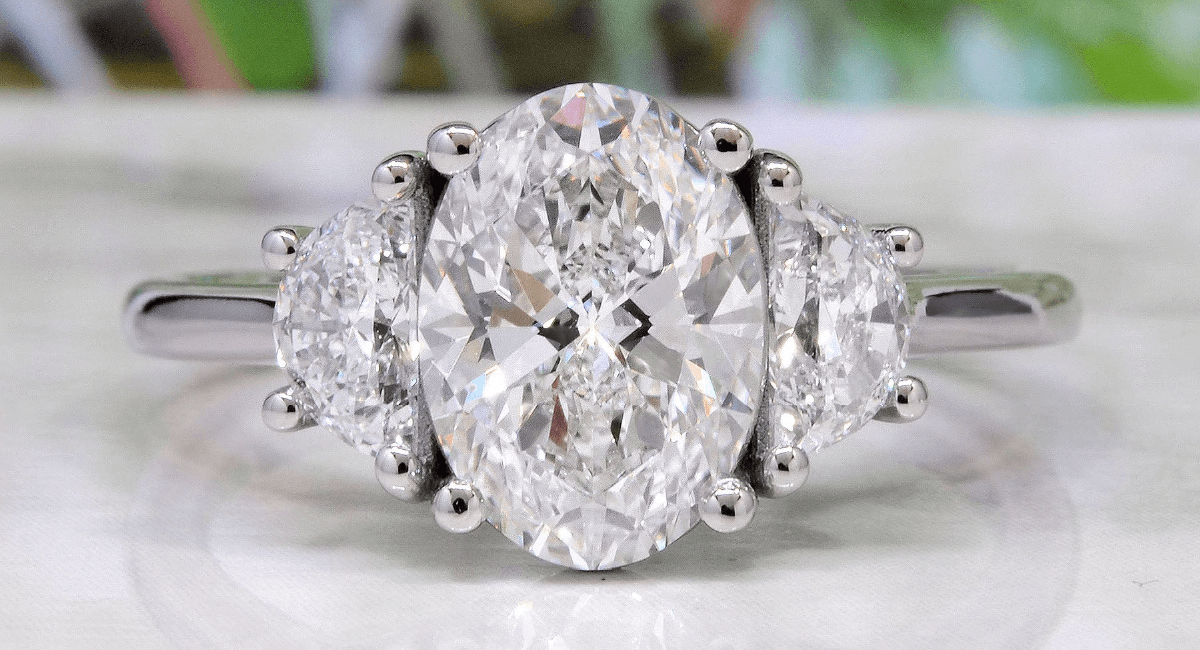
Generally, two half moon lab diamonds on either side of the centered brilliant stone will give your ring a perfect look. These little sparkly moon diamonds on the side of the central stone will help to increase the brilliance of the primary stone.

The ring will appear more attractive and will be worth the money you paid for it. In this article, you will get to know more about the unique features of half moon diamonds and how to incorporate them into your ring to increase its beauty.

What are Half Moon Diamonds?

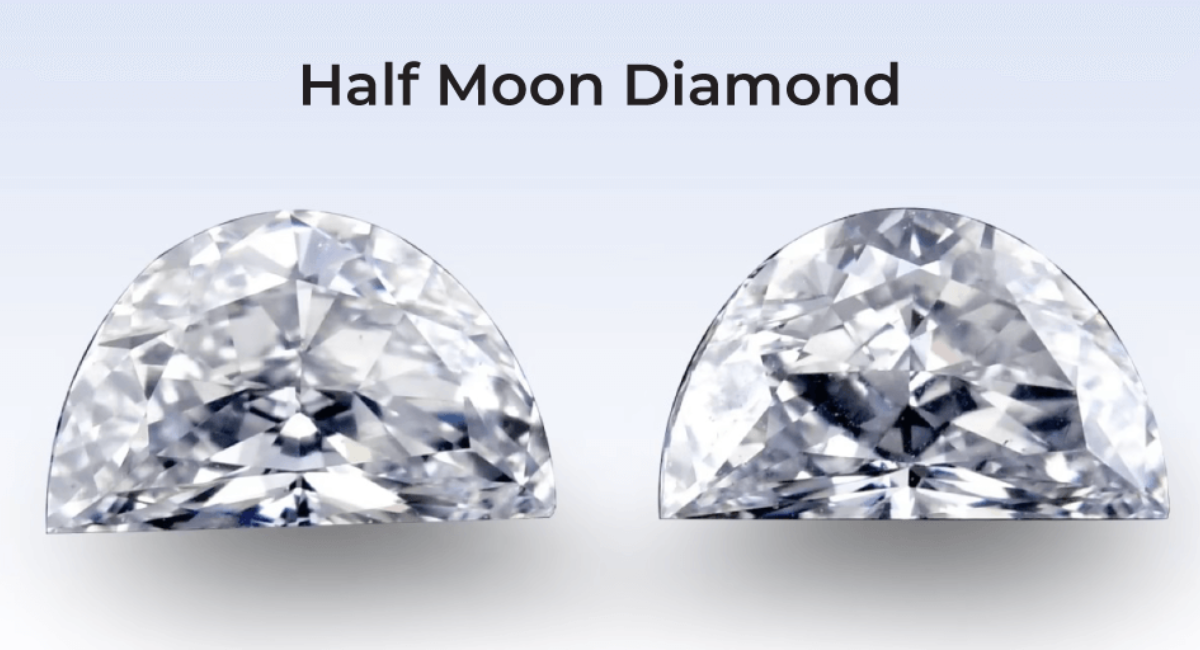
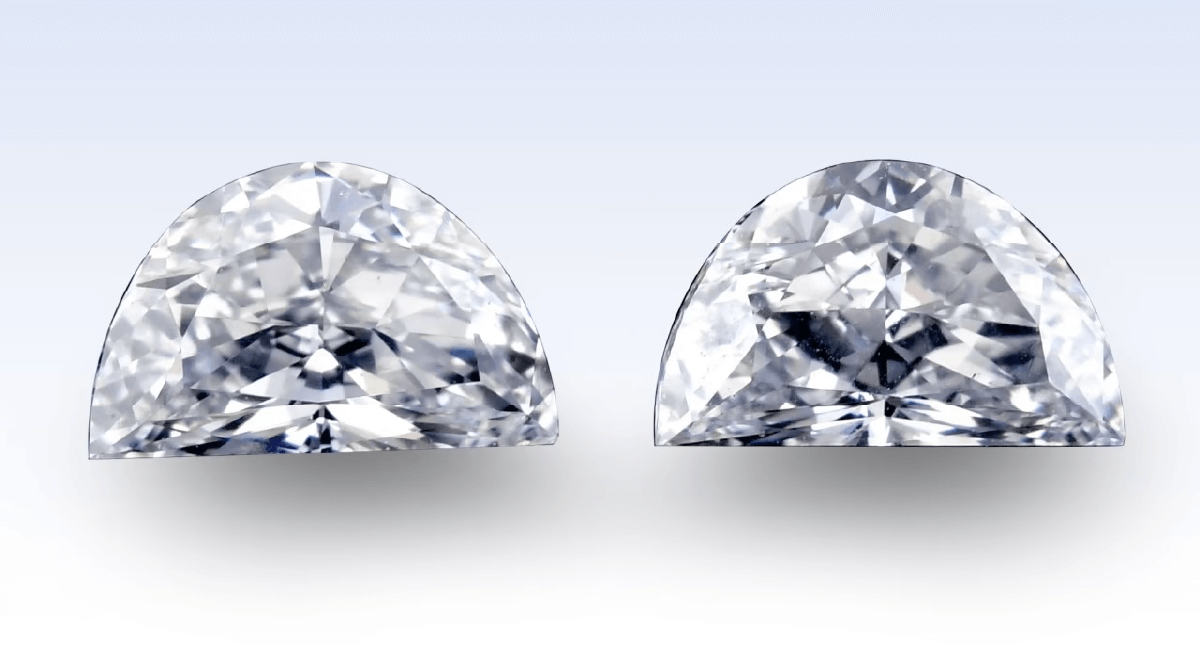
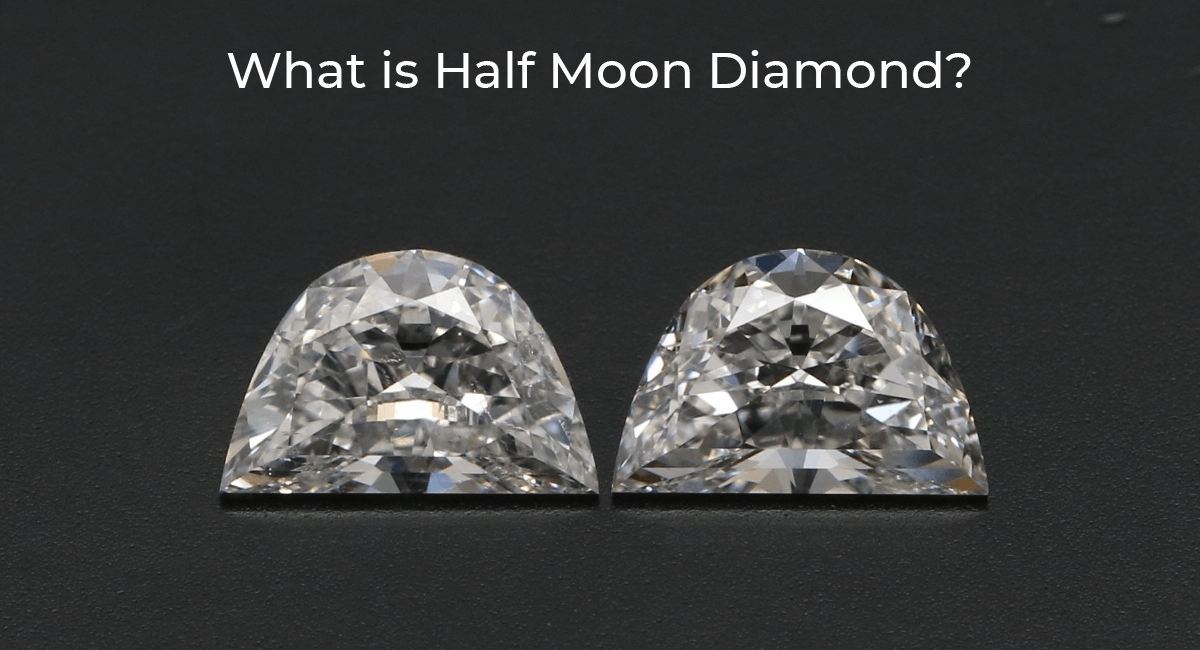
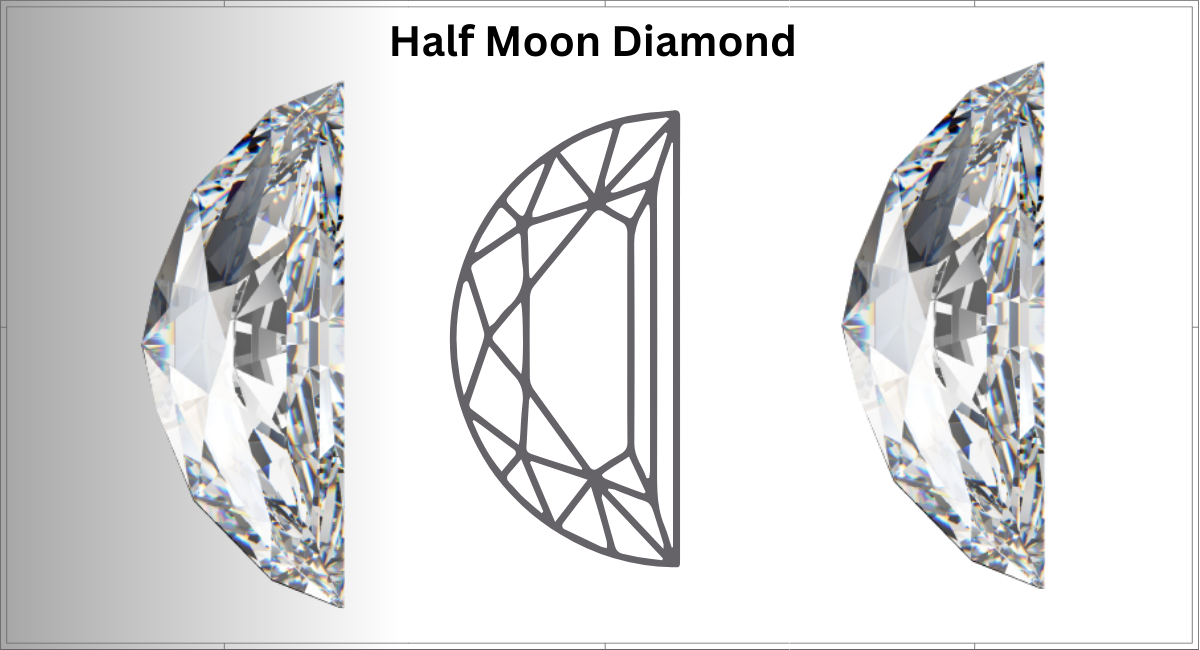
A diamond that depicts the shape of a half-moon or appears as a semi-circle is called a half moon diamond. These stones are not flat and have a good depth.

What are Half Moon Diamonds

The half moon cut diamond is unique in its way, it has a rare mixture of round, curved side softness and a hard, straight edge. This gives the diamond a romantic and extraordinary feel.

This cute-looking cut has many amazing features. If we have half of a round or half of an oval diamond, then what we have is exactly what is called a “half moon” diamond. This happens when cutting a diamond if a big chunk of the rough stone falls off or if a round diamond is cut incorrectly and is cut into a half moon diamond.

Half-moon diamonds are usually placed on the sides of rectangular or square-cut diamonds to add to their elegant look. as the sides of the rectangle or square lie parallel to the straight side of the half-moon diamond.

Half moon diamond is also known as a Demilune; this name is given because the diamond has a shape similar to the crescent stage of the moon, which is pretty.

The half moon was specially made to be served as a side dish. These are responsible for adding brilliance and highlighting the round or oval center stone in a piece of jewelry.
You can be as creative as you want by adding different shapes of the lab created diamond as a center stone and also by increasing or reducing the number of little crescents as side diamonds. There is no concrete way to design your jewelry.

The half moon diamond can be cut in a variety of ways, but the step cut is the most popular, especially among designers. The step cut is mainly responsible for giving a calm and clean, glassy look to the crescent-cut diamond.

How Much are Half Moon Diamonds Cost?

The lab grown half moon diamonds cannot be found singly; they are commonly sold in pairs.

How Much Are Half Moon Diamonds Cost

It is important to note that sometimes the crescent moon diamond can have a bow tie effect. The bow tie effect looks like two dark triangles opposing each other, making the shape of a bow tie that will appear at the center of the diamond. and thus compromising the clarity of the diamond.

Generally speaking, the bow tie effect is seen frequently in elongated diamonds. This can mainly affect the cost of half-moon-cut diamonds.

Bow ties are basically imperfect, but it is also crucial to acknowledge that no diamond is perfect.

The cost of diamonds is primarily determined by whether these imperfections can be removed or not. If the diamond is of SI1 clarity grade, it doesn’t matter whether it has a black or color inclusion; all these inclusions become visible to the naked eye, thus reducing its price.

The black inclusion is the most avoided one, and blemishes are the sign of unwanted force applied to the diamond. These inclusions are known as high defects, which lower the value of diamonds.

Even jewelers avoid these defects, and a responsible jeweler will not try to hide these imperfections. You have to pay around $1500 for an average set of half moon diamonds.

To get an idea of the price range, you can also seek inspiration from celebrities and influencers. The unique and timeless celebrity diamond ring designs below feature half moon diamonds.

  • Mariah Carey: The American singer-songwriter has a unique ring that incorporates a 10-carat emerald cut diamond as a central stone. Two half moon diamonds are placed on either side to complement it. along with 58 precious pink diamonds placed in the halo surrounding this setting. This half moon diamond ring cost about 2.5 million dollars.
  • Avril Lavigne: The Canadian singer-songwriter has a 10-carat pear shaped diamond as the primary stone with two half moons on each side, 2 carats each. making the ring a total of 14 carats. This beautiful ring is known to have cost around $350,000.
  • The Queen of Belgium has a dark blue oval stone at the center and two half moon diamonds on both sides.

Ideal Setting for the Half Moon Diamonds?

The half moon diamonds are mainly known for their placement in a three stone engagement ring pattern. This shape is versatile, and it also complements almost all possible shapes for the central stone.

Ideal Setting for The Half Moon Diamonds

These stones are often used as side stones, but sometimes they can also work as a solitaire ring.

A crescent diamond will go perfectly as a side stone for emerald, rectangular, or square-shaped diamonds. The flat side of a half moon diamond and the side of the central diamond will fit perfectly and tightly against each other, creating a beautiful effect.

The classy half moon diamond is so elegant that it doesn’t draw attention to itself but rather draws the viewer’s attention to the central stone.

You can also have only half moon diamonds on your ring, by joining the two halves, you can have a round-shaped diamond with a different kind of shine.

But if we talk about settings, these beautiful diamonds are mainly found in and halo and bezel settings.

Should You Buy Half Moon Diamonds?

You should choose a half moon diamond because it has a soft, romantic feel without being complicated. Aside from its appearance, this half-moon cut is considered more practical.

Should You Buy Half Moon Diamonds

You can also go for a lower clarity grade as they are commonly side stones, meaning you have to pay a low price for them, which can turn out to be a great deal.

One big reason for the low price of these diamonds is that they are carved from broken round or oval diamonds. They may be low-value broken round diamonds, but they can add a high value of beauty to any jewelry setting.

If you are going to buy a half moon diamond as the center stone, you should be more careful with the cut of this type of diamond as it can show a bowtie effect and eventually lower the spark of your diamond.

If you are going for a side-by-side crescent moon diamond, then clarity and color imperfections will not be your concern; they won’t ruin your diamond’s beauty. Although it will increase the beauty of the central stone if you go for high clarity and color.

Pros:

  • One of the cheapest diamond cuts.
  • perfectly designed to serve as small side gems.

Cons:

  • has a comparatively low sparkle compared to other shapes.
  • has fewer setting options.

Half Moon Diamond Size Chart

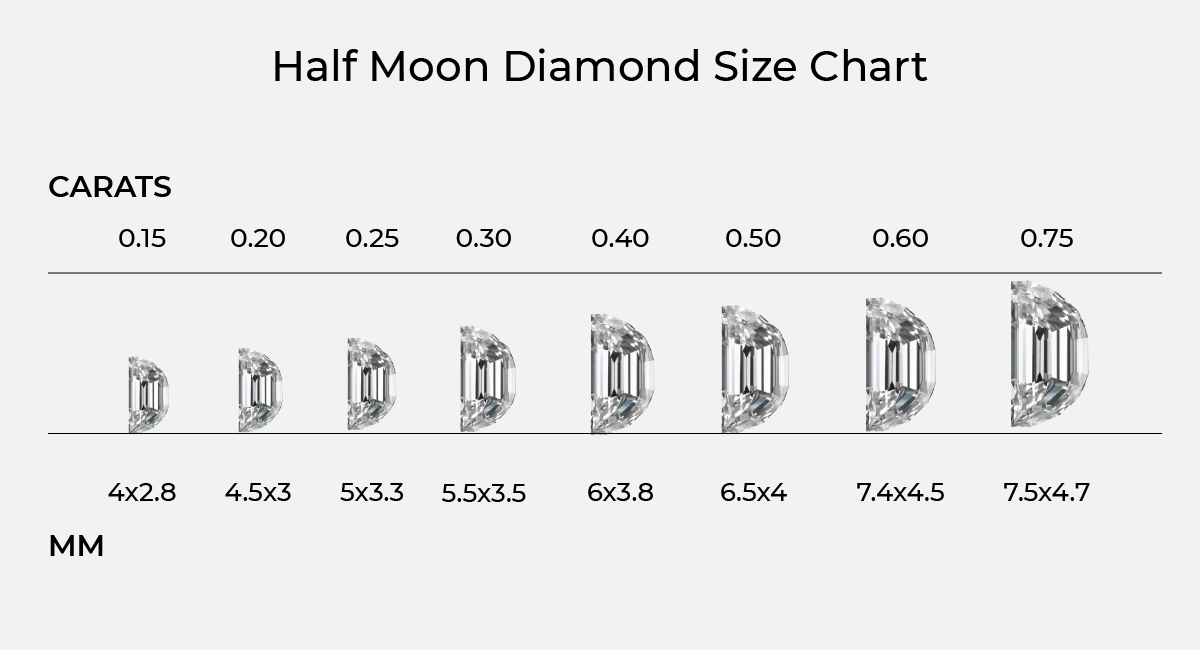
If you are going to buy a half moon diamond, it is important to know that these stones can be measured in carats as well as millimeters. However, the purchase of these diamonds is mainly dependent on their carat weight.

Half Moon Diamond Size Chart

But it is also necessary to understand and use millimeter sizes to get the perfect diamond within your budget.

Sometimes two diamonds having the same carat weight will not appear to be the same size due to differences in facets; therefore, a millimeter measurement is used to define the true size of a diamond.

Also, if you want a diamond for a setting that already exists, you will have to find a diamond of a precise size; here the millimeter size chart plays a crucial role.

If we talk about non-circular shapes like emerald cuts, cushion cuts, and other rectangular or square cuts, the millimeter measurement has an important function. Because of these millimeter proportions, we get to know that the cushion cut is more square and the emerald one has a more rectangular shape.

It is recommended to go for an IGI, GIA, or GCAL certificate when buying diamonds. The carat weight and millimeter size of a diamond are both accurately stated in these certificates. You can rely on these numbers.

Do Half Moon Diamonds Sparkle?

Half moon diamonds have a sparkle, but it is comparatively lower than that of brilliant diamonds.

This is because these diamonds are constructed from broken round or oval diamonds. They might be broken round diamonds of low value, but they can add an extraordinary appeal to your jewelry setting.

Do Half-Moon Diamonds Sparkle

If you are going to buy a half moon diamond as the center stone, you should be more careful with the cut of this type of diamond as it can show a bowtie effect and eventually lower the spark of your diamond.

Size is also responsible for the brilliance of a diamond. If we made a smaller version of any popular shape of jewelry, then it wouldn’t look as beautiful as bigger ones because the brilliance of a diamond depends on the size.

For example, if we go under 2 mm for round brilliant-cut diamonds, the brilliance gets highly reduced.

This is because in small sizes, the flaws as well as the light will not be able to express themselves in the diamond. No matter how good the clarity or cut of your diamond is, its small size will reduce its brilliance.

Now if we talk about bigger sizes, it will also ruin the sparkle of the diamond. For example, in round brilliant cuts, a diamond of 2 or 3 carats has more brilliance and sparkle than a big 9 carat or 10 carat round diamond. This happens because of the ideal balancing of the mosaic pattern, created by internal reflection and refraction done by the facets.

Where to Buy Half Moon Diamonds?

We at Loose Grown Diamond offer the best quality half moon diamonds, which you can buy directly from our store. If you find yourself uncertain about assessing the cost of the selected diamond, our diamond price calculator can be a valuable tool. This tool takes into account various factors such as cut, color, clarity, and carat weight to provide you with an estimate of the diamond’s value.

To obtain a stunning ring, consider engagement ring settings that incorporate half moon diamonds. It’s a user-friendly and efficient way to make informed decisions when purchasing a half moon diamond and half moon diamond ring.


Conclusion

The half moon diamond has a shape with one straight edge over the side, and on the other side, a round, smooth cut is present. This diamond is made of broken round diamonds that have been cut in half to form a crescent moon shape.

If you are searching for a side stone to complement your rectangular or square-shaped central stone, then this would be a perfect choice. Also, these diamonds have low complications and lower prices. When shaped properly, these diamonds have the quality to sparkle from end to end.

FAQs

Are half moon diamond cuts expensive?
You have to pay an average set of 1 carat half-moon-shaped diamonds for around $2,500.

Are half moon diamonds suitable for engagement rings?
Yes, half-moon diamonds can be used in engagement rings to create a distinctive and personalized look. They are often paired with other diamond shapes or used as side stones to complement a central stone.

Can I customize of jewelry with a half moon diamond?
Yes, LGD offers customization options. You can choose the metal, setting, and other design elements to create a unique piece featuring a half-moon diamond.

Diamond Clarity Scale: Find out What Makes a Diamond Truly Exceptional

Diamond clarity is something significant while picking out a ring, however, we tend to focus on several things and then on this, and at times, we tend to forget about it too. That’s also because we aren’t trained professionals choosing rings.

However, now that you’re here let us tell you it is vital for you to check out the diamond clarity grade for sure. As the carats and shape are important, checking the lab grown diamond clarity chart is equally important, and it profoundly impacts the price of your ring. 

While checking out the diamond clarity, there are quite a few technicalities, and we shall guide you through the same. Let’s answer your questions one by one.

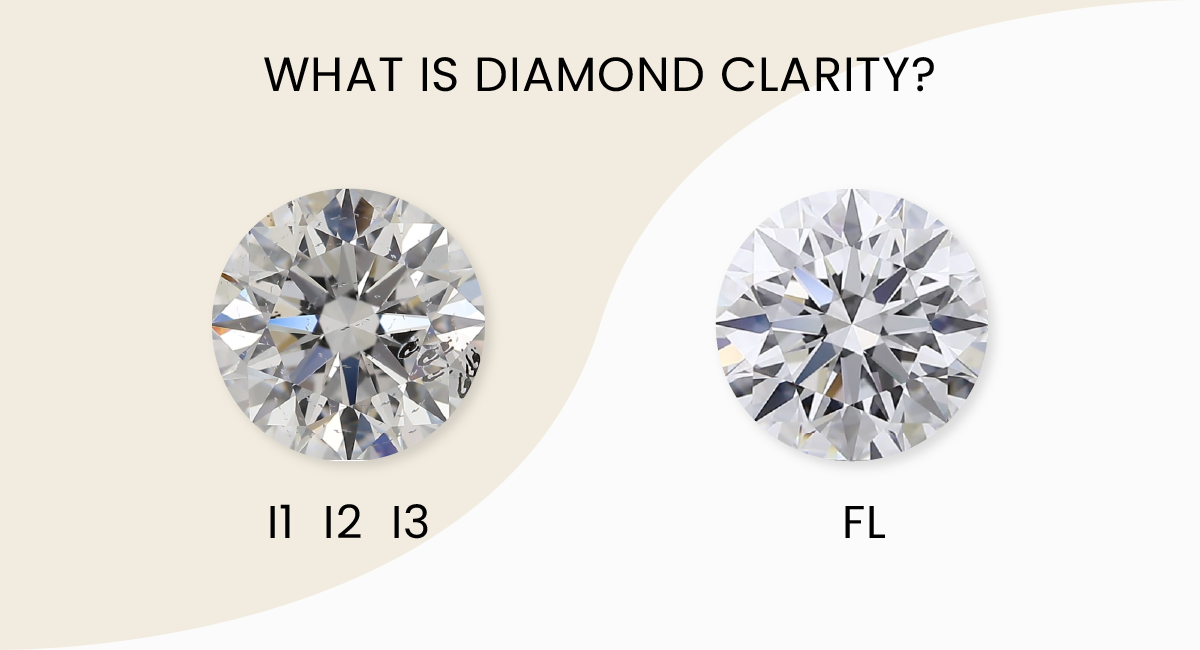
What Is Diamond Clarity?

Diamond clarity refers to how pure and rare a stone truly is. On the diamond clarity chart, the purity is checked of the diamond.

What is diamond clarity scale

This is done when forming the diamond microscopic natural elements that can be trapped in the diamond. These are checked by professionals, who use specialized gadgets and a qualitative grading system to go ahead and assign the numerical value of clarity to the diamond.

Now, of course, a higher quality grade is something that is preferred because the lower the number of flaws, the more clarity the grade of the diamond.

Beyond all, let’s understand that you’ll rarely find an utterly pure diamond. But the diamond with a lower number of inclusions is something that is preferred as it appears to be more beautiful. It is just that as pure as it is, the more apparent it gets. Also, diamonds with minimal or no inclusions are priced at a higher rate, though most inclusions are not visible to the naked eye.

What Is the Diamond Clarity Scale?

The diamond clarity scale is the same scale that helps us grade how pure the diamond is. The diamond clarity scale is universal, and it was established by the Gemological Institute of America (GIA). 

This clarity scale is used to set prices of the same. Of course, a flawless diamond would be priced exceptionally higher than a diamond with multiple inclusions. But let us remind you that microscopic inclusions are hardly visible to the naked eye.

How are Clarity Grades Determined?

The diamond clarity grading is determined by testing the size, type, quantity of diamond, and most importantly, where the inclusion is on the stone and how that impacts the look. All of these things together determine the grading.

If you have a professional who has been in the diamond market for a substantial time, they will use very fine magnification to classify the same.

Further on to conclude how pure your diamond is, the gemologist or so to say the professional maps these attributes of the diamond on the “diamond plot.” Known labs such as the GIA make the distribution of diamonds on the scale of “Included” to “Flawless.”

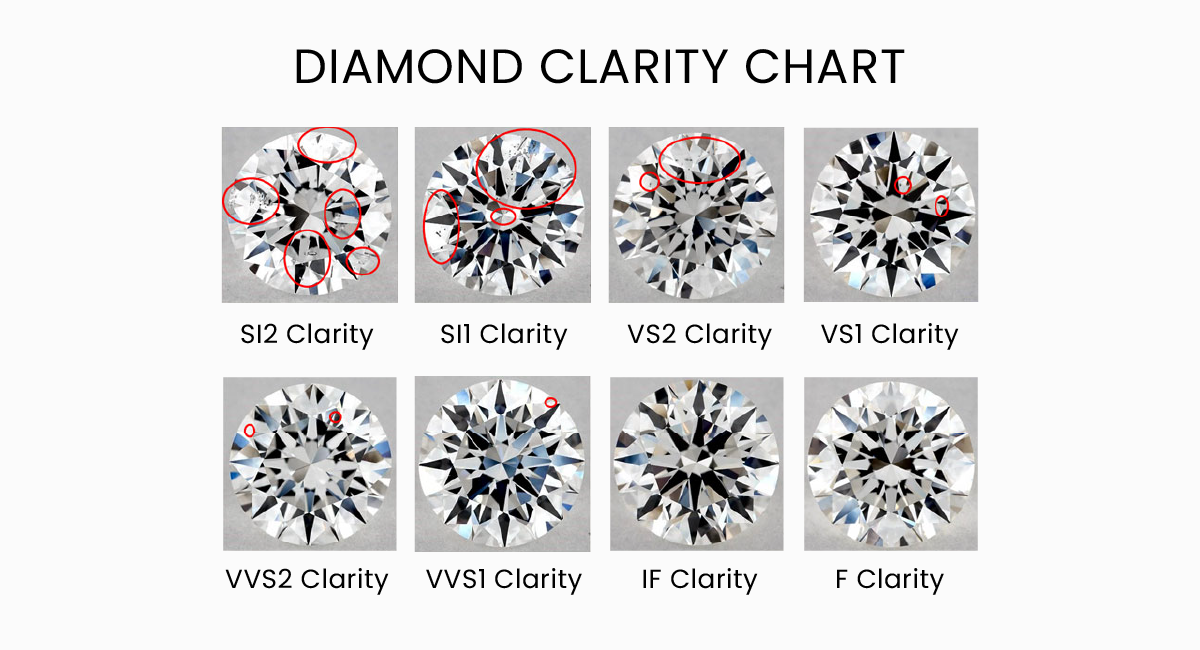
diamond clarity chart

Clarity helps us understand the number of inclusions and blemishes within a diamond. Among the 4Cs, clarity is a vital feature to pay attention to while buying a diamond.

The clarity of a diamond is measured based on 5 factors:

  1. Size: The bigger the inclusion, the more quickly it will be visible to the naked eye. Also, if you choose large diamonds, the inclusion flaws can be seen easily on amplification, and due to this, the diamond will be placed in a low clarity grade.
  2. Position: Inclusions present near the pavilion or facet will be less clearly visible than those present under the table. The image will often reflect, and the diamond will not look pretty. A reflector term is given to this inclusion.
  3. The Nature of Inclusion: This plays a role in deciding the clarity grade, as internal inclusion permanently excludes it from higher grades like FL. An expert jeweler can alter it if it is on the outside or if there is a blemish.
  4. Color: A color inclusion can be easily seen, like brown, yellow, and black. This, in turn, changes the color of a diamond in some way, and thus a lower grade is given.
  5. The Number of Inclusions: The higher the number of inclusions, the lower the clarity grade. The lower the number of inclusions, the higher the clarity grade.

Many people see this as a flaw, but they forget that the features of the diamond come from nature itself or how they were manufactured.

Because of these birthmarks, every diamond looks unique in its own way. The irregularities inside the diamond are called inclusions, whereas the ones outside are called blemishes.

Inclusions are mainly responsible for clarity, but other factors can also determine clarity.

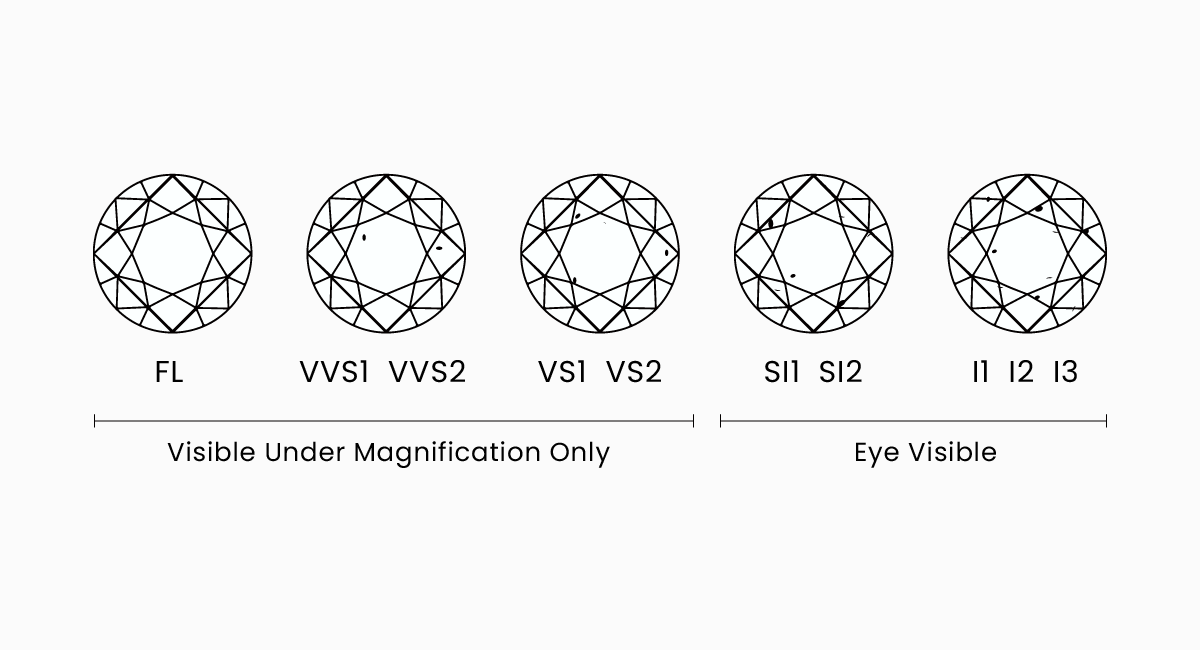
Experts use a microscope with a magnification of 10x or more to determine a diamond’s transparency by viewing the diamond face up. They analyze the internal characteristics of the diamond based on the five grading factors mentioned above.

GIA introduced a diamond clarity scale to help people choose the best diamond clarity for themselves. The GIA Color Grading Scale consists of 11 grades, of which most diamonds fall under the SI (slightly included) and VS (very slightly included) grades.

GIA Clarity Grade Scale:

  • Flawless Grade (FL): According to a skilled diamond expert, there is no sign of any blemishes or inclusion flaws. Under 10x magnification, only minor flaws are visible.
  • Internally Flawless (IF): As the name says, there is no internal inclusion flaw visible under 10x magnification, but a skilled diamond grader can see external blemishes.
  • Very, Very Slightly Included (VVS1, VVS2): There is no visible inclusion or blemishes with the naked eye. When seen under 10x magnification by a skilled grader, finding the flaws is difficult but not impossible.
  • Very Slightly Included (VS1, VS2): This diamond has a little inclusion and blemishes. It can be seen by an expert diamond grader, ranging from difficult to a little easier to see under 10x magnification.
  • Slightly Included (SI1, SI2): in this diamond, an expert can see the inclusion flaws and blemishes easily under 10x magnification.
  • Included (I1, I2, I3): the flaws of a diamond can be easily seen under a 10x microscope and sometimes by the naked eye.

[blog_page_inventory shape=”cushion,round,pear,oval,herat,princess,emerald” carat=”1.00,2.30″ cut=”0,4″ color=”0,10″ clarity=”0,11″]
[blog_page_btn title”Buy Now” url=”https://www.loosegrowndiamond.com/inventory/?”]

How Important Is Diamond Clarity?

The importance of the diamond clarity is the shine it would cast when you wear it. The shine would be higher for the diamond with minor inclusion and vice-versa. Hence, choose your clarity level basis on your budget and obviously on the style that best suits you.

Keep this in mind the closer it gets to flawless, the clearer it is. We would also like you to note that the clarity of the diamond is affected by the other attributes of the diamond, like its shape and size. For instance, any step-cut diamond due to cut makes each attribute very visible. However, on the other hand, a larger-carat diamond would not happen because of the large facets it has.

Which Diamond Clarity Is Best?

Which clarity grade is the best is clearly for you to choose? The craze for flawless or internally included inclusion shouldn’t be followed merely because of how expensive it gets.

When you’re choosing a diamond ring, make sure to choose a ring with “Very Slightly Included” (VS1 or VS2), Very Very Slightly Included (VVS1 or VVS2), or slightly included diamond (SI1) range in the diamond clarity scale. Also, you can check, our guide on the difference between VVS & VS.

best diamond clarity

These are good choices in the clarity range because again, the inclusions are rarely visible to the naked eye, and they have significant shine whatsoever. If you choose a diamond on this range of the GIA diamond clarity scale, you can always have a higher-carat diamond and save a pound too.

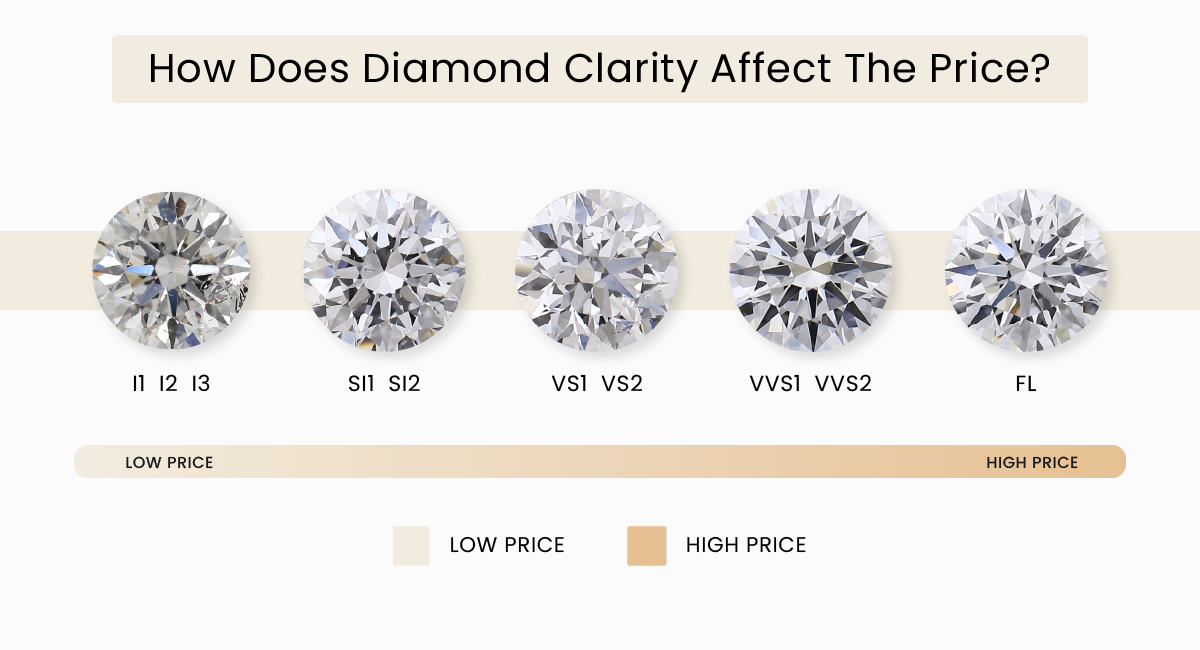
How Does Diamond Clarity Affect the Price?

The higher up on the diamond clarity grade(diamond clarity scale) you go, the higher the price you pay. That is how the pricing is affected by the clarity of the lab diamond, so you can make the decision accordingly.

diamond clarity price

A variance of 15-25 percent can be seen in prices as you move in the lab diamond clarity scale grade amongst diamonds, and as you move around the same scale grade, there can be a 5-15 percent price variance too. 

Diamonds with lower clarity grades may have inclusions or blemishes that are visible to the naked eye. The more noticeable these imperfections are, the lower the diamond’s price. Buyers often prefer diamonds with fewer or less visible flaws, as these diamonds are considered more visually appealing.

[blog_page_btn title=”Buy Lab Grown Diamonds” url=”https://www.loosegrowndiamond.com/inventory/”]

Frequently Asked Questions

What affects the clarity of the diamond?
Multiple factors affect a diamond’s clarity, from any kind of inclusion to trapped microscopic elements naturally present in the diamond. The clarity is judged by analyzing the inclusion’s size, color, type, and how many are present.

What are the different types of diamond inclusion?
Diamond inclusions can either be external or internal. More so, the types of inclusions found in diamonds are feathers, clouds, and crystals commonly.

Why are diamond inclusions caused?
Inclusions found in diamonds are usually natural, and the reason behind their development is the pressure faced by the raw diamond as it forms in the earth’s crust.

How to measure diamond clarity?
The way to measure diamond clarity is done by checking them on the GIA diamond clarity chart, which goes as- Included, Slightly Included (SI1 and SI2), Very Slightly Included (VS1 and VS2), Very Very Slightly Included (VVS1 and VVS2), Internally Flawless to Flawless. Each clarity rating indicates a range, inclusions in two diamonds of the same clarity grade may differ.

What is good diamond clarity?
A good diamond clarity is typically in the Very Slightly Included (VS) range, such as VS1 or VS2, where inclusions are not easily visible to the naked eye.

What is the best diamond clarity?
The best diamond lab clarity is Flawless (FL), with no visible inclusions or blemishes even under 10x magnification.

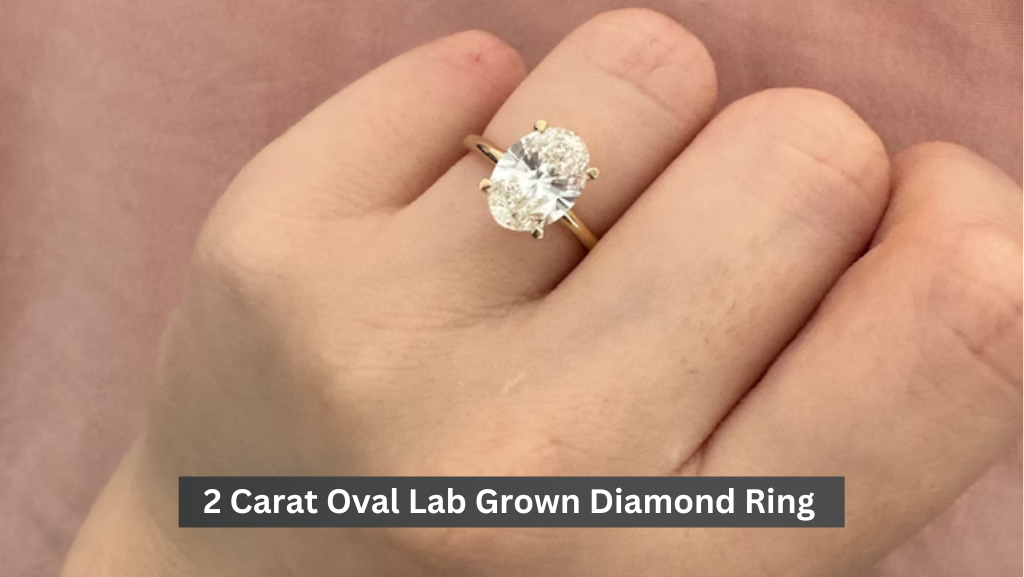
Get Her with Excellent Brilliance 2 Carat Oval Lab Grown Diamond Rings

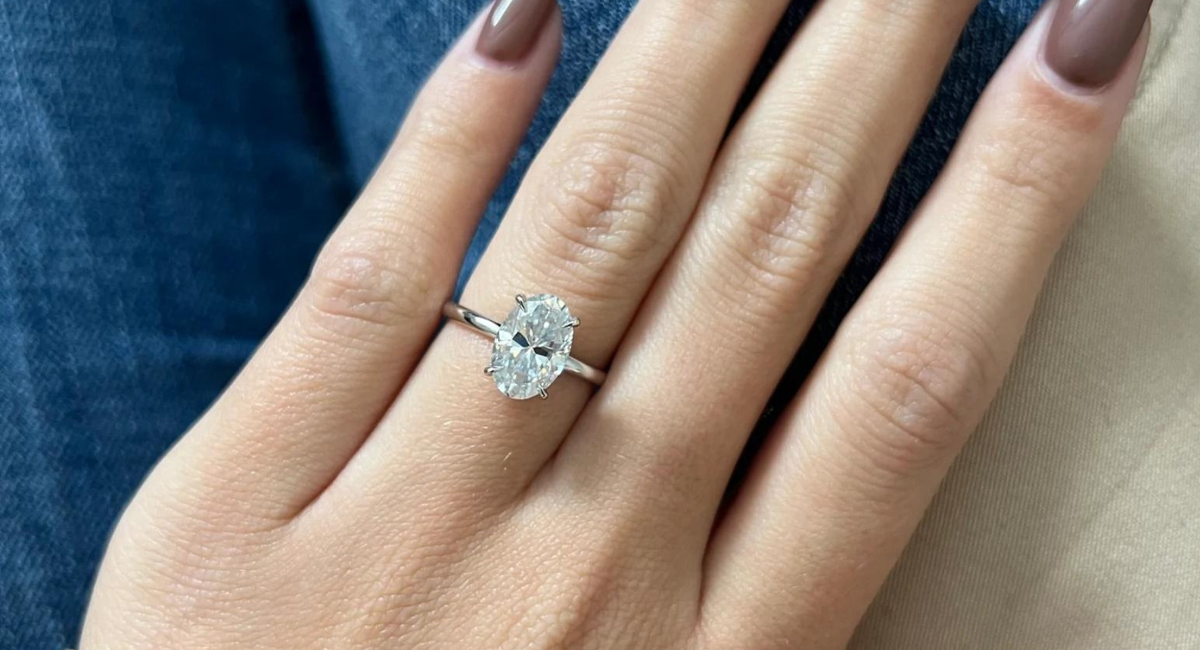
Engagement rings with an oval shape are frequently less pricey than diamonds with a round cut. 2 carat oval lab grown diamond ring is known for its sparkle because of its shape and cut. As it distributes weight, an oval’s extended shape gives the impression of a larger size, as well as causing the brilliance to be more scattered out and possibly less bright. 

This design creates the impression of elongation, which makes the finger appear more attractive. Oval shaped diamond rings have never gone out of style and appear to be the most popular choice when selecting an engagement ring for as long as we can remember. These rings will not go out of fashion anytime in the foreseeable future.

When Buying a 2 Carat Oval Lab Grown Diamond Ring, What Factors Should You Consider?

Get Her with Excellent Brilliance 2 Carat Oval Lab Grown Diamond Rings

Undoubtedly, the 2 carat oval lab grown diamond rings are beautiful, yet they can still be either well-cut or poorly cut. The best cut is going to give you a brilliant shine.

Below are some features by which you can judge an oval cut diamond:

  • Length-to-width ratio: Diamond ratio you can see how broad or elongated you want the diamond to be. Most people prefer a 1.3 to 1.5 ratio. This size oval diamond is suitable for almost all hands. But you can go according to your preferences.
  • Shape: It is best to avoid oval shaped diamonds with pointed or square ends. Symmetry is also crucial for any shape. Make sure your oval doesn’t look like an egg.
  • Oval cuts and Bowties: A fancy shape like an oval has few defects. In the oval cut, the shape of a bowtie appears in the middle of the stone. Mostly all oval shapes will have a bowtie, although all bowties differ. This can have a significant impact on the look of a diamond. So, in conclusion, you must find a bow tie that you like for your diamond. Go for a diamond that sparkles brilliantly regardless of having a bow tie.
  • Clarity: The oval cut diamond shines brilliantly and can barely be seen because of this inclusion. It is important to avoid dark inclusion flaws near the center table of the diamond because the flaws are the most observable. A VS2 or SI1 oval diamond will appear eye-clean.
  • Color: Color plays a little role in oval diamonds, low color grade will make the diamond look dull. Due to this reason, it is suggested that you go for an I or higher. Also, remember that bigger diamonds show color quickly.

If you are going for a diamond above 2 or 3 carats, choose a diamond of the F or G color grade. Some J and I grade for oval diamonds, which make the gem look more white, but those are hard to find. But you can easily get it from Loose Grown Diamond. Although sometimes a little color can look pretty, In vintage styles, colors look more appealing in rose gold or yellow gold settings.

What Setting Is Best For 2 Carat Oval Lab Grown Diamond Ring?

[su_youtube_advanced url=”https://www.youtube.com/watch?v=DmH03X9uXNQ” width=”1600″ controls=”alt” autohide=”yes” autoplay=”yes” mute=”yes” loop=”yes” rel=”no” modestbranding=”yes” theme=”light” playsinline=”yes” title=”2 carat oval lab grown diamond ring”]

Choosing the best setting for a 2 carat oval lab grown diamond ring depends on personal preferences and style. However, here are a few popular setting options that complement oval diamonds:

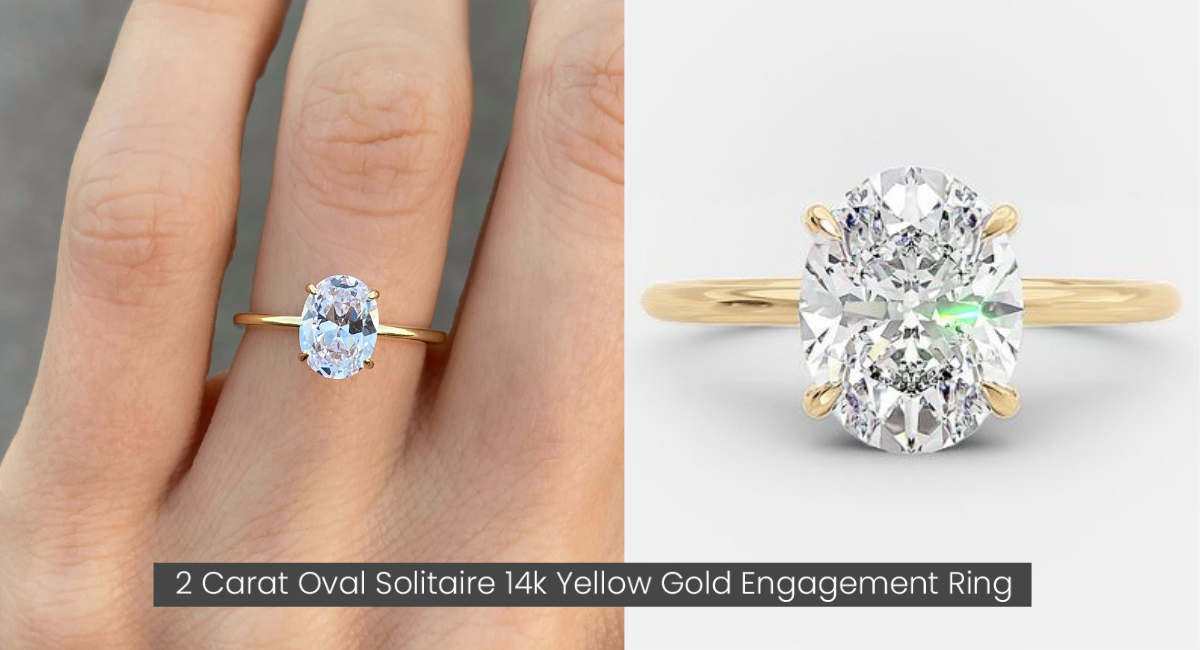
2 Carat Oval Solitaire 14k Yellow Gold Engagement Ring

2 Carat Oval Solitaire 14k Yellow Gold Engagement Ring

A 2 carat oval lab grown diamond is set in a 14k yellow gold modest 4 prong solitaire diamond ring.

This subtle piece of jewelry is a timepiece and will never go out of style. The 2 carat oval solitaire diamond ring is recommended for anyone looking for brilliance.

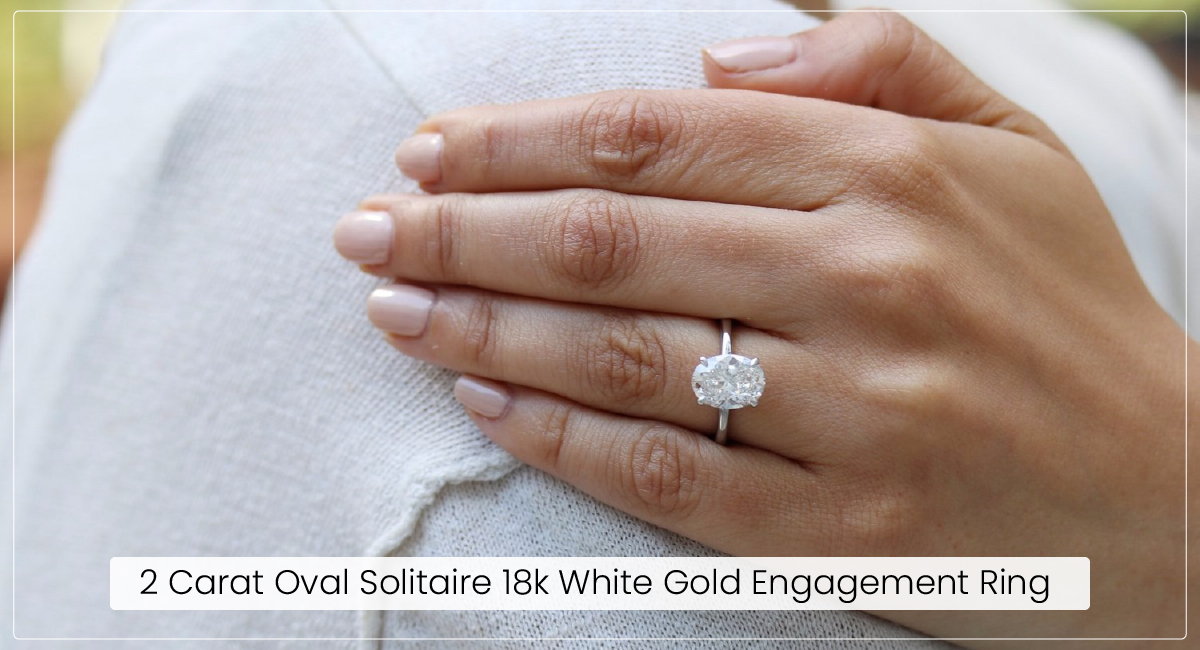
2 Carat Oval Solitaire 18k White Gold Engagement Ring

2 Carat Oval Solitaire 18k White Gold Engagement Ring

A 2 carat oval lab grown diamond is set in an 18k white gold handmade tapering band with a 4 prong solitaire diamond ring.

A perfect match for looking for subtle rings with white accents. An ideal combination of royalty with a hint of modesty.

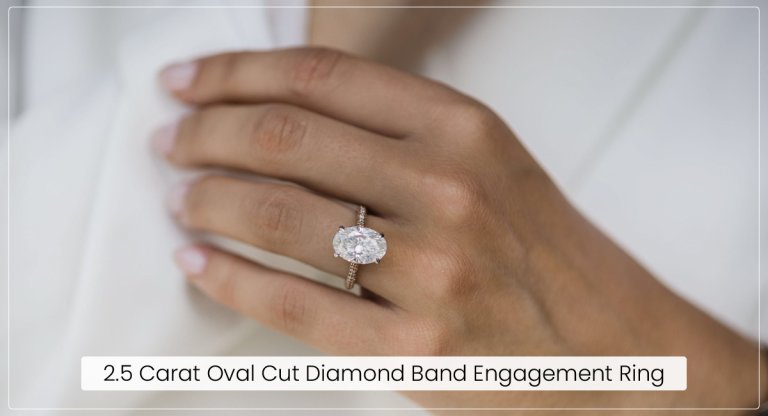
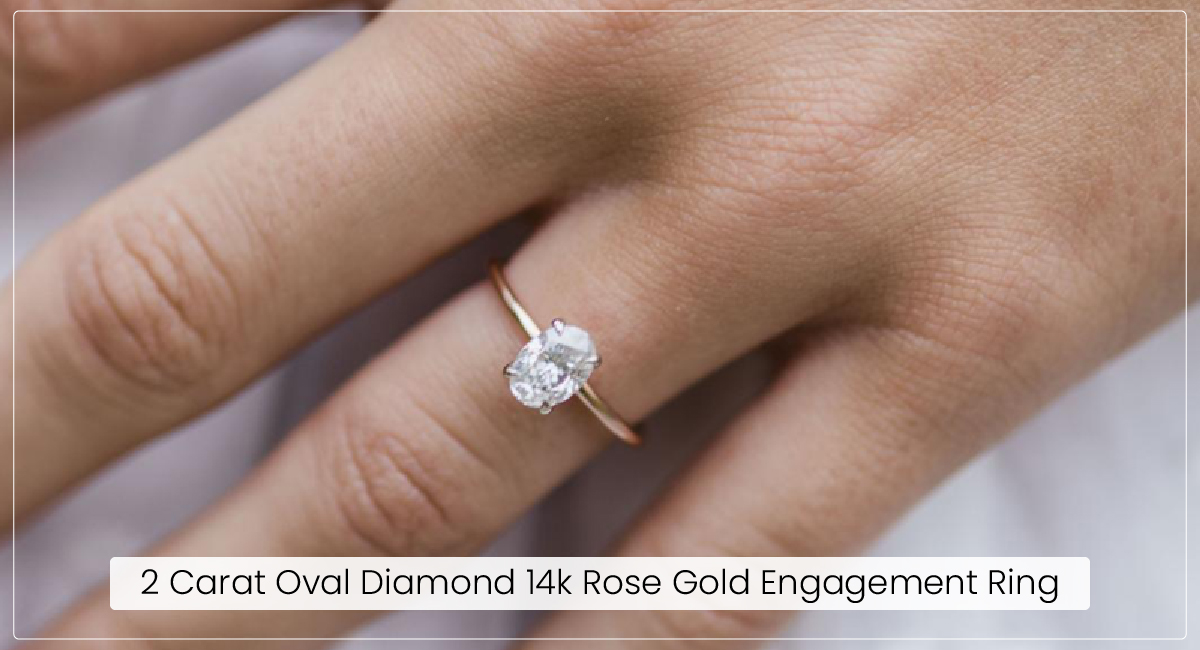
2 Carat Oval Diamond 14k Rose Gold Engagement Ring

2 Carat Oval Diamond 14k Rose Gold Engagement Ring

A 2 carat man-made oval stone is set in a 14k rose gold diamond band engagement ring.

Looking for two carat oval diamond ring gold band extra sparkle well this diamond band will exactly provide that extra spice sparkle and elegance. The rose gold band reflects the diamonds to produce pink hues providing an illusion of pink diamonds.

[blog_page_inventory shape=”Oval” carat=”1.00,3.15″ cut=”1,4″ color=”0,10″ clarity=”0,11″]
[blog_page_btn title”Buy Now” url=”https://www.loosegrowndiamond.com/inventory/?”]

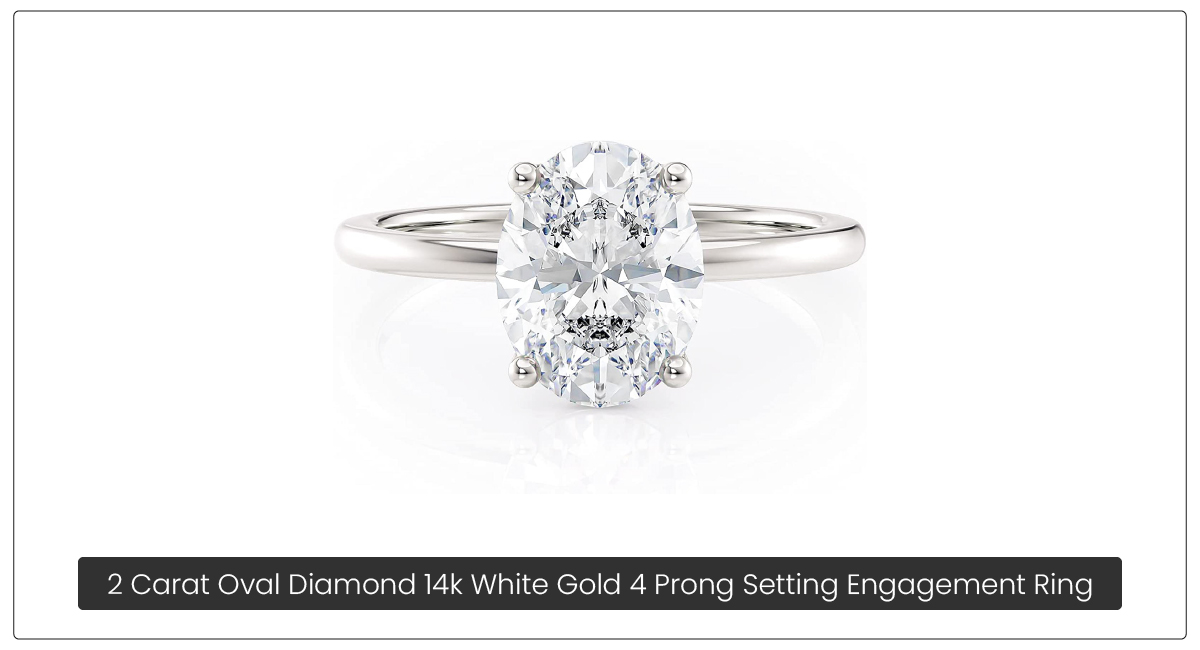
2 Carat Oval Diamond 14k White Gold 4 Prong Setting Engagement Ring

2 Carat Oval Diamond 14k White Gold 4 Prong Setting Engagement Ring

A 2 carat oval lab created stone is set in an 18k white gold 4 prong diamond wedding band.

We provide lab diamond wedding bands in 3/4, half, and eternity coverage with diamond sizes ranging from 1.6 to 2.5mm.

2 Carat Oval Hidden Halo Engagement Ring

[su_youtube_advanced url=”https://www.youtube.com/watch?v=R21hpxgmthA” width=”1600″ controls=”alt” autohide=”yes” autoplay=”yes” mute=”yes” loop=”yes” rel=”no” modestbranding=”yes” theme=”light” playsinline=”yes” title=”2 carat oval hidden halo diamond ring”]

A 2 carat oval lab grown diamond ring with a hidden halo combines the classic elegance of an oval cut diamond with the added sparkle of a subtle halo setting, which is a design where smaller diamonds are set underneath the main stone.

This creates an illusion of a larger, more radiant center stone, making the overall appearance of the ring even more dazzling. The 2 carat oval diamond ring hidden halo adds a touch of modern sophistication to the timeless charm of the oval diamond, making it a popular choice for those seeking a unique 2 carat oval diamond engagement ring

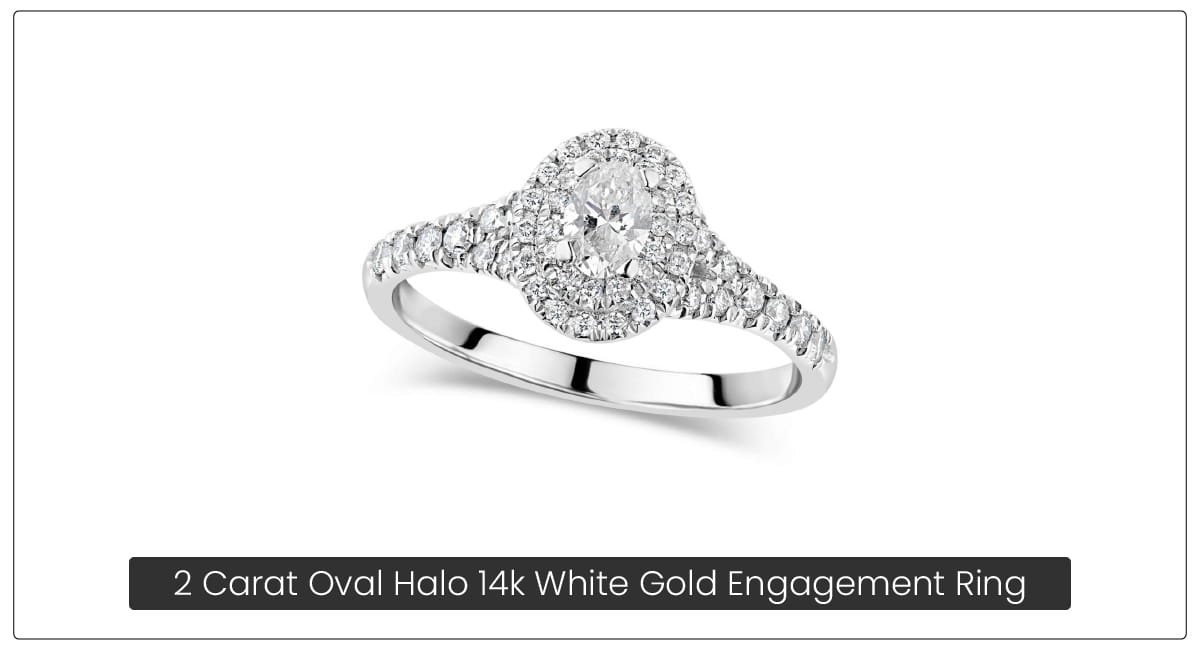
2 Carat Oval Halo 14k White Gold Engagement Ring

2 Carat Oval Halo 14k White Gold Engagement Ring

A 2 carat oval diamond is set in a 14k white gold halo diamond ring.

This arrangement includes a unique halo of lab grown diamonds in a hoop mounting with an additional split shank diamond pavé set ring to compliment the center diamond.

2 Carat Oval Diamond 14k White & Rose Gold Two Tone Engagement Ring

2 Carat Oval Diamond 14k White & Rose Gold Two Tone Engagement Ring

A 2 carat oval lab created diamond is set in a 14k white and rose gold diamond band wedding ring.

The oval arrangement is completed with a lovely, bright diamond ring. Just the appropriate amount of adornment to make the centerpiece stand out.

2 Carat Oval Solitaire 18k Yellow Gold Engagement Ring

2 Carat Oval Solitaire 18k Yellow Gold Engagement Ring

A 2 carat oval lab grown diamond and a bespoke diamond collar with 1mm lab grown diamonds are featured in this 18k yellow gold east-west solitaire diamond ring.

This brand is the pinnacle of antique bands and is influenced by them. The yellow gold is a sign of undying love and a reminder of a never-ending loving connection.

Also Check Out: 2.5 CARAT LAB GROWN DIAMOND RINGS: SPARK THE FASHION TRENDS

2 Carat Oval Three Stone Engagement Ring

2 Carat Oval Three Stone Engagement Ring

A 2ct oval lab diamond center stone and 0.25ct round lab grown diamonds are set in a platinum three stone engagement ring.

This three stone arrangement contains a pair of spherical lab grown side diamonds placed in a trellis basket, making it a beautiful masterpiece. This one-of-a-kind style stands out from the crowd and is likely to capture people’s attention.

Buy 2 Carat Oval Lab Grown Diamond Ring

When contemplating the purchase of a 2 carat oval engagement ring, it’s essential to consider various factors to ensure a well-informed decision.

Evaluate the lab grown diamond’s quality, taking into account the traditional 4Cs: cut, color, clarity, and carat weight.

Discover the fascination of 2 carat lab grown diamonds at prices you can afford with LGD. We want you to have as much fun as possible shopping our gorgeous collection, so we’re offering an extra special discount only for you when you enter the promo code at checkout.

Create a positive shopping experience by combining ethical options with great prices.


Conclusion

An oval cut diamond appears to be big while having a smaller impact on your wallet. This type of diamond when seen in the form of a 2 carat oval lab grown diamond ring is bound to make you question reality.

With a dazzling appeal and variety of designs, you will be left wondering what style will suit you best. In such a scenario it is suggested that you try out as many different ring designs as possible to get the right idea. Then when you select one you are bound to be satisfied with your choice.

FAQs

What does a 2 carat oval diamond look like?
A 2 carat diamond has a noticeable size, providing a stunning and substantial presence on the finger.

How much is a 2 carat oval diamond?
2 carat oval diamond prices from $1,200 to $30,000 with an average price.

How much is a 2 carat oval diamond ring?
2 carat oval diamond ring prices usually range from $2,500 to $45,999 or more.

Is a 2 carat oval engagement ring good?
Yes, a 2 carat oval lab grown diamond ring is considered luxurious and elegant, symbolizing enduring love. Explore Loose Grown Diamonds for a collection that balances quality and value.

How big is a 2 carat oval diamond?
A 2 carat oval lab-grown diamond is typically around 10.5mm by 7.5mm in size. The oval shapes appear larger than other cuts of the 2 carat weight.

Stunning 2.5 Carat Diamond Ring that Set the Fashion Ablaze

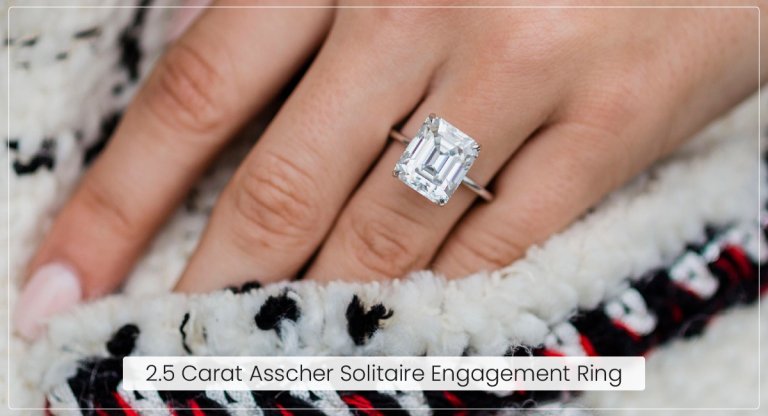
A 2.5 carat engagement ring is an outstanding way to propose to your loved one. It is elegant, and impressive and is sure to leave whoever sees it in complete awe. We suggest picking an eye-clean stone with a clarity rating of VS1/VS2 or higher for a 2.50ct gem.

What Is a 2.5 Carat Diamond?

For a stone that appears colorless to the naked eye while paying as little as a colorless D, E, or F grade gem, pick a good color grade in the G to I spectrum. One should not forget the cut of the diamond while going to purchase it because it is something that will stand out the most to the human eye. It is an investment that should be free from any inclusion or blemishes that might hamper its look and feel of it.

What Is a 2.5 Carat Diamond?

The value of a diamond is determined by its carat, which is a unit measurement for a diamond. Carat is simply the amount of weight that a diamond can hold. One carat equals 1/5 of a gram or 0.2 grams. When we talk about 2.5 carats, it weighs half a gram (0.5 grams). The most important thing is to know that carat weight is a measure of weight, not size.

You will notice that small diamonds have more carats than more significant pieces of diamond. Weight, not size, is always the most important factor in determining price. A 2.5 carat diamond is larger than an average diamond. Getting a high-quality diamond of this weight is not an easy task.

A 2.5 carat diamond engagement ring looks stunning with its gorgeous look and extraordinary sparkle, as well as its large size, which gives the wearer an authentic feel.

How Much Does a 2.5 Carat Diamond Ring Cost?

Depending on the brilliance, quality, shape, and color you select, a diamond’s price may vary. There are two ways to buy a diamond: at a jewelry store or online. If you buy diamonds online, you will spend less money and get better value.

However, the price range of a 2.50 carat will range from $1000 to $100,000; its cost is mainly calculated in relation to the 4Cs. The 4Cs refer to cut, clarity, color, and carat. The higher quality of 2.5 diamonds will have a higher price in terms of clarity, cut, and color.

You will be surprised to know that a smaller diamond is the one that costs more than a larger one if it has a higher grade of clarity or color. A retailer can also be the one who decides the price of a diamond. Although different shops don’t have vast margins in price, it is still recommended to compare prices.

The ring style and the metal type you choose for ring settings impact the total cost of a diamond ring. Ring settings are of different types, like pave, halo, or side stone diamonds, and range from hundreds to thousands of dollars.

The Best Color Grades for 2.5 Carat Diamonds

According to research, the most popular color grade for 2.5 carat diamonds is G or H, with 24% and 20% more popularity, respectively. The color grade is prepared according to the Gemological Institute of America (GIA). We have often seen that a perfect diamond is transparent or colorless.

Absolute transparency means that if you submerge a diamond in a glass of water, it will not be easily seen. This type of transparency is seen in D color grading.

On the other hand, if the diamond color is yellow or brown, these diamonds are categorized toward the Z grade. You have to pay more as you go up the color grading scale. If you want a color grade that comes with both perfect looks and is not too expensive, the best grade for this is the I color or the H color.

In this range, diamonds will look white and brilliant to the unaided eye. Hence, it will appear completely transparent. This can save you about 20–30%. However, putting a J colored diamond in a dark engagement ring will make it look clear. Basically, the darker setting colors make the diamond appear whiter.

2.5 Carat Diamond Rings on Hand

2.5 Carat Diamond Rings on Hand

It is essential to decide which carat will suit your hand. The size of your hand and fingers will determine how perfect a diamond looks on your hand. As we all know, everyone’s hands are of different shapes and sizes. Even the space between the knuckles and the length of the fingers is excessive.

Because of this, every ring offers a different look on other hands. The cut and ring size also determine whether it will fit your hand. Extended cuts will make the finger look longer and thinner, but only at higher carat weights. A long stone can also dominate the fingers and strain your hands.

A 2.5 carat marquise diamond will look better than a 2.5 carat emerald diamond as it will appear larger. Cushion cuts appear a bit smaller as they are slightly wider than round stones, and their four corners take up some of the carat weight. So it is recommended to try different shapes of rings before finalizing one.

How to Choose a 2.50 Carat Diamond Using the Four C’s?

Each of The 4 Cs Grades Is an Essential Factor in Determining the Final Price of The Diamond.

Below is a brief explanation of the 4Cs:

  • Cut: The angle, appearance, facet count, and price of a 2.5 carat diamond are mainly determined by the cut. It is the finishing of a diamond.
  • Color: Color grades range from colorless D to Z (yellow-brown tint). The higher the color grade, the higher the price. Experts always expect to have a D grade, a colorless, transparent diamond.
  • Clarity: This factor is vital because it shows how many flaws your diamond has or how clear it appears. You can refer to this in the GIA clarity chart.
  • Carat: A carat is a unit in which diamond weight is measured. In determining the total price, the carat is the important factor.

It is not true that only expensive diamonds make the most beautiful pieces. By understanding the 4Cs, you will be able to get the best deal. A single grade can make your diamond cost less without affecting the ring’s look.

What are the Different Diamond Shapes Available for 2.5 Carat Engagement Rings?

2.5 Carat Round Solitaire Engagement Ring

2.5 Carat Round Solitaire Engagement Ring

A contemporary style that is seen in most engagement rings and has approximate dimensions of 8.8×8.8×5.3mm.

This setting never goes out of style and is an evergreen option for someone looking to buy a style that will last an eternity and will never go out of style.

2.5 Carat Round Diamond Band Engagement Ring

Spicing up your contemporary round solitaire engagement ring style by adding a hint of diamonds to its band.

Spicing up your contemporary round solitaire engagement ring style by adding a hint of diamonds to its band. The diamond band not only provides grace to the ring but adds personality to it. Such rings typically cost more but are always worth the money.

2.5 Carat Radiant Cut Halo Engagement Ring

2.5 Carat Radiant Cut Halo Engagement Ring

The sparkle of the classic round brilliant cut is combined with the sleek design of a square-shaped with a face-up area of approx. 59.85 mm².

The radiant cut diamond is a hybrid of round and emerald cut designs with chopped sides. Given their delicate and elegant design, radiant cut diamonds provide exceptional shine, creating radiant cut diamond rings a true piece of art.

[blog_page_inventory shape=”Radiant” carat=”2.50,2.60″ cut=”1,4″ color=”2,9″ clarity=”1,6″]
[blog_page_btn title”Buy Now” url=”https://www.loosegrowndiamond.com/inventory/?shape=Radiant&carat=2.50,2.60&color=2,9&clarity=1,6″]

2.5 Carat Oval Cut Diamond Band Engagement Ring

2.5 Carat Oval Cut Diamond Band Engagement Ring

The oval cut diamond has a unique form with sparkling facets with dimensions 10*8mm that are created to glitter, and its extended contour flatters the ring finger.

When set with a French Halo it provides a vintage look and the oval shape can also be admired when worn in a solitary setting.

2.5 Carat Oval Three Stone Engagement Ring

2.5 Carat Oval Three Stone Engagement Ring

The three stone oval engagement ring is flattering and a new take on the engagement ring setting. This setting is gaining popularity because of its unique take on a halo and a solitaire diamond. Three stone ring is a setting that gives a vintage look and feels to it.

[blog_page_inventory shape=”Oval” carat=”2.50,2.60″ cut=”1,4″ color=”2,9″ clarity=”1,6″]
[blog_page_btn title”Buy Now” url=”https://www.loosegrowndiamond.com/inventory/?shape=Oval&carat=2.50,2.60&color=2,9&clarity=1,6″]

Also Check Out: 3 carat lab grown diamonds rings: fancy wedding match for love

2.5 Carat Oval Pave Engagement Ring

2.5 Carat Oval Pave Engagement Ring

The perfect mix of elegance and glitter that will look great on the finger when worn. This oval pavé setting will provide excellent brilliance and will definitely catch the attention. Such a setting will only provide grace to the wearer and is one of the most demanded wedding bands for many.

2.5 Carat Cushion Solitaire Engagement Ring

2.5 Carat Cushion Solitaire Engagement Ring

This solitaire ring shines on its own giving the wearer a hint of ancient classic with a contemporary look. It of a kind setting that exhibits royalty and grace. For a 2.5 carat diamond, a cushion solitaire ring is most sought after. This kind of shape usually has 58 facets.

[blog_page_inventory shape=”Cushion” carat=”2.50,2.60″ cut=”1,4″ color=”2,9″ clarity=”1,6″]
[blog_page_btn title”Buy Now” url=”https://www.loosegrowndiamond.com/inventory/?shape=Cushion&carat=2.50,2.60&color=2,9&clarity=1,6″]

2.5 Carat Cushion Diamond Band Engagement Ring

2.5 Carat Cushion Diamond Band Engagement Ring

A cushion cut wedding ring gives an ancient classic a contemporary look. They exude elegance and flare, which are widely sought after by those looking for something distinct from the norm. This engagement ring is surrounded by diamonds on the band giving it the extra glitter a diamond requires to shine.

Also Check Out: Should i buy platinum wedding bands?

2.5 Carat Emerald Solitaire Engagement Ring

2.5 Carat Emerald Solitaire Engagement Ring

A rectangular gemstone having cut corners is known as an emerald cut diamond. Emerald-cut diamonds include step edges, which are big facets that lie opposite to each other. It has a slimming, appealing impact on the finger when used in a wedding ring. This kind of shape usually has 58 facets and a depth percentage of 58%.

2.5 Carat Emerald Three Stone Engagement Ring

2.5 Carat Emerald Three Stone Engagement Ring

This setting is a beautiful diamond and ring combination with three of its stone bands having 2 emerald cut diamonds on each side of any selection of center stone, as well as pavé cut gems flashing down the edges of the band. The face-up area of approx. 57.9 mm², which falls under the normal range of this shape.

[blog_page_inventory shape=”Emerald” carat=”2.50,2.60″ cut=”1,4″ color=”2,9″ clarity=”1,6″]
[blog_page_btn title”Buy Now” url=”https://www.loosegrowndiamond.com/inventory/?shape=Emerald&carat=2.50,2.60&color=2,9&clarity=1,6″]

Also Check Out: 2 carat oval lab grown diamond rings: guide to choose the best

2.5 Carat Asscher Solitaire Engagement Ring

2.5 Carat Asscher Solitaire Engagement Ring

A square diamond with deeply shaved corners is known as an Asscher cut. Its form is the most similar to that of an emerald. Large step facets and a high crown emanate sparkle in asscher cut diamonds. The diamond’s distinctiveness will undoubtedly attract attention. The face-up area of approx. 53.42 mm², which falls under the normal range of this shape.

[blog_page_inventory shape=”Asscher” carat=”1.50,2.60″ cut=”1,4″ color=”2,9″ clarity=”1,6″]
[blog_page_btn title”Buy Now” url=”https://www.loosegrowndiamond.com/inventory/?shape=Asscher&carat=2.50,2.60&color=2,9&clarity=1,6″]

2.5 Carat Pear Diamond Band Engagement Ring

2.5 Carat Pear Diamond Band Engagement Ring

Pear-shaped diamond rings evolved from marquise designs, and now, there are pear shaped wedding bands to suit each aesthetic, from simple solitaires to antique designs and innovative approaches with vibrant stones. These teardrop shaped diamonds are modeled after oval and marquise diamonds. The face-up area of approx. 66.34 mm², which falls under the normal range of this shape.

Conclusion

Out of the many varieties offered above about 2.5 carat lab-grown diamond rings, it can be seen that each of them has a unique selling point. Each diamond ring is glamorous and beautiful in its own way.

Thus when choosing the correct ring for you it is recommended that you keep trying out multiple rings and not be fixated on just one. Doing so will give you more than one perspective and then you can choose the ring which fits you perfectly. Happy Shopping!

[blog_page_btn title=”buy 2.5 carat diamond” url=”https://www.loosegrowndiamond.com/inventory/?carat=2.50,2.50/”]

FAQs

What is a 2.5 carat diamond ring?
A 2.5 carat diamond ring is a type of engagement or jewelry ring that features a diamond with a total weight of 2.5 carats.

What is the average size of a 2.5 carat diamond in millimeters?
The size of a 2.5 carat diamond can vary depending on its shape, but a round brilliant-cut diamond of this weight is typically around 8.8-9.2 millimeters in diameter.

How much does a 2.5 carat diamond worth?
The cost of a 2.5 carat diamond can vary significantly depending on the quality of the diamond, its cut, color, clarity, and other factors. Prices can range from several 600$ to tens of thousands of dollars.

Is a 2.5 carat diamond ring suitable for an engagement ring?
A 2.5 carat diamond ring can make a stunning and impressive engagement ring. However, the choice of carat weight should align with your partner’s preferences and your budget.

Can I customize a 2.5 carat diamond ring?
Yes, you can often customize a 2.5 carat diamond ring by selecting the diamond’s characteristics, the setting style, and the metal type. Click here for LGD offer customization options.

Stunning 15 Carat Diamond Ring that Set the Fashion Frenzy

What is a 15 carat diamond ring? Are there diamonds that are this big? How much is a 15 carat diamond ring? Are 15 carat diamonds real? If you have such questions on your mind, let us answer them for you.

Well, many buyers get confused between the size and weight of a diamond. When we say “15 carat diamond ring,” the “carat” here refers to the weight of the diamond, not its size. It will be a big diamond, but its size will vary; its carat weight, however, will stay the same for different sizes.

Are there diamonds that are this big? How much is a 15-carat diamond ring? Are 15-carat diamonds real?

While the carat is the accepted measuring unit, a diamond’s millimeter potentially reveals its actual dimension. If you were to look at a diamond carat chart, various shapes will appear bigger at equal carat weights; therefore, it’s crucial to take the facets and shape into consideration when going for big carat diamonds.

Now, the next question that will arise in your mind is, “What determines the price of such a 15 carat diamond ring?” The answer is 3 out of the 4 c’s, i.e., cut, color, and clarity (not carat because it is fixed here).

All these factors determine the cost of the diamond. Given that it has the biggest impact on a diamond’s brightness, the cut is the most significant of the 4Cs after carat. Color is the next most significant of the 4Cs since it is what the eye first perceives after sparkling. And finally, clarity is used to analyze a diamond’s purity.

To give you a deep insight, we have discussed every aspect of a 15 carat diamond ring below.

15 Carat Diamond Ring Price

15 Carat Diamond Ring Price

Prices for a 15 carat diamond range from $150,000 for a minimal stone to up to $15–20 million, or possibly more, depending on its “4 C’s.”

As discussed above, the remaining 3C’s will determine the price of a 15 carat diamond. Additionally, keep in mind the general principle that a diamond’s value increases in exact proportion to its mass.

Therefore, it is beneficial to compare diamonds of comparable size, brilliance, and form to use the price per carat technique. In this method, a price is decided per carat for a diamond. You have to multiply the price by the number of carats to get the final amount.

It is important to keep in mind that the costs stated by multiple companies may differ when purchasing diamonds. Price comparison is also readily available to help you determine a 15 carat diamond ring’s cost. This can help speed up the decision-making process.

If you want to purchase a 15 carat diamond ring in person, you will end up spending more, as online merchants often offer the lowest prices.

Loose Grown Diamond provides the most affordable diamonds on the market. We have our diamond price checker tool, which you can check out and get an idea of a 15 carat diamond ring’s price.

To give you an idea of a 15 carat diamond ring’s cost, you should take note that there is no concrete price on diamonds. The rates fluctuate depending on the 4Cs, shape, and market price.

For example, an average-cut diamond with less sparkle will be worth less when compared to a 15 carat diamond with an excellent cut and brilliance. The price of a 15 carat diamond ring can also increase or decrease based on its shape. Round brilliants are common and hence may cost less when compared to marquise diamonds for such big carats. The same may be true for small-carat values.

For instance, a 1.5 carat diamond will be valued substantially more than the combined value of three 0.5 carat diamonds. The cost of rarity is paid when using a huge stone. It’s also critical to be aware that a rough diamond loses a significant portion of its weight when it is cut.

The cost of diamonds has decreased recently, and the general public may now purchase lab grown diamonds for rates that are comparably less than those of mined diamonds. It will be easier to find a lab grown 15 carat diamond than a naturally mined one.

15 Carat Diamond Ring Size

15 Carat Diamond Ring Size

The diamond’s mass plays a significant role in determining its size and its diameter. It is not that a 15 carat diamond ring comes in only one size, it depends on two factors that determine the size of the diamond. The two factors are:

1. The Cut of The Diamond

There are three main types of diamond cuts, each with a unique measurement and precision. As a result, the size of each diamond cut varies. And thus, each cut of a diamond with the same weight is different in size. Poor, good, and excellent cuts (GIA standards) are the cuts we take into consideration.

2. The Shape of The Diamond

Depending on the shape of the diamond, such as a round cut, princess cut, cushion cut, etc., the size of the diamond will matter.

For example, for a 1-carat round diamond, the average size is 6.4 mm in diameter. Similarly, as you increase the carat weight, the size of the diamond also changes. A 15 carat diamond will have a diameter of 15–17 mm, which is bigger than the average human finger.

Another method of estimating the diamond’s size is to look at its face-up area per carat. It is a simple method for comparing stones of comparable weight. Subtract the weight of the carats from the face-up area per carat.

15 Carat Diamond Ring on Fingers

How big the diamond will appear on a finger should be one of your first considerations when purchasing a 15-carat diamond engagement ring for your significant other. Diamonds of varying carat weights and sizes will appear differently on different fingers.

How big the diamond will appear on a finger should be one of your first considerations when purchasing a 15 carat diamond engagement ring for your significant other. Diamonds of varying carat weights and sizes will appear differently on different fingers.

You must know the precise ring size to determine how big a diamond ring will be on a fingertip. Women’s ring sizes in the US range from 3 to 9, with 6.5 being the normal size. A finger that is 17 mm (or 16.9 mm, to be more precise) in width fits within these appropriate dimensions.

A diamond that weighs 15 carats is not only stunning, but also more difficult to acquire and, of course, obscenely expensive. A round-cut diamond with a 15 carat weight is significantly larger than 15 mm in diameter and occupies 80–90% of the finger’s width. It has a substantial weight of a few grams or more.

Wedding rings with 15 carat diamonds stand out and are stunning by themselves. They do not require a halo or pave setting because they are stunning in a solitaire setting.

One consideration to keep in mind is that a diamond’s imperfections will be easier to see if it is a big stone. It is important to search for an eye-clean diamond that is placed on your 15 carat diamond ring.

15 Carat Diamond Shape

15 Carat Diamond Shape Comparison

Each diamond cut carries its weight differently. A 1-carat diamond with a round cut, for instance, is smaller than one with an oval, princess, or pear cut. So to understand in depth, let us first discuss different shapes that look fantastic on a 15 carat diamond ring.

1. Round or Brilliant Cut

The preferred choice would be round-cut stones in a 15 carat diamond ring, despite the size of your fingers. Because a round brilliant cut is created to bring out the most brilliance, blaze, and glitter in a colorless diamond, It is the most popular shape for diamond engagement rings.

The contemporary round brilliant cut stone in a 15 carat diamond ring contains 57 or 58 facets in total, including table facets and an alternative culet facet. It also has a circular girdle shape and 56 triangular and kite-shaped faces that are arranged symmetrically.

2. Cushion Cut Diamond

The cushion-cut diamond has soft edges and thus looks like a soft rectangle or square. It has been gracing the fingertips of brides for ages. It often features a big culet aspect, a deep canopy, a high crown, and a little seat. A cushion cut is ideal for colored diamonds because it preserves more color face-up than a brilliant cut.

When choosing an engagement ring, a bride who prefers an antique design will love a cushion-cut diamond. So, if you are planning to buy a 15 carat diamond-colored ring, make sure you consider this cut.

3. Radiant Cut Diamond

The radiant cut, a refined spectacular cut that was first developed in 1977, is one of the latest shapes for square diamonds. It flaunts the flames of a square or rectangular gem with chopped sides in a rectangular shape.

Additionally, the radiant cut is a little bigger than the round cut. A 1-carat diamond with a radiant cut has a 7mm diameter, to give you an idea of size. Long and thin fingers can look lovely with this dazzling shape.

4. Marquise Cut Diamond

When selecting a marquise diamond for your jewelry, several variables must be taken into account. You like to have a marquise that is not too wide (which could forfeit luminosity and design) nor too slim (which would deprive your bride’s finger of the advantage of length). Both ends should be smooth.

The largest diamond cut is the marquise shape, with a 1-carat stone measuring 10mm wide. For comparison, the diameter of a 4 carat round cut diamond is 10.32 mm. Given their size, marquise cut diamonds would look best on short, delicate fingers. Additionally, they might be more attractive on wider wrists.

 5. Oval Shaped Diamond

In comparison to the princess cut and the cushion cut, the oval cut is larger. Some people like longer oval diamonds, but as they are more challenging to cut, they are less common.

The attractiveness of an oval diamond depends on its symmetry, just like it does with other fancy diamond shapes. Again, if you draw an arbitrary line along the diamond’s diameter and then across its center, the two halves’ shapes and faceting should be the same.

Oval cut diamonds are perfect for short fingers since they provide the appearance of stretch.

6. Heart Shaped Diamond

The diamond with a heart shape epitomizes romanticism. Additionally, it is a really attractive style for longer fingers. For good reason, this is one of the most uncommon diamond shapes for engagement rings attractive style for longer fingers. For good reason, this is one of the most uncommon diamond shapes for engagement rings.

A huge diamond, at least 1.5 carats, is needed to get a 1-carat diamond with a well-shaped heart. Additionally, this shape tends to make inclusions more noticeable, so you want a diamond with exceptional clarity. The well-rounded lobes should match in size, shape, and faceting technique, and the gap between them (as well as the point) should be well-defined.

The Best Grades for a 15 Carat Diamond Ring

The Best Grades for a 15 Carat Diamond Ring

Cut:

The cut of a diamond should be as precise as shown in the diagrams. The cut is graded by reputed institutions like GIA or IGI. Which have their own set of grades. The GIA has five grades in general: excellent, very good, good, fair, and poor. While IGI has six: ideal, excellent, very good, good, fair, and poor.

For a 15 carat diamond ring, the cuts that have an excellent (GIA standards) or ideal (IGI standards) grade should be selected. as these cuts will give off maximum fire and brilliance. A proper quantity of light will interact with each angle thanks to a good cut. Intensity, or the projection of white light, is another crucial component of transparency.

Color:

On the GIA color scale, the colorless diamonds that are graded G, H, or I should be selected as the gem for a 15 carat diamond ring. As these grades are given to stones that are close to colorless, On viewing a G color diamond with an unaided eye, it will appear colorless, and there will be a negligible difference between it and a D color diamond of the same carat.

Clarity Rating for a 15 Carat Diamond Ring

Since they offer the highest value of diamond shine, VVS2 clarity and VS2 clarity grades have become the most favored among 15 carat diamond rings. Select stones with inclusions that aren’t exactly in the center of the stone.

The best quality grading for gems of this size will be VS2 or greater, so if you’re choosing a huge diamond (larger than 10 carats, like in the case of a 15 carat stone), look for that. This is because inclusions are easier to see as carat numbers increase.

If you can find them, the best clarity grades for investment-grade diamonds (more than 10 carats, D color) would be IF or FL, if you can find any.

Over 50% less money can be spent on SI1 and SI2 stones, which may be eye-clean but need to be checked independently. If you locate an eye-clean diamond at SI1, you can use the difference in cost, and the stone will otherwise appear identical to one that is flawless.

Kim Kardashian's 15 carat diamond ring

Worn by notable figures like Hollywood stars, musicians, and public figures, the 15 carat diamond ring serves as a statement piece on red carpets and in high-profile events, solidifying its status as a coveted accessory that epitomizes both elegance and prestige. Stands as a symbol of opulence and glamour in the world of luxury jewelry.
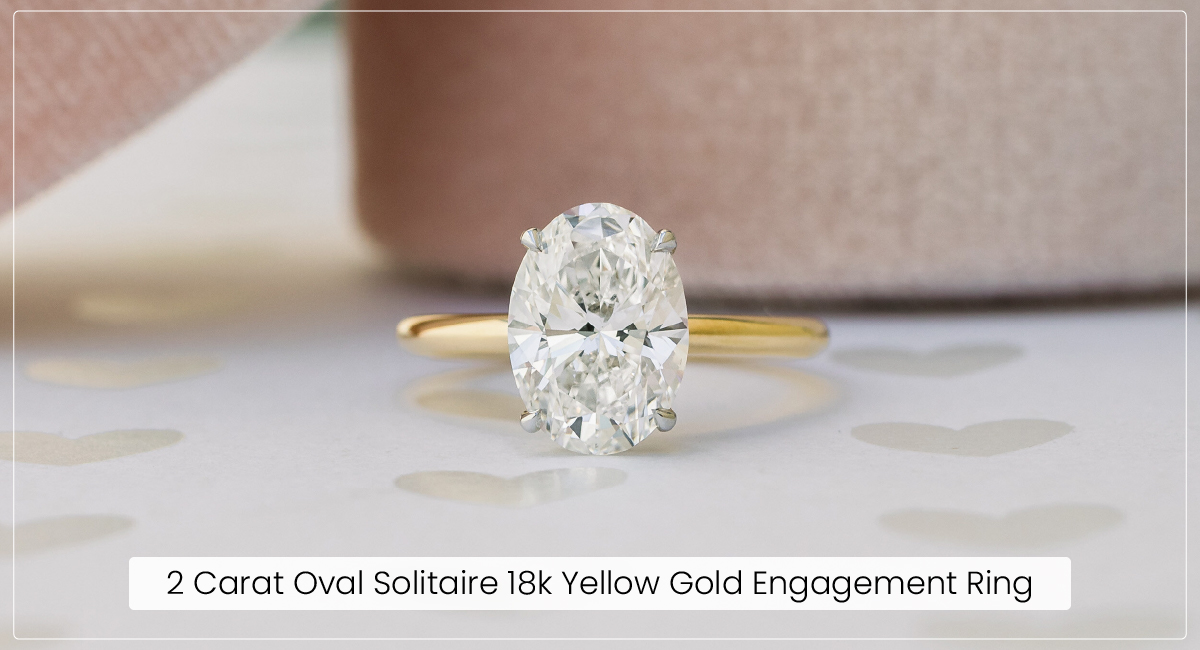
Renowned for its breathtaking size and exquisite sparkle, this diamond ring often features a classic round, cushion, or emerald cut, each contributing to its mesmerizing brilliance.

Where to Buy 15 Carat Diamond Ring

Where to Buy 15 Carat Diamond Ring

It will be difficult to attain a 15 carat diamond ring, as these expensive pieces of jewelry are not sold anywhere. Famous diamond or jewelry retailers might have them. You can also look into online stores. The benefit of opting for an online store is that you will be able to browse through numerous options at once and will get cheaper prices.

A 15 carat diamond ring purchased from an online store will cost 20–30% less than one purchased from a nearby retailer.

We at Loose Grown Diamond have a large inventory of lab-grown diamonds of all carats, clarity, color, cut, and shape. If you are interested, feel free to check out our store and contact us if you need any help deciding.


Conclusion

Gifting a diamond to your significant other is a sign that you care about them. These gems have evolved into a representation of never-ending love over time.

Talking about a 15 carat lab diamond ring will attract attention from anyone, everywhere. Similar-sized and exquisite diamonds are hard to come by. A gem of this size is rare, and many people are unlikely to encounter one. Still, a diamond’s carat weight isn’t the only factor to consider.

Check your diamonds’ cut, clarity, and color once again to ensure that they match the grading certificate. Due to its flaws, a huge diamond ring may pose certain issues. You shouldn’t spend money on a 15 carat diamond with a noticeable imperfection.

You’re prepared to make your magnificent piece of jewelry once you’ve chosen the ideal diamond for your 15-carat ring.

FAQs

How big is a 15 carat diamond?
A 15 carat diamond is relatively large, with a noticeable presence on the finger. It’s often chosen for its impressive size and elegance.

What shapes are available in 15 carat diamonds?
15 carat diamonds can be found in various shapes, including round, cushion, oval, pear, asscher, marquise, emerald, and Heart, allowing for personalization.

What is a 15 carat lab diamond ring?
A 15 carat diamond ring features a lab grown diamond at its center, with a weight of approximately 15 carats.

Is a 15 carat diamond suitable for an engagement ring?
Yes, a 15 carat diamond can make a stunning and impressive engagement ring, though personal preferences vary.

Can you customise a 15 carat lab diamond ring?
Yes, you can customize a 15 carat diamond ring to suit your preferences. Click here You can choose from various diamond shapes, settings, and metal options to create a unique and personalized piece.

Is a 15 carat lab diamond ring as durable as a natural diamond ring?
Yes, lab grown diamonds are equally durable as natural diamonds and are rated 10 on the Mohs scale of mineral hardness. They are suitable for everyday wear and can withstand the rigors of daily life.

Do 15 carat diamonds come with certificate?
Yes, reputable lab-grown diamonds are accompanied by certifications from independent gemological laboratories. These certifications provide information about the diamond’s 4Cs (carat weight, cut, color, and clarity) and confirm its authenticity.

How do I clean and care for a 15 carat diamond ring?
Cleaning a lab diamond ring is similar to cleaning a natural diamond ring. You can use mild soapy water and a soft brush to clean the diamond and the setting. Regular maintenance and periodic professional cleanings will help keep the ring looking its best.

What does a 15 carat diamond ring look like? How heavy is it?
A 15 carat diamond ring is large and impressive. It appears substantial on the finger. In terms of weight, the entire ring would generally weigh around 10 to 15 grams, depending on the design and metal used.

Stunning 12 Carat Diamond Ring that Set the Fashion Frenzy

There is such unending demand for diamonds these days. It is not only a measure to enhance your elegance among others but also diamonds stand as a symbol of love and eternity.

These days, having a diamond ring on your engagements and weddings is considered a safe yet attractive option. Going for a 12 carat diamond ring, on the other hand, is a rare option to consider and does not support the pocket of many.

12 (here in a 12 carat diamond ring) does not mean the number of diamonds on the ring, but it stands for its measurement in weight. So next time you talk of a number such as a 12 carat diamond or 15-carat diamond, emphasize its weight, not the size or any other number.

STUNNING 12 CARAT DIAMOND RING THAT SET THE FASHION FRENZY

Hence, a 12 carat diamond ring consists of a diamond that weighs 12 carats, which is massive (covering 80% of your finger).

The more the price you pay for a diamond, the more unique and rare the diamond is said to be. Consider the clarity gradings for any diamond before purchasing it next time along with the 3 out of 4 Cs i.e cut clarity and color (carat here is 12, already).

Do not ever rush to purchase any diamond that looks great to your naked eyes, rather consults a diamond dealer for complete evaluation because there are so many imperfections that look perfect to your eyes but only a professional gemologist can determine the true identity of the diamond.

Read below all the information about the 12 carat diamond ring to get a clear picture before buying:

12 Carat Diamond Ring Price

When we talk of diamonds, one thing that comes to our mind is they must be expensive. And talking about a 12 carat diamond which is such a rare one, it has to be priceless for sure as it has impeccable fire & brilliance.

12 Carat Diamond Ring Price

In light of this, it’s crucial to understand the actual worth of a 12 carat diamond ring and if purchasing it is worthwhile or not.

A variety of variables affect a diamond’s valuation. The 4 Cs, aka cut, color, clarity, and carat are the primary determinants of a diamond’s valuation. The 4Cs of the diamond increase with price.

The price of a 12 carat diamond could range from $100,000 to $1.5 million. This is a vast range, but this is exactly how the 4Cs work. Two gems of the same shape can be worth prices that are poles apart based on their features and shape.

For a 12 carat diamond ring, the carats are fixed at 12, thus the pricing will primarily be determined by three other factors: cut, clarity, and color.

A 12 carat rough diamond could cost around $2,000 per carat ($24,000 altogether) if it were purchased in its rawest form.

A cut, refined 12 carat diamond can range in price between $1000 per carat ($12,000 total) to $1 million per carat ($12 million total), based on the diamond’s quality.

A gemstone with a cut that demands more work will be more expensive. Similar to this, a 12 carat diamond with excellent clarity and fewer defects will undoubtedly cost more than one with bad transparency or color.

12 Carat Diamond Ring Size

Millimeters are used to measure gem size (mm). Size and carat are two distinct notions in terms of a diamond’s dimensions. Carat and size are terms used to indicate a diamond’s weight, as well as, how big it will appear as observed from above, respectively.

12 Carat Diamond Ring Size

Since a carat measures 0.2 grams, a 12 carat diamond weighs 2.4 grams. A diamond’s price skyrockets as its carat size grow. 9 carat diamonds are approximately half as expensive as 12 carat diamonds. The reason is that even a little difference in carat weight can cause a huge difference.

The decreasing raw material availability necessary for the manufacturing of bigger gems is the cause of this sparking difference.

A diamond’s brilliance is significantly associated with the size of the carats and thus contributes to its price. Differing size calculators are available online that will inform you of the diamond’s diameter in accordance (considering its shape).

Rectangular, round, pear, marquise, and brilliant diamonds are examples of unique shapes that are often classified by their length. In comparison to 1-carat oval and pear diamonds, which are 7.7 mm long, 1-carat brilliant and radiant diamonds are 7 mm long.

In contrast, marquise diamonds are long and skinny; a 1-carat marquise diamond measures 10 mm in length, while a 1.25-carat marquise measures 11 mm. You now have a general idea relying on the diamond’s shape and carat size (in this case, a 12 carat diamond ring).

You can check out Loose Grown Diamond’s specialized “Diamond Size Chart” guide for measuring diamond sizes and check out “Printable Ring Size Chart” guide for measuring ring sizes.

12 Carat Diamond Ring Shapes

Various shapes come in a 12 carat diamond ring setting which changes the overall look of the ring completely. Let us one-by-one look at each of the shapes in detail:

1. Round Cut Diamond

The round brilliant diamond shape has already been meticulously designed to provide maximum brilliance and is an ideal match with traditional designs. The clarity and scatter of a flawlessly cut round diamond will dazzle any jewelry. It is cut like a conical figure and seems to have 58 facets (inclusive of the cutlet).
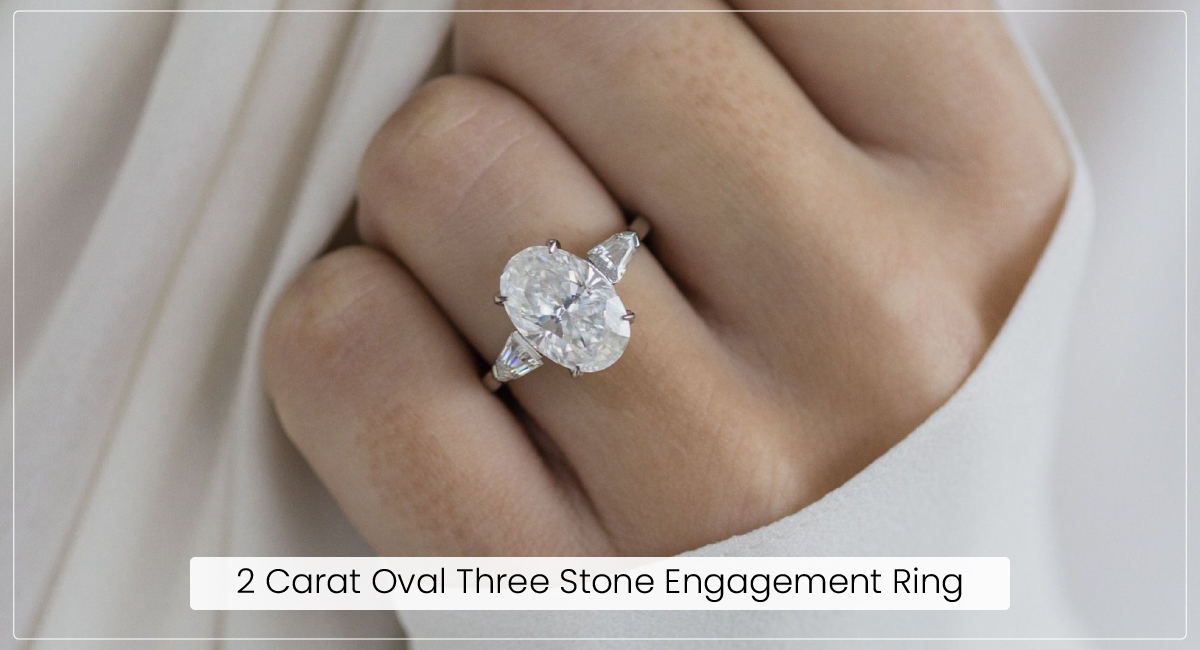
round shape 12 Carat Diamond Ring

Though round-cut diamonds in the flawless VSS/VS1 clarity range are ideal, VS2 clarity is also a secure option. You can explore SI1/SI2 as good, more affordable solutions for this shape. Well-cut round diamonds have a modest shape, but their strong luminance makes them appear larger than they truly are.

2. Princess Cut Diamond

A princess cut’s pointed ends are susceptible to chipping and breaking. Connectors or prongs should be used to cover these. Make sure the princess-cut diamond you’re purchasing doesn’t have any imperfections close to the corners. They might become more exposed as a result.

princess shape 12 Carat Diamond Ring

Princess and round diamonds of equal carat weight can be distinguished by the round’s relatively greater face-up structure (10% more than the princess cut). However, because of their greater diagonal measures, princess cuts frequently give the impression of being larger (about 15% greater than the round brilliant).

Despite this, you can still opt for a princess cut that is much bigger than a round cut while staying within your 12 carat diamond ring budget.

3. Oval Cut Diamond

Beautiful and distinctive, oval cut diamonds are always on the list of prospective buyers. The Oval is an “elegant” form that seems greater than that of other designs of the exact carat weight due to its stretched structure.

oval shape 12 Carat Diamond Ring

A 1 carat oval cut stone, for instance, appears to be fairly huge in a yellow-gold halo setting. A 12 carat oval diamond will appear massive due to its elongated shape.

A diamond with just an oval cut will probably show up eye clean since oval cuts effectively conceal imperfections. Nonetheless, they frequently display color. To prevent color in your oval cut diamond, it is preferable to keep it with a G-H color grade.

Although oval cut gems still have a majority of the brightness of the round cut, the finger appears longer because of their increased length.

4. Cushion Cut Diamond

A cushion-shaped diamond has a smoother, more feminine silhouette, much like a pillow. This shape incorporates cut proportions specifically designed for bursts of color. The cushion cut, although being one of the ancient diamond cuts, has recently gained appeal.

cushion shape 12 Carat Diamond Ring

Nevertheless, these gems are 25% less expensive than round brilliants! As wedding rings or as fashion accessories, cushion cut diamond rings are frequently bought. There are many different facet configurations for the cushion cut, which uses between 57 to 64 facets. This makes it among the most versatile styles out there.

There are a few “improved” cushion cuts as well, usually with more particular names. Examples include bulky cushions, glass shards, smashed ice, pillow cut, old mines, squared cushions, and rectangle cushions.

5. Pear Shaped Diamond

The marquise and round brilliant cuts, two of the most commonly used gemstone cuts, are combined in this design. A teardrop diamond’s tip should be meticulously secured with studs because it is susceptible to cracks. To ensure that the tip is free of inclusions, check the laboratory report, as they can damage the diamond.

pear shape 12 Carat Diamond Ring

Pear-shaped diamonds also have a rosette. Finding a pear cut diamond without a small bowtie will be a little hard but worth it.

Although pear diamonds efficiently utilize rough diamonds, it is difficult to locate crude ingredients substantial enough to generate large diamonds like 12 carat diamonds.

6. Marquise Cut Diamond

A marquise diamond has a broader structure with 52 facets which culminate in points on both ends. Marquise diamonds are a distinctive option for people seeking anything different due to their striking and distinctive design.

Marquise shape 12 Carat Diamond Ring

Though uniformity in a marquise-cut diamond is crucial, it might be challenging to assess. A marquise-cut diamond automatically resizes other precious stones of the same amount because of the amorphous structure, and it frequently makes the participant’s fingers better separated.

An SI1 or SI2 clarity will provide you with an eye-clean gem on the cheap end. As marquise-cut diamonds conceal imperfections nicely. Although an I or even J color diamond might look stunning in yellow or rose gold, an H color diamond will seem white whenever mounted in white gold.

7. Heart Cut Diamond

The diamond in the shape of a heart personifies romanticism. It is also a very beautiful style for hands with long fingers. For good reason, this is one of the least frequent diamond shapes used in engagement rings.

Heart shape 12 Carat Diamond Ring

For a well-shaped heart, you need a massive diamond that weighs at least one and a half times the carat you desire.

Inclusions also tend to stand out more in this form, so you want a diamond with superb clarity. The tip should be clearly defined, and the well-rounded lobes should be identical in size, shape, and faceting method.

Additionally crucial is symmetry. SI1 & SI2 purity ratings should provide you with an eye-clean stone, like the majority of brilliant cuts. Heart-shaped diamonds with an H color rating will always appear white and cost less than diamonds with a higher color grade.
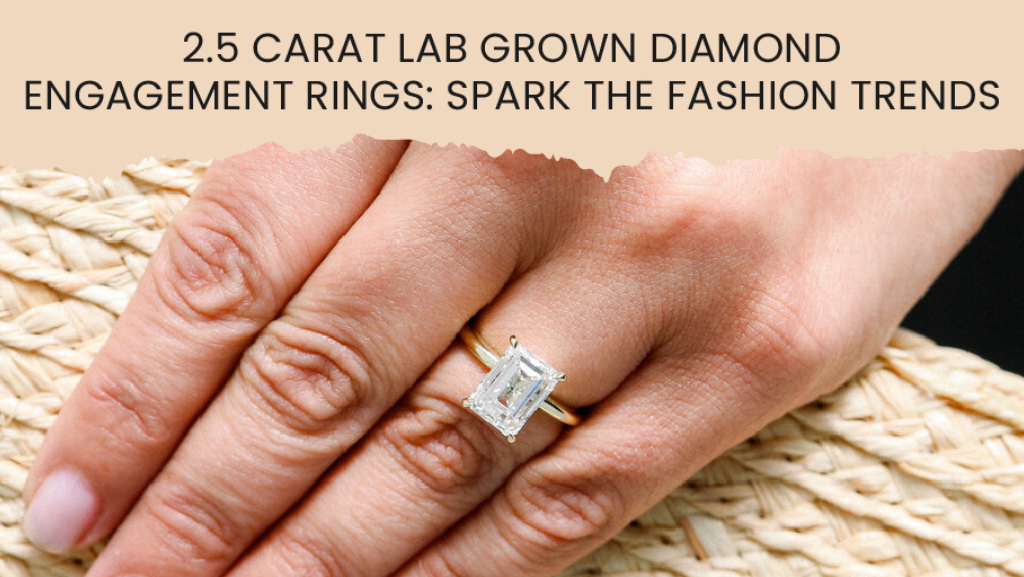
8. Asscher Cut Diamond

A diamond with standard size and stacked sides is known as an Asscher Cut diamond. A broad canopy and a towering crown are characteristics of the Asscher Cut, which offers brightness and distinguishing allure.

Asscher shape 12 Carat Diamond Ring

An Asscher-cut diamond’s captivating pinwheel pattern looks well in antique or Art Deco designs. They go perfectly with architectural styles because of their octagonal shape. They also cost 20% to 40% less than comparable rounds!

The octagonal diamond is another name for the Asscher cut diamond, which has 8 facets. This produces the illusion within the diamond since all of the diamond’s facets are rectangular in form.

Although the design has slanted sides that provide it with an octagon-like appearance, it is uniform in length and breadth, as a square would just be.

12 Carat Diamond Ring on The Finger

It is useless to speculate about how a large, costly ring might seem on fingers. You can probably understand how a ring this stunning might astound your vision. Additionally, the form you pick for such a diamond affects how it appears in general.

With prolonged cuts, a fingertip will seem slimmer and longer, but at larger carat values, an excessively long diamond may be too much for the wrist to handle.

For example, a 12 carat brilliant-cut round diamond typically looks better on the wrist than a more unconventional shape like a marquise.

The bigger the carat weight of a diamond, the more noticeable it will be on wider and larger fingers. One thing to bear in mind is that a diamond’s flaws could be more noticeable the larger the stone. This is why it’s crucial to look for a gazing diamond.

So. depending on the type of your finger and the type of look you want to give to it, choose the shape accordingly.
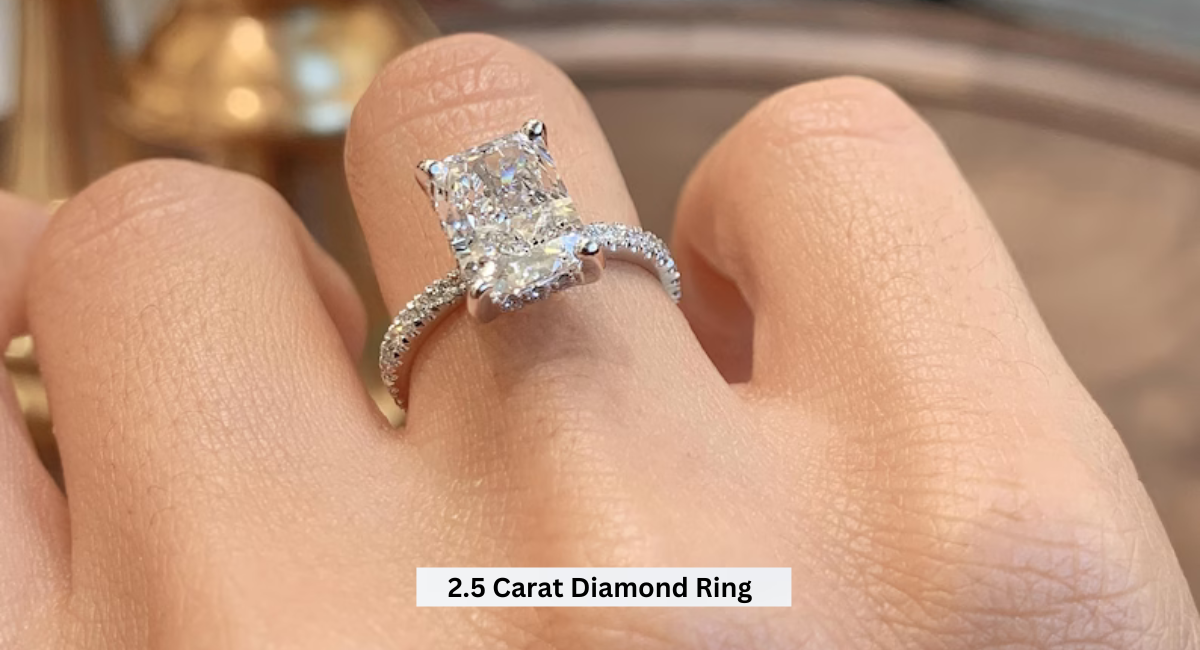
The Best Grades for A 12 Carat Diamond Ring

The 4 Cs (Color, Clarity, Cut, and Carat Weight) Were Developed by Gia as An International Standard for Determining the Excellence of Any Stone, Wherever in The World.
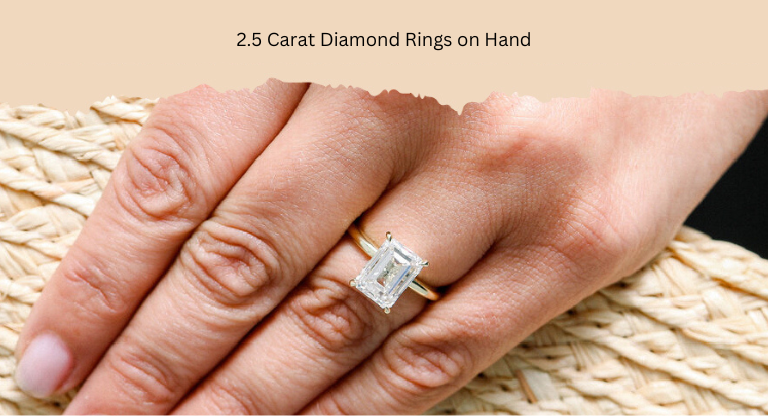
Two Very Significant Benefits of The 4 Cs Are that Diamonds’ Quality May Be Described in An International Language so That Buyers Can Accurately Understand the Certification of The Diamonds.

Here the carat is fixed at 12 carats let us look at the other 3Cs:

Cut: Here cut refers to the accuracy with which a diamond has been cut. This includes dimensions, symmetry, precision, facets, etc. A diamond with an ‘excellent’ or ‘Ideal’ cut as per GIA and IGI, respectively is considered the perfect diamond.

Color: Color doesn’t refer to blue, red, pink, or any other fancy color but rather the colorless rating of a diamond. This is a scale developed by GIA to determine how colorless/transparent a diamond looks. D is the most colorless to Z is yellow or brown.

Within this range, you should opt for a diamond within the H-G color range for a 12 carat diamond ring. Going higher will be beneficial as it will shine way too bright but it in turn will also cost you a lot.

Clarity: The most crucial thing to keep in mind while using the clarity scale is to notice which of the FL through I1 grades is eye clean. This indicates that they have a flawless appearance.

If you find an eye-clean diamond with VS2 clarity, you may pay a lower price but the stone however will seem flawless. Given that there is no variation when seen with the unaided eye, the grading system above VS2 is completely meaningless.

If you’re picking a big diamond (larger than 10 carats, such as in the case of a 12 carat stone), search for a clarity grade of VS1 or VS2. This is because inclusions become more visible as the number of carats rises.

Clarity Rating for 12 Carat Diamond Rings

The greater the purity grade, the fewer faults and blemishes there are in a diamond. Owing to a good cut, the right amount of illumination will react with each point. Another important aspect of clarity is the strength or the discharge of white light.

Remember that almost no stone is completely pure when deciding on a diamond’s ideal clarity. However, it becomes more distinct the closest it goes to pure. The rarity and desirability of inclusion-free diamonds are extremely high.

During the diamond’s growth phase, tiny flaws or defects appear. These imperfections are known as “diamond inclusions.”

Diamonds range in clarity from FL to I3. To rate them these gems are examined at a 10x magnification. Inclusions can sometimes only be spotted with magnification by a trained specialist. But gems in less expensive ranges which are not considered to be brilliant contain flaws that can be detected with the unaided eye.

For instance, IF, which stands for internal faults, is a clarity rating.

It indicates that if a diamond has a perfect clarity grade, you won’t notice anything on it; if you do, it’s probably dust. The stone would unquestionably become a VVS2 if that little particle became an internal inclusion (very difficult to see in 10x magnification).

Where to Buy a 12 Carat Diamond Ring?

You can purchase a 12 carat diamond online or at a nearby retailer. Buying online lets you go through multiple options on your phone. Buying a 12 carat diamond ring will also turn out to be cheaper for you by 20%-40%.

We at Loose Grown Diamond have a vast diamond inventory with loose diamonds, diamond jewelry, and diamond wholesale. You can check our inventory or even contact us for more details and obtain a promo code for your purchase. So if you are looking for a big diamond engagement ring for your partner with an exceptional composition, We can help you select a 12 carat diamond ring!

[blog_page_btn title=”buy diamond ring” url=”https://www.loosegrowndiamond.com/lab-grown-engagement-rings/”]

Conclusion

It is difficult to find diamonds of the same size and beauty as 12 carats. A stone of this size is uncommon and unlikely to be found by many people. However, the carat weight of a diamond isn’t the only thing to take into account.

To be sure your diamonds match the grading, double-check their cut, clarity, and color. A large diamond ring may provide several problems due to its imperfections. A 12 carat diamond with a conspicuous flaw is not worth the money.

Once you’ve selected the appropriate diamond, you’re ready to create your gorgeous piece of jewelry. We believe that our introduction to diamond prices has given you a solid starting point for comprehending diamonds and what to budget for them.

FAQs

Can I customize the design of my 12 carat diamond ring?
Yes, Loose Grown Diamond offer customization options for the ring’s design, including the choice of metal, setting style, and any additional gemstones or engravings you desire.

Is a 12 carat lab diamond ring expensive?
The cost of a 12 carat lab diamond ring can vary depending on factors like the quality of the diamond, the ring setting, and the jeweler. However, lab grown diamonds are often more affordable than their natural counterparts of similar size and quality.

Can I insure my 12 carat diamond ring?
Yes, you can typically insure a lab-grown diamond ring just like any other valuable piece of jewelry. Contact us provider to inquire about coverage options.

How do I care for and maintain my 12 carat lab diamond ring?
Regular cleaning and maintenance are essential. You can clean your lab diamond ring with a mild soapy solution and a soft brush.

How big is a 12 carat diamond?
A 12 carat diamond is approximately 14.0mm in diameter. The actual size may vary slightly based on the diamond’s cut and shape.

Can 12 carat diamond engagement rings be resized?
Yes, 12 carat diamond engagement rings can be resized by we us to ensure a perfect fit.