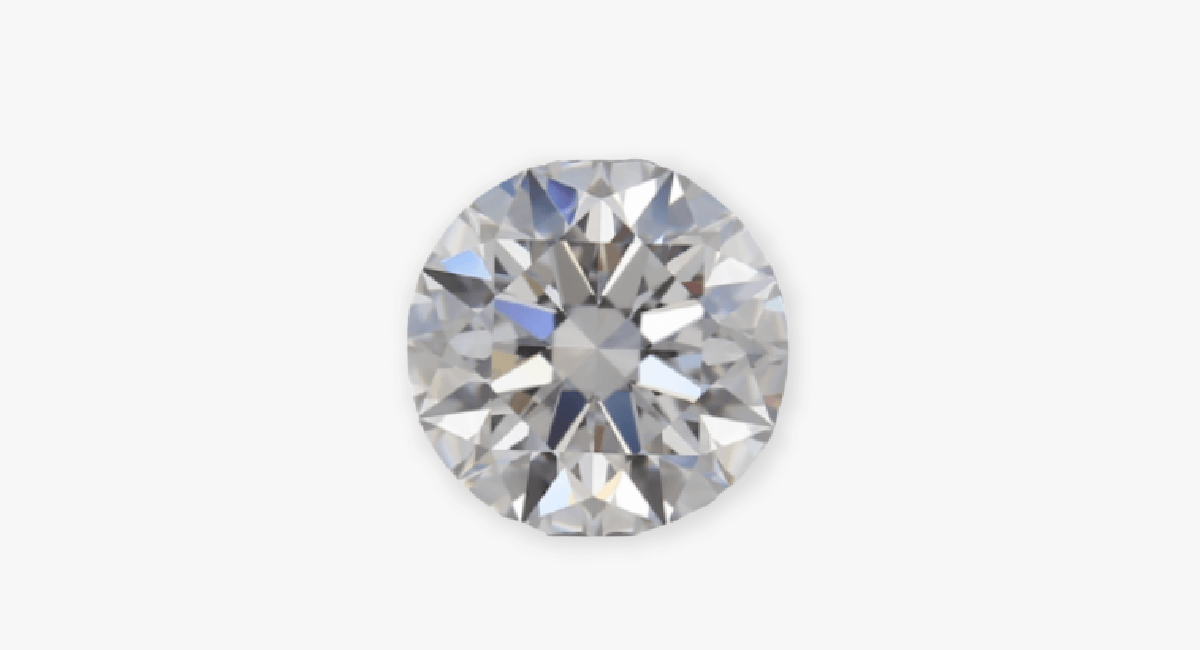
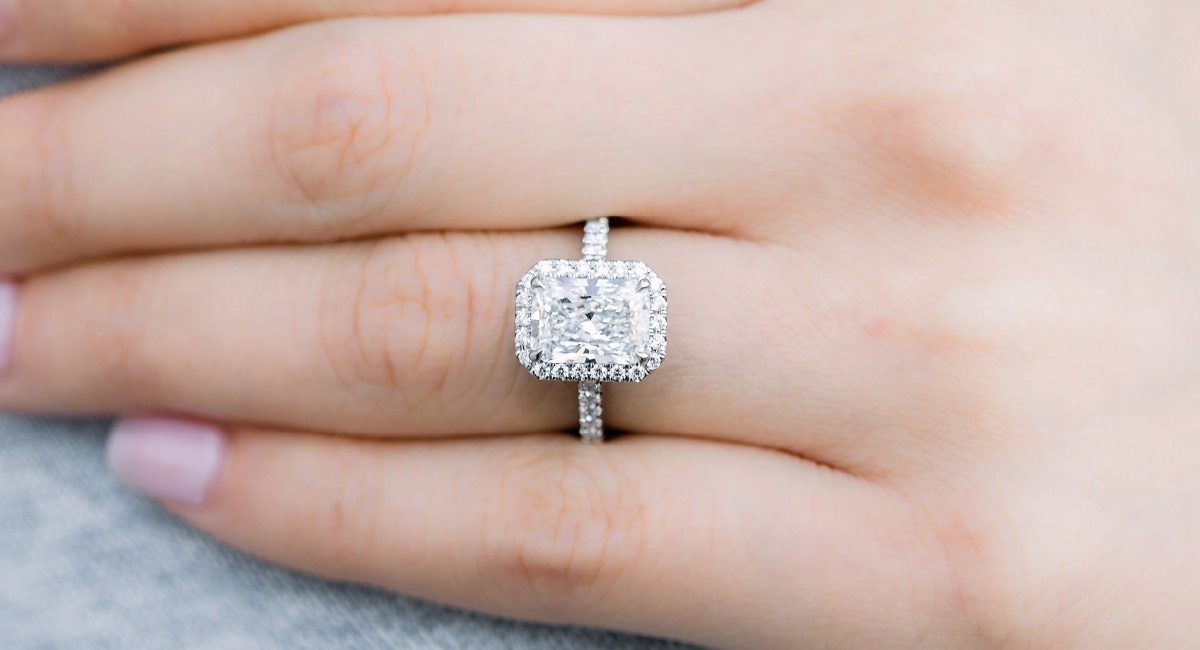
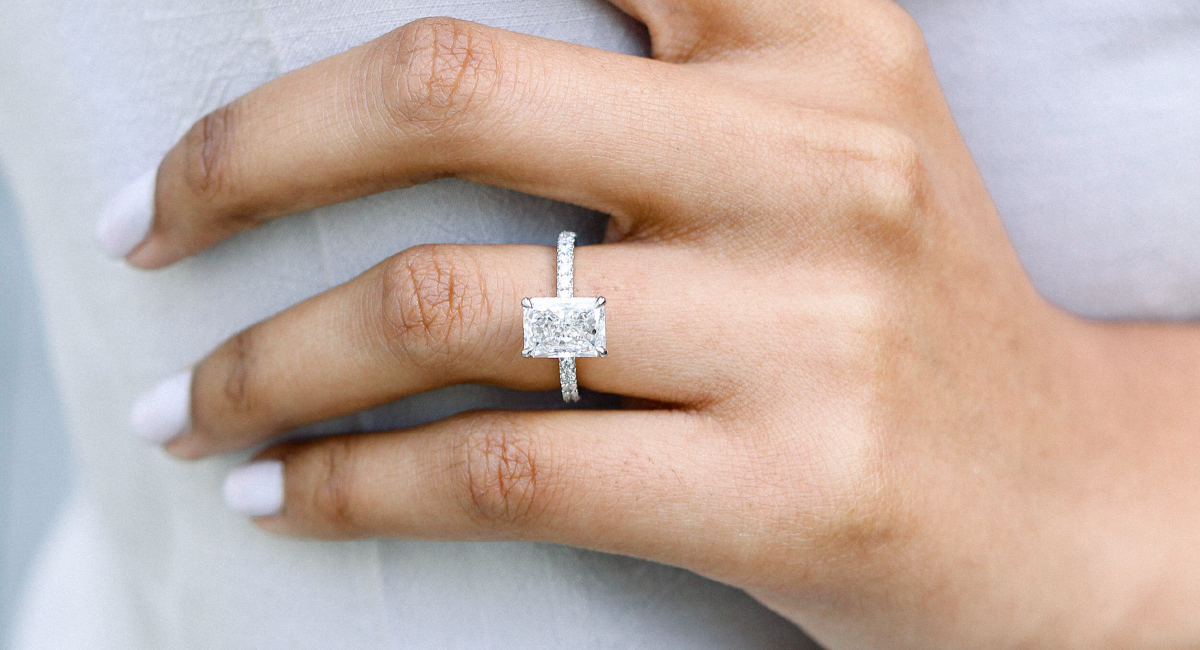
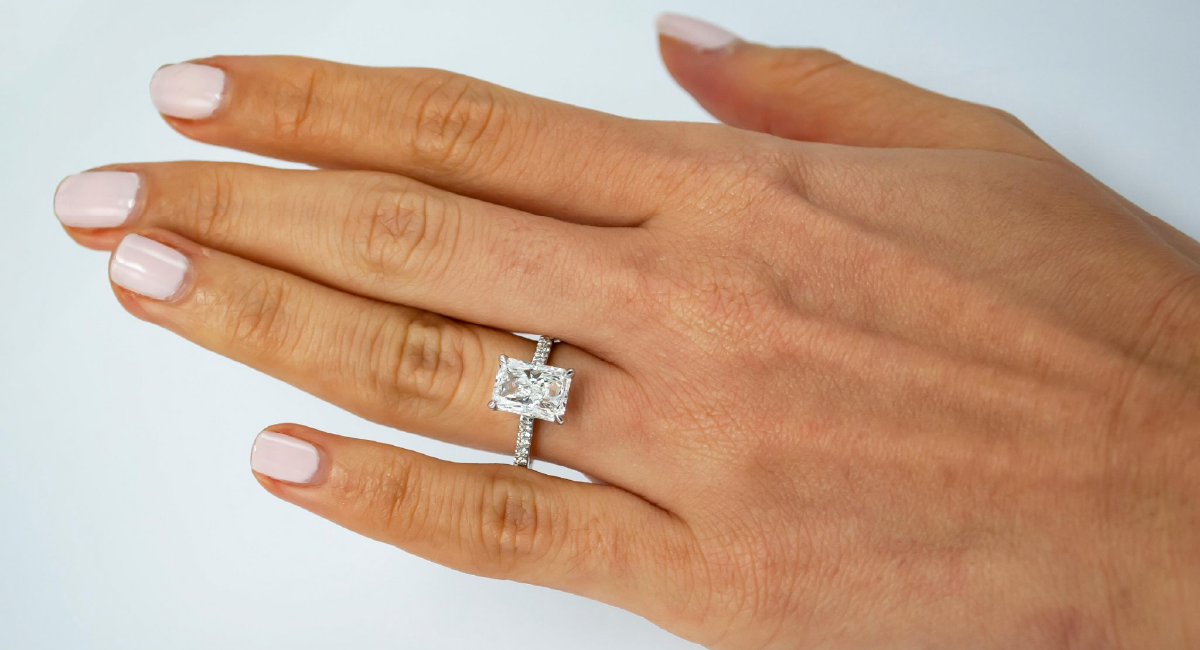
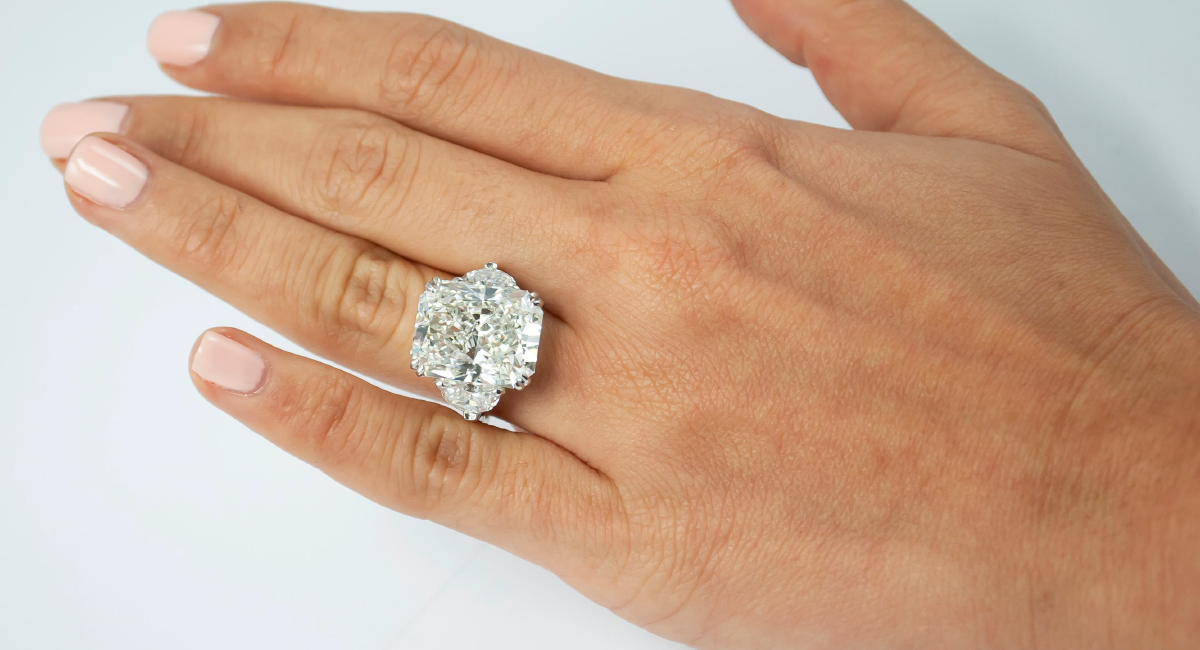
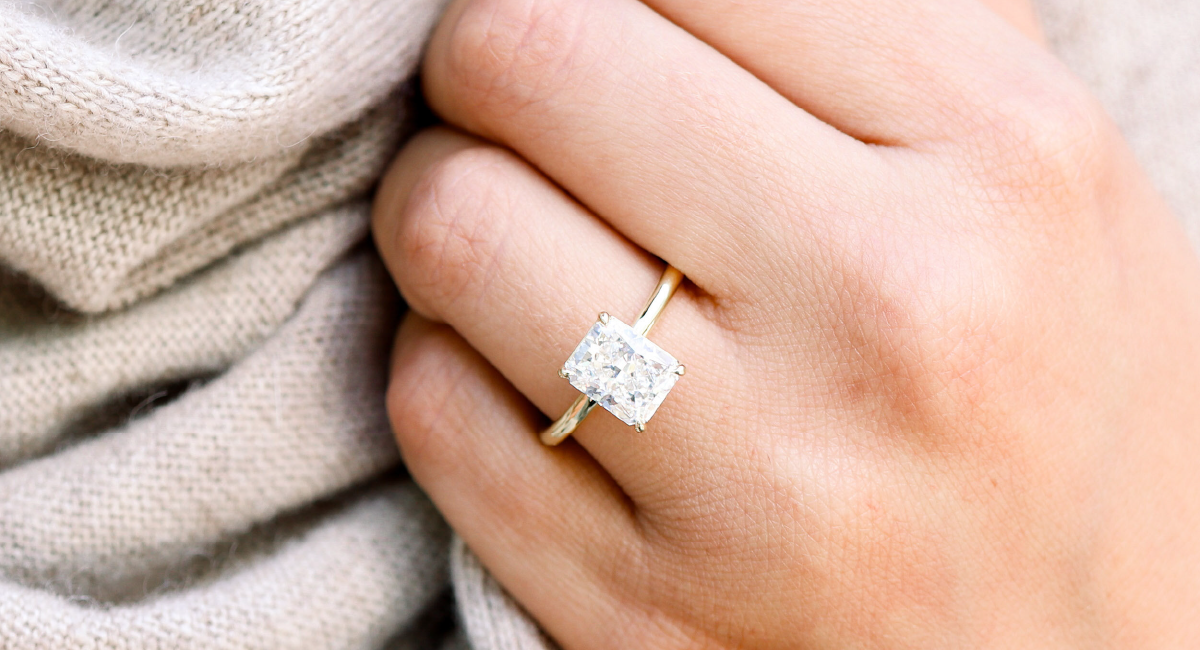
Diamonds are transparent and one of the most beautiful forms in which carbon exists in today’s world. A diamond is an arrangement of carbon formed under extreme climatic conditions of temperature and pressure. These forms of carbon turn out to be very beautiful and have been worn in various kinds of jewelry by people throughout the ages. The understanding of diamonds has evolved over time.
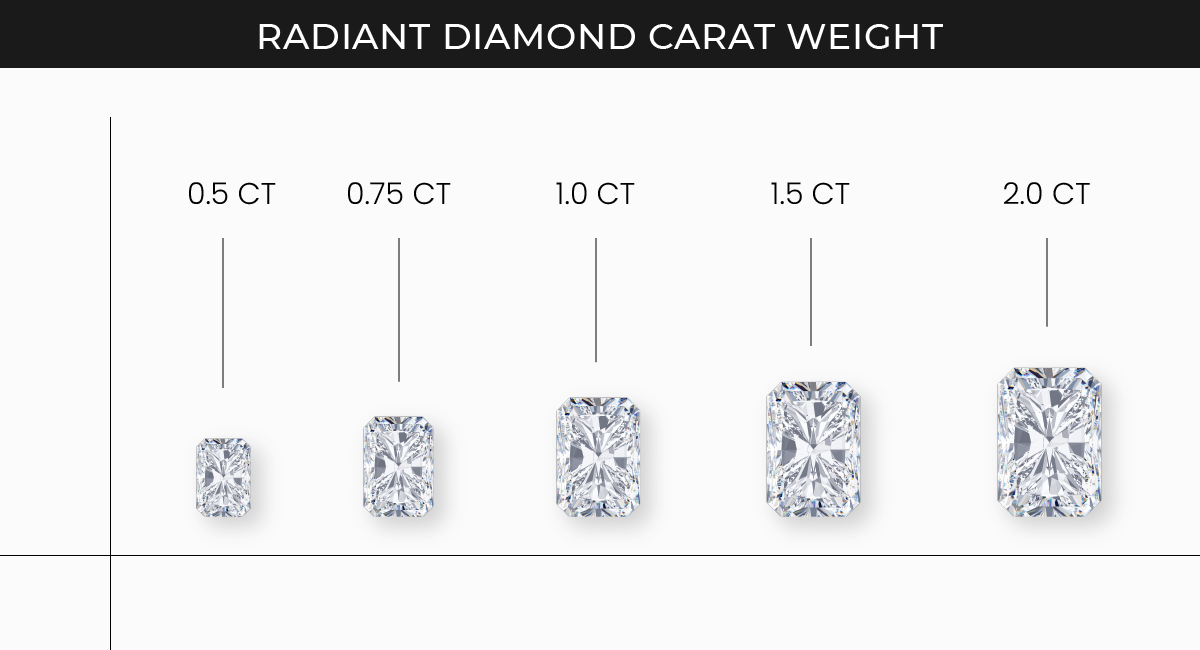
People have started to distinguish between diamonds based on the 4Cs- Carat, Cut, Color, and Clarity. These four elements make up such a huge part of the beauty of a diamond. The carat is the weight of the diamond chosen.
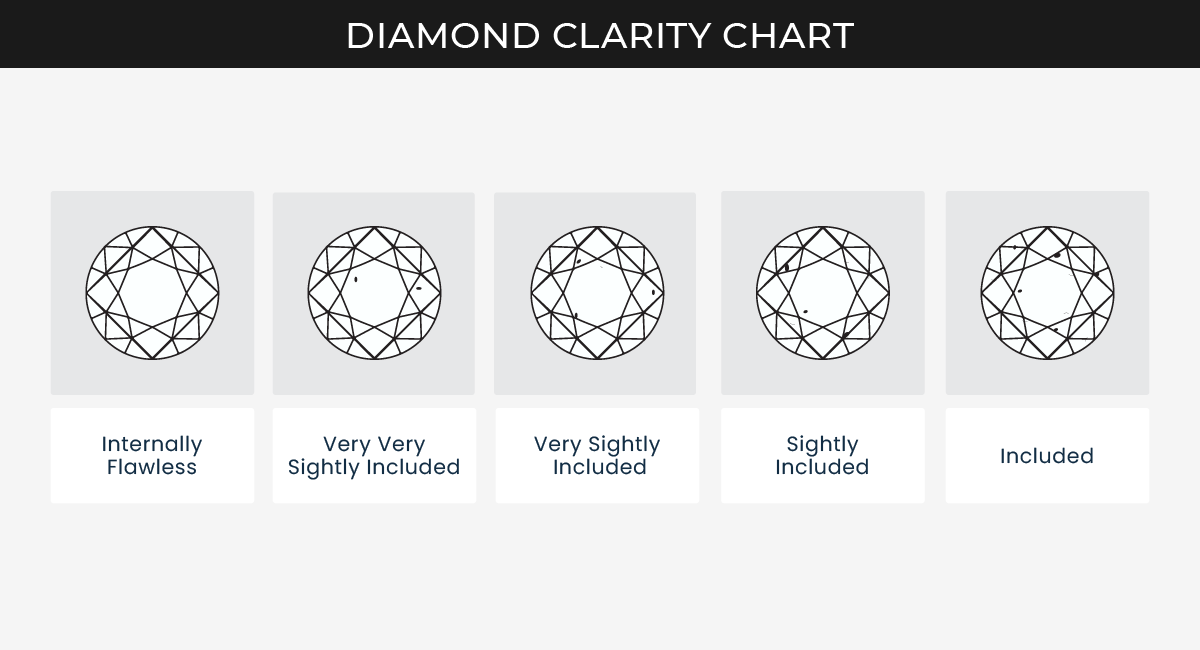
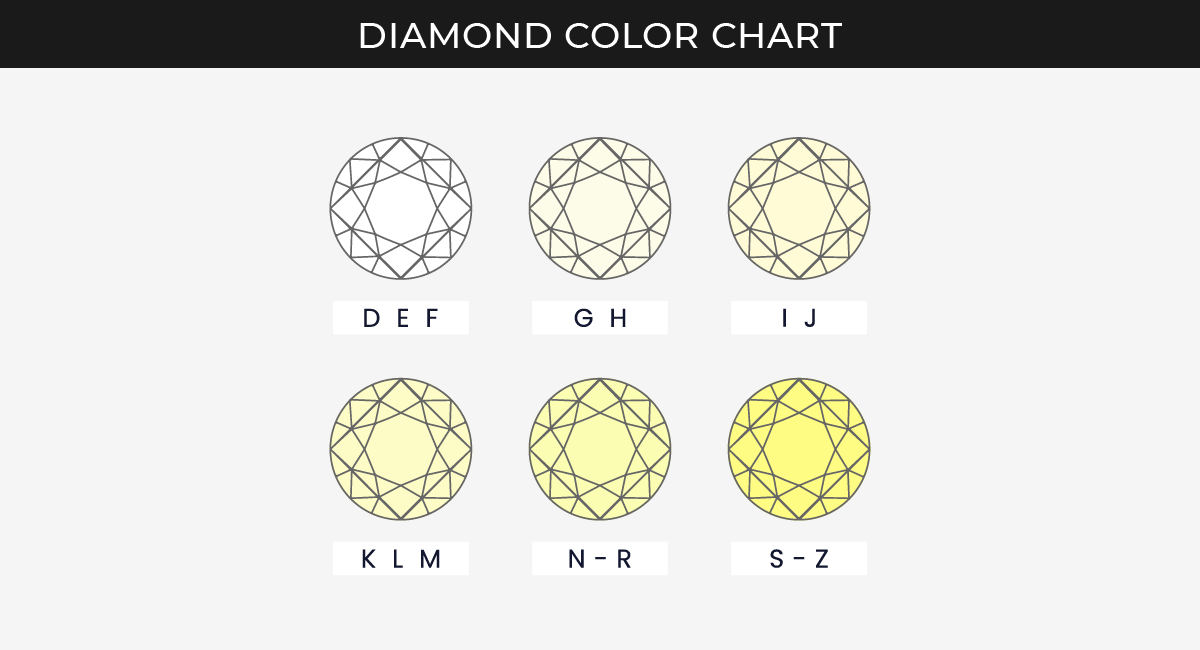
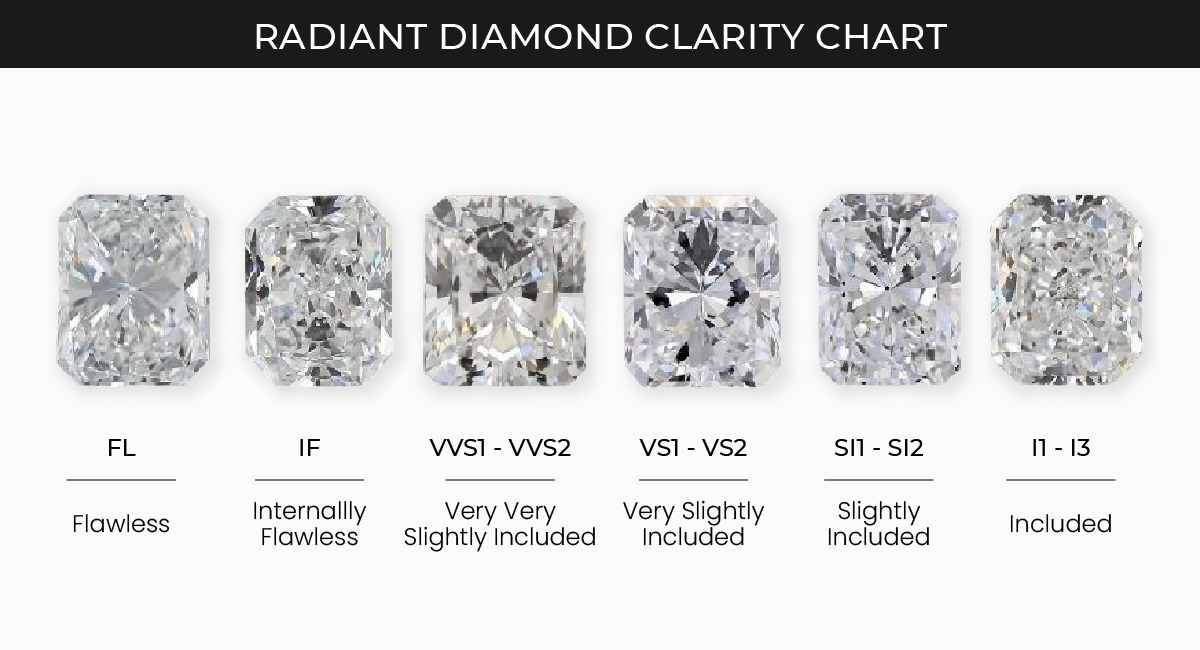
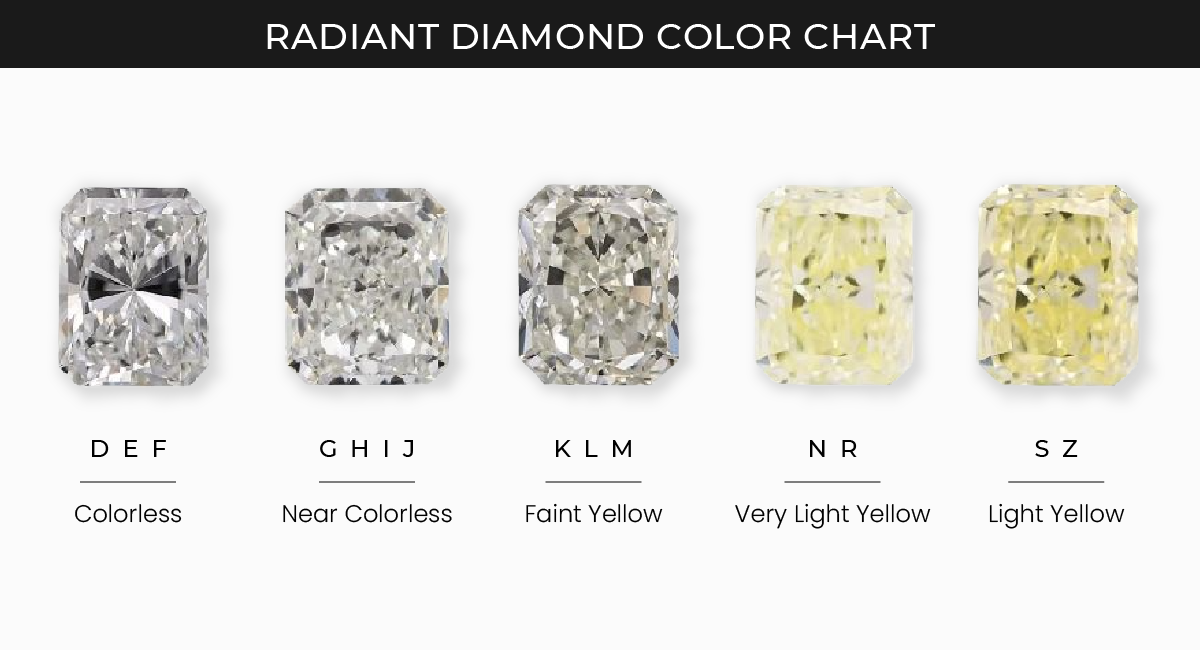
The cut is the form in which the diamond has been cut to enhance its shine and brilliance diamond. The color is the scale of yellowness or whiteness in the diamond and the clarity is chosen for any inclusions of defects or blur in the diamond.
Here is the oval cut diamond, which is one of the beautiful cuts in which a diamond can be cut. It is also a very old cut and is said to be more enhancing than the round brilliant since it appears larger than it is based on its elongated form. The wearer’s fingers appear longer due to the elongated curved form of the diamond cut.
Diamonds are used in engagement rings as a representation of love and brilliance as a forever mark in the love story. The 1.5ct oval diamond can be set in beautiful forms of engagement rings which are used to bring together people in love.
The 1.5 carat weight strikes a perfect balance between a substantial presence on the finger and an understated allure. The oval shape complements a variety of settings, from classic to intricate designs.
LGD offers customization options for 1.5 carat oval lab grown diamond rings, allowing couples to create a unique and personalized piece. The choices in size, metal, side stones, and setting styles provide an opportunity to tailor the engagement ring to individual tastes.
The setting can be in various metals such as white gold, yellow gold, rose gold, or platinum, allowing you to choose based on personal preference and style.
1.5 Carat Oval Solitaire Engagement Ring
A 1.5 carat oval cut is an ideal diamond size if one is looking for a larger diamond, but not too large as to cover up the whole design of the diamond. Solitaires are very precious diamond ring settings that are included in the engagement ring range. And they should be, as the importance they hold and the impact created by them in the long history of engagement rings.
An oval solitaire ring can be a very beautiful option, but there are a variety of settings that make it even more beautiful. There are three settings in the oval solitaire engagement ring, which are the prongs, bezel, and pave setting. The prong setting holds the diamond in place with the help of some extending hands.
These hands known as prongs are either 4 or 6 in number to hold the diamond in a good position. This kind of setting allows maximum light to enter the diamond and hence enhances its brilliance. This is a very beautiful setting but is a little unsafe in terms of the safety of the diamond.
1.5 Carat Oval Three Stone Engagement Ring
The 1.5 carat oval three stone engagement ring is a very beautiful option for someone who is looking for a fancier alternative in the range of oval cut diamond rings.
The concept of the three stone ring will be that the main stone will be at the center of the ring. The other two diamonds will be placed at either side of the main diamond, like an accessory. They can either be brilliant round, pear, or even marquise diamond, depending on the design taste of the person wearing it.
1.5 Carat Oval Diamond Ring With Hidden Halo
[su_youtube_advanced url=”https://www.youtube.com/watch?v=mJXJqjFq8-0″ width=”1600″ controls=”alt” autohide=”yes” autoplay=”yes” mute=”yes” loop=”yes” rel=”no” modestbranding=”yes” theme=”light” playsinline=”yes” title=”1.5 carat oval diamond ring with hidden halo”]
1.5 carat oval lab grown diamond ring with a hidden halo is sophisticated. The combination of the oval cut and the hidden halo gives the ring a classic yet modern look, making it a popular choice for engagement rings.
This type of ring typically features a central oval diamond, weighing 1.5 carats, set in a prong or bezel setting to showcase its beauty.
1.5 Carat Oval Diamond Band Engagement Ring
The 1.5 carat oval diamond band is a fundamental yet elegant design that accentuates the look of the oval cut diamond. In its essence the diamond band of this setting is the basic engagement ring, an addition of the oval diamond brings out the simplicity of this particular ring style.
The band ring will have the diamond located on top of the ring. The diamond can be set in any setting like the prong or the bezel, on top of the band. The band can be of different metals and the look of the diamond is impacted differently when it is placed inside a different metal. [blog_page_inventory shape=”Oval” carat=”1.50,1.60″ cut=”0,4″ color=”0,10″ clarity=”0,11″]
[blog_page_btn title”Buy Now” url=”https://www.loosegrowndiamond.com/inventory/?”]
1.5 Carat Oval Halo Engagement Ring
The 1.5 carat oval halo engagement is the one that oozes royalty. This is a classy and royal design. The halo is the design that surrounds the main diamond. The smaller diamonds when they surround the main oval cut diamond. These smaller diamonds tend to enhance and beautify the main oval cut diamond in the ring.
The smaller diamonds create a sort of appearance that makes the central diamond even bigger than it already is. This can be a little light on the pocket, but it will make the diamond appear more luminous.
Buy 1.5 Carat Oval Lab Grown Diamond Ring
Loose Grown Diamond 1.5 carat oval engagement rings will start you on a path to classic beauty. Enjoy the lowest pricing on our luxurious assortment and for this, you can check our diamond price calculator page, which includes ethically sourced lab-grown diamonds.
If you want to increase your happiness, you may get a special discount by using the promo code at checkout.
Here at loose grown diamond, we provide you with amazing and stunning ideas for different styles of engagement rings. Try out multiple styles before selecting one. Happy shopping!
Conclusion
The 1.5 carat oval lab grown diamond is one of the most beautiful assets one can give as an engagement ring. The oval diamond cut is very beautiful in itself and can be used with a variety of designs to compensate for and add a certain extra glamor to itself.
The choice of metal is an important factor that one should look after while they are choosing the design and pattern for the 1.5 carat oval diamond engagement ring.
These designs are basic while some are glamorous. All of them are very edgy, stylish, and classy. It all depends on the user and the wearer, whether what design they want to choose as a representation of their love to one another.
FAQs
How much is a 1.5 carat oval diamond?
1.5 carat lab grown oval diamond price you can expect to pay anywhere from $2,000 to $30,000, depending on factors such as cut, color, clarity, and the quality of the setting.
Is there a big difference between 1 carat and 1.5 carat?
Yes, the difference is noticeable in size. A 1.5 carat diamond is larger than a 1 carat diamond, providing a more substantial and striking presence.
Is 1.5 carat oval diamond good for an engagement ring?
An oval 1.5 carat diamond ring is considered a popular and substantial choice, balancing elegance and wearability.
Is 1.5 carats a good size for an engagement ring?
Yes, a 1.5 carat diamond is considered a popular and substantial choice, balancing elegance and wearability.
How big is 1.5 carat oval diamond?
The ideal carat size is subjective, but a 1.5 carat oval lab grown diamond is often considered a classic and versatile choice for engagement rings.
How do you make a 1.5 carat oval diamond look bigger?
Opt for illusion settings, like halo designs, which can enhance the perceived size of a 1.5 carat oval lab grown diamond. LGD offers customization options for your ideal look.
A 1 carat lab grown diamond ring is a popular and classic choice for an engagement or special occasion ring. Amidst the engagement season, people rush to buy suitable rings for their loved ones and from all the options, the most common carat ring people tend to opt for is the 1 carat diamond ring.
A 1ct ring for a diamond ring, a one carat stone is an acceptable quantity. It’s large enough just to show off all of the aesthetic elements we seek from a gem (scintillation, brightness, and blaze), but it’s also a comfortable fit; after all, you would like to be able to wear your diamond engagement ring each day.
The most significant feature to look for in a diamond be it mined or lab grown is the 4C’s. The appearance can vary based on the diamond’s cut, color, clarity, and carat. This 4C is very crucial as it will determine how your diamond will look and it will also affect the price you will pay for it.
The setting of the 1 carat lab grown diamond ring plays a crucial role in its overall design. Different shapes can create unique styles and aesthetics and the choice of setting can influence the ring’s appearance and character. A 1 carat lab grown diamond ring is a timeless and elegant choice for women.
1 Carat Round Solitaire Platinum Engagement Ring
A 1 carat round lab grown diamond is set in a platinum solitaire band. Four small prongs are fastened on a basket in this design. This round solitaire diamond setting is classic and suitable for practically anyone. One of the best cuts for optimum brilliance and blaze is a round shaped diamond.
Because of the facets of round gems, they tend to disguise flaws quite effectively. As a result, they’re one of the most desirable wedding ring shapes. If you want to highlight your diamond and let it shine, a solitaire setting is ideal.
1 Carat Round Diamond Band Engagement Ring
A 1 carat round lab grown diamond is set in a platinum diamond band. This one-of-a-kind pattern will catch the eye of anybody who sees it. This arrangement features an eternal pattern behind the stone and diamonds positioned in opposite orientations on the band(the infinity twist setting). This one-of-a-kind arrangement is unquestionably eye-catching. The brightness of this wedding diamond ring is outstanding.
When it comes to round diamonds, brilliance is unrivaled. This diamond ring will undoubtedly enhance the wearer’s beauty. A lovely diamond engagement ring with a sleek look. This is guaranteed to be one of the best designs that you could give to someone special.
A 1 carat oval lab grown diamond is set in a platinum diamond band. This elegant and classic design features an oval shaped diamond centerpiece and accent diamond band set with minimalist prongs. This design is ideal for anyone seeking a basic engagement ring with more diamonds.
Because of the facets, an oval form is good for achieving brilliance following the round shape because it eliminates/hides any faults that may occur during the cutting or manufacturing process. This conflict-free lab diamond is a work of art in and of itself.
A 1 carat lab grown diamond engagement ring featuring an elegant oval shaped diamond and a complementary band offers a captivating and classic choice with modern sustainability.
1 Carat Oval Solitaire 18k White Gold Engagement Ring
A 1 carat lab grown diamond is set in an 18k white gold solitaire band. Oval shaped diamonds are associated with the vintage aesthetic and are influenced by ancient history. The oval ring is noted for its brilliance and is considered one of the most beautiful shapes available (in the marketplace one can buy).
Because of its extended design, it complements and enhances the appearance of the 1 carat diamond ring on finger. Although this setting appears modest, the solitaire arrangement makes it look very exquisite, and the white gold ring only adds to its charm.
1 Carat Emerald Halo 18k White Gold Engagement Ring
A 1 carat emerald cut lab created diamond is set in an 18k white gold halo band. It’s an emerald cut motivated by a 14th-century emerald cut stone, making it a one-of-a-kind item. The halo is followed by a diamond band in this design. Emerald is a one-of-a-kind cut that is frequently connected with a retro look, and no one can deny its presence.
One of the most appealing features of this intriguing form is that it has a long, beautiful body that offers users the impression of taller, slimmer hands. Another advantage of this diamond cut is that it appears bigger than some other gemstones of the same weighting factor.
A 1 carat pear lab created diamond is set in a 14k rose gold halo diamond band. This artwork was designed in response to customer demand and it is one of our most elaborate designs. This diamond engagement ring features a halo, a rose gold diamond band and a stunning pear-shaped stone on top of it all.
Because of its unusual shape, the pear frequently reflects the subject’s powerful willpower, strength, freedom, and individual flair. These gemstones are also thought to represent joyful emotions or bridal weeping, both of which are fitting for a diamond ring.
1 Carat Pear Three Stone 14k Yellow Gold Engagement Ring
A pear shaped 1 carat lab grown diamond is set in a 14k yellow gold three-stone band setting. This arrangement is expensive, not to mention the shape, which stands out and draws attention. This lovely design has three pear stones, one of which is the primary diamond, and two accent stones that are set to look like leaves.
Because of its vibrant culture, the three stone band is among the most prominent diamond engagement ring designs. Peace, affection, and fidelity, or past present future are represented by the three stone engagement ring (also known as the Trinity or trilogy ring).
1 Carat Cushion Diamond 18k White Gold Engagement Ring
A 1 carat lab grown diamond cushion cut is set in an 18k white gold diamond band diamond ring. A cushion cut ring features a cushion cut center diamond, which is a modification of the square cut with softened edges. This rock formation is for the person who understands that their history shapes their destiny and isn’t scared to accept it wholeheartedly!
This arrangement consists of a 1 carat lab grown diamond cushion shaped with a halo to brighten its brilliance which is then followed by a white gold diamond band.
1 Carat Cushion Solitaire 18k Yellow Gold Engagement Ring
A 1 carat solitaire cushion cut lab created diamond is set in an 18k yellow gold diamond band. The contour of the cushion represents the future and the courage that a woman possesses. This is the ideal engagement ring for a strong woman in your life.
This particular form provides outstanding sparkle as a result of its cut and alterations, so you can rest assured that you will obtain the best shine. The yellow gold band adds to the ring’s appeal and gives it a classic feel.
1 Carat Princess Solitaire Platinum Engagement Ring
A 1 carat princess cut lab grown diamond is set in a platinum solitaire engagement ring. For those looking for a cubic diamond with the luster and dazzle of a round stone, princess diamonds are provided.
Because the princess diamond design is considered to exhibit elegance, grace, and edge, it is for the individual who is lured by the thrill and a pure sweetheart in the soul. A solitaire ring is a timeless classic that never goes out of style.
1 Carat Princess Diamond 14k White Gold Engagement Ring
A 1 carat princess-cut lab grown diamond is set in a 14k white gold diamond band. A princess diamond is ideal for your high school love or anyone tenacious and courageous. Because the princess gem form is renowned to display attractiveness, elegance, and flair, this gemstone is for the person who is attracted to the exhilaration and a genuine passion at the core.
This one-of-a-kind item features a princess cut diamond as the focal point, which is held in place by four prongs and surrounded by a white gold diamond band.
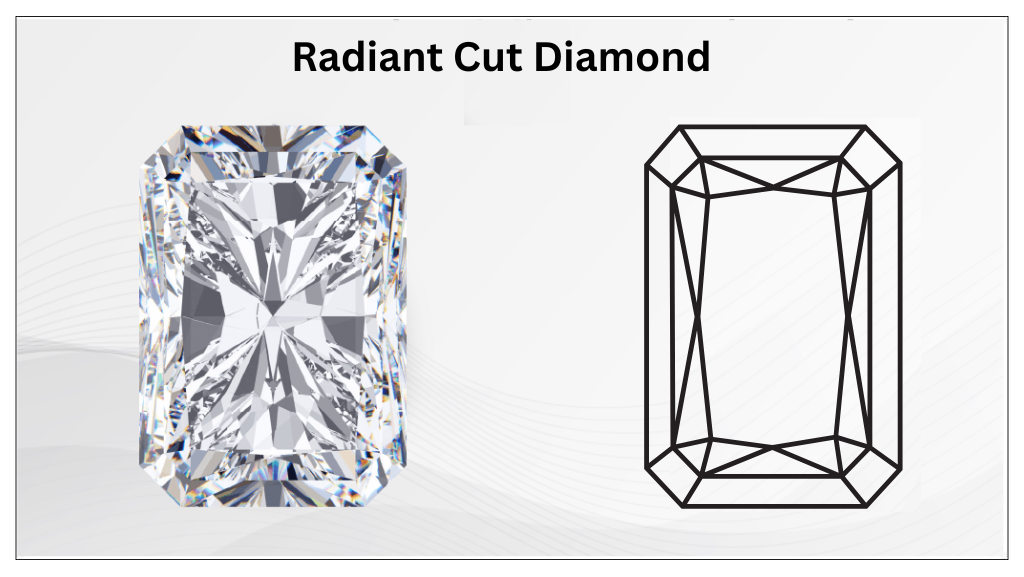
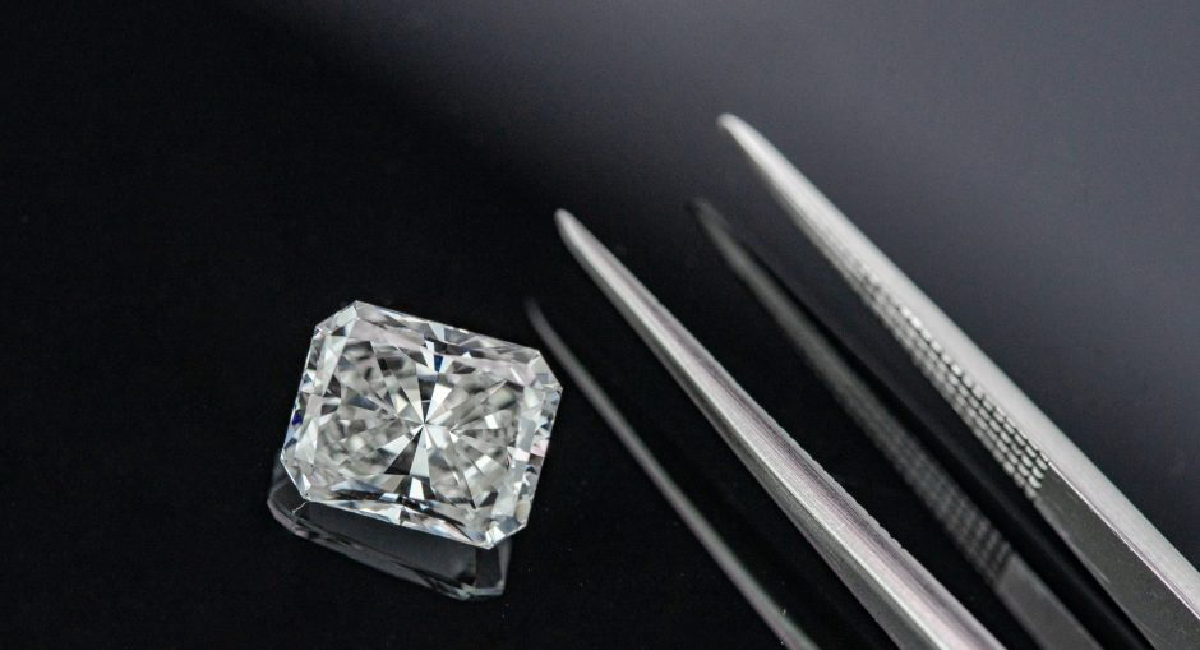
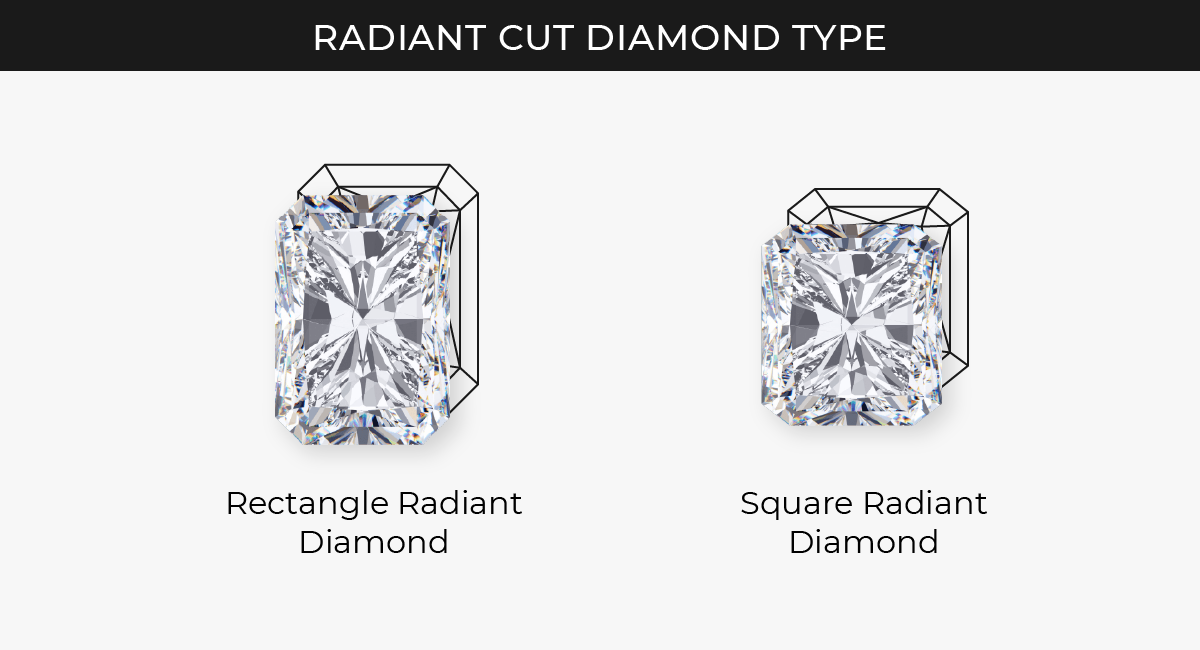
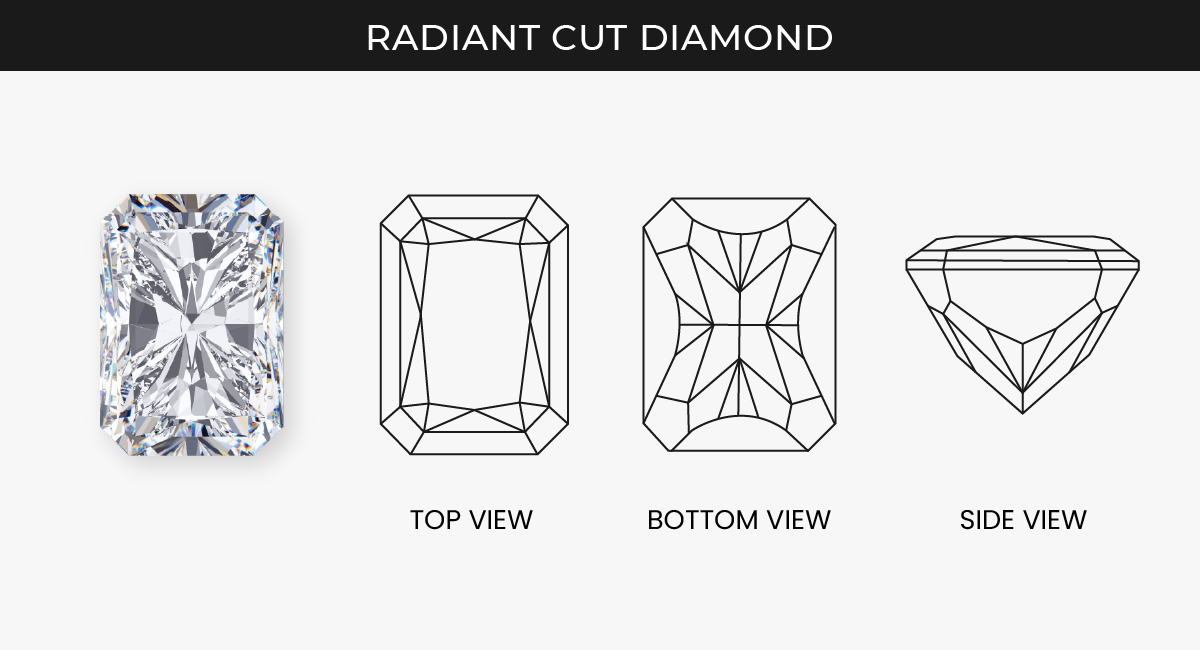
A 1ct radiant cut lab diamond is set in a platinum band. This arrangement is charming and traditional, with miniature prongs and a gallery string for optimum exposure to light. This pattern incorporates the greatest features of both emerald and round shapes, permitting dazzling gems to shine brightly and have a lot of blazes.
The crystal’s rectangular shape, like the emerald cut, symbolizes security and sturdiness, two qualities that are ideal for a marriage commencing their lives ahead.
Buy 1 Carat Lab Grown Diamond and Ring
Loose Grown Diamonds 1 carat diamond engagement rings are the perfect starting point for a lifetime of love. Experience the everlasting brilliance of our lab grown diamonds by perusing our stunning assortment.
Enjoy the best pricing and make your purchase even more pleasurable by entering the promo code at checkout for an exclusive discount. You can use our Diamond Price Calculator to determine the right price for your diamond. Pick a diamond that’s one carat in size and represents both your commitment and your sense of style and value.
Conclusion
While lab grown diamonds are becoming popular the full truth behind them is still hidden. The fact that so many people associate lab grown diamonds with fake diamonds shows us how many people do not have adequate knowledge. But here at Loose Grown Diamonds, we provide a platform that will support its consumers from the start and will keep on assisting until they are pleased with it.
At LGD, we feel pleasure in exceeding our client’s expectations with every item of personalized fine jewelry we create. Diamonds, we agree, should never be prohibitively expensive. As a result, we only use our own lab created diamonds in our premium jewelry which are graded by reputed institutions.
FAQs
How much is a 1 carat diamond worth?
The value of a 1 carat lab grown diamond varies based on factors like cut, color, and clarity. It can start at $1,000 and go up to $15,000.
What does a 1 carat diamond look like?
1 carat diamond has a noticeable size, offering a stunning and classic appearance on the finger.
Is 1 carat diamond good for an engagement ring?
Yes, a 1 carat diamond is a popular and timeless choice, symbolizing sophistication and enduring love.
Is a 1 carat diamond ring small?
The perception of size is subjective, but a 1 carat lab grown diamond provides a classic and elegant presence for an engagement ring.
How much does a 1 carat diamond weigh?
1 carat diamond weighs precisely 1 carat, with variations based on the cut and dimensions. The term “carat” refers to the weight of the diamond, with one carat equal to 200 milligrams.
What size is a 1 carat diamond engagement ring?
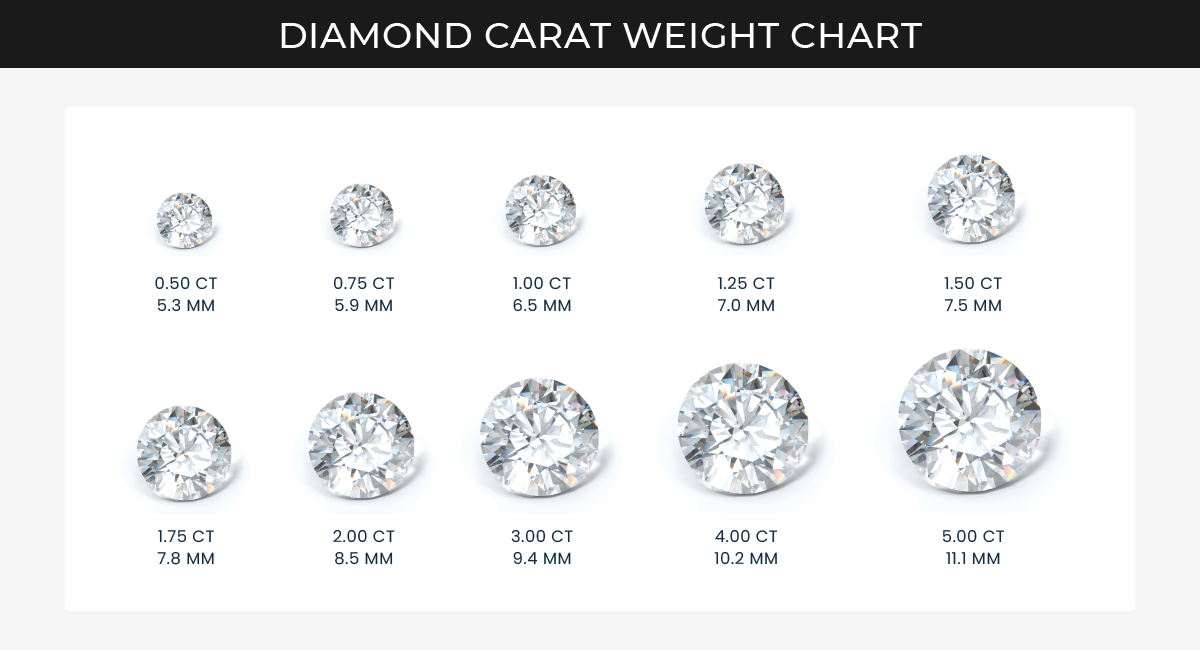
The dimensions of a 1 carat lab grown diamond depend on the cut; on average, it measures approximately 6.4 mm in diameter.
Is 1 carat a lot for an engagement ring?
1 carat diamond is a significant and cherished choice for an engagement ring, offering a timeless and enduring symbol of love.
Have you ever wondered about something better than a 1 carat diamond ring? A 1.25 carat diamond ring not only is a better value for money but has up to 16% more face-up value than your typical 1 carat diamond ring.
Few buyers may feel that a 2ct diamond ring might be too hefty and a 1ct diamond ring might fall short of their expectations and for that, the 1.25ct diamond ring is just the perfect size for someone looking for something better than a 1ct but not too hefty.
“What would a 1.25 carat diamond appear like in a wedding ring?” This could be your question. We’ve got your back. Following are some samples of 1.25 carat wedding ring styles with lab grown diamonds in round, oval, pear, cushion, princess, emerald, marquise, and asscher cuts.
Various Styles of 1.25 Carat Lab Grown Diamond Rings
In the world of fine jewelry, the 1.25 carat lab grown diamond ring stands out as a symbol of both elegance and ethical choices. The setting and metal of your ring play a pivotal role in its overall aesthetic.
1.25 Carat Round Solitaire 14k Yellow Gold Engagement Ring
Diamond shapes such as the round and oval are known for their brilliance. This 1.25 carat round lab grown diamond is set in a 14k yellow gold solitaire diamond ring and is suitable for anyone that wants to keep it ‘Simple’.
Solitaire arrangements seem to never go out of style and will last for many years to come.
1.25 Carat Round Diamond 4 Prong Setting Engagement Ring
This spectacular platinum diamond band wedding ring with a 1.25ct round lab grown diamond and a discreet 4 prong setting offers the diamond a crisp polish and the platinum diamond band delivers a high-quality aesthetic appeal.
The arrangement does not appear to be going out of style anytime soon, and according to some market experts, it will quickly become a more popular choice among buyers.
1.25 Carat Three Stone 18k Yellow Gold Engagement Ring
A unique variation on the classic 18k yellow gold three-stone diamond ring, with a 1.25 carat oval lab grown diamond. This one-of-a-kind three stone setting will attract the eye of anyone who sees the band and will undoubtedly stand noticed.
A central diamond is complemented by a set of diamonds carefully arranged in the trellis basket to create this masterpiece. And the yellow gold band will give the whole arrangement a vintage look and feel.
1.25 Carat Oval Cut Diamond 14k Yellow Gold Engagement Ring
The 1.25 carat oval shaped lab created diamond in this 14k yellow gold diamond band engagement ring is a classic piece of jewelry. The diamonds that encircle the centerpiece and are put on the diamond add to the beauty of the jewelry.
The centerpiece’s oval cut/shape will elongate the finger and is ideal for most people.
1.25 Carat Pear Halo 18k White Gold Engagement Ring
A 1.25 carat pear lab grown diamond is set in an 18k white gold halo engagement ring. It’s a ring with a distinctive halo of lab-created diamonds placed in a hoop mounting, as well as a column diamond pavé set to ring to accent the central stone.
The pear structure, which is a highly unusual shape in and of itself, is the ideal blast of diamond paradise.
1.25 Carat Pear Solitaire Engagement Ring
A platinum solitaire engagement ring featuring a pear 1.25 carat lab grown diamond. This unique shaped diamond in itself is very distinguished; the solitary arrangement with a platinum band makes the ring seemingly simple yet very elegant.
1.25 Carat Cushion Solitaire 14k Yellow Gold Engagement Ring
Lovely and classic, this 14k yellow gold solitaire engagement ring with a 1.25 carat cushion lab grown diamond includes small prongs and a gallery wire for optimal light exposure.
The golden band gives the diamond a yellow color, giving the ring a luxurious appearance.
1.25 Carat Cushion Solitaire 18k Yellow Gold Engagement Ring
A 1.25 carat cushion brilliant lab grown diamond is weaved with an 18k yellow gold band which forms an amazing engagement ring. This diamond ring is sure to shine brightly for you.
The diamond cushion cut evolved from the ancient period and is usually linked with a vintage style.
1.25 Carat Princess Diamond 4 Prong Setting Engagement Ring
This ring is a platinum diamond band with a 1.25 carat princess cut lab grown diamond. This arrangement is dainty and beautiful, with an incorporated four-prong basket and miniature prongs.
This form is quite common, ranking fourth among the most preferred after the round, oval, and cushion cuts.
1.25 Carat Princess Diamond 18k White Gold Engagement Ring
Within an 18k white gold diamond band, a 1.25 carat princess cut lab grown diamond is weaved to create a beautiful diamond engagement ring.
This split diamond column has a princess cut diamond as the focal point and is set with tiny, almost imperceptible prongs, making it a classic and elegant item.
1.25 Carat Asscher Solitaire 18k White Gold Engagement Ring
A 1.25 carat asscher cut lab grown diamond is set in an 18k white gold solitaire diamond ring. A classy solitaire design with a narrow band that wraps your center diamond for maximum light brilliance and intrigue.
The asscher cut has enormous step facets and a high crown, giving it a radiance that no other gem shape can seem to compete with.
This is a hybrid diamond design, a creative merging of the step cut of the emerald form with the brilliant cut of round stones. It is a platinum solitaire engagement ring containing a 1.25ct radiant cut lab grown diamond.
This arrangement enhances the diamond’s radiance and brilliance while also drawing attention to it.
Where to Buy 1.25 Carat Lab Grown Diamond Ring?
1.25 carat lab grown diamonds can be sometimes tricky to buy and many people get overwhelmed very easily. In the article above, we discussed the very common diamond ring shapes that are frequently requested and are in high demand.
But if you are looking for something very different and unique. Not to worry because here at Loose Grown Diamonds we provide a simplified online platform that will help you out through all the processes to buy lab grown diamonds and offers a range of customization options for lab grown diamond rings.
The price of a 1.25 carat diamond ring can vary widely based on several factors, including the quality of the diamond (cut, color, clarity, and carat weight). We at Loose Grown Diamond sell best-price diamonds and provide GIA/GCAL and IGI certification for authenticity.
Discover the perfect value for your diamond with our advanced diamond price calculator. Unlock special discounts with our promo code to enhance your diamond shopping journey and enjoy exclusive savings.
Happy Shopping!
FAQs
How much is a 1.25 carat diamond?
The price of a 1.25 carat diamond can vary widely, ranging from 400$ to tens of thousands of dollars, depending on factors such as cut, color, clarity, and carat weight.
Can I customise a 1.25 carat lab grown diamond ring?
Yes, Loose Grown Diamond offers customization options for the setting and design.
How much does a 1.25 carat diamond ring price?
The price of a 1.25 carat diamond ring can vary widely, but it generally starts around $1,500 and can go up significantly based on the diamond’s quality, cut, color, and clarity.
1.25 carat diamond ring good?
A 1.25 carat diamond is generally considered a good size for a diamond ring, offering a balance between noticeable sparkle and practicality.
Is a 1.25 carat diamond big?
At this weight, a diamond is noticeably larger than one carat and truly stunning.
Do 1.25 carat lab grown diamonds come in different colors?
Lab grown diamonds offer a spectrum of colors, from classic white to fancy color. Explore the variety and choose a color that resonates with your style.
Lab-created diamonds have become incredibly popular among several individuals due to their exquisiteness and relatively inexpensiveness. Additionally, they are the diamond of preference for those who are ecologically friendly.
A lab-made diamond has unequaled brightness, and it has the same accurate characteristics as natural diamonds – with the exception that it was produced much quicker with modern equipment.
When purchasing a diamond, bear in mind the 4Cs of a jewel, which are color, clarity, cut, and carat weight. It will impact a diamond’s aesthetic appeal, as well as the price tag that will be connected to it.
A lab-created diamond is a solution if you want a spectacular, stunning, and beautiful diamond that is also cost-effective and ecologically responsible.
What is a 5 Carat Diamond?
Whenever we talk about the weight of diamonds, the “carat” word always pops up. The carat is simply a weight that a diamond can carry. It is important to realize that carat weight is a measurement of weight rather than size.
Carat is a fixed quantity, but size can change depending on the shape and cut proportions. One carat is equivalent to 2g, so 5 carats equals 1g or 1000mg. The diamond’s carat also helps jewelers determine the price more accurately.
A lab grown 5 carat diamond is much bigger and heavier than an average diamond. Its diameter is around 11.1 mm. Finding a 5 carat diamond is like winning the lottery since they are so uncommon. This is because as the diamonds become heavier and larger, the per-carat price gets expensive.
Due to this reason, the price of this diamond is at its peak. A 5 carat diamond ring is an actual definition of “one in a million.” It will have a dazzling sparkle with which it will get all the attention. The central stone of an engagement ring should be a lab created 5 carat diamond.
How Much Does a 5 Carat Diamond Ring Cost?
Factors like cut, color, and clarity can determine the price of a 5 carat diamond ring. Carat weight rarity is also considered an important factor, due to which the actual cost of the diamond can differ. Also, the price goes up as the diamond’s weight increases. Different shapes of the same carat weight can also have varying price ranges.
If you observe diamonds, you will get to know two diamonds that are very similar but can have very different prices. The value of a 5 carat diamond ring varies based on factors like cut, color, and clarity. LGD offers competitive prices, ensuring the best value for your investment.
The price of 5 carat diamond ring can range from $9,000 to $105,000 per carat. If you choose a high grade in every factor for a 5 carat diamond, your diamond ring’s price can easily reach $500,000. Be sure to compare prices when you buy a 5 carat diamond engagement ring, as different retailers offer different prices.
The type of metal you choose for your ring’s band, the ring setting, if there are side stones, and other factors will greatly impact the final price of a 5 carat lab diamond ring.
The Best Color Grades For 5 Carat Diamonds
Diamond color is one of the most noticeable factors of all 4Cs; the color and quality can be detected without magnification or seen with the naked eye. Now, which color is the best? We recommend choosing the color that your eyes like the most and that fits your budget.
However, most people prefer their 5 carat lab diamond to be transparent. As 5 carat lab grown diamonds are large, the color defect can be spotted easily with the naked eye. The GIA sets the color grade scale for diamonds, which ranges from the highest color, grade D, which indicates transparency and colorlessness, to the lowest color, grade Z, which has a noticeable yellow and brown tint.
If you buy a higher color-grade diamond, you have to pay more for that. If your budget is less, you should go for a lesser grade. Only the highest grade, D, does not need to appear transparent; slightly lower grades like I and J can also appear the same with a normal eye, and the advantage is that it is less expensive.
Sometimes a little color can also look good in diamonds. You will need to compare to get a balance between price and beauty.
5 Carat Diamond Rings On Hand
The dimensions of your hand and fingers will decide which diamond will look perfect on you. Step cuts look elegant and are the second choice after brilliant round cuts, which are the primary choice for many individuals. Elongated cuts will make the finger look longer and thinner, especially at high-carat weights like 5 carats.
If not chosen wisely, a long stone can also dominate your fingers. The oval cut, pear cut, cushion cut, and even the old mine cut will look good at such high carats.
How To Choose A 5 Carat Lab Diamond Using The Four C’s?
A common trait among all buyers is that they love saving money. It is the smart work of ordinary people to find a good quality diamond that the eye can appreciate without spending extra money.
Selecting the best stone at a low price will help you put more money aside for the perfect setting of your dream ring. Each of the 4C’s grades is an important factor in determining the final price of the diamond.
Below is a brief explanation of how 4Cs affect the price:
Color – The main goal is to get a sparkling diamond. It is not necessary to achieve this solely by selecting a D color grade. G-I color grade can be the range where one can get the best-looking, shiny diamond at a lower price. Only experts are going to notice the difference.
Clarity – Eye-clean diamond is the primary goal. This can be hard to achieve for high-carat weights because inclusions can be easily seen. Try to find a diamond of VS2 clarity. This grade’s inclusion is almost invisible to the naked eye.
Cut – Cut is mainly responsible for the brilliance and fire of the diamond. There is no such shortcut to achieving a quality cut.
Carat – A carat is a unit in which diamond weight is measured. In determining the total price, the carat is the important factor. If you have a lower budget, look for a lower-carat diamond.
So Here Are 5 Carat Lab Grown Diamond Engagement Rings
Among the various options available, the 5 carat engagement ring stands out for its captivating beauty and meaningful symbolism. A 5 carat lab grown diamond commands attention with its impressive size and exceptional brilliance.
5 Carat Oval Solitaire 18k Yellow Gold Engagement Ring
A 5 carat oval diamond is set in an 18k yellow gold solitaire band. This arrangement is dainty and elegant, with miniature studs and a gallery wire for optimum exposure to light. The term oval is derived from the Latin term ovum, which means egg. Since ancient times, the shape has been connected with rejuvenation, recurrence, and even infinity.
Including an oval diamond in your diamond ring is a terrific way to start a new life altogether. Although this simple band pattern is simple, it will leave an indelible imprint on the thoughts of those who view it.
A 5-carat emerald shape lab grown diamond is set in a platinum solitaire wedding ring. This arrangement is minimalistic, with small prongs and a gallery wire for optimum exposure to light. For centuries, the emerald has been associated with compassion and acceptance.
Emerald was thought to be the diamond of Venus, the queen of joy and happiness, in ancient Greece and Rome. Emeralds were venerated by the Incas and considered to be a promise of everlasting life by the Egyptians on either side of the globe. This band is a lovely piece and a wonderful way to begin your marital relationship.
[su_youtube_advanced url=”https://www.youtube.com/watch?v=4lADIxY3u-k” width=”1600″ controls=”alt” autohide=”yes” autoplay=”yes” mute=”yes” loop=”yes” rel=”no” modestbranding=”yes” theme=”light” playsinline=”yes” title=”5 carat three stone engagement ring”]
5 carat 3 stone ring symbolizes past, present, and future, this exquisite design radiates timeless beauty and enduring commitment. Flanked on either side are two beautifully matched smaller diamonds, elegantly set to complement the main stone.
This ring is not only a symbol of enduring love but also an ethically conscious choice with its lab-grown diamonds. Explore the allure of a stunning centerpiece at the heart of your love story.
5 Carat Round Brilliant Solitaire Engagement Ring
A 5-carat round lab grown diamond is set in a platinum solitaire wedding ring. Our Diamond Advisory staff fondly refers to this ageless and conventional solitaire arrangement as “ring pop” since it has four studs for ultimate protection. It’s impossible to go wrong with a diamond ring in the form of a round shape.
This is a timeless design that seems to not go out of fashion. As a consequence, they become one of the most favored engagement ring designs.
A solitaire arrangement is great for highlighting and letting your diamond sparkle. A round cut diamond is one of the greatest cuts for maximum sparkle and fire. Round diamonds, with their many facets, are excellent at hiding defects.
You can’t go wrong with a magnificent diamond ring from Loose Grown Diamond weighing in at 5 carats. Take advantage of our low pricing on this stunning assortment, which includes ethical and brilliant lab grown diamonds.
Please go to our inventory page and use the filters according to your preferences. This will assist you in locating the lab-grown 5-carat diamond ring with that matches your criteria.
Enter the promo code at checkout for a limited time only price reduction. A 5-carat masterwork that captures the enduring beauty of your love would be a fitting way to commemorate this momentous occasion.
Conclusions
While lab diamonds are becoming increasingly fashionable, the real reality about them remains a mystery. The majority of the individuals who identify lab grown diamonds with phony diamonds demonstrate how little understanding exists.
However, at Loose-grown Diamonds, we give a platform that will assist its customers from the beginning and will continue to do so until they are satisfied. We take pride in surpassing our consumers’ standards with each piece of personalized fine jewelry we design at LGD.
We believe that diamonds must never be out of reach. As a consequence, in our high-end jewelry, we solely employ lab-grown diamonds.
FAQs
What does a 5 carat diamond engagement ring mean?
A 5 carat lab diamond symbolizes luxury and grandeur, making it a statement piece for an engagement ring, representing enduring love and commitment.
Is a 5 carat diamond ring too big?
The ideal size is subjective; however, a 5 carat diamond exudes opulence. Customize your ring with Loose Grown Diamonds to strike the perfect balance for your style and preference.
How much is a 5 carat diamond?
The value of a 5 carat diamond varies based on factors like cut, color, and clarity. The price range can start at $5,000 and go up to $250,000.
What is the best setting for a 5 carat diamond?
Optimal settings for a 5 carat diamond include classic solitaire or elegant halo designs, enhancing its brilliance and ensuring a secure and stunning presentation. Customize your perfect setting with LGD.
How do I get my 5 carat diamond ring size?
You may use our Ring Sizer. Please click here for a ring size chart option.
The baguette cut diamond is an oblong and slender diamond with particularly 14 iterative columns. This gem has its roots placed in the ‘step-cut’ lineage which tends to have a unique square-shaped parallel facet arrangement. Unlike the other members of this hierarchy such as the asscher cuts that have X-shaped facets, baguettes have straight or tapered edges.
The baguette is a type of accent diamond that when paired with relatively larger diamonds helps in enhancing their magnificence. A somewhat similar effect as that of melee diamonds is the beautification of the main stone by the presence of the side stones. On account of their length, they can easily fit into even the tiniest of bands. These stones have a peculiar yet important function in wedding rings as they can be put together with round brilliant cuts and enhance their radiant shimmer.
To give you a perspective of these rectangular shaped elongated diamonds. Thus they are super slim yet equally long and look quite nice when available in abundance.
What is a Baguette Diamond?
A baguette diamond refers to both the cut and shape of the diamond. For a diamond to be considered a baguette, it must be thin and elongated in a rectangular shape, usually with a length-to-width ratio of around 3:1.
Belonging to the step-cut family, which includes emerald and asscher cuts, baguette diamonds stand out with perfectly square corners. They typically have 14 straight-line cuts, offering exceptional clarity with a subtle sparkle, making them an ideal choice for accentuating other stones in a ring.
Pros
Baguette diamonds are more inexpensive and affordable than brilliant cuts.
Baguettes act as great side stones when put together with brilliant cuts and allow for the center stone to shine.
Baguettes can be placed in various alignments and therefore make very versatile components of jewelry.
Cons
They are not suitable for solitaires or jewelry where they have to be mounted alone.
Due to their special arrangement inclusions are highly visible.
They sparkle less than brilliant cut diamonds and thus might not be the optimal choice.
History of the Baguette Diamond
The term ‘baguette’ means a loaf of bread in French to which the diamond’s name can be attributed to its length. The discovery of this cut dates back over a hundred years during the Art Deco and Art Nouveau era. The Art Deco jewelry marks contrasting structural variations using baguette diamonds in various colors.
Art Nouveau jewelry has aesthetics with varied shapes and designs encompassing the baguette rings symbolizing femininity, grace, and culture. The uprising of baguette cuts signaled modernity and vogue in the contemporary world.
Originally baguette diamonds were used in crests and beautiful rings with the owner’s initials but over time, their use has evolved. Now they are used as insignias and brooches as well. The baguette diamond cut is a relic in the fashion world but it won’t be going out of fashion anytime soon.
What to Look for in Baguette Cut Diamond
Cut
The lab baguette cut diamond in general is made with fewer cuts in comparison to other lab grown diamond cuts. When you measure the facets in a baguette cut stone, that is the flat space in the diamond stone, there are only 14 facets. All of this naturally points down to the fact that any work done on the stone needs precision.
Why does this precision mean so much? It is because other stones that have more facets cover up the unevenness or lack of clarity but that doesn’t happen in the case of a baguette diamond due to the lower number of facets.
There are two main cuts of baguette diamond that you’d find, one is ‘tapered cut’ and another is ‘straight cut’. The straight-cut diamonds are complete rectangles with the sides opposite each other being perfectly parallel. The tapered ones, on the other hand, inherently look like trapezoidal stones with an angle leaning inwards.
You can choose between the two cuts which one suits you the best.
Clarity
Looking for absolute clarity in your baguette stone? The key is to look for detailed cuts and then you’ll attain a level of crystal clear clarity. That is fairly important as the facets and the cut of the stone will make sure whether or not the diamond will have the perfect clarity and shine you have been looking for.
What will affect the crystal clarity of your baguette stone? That would be a lack of brilliance in your diamond, which would also be visible to the world. This is due to the fact that any kind of incorporation or flaws present in the diamond are readily visible in the baguette stone because of its cut.
Hence a purchase of a high-quality grade baguette diamond that could be a VS2 clarity would make more sense in terms of an investment.
Carat
The carat size in your baguette shaped diamond is something important but can be looked out for at the end of the deal, focusing on clarity and color is very important. Hence, 0.5 to 1 carat baguette diamond should be your ideal choice range. You can check out Loose Grown Diamond’s specialized diamond size chart guide for measuring diamond sizes.
Color
How you choose the lab created baguette shaped diamond depends a lot on its color. Due to the shape and big facets they possess, they tend to show the true color of a diamond much better than diamonds that go through similar precise cutting. From the gradient scale, a Gor H color rating is perfect in terms of baguette diamonds. This is so that the top side of the diamonds looks colorless and has a higher brilliance.
The baguette lab diamonds are usually bought for their elegance and not spark or shine. They are mostly bought as side stones surrounding the main stone. However, if you’re using it as the main stone make sure to use side stones at the same level of the color as the baguette stone, and to match their colorless shade G or H is completely a safe choice.
The length-to-width ratio of a baguette diamond can vary, but typically it falls within a range of 1.5 to 2.5. This means that the length of the diamond is 1.5 to 2.5 times its width. The specific ratio often depends on personal preference and the design of the jewelry in which the diamond will be set.
Baguette Diamond vs Emerald Diamond Guide
Choosing Between Baguette and Emerald Cut:
Consider proportions: Aim for a length 1.5–1.75 times the width.
Baguettes have around 25 facets; clarity matters—choose VS1 or above.
Emerald cuts are more available in larger sizes; baguettes are ideal for smaller diamonds.
What They Are?
[su_table responsive=”yes” fixed=”yes”]
Baguette Diamond
Emerald Diamond
Slim, rectangular shape with pointed corners.
Rectangular shape with polished corners.
Simple step-cut facets.
Terraced arrangement of step-cut facets.
Pointed corners and smaller sizes.
More complex than brilliant-style faceting.
French origin, meaning “rod” or “stick.”
Typically larger sizes.
[/su_table]
Appearance:
Both offer subtle elegance compared to brilliant cuts.
Baguettes have pointed corners, while Emerald cuts have wedge-shaped polished corners.
Baguettes suit smaller carat weights, while Emerald cuts are popular in larger sizes.
Popularity:
Emerald cuts are more popular than Baguettes.
Worldwide availability: 8223 x 1-carat emerald cuts vs 137 x 1-carat baguette cuts.
Sparkle:
Both provide flashes of light and fire, not intense brilliance.
Baguettes don’t sparkle like brilliant cuts; they offer subtle flashes of light.
Tapered Baguette Diamonds:
Narrowing or tapering towards one end.
Perfect for side stones in trilogy engagement rings.
Rarely found in large sizes; popular in pairs with specified total weight.
Total Weight Comparison:
4 x 2mm baguettes: ~0.25cts total weight.
4 x 2 x 1.5mm tapered baguettes: ~0.18cts total weight.
Diamond Jewelry Types:
Baguettes: Suited for smaller diamonds in eternity rings and diamond shoulders.
Emeralds: Used in solitaire, trilogy, bezel, and halo engagement rings.
Both enhance the look of diamond pendants.
Baguette Cut Diamonds Rings Setting
Select the perfect setting for the baguette cut diamond may seem a bit tricky, so here are a few settings we would like to suggest:
Three Stone Baguette Diamond Ring
The three stone setting is usually set with tapered baguette stones where the baguette is the side stone or the accents, and this setting is used to add an extra touch to the center stone.
The three stone setting that is most followed is placing a three-stone tapered baguette next to an emerald cut diamond. This is done mostly to hide or outshine the step cut that both the baguette and emerald cut diamond stone have inherently as their cut style. Also, 3 stone baguette diamond ring makes a beautiful setting because the stones alongside each other give out a very royal look.
Channel Set Baguette Diamond Ring
Baguette diamonds as already established make very beautiful accent stones, they look even better as accent stones when put in the channel set baguette diamond ring setting.
This setting is perfect because small baguette stones in the metal band adjacent to the center stone have a very neat and sophisticated look, and they can be a perfect fit for your loved one.
Vintage Baguette Diamond Ring
If you’re someone who is obsessed with a lot of round diamonds in your rings, then baguette stones are here to add glory to your super classic vintage look. They are a brilliant addition to any vintage ring you may possess.
We say so of baguettes because of how unique they are and add a lot of variety and texture to your ring by taking it to another level.
Baguette Eternity Ring
Baguette eternity bands or rings are beautiful choices. In this setting, a row of baguette diamonds is placed end-to-end followed by the channel setting of the main ring to give it a sophisticated and bulky yet elegant look.
The plus point for this setting is that baguette diamonds are somewhat less priced in comparison to the other diamonds and are a good choice appeal-wise. So, although you’re using a lesser-priced diamond stone, the cuts are still top-class.
Ballerina Diamond Ring
If you want a ring that stands apart from the crowd then a ballerina diamond ring is a great choice. The baguette diamonds are featured in a way that they point outwards showing their beautiful shape around a primary stone.
They radiate a very unique and attention-grabbing look. Due to the use of multiple baguette diamonds, this ring setting may tend to cost a lot in comparison to other rings.
Conclusion
Needless to say, over time vintage classic diamonds have overshadowed contemporary modish jewels and have taken over the fashion industry.
Baguette cut diamonds have exceptionally displayed their worth not only as accent stones but also as indispensable elements of eternity bands and various types of engagement rings. They are extremely affordable and when paired up with brilliant-cut diamonds formulate an unprecedented work of art.
Where to Buy a Baguette Diamond at the Best Price?
In search of a flawless baguette diamond? LGD has the finest deals and a beautiful selection, including ethically sourced lab grown diamonds. The price of a baguette diamond at LGD varies based on factors such as carat weight, cut, and clarity.
You can save money without sacrificing quality. In addition, enter the promotional code at checkout for a special price reduction. Choose from hundreds of styles on loosegrowndiamonds.com.
FAQs
1. How much is a baguette diamond?
Expect to pay between $300 and $800 per carat for a baguette diamond. To get an accurate quote, you can use our diamond price calculator on the website.
2. Are baguette diamonds more expensive?
Baguette diamonds are generally more affordable than some other diamond cuts due to their elongated shape. LGD ensures affordable pricing, providing a range of options to suit different budgets.
4. Which diamond cut is the most expensive?
The costliest diamond cuts can vary, but generally, more intricate cuts like the Asscher or Princess cut tend to be pricier. LGD offers a diverse range of cuts, ensuring the best value for your preferences about this diamond shape’s ring.
5. What is the difference between an emerald and a baguette diamond?
While both are rectangular, the key difference lies in the cut. An emerald cut has cut corners and step-cut facets, imparting a classic look, whereas a baguette-shaped diamond features a simpler, elongated shape with step-cut facets, offering a distinct and elegant appearance.
Natural diamonds have many competitors such as man made diamonds, diamonds simulants, hybrid diamonds among others. These competitors have contributed to reducing the market for natural diamonds.
As all these gems and stones look somewhat similar, many buyers mistake one for another. At times, incidents have taken place where a consumer wanted to buy a man made diamond but ended with a diamond hybrid or a diamond simulant.
It is essential for you to know the difference between a man made diamond and a diamond hybrid, so you don’t make any such mistakes Here is the difference.
What is Man made Diamonds?
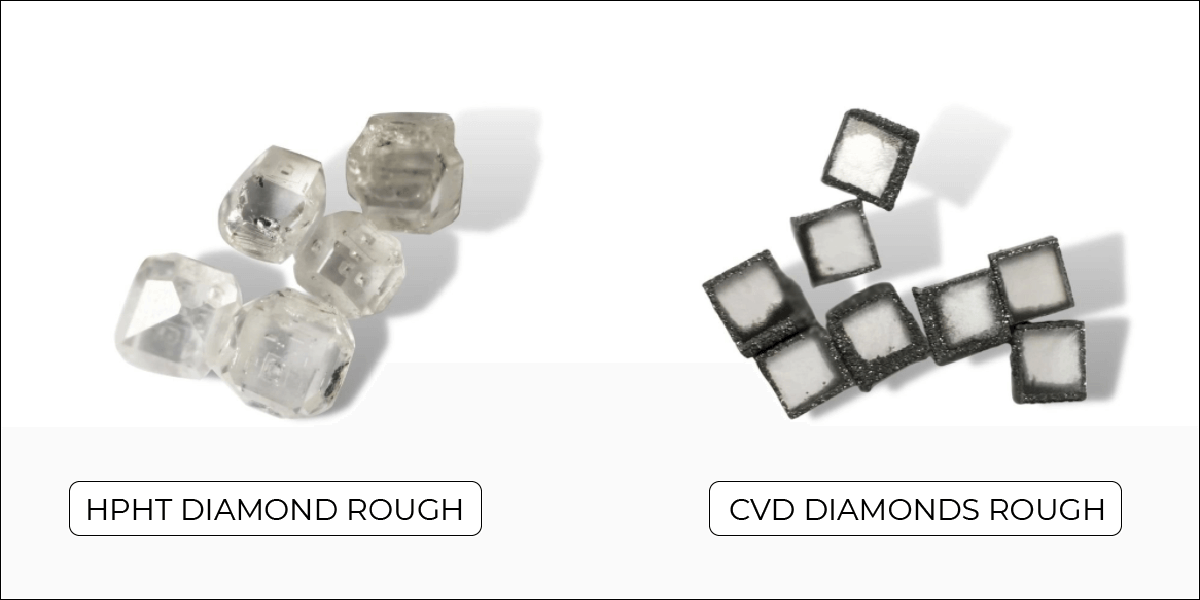
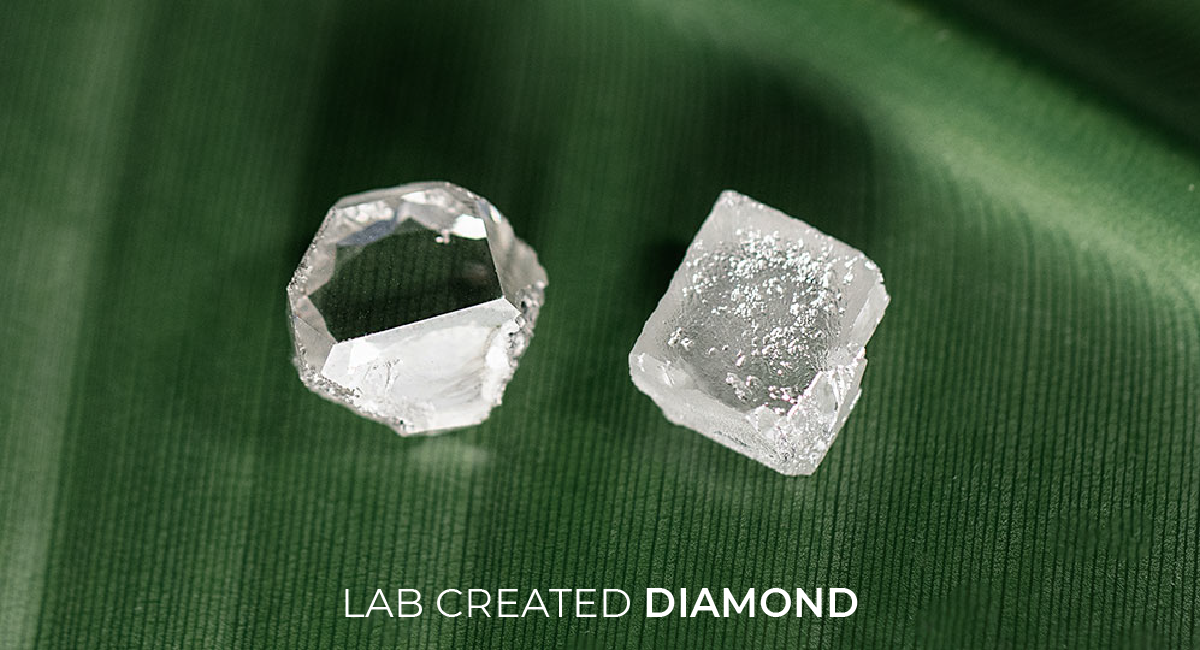
Man made diamonds are real diamonds that are created in labs. These lab-created diamonds are created by two methods: CVD diamond & HPHT diamond making method. In this process, a tiny diamond seed is put inside a chamber under a controlled environment. After the process starts, carbon layers cover the tiny diamond seed to produce a final man-made diamond. These man-made diamonds are also called CVD diamonds or HPHT synthetic diamonds.
Lab-grown loose diamonds have the same physical, chemical, and optical properties as natural diamonds. Lab created white diamonds, fancy diamonds, colored diamonds, and loose diamonds are about 20%-30% cheaper than mined diamonds.
What are Diamond Hybrids?
As you must have understood from the name ‘hybrid’ diamond hybrids are a mix of two types of substances. These diamonds are a mix of diamond stimulants and man-made diamonds. How so?
Well like in man made diamonds, we use a tiny diamond seed to make the core. A similar is done in diamond hybrids, but the only difference is, the core is made up of a diamond simulant or a crystal core. This core is then covered over by layers of enhanced man made diamonds. Doing so gives a diamond hybrid the texture and toughness of a real diamond. A diamond hybrid even looks like a real diamond, due to its lab-made diamond cover; yet it has a crystal core.
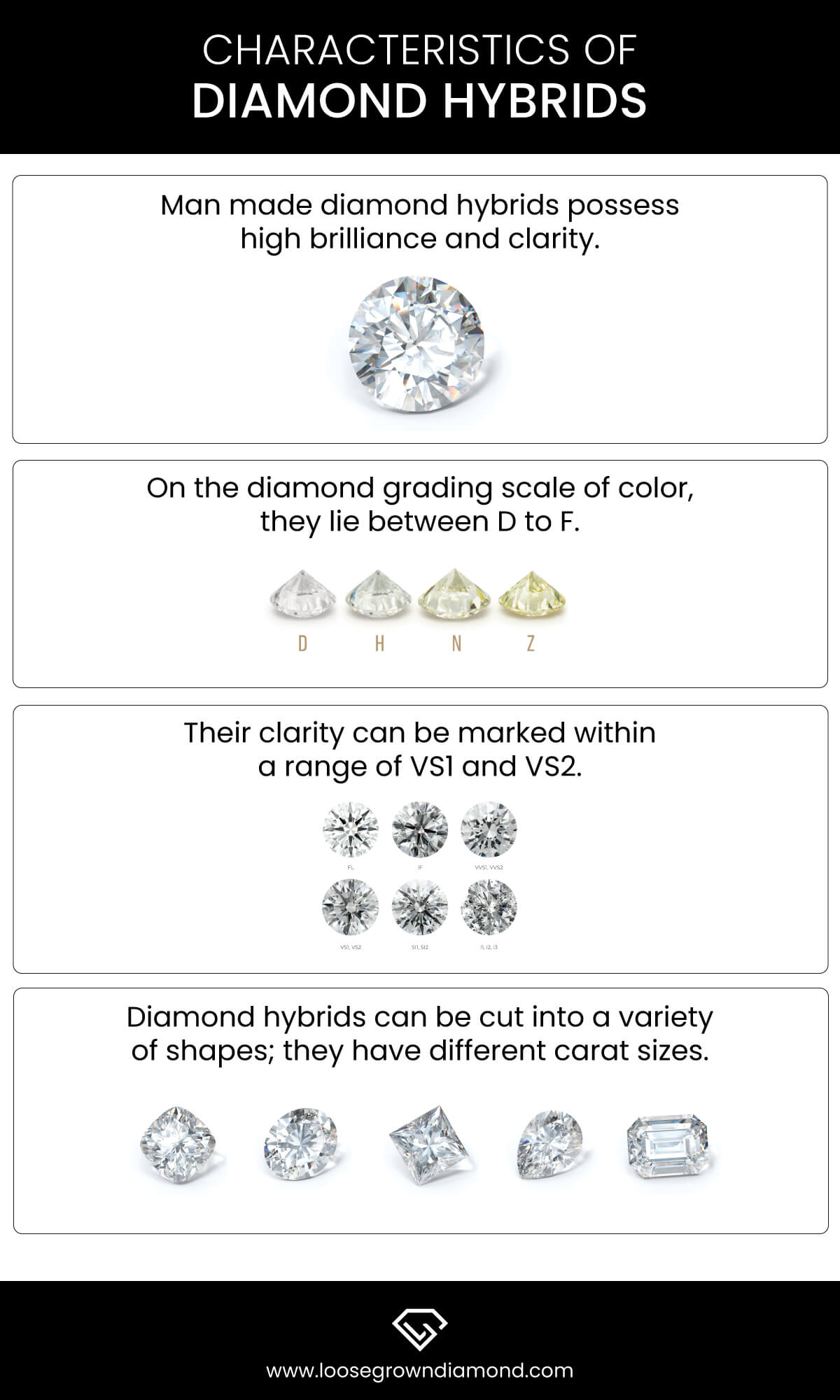
Characteristics of Diamond Hybrids
Man-made diamond hybrids possess high brilliance and clarity.
On the diamond grading scale of color, they lie between D to F.
Their clarity can be marked within a range of VS1 and VS2.
Diamond hybrid can be cut into a variety of shapes; have different carat sizes.
The process used to form diamond hybrids is somewhat similar to CVD diamond & HPHT synthetic diamond making methods. A tiny crystal core or a tiny diamond simulant is placed inside a chamber. High levels of heat and pressure are applied, along with the presence of man-made diamond crystals in the chamber.
Both the diamond simulant and man-made diamond are infused together on a molecular level. The man-made diamond crystals stack up on the core and align together. The finished product produced is a diamond hybrid, consisting of a crystal core with diamond crystals stacked up on top of it. These two won’t detach or degrade ever.
Difference Between Lab Grown Diamonds and Diamond Hybrid
These two are quite distinct from each other, here are their difference in properties between man made diamonds (MD) and hybrid diamonds (HD)
Mohs hardness scale: MD- 10, HD- outer layer 9.6
Bonds in the diamonds: MD- 100%, HD- 85% in the outer layer
Color (according to scale): MD- D to F colorless & S to Z yellow, HD- D to F colorless
Clarity (according to scale): MD- WS to SI, HD- flawless to VS2
Price of Diamond Hybrids
Diamond hybrids are inexpensive and affordable. To give you a brief idea of the price; a diamond hybrid is worth 10% of the price of a man made diamond. And about 3% the price of a natural diamond.
Which is a Better Choice?
That is totally up to your preference, the above information should have assisted you in making your decision. If you want to get an affordable and cheap diamond then a diamond hybrid is a good choice to go with. But, if you wish to buy a real diamond for an engagement ring or other jewelry, then we would recommend man made diamonds.
These lab-grown loose diamonds, fancy diamonds, and white diamonds have gained popularity over the years in the markets. Due to them possessing the same intrinsic properties as that of natural diamonds and being affordable.
We have other articles that may help your research, like what is a diamond simulant or what is a blood diamond. Research well and then buy a natural diamond or buy man made diamond.
Conclusion
Lab-grown diamonds have and will continue to be recognized at par with mined diamonds as they are pure carbon which is physically, chemically, and optically identical to natural diamonds. The measure for the realness of a diamond is never the origin but the composition of it. The origin is ethical, sustainable as well as less human, and environmentally damaging when it comes to lab-grown diamonds. They also cost 40% less than naturally mined diamonds.
Diamond hybrids, on the other hand, are merely diamond simulants, meaning a hybrid of a combination of diamond simulant and lab-creation technologies. They must be differentiated from Moissanite or Cubic Zirconia (CZ), which are ephemeral and made of glass inside out, as diamond hybrids, albeit not real diamonds, have an outer layer of the lab-grown real diamond to give it more shine and durability.
We at Loose Grown Diamonds provide the best quality lab-grown diamonds that are 100% real and made with meticulous and fastidious caution. This caution does not just stop as soon as the stone is created, but continues to the decision-making of what cut, shape, and size will best suit the diamond and the consumer.
All in all, the quality of these diamonds from the interiors, or their atomic composition, to the angle and proportions of every cut on its exterior is duly delivered and guaranteed by us.
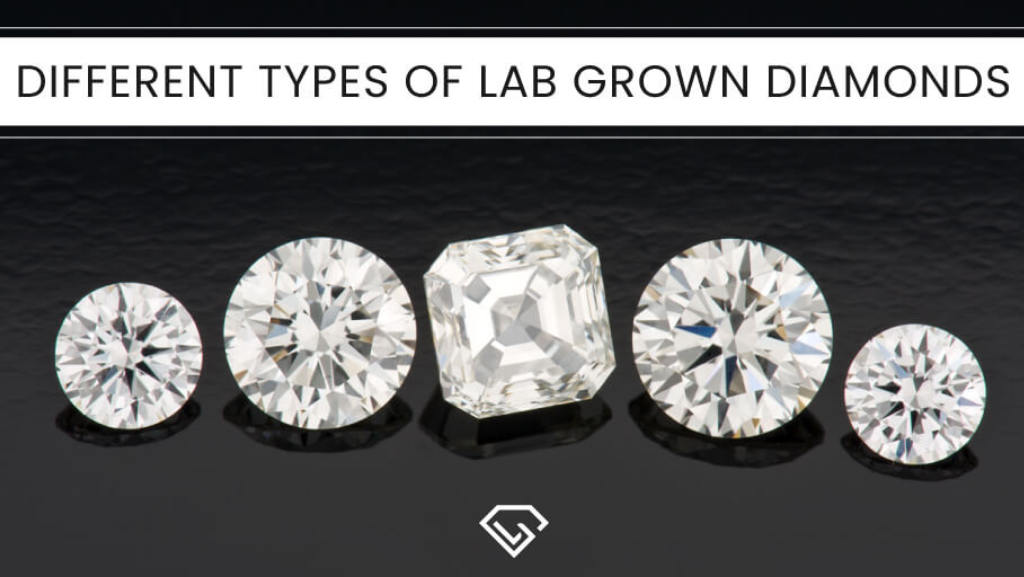
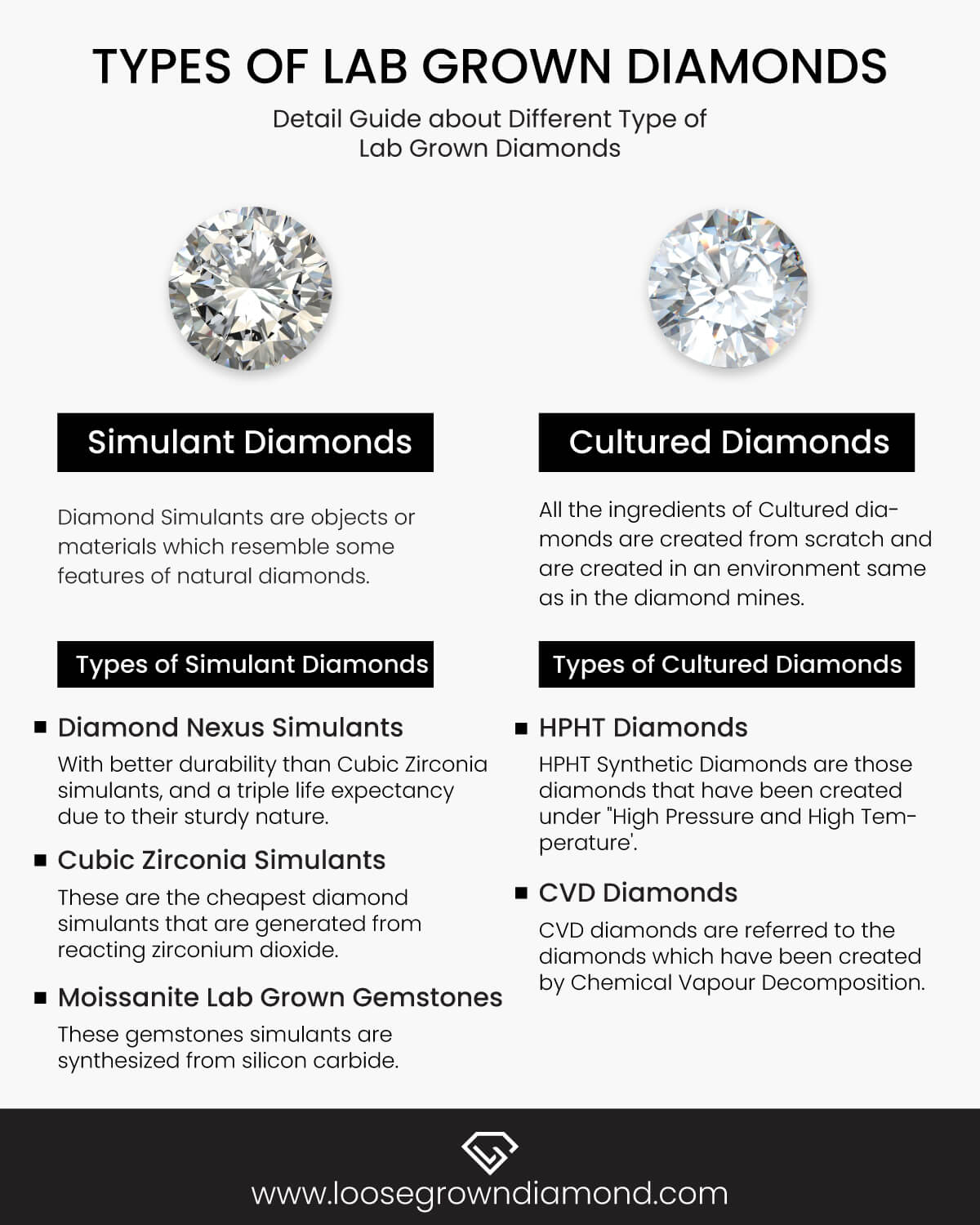
Lab grown diamonds have many names such as lab created diamonds, synthetic diamonds, man-made diamonds, cultured diamonds or engineered diamonds. In short, they are also called lab diamonds and have a powerful hold on the diamond market at present. So, what are lab grown diamonds exactly?
These gems share virtually identical optical and physical characteristics with their mined counterparts. They offer a more sustainable, cost-effective, and ethically sound alternative to natural diamonds.
Instead of the natural geological processes that span millions of years beneath the Earth’s crust, lab grown diamonds are carefully created in controlled laboratory settings in just a matter of weeks or months.
Remarkably, these lab grown diamonds are available at prices approximately 40% lower than those of their mined counterparts.
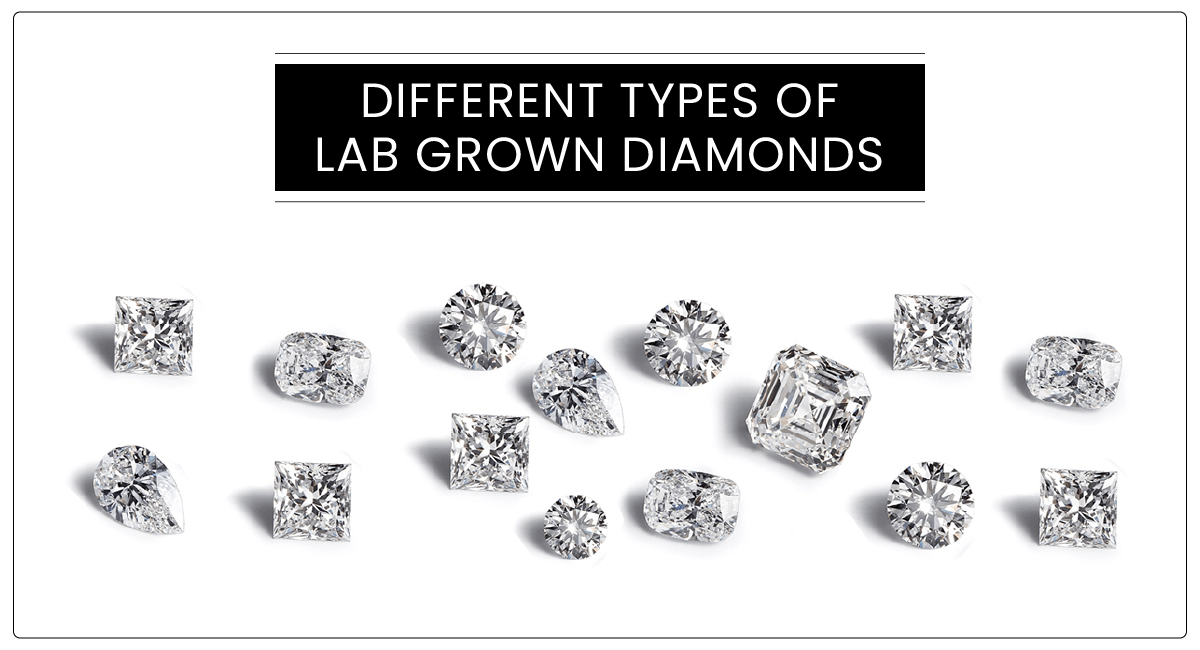
Ever since HPHT synthetic diamonds and CVD diamonds came into existence, they have given natural diamonds good competition. A diverse range of synthetic diamonds is readily available in the market, and if you’re considering the purchase of these loose diamonds, it’s essential to have a comprehensive understanding of the different types of lab grown diamonds.
The key reason man-made diamonds have created such a massive impact on the diamond market is due to their easy availability and cheap prices (in comparison to natural diamonds). The innovators in the field of synthetic diamonds have elevated their capabilities and can now craft Type IIA diamonds through manual processes.
Just to provide some context, Type IIA diamonds represent the upper echelon of diamond quality, with examples like the Koh-i-Noor and Cullinan diamonds standing as prime illustrations.
You can easily calculate the cost of lab grown diamonds using our user-friendly “lab grown diamond price calculator” tool, available on our dedicated page.
Now to help you distinguish between the different types of lab grown diamonds, we have mentioned all the types of man-made diamonds below. Along with details to answer your question of “how are lab grown diamonds made?”
Types of Lab Created Diamonds
Curious about the various categories of synthetic diamonds? Let’s delve into them. Lab-grown diamonds can be categorized into two primary types. Let’s explore both of these major categories in depth.
1. Simulant Diamonds
Diamond Simulants are objects or materials which resemble some features of natural diamonds, they look similar but they are not exactly pure diamonds. The difference between a diamond simulant, a natural diamond, and a man-made diamond cannot be seen by the naked eye, but rather by specialized types of equipment.
Diamond simulants have different chemical, physical, and optical properties in comparison to natural diamonds. A diamond simulant only possesses the same gemological characteristics as that of a natural diamond. These diamonds are also referred to as diamond imitations and are fabricated from alternative materials.
Diamond simulants exhibit distinct chemical, physical, and optical attributes that set them apart from natural diamonds. While they mimic the gemological characteristics of natural diamonds, they are commonly known as diamond imitations and are crafted from alternative materials.
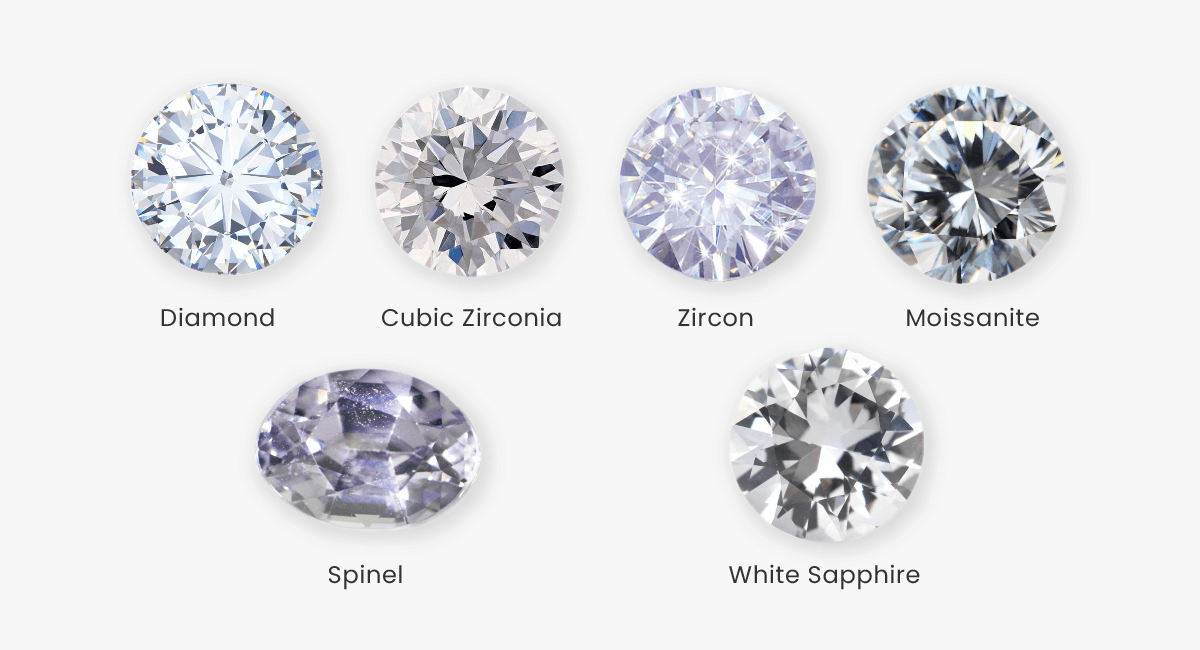
Examples of diamond simulants include cubic zirconia and moissanite, both of which bear a striking resemblance to natural diamonds but do not possess genuine diamond crystal structures.
These diamond imitations were introduced in the latter part of the 20th century as alternative options to natural diamonds.
There are three distinct categories of simulant diamonds:
Cubic Zirconia Simulants: Cubic Zirconia Simulants, the most cost-effective option, are crafted by processing zirconium dioxide. While they share a visual similarity with diamond crystals, they do not possess the same level of durability.
These are the cheapest diamond simulants that are generated from reacting zirconium dioxide. This simulant has a resemblance to diamond crystals but is not long-lasting.
Diamond Nexus Simulants: Diamond Nexus Simulants offer superior durability compared to Cubic Zirconia simulants, boasting a triple lifespan due to their robust nature. These simulants are composed of a blend of carbon and other substances, making them a preferred choice for many.
With better durability than Cubic Zirconia simulants, and a triple life expectancy due to their sturdy nature. Diamond Nexus simulants are preferred more. These simulants are made from a mixture of carbon and other substances.
Moissanite Gemstones: Moissanite Gemstones represent the third category of simulant diamonds. These gemstones are created through a laboratory-grown process and exhibit remarkable brilliance and hardness, similar to natural diamonds.
2. Cultured Diamonds
Cultured diamonds can be categorized into two primary types of lab grown diamonds:
HPHT Synthetic Diamond
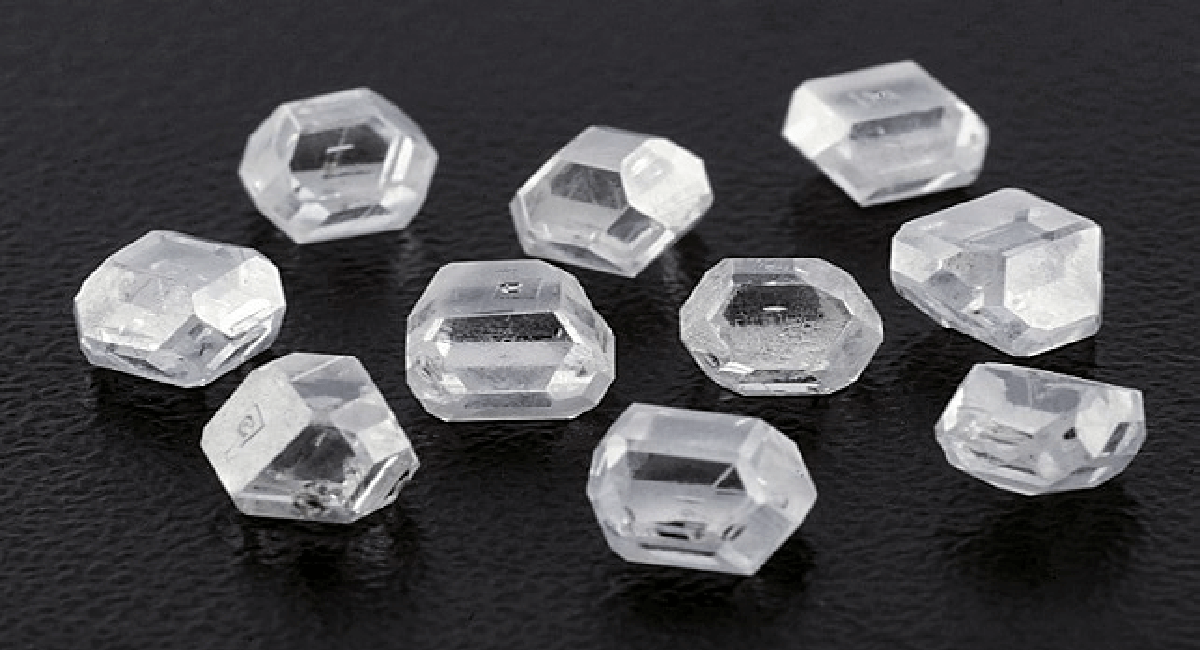
HPHT Synthetic Diamonds are those diamonds that have been created under ‘High Pressure and High Temperature’. These are the identical conditions necessary for the formation of a natural diamond from scratch. Man-made diamonds produced through the HPHT method exhibit equivalent optical, physical, and chemical properties as natural diamonds.
To apply high pressure and high-temperature different press machines are used.
There are three major types of press designs that are used to produce HPHT synthetic diamonds. These are the belt press, cubic press, and split-sphere press.
The man made diamond formed will be of the same quality, have the same chemical and physical properties, irrespective of the type of press design you choose.
The diamond seed is placed beneath one of these press machines, and by applying the precise combination of high pressure, high temperature, and the correct amount of carbon, a flawless HPHT synthetic diamond is created.
And to answer your question “are lab grown diamonds real?” Yes they are real, their origin is just different. We will explain in more detail ahead.
CVD Diamonds
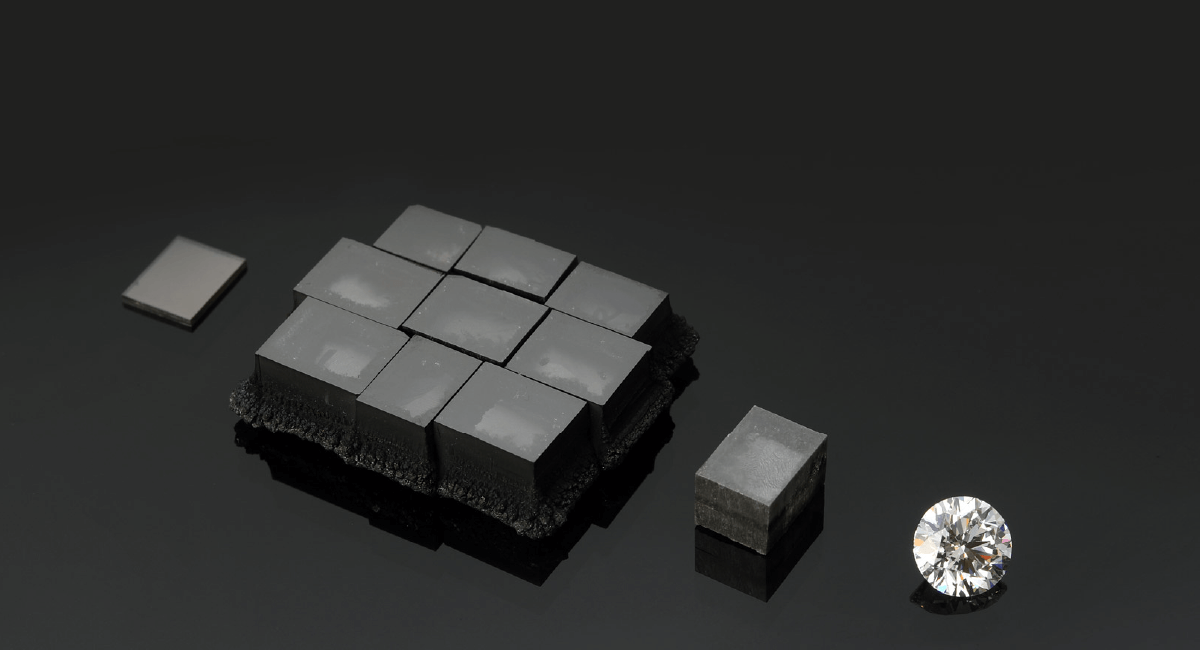
CVD diamonds, short for Chemical Vapor Decomposition diamonds, are produced using a method that involves generating a carbon plasma over a substrate by utilizing a hydrocarbon gas mixture.
This plasma serves as the source of carbon atoms, which are deposited to create synthetic diamonds. The hydrocarbon gas mixture plays a crucial role in supplying the necessary carbon atoms for the production of both loose diamonds and fancy diamonds through this method.
Additionally, the CVD diamond-making process allows for precise control over chemical impurities.
While the HPHT synthetic diamond method is commonly favored for mass-producing man-made and fancy diamonds, the CVD diamond-making method is highly esteemed for its versatile industrial applications.
It offers simplicity and adaptability, allowing for the production of various outputs, including fancy diamonds, colored diamonds, loose diamonds, and white diamonds.
The diamonds created using the CVD diamond-making method maintain physical, chemical, and optical properties that closely align with those of natural diamonds.
Meaning that even after being fabricated in a lab-based environment, these loose diamonds which were created, will still be of the same quality and possess the same characteristics as that of natural diamonds.
For a comprehensive guide on diamond sizes and measurements, explore our informative “Diamond size chart” available on our dedicated page.
Are Lab Grown Diamonds Real?
Yes, lab grown diamonds are indeed real diamonds. They share the same chemical composition, physical properties, and optical characteristics as natural diamonds.
The primary difference lies in their origin. While natural diamonds are formed deep within the Earth’s mantle over millions of years, lab-grown diamonds are created in controlled laboratory environments through processes that replicate the natural diamond-growing conditions.
This distinction aside, lab grown diamonds are considered genuine and are virtually indistinguishable from their mined counterparts, making them a sustainable and ethical alternative in the diamond market.
Why Lab Grown Diamonds?
Lab grown diamonds offer several compelling advantages over mined diamonds.
Firstly, they are ethically and environmentally responsible, as their production is entirely mining-free, reducing the ecological impact associated with diamond mining.
Secondly, the quality of lab grown diamonds is exceptional, with consistent clarity and color, making them an attractive choice for those seeking top-tier gemstones.
Additionally, the valuation of lab grown diamonds is transparent and often more favorable, providing consumers with excellent value for their investment, while also contributing to a more sustainable and ethical diamond industry.
All in all, making lab grown diamonds a good purchase.
Mining Free
“NO MINING” is required for Lab created diamonds. Elevate your jewelry with mining free Lab Growm Diamonds
Quality
Lab created diamonds have the same
quality and optical properties as natural diamonds.
Valuation
Lab-created diamonds contribute excellent value,
and are more affordable than natural diamonds
Where to Buy Lab Grown Diamonds?
You can purchase lab grown diamonds from reputable jewelers, online retailers, or directly from manufacturers. For special requests or custom shapes not in our inventory, contact us at Loose Grown Diamonds, and don’t forget to ask about our promo codes for additional savings.
In summary, there are basically two types of man-made diamonds that have the same chemical, physical, and optical properties similar to that of natural diamonds. These two types are created by the ‘CVD diamond’ making method and the ‘HPHT Synthetic Diamond’ making method. While a diamond simulant may closely resemble a natural diamond in appearance, it differs significantly in terms of quality, durability, optical characteristics, and composition.
FAQs
What are lab grown diamonds called?
Lab grown diamonds are often referred to as lab diamonds, lab grown diamonds, or lab created diamonds.
How much do lab grown diamonds cost?
The cost of lab grown diamonds varies, but they are generally more affordable than natural diamonds. They cost around 40% less than natural diamonds having the same properties.
How is this different from diamond simulants and synthetics?
Lab grown diamonds differ from diamond simulants and synthetics in terms of their origin and properties. Lab grown diamonds are real diamonds
Do lab produced diamonds have resale value?
Lab-produced diamonds can have resale value, but it depends on factors like quality and market demand. However, the resale value will be 30% less than the original value.
Are lab created diamonds eco-friendly?
Yes, lab created diamonds are considered more eco-friendly than mined diamonds due to their reduced environmental impact.
You may be wondering as to what is the best type of diamond you can get in a given price range? Or what is the best region you can get fancy diamonds from? Do such questions come to the minds of new buyers?
The diamond market is a mixture of good loose diamonds, bad quality diamonds, and a variety of diamonds that have made their way from all over the globe. It’s a complex system of trade and transactions, that can trick an ordinary person into purchasing a diamond of less value for a high price.
In many cases, people end up buying a blood diamond or a diamond stimulant in place of a fancy diamond. Now how to prevent yourself from getting conned?
If you are a regular buyer or have enough knowledge about diamonds, then there should be no issue in particular. But if you are new to the diamond industry and want to get the best lab grown diamonds for a given price then, you came to the right place.
Well, there are a few aspects that you should take into consideration whilst going to buy a white diamond, fancy diamond, loose diamond, and a lab grown diamond. These are the 4C’s, certification, the origin of the diamond, the seller, and other factors that we have mentioned down below. We have also mentioned below some common lab diamond buying mistakes.
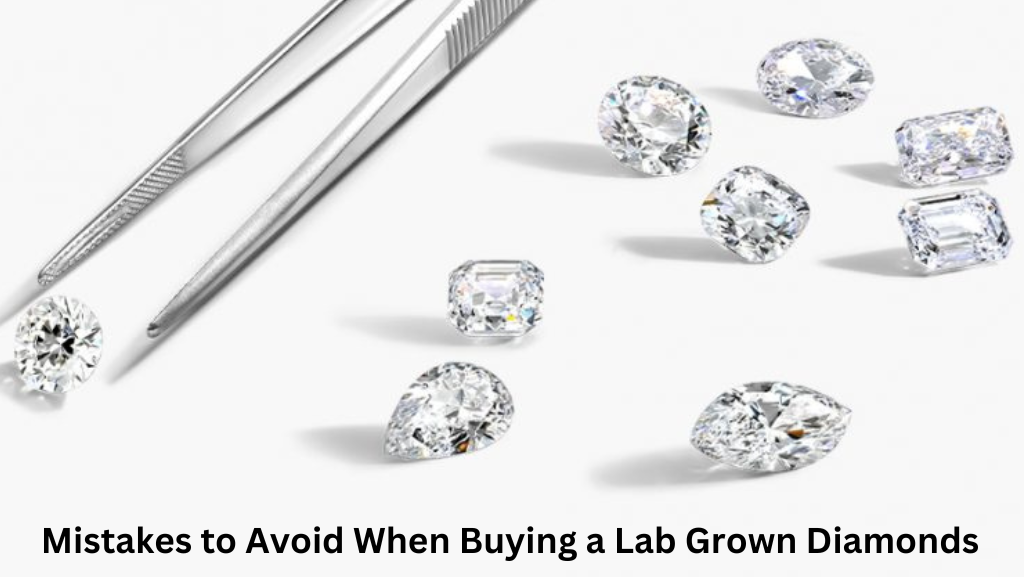
Lab Grown Diamond Buying Mistakes to Avoid:
1. Not Checking the 4C’s
Cut, Carat, Clarity, and Color are the 4C’s which determine the price or value of a diamond. Not any two diamonds are exactly the same, they will differ in cut, carat, clarity, and color. If you are well versed with the 4C’s you will easily be able to identify which fancy diamond is worth your money and which is less valuable. The knowledge of the 4C’s also comes in place during the grading and certification of a loose diamond or a man-made diamond. Here is how to define the 4C’s
Cut:
Every diamond has a different cut. The cut of a diamond impacts how the diamond will disperse light. The refraction of light, brightness, luminous shine, dispersion, scintillation, and contrast are all affected by the cut of a diamond.
Carat:
It is what determines the diamond’s weight and size. Diamonds with an average cut but a bigger carat will be worth more than a smaller diamond with less carat. An A-1 carat of diamond weighs 200mg, but there is no perfect size for a diamond. It depends on the buyer how many carats of diamond would the buyer like.
Clarity:
The flaws present in a diamond are measured by clarity. The other name for these flaws is inclusions, which are tiny spots, air cavities, clouds, etc. A diamond is said to be flawless if it has no inclusions and is categorized as FL or flawless.
Color:
Different colors of diamonds have different values, depending on how rare they are. This is graded from D to Z, in which D is the rarest and colorless diamond white diamond.
I recommend you to read the detailed guide on a detailed guide on the 4C’s Of Diamonds
2. Not Seeking a Certificate for a Lab Grown Diamond
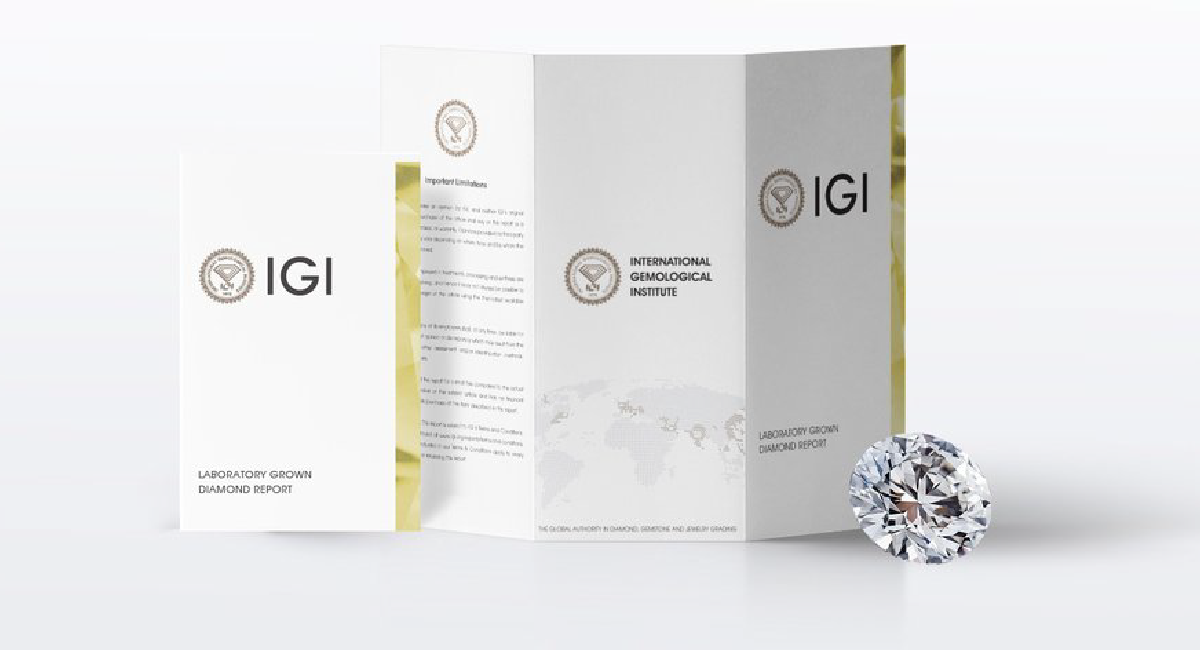
This is one common mistake that is carried out by many buyers. Every man-made diamond is graded and certified by certification institutions like the International Gemological Institute IGI, Gemological Institute of America GIA, and Gem Certification & Assurance Lab GCAL, if not certified it is not worth buying.
A diamond certificate guarantees the proper grading of a man made diamond against the 4C’s. This certificate also protects the buyers and sellers of man made diamonds, by stating that the loose diamond is up to the desired standard and quality. This makes the buyer or consumer have faith in their purchase.
While buying a man made diamond the buyer should demand a certificate. The seller should willingly provide its customers with certificates, along with their diamonds. On obtaining a certificate from a proper certification institution, transparency is guaranteed. The consumer will be sure that the man made diamond they have is real and worth it. But, be sure to buy man made diamonds from recognized sellers, as they can verify the accuracy of the certificate.
3. Not Knowing the Origin of Man Made Diamonds
When buying lab grown diamonds it is mandatory that you know the origin of your diamond. The reason being, that the origin can tell a lot about a diamond. Ever since the discovery of blood diamonds and conflict diamonds that were used to fund war zones, the world has become cautious. Several government organizations and NGOs had come together to eliminate blood diamonds from the face of the earth.
They succeeded in removing 99% of blood diamonds, but 1% still persists in the markets. Many consumers have a conscience that doesn’t allow them to purchase goods or diamonds that were obtained through violence. It becomes vital for them that they know the origin of the diamond. Most people prefer to buy man made diamonds, as these are grown in labs in a controlled environment. Man made diamonds are certified real diamonds, and are marked as lab grown.
4. Not Doing Enough Research About Lab Created Diamonds
One of the main reason consumers end up buying the wrong loose diamonds or white diamonds is that they don’t research enough. First, you should research what type of diamond do you want? What carat, cut, color, and size should the diamond be?
Before purchasing from one shop or place, be sure to check out other stores or online. You will get better deals this way. Purchasing the first diamond that you see, is the wrong approach. Also set a budget, as to what price range should the diamond lie in? You can use our diamond pricing calculator to determine the right price for your diamond.
For example, if your main priority is the size of a diamond, you can buy a bigger diamond for a particular amount, if you go for a lighter color and less clarity. This is if the size is a priority. So, research on man made diamonds a bit and then go buy a diamond, this way you won’t end up getting conned.
5. Buying Diamonds from Unknown Sources
Buying a diamond is a good investment in itself, you should choose your seller well. An established diamond company, a diamond seller who has been in this business for years, a decent diamond company is a better choice than unknown sources.
Unknown sources are those sellers whose reputation can be questioned or who are not reputed. The dangers of buying from an unknown source are that you can be misguided, sold a fake diamond or blood diamond, or even conned for large amounts of money.
Many of these unknown sources don’t provide diamond certificates, so you can’t be sure you’re getting an original man made diamond. Some who do provide certificates, their authenticity can be questioned. So it is better if you buy lab created diamonds from a reputed seller.
6. Not Looking at the Man Made Diamonds Under Natural Light
If you visit a normal jewelry store you will see that they are well-lit, with white and yellow lights. This light affects the shine your diamond gives and makes the diamond appear shinier. It is recommended you check out the diamond under natural light, so you can appreciate its true beauty.
7. Buying Lab Grown Diamonds at Big Discounts
We know that those big discounts that sellers offer look tempting, but we recommend that you don’t go for it. The reason is that you are buying a diamond that is of poor quality or maybe even a fake. Prices of diamonds only go down during seasonal sales, festivals, or if you purchase from another place.
Some reputable diamond retailers occasionally provide discounts, ensuring authenticity and value. At Loose Grown Diamonds, we also offer periodic sales on our exquisite diamonds. Be sure to visit our website regularly to seize these fantastic discounts and elevate your jewelry collection with timeless elegance.
It is recommended you stick to the original rates which are set according to the 4C’s. This way you will get the best man-made diamond for your money.
8. Buying Lab Made Diamonds Certified by Unknown Labs
Just because a diamond has a certificate that doesn’t mean it is authentic. The authenticity of the certification lab is also required. Certain certification labs that are eligible to certify diamonds and are authentic are the International Gemological Institution (IGI), Gemological Institute of America (GIA), and Gem Certification & Assurance Lab, Inc. (GCAL). Now that you are aware of the 4C’s and common mistakes made while buying lab grown diamonds, you might feel that buying diamonds is tough. Well research a bit more, and it won’t seem tough after that.
Are you Ready to Embark On An Exploration of Diamonds?
By taking these steps, you can confidently choose a high-quality lab grown diamond that meets your needs and expectations. If you still need help before buying diamonds, do not hesitate to contact us, Our Expert will guide you.
Discover an array of stunning lab grown diamonds at Loosegrowndiamond, where exceptional quality meets unbeatable value. We have the perfect diamond to suit your style and budget. Shop now and elevate your jewelry collection with the brilliance of lab created diamonds.
FAQs
Are lab grown diamonds a sustainable choice?
Yes, lab grown diamonds are often considered a more sustainable choice compared to natural diamonds. Their production requires less energy and has a smaller environmental footprint than traditional diamond mining.
Is it essential to research before purchasing lab grown diamonds?
Yes, researching reputable sellers and understanding the 4Cs (cut, color, clarity, carat weight) is crucial to avoid making mistakes.
Why is certification important when buying lab grown diamonds?
Certification ensures authenticity and quality, providing peace of mind regarding your purchase.
The path of life is paved with times of fresh starts, where relationships are made and hope blossoms. Celebrate these occasions with magnificent engagement rings that will turn heads with their classic glitter.
But there are a number of considerations when selecting an engagement ring for this kind of event. Understanding the four fundamental factors known as the 4Cs—cut, color, clarity, and carat weight—is necessary to successfully navigate the world of diamond selection.
A lot of people focus on the carat of a diamond but are dismissive when it comes to selecting a particular cut. Keep in mind that the cut of a diamond is the only factor affecting the fire, brilliance, and scintillation of the diamond.
After all, who doesn’t want a ring that has everyone’s envious eyes on it because of its unparalleled splendor? Even the slightest bit of carelessness while cutting and polishing a diamond could render appalling results.
Having been cut in ideal proportions, the fire, brilliance, and scintillation of a diamond are maximized, making it one of the most mesmerizing things in the world.
The diamond’s brilliance and light-reflecting ability are determined by its cut. Color grades affect how the stone looks overall, ranging from colorless to pale yellow. The presence of flaws or defects that detract from a diamond’s purity is evaluated by clarity.
The unit of measurement for diamond size is carat weight. Finding the ideal radiant cut diamond for your regal engagement ring requires balancing these variables in order to create a stunning and unique representation of unwavering love.
Radiant cut diamond engagement rings are the ultimate in elegance; Hilary Duff and Megan Fox are the few celebrities who wear them. These stones endure over time and create a statement. The radiant diamond is perfect for you, as your love is like a radiant cut diamond, pure and clear.
Hence, come and explore the world of radiant cut diamonds in this article to learn everything you need to know to make the ideal regal engagement ring—a study in beauty and meaning.
What is a Radiant Cut Diamond?
This gemstone is one of the best diamond cuts to go for. We are talking about the radiant cut diamond. A radiant cut diamond is similar to an inverse pyramid in appearance. The hypnotizing fire and scintillation it possesses is the result of 70 finely crafted facets.
The more precise the facet, the fierier the diamond portrays itself. The stone of a radiant cut diamond acts as a prism and disperses the light passing through it. You just can’t take a look at it, and not be bewitched by how it disperses light and emanates rainbow colors.
Although technically it is a square or rectangular-shaped diamond, its facets are cut similarly to that of a round cut diamond, which makes it the magnificent diamond it is! A radiant cut diamond spectacularly combines the fire and brilliance of a round cut diamond with the elongated elegance of an emerald cut, creating a breathtakingly dazzling and radiant diamond.
This makes it one of the most promising choices for an engagement ring or a wedding band. On top of that, it is surprisingly durable against breakage because of its beveled edges, which are a further adornment to this masterpiece. This makes it perfect for people who prefer to wear their rings and jewelry on a daily basis.
The radiant cut diamond, notably the 2 carat and 3 carat variants, presents a bold and sophisticated choice for engagement rings. A 2 carat radiant cut diamond on finger, with its brilliant facets and big size, elegantly commands attention on the finger, seamlessly blending modern style with a timeless past.
Stepping up to a 3 carat radiant cut diamond on hand elevates luxury, creating a dazzling spectacle on the hand. These diamonds, with their distinctive play of light, become not just jewelry but a symbol of refined elegance and a celebration of enduring love.
Types of Radiant Cut Diamonds:
This cut can be considered a hybrid of three cuts because it combines the benefits of the three most important shapes of a diamond. There’s the exposure of an emerald cut, the blaze and sparkle of a round brilliant cut, and the truncated corners of a beautiful Asscher cut. If anyone is looking for a modern fusion and a gem that will make heads turn, then the radiant cut is the way to go.
Traditionally, radiant diamonds are cut to a rectangular outline, but there are also other cuts that produce a square-looking border. Very often, people confuse cushion cut diamonds with radiant lab diamonds because of their square outlines. But you differentiate them by looking at the angle. Radiant cut diamonds have straight edges, and cushion cut diamonds have curved edges, which give them a more modern look.
This is also why radiant cut diamonds are technically classified by the GIA as two types: “cut corner rectangle modified brilliants” and “cut-cornered square modified brilliants”. A radiant cut diamond can also be thought of as a princess-cut diamond with four corners cut.
The wide, flat design of the radiant cut allows more of the diamond to be seen when set in a ring, making it appear larger. The radiant cut is a perfect gem for engagement rings that radiate sparkle and fire due to the presence of 70 facets.
History of Radiant Cut Diamond
Radiant cut diamonds were first introduced in the 1970s and come in square or rectangular shapes, appealing to people who value princess and cushion-cut diamonds’ beauty.
The eight-sided shape, square or rectangular construction, and cut corners define the first patented radiant diamond shape. It may seem square at first, but upon closer inspection, you can see that it has a distinct rectangular outline with neatly trimmed corners, giving it a distinctive elegance.
It was first designed in the 1977s by Henry Grossbard, a master diamond cutter, who had spent nearly thirty years in the diamond cutting industry.
He then decided to create the most brilliant diamond ever, by fusing the fiery brilliance of a round cut diamond with the long, silhouette shape of a long cut diamond, like an emerald cut.
Without a doubt, it turned out to be a roaring success and Mr.Grossbard became a true explorer of the diamond industry. The brilliant, radiant-cut diamond brought an irrevocable change to the diamond industry.
More and more people wanted the cut and its demand rose exponentially. Despite being relatively new, as compared to other diamond cuts such as princess, emerald, round, etc, which have been in the market and the diamond industry for over hundreds of years, the radiant cut diamond surpasses every other cut.
You don’t need to mull it over to figure it out, though. This cut is so popular because it encompasses the characteristics of square/rectangle cut diamonds (emerald, princess) as well as round cut diamonds.
How to Choose the Best Radiant Cut Diamond?
The 4C’s of any diamond are the reasons for the diamond to be expensive or cheap. It can’t be just the size, color, or clarity cut that single-handedly decides the price of a diamond. All the 4Cs matter and thus let us explain them to you in detail.
Cut
The cut of a diamond stipulates how well the gemstone is cut and polished, while also deciding the positioning of the stone. The cut quality determines the fire and brilliance of a diamond.
The radiant cut diamond, renowned for its faceted pattern, needs to be cut with impeccable precision at the crown as well as the pavilion. An improperly cut diamond is lackluster, more so a radiant cut diamond, and nobody wants that.
Therefore, anyone willing to buy a radiant diamond shape must carefully examine its cut. The cut quality of only round cut diamonds is graded by GIA. As in, GIA has taken out its own grading scale for round diamond cuts.
Therefore, a GIA certificate for a radiant cut diamond might be irrelevant. But if you wish you can take an expert’s opinion if you decide to purchase a loose radiant diamond.
Clarity
Since diamonds are formed deep under the Earth, each diamond has its own distinct imperfections. These imperfections can either be inclusions or blemishes. If these imperfections are not-present it is then referred to as diamond clarity.
Mined from deep within the earth, natural diamonds often bear imperfections due to their organic origin. The absence of imperfections in diamonds is referred to as clarity, and it increases their brilliance.
These distinct features, which are divided into inclusions (found inside the diamond) and blemishes (found on the surface), can alter how light passes through the diamond, potentially reducing its overall attractiveness.
Diamonds without these imperfections are scarce, which drastically affects their value making them immensely expensive. According to the GIA, there are eleven levels of diamond clarity. These are:
Renowned among jewelers for its brilliance, the lab grown radiant diamond shape boasts 70 intricate facets, creating exceptional light reflection.
With a square shape reminiscent of the classic emerald cut but with a touch of modern flair, this stone is a captivating showstopper.
The brilliant-cut facet pattern, both on the crown and pavilion, enhances sparkle and shine, making flawless radiant cut diamonds particularly valuable.
Color
Color is another one of the characteristics which tend to deeply affect the worth and quality determination of a diamond.
The GIA grades diamonds on the basis of color, from D to Z. D is the grade for clear, colorless diamonds. On the other hand, diamonds having a yellowish/brownish tint are graded Z. The other grades determine the spectrum between colorless and yellowish/brownish tint.
Carat
While buying any stuff, we are told to be woken about the prices. A similar case happens with diamonds too. But the terminology used here is called carat(s).
Choosing a 3 carat radiant cut diamond makes your engagement ring more impressive and makes it stand out, especially for people who want a unique design with classic shine.
Today, the 3 carat radiant cut diamond ring is a trendy option considered by many. 1 carat radiant cut diamonds are still a popular option for a well-rounded selection since they provide a good trade-off between price and size.
The “diamond carat size” provided offers a comprehensive approach to help you identify the dimensions based on the carat.
It is simply a unit measuring the diamond’s weight. 200 milligrams of the diamond is the same as a 1-carat diamond.
Radiant Cut Diamond vs Emerald Cut Diamond
The radiant diamond, resembling an emerald in shape, surpasses it in brilliance due to its modern, near-square appearance with cropped corners.
The table of ideal radiant-cut diamonds fills more than 61% of the apparent width. Both cuts are rectangular in shape and have cut corners, but they differ in that they are facetted.
Emerald cut diamonds have long, linear step-cut facets that convey refinement through a mirror appearance, whereas radiant diamonds have a brilliant cut that produces vivid bursts of light. Which one to choose depends on personal tastes in light reflection.
Pros and Cons of a Radiant Cut
Pros:
The embodiment of brilliance
All of us love sparkly diamond rings, radiant cut diamond rings take this sparkle to another level with their exceptional fire, brilliance, and scintillation. As you’ve read before, this diamond is a dazzling combination of round-cut and emerald-cut diamonds. This brings out the best characteristics of both diamonds.
It doesn’t cling to clothing
Square and rectangular diamonds are likely to get stuck to clothing or hair because of their sharp edge. A radiant cut diamond, on the other hand, has beveled edges, which prevents it from getting entangled with hair strands and clinging to clothes and other things.
Made of mettle
Diamonds are very hard to break and we all know that, but the square-shaped and rectangular-shaped have a tendency to cling to things because of which their edges might become uneven. As opposed to this, a radiant cut has trimmed corners, which essentially make the diamond break-resistant. The diamond is able to be positioned in the prongs more efficiently so that the ring doesn’t fall off.
Can be a square or a rectangle
By now, it is clear that the defining characteristics of a radiant cut diamond are straight-edged, with beveled corners and multiple facets. With this being said, a radiant cut is available in a square and a rectangular cut.
Comparatively cheaper per carat
After reading about such a marvelous creation, you might have felt like a ring like this would definitely cost a lot, right? While cutting and polishing a radiant diamond is a mammoth task, it is astoundingly cheaper than the other cuts.
That is because the cutting process of a radiant diamond requires a substantial portion of the diamond to be rough, so not a lot of diamond is wasted. Moreover, because of its excellent scintillation and brilliance, the blemishes of the original diamonds get concealed, which allows people to go for not-so-clear diamonds.
Can be aptly positioned in different kinds of settings
You would be pleasantly surprised to know that this cut perfectly fits in a variety of settings like a four-prong setting, rounded prongs, double-clad prongs, etc.
Our ethically-sourced diamonds are exclusively GIA certified, representing the top 1% of lab grown radiant cut diamonds by GIA standards. While GIA provides detailed certification for all diamonds, including radiant cuts, it’s essential to note that there are no GIA cut quality grades for radiant cuts.
Personal assessment of unique features and attention to specific measurements are crucial to optimize the radiant cut’s light performance. Please note that we specialize in lab grown radiant cut diamond engagement rings and our company is the one stop destination for you for all such needs.
Cons:
No GIA cut certificate
Well, well this was pretty obvious. A certificate by the GIA is trustworthy and reliable. Getting a good GIA grade indicates the diamond cut, color, clarity, etc. is good, without further suspicion, you can proceed to buy what you want. However, the GIA does not grade the cut quality of a radiant cut diamond, so the only way left to assess the cut of a radiant diamond is by yourself. Don’t forget to take an expert opinion.
This may not be a big concern for some people because the diamond already is utterly beautiful. But as we promised to stay honest, we are listing this con here. The gradings of a radiant cut diamond are not defined by authorized organizations like GIA. Hence, it is difficult to judge its quality.
It showcases the true color of the diamond
If you’re planning to pick a radiant cut diamond ring then make sure that it doesn’t have even the slightest bit of yellow or brownish tinge because the radiant cut is notorious for showing the tinge more aptly than other cuts.
Bow-tie effect
So, for all the newbies to the diamond industry, there is a visual impairment effect in diamonds. It is called a bow-tie effect. It persists in many diamond cuts and the radiant cut is one of them. Due to this effect, a bow tie-shaped black region is developed on the diamond surface. This makes the diamond look a little clumsy.
What is the Length to Width Ratio for a Radiant Diamond?
The radiant cut diamonds are available in two shapes, that is, the rectangular radiant cut and the square radiant cut.
When selecting a radiant cut diamond, the length-to-width ratio is an important factor to take into account. This adaptability fits a range of finger shapes and individual preferences. While square cuts provide angular beauty with greater glitter than asscher or princess cuts, elongated radiant cuts lengthen fingers.
The diamond’s appearance is influenced by popular ratios such as 1.0, 1.25, 1.30, and 1.42, with the sweet spot between 1:3 and 1:3.5 favoring the maximum sparkle.
For optimal brilliance, a ratio of 1.5 is advised, though square designs have become more and more popular recently.
Whether a radiant cut diamond is rectangular or square depends on the cut’s length-to-width ratio. Both of them are breathtaking with their otherworldly brilliance, which leaves people spellbound.
The rectangular radiant cut is more traditional, while the square radiant cut is more unconventional and has a contemporary look to it. However, out of these two splendid cuts, the one you may pick depends on person-to-person. After all, the best cut for you is what you like.
What are the Best Settings for Radiant Cuts?
Radiant cut diamonds extended silhouettes add refinement and give the appearance of longer, thinner fingers.
1. Radiant Diamond With Halo Setting
The Halo Setting in diamond rings is super popular and rightly so! The setting enhances the beauty of the central diamond. The reflection of the light increases and hence your diamond appears with a much brighter allure. Halo setting means you also have to choose diamond accents that surround the primary diamond. It is a glamorous design indeed one which enhances the bearer’s fingers.
A radiant cut diamond with hidden halo is a classic and sophisticated accessory that can only enhance a woman’s natural beauty. This stunning design is sure to attract the attention of people with its classic shine and improve the wearer’s natural beauty.
2. Prong Setting
The Prong setting is the oldest and most classical setting for diamond rings. It is clean, structured, and gives a classy look to the ring. There are two types of prong settings that are commonly used, the 4 prong setting and the 6 prong setting. Mainly used in solitaire rings, it makes for the perfect engagement ring.
When seeking the perfect radiant cut diamond eternity bands for a wedding or engagement ring, quality is paramount. Celebrities like Jennifer Aniston and Drew Barrymore have showcased the allure of radiant cut diamonds.
A radiant cut diamond wedding band with a thin gold band, as seen in Jennifer Aniston’s 8-carat stunner, offers a modern take on the classic solitaire.
Custom-made for each diamond, these diamond-encrusted thin band settings, often featuring hidden halos, ensure a flawless fit and extra sparkle, making them ideal for radiant cut diamond eternity and wedding bands.
4. Pave Setting
Pave settings gained popularity in the last decade due to their minimalistic style and clean finishing. The pave setting embellishes the diamond into the metal. Generally used alongside the primary diamond, smaller diamonds are paved into the band of the diamond to give any ring a grand look.
5. Three Stone Radiant Cut Diamond Ring
When two side stones support your main stone, it is a three-stone engagement ring. Three stone rings signify the couple’s history, present, and future together and are in general deeply meaningful.
3 stone radiant cut diamond ring is a timeless design, well looked out for in the market, and looks stunning as an engagement ring. Hence, an optimal choice for lovers.
6. Radiant Cut Diamond Solitaire Ring
The radiant and well-cut diamond is the main emphasis of the solitaire engagement ring, which has a simple band. As they are just metal bands with no diamond decoration or glitter, solitaire engagement rings are usually a budget-friendly and popular option. If you enjoy a simple, timeless, and elegant look, then a solitaire engagement ring is ideal.
Where to Buy Lab Grown Radiant Cut Diamonds?
Loose Grown Diamond stands as the premier destination for exquisite radiant cut diamonds, ensuring high quality through ethical and transparent sourcing practices. Our commitment to customer satisfaction sets us apart in the industry, with a dedication to excellence.
In addition to those mentioned above, we offer a range of products, including radiant diamond rings, earrings, bracelets, and pendants, all in vogue these days. Our comprehensive knowledge guide ensures you make an informed purchase.
Choose from hundreds of styles of loose grown diamonds. Or show us a ring style you like from elsewhere and we can create something very similar. Feel free to share specific preferences by sending an image or URL for a customized product.
Simplify your purchase with our diamond price calculator for the best price. Enjoy added savings by entering the exclusive discount promo code at checkout. Trust LGD as your unparalleled source for radiant cut diamonds.
Conclusion
While each diamond cut is unique and magnificent in its own way, the radiant cut diamond is the perfect blend of fire, brilliance, and scintillation.
Its multiple faceted patterns give it an edge over the traditional square and rectangular cut diamonds, like a cushion, princess, emerald, etc.
Similarly, what makes it more preferred over round cut diamonds is its square-like or emerald-like shape. A similar faceted design on a rectangular or square cut diamond makes it the chic-looking sibling of the round diamond and gives it a more contemporary look.
If you have made the decision to buy one of these mesmerizing stones then don’t hesitate and get yourself a radiant cut diamond today! Keep outshining others with your dazzling ring and attitude! And don’t forget that smile!
FAQs
How much is a 2 carat radiant cut diamond ring?
Prices for 2-carat radiant cut diamonds vary based on the 4Cs (cut, color, clarity, and carat weight). Generally, they can range from $2,500 to $40,000.
What is the best table and depth for a radiant cut diamond?
Although taste is subjective, a radiant cut diamond’s table should be at least 61% of its visible width. Proportions should maximize lightness, and depth should be harmonious.
What is the price for a radiant-cut diamond?
The price of a radiant cut diamond can vary greatly, depending on its size, quality, and other attributes, but it typically starts at $200 and goes into the thousands.
Are radiant diamonds more expensive?
Radiant diamonds are often more affordable per carat compared to some other cuts. The cutting process is efficient, minimizing diamond wastage and cost.
Do radiant diamonds look bigger?
Absolutely! When set in a ring, the radiant cut diamond’s wide, flat shape makes more of the stone visible, giving the impression of a larger stone.
Why choose a radiant cut diamond?
A. Radiant cut diamonds provide an enthralling combination of fire, scintillation, and brilliance, which is why they are the cut of choice for many diamond buyers. They are a great option for individuals looking for an engagement ring that is both modern and classic because of its adaptability in shape, beveled edges, and price.
Is radiant a good diamond cut?
Yes, the radiant cut is highly regarded for its brilliance and versatility. Its unique blend of square or rectangular shape, beveled edges, and intricate facet pattern make it a popular and stunning choice for engagement rings.
What’s the difference between radiant and emerald cut?
Radiant diamonds exhibit greater sparkle due to their higher number of facets compared to emerald cut diamonds. On the other hand, the facet arrangement of emerald cut diamonds makes imperfections more noticeable.
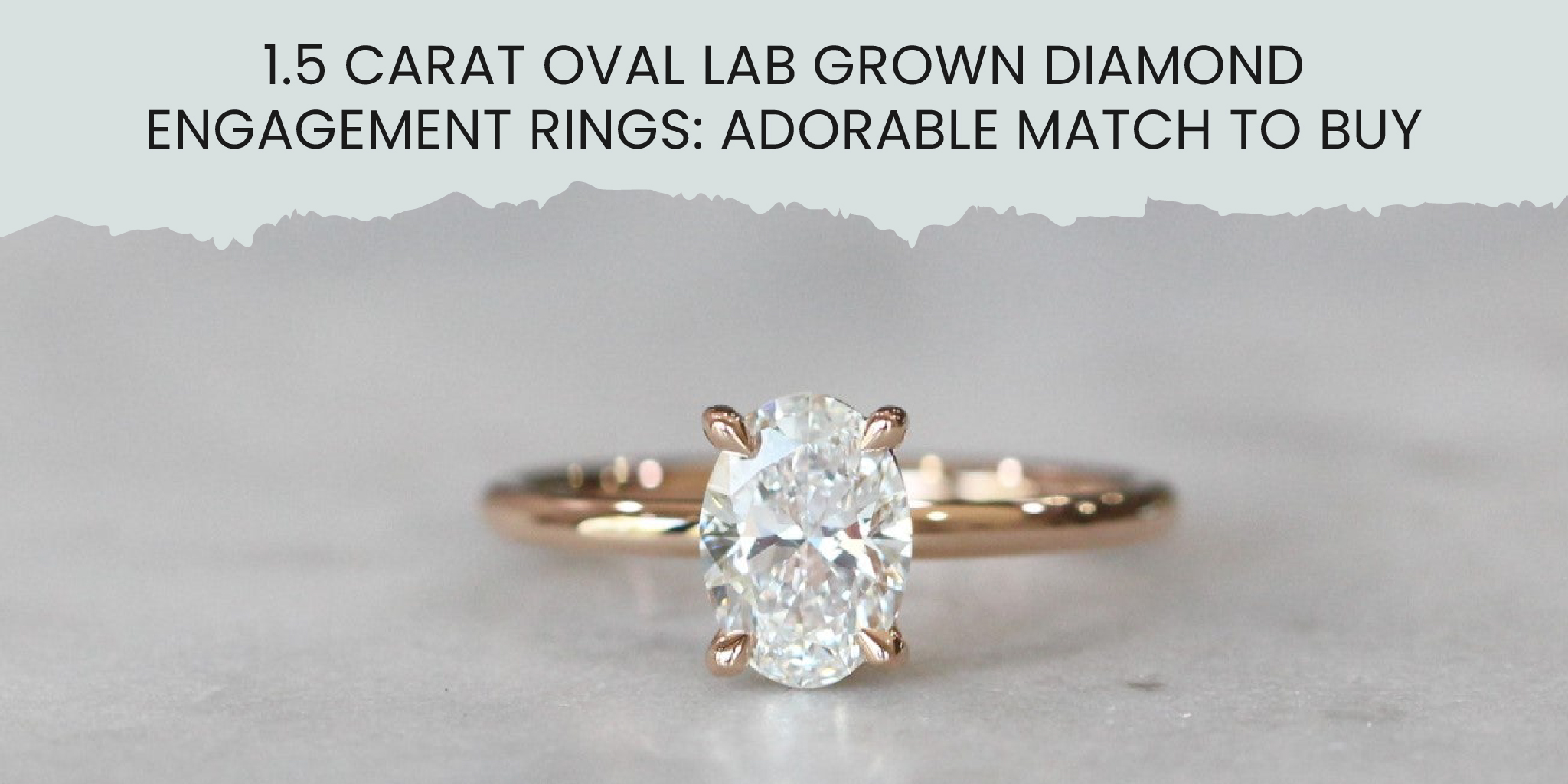


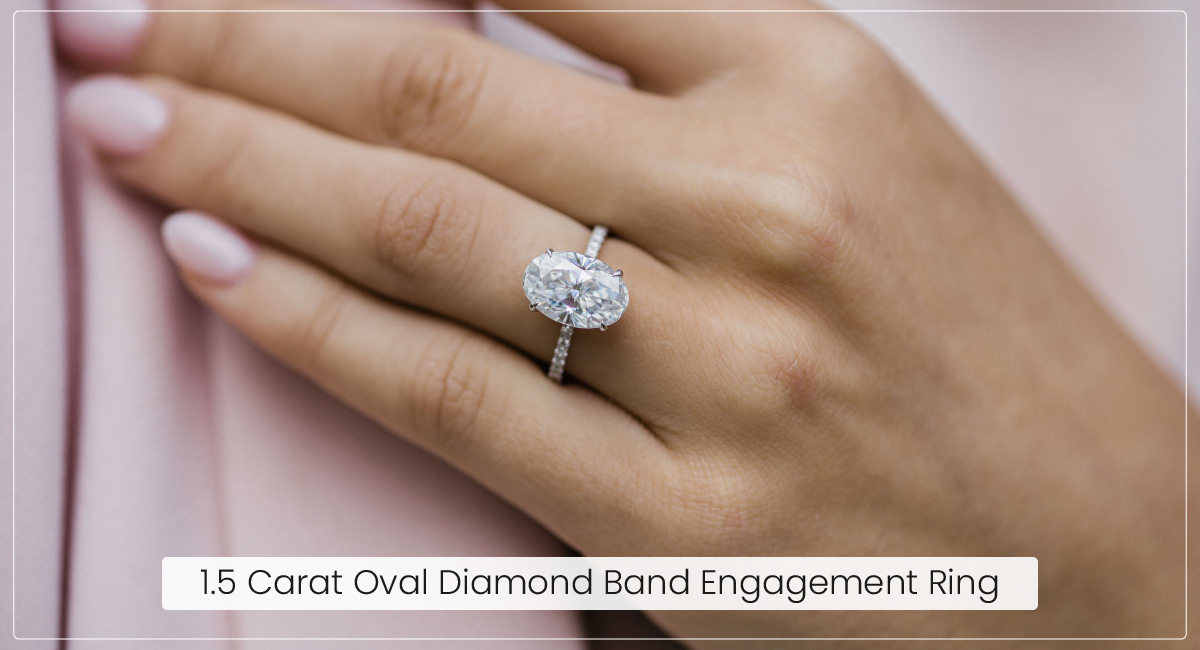
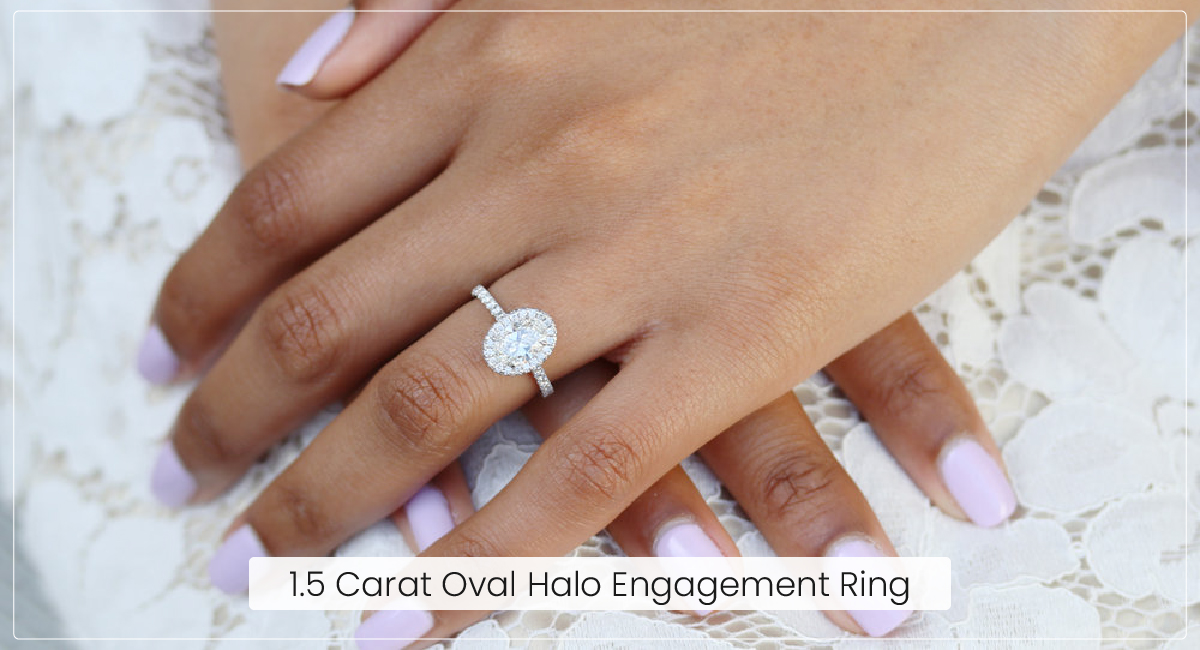
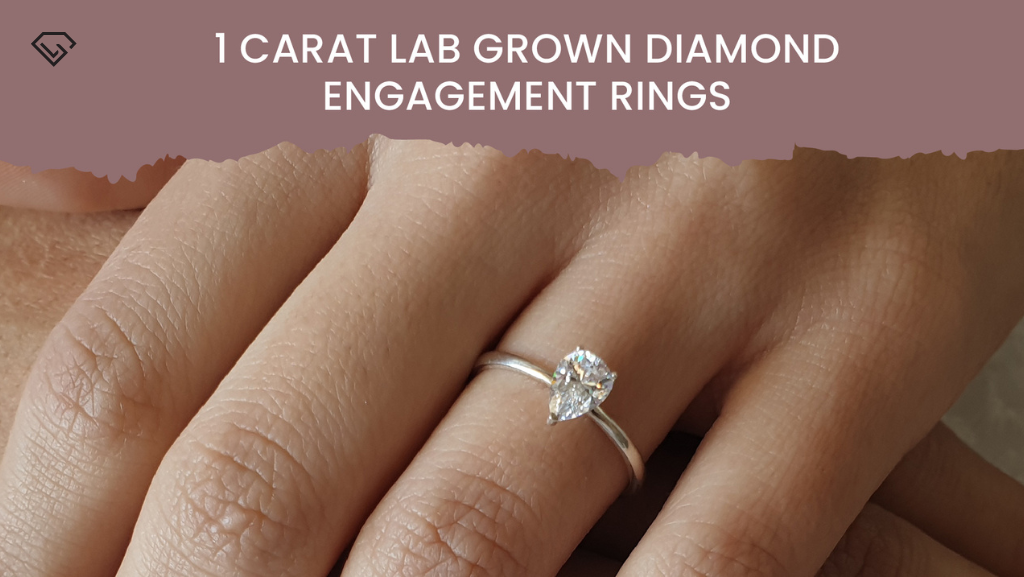

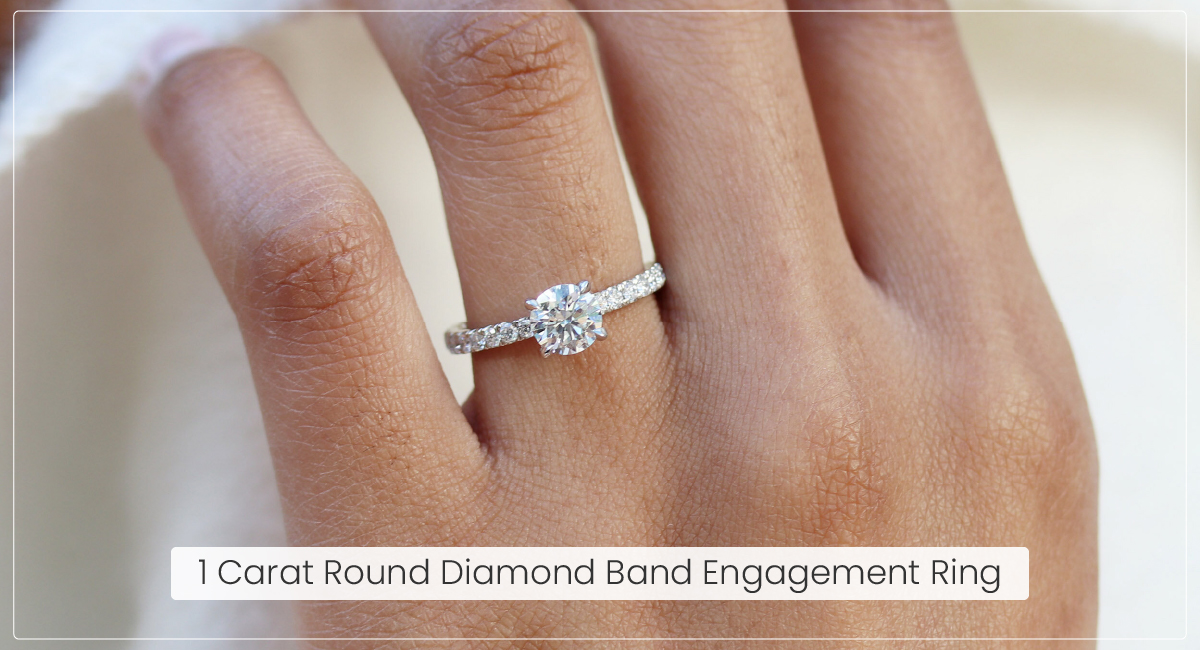

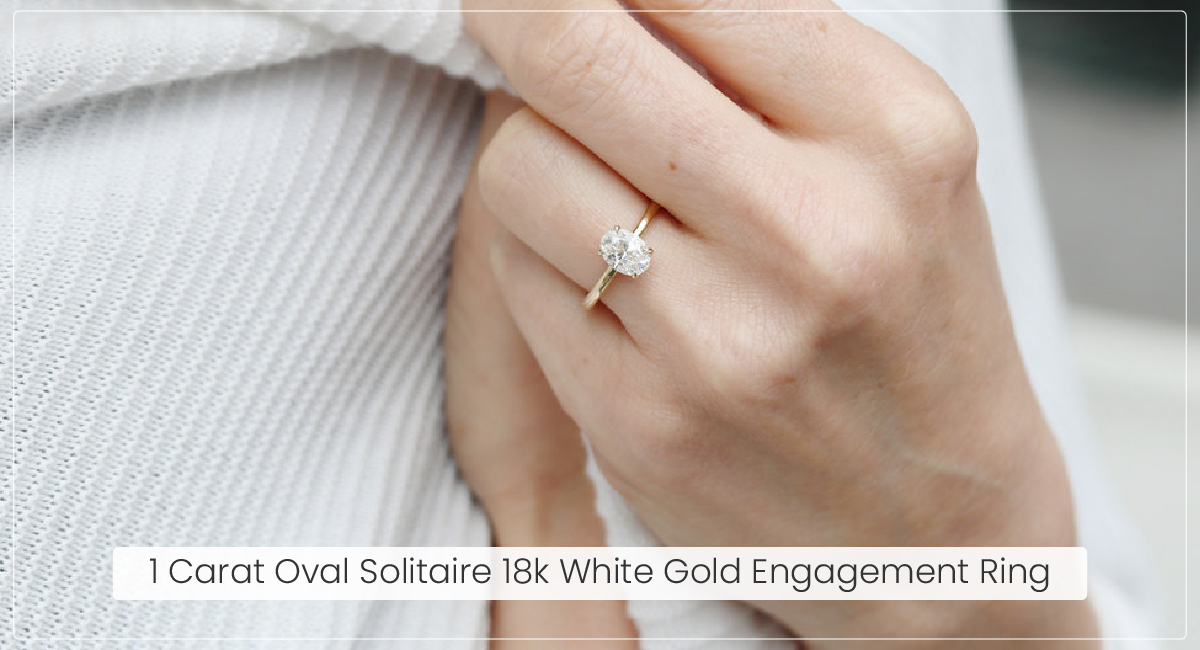

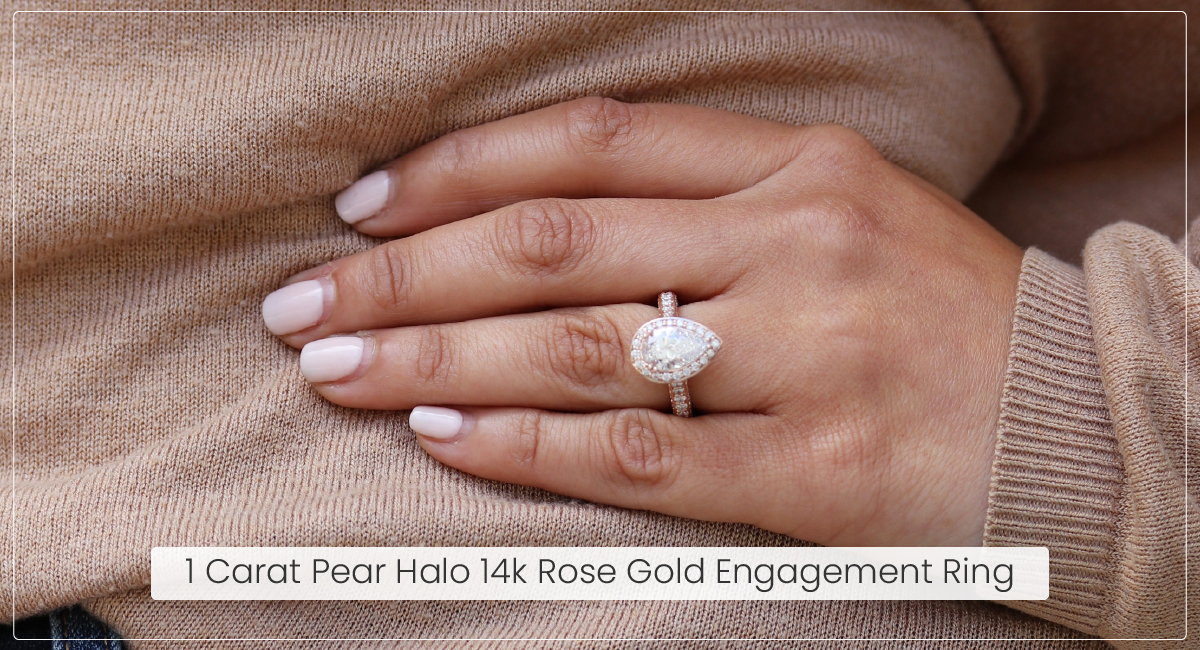
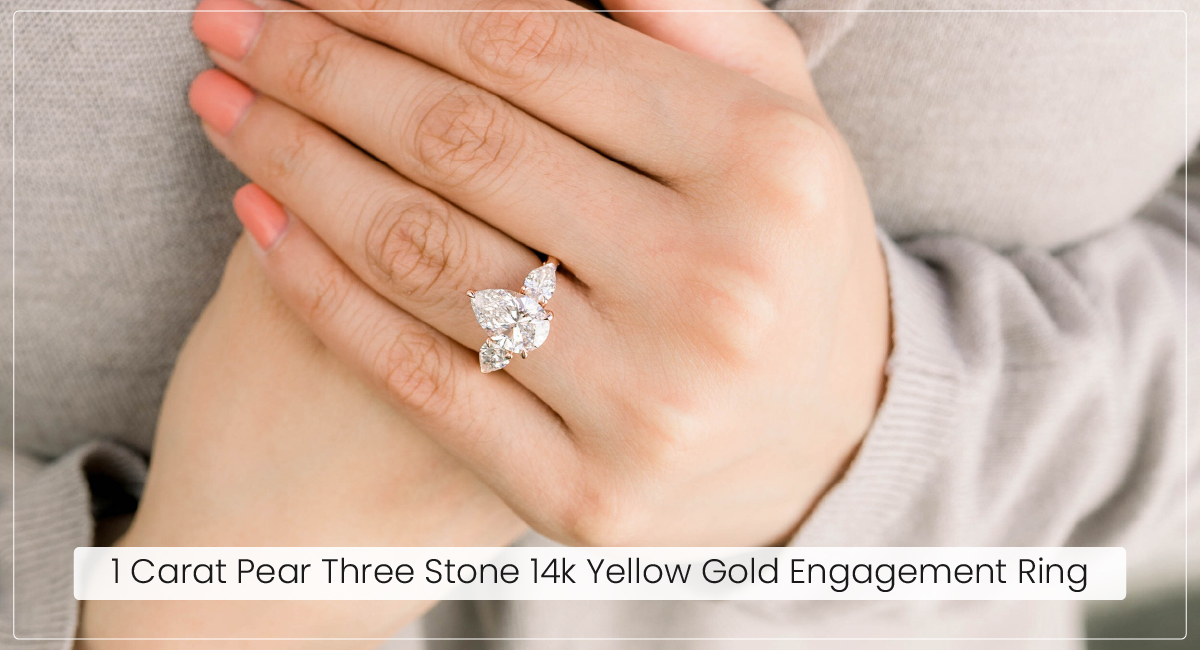
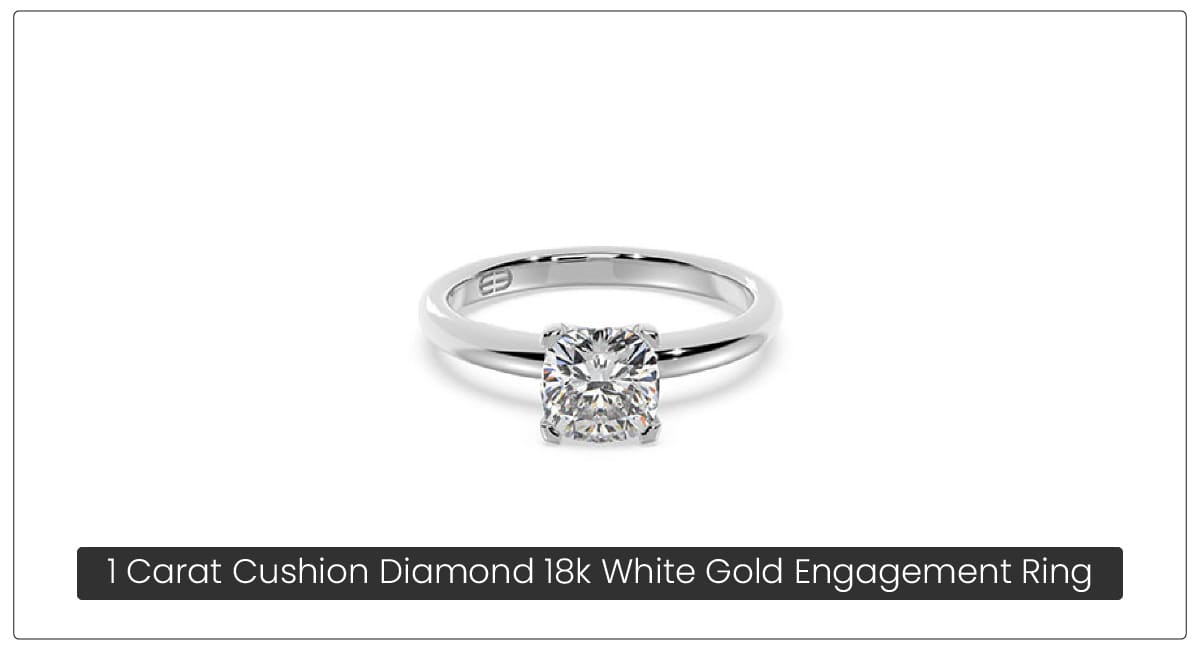
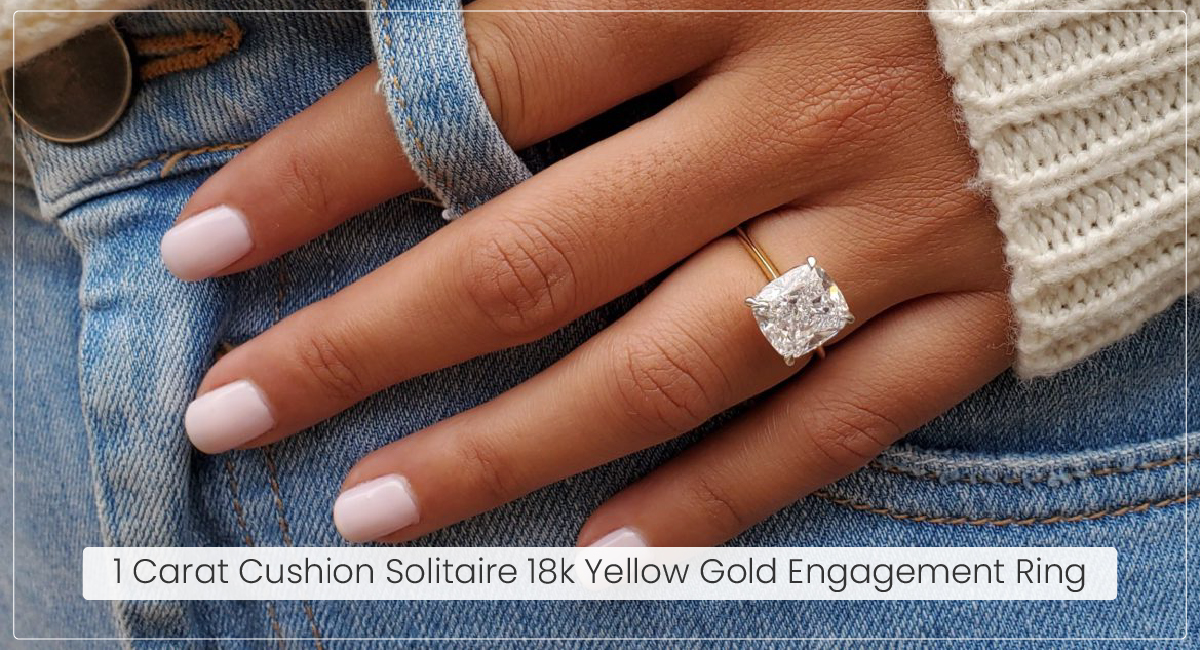
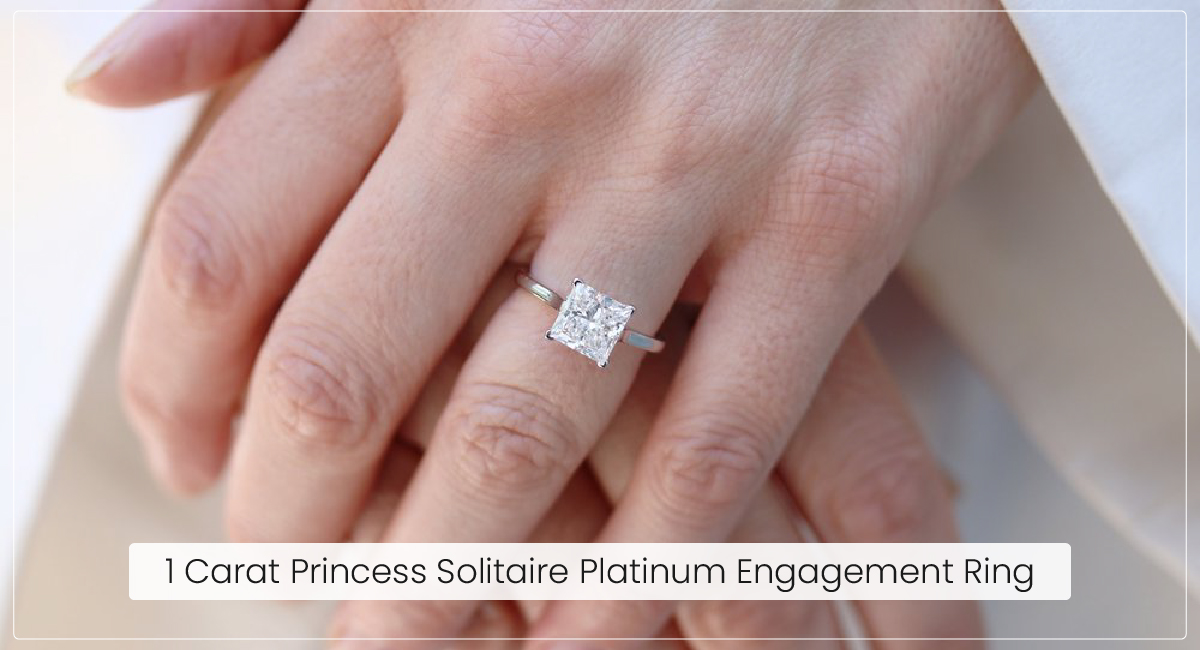

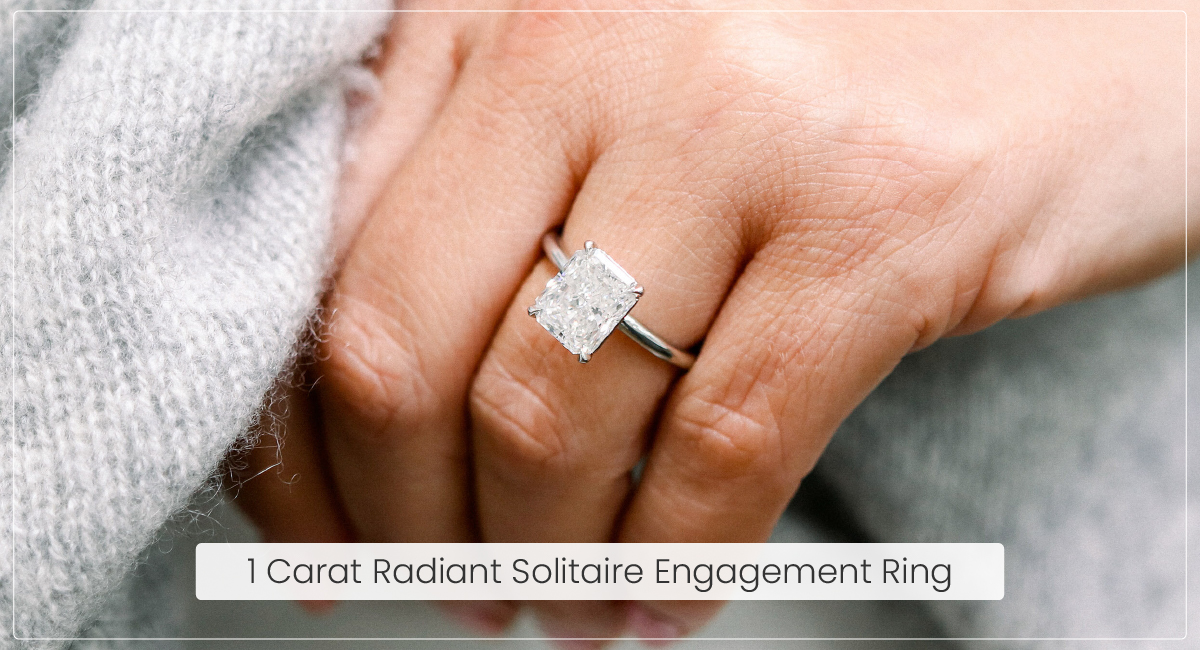
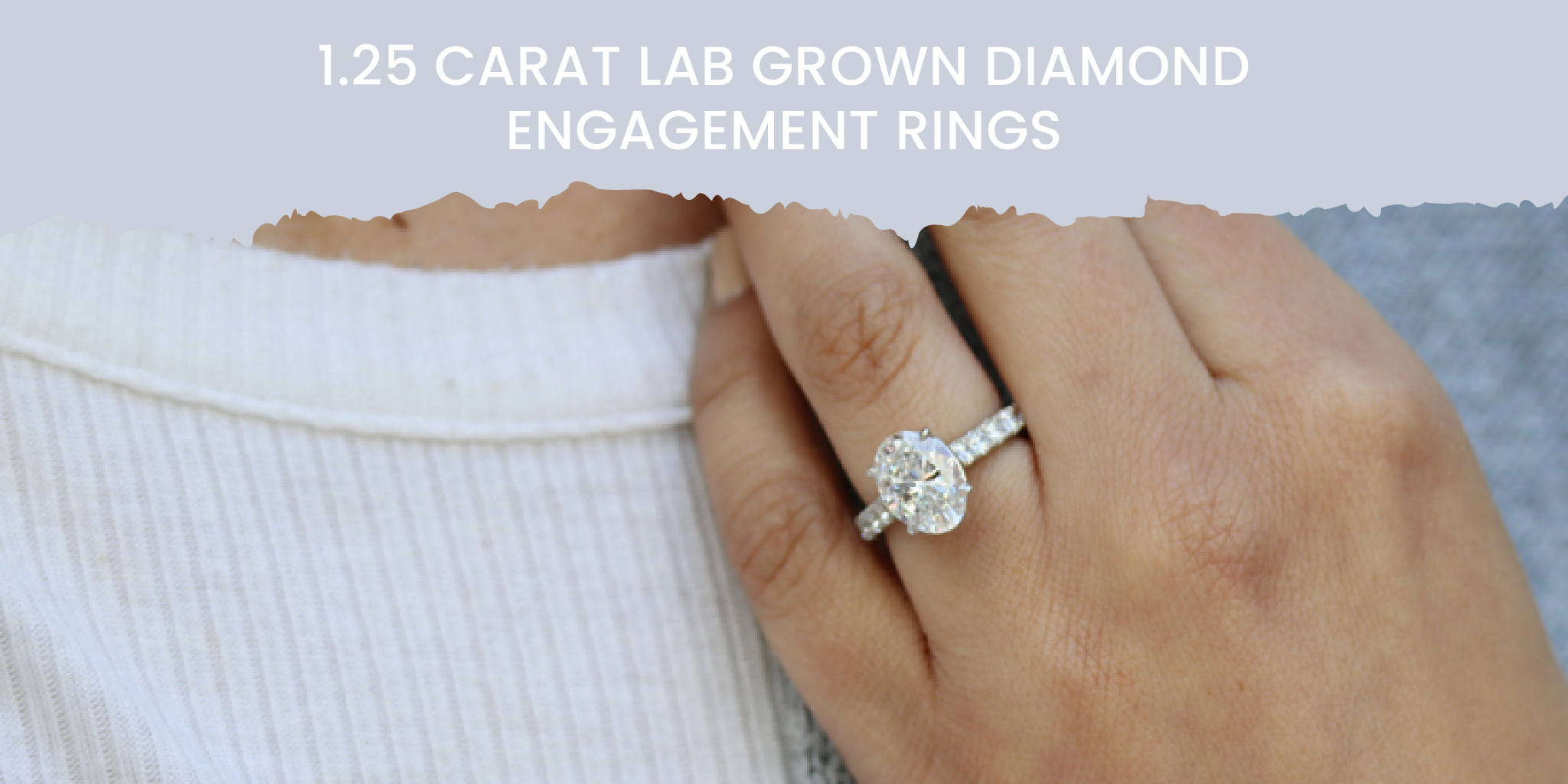
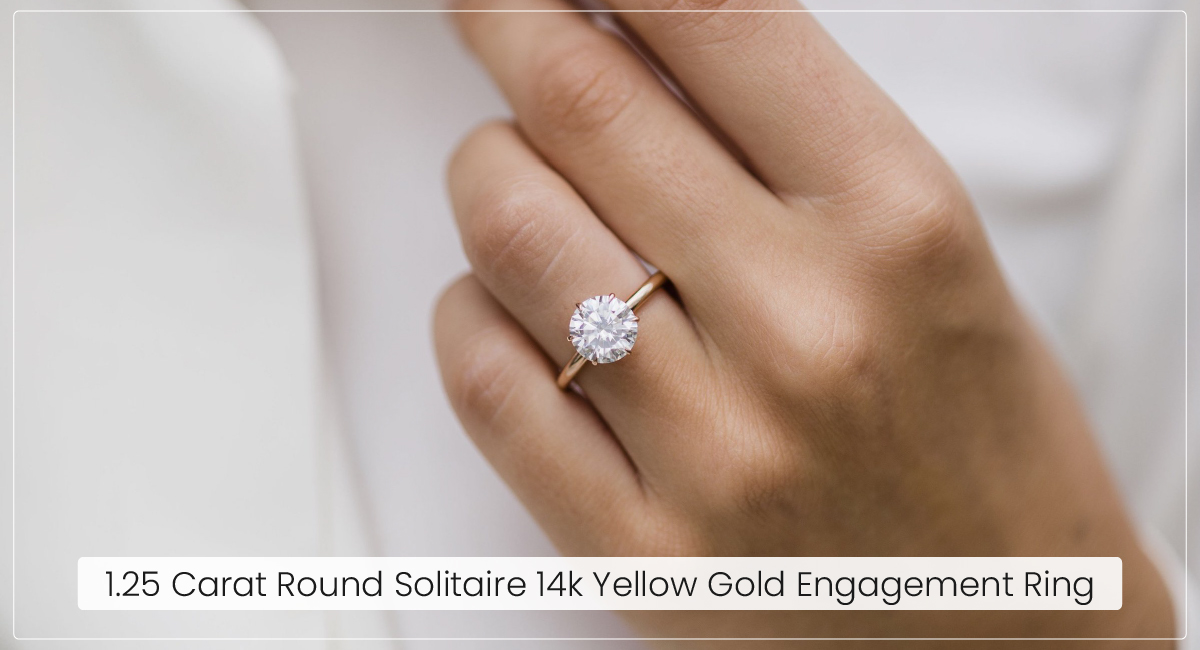

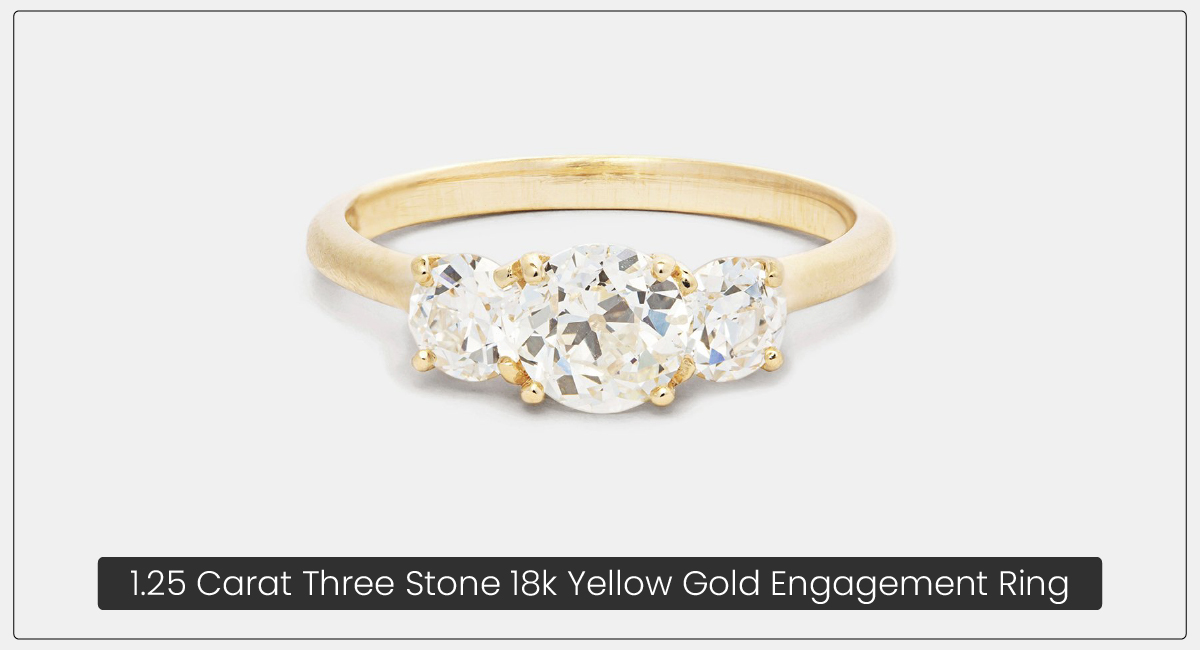


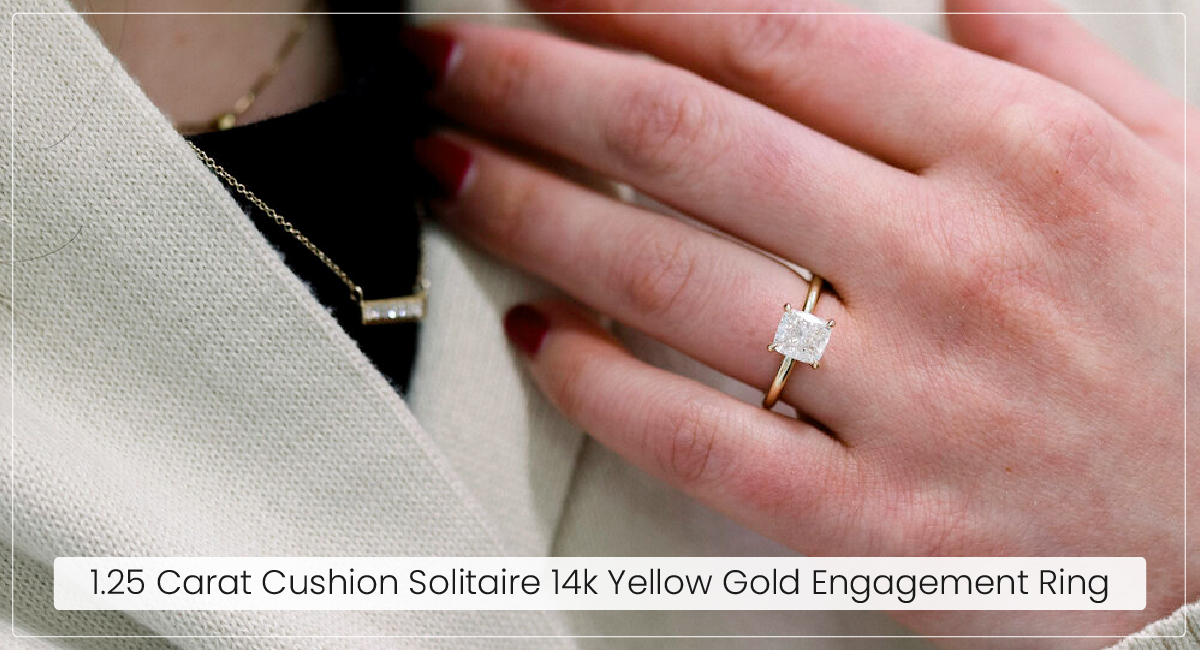
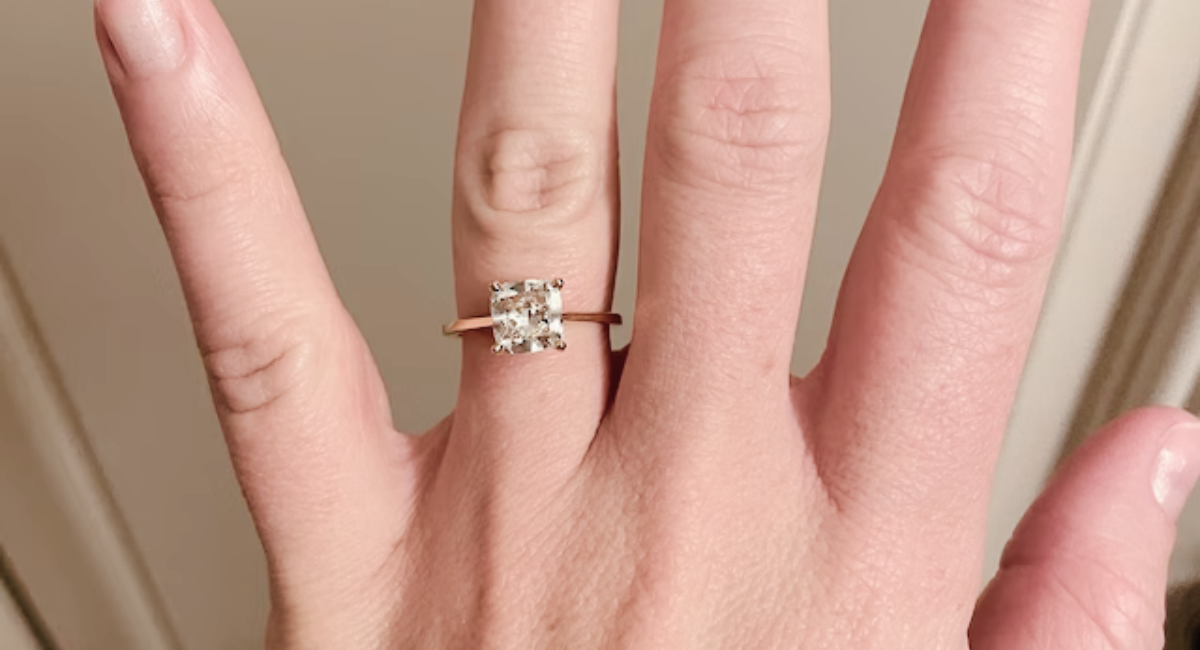


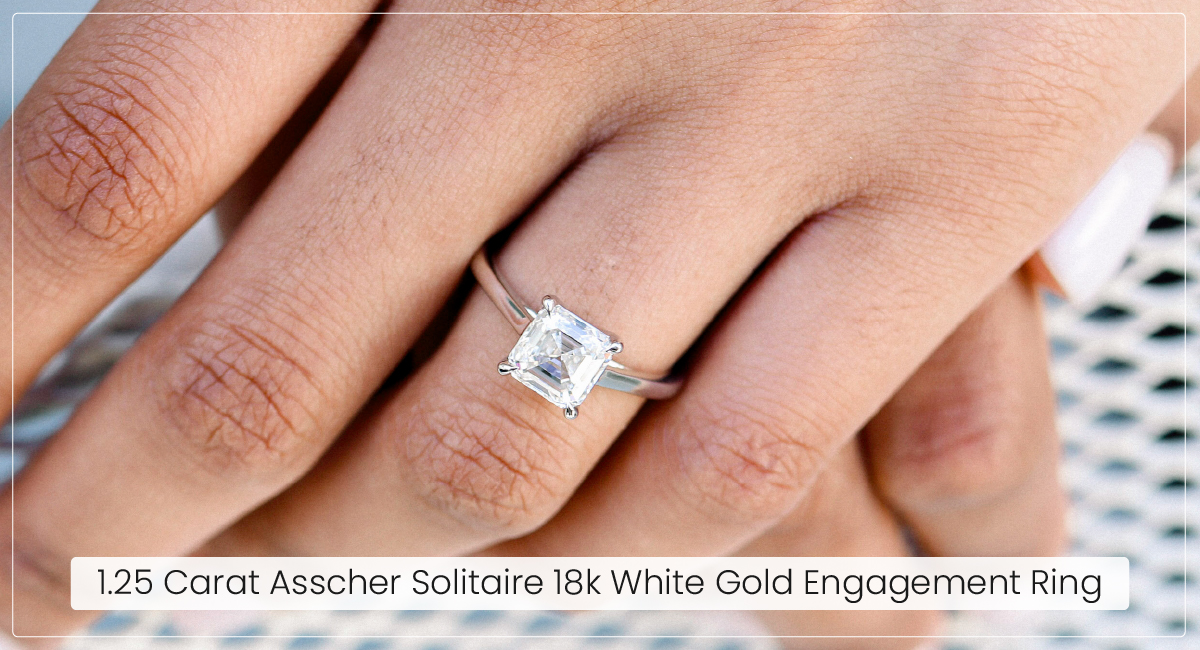
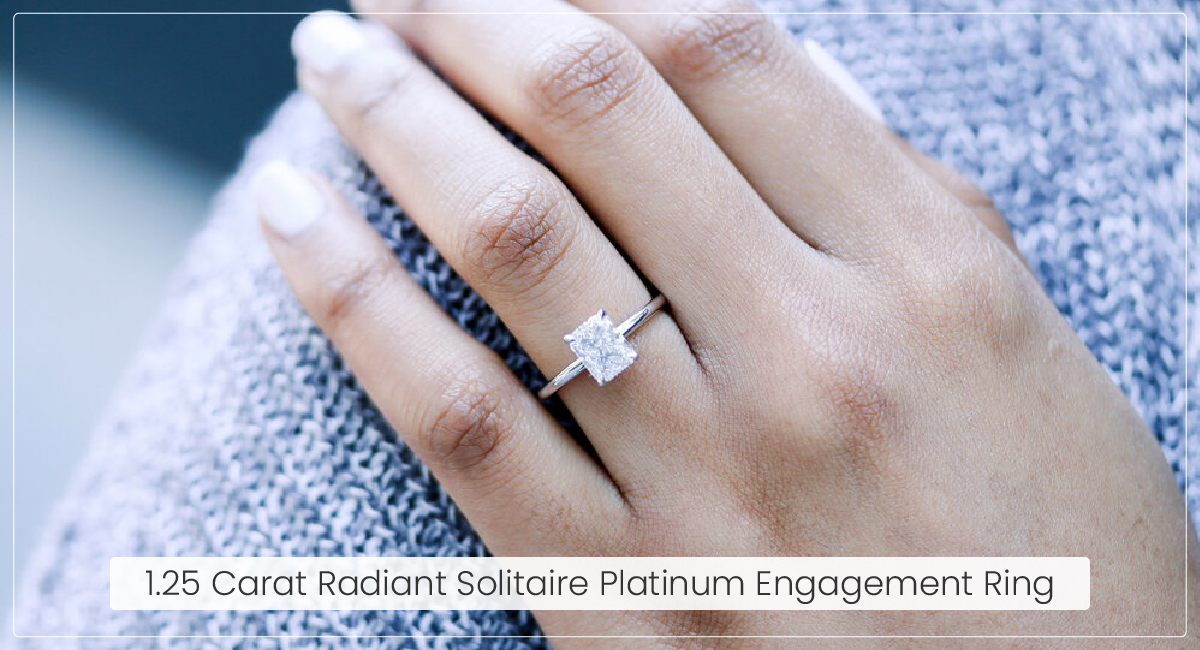
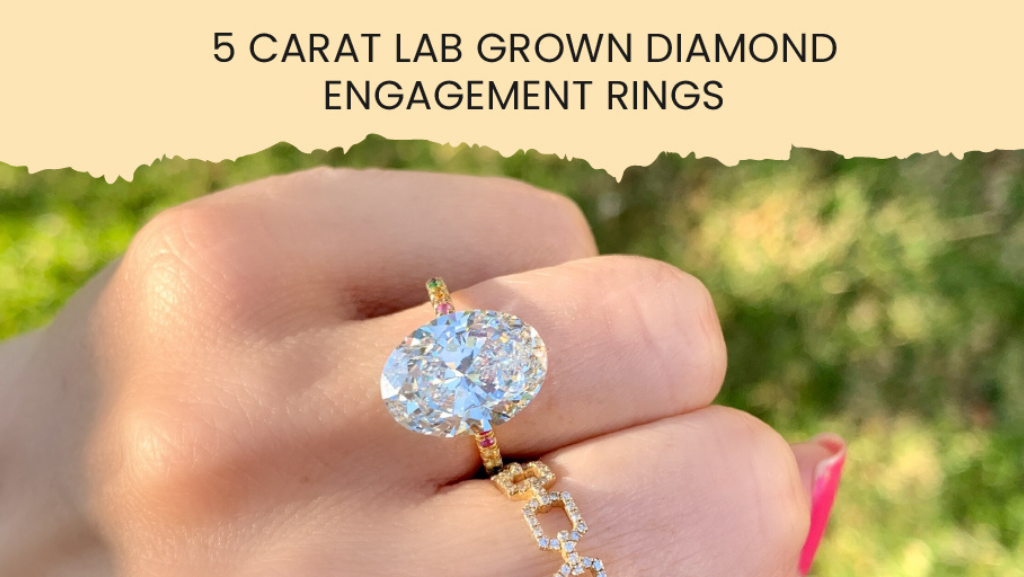
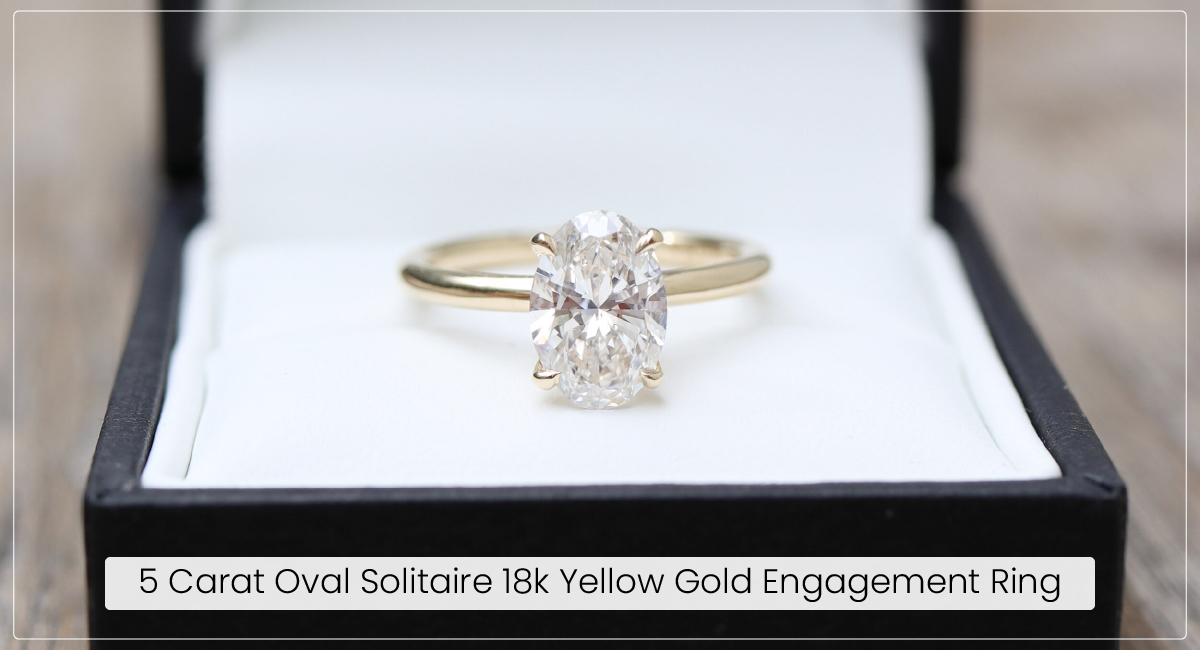
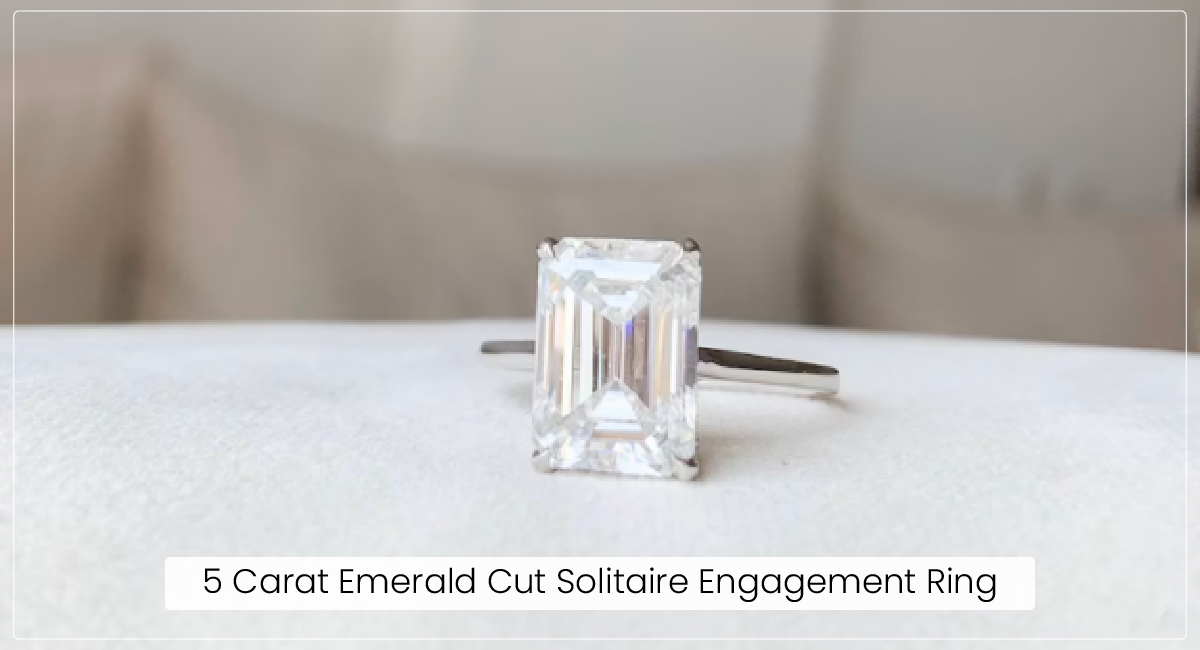
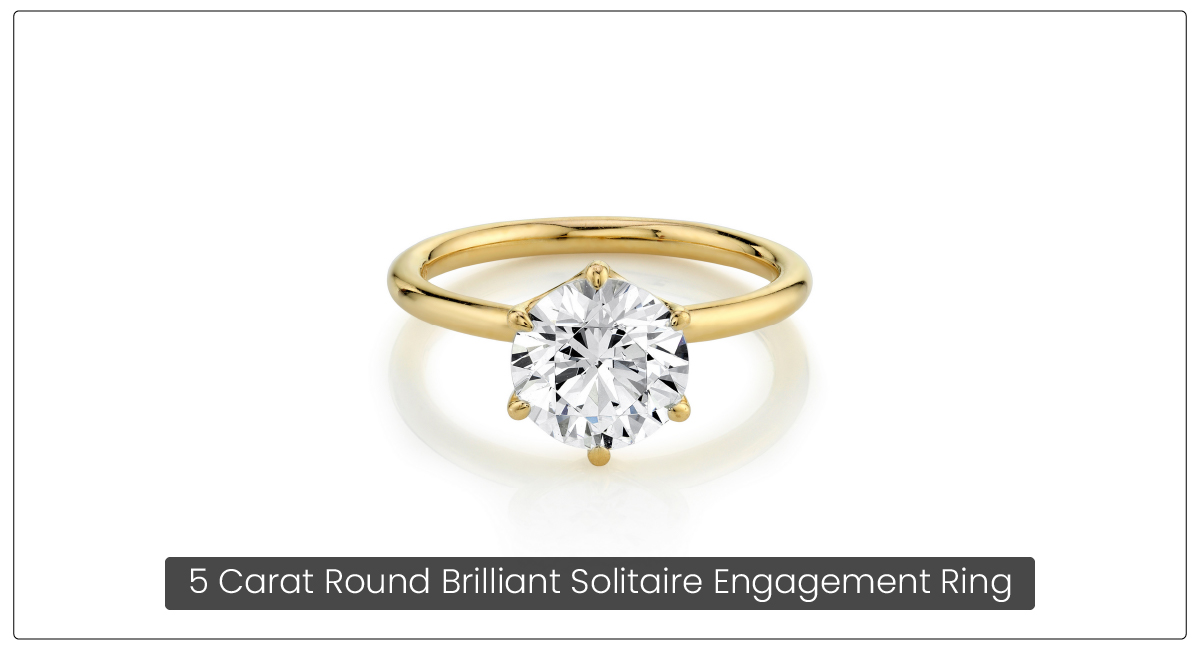
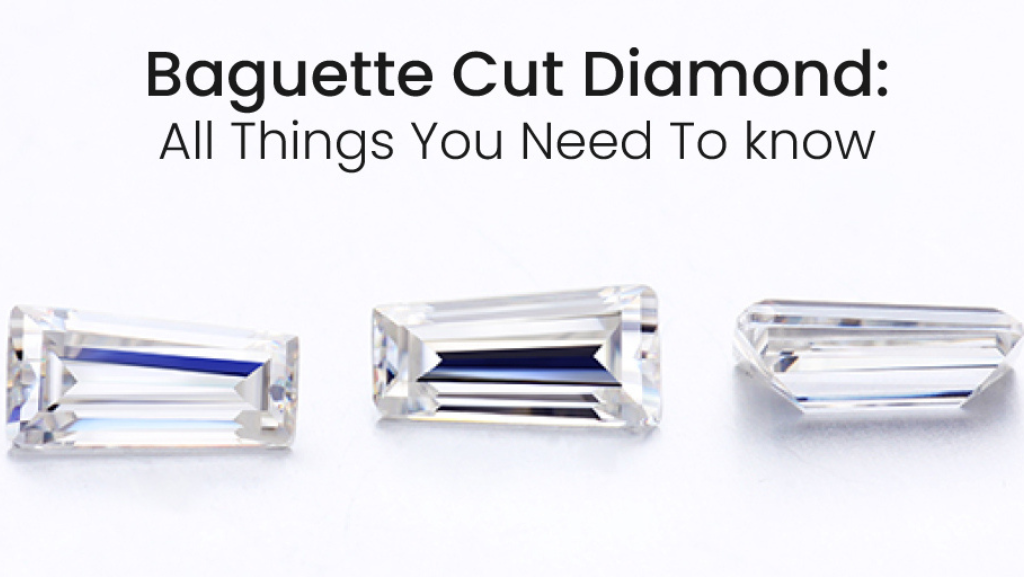
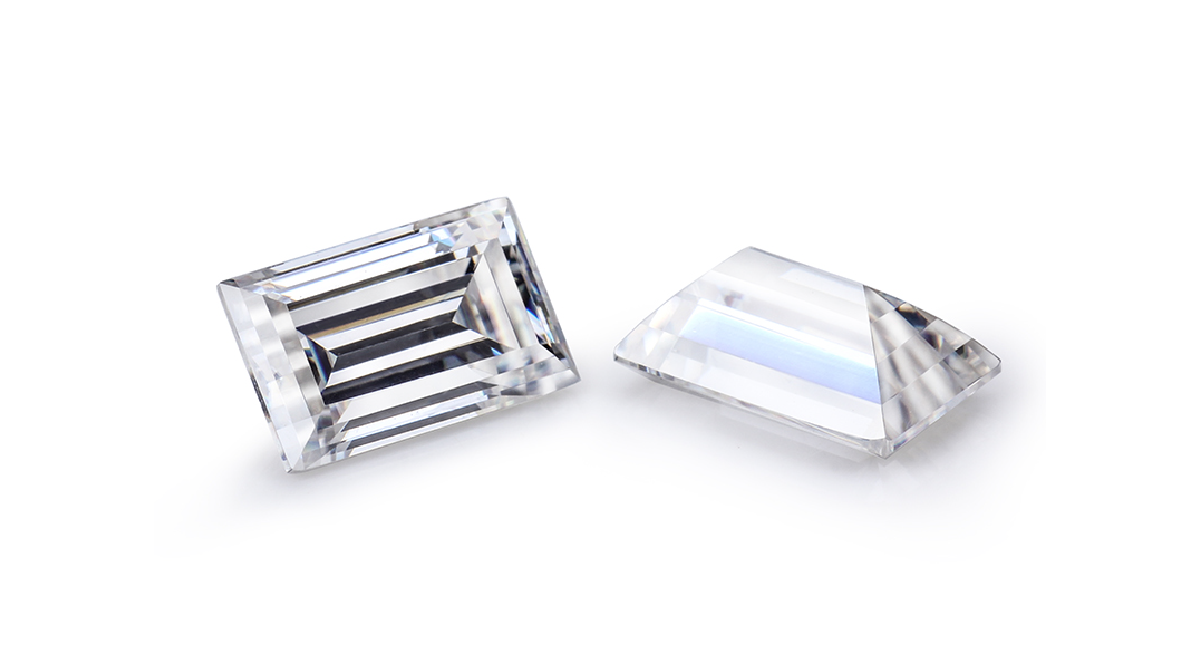
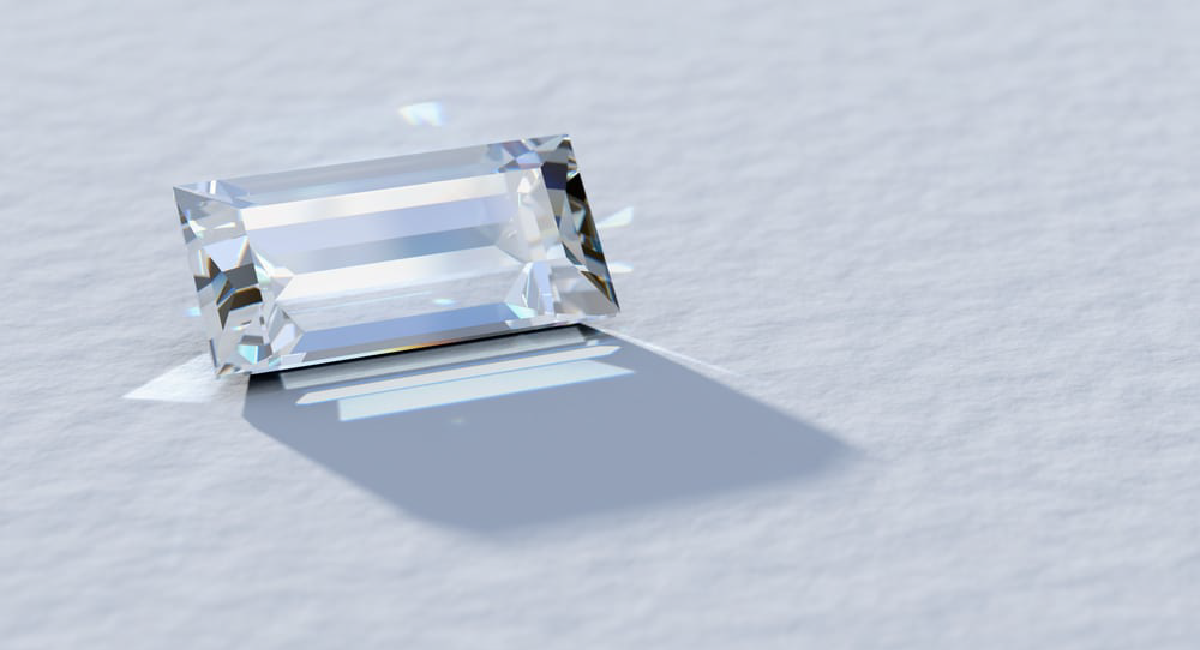
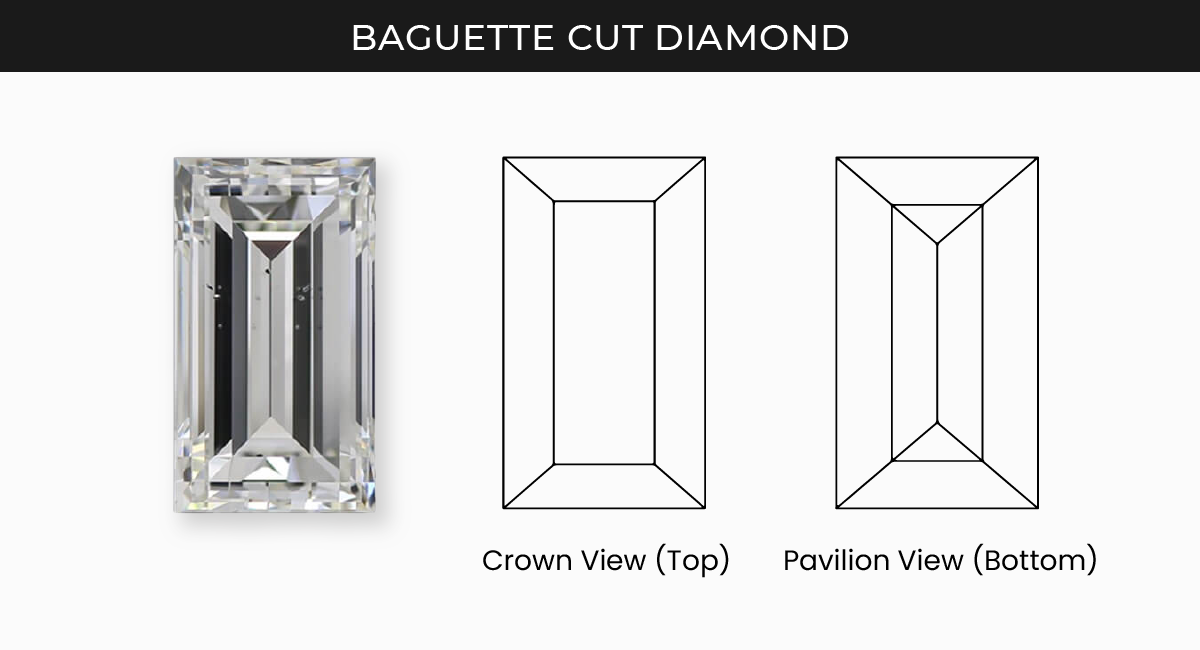
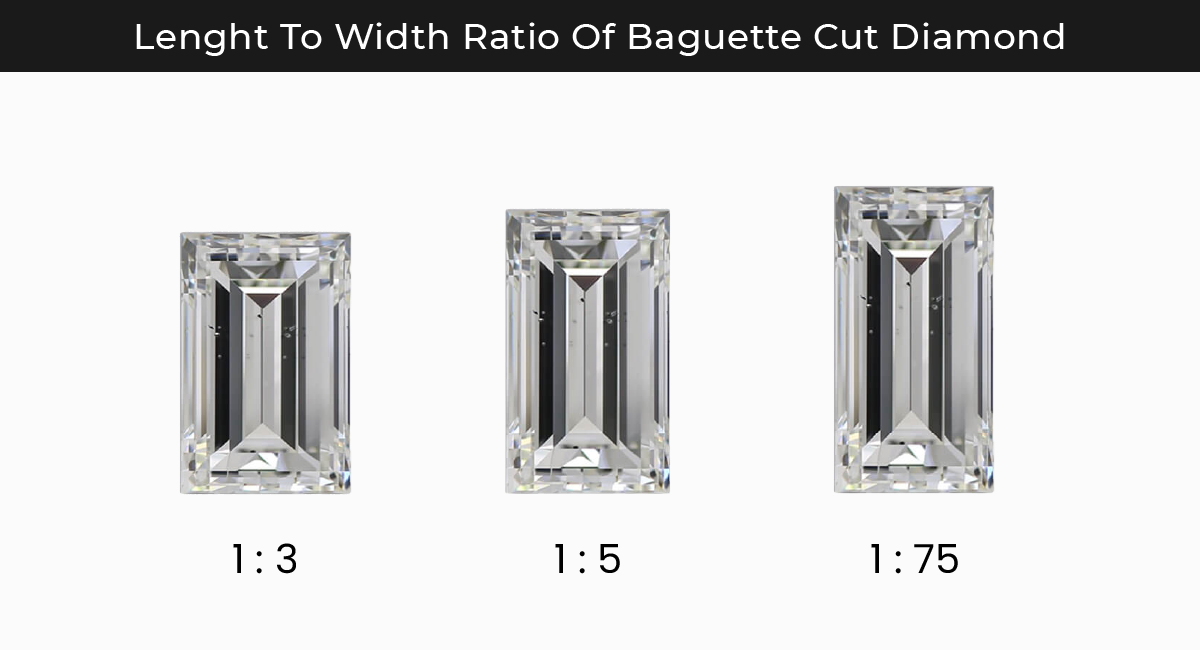
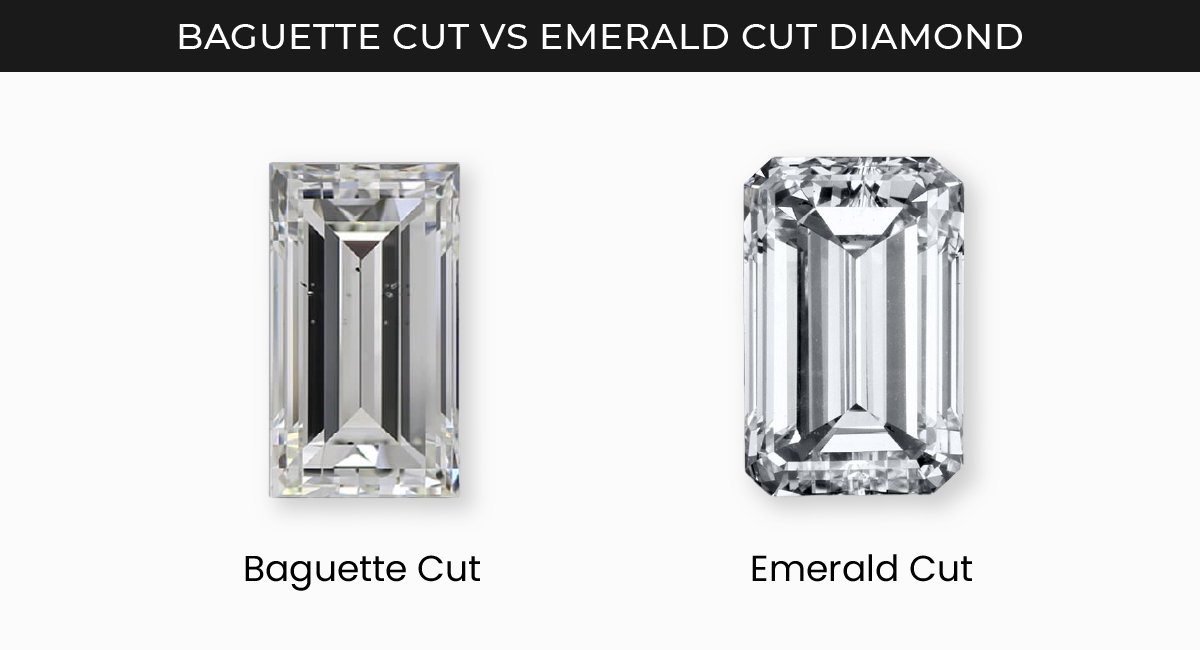
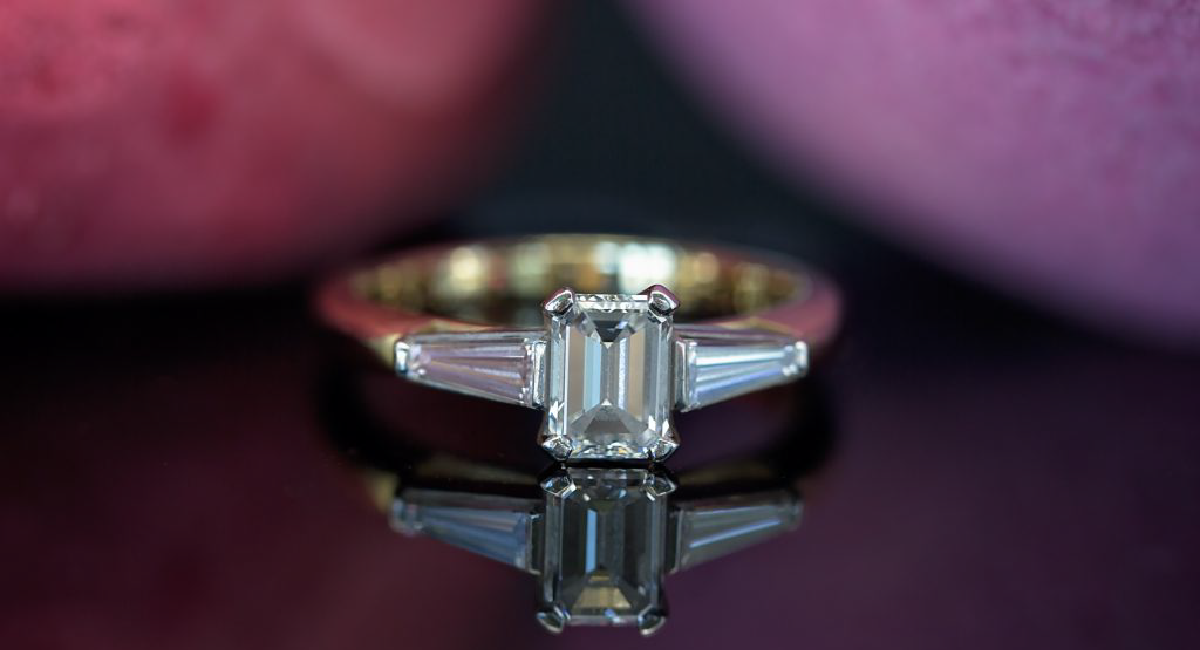
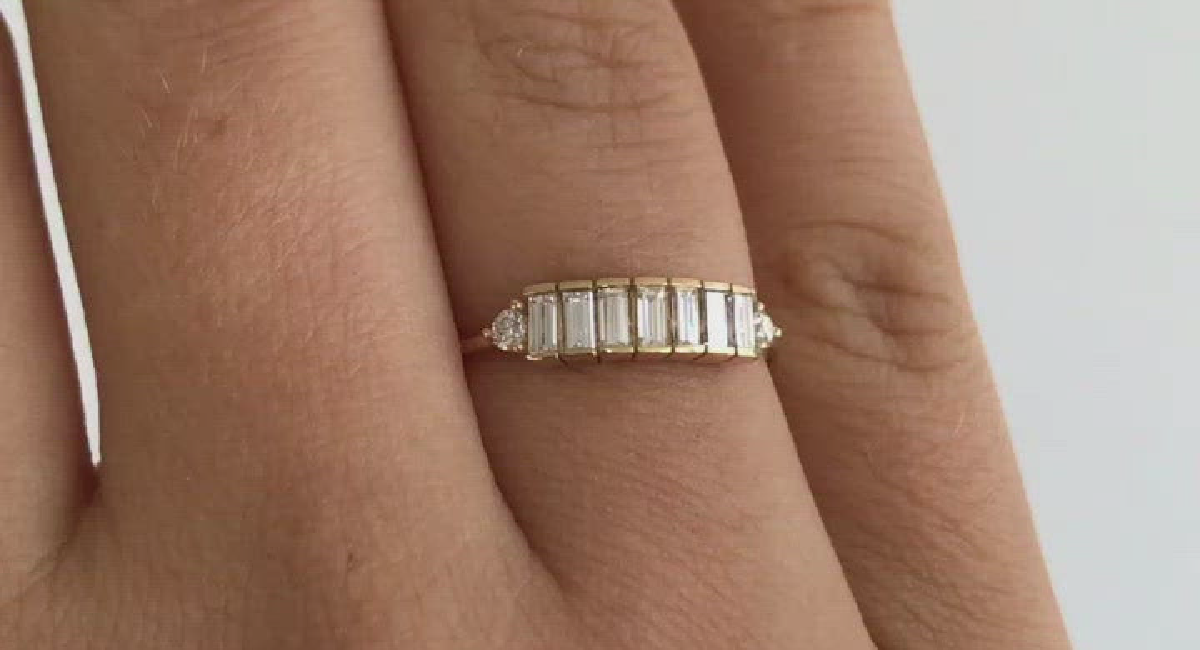
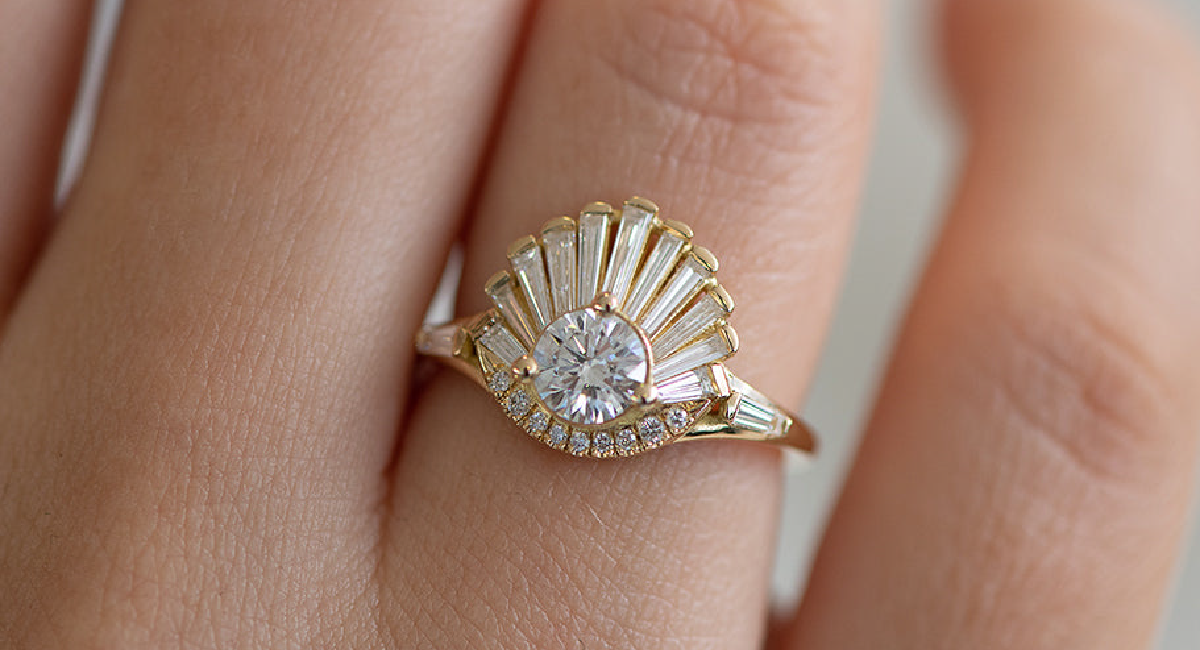
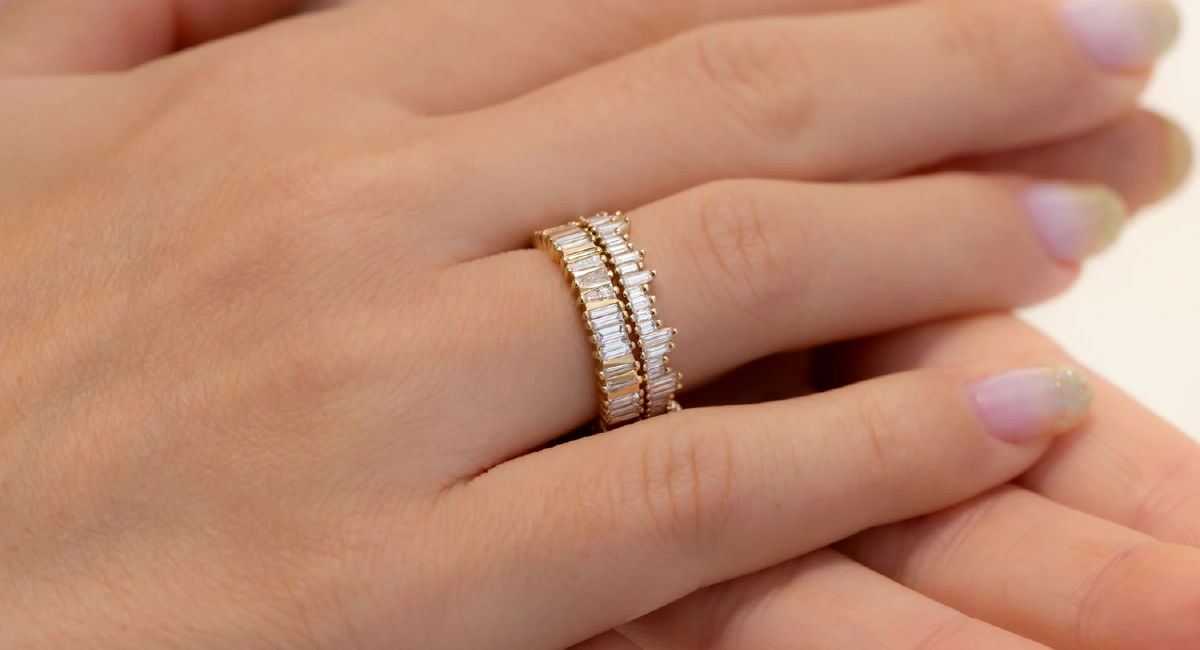
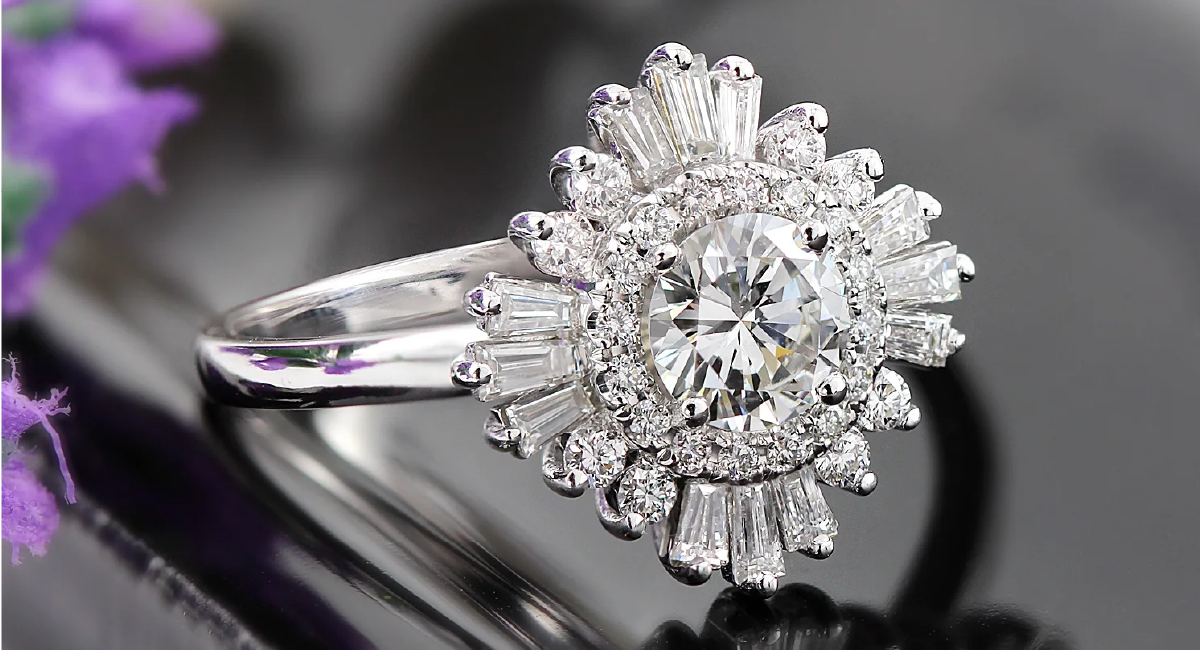
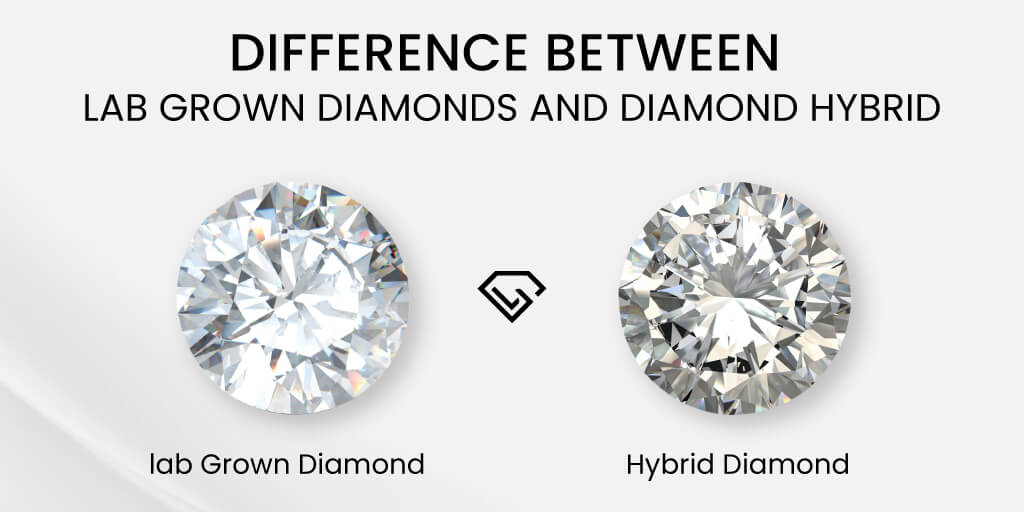
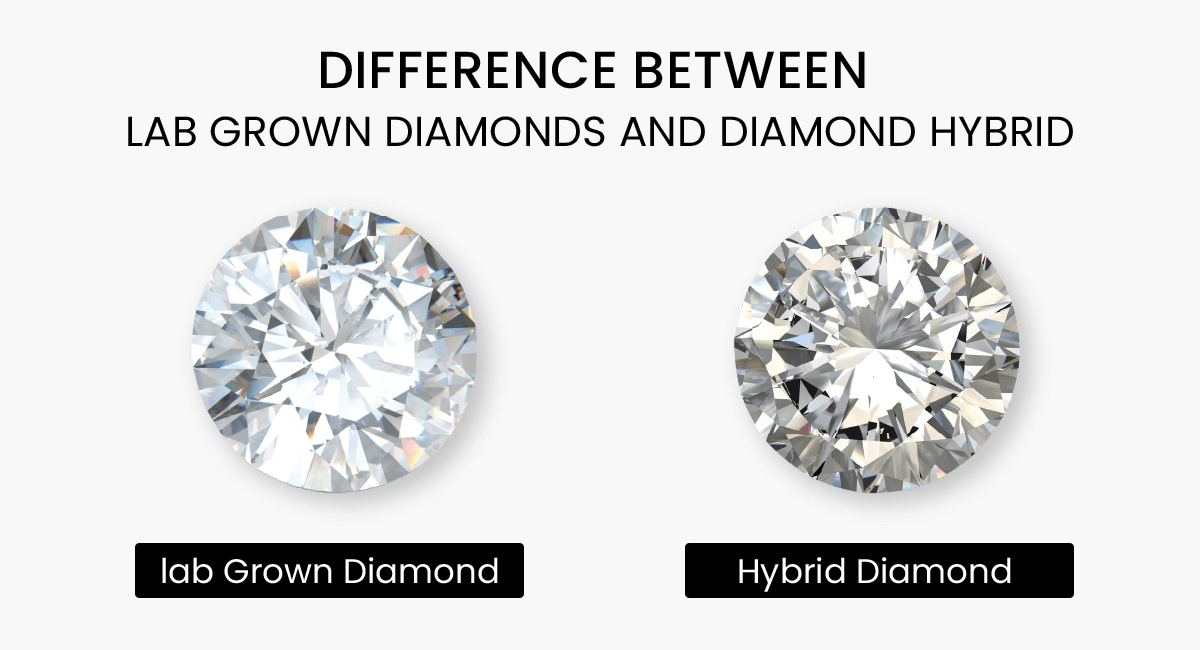 It is essential for you to know the difference between a man made diamond and a diamond hybrid, so you don’t make any such mistakes Here is the difference.