Real Facts About Lab Grown Diamonds

The entry of lab grown diamonds into the diamond market reshaped the whole business. Though these lab created diamonds have been prevalent in the whole market, there are a lot of misconceptions about them. Many people and companies are still unaware of what exactly lab-grown diamonds are, how are they made, are original or not?

The entry of lab grown diamonds into the diamond market has reshaped the entire industry. The sale of lab diamonds has grown at an unprecedented rate and they have become the choice of the new aware youth when they go to choose luxuries or diamonds in particular.

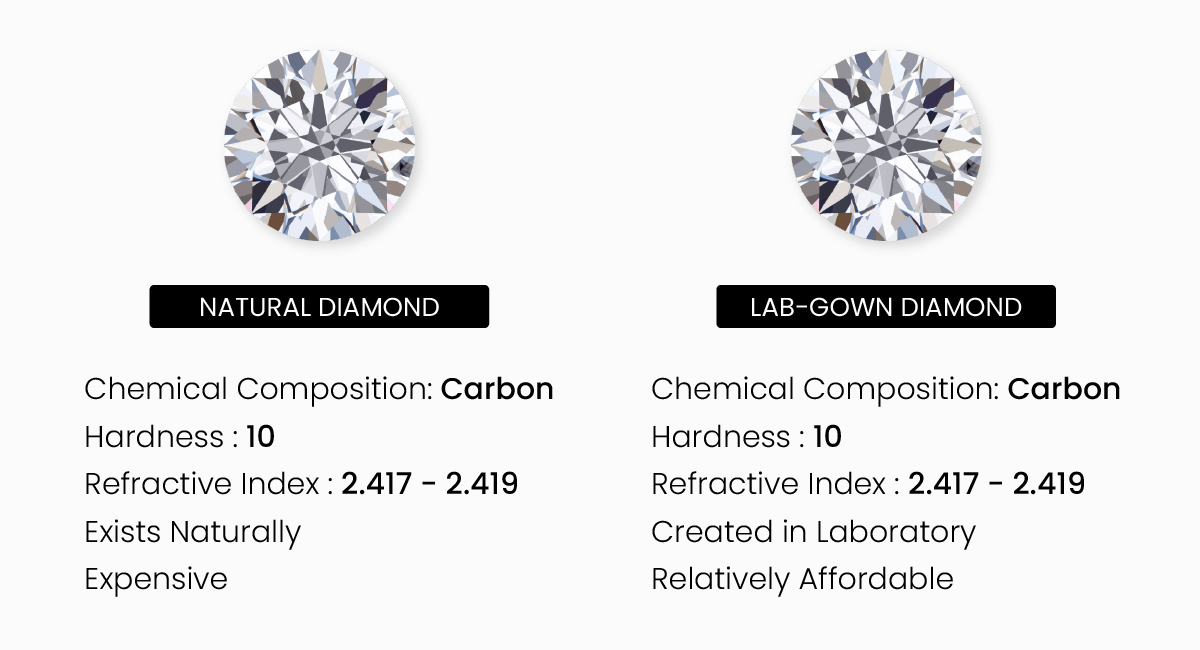
natural vs lab created diamonds

Lab grown diamonds are commonly chosen for various jewelry pieces, including engagement rings, wedding bands, bracelets, necklaces, earrings, pendants, and more.

Here are all Facts About Lab Grown Diamonds:

Understanding the facts about lab-grown diamonds is crucial before making a purchase.

Lab Grown Diamonds are Real Diamonds

Many people believe that lab grown diamond are not the same as real diamonds because they are made in a lab. Many people compare lab grown diamonds to mined diamonds and build the argument that because these diamonds were not unearthed from below the crust they cannot be called real diamonds.

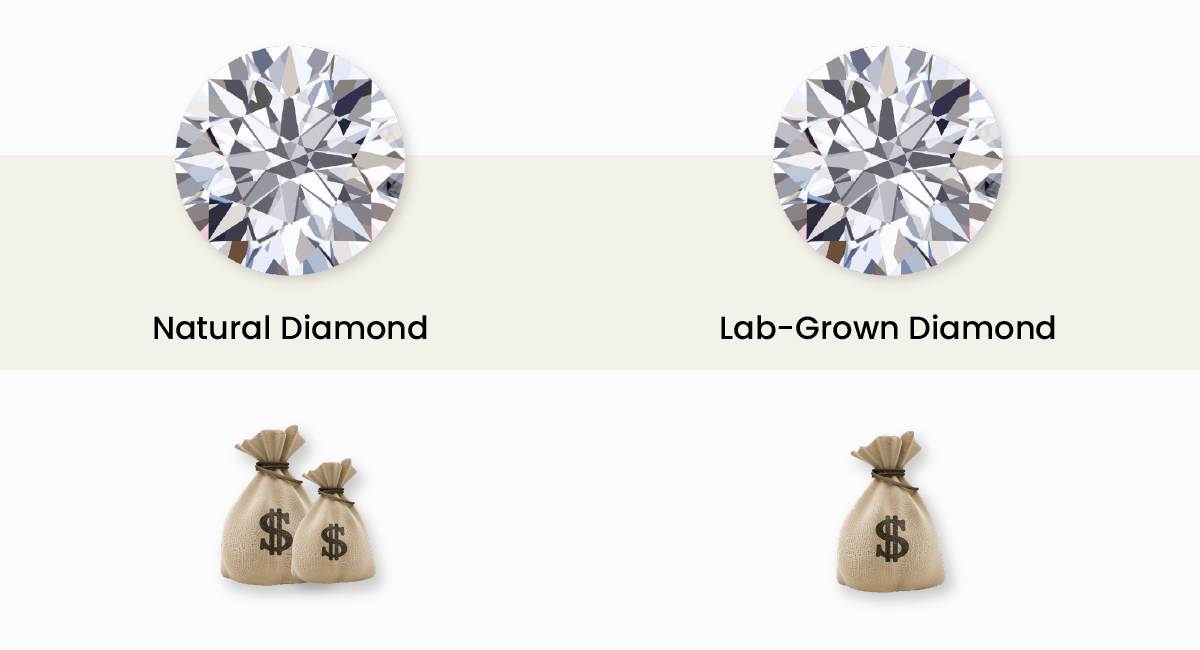
real vs lab grown diamond infographic 
For a really long time, the lab grown diamonds did not have many sales because they were seen as secondary and fake diamonds. For a long time, lab grown diamonds struggled to gain traction in the market due to the perception that they were inferior and inauthentic.

It’s only recently that the market has recognized the high quality of lab grown diamonds, as they are created from diamond seeds subjected to conditions similar to those beneath the Earth’s surface.

Lab-grown diamonds indeed offer several environmental benefits, as they reduce the demand for mined diamonds, which can have detrimental environmental impacts.

Lab Grown Diamonds are Good for the Environment

When lab diamonds were introduced to the market many people questioned them because they were man-made, and they were probably bad for the environment. 

Shortly after this was cleared it was found that in fact, lab created diamonds are a much more eco-friendly alternative than mined diamonds. 

sustainable diamonds 
Lab-grown diamonds actually save the environment and the more we use lab grown diamonds and shift to using them, we are lessening the use of mined diamonds and those have a lot of negative impacts on the environment.

Lab created diamonds have much less of an environmental cost and are created in control settings and small labs. 

Lab Grown Diamonds are Less Expensive than Natural Diamonds

Lab diamonds are actually much more affordable than diamonds that are mined naturally because their cost of processing and manufacturing is far less. 

Real Facts about lab grown diamonds
Earlier people used to believe that lab created diamonds would be much more expensive because their manufacturing process requires a great deal of technique but that turned out to be the opposite because the cost of manufacturing, when compared to mine diamonds, is much lesser.

Lab-grown diamonds are quite affordable and especially suggest anyone who is looking for a great quality diamond within a budget to buy and opt for lab grown diamonds. 

Lab Created Diamonds are Available in Different Cuts, Sizes, Colors, and Shapes

Lab-grown diamonds are available in a wide range of sizes, shapes, and colors, making it easier for consumers to find the specific diamond they desire.

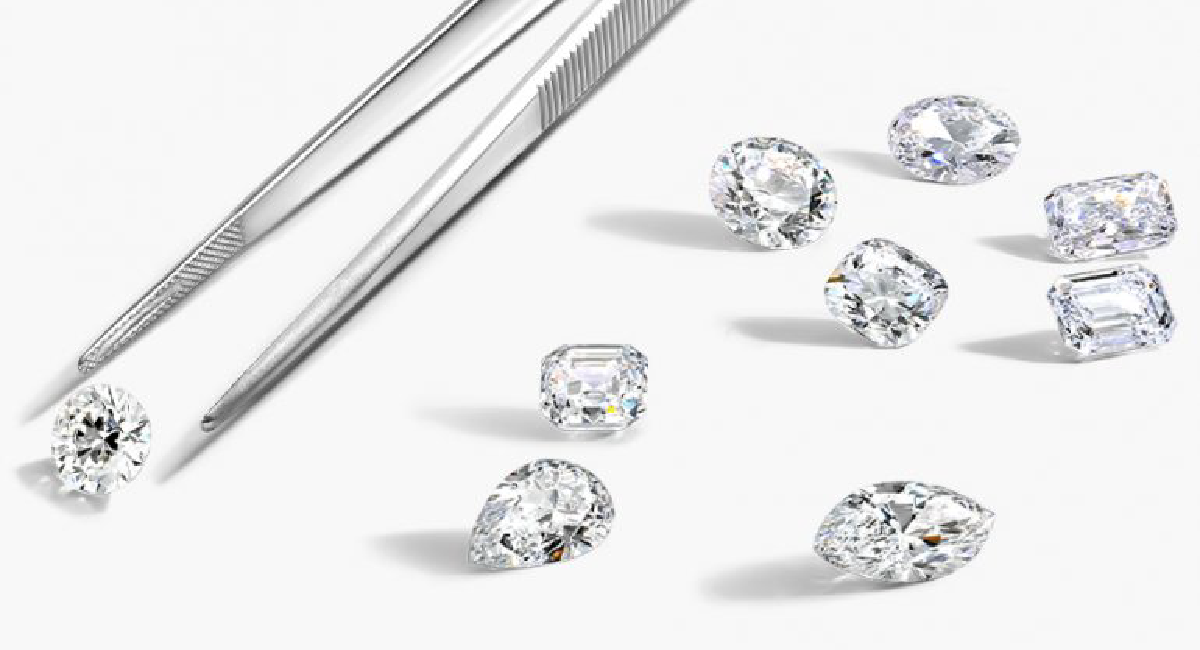
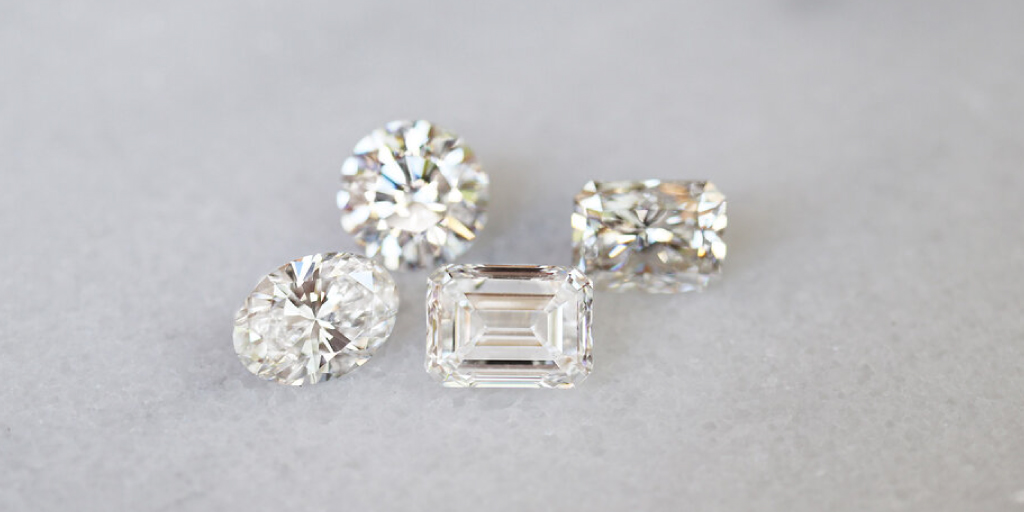
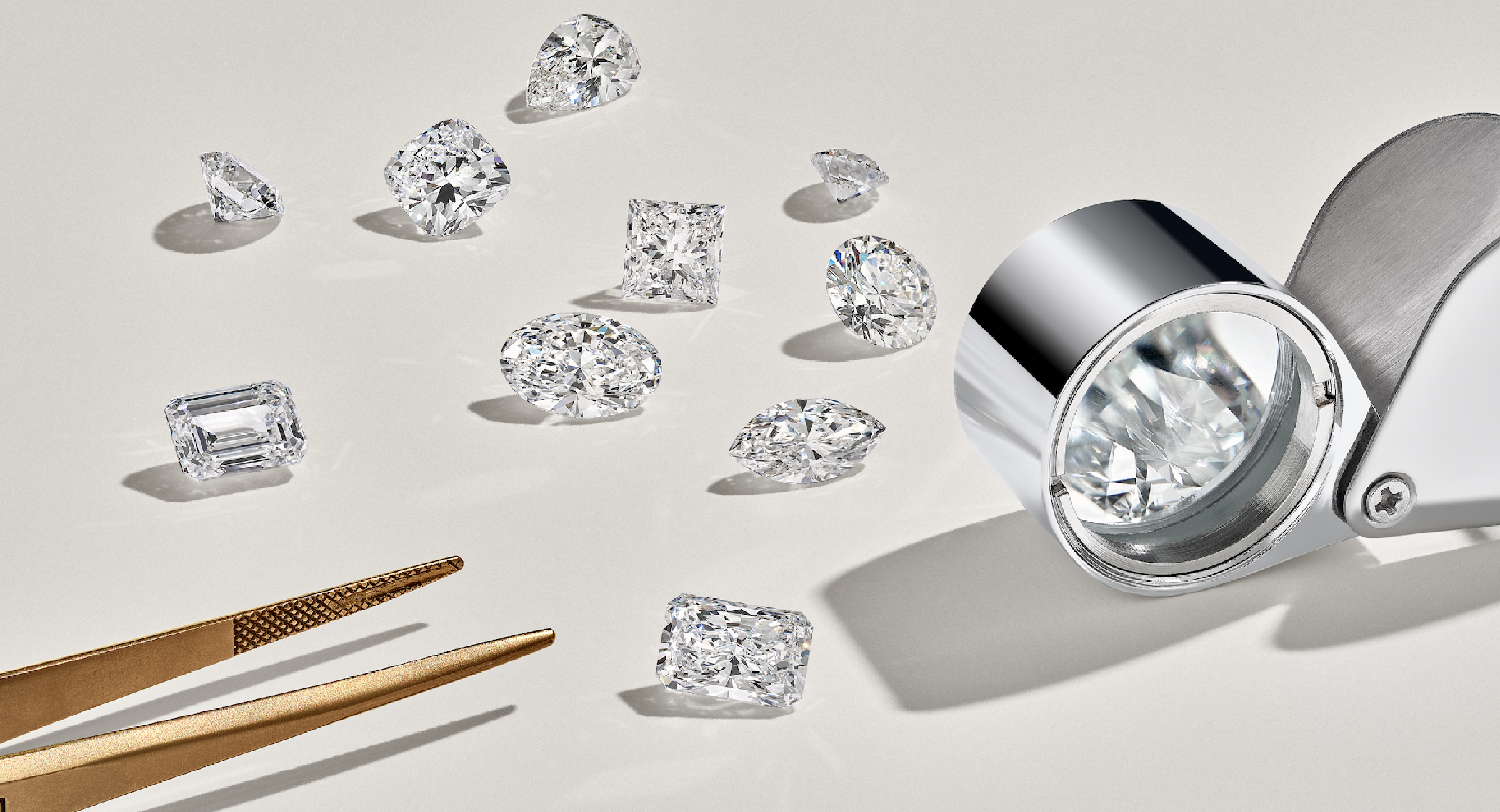
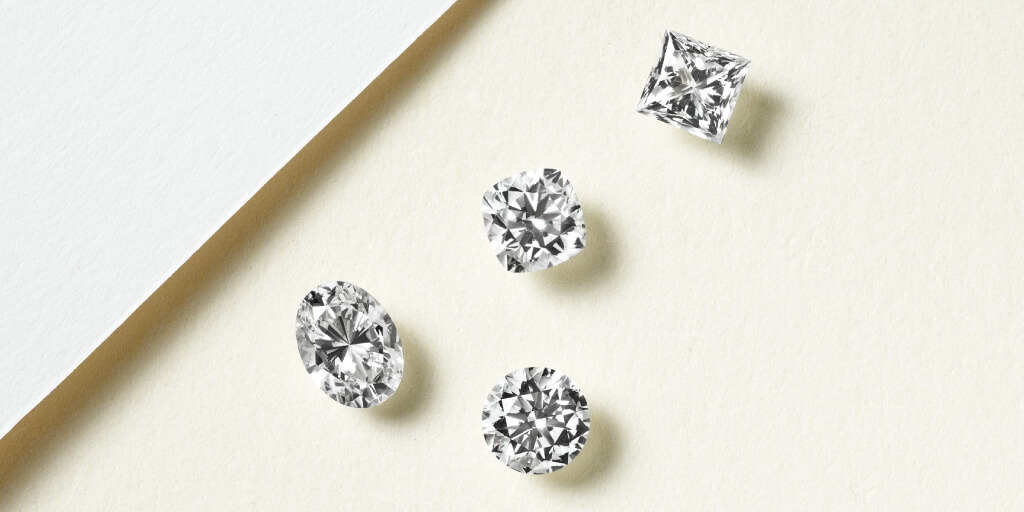
Lab-grown diamonds are available in various shapes, including round, pear, princess, oval, emerald, Asscher, radiant, marquise, heart, princess, cushion, and fancy shapes such as half moon, rose cut, hexagon, triangular, baguette, kite, hexagon.

Lab Grown Diamonds are Good Quality Diamonds

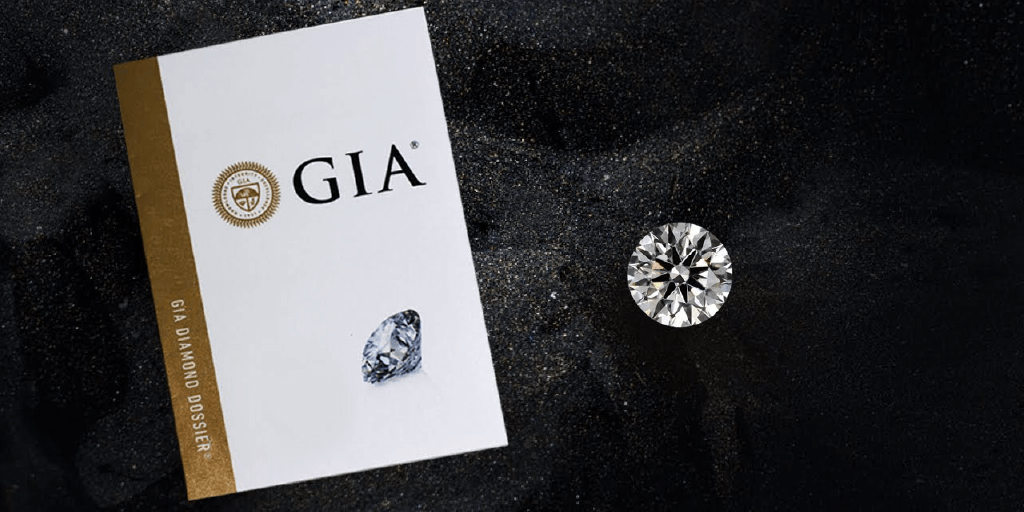
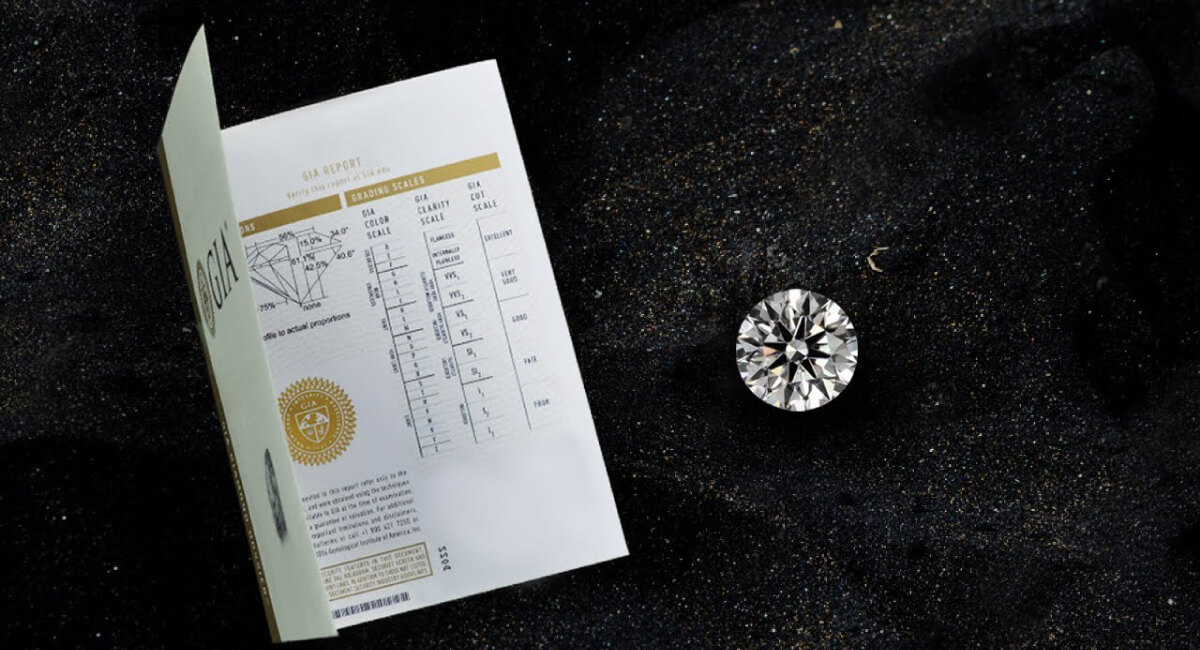
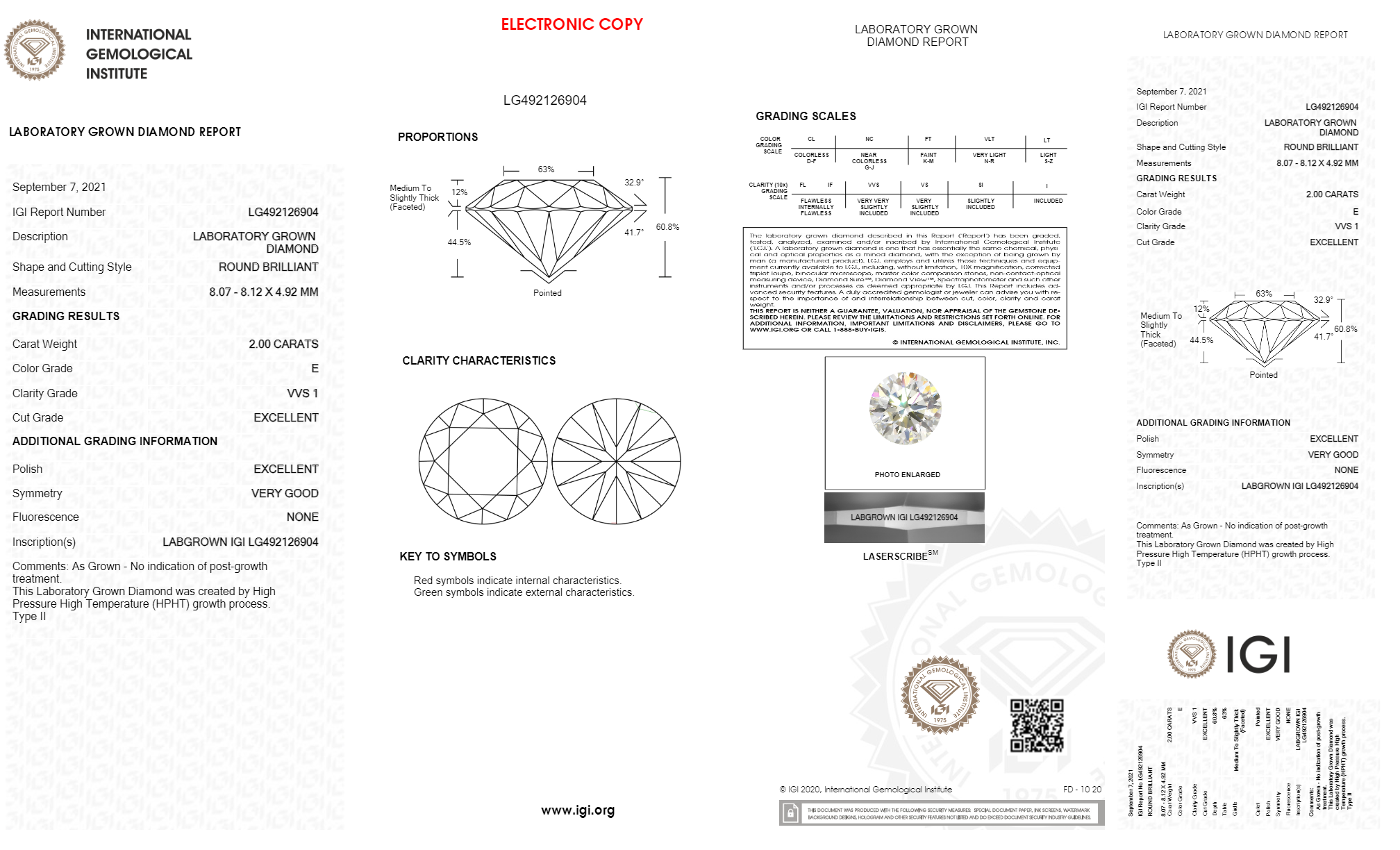
Diamond experts and gemologists have now certified that the lab-grown diamonds are actually really good quality diamonds and they are also certified by international authorities like the Gemological Institute of America (GIA), International Gemological Institute (IGI), and Gem Certification and Assurance Lab (GCAL).

lab grown diamond quality

There was a lot of confusion around the fact that lab-grown diamonds would be of good quality or not and earlier when lab created diamonds were new to the market their quality was not great. This was mainly because the techniques which are used to make lab grown diamonds now were not as refined back when lab diamonds would just be introduced to the market.

In the last five years, advancements in both the Chemical Vapor Deposition (CVD) and High-Pressure High-Temperature (HPHT) techniques have resulted in the production of high-quality diamonds with excellent brilliance and clarity.
[blog_page_btn title=”Buy Lab Diamonds” url=”https://www.loosegrowndiamond.com/inventory/”]

Conclusion

Buying a diamond is a huge investment and before making that choice a customer needs to be informed about all the diamond facts hence we hope that all the diamond information provided above helps you and makes an informed choice.

Lab-grown diamonds are gaining increasing popularity as consumers recognize them as a superior and more sustainable choice for the diamond industry.

FAQs

1. What is a lab made diamond called?
Lab made diamonds can go by a few different names. Lab made, lab grown, synthetic, lab created, cultured, and created can all describe diamonds made in a laboratory.

2. Do lab-grown diamonds sparkle?
Yes, lab diamonds do sparkle. The sparkle of a diamond is primarily determined by its cut.

3. Are lab-created diamonds considered “conflict-free”?
Yes, lab-created diamonds are generally considered “conflict-free” because they are not associated with the ethical concerns and human rights issues often found in traditional diamond mining.

4. Are lab diamonds a good choice for engagement rings and other jewelry?
Lab-grown diamonds can be an excellent choice for engagement rings and other jewelry, especially if you value ethical and environmental considerations, have budget constraints, or desire a specific size or color of diamond.

5. Are lab-grown diamonds real diamonds?
Yes, lab created diamonds are real diamonds. They have the same crystal structure, physical properties, and optical characteristics as natural diamonds.

6. How are lab diamonds made?
Lab diamonds are created using two primary methods: Chemical Vapor Deposition (CVD) and High-Pressure High-Temperature (HPHT).

7. Lab grown diamonds are cheap to buy?
Lab created diamonds are definitely a more affordable alternative in the diamond world.

Lab Created Diamond Color Grade: What to Look For

In the realm of lab created diamond color grade evaluation holds significant importance and should be carefully contemplated before any purchase.

Despite the absence of natural irregularities in lab created diamonds, color grading plays a crucial role in defining the distinctive characteristics of the diamond. Therefore, it is essential to grasp the concept of color grading when considering a lab created diamond purchase.

Diamonds are in demand the entire time of the year, and this has been the trend for years and years now. The major concern of the people buying them is the color and look of the diamond. Everybody wants a unique and rare look for their diamonds and this to an extent depends on the cut and the color along with the other 2 aspects.

The 4 C’s of the diamonds that are very much relevant before making a purchase are the cut, clarity, color, and carat. Out of these all here we will discuss the importance of the color and the lab grown color diamonds and whether should one consider them or not.

everything about lab created diamond color grade

The Most desired colors for the diamonds are the colorless and white ones and the yellowish and brown tint diamonds are not preferred by people. As they reflect less color to our eyes and thus the shine and sparkle are less in them which is quite an important factor for the buyers when it comes to diamonds.

So diamond color is a very important aspect that cannot be ignored. The more colorless the diamond looks the more graceful and desirable it is.

In Fact, lab created diamonds have very few inclusions and blemishes as compared to naturally found diamonds. But they aren’t completely flawless and still have a few distinctions when it comes to color, quality, and the other desired traits in diamonds. The diamonds which have a less color grade also cost less but they don’t look that great and are not preferred by many. For a quality buying experience you should also refer to the lab grown diamond color chart and color scale.

Hence, when working within a specified budget, the most advisable choice for a purchase is a lab created diamond with meticulous attention to color grading.

Facts to be considered:

  • It directly has a huge impact on the price we pay for the diamonds
  • The grade of the color should always be checked and determined only by professionals
  • The grading criteria of the fancy colored diamonds are different than the colorless ones
  • The design and the setting of the ring should also be looked at before deciding on the color grade of the diamond.

Lab Grown Diamond Color Scale

GIA, a leading authority on diamonds, established the 4Cs (color, cut, clarity, carat) as a quality benchmark. GIA certification ensures precise grading. IGI, founded in 1975, provides certificates for various gemstones, offering specific grades for lab created diamonds. GIA focuses on natural diamonds, while IGI is recognized for its expertise in lab grown diamonds and gemology. The diamond color scale by GIA gives comprehensive guidance on the different hues of diamonds that exist. You can seamlessly secure lab-certified diamonds from IGI, GIA, and GCAL at prices below the market value.

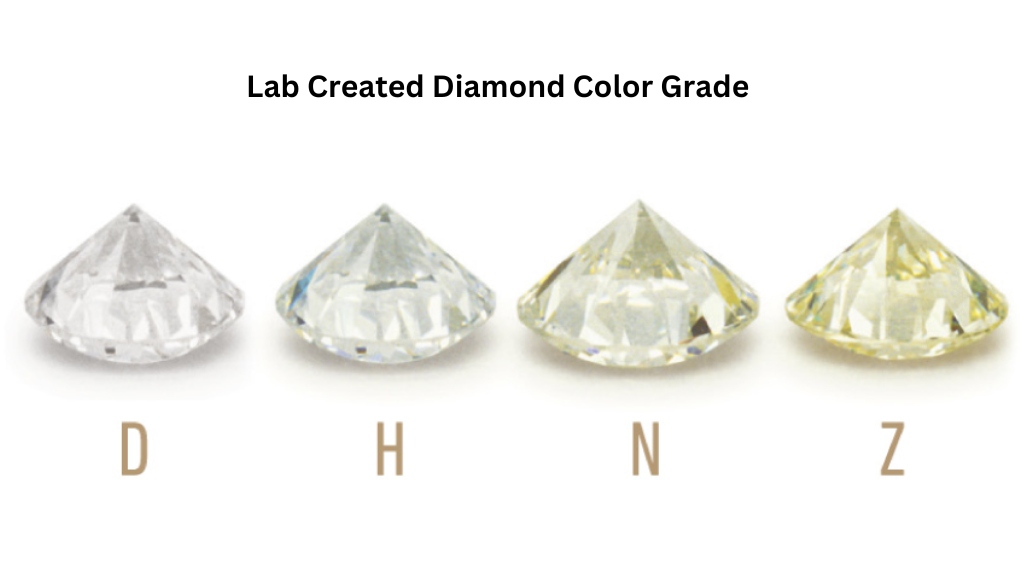
The IGI which is the International Gemological Institute certificate is a must for the verification in the case of the lab grown diamonds as the GIA was there in the case of the natural diamonds. The IGI offers a particular grade for the lab created diamonds and the GIA, on the contrary, gives only a range. The IGI is done on the scale of D to Z, wherein Z is given to the yellowish pale ones.

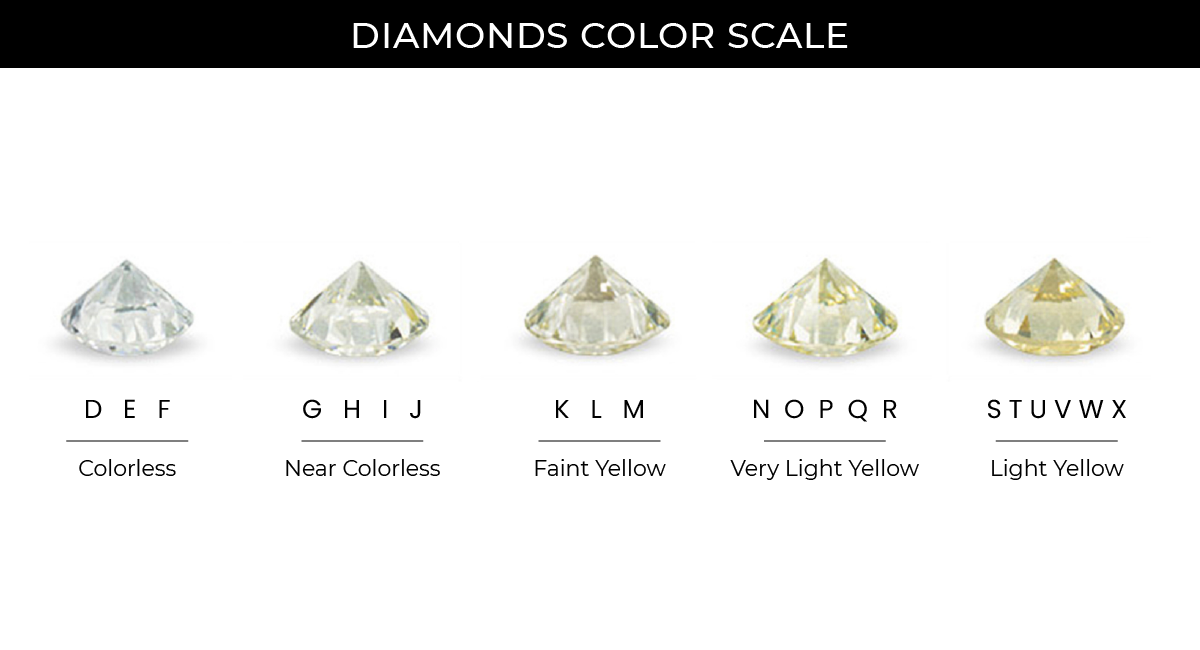
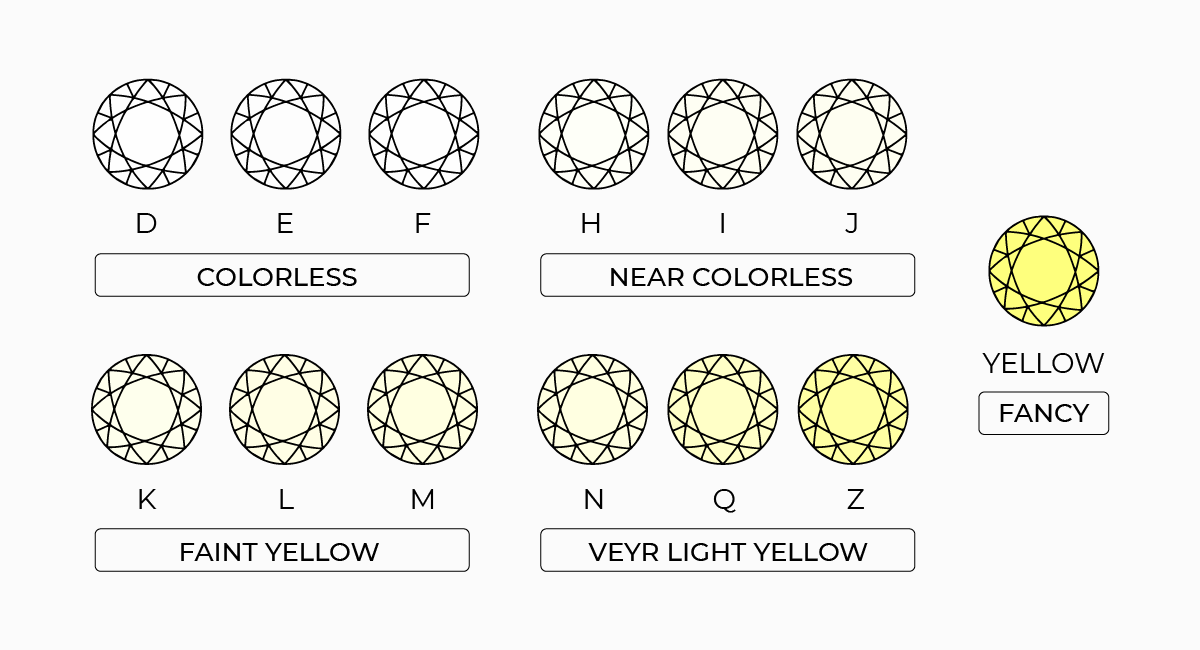
Lab grown diamond color chart: colorless, near colorless, faint yellow, very light yellow, light yellowColorless: Diamond color D is the highest color grade which signifies that the diamond is in its purest form the color is almost colorless And has no color even after the magnification process. There is not much difference in the E and F grades to the naked human eye as they look quite similar. Only the ones who have been in this field for years and our experts will be able to tell the difference in the D, E, and F grades.

Nearly Colorless:  The G-J-graded diamonds also have nearly no color, are colorless to a level and look the same as the D to F graded diamonds.

The price difference between diamonds with grades G-J and those with grades D and F is significant, with G-J diamonds being far more affordable than their counterparts. This disparity is a result of the fact that G-J diamonds have just trace amounts of color, which makes them a cost-effective option for individuals who are looking to strike a compromise between quality and affordable price.

Faint Tint: The diamond color range in the K to M have a little yellowish color in them even when seen by the naked human eye. They are also preferred by quite a few people as they tend to give us a yellow-gold look.

Very Light Tint: They are very much lower in price and the brown and yellow tint is very much visible. This range of diamonds is not recommended by professionals.

Light Tint: These diamonds come in the range of S to Z and the yellowish and brownish colors are very much visible even at a distance and are usually avoided by the majority.

[blog_page_inventory shape=”Emerald,Oval,round,heart,pear,cushion,princess” carat=”1.20,3.10″ cut=”0,4″ color=”0,10″ clarity=”0,11″]
[blog_page_btn title”Buy Now” url=”https://www.loosegrowndiamond.com/inventory/?”]

Lab Grown Diamonds: Understanding Colors and Production Methods

Yellow Diamonds:

Yellow hue in lab grown diamonds is caused by the presence of single nitrogen atoms (type Ib). With High Pressure High Temperature (HPHT) technology, a widely used method, the color is carefully controlled. Nitrogen is either extracted from the atmosphere or managed through the composition of the catalyst metal alloy. In Chemical Vapor Deposition (CVD) technology, less commonly used, color control is more challenging, as nitrogen is part of the gas mixture.

Green Diamonds:

The green color results from vacancies in the diamond structure. Both HPHT and CVD technologies typically involve irradiating type Ib or IIa diamonds with fast electrons (1-3 MeV) to achieve this color.

Pink and Red Diamonds:

Pink and red hues are due to nitrogen-vacancy (NV) centers. In HPHT technology, the process involves growing low-saturated yellow diamonds (type Ib), irradiating them with fast electrons, and annealing them in furnaces. In CVD technology, NV centers are either formed similarly to HPHT or directly during the growth process.

Blue Diamonds:

The blue color is a result of single boron atoms in the diamond structure (type IIb). HPHT technology effectively controls the color by adding a small fraction of boron to the metal catalyst alloy. In CVD technology, where color control is more challenging, boron is added to the gas mixture in the growth chamber.

Purple Diamonds:

Although scientists are unable to pinpoint the cause of the purple color of diamonds, they believe that boron and hydrogen have a role. Blue is induced by the presence of boron, and purple is induced by the presence of hydrogen. Purple diamonds are created by using synthetic diamonds of the 1b type that have a particular nitrogen content, irradiating them with an electron beam, and then annealing them in a vacuum.

The unusual and characteristic purple color grade of lab created diamonds is controlled by this process, which must be carried out under specific conditions.

Gray Diamonds:

The combination of hydrogen-related defects and structural imperfections in the crystal lattice gives gray diamonds their color. The technologies of Chemical Vapour Deposition (CVD) and High-Pressure High Temperature (HPHT) both have difficulties in achieving the appropriate gray color. While color control in HPHT is achieved by the manipulation of growth conditions, accurate color control in CVD is hindered by the complexity of regulating hydrogen during the development process.

Brown Diamonds:

Brown color may result from deformation disturbances or nickel-nitrogen centers. HPHT technology rarely produces brown diamonds, as it depends on the catalyst metal alloy’s composition. In CVD technology, poor synthesis processes often lead to the formation of dislocations and structural disturbances, resulting in brown diamonds.

Orange Diamonds:

Orange diamonds are created via CVD and HPHT methods, and to get different colors such as mild orange, bright orange, intense orange, and vivid orange, they go through a second LPHT treatment after they are first created. Nitrogen-vacancy (NV) centers frequently give lab grown diamonds their seductive orange color. While color may be carefully controlled with HPHT, perfect circumstances for NV center production in orange diamonds are difficult to achieve with CVD technology.

[blog_page_btn title=”buy diamond” url=”https://www.loosegrowndiamond.com/lab-created-colored-diamonds/“] 

Colorless Diamonds:

Colorless diamonds (type IIa) are free from impurities. HPHT technology, a common method, ensures color control by using “getters” (gas absorbers) in the metal-catalyst alloy. In CVD technology, color control is less precise, often resulting in a light brownish tint.

Color Scale of White Diamonds

Many of the sellers of diamond claim that the second most important trait to look for in the diamond is the color and with their selling and marketing skills they also convince people to buy the diamond with the highest color grade of all the available options. White color diamond is the most viable option.

Color Scale of White Diamonds
No doubt the color plays a significant role in the overall look and beauty of the lab diamond, but the differences in the grading scales in various scales are quite tiny and are not even visible to the naked human eye. The difference between G to J grades is quite very difficult to distinguish without a proper magnifying glass, but the cost of all these degraded varies a lot.

So it is advised to spend accordingly and wisely. The remaining amount of the money out of the budget can be spent on other aspects such as the cut of the diamond as it also plays an important role in the overall look of the diamond.

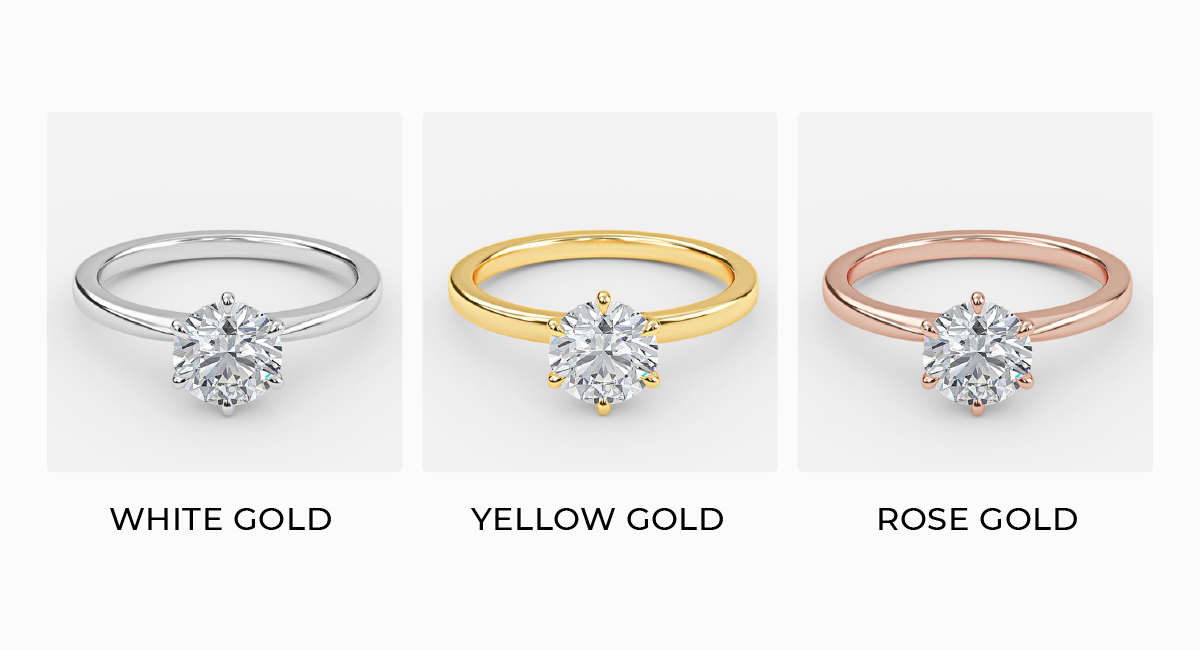
Best Lab Created Diamond Color Grades for the White Gold, Platinum, and Rose Gold Engagement RingsBest Grades for the White Gold, Platinum, Rose Gold Engagement Rings

In this section, we have analyzed the best grades for each type of ring.

Best Metal: Two popular metal options exist for white gold engagement rings i.e., white gold or platinum. White gold, an alloy prized for its luster and affordability, possesses a brilliant shine compared to other metals. In contrast, platinum, though more naturally appealing, shares similar characteristics. Jewelers favor platinum for its enhanced malleability, setting it apart from other metals in craftsmanship.

White Gold Engagement Rings

  • Round Cut: Diamond color H-J color grade
  • Emerald, Princess, and Asscher Cuts: G-I color grade
  • All other Diamond Shapes: F-H color grade

Platinum Gold Engagement Rings

  • Round Cut: H-J color grade
  • Emerald, Princess, and Asscher Cuts: G-I color grade
  • All other Diamond Shapes: F-H color grades.

Rose Gold Engagement Rings

  • Round Cut: J-M color grade
  • Emerald, Princess, and Asscher Cuts: I-K color grade
  • All other Diamond Shapes: I-J color grades.

Solitaire Engagement Rings

  • Round Cut: K-M grades.
  • Emerald, Princess, and Asscher Cuts: J-K grades.
  • All other Diamond Shapes: I-J grades.

Pave or Side-Stone Rings

  • Round, Princess, Emerald, and Asscher: G-I grades.
  • All other Diamond Shapes: F-H grades.

Halo Engagement Rings

  • All Diamond Shapes: F-H Grades.

The Impact of Different Settings

The setting of the stone in the ring plays a very important role. It enhances the color of the diamond. The color and the setting for the ring should be chosen in such a manner that they complement each other and enhance each other’s look and beauty.

When we place an I-colored diamond next to a high-graded diamond it looks like the I colored only. Many experts and gemologists use the traditional comparison method to grade the colors of the diamonds even to date. They place the diamond on a white folded card next to a master diamond to compare and determine the color.

The Center Diamond Color as Compared to the Side Stones

Many people go for side stoned rings these days as they look quite pretty and are very much in demand and fashion. In this case, make sure that the colors you choose should complement each other and do not overshadow each other’s look and beauty.

The side stones should either be of the same color as that of the center stone or should be a bit darker in color as we want the center diamond to be the main point of focus and attraction in the elegant ring.

How Does Fluorescence Interact with the Color of the Diamond?

Out of all the diamonds which are made in the labs, only a few of them have the original fluorescence. While the others are enhanced using various techniques and equipment. Fluorescence is the ability of a diamond to respond to UV light. As in the UV light makes whites whiter and black posters glow.

If the fluorescence is not proper and is extra strong or medium, the overall look of the diamond will be dull and shabby but makes a lower Color graded diamond appear whiter. So, for the diamonds in the D and G range, strong fluorescence should be avoided.

It’s widely believed in the diamond trade that fluorescence has a big impact on diamond color and, in turn, cost. For example, it is believed that blue fluorescence can improve diamonds with color grades of I to M by neutralizing yellowish tones, potentially improving them by one grade. On the other hand, fluorescence is frequently regarded as a flaw in D-H diamonds.

Start your search for the ideal lab created diamond at LGD, the one-stop shop for a rainbow of breathtaking color grades. Discover the perfect shade that complements your style from our extensive selection.

Use the enchanted promo code to get a special discount on your order. Take your sparkle to the next level with Loose Grown Diamond – the place where budget meets brilliance.


Conclusion

There are a few aspects that need to be taken a look at before purchasing the diamonds such as the Cut, Clarity, Color, and Carat play an important role in the beauty of a diamond. The decision of whether to go for natural diamonds or lab grown diamonds is solely a personal choice. The lab grown is a bit cheap and environment friendly and thus becomes an ethical choice.

The man-made diamonds should be chosen wisely and the ones which resemble the natural shine and brilliance of the diamonds. One can choose a diamond in the G to I range that looks white but costs much less than those in the D to F range.

So with the change in the trends and the choices of the people these diamonds for sure are the future of the diamond industry as in eye are more cheap and ethical than natural ones. get are also blemishes and inclusion-free as in they are made in the labs. 

Additionally, it must be noted that beyond delving into color grades for your diamond purchase, it’s crucial to consult tools such as the diamond size chart and the diamond price calculator. These resources offer invaluable insights, empowering you with essential knowledge to make informed decisions when acquiring your precious gem.

FAQs

What is the color of a diamond?
Diamonds come in various colors, but the most prized ones are colorless or near-colorless, allowing maximum light reflection.

What color diamond is the most expensive?
The most expensive diamonds are colorless (D grade), as they exhibit exceptional purity and brilliance.

What is the best color for a diamond?
The best diamond color depends on personal preference, with colorless or near-colorless grades being popular choices. You can also refer to the diamond color guide for the same.

What is the most common fluorescence color in a diamond?
The most common fluorescence color in diamonds is blue, with approximately 35% exhibiting this optical effect.

What color diamond should I get?
Choose a diamond color based on personal preference; colorless (D-F) and near-colorless (G-J) grades are popular options.

Lab Grown Diamonds Resale Value: Everything you Need to know

Lab Grown Diamonds are generally diamonds that are produced in labs. Such diamonds are made in concentrated environments that replicate the real environment to produce similar diamonds at a very discounted price. Diamonds can mean a promise for some, while a small step into a sustainable future/survival or an investment. 

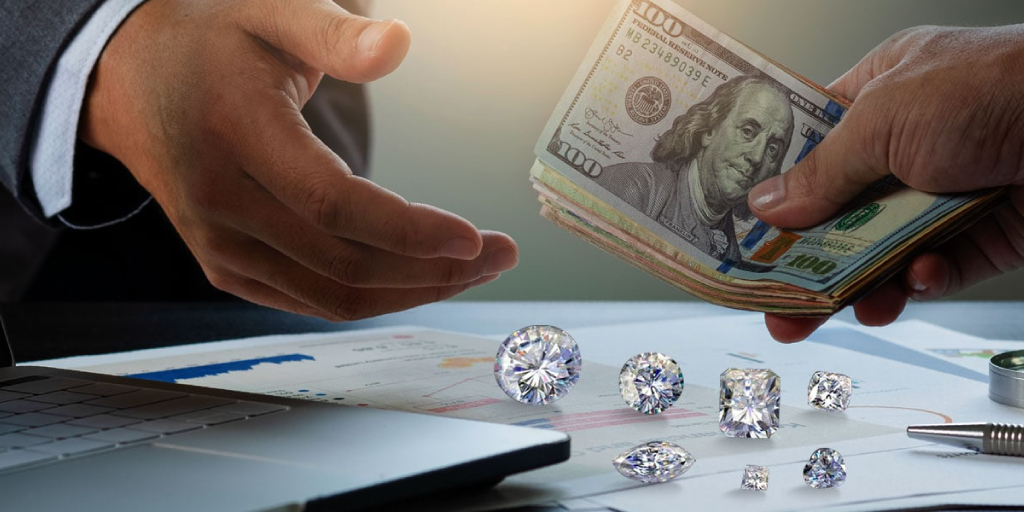
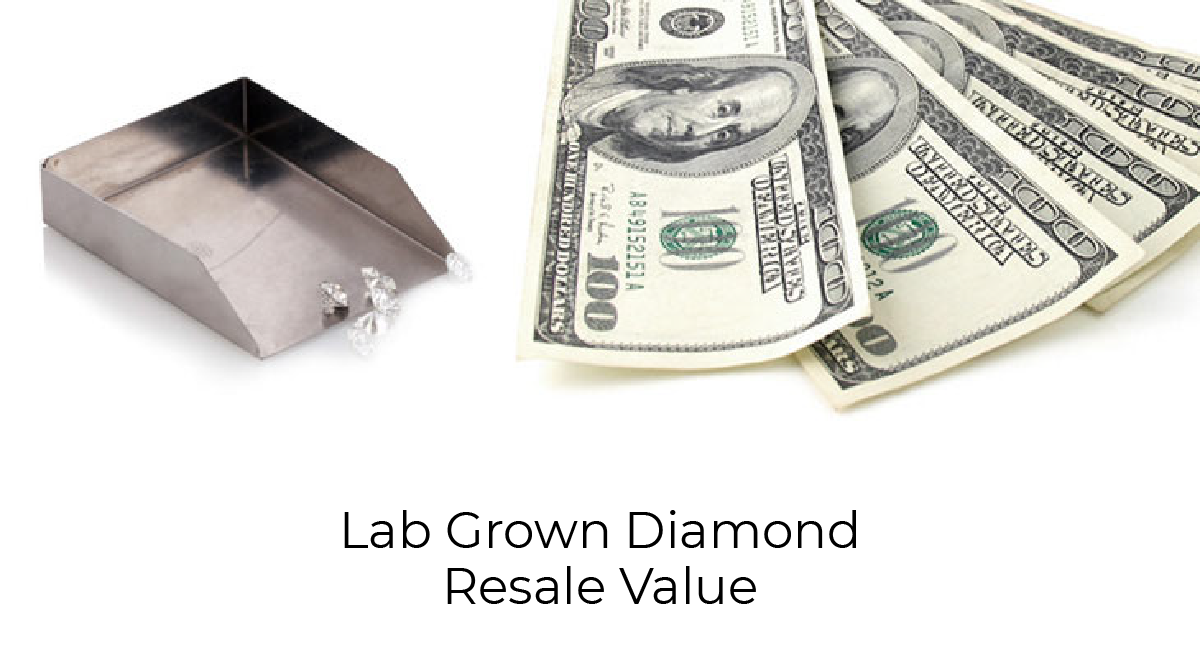
Lab Grown Diamonds Resale Value
Be it in any scenario, before you buy the diamond, one should consider many factors like insurance, the diamond resale value, and the diamond’s lifespan. This not only ensures the deal one is making but also safeguards your money and provides assurance.

What Is a Lab Created Diamond?

A lab-created diamond is basically a stone that has been created in a laboratory instead of being mined from the ground. These diamonds are not found under the surface of the earth, rather they are manufactured using artificial processes like HPHT and CVD on the surface of the Earth.


Chemically speaking, they are no different than mined diamonds. All the physical, optical, and chemical properties of lab-created diamonds are similar to natural diamonds.

Does Resale Value of Lab Created Diamonds Exist?

The resale value of lab-created diamonds is either non-existent or extremely low. The resemblance might be uncanny to that of a real diamond but certifiers can easily distinguish between them very easily. It is said that the truth of the diamond lies in its girdle. Lab grown diamonds have an inscription made on the girdle of a diamond to mark that they have been created in labs.

The Problem With Reselling Diamonds

It is very difficult to know how much the diamond is worth because It is very rare that a diamond’s resale price appreciates over time. Most of the diamonds are sold at lower rates as compared to what they were bought for. Retailers have access to multiple merchants that sell diamonds that are identical to yours at lesser costs. 


Since diamond merchants frequently price diamonds higher for the typical customer, jewelers with exposure to far cheaper rates find the pricing to be too excessive. In this circumstance, it’s almost certain that you’ll get less money for your stone than you paid for it.

To sum everything up it can be hard to get the price one originally paid until the diamond is extremely rare or special such as the Kohinoor or a fancy-colored diamond and when we compare the resale value between real and lab-created the difference is quite slim.                                          

Factors that Determine the Diamond Resale Value

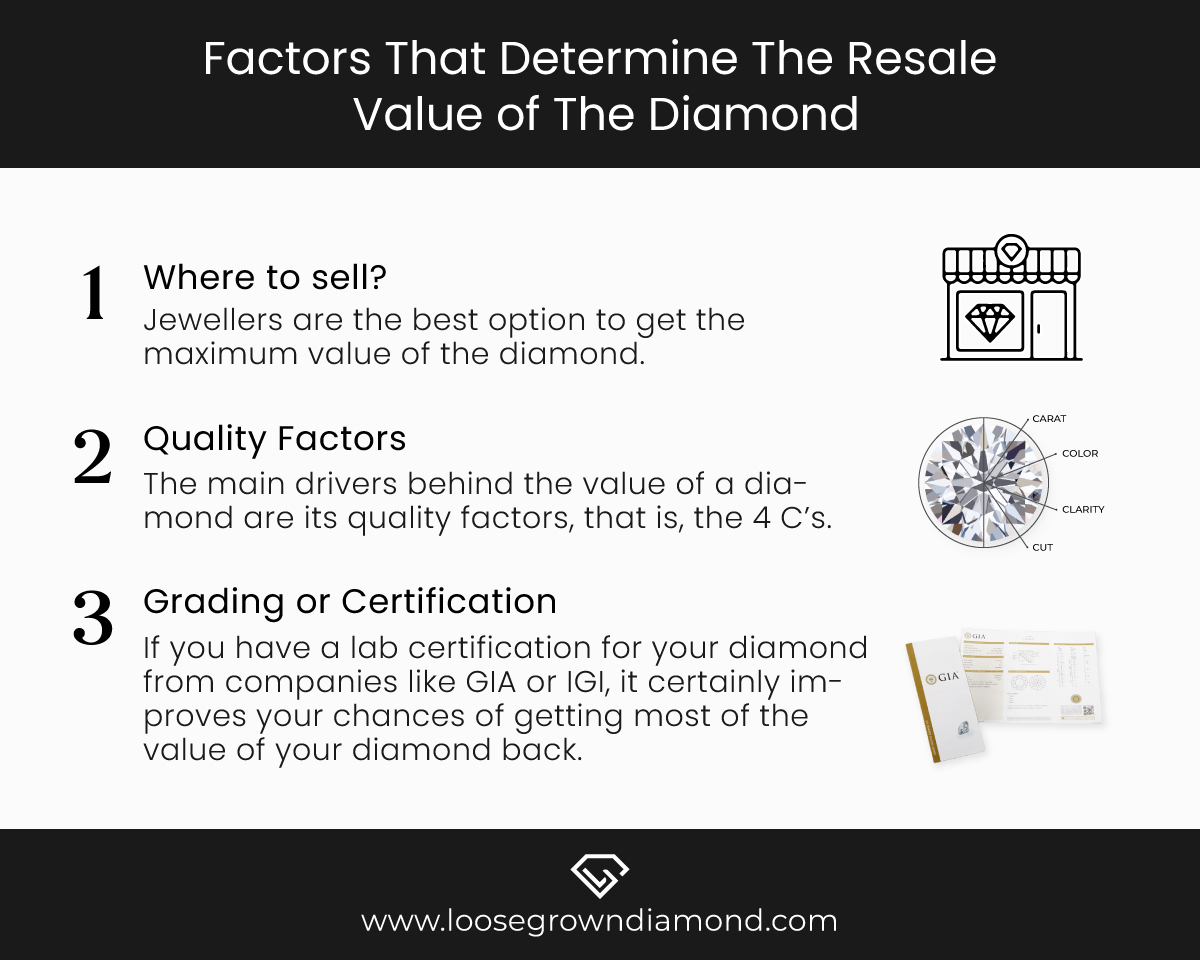
The resale price of a diamond is primarily influenced by three things.
lab grown diamond resale value

Where One Sells the Diamond 

This factor heavily influences the resale price as you might get a better value in some online platforms than others. Few of them might include

Jewelers

Except for some frequent drawbacks, jewelers might be a great place to resale a lab-created engagement ring.

Many people are still wary about lab grown gems because they don’t want them to compete with mined stone prices.

They are able to purchase goods from their suppliers at competitive costs and with favorable payment conditions. As a result, they’re less likely to pay cash in advance for your gem.

To sell to a jeweler, you’d have to offer a very steep discount to entice them to part with cash upfront. As a result, jewelers are unlikely to get you the best potential sale price.

Certification

Certification statements from reputable certifying labs such as GIA and IGI provide a lot of information and assurance about a diamond’s status and attributes. It effectively proves that the stone is worth the amount you estimate it is. If one does not already have it, they can make one which normally ranges from $75-$150. Getting your diamond verified is usually a good idea.

4C’s

The quality of the diamond is decided by the 4C’s. The higher the score, the greater the resale value of diamonds. 

  • Color

The more extreme the color the more resale value it provides. The rarity of the color and difficulty in replicating the color in the laboratory determine the price. For example the color pink, this color is found rarely in nature and very hard to make in the laboratory making it one of the most expensive diamonds one can buy. 

  • Cut

Since cut affects the placement of flaws and the broad sense a stone collects and absorbs light to generate brilliance, it is extremely significant. The uniformity of a high-quality cut is extraordinary. It has properly sized and situated facets that enhance light capture, dispersion, and reflection.

  • Clarity

Clarity basically means the presence of inclusions and how much a diamond is flawless. The level of flaws highly impacts the price. Say if a diamond is flawless or ‘Eye Clean’ it will be generally priced more when compared to a diamond that has flaws that are easily visible to the naked eye. 

  • Carat Weight

This basically has to do with how much a diamond Carat weighs. If the diamond weighs more it will highly influence the price of the diamond and vice-versa.
[blog_page_btn title=”Buy Lab Grown Diamonds” url=”https://www.loosegrowndiamond.com/inventory/”]

Making educated selections and choosing the perfect lab-grown diamond based on desired size and budget is made easier when using LGD’s carat size chart. It guarantees a flawless purchasing experience and provides a trustworthy benchmark for comparing gems.

Lab Grown vs Natural Diamond Resale Value

Lab-grown diamonds are a good option for re-selling even if they might not have the same market value as real diamonds. Carat weight, general quality, and changes in the commodity market are among the elements that affect their resale value. 

Although the majority of jewelers might not buy your lab grown diamond, in high-demand markets, selling to individuals or outside customers can result in better prices. Lab grown diamonds often fetch substantially more than what stores typically offer, even though they don’t always get you 100% of the initial purchase price. This makes them a desirable option for resale.

Generally, natural diamonds have a higher resale value than lab-grown diamonds because of their perceived value and uniqueness. Natural diamonds, especially those with remarkable qualities like great size, superb clarity, and uncommon colors, often hold their value better over time. They also have a long history of being seen as valuable assets, which can contribute to their better resale value.  

Are Lab Grown Diamonds Good Investment?

Lab-grown diamonds are an interesting choice to think about, especially if you’re looking at them from an investment point of view. Their beauty and longevity are similar to those of natural materials, but their investment potential may not be as good as that of natural materials. 

But it’s important to note that lab-grown diamonds are good for the earth due to their eco-friendly production process. Lab-grown diamonds might not bring in a lot of money, but they are a great choice for people who care about the environment because they are in line with sustainable values and fair sourcing practices.

How Much Does a Lab Grown Diamond Cost?

Carat weight and quality grade are two parameters that affect the price of lab grown diamonds. A lab-grown diamond weighing one carat usually starts at $600, but a two-carat diamond might start at $1000. 

Those looking for reasonably priced jewelry made with ethically sourced diamonds will find these costs to be more enticing than those of natural diamonds. 

As production prices decrease due to technological breakthroughs, lab-grown diamonds are becoming an increasingly attractive option for ethical buyers.

Where to Buy Lab Grown Diamonds from?

When buying lab grown diamonds, we at Loose Grown Diamond offer the best options and high-quality stones. LGD is a trusted source for lab-grown diamonds available at affordable prices. We at LGD guarantee a smooth purchase experience with our excellent reputation and client satisfaction.

Conclusion 

In the above article, we saw all the factors involved in selling a diamond and the price one can accept when going for a resale of diamonds. It is better for one to not consider diamond as a potential option because it might not give back fruitful returns. Rather than an investment, it is better to see a diamond ring as a promise, a symbol of love, and an emblem of marriage to your partner, and not any materialistic investment. 

FAQs 

Is It Worth Buying Lab Grown Diamonds?

Although lab grown diamonds are more affordable and environmentally friendly, their future worth may be constrained.

What Is the Resale Value Of a LabGrown Diamond?

Resale value of lab grown diamonds is impacted by carat weight, quality, and changes in the market.

What Is The Future of Lab Grown Diamonds?

Lab grown diamonds have a bright future ahead of them, providing a sustainable substitute for naturally mined diamonds.

Do Lab Grown Diamonds Have Resale Value?

Yes, the resale value of lab grown diamonds is dependent on a number of factors, such as quality and market trends.

Will Lab Grown Diamonds Hold Value?

Although the beauty and durability of lab grown diamonds make them valuable, their potential as an investment may be restricted.

How to tell if a Diamond was Created in a Lab?

The diamond industry is striving with a flourishing supply of all types of diamonds. This includes man made diamonds natural diamonds, diamond hybrids, and even clarity-enhanced diamonds.

As lab grown diamonds are produced by two methods, CVD diamonds & HPHT synthetic diamond-making methods. It has led to a sufficient supply of man made diamonds in the market. However, this has also increased the level of difficulty for retailers and customers to differentiate between lab grown loose diamonds and natural diamonds.

how to tell if diamond created in lab

It is easy to determine which is a diamond stimulant, an enhanced diamond, or even a diamond hybrid, but distinguishing between lab grown diamonds and natural diamonds is a hard task.

As many consumers have become conscious and aware, they prefer to purchase man made diamonds because of the esteemed benefits; Eco-friendly, cheaper than natural diamonds, doesn’t have fun conflicts. This results in concern among jewelers and consumers to identify man made diamonds, and whether lab grown fancy diamonds can be identified by expert gemologists or gemological labs.

Visual Properties of Man Made Diamonds

Diamonds have the same physical, chemical, and optical properties as natural diamonds. However, there are some characteristics of CVD diamond & HPHT synthetic diamond that trained gemologists with special types of equipment can distinguish.

CVD Diamond

  • Abnormal fluorescence colors
  • Fluorescence color patterns detected
  • Even the distribution of colors
  • Graining patterns not detected
  • Banded strain patterns detected
  • Intermittent dark pinpoint-size inclusions
  • Inscribed on the griddle by a diamond grading institution


The diamonds created by the CVD diamond making method show a red-orange fluorescence under U.V light. These CVD diamonds have intermittent black pinpoint-size inclusions and contain some particles of non-carbon in them. All CVD diamonds can be determined by looking under a UV light irrespective of what treatment they might have gone through.

HPHT Synthetic Diamond

  • Irregular color distribution within the diamond
  • Abnormal fluorescence colors
  • Graining patterns detected
  • No strain patterns detected
  • Intermittent phosphorescence
  • Metallic flux inclusions detected
  • Inscribed on the griddle by a diamond grading institution

hpht lab grown diamond
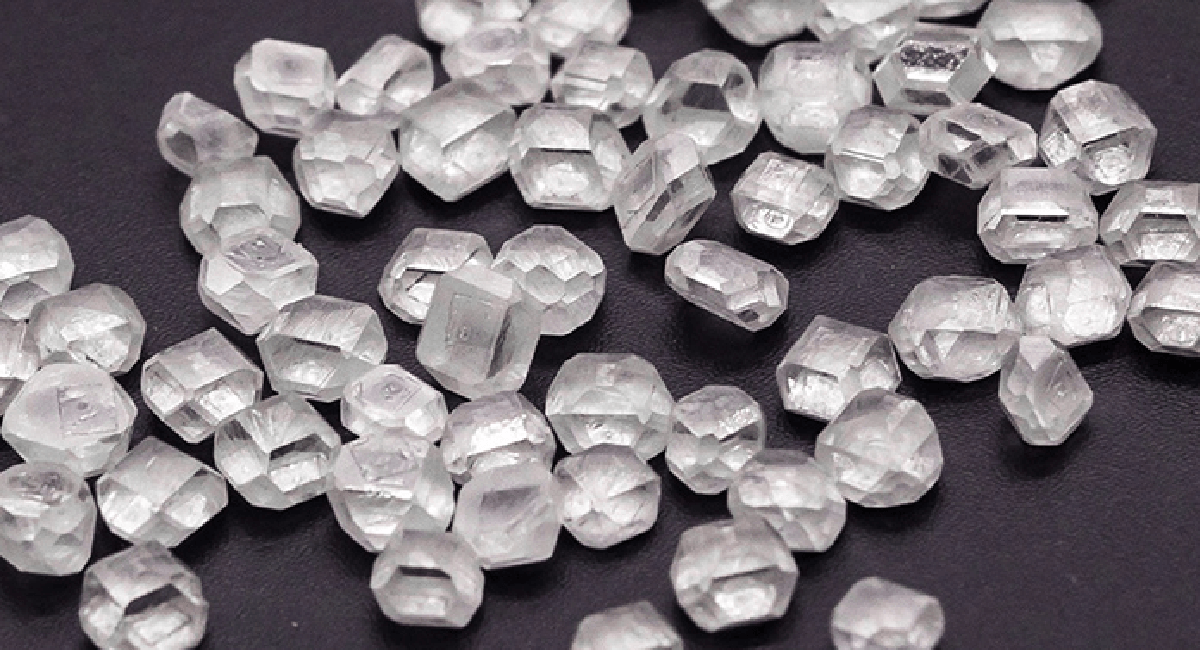
The HPHT synthetic diamonds can be distinguished from natural diamonds, by the metallic flux inclusions they possess. HPHT synthetic diamonds can be white diamonds or even colored diamonds. Their carat size varies between 0.5-10 carats.

Different Types of Diamonds

Man made diamonds can be categorized into different types, depending on the clarity and the type of impurity it consists of in the carbon lattice. Powerful equipment such as an infrared spectrometer (used to determine functional groups in molecules).

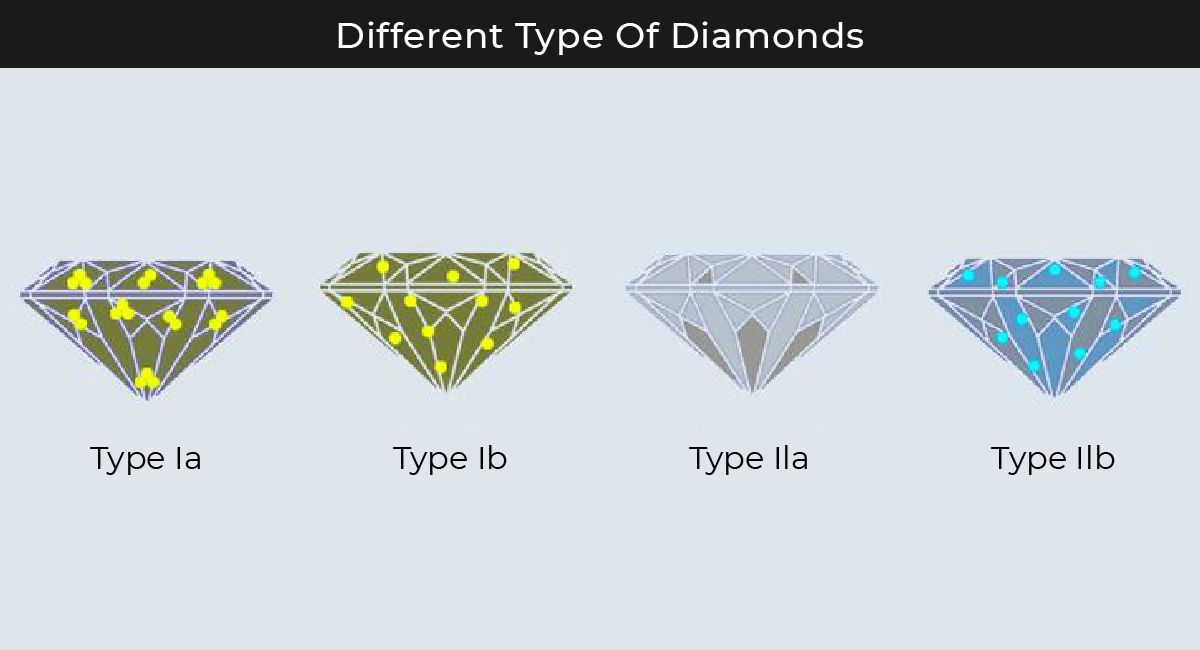
The 4 types of Classification Based on Impurities are: Ia, Ib, IIa, IIb

Type Ia: In this type of white diamond, there are nitrogen clusters within the diamond crystal lattice. Type Ia diamonds are pale yellow and 95% of the diamonds which are mined worldwide are of this type.

Type Ib: In this type of loose diamond, single nitrogen atoms are present throughout the carbon lattice of a diamond. All lab created diamond which are yellow is of this type, while 0.1% of mined diamonds are this type.

Type IIa: This type is the purest form of fancy diamond that can be found, (Type IIa)consists of no or marginal impurities in its crystal lattice. All lab grown white diamonds or colorless diamonds are of this type, while 1%-2% mined diamonds are of this type (white to pink).

Type IIb: A type 2b (type IIb) loose diamond has the presence of boron impurities in it. All lab grown blue fancy diamonds are of this type, while in the case of mined blue diamonds, only 0.1% are of this type.

[blog_page_inventory shape=”round,oval,pear,cushion,heart,princess,emerald,radiant,kite,old mine,hexagon” carat=”2.30,3.60″ cut=”0,4″ color=”0,10″ clarity=”0,11″]
[blog_page_btn title”Buy Now” url=”https://www.loosegrowndiamond.com/inventory/?”]

Methods to Identify the Lab Grown Diamond

There are several technical ways that can be used to check whether a diamond is lab-made or not. But there are certain methods that can be implemented on a personal level to check whether or not a diamond is created in a laboratory, and we are here to list the same. So when you start your inspection of a diamond here are a few things to keep in your mind:-

Certification

Methods to Identify the Lab Grown Diamond

One method to identify lab-created diamonds is through certification. When a diamond is created in a laboratory, it often undergoes rigorous testing and analysis to determine its origin and quality.

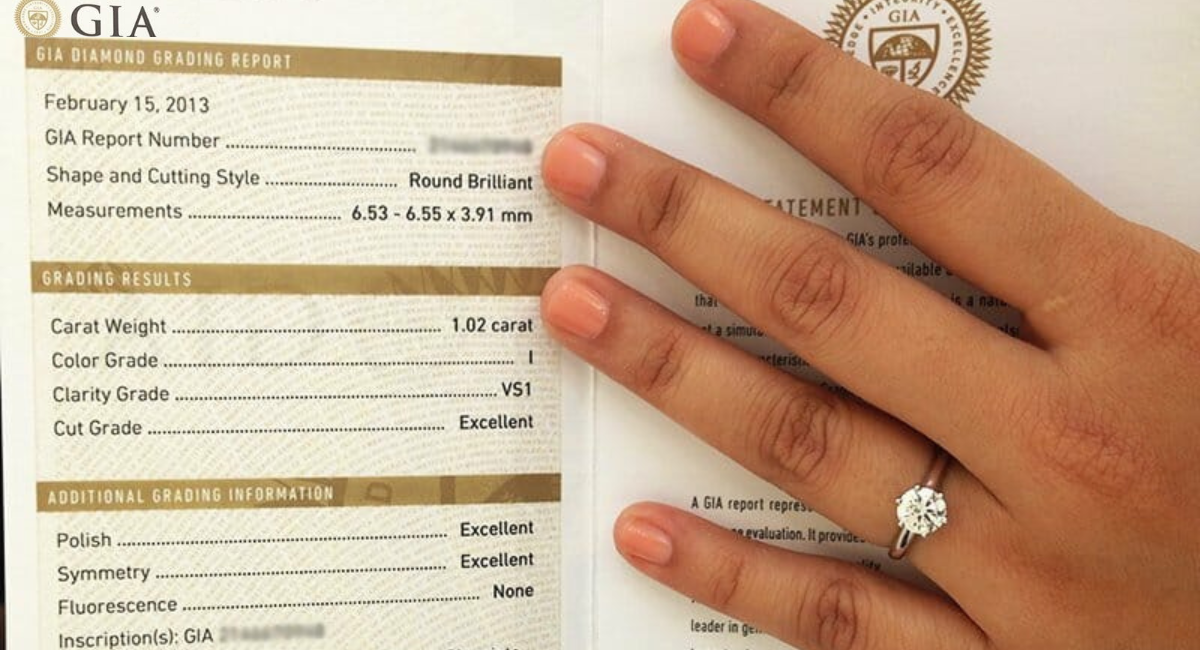
Look for certifications from reputable gemological laboratories like GIA (Gemological Institute of America), GCAL (Gem Certification & Assurance Lab) or IGI (International Gemological Institute), often specifying if a diamond is lab-created.

These certificates provide detailed information about the diamond’s characteristics, including color, clarity, cut, and carat weight. They may also include specific language indicating that the diamond is lab-created or synthetic. However, it’s important to note that not all lab-created diamonds come with certificates.

Color

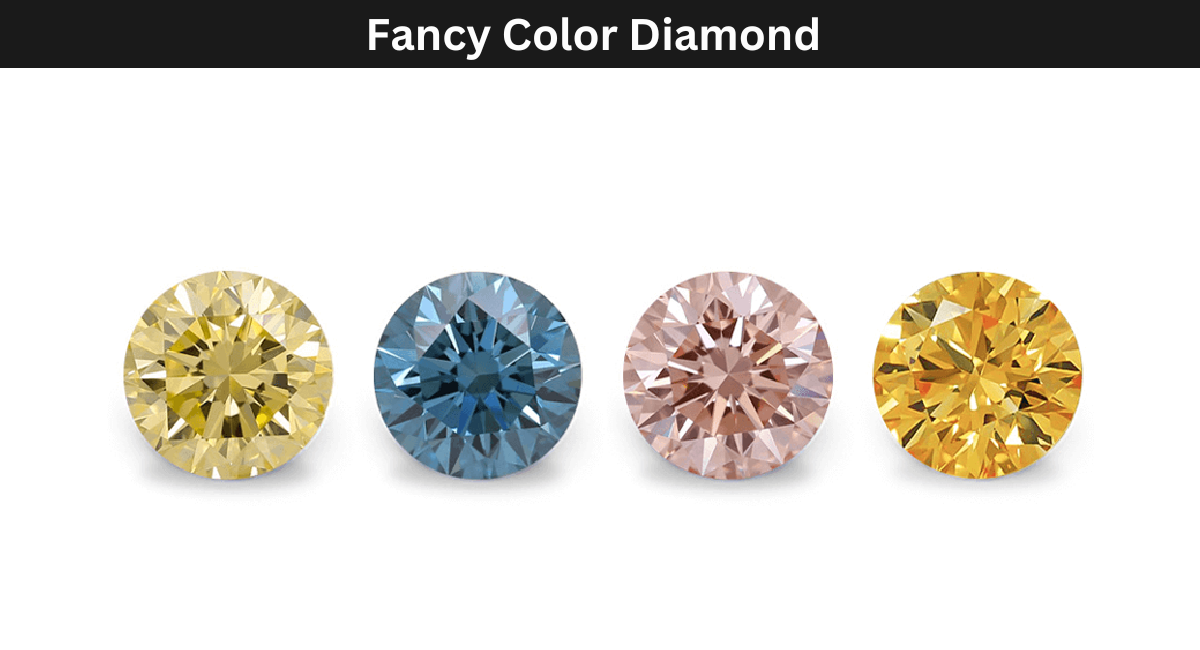
Checking the color of the diamonds is a good enough technique to learn whether or not it is lab-grown. As most of them are either bright yellow or blue.

Methods to Identify the Lab Grown Diamond
What you need to know is that both yellow and blue are rare colors to find in the market (for natural diamonds), and hence the prices of these gems are soaring. Stones with extraordinary or on the face color, are generally lab-made. However, this is not the only sign you can bank upon.

Disclosure

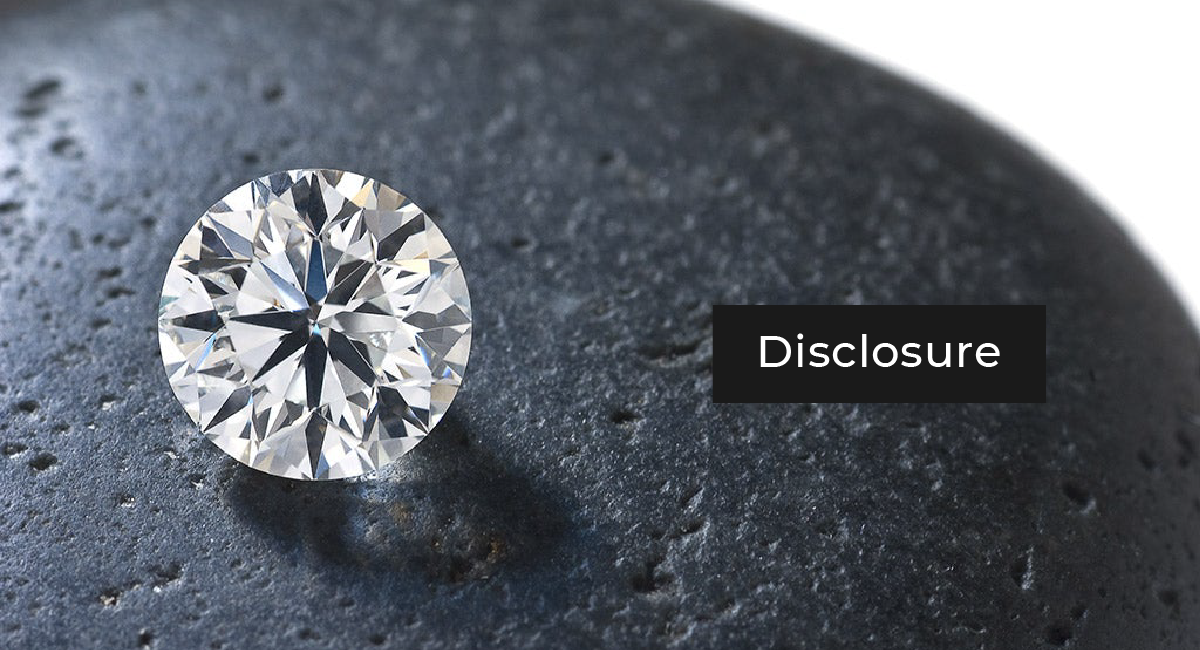
You can figure out whether a diamond is lab-made or not by looking out for responsible disclosure. A lot of times in the industry, there are non-disclosed diamonds too, which could be lab made diamonds sold as natural ones.

However, this is rare as most of the time manufacturers of lab grown diamonds are legitimate and upfront about their stones. A lot of them have inscriptions made with lasers on the gem which state the diamond is lab-grown.

Inclusions

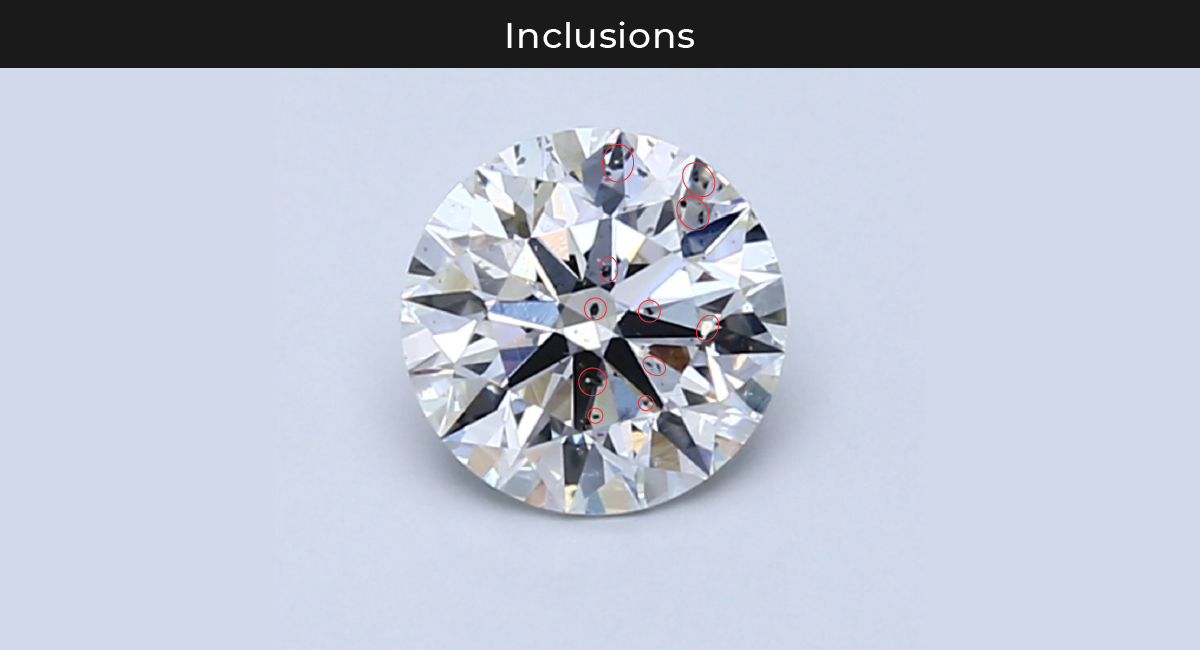
Natural or lab grown diamonds both have a great number of inclusions present in them which hamper their clarity to an extent. Natural diamonds that grow inside the earth, the inclusions found in them are naturally occurring. Like bird feathers, flecks of other gems, or clouds.

inclusion on lab grown diamond 
However, lab made diamonds are made with chemicals, solutions, and metals. Hence a common inclusion present in these gems is most often metallic. These are usually not found in natural diamonds, because for obvious reasons.

Either way inclusions in both of these diamonds are hard to detect and you’d usually need a 10x magnification to even get an idea if there are inclusions present inside them.

Scientific Type

Scientific type or Type IIa tests are used to categorize lab made diamonds. There are four categories, and these categories are based on how much the diamond is contaminated with carbon lattice, at the atomic level of the diamond. To identify these impurities a piece of powerful equipment like an infrared spectrometer is used for detection.

The types are

  • Type Ia – It has about 98% mined diamonds.
  • Type Ib – It has maximum synthetic diamonds which are yellow, with 0.1% mined diamonds.
  • Type IIa – It is a completely synthetic diamond that is colorless, with about 1% or 2% of a mined diamond.
  • Type IIb – It is again completely synthetic but blue-colored diamonds, with about 0.1% mined blue diamonds.

The best indicator to bank on whether or not a diamond is lab-grown is, to check if it is a Type IIa diamond or not. What it means to belong to the Type IIa variant is how much pure carbon is used to make that diamond.

Even less than 2% of the time natural diamonds turn out to be a Type IIa, however, almost all lab grown diamonds are Type IIa. Thus, if the type test categorizes the diamond to be Type IIa it is a pretty good indicator that the diamond you are holding is a lab made diamond.

Basic Equipment

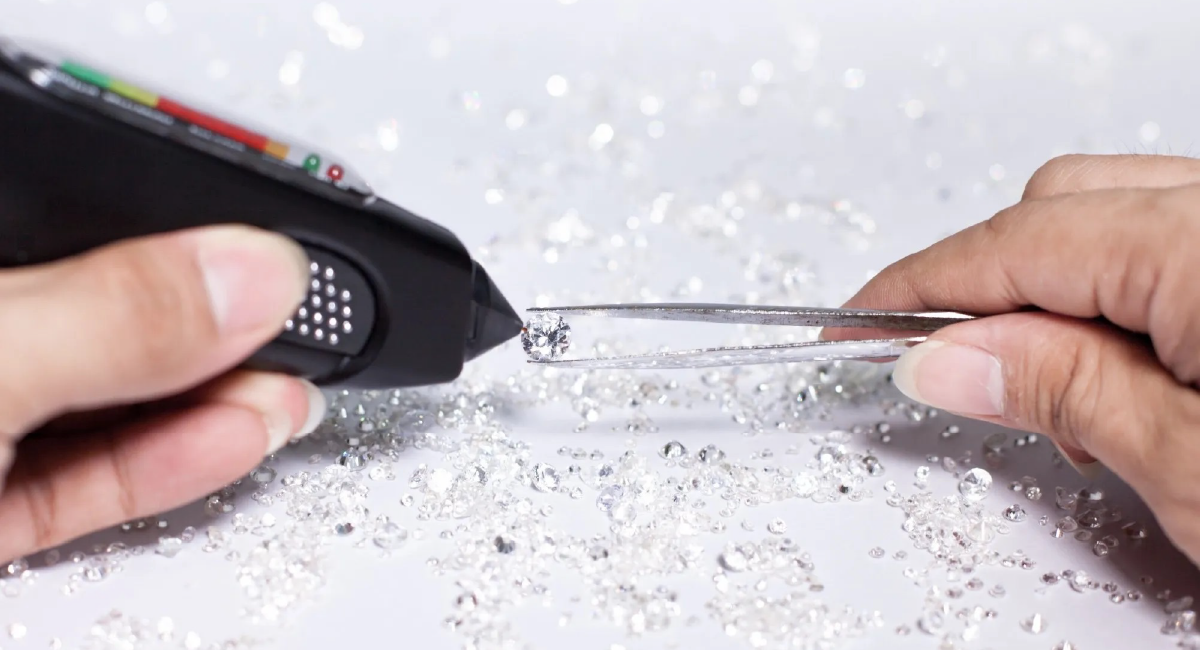
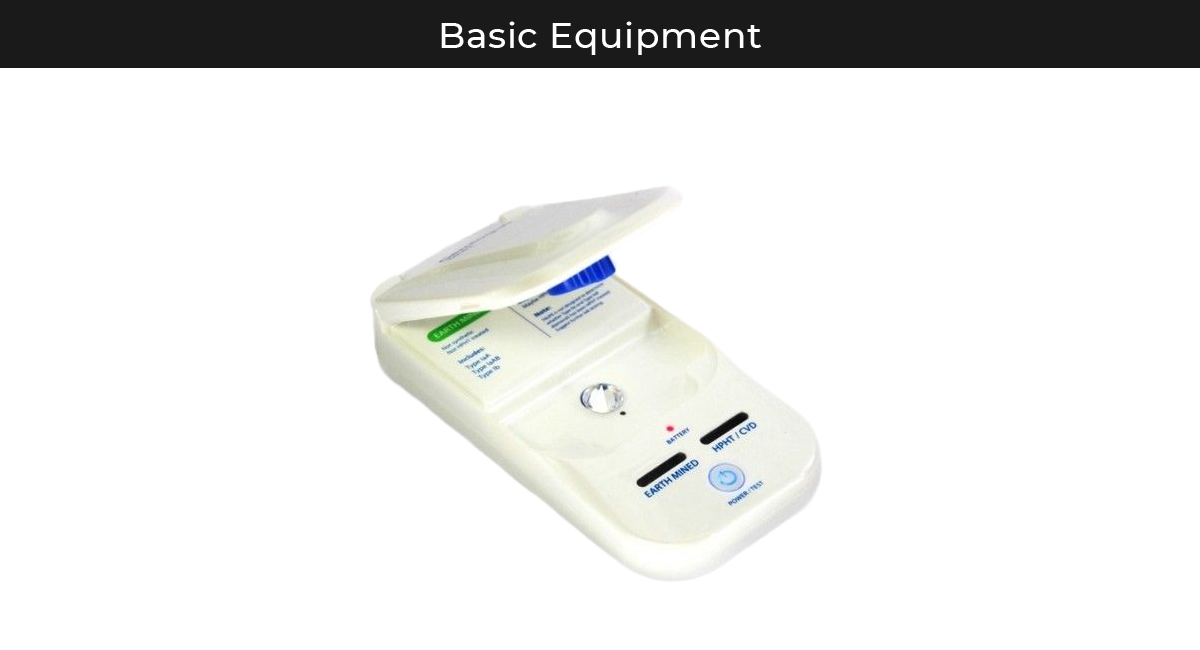
Simple testers are available at the jewelers and these can help you figure out whether the diamond is lab made or not. These tests are usually to check the thermal conductivity level of the diamonds, this is done due to the fact of how diamonds are good conductors of heat. These thermal tests help us identify whether they are lab made or natural diamonds.

Basic Equipment 

Let us give a few more tips regarding these conductivity tests so that you can figure them out better. So, yellow and mined white diamonds aren’t electrically conductive. On the other hand, blue diamonds are because of the boron present in them.

Also, some white diamonds are grown with the HPHT process which can make them conduct electricity, though they are colorless. This test of conductivity is more accurate for yellow diamonds.

Advanced Equipment

There exist advanced techniques too, that will for sure help you identify lab made diamonds. For instance, The Fourier transform infrared spectrometer (FTIR) or the energy dispersive X-ray fluorescence (EDXRF) are devices that can be used to identify any indication of metal in diamonds.

This metal usually is found in lab made diamonds, as it comes from the molten metal solution it is made in the lab. Another device that can be used is a cathodoluminescence (CL) spectrometer; it can show the sectors where a diamond can grow. 

Naturally found diamonds usually just have octahedral growth, that is growth from six sides. Whereas diamonds made through the HPHT process can have either a cubical or octahedral growth. 

DeBeers, the diamond mining company, has over the years come up with two machines that can identify diamonds very correctly. One of them is, DiamondSure, this machine calculates the very specific wavelength of light absorption in the lab made diamonds. This is done at the beginning stage. 

As you look for more advanced technology, which also means it would be more costly, there is the DiamondView machine, which traces fluorescence patterns in diamonds with the help of shortwave ultraviolet imaging.

[blog_page_btn title=”Buy Lab Grown Diamonds” url=”https://www.loosegrowndiamond.com/inventory/”]

Conclusion

Following all these techniques at once might get a little hard so you won’t instantly be able to recognize whether or not your diamond is lab-made. However on the bright side, today a great number of diamond manufacturers and merchants responsibly disclose that they sell lab grown diamonds

This in turn helps them with their business. Let’s also give you this reassurance that several major and popular diamond suppliers have started purchasing diamond testing machines. This again leaves no stone unturned for you to identify whether or not your diamond is lab made or not. 

The industry as a whole has gone to lengths to make sure that when a diamond is being sold as being told it is natural, it ought to be it. And, you can trust the market with the same, because even they work on word of mouth and customer satisfaction. Which is colloquial in the business.

FAQs

How is a lab grown diamond made?
Lab created diamonds are made using either High Pressure High Temperature (HPHT) or Chemical Vapor Deposition (CVD) processes, which simulate the natural conditions under which diamonds form in the earth’s mantle.

Are lab created diamonds environmentally friendly?
Lab created diamonds have a smaller environmental footprint compared to mined diamonds because they do not require large-scale mining operations.

Are lab grown diamonds a good choice for engagement rings?
Lab man mad diamonds are an excellent choice for engagement rings due to their beauty, durability, and lower price point compared to natural diamonds.

Are lab created diamonds as valuable as natural diamonds?
Lab grown diamonds can be just as beautiful and durable as natural diamonds, but they are typically priced lower due to their controlled production process and lower mining impact.

How much is a 3 carat lab grown diamond?
The price of a 3-carat lab grown diamond can vary depending on factors such as its color, clarity, cut quality, and the specific retailer. Generally, you can expect to pay anywhere from $3,000 to $40,000 for a 3-carat lab grown diamond.

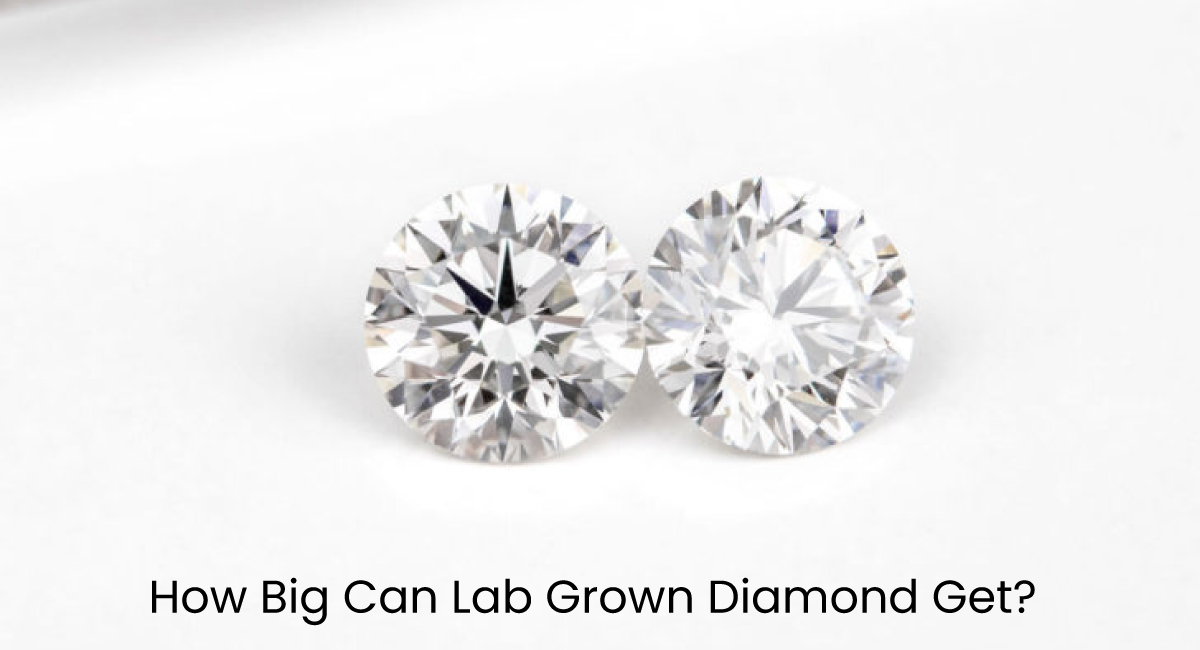
How Big Can Lab Grown Diamond Get?

Diamonds are always going to be a woman’s best friend. From purchasing them for no specific reason to celebrating the most important days of one’s life with the gems, diamonds are going to stay in trend and people’s hearts for as long as we have occasions to celebrate. 

But are people aware of the impact that the mining of diamonds creates on our planet’s internal environment and ecosystem? Most diamond shoppers tend to simply concentrate on the bling and sparkle that diamonds bring along and ignore the harm it causes to our planet since the process of mining diamonds is in reality highly detrimental for our planet.


Digging into the earth for miles to get access to a handful of diamonds creates many disadvantageous side effects to our planet’s natural resources since the soil, water, and air surrounding the site from where diamonds are mined get heavily polluted. A large amount of soil and other natural resources have to be removed from mining sites which leads to a massive depletion in natural land resources.
But as mentioned before, diamonds share a special relationship with most people wherein the attachment between them is hard to maim. And hence, scientists and diamond jewelers have made an excellent effort at battling this issue wherein a new type of diamonds have been invested.

Grown in labs, the lab-grown diamonds, have minimal to no impact on the earth’s environment and are the perfect choice for customers who love our planet and diamonds alike! 

How Lab-Created Diamonds are made

Lab-created diamonds are diamonds that resemble real stones based on most of the aspects such as the optical, physical, and chemical properties. The only major difference between the two is their source of origin. 

Real diamonds are created under extreme conditions inside the earth’s crust and take a time period of around millions of years to form. The stimulus needed for their creation is naturally provided by our planet and we are merely discovering their existence by digging and mining 

Lab-created diamonds however are made by men through the process of replication in a controlled environment of the earth’s natural growth processes. This leads to the formation of pure carbon raw diamonds that are practically identical to the earth mined diamonds.

The grading of such diamonds is also done by the same expert and reputable gemological institutes that provide their services for the grading of natural diamonds.

Methods for Growing Lab-Grown Diamonds

Two methods can be used to create lab-grown diamonds. 

Methods for Growing Lab-Grown Diamonds

Chemical Vapor Deposition (CVD)

Through this method, natural diamond particles are used to build a diamond wherein the particles are positioned in a CVD machine. The machine is then filled with carbon gas and the temperature is hiked to extreme limits for the particles to get heated. The high temperature and pressure from gas lead to the breaking down of the carbon molecules in the particle. Then the molecules vaporize and bind to the diamond seed forming various layers until a larger diamond of the desired size and carat weight is formed. 

High-Pressure High Temperature (HTPT)

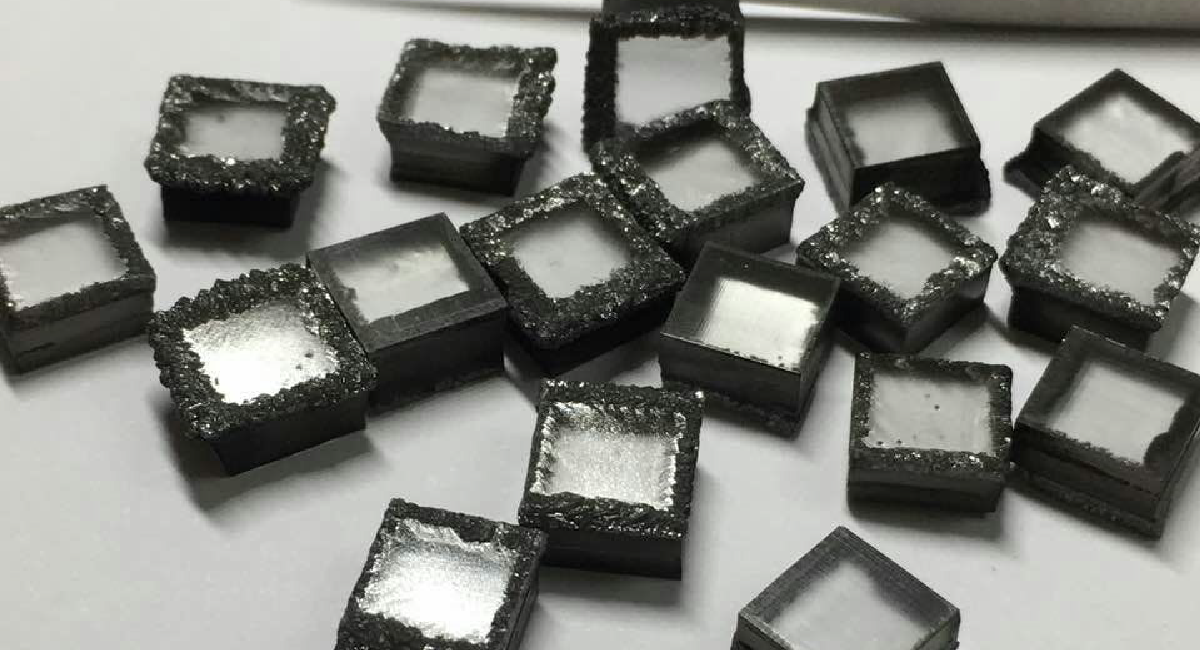
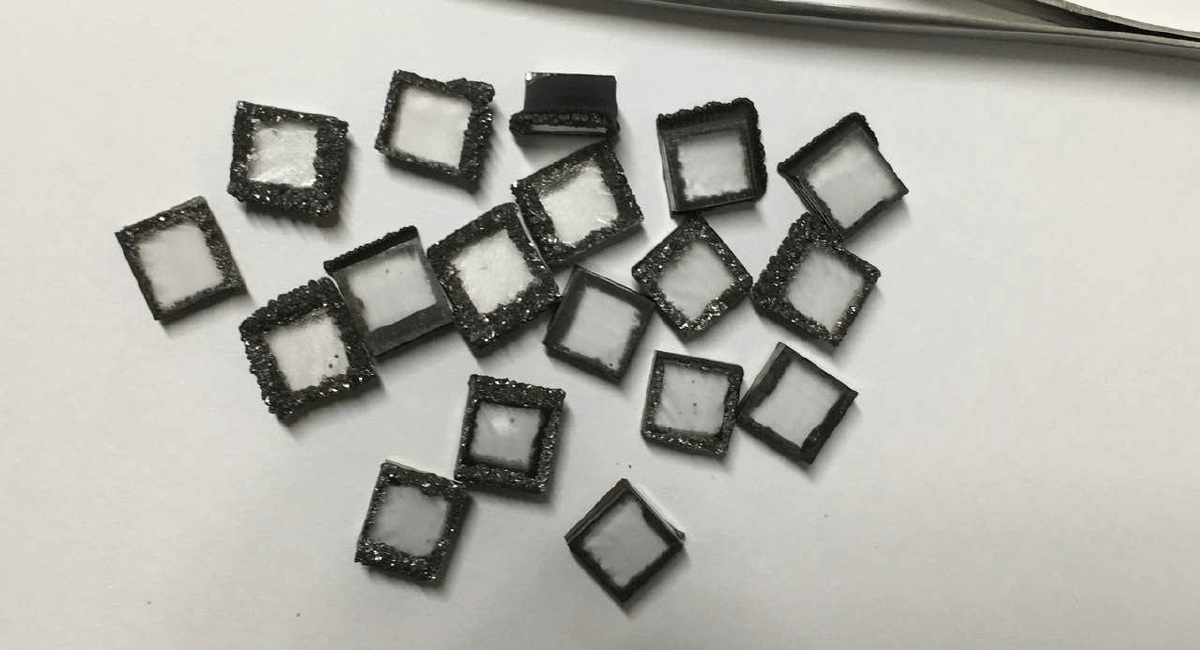
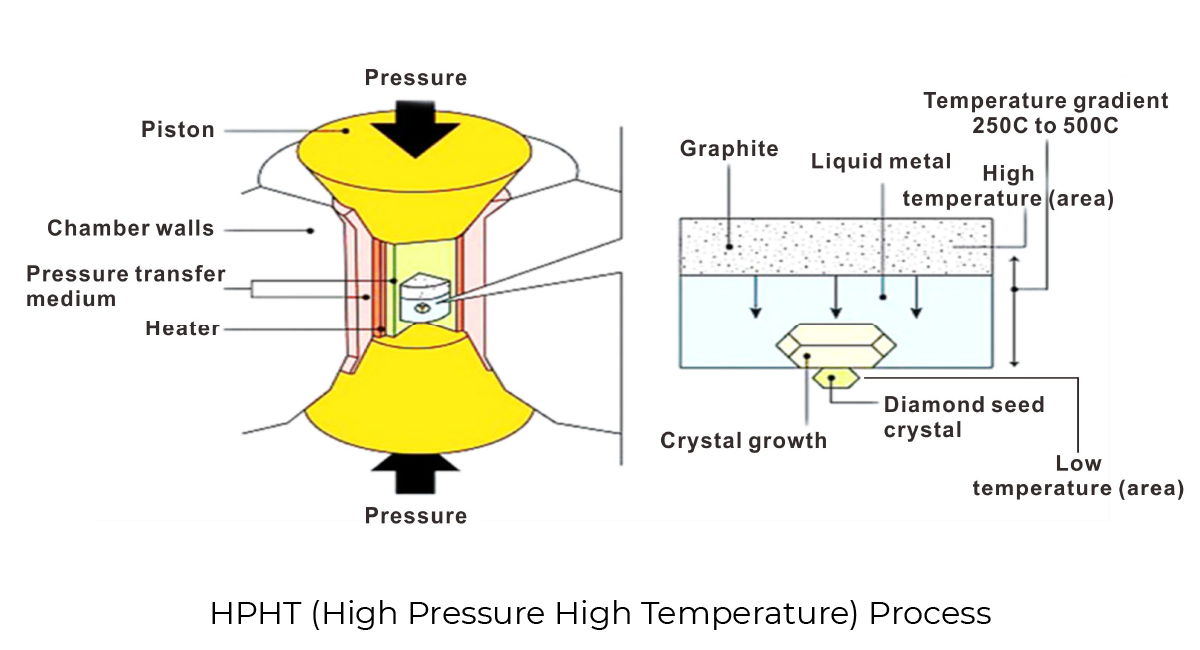
This particular technique uses an HPHT machine and diamond seed to form a lab-grown diamond. The HPHT machine is filled with pure carbon and extreme heat with pressure is applied to melt the carbon. The rough diamond starts forming around the seed and eventually forms enough amount according to the desired size and carat weight. 

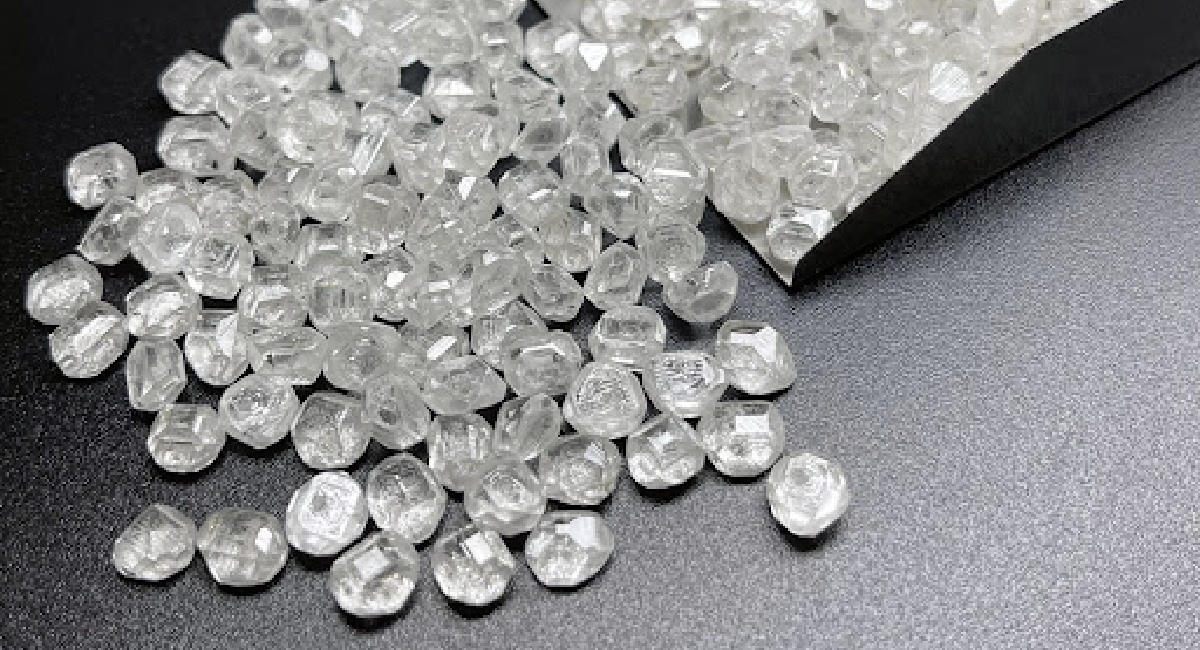
Through either method, the diamonds grown are rough diamonds that are cut, polished, and mounted on bands by various cutters and designers to form the different forms of jewelry. 

Do the Methods of Growing a Diamond Affect its Size?

If we talk about the most commonly used process to grow a diamond it is High-Pressure High Temperature (HPHT). It has been around for the longest. However, Chemical Vapor Deposition (CVD) is a method that has been termed to be more effective and has been in the market and demand for quite some time.

At once the most reliable method was considered to be HPHT as it could make your diamond grow exceedingly large, that is up to 10 carats. On the other hand, let us also remind you that the market for lab-grown diamonds with their technology is quite competitive and changing every day.

how big lab grown diamond 

Through the recent years, CVD as a method has grown a great deal of market reputation. It has done this by also increasing its production proportion range, it went from producing 6-carat diamonds to 9-carat diamonds. Even the largest lab-grown diamond has a 155-carat disc which was done through CVD.

In some ways HPHT does have an edge over CVD, that is because of the carat size both the processes make. The size that HPHT produces is a whooping 10 carat, and in front of it, a maximum 9-carat diamond produced by the CVD process is something that makes it fall back a little.

Though if we look at any other factor, both methods are incredibly effective to make a large lab-grown diamond. Keeping in mind the size producing capabilities, let us remind you it only seems to be growing with advancing technology.

Given how technology is growing, there is no margin as to how large a lab-grown diamond can get. This also means that buyers will have a lot of sizes to pick from and that is a plus in itself. Lastly, the size of the lab-grown diamond largely depends on the time invested to grow it. 

Large Diamonds vs Small or Medium Diamonds: What takes Longer to Grow?

The time taken to grow a lab-grown diamond can be a few weeks, on the other hand, natural diamonds take millions of years. The time taken in the lab for a diamond to grow however is influenced by the technique used for its growing.

Large Diamonds vs Small or Medium Diamonds
HPHT is a technique that uses an extreme amount of pressure to grow a diamond. The pressure applied shall be altered as and when the size of the diamond grows. What it looks like visually is like trying to compress a tiny pebble. However, in this process, that pebble grows into a larger and larger rock.

To grow a large diamond is a very systematic process. And the lab in this setting is the perfect environment to include the process of this growth. A medium-size diamond in the lab will relatively take only a few weeks to grow, however, a large diamond needs more time and attention (a few months). 

However, all of this makes one thing clear: there is a huge array of options in terms of size when you go to choose a lab-grown diamond. 

Also Read: why CVD diamonds pass tester and HPHT can’t?

[blog_page_btn title=”Buy Lab Grown Diamonds” url=”https://www.loosegrowndiamond.com/inventory/”]

Conclusion

Hence, lab-created diamonds are the most suitable option for people who want to avoid leaving a carbon footprint on our planet but still want the effect and brilliance of a real diamond. The lab-grown diamonds offer the same amount of durability and genuineness as the real ones do and so can be chosen by customers to decorate their outfits on special occasions including something as special as an engagement or a wedding, with the bonus being the much lower prices at which the lab-grown diamond jewelry is available at. 

CVD Diamonds: All That You Need to Know

CVD diamonds, This come may be met with a blank if you mention it to someone outside the diamond industry. There are not a lot of people who know what the acronym stands for or what exactly these diamonds look like. This is unfortunate because, for anyone who wants a diamond without the ethical and environmental issues that come with mined diamonds, these stones are perfect. Not to mention the fact that they caused a fraction of what natural diamonds do.

To help you understand the manufacturing process, properties, cost, and a lot more about these diamonds, we have curated this handy guide. Before buying a CVD diamond ring or an engagement ring, it might be worth looking into lab grown CVD diamonds.

CVD is an acronym for chemical vapor deposition. Essentially, it refers to the process in which certain materials are deposited when a gas acts upon a substrate. The process involves some chemical reactions that lead to the deposition of the material.

What is CVD Diamond?

Diamonds can be classified into two types depending on the formation process. They formed under the earth’s surface and took billions of years of heat and pressure to form, they are known as natural mined diamonds.
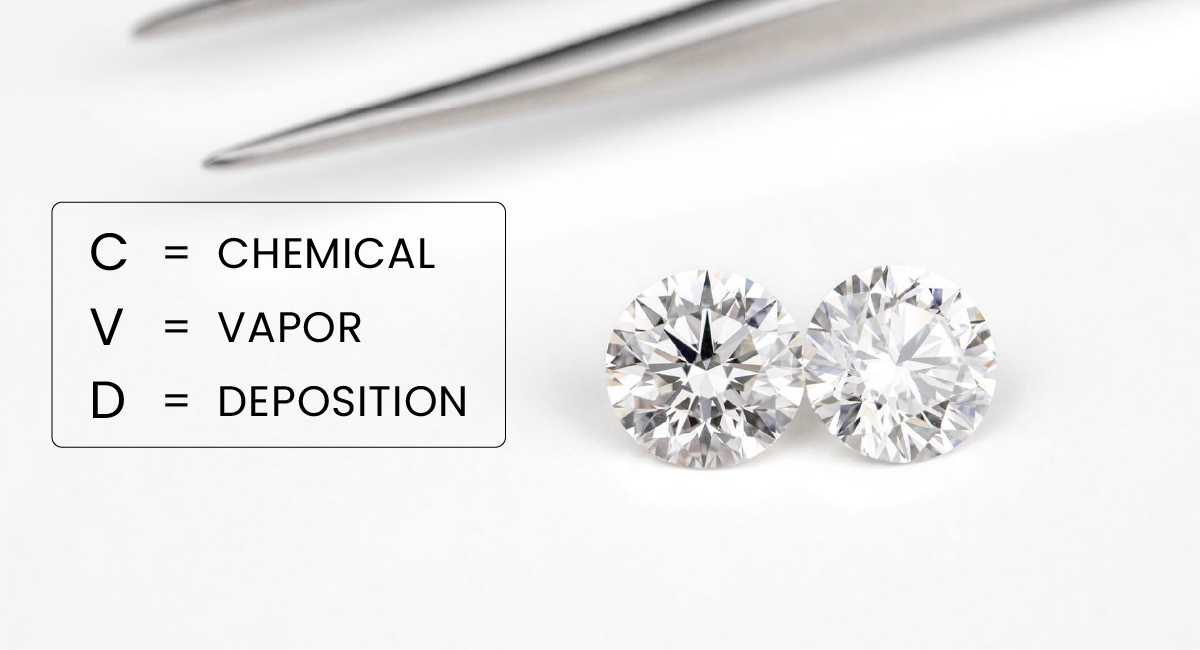
what is cvd diamond

On the other hand, man-made diamonds are formed on the surface of the earth, and as the name indicates, synthetically. One type of man-made or lab-grown diamond is the diamond’s CVD, which is made in labs by using a special process called chemical vapor deposition.

Characteristics of a CVD Diamond

CVD diamonds mirror the precise attributes of natural diamonds, sharing identical internal structure, chemical composition, and captivating luster. Just like their natural counterparts, CVD diamonds boast remarkable durability, scoring a perfect 10 on the Mohs scale of hardness, and exhibit stunning brilliance and sparkle.

Although distinguishing a lab-created CVD diamond from a natural diamond of similar quality is nearly impossible, it’s crucial to be aware that CVD diamonds may sometimes exhibit less desirable traits such as brown tints and internal graining, necessitating post-growth treatment. In comparison, HPHT lab-created diamonds tend to be of higher quality than CVD diamonds.

[blog_page_inventory shape=”Oval,Emerald,Princess,Radiant,round,pear,cushion,kite,rose cut,old mine,marquis,hexagon” carat=”1.80,3.10″ cut=”0,4″ color=”0,10″ clarity=”0,11″ dtype=”CVD”]
[blog_page_btn title=”Buy Lab Grown Diamonds” url=”https://www.loosegrowndiamond.com/inventory/”]

Similar to natural diamonds, CVD diamonds undergo grading based on cut, color, clarity, and carat weight. Despite being engineered by humans, CVD diamonds share vulnerabilities with natural diamonds, potentially acquiring color tints and internal flaws during growth. Finding flawlessly clear CVD diamonds is exceptionally rare – some may be heavily included and poorly colored, while others may be nearly colorless with only minuscule imperfections, much like their natural counterparts. Opt for diamonds graded between SI1 and VS1 for clarity, and D to F for color, ensuring top-notch quality and value for your investment.

Remarkably, even seasoned gemologists struggle to differentiate between CVD diamonds and natural diamonds because CVD diamonds possess identical chemical, physical, and optical properties, including the same flaws. When purchasing a CVD diamond, its origin is specified on the GIA, GCAL, or IGI certification. Beyond this certification, specialized laboratory equipment is necessary to distinguish a CVD diamond as a product of human creation.

Chemical Vapour Deposition (CVD) Diamond Making Process:

  • Diamond Seed Selection:
    • Choose a thin diamond seed, typically a 300-micron thick, 10x10mm slice known as a ‘diamond seed.’
    • Thoroughly clean the diamond seed to prevent crystallization of trace elements or imperfections during growth.
  • Sealed Chamber Setup:
    • Place the cleaned diamond seed into a sealed chamber.
    • Heat the chamber to approximately 800°C.
  • Carbon-Rich Gas Influx:
    • Flood the sealed chamber with carbon-rich gas.
    • Ensure a completely sealed chamber to prevent the entry of other gases, disrupting diamond growth.
  • Ionization and Attachment:
    • Under intense heat, the carbon-rich gas ionizes, breaking down into pure carbon molecules.
    • These pure carbon molecules attach to the original diamond seed.
  • Crystallization Process:
    • Repeat the process, allowing the carbon molecules to bond and build upon the existing diamond seed.
    • Continue until a fully formed, rough diamond is created.
  • Efficient Growth:
    • CVD diamond creation employs a highly specialized scientific process perfected over decades.
    • Adapts the chemical vapor deposition process, commonly used in the semiconductor industry, to efficiently produce jewelry-quality diamonds in two to four weeks.
  • Potential Traits and Post-Growth Treatment:
    • Rapid CVD diamond growth may lead to less desirable traits such as graining, spotty inclusions, and brown tints.
    • Post-growth High-Pressure High-Temperature (HPHT) treatment can remove or improve these traits, enhancing the diamond’s overall appearance but may cause milkiness.
    • Ideal to seek a CVD diamond without post-growth treatment, as indicated on the diamond’s certificate.

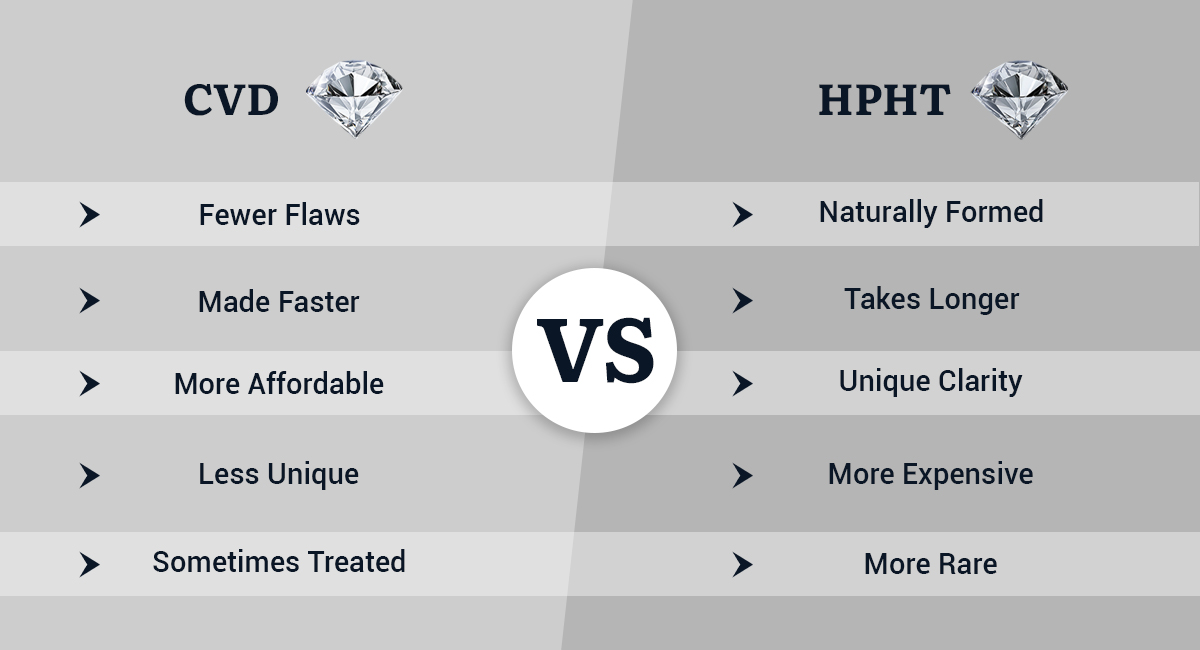
CVD vs HPHT Diamonds

When it comes to creating diamonds, there are two main methods: HPHT (High-Pressure High Temperature) and CVD (Chemical Vapour Deposition).

HPHT diamonds mimic the natural diamond formation process that takes millions of years in the earth’s depths, using high pressure and temperature. This method, unlike CVD, doesn’t involve gas. While both HPHT and CVD diamonds take only a few weeks to form, HPHT requires more energy. Generally, experts note that HPHT diamonds tend to have higher quality and less often need additional treatments after growth.

The key dissimilarity between rough CVD and HPHT diamonds lies in their shapes. CVD diamonds grow in a cubic shape, whereas HPHT diamonds take on a cuboctahedral form. Although distinguishing between the two requires a trained eye, this difference in structure is noteworthy.

Some laboratories adopt a combined approach, starting with the less energy-intensive CVD process and finishing with HPHT. This hybrid method is chosen because HPHT can enhance clarity and color. Importantly, chemically, physically, and optically, both CVD and HPHT diamonds are identical to natural diamonds.

Are CVD Diamonds Affordable?

In the realm of diamonds, affordability is a relative concept. Generally, lab grown CVD diamonds come with a lower price tag compared to mined diamonds—around 20–30% less.

For the amount you’d invest in a 1.5-carat mined diamond, you could opt for an upgraded 2-carat CVD diamond instead. This cost difference can be attributed to three main factors:

  1. The substantial expense is tied to excavating deep holes in the Earth.
  2. The extensive supply chain involved in dealing with mined diamonds.
  3. The historical manipulation of pricing within the industry.

The journey of natural diamonds involves intricate processes: locating and extracting them from the ground or seabed floor, shipping them to cutters, wholesalers, and jewelry fabricators, and distributing them through various channels, including independent retailers and large diamond chains with hefty rents and advertising budgets.

In contrast, CVD diamonds sidestep much of this complexity, resulting in a more budget-friendly price. Despite their lower cost, it’s crucial to recognize that CVD diamonds still hold significant value—they are, after all, diamonds in every sense of the word.

If you’re curious about specific pricing comparisons for CVD and other lab-grown diamonds, you can explore how Clean Origin stacks up against other brands below for a clearer understanding of what to expect in terms of cost.

Frequently Asked Questions (FAQs)

Why is it Difficult to Synthesize Diamonds in the Lab?

Diamonds are made up of carbon, just like coal and graphite. The only difference between these materials is the arrangement of the carbon atoms command which is also known as the crystal lattice. It is difficult to synthesize CVD diamonds because graphite is one of the most stable forms of all types of carbon. That is why diamonds also occur very rarely in nature.
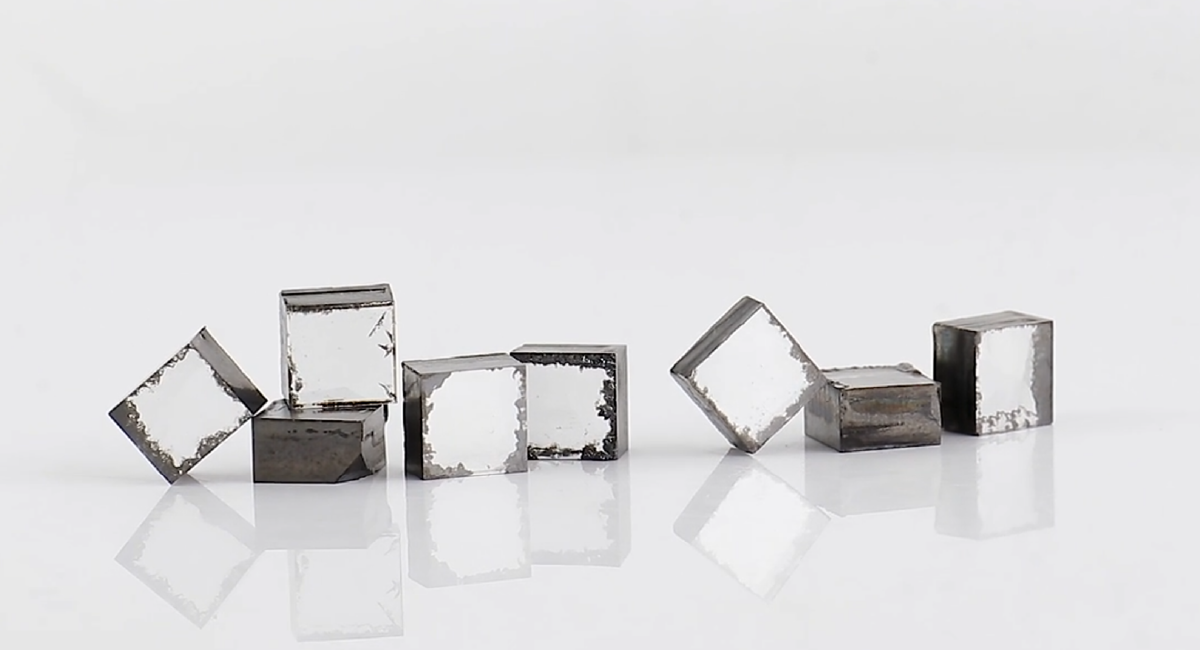
rough cvd diamonds

Earlier, in the 1950s, graphite was converted into diamonds using the high pressure and high temperature technique, also known as HPHT. This was a very difficult way to synthesize diamonds in the lab as the stability of graphite would prevent the formation of diamonds using this technique. However, with the introduction of the CVD technique, it was possible to deposit carbon atoms on a surface using a gas that contained carbon.

If proper techniques are used, it is possible to enhance the growth of diamond crystals and suppress the growth of graphite crystals.

How are CVD Diamonds Made?

This technique involves using atomic hydrogen on graphite to turn it into diamonds.

Hydrogen is usually found in nature as hydrogen molecules, which are formed by combining two atoms of hydrogen together. To make CVD diamonds, we first need to break the molecular hydrogen into atomic hydrogen. This is done by using a gas activating agent, which could be an intense plasma or a hot filament.

After hydrogen gas is dissociated into its atoms, the next step is to slowly apply it to the substrate, that is graphite. Hydrogen selectively etches the surface of graphite and breaks up the double bonds. This converts the graphite bonds into diamond bonds.

This is done by first placing a thin seed diamond in a sealed chamber and subjecting the seed to high temperatures, usually around 800 degrees Celsius.

After that, hydrogen, or a mixture of carbon-rich gases which includes hydrogen and methane, is introduced into the chamber. Using the methods stated above, the gases are ionized and their molecular bonds are broken. This results in the attachment of pure carbon to the diamond seed. As more and more carbon atoms are formed, they develop atomic bonds with the same diamond.
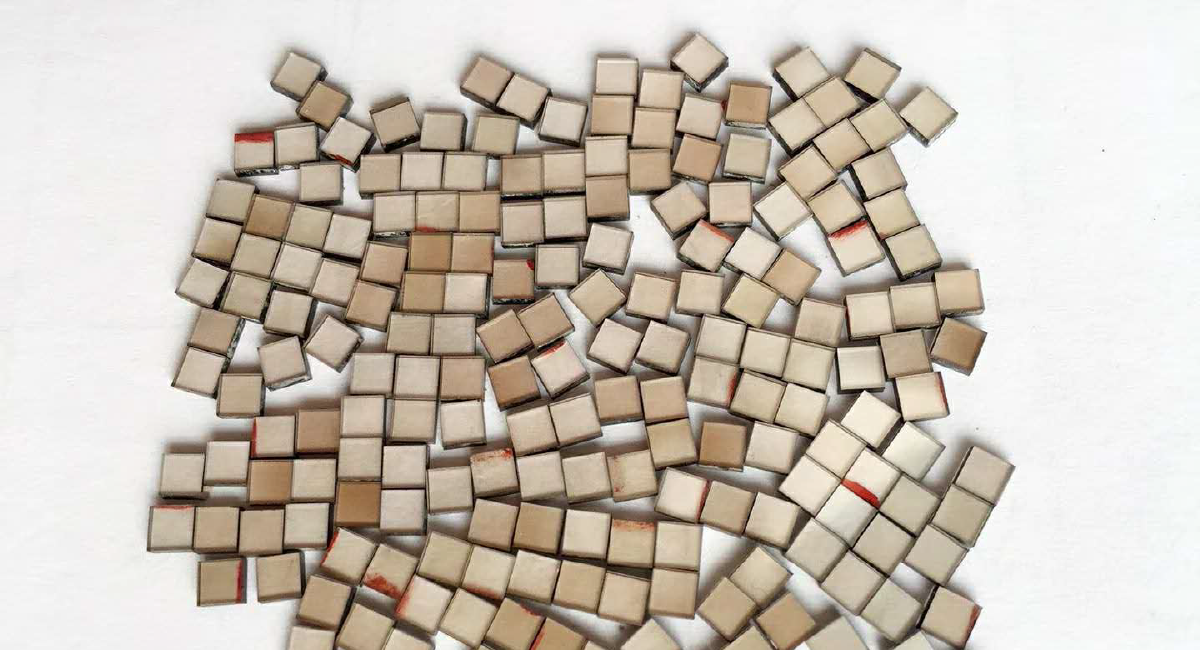
How are CVD Diamonds Made

What are the Substrate Materials that can be Used?

Diamond can be deposited on various types of materials. Most of the time the seed used is a piece of the diamond itself, but other materials like tungsten, silicon, molybdenum, silicon nitride, silicon carbide, quartz glass, cemented carbide, etc. Can also be used. The most important feature that the substrate material must have is that it should be able to withstand high temperatures and when it is attacked by the activated gas, it should not dissolve the deposited carbon.

Why are CVD Diamonds Brown?

The brown color of CVD diamonds can be attributed to carbon inclusions within the stone that may be non-diamond in nature. These inclusions may be formed during the process of treating the substrate with carbon gases.
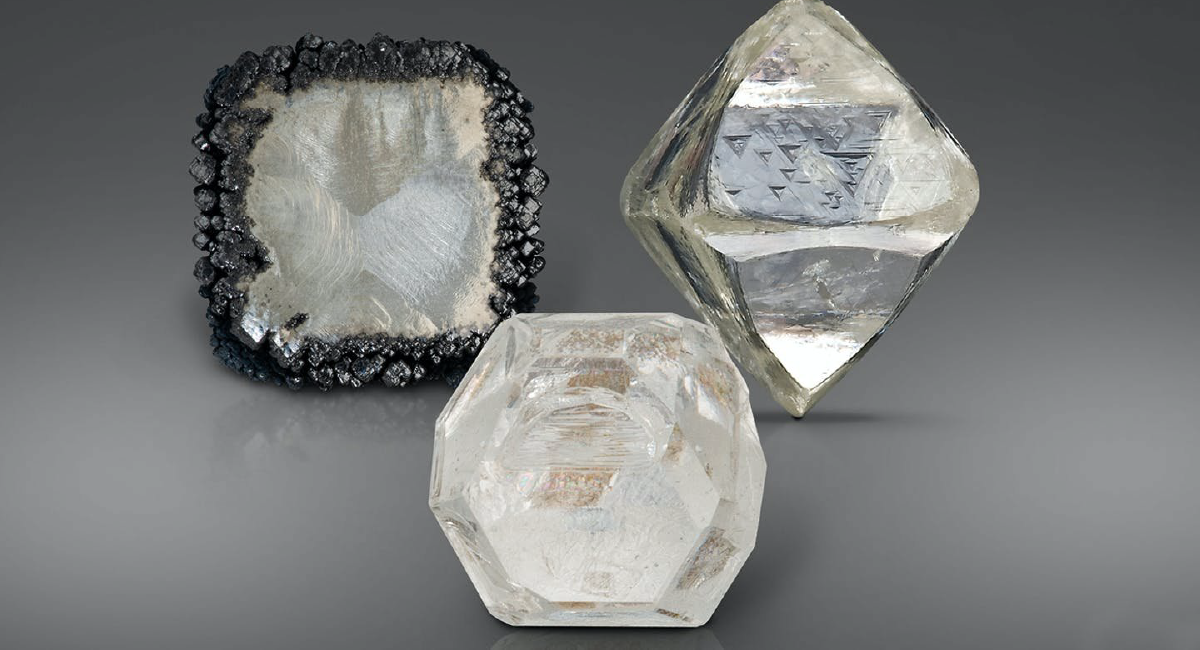
cvd diamonds are brown
Moreover, it is also believed that the brown coloration can also be a result of internal defects such as dislocations within the stone. However, unlike natural diamonds, the brown discoloration in CVD diamonds is not due to plastic deformation, as is the case when it comes to natural diamonds.

According to the CVD diamond review by GIA, it is possible that the brown hue in CVD diamonds is seen in the case of mass-produced CVD diamonds which are manipulated by adding nitrogen or oxygen to the gas mixture. However, this defect is easily correctable by using high pressure and high-temperature treatment after the formation of the diamond.

How to Identify CVD Diamonds?
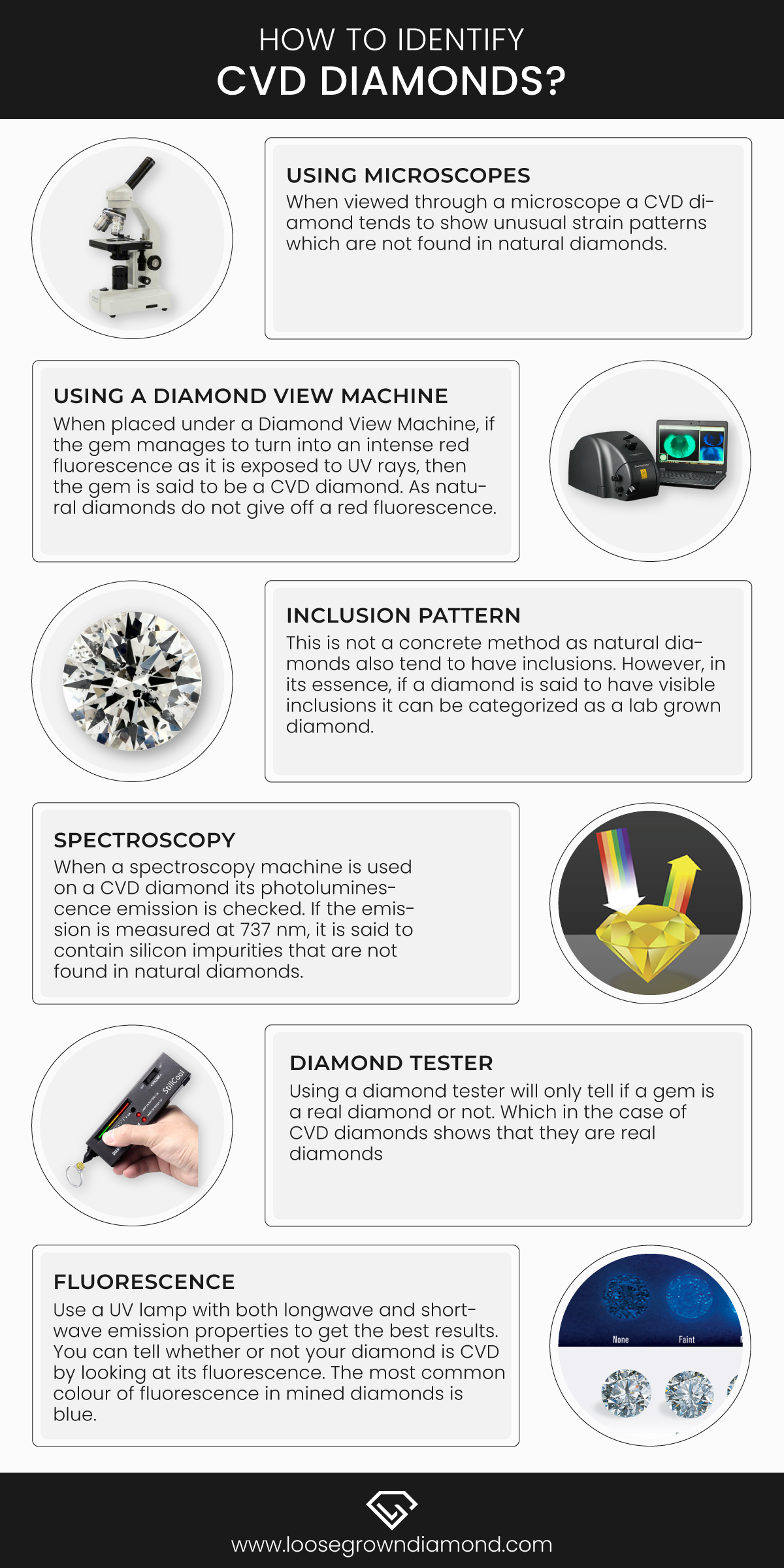
identify CVD diamonds

Here are seven ways to identify CVD diamonds:

  1. Using microscopes – If you place the diamond under the microscope, you will see that CVD diamonds have characteristic strain patterns which are different from the patterns seen in natural or mined diamonds.
  2. Using a Diamond view machine – This machine uses high-energy UV radiation to identify synthetic diamonds from natural diamonds. When placed under this machine, CVD synthetic diamonds show a strong red fluorescence, which is not visible in naturally formed diamonds.
  3. Inclusion pattern – Inclusions, especially when seen under a microscope, are present even in natural diamonds. However, the difference is that in CVD diamonds, these inclusions are less dispersed compared to natural diamonds.
  4. Spectroscopy – This process refers to placing the diamonds under a spectroscope instrument. These instruments usually emit light at 737 nm. When exposed to this light, CVD diamonds show strong photoluminescence emission due to the presence of silicon in them, whereas this is not seen in natural diamonds.
  5. Diamond tester – This instrument is used to check if the stone in your hand is a diamond or not, but it cannot maybe reveal whether it is a natural diamond or a man-made one. The dual electronic diamond tester uses thermal and electrical conductivity to check whether a stone is a diamond or not.
  6. Fluorescence – Use an ultraviolet lamp that has both longwave and shortwave emissions. If the diamond shows a fluorescence of blue, it is confirmed that it is not a CVD diamond. Mined diamonds can show fluorescence in many colors, but the most common is blue.

Also, it should be noted that natural colorless diamonds show fluorescence typically under long-wave ultraviolet light, whereas the fluorescence becomes weaker when seen under short-wave ultraviolet light. On the other hand, synthetic diamonds are reversed, they show the strongest reaction under shortwave light.
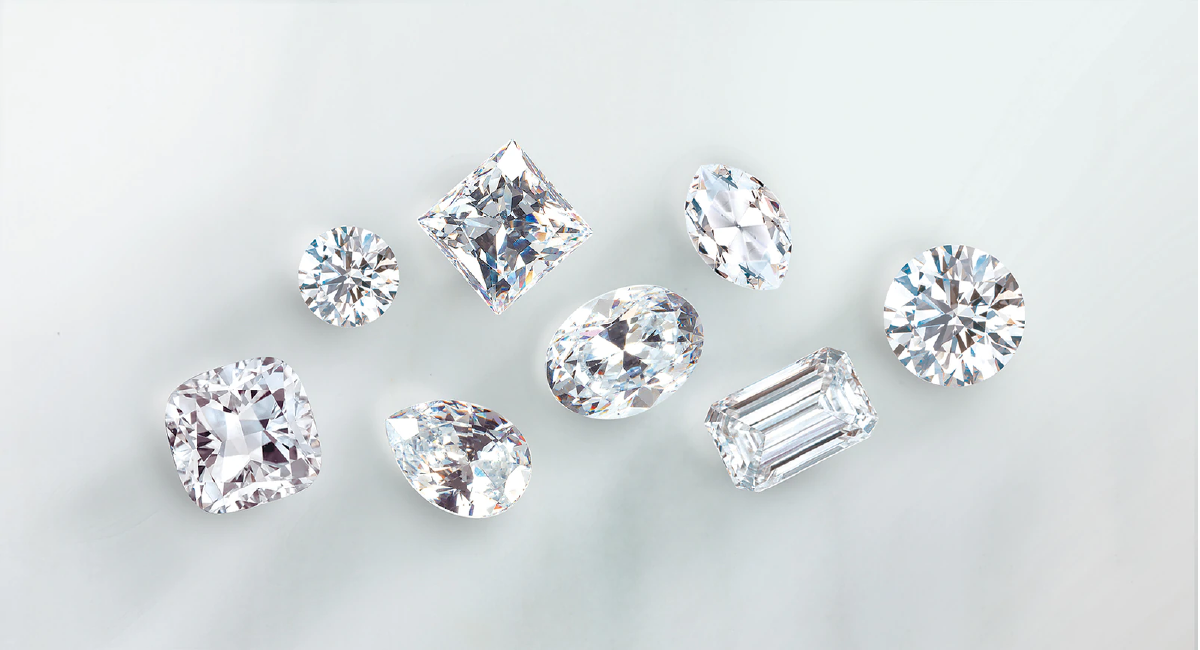
fancy shape cvd diamonds
Moreover, CVD diamonds show dark brown, almost red fluorescence under long-wave UV, which becomes moderately strong and turns yellowish-green in color under shortwave light. This is a positive confirmation of the presence of a synthetic diamond.

Do CVD Diamonds test the same as Real Diamonds?

Really diamonds have the same crystal structure as natural diamonds, and the chemical composition of both types of diamonds is the same. When we use the term synthetic diamonds or manufactured diamonds, these terms do not actually refer to the diamonds themselves, but rather the process of manufacturing them. Chemically speaking, the lab diamonds are indistinguishable from real diamonds.

However, there are some chemical properties that may be a little different. For instance, the testing methods mentioned above, like the inclusion pattern, fluorescence, and spectroscopy may show some difference between the two types of diamonds. However, this does not mean that the stones behave differently entreated two chemical, thermal, electrical, or any other kind of treatment.

What to Look for When Buying CVD Diamonds?

When you’re buying, or for that matter any type of lab ground diamond, it is necessary that you take some precautions to get the best value for your money. There are two things you need to remember before buying a CVD diamond.

The first is to avoid diamonds that have a brown color hue. There are many concede attacks that can cause the appearance of brown color in CVD diamonds. This affects the optical properties of the diamond. Look at the two pictures shown below.
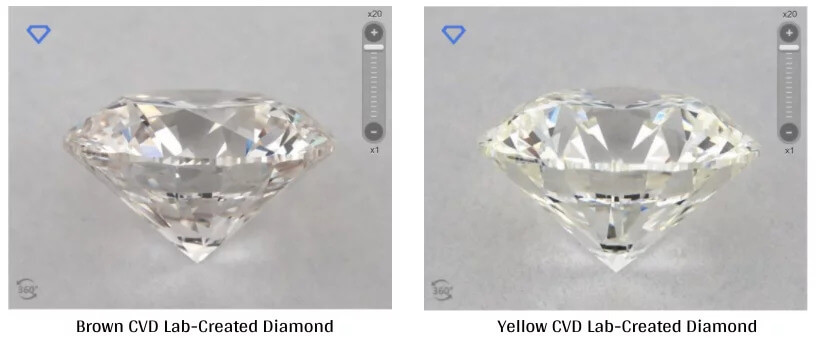
brown vs yellow cvd diamond

The brown hue of the elaborated diamond is usually apparent when you see the diamond in the profile view. When you compare the two diamonds above, you will be able to see the difference quite clearly. The 2.03 H VS1 CVD diamond looks brown, while the 1.24 H VVS1 diamond appears yellow, just like a natural diamond.

It is recommended to avoid buying diamonds that have this hue or to go up in color to D, E, or F to minimize the appearance of the brown hue.

The second thing you need to consider is strain-induced birefringence, which gives the lab-created diamond a fuzzy appearance. This happens when there is a mismatch between the crystal lattices when the diamonds are grown layer by layer.

The result is that the diamond looks fuzzy and has strain lines.
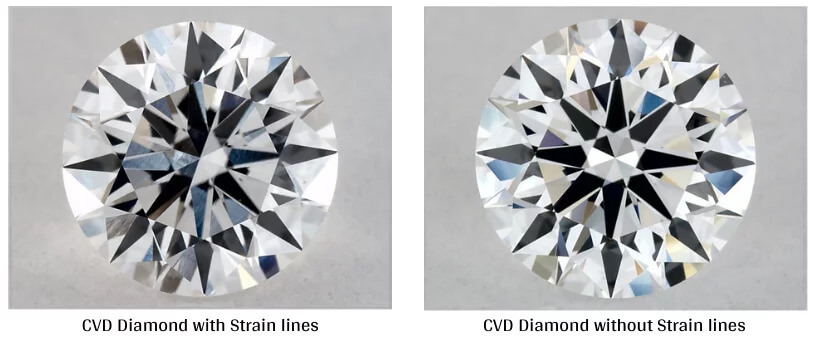
cvd diamond with strain lines

It is recommended to avoid this type of diamond entirely. It should also be noted that train lines are not evaluated when grading the diamond for clarity, which is why sometimes they can still receive a vs1 grading even if the diamond is fuzzy.

What is the Cost of CVD Diamonds?

It is impossible to make a sweeping statement about whether or not CVD diamonds are costly or not, but it is true that they generally cost less than natural diamonds, usually, 20 to 30% less.

The amount of money you will pay for a 1.5-carat natural diamond can easily fetch you a 2 carat CVD diamond. This is because of several reasons. Mined diamonds required more physical labor, a long supply chain, and manipulation of pricing to ensure regular supply and demand. However, for CVD diamonds, this is not true. This is not to say that CVD diamonds are somehow cheap or less valuable, it is just that they are less expensive compared to their mined counterparts.

You can get CVD diamonds at the best price on loosegrowndiamond.com where their prices start from $300-$500.

What is the Temperature at Which CVD Diamonds Grow?

The temperatures at which optimum growth is obtained are between 700 to 900 degrees Celsius. It is also possible to grow diamonds at lower temperatures, but in this case, the growth rate will be extremely slow.

Are all Lab Grown Diamonds CVD Diamonds?

No, all lab-grown diamonds are not CVD diamonds. CVD is a relatively recent process and before it was introduced, lab grown diamonds were created using the HPHT approach. However, in the modern world, CVD is a more effective method for growing diamonds in the lab.

Where to Buy CVD Diamonds?

You can buy CVD diamonds at loose grown diamond worldwide shipping and a guarantee for all of their products. Moreover, we are a CVD diamond manufacturer and sell diamonds at wholesale prices so you are guaranteed to save a lot of money as well.

Whether you should choose a natural diamond or a CVD diamond is a question you should ask yourself before buying any kind of diamond jewelry. After all, of course, way less and does not have any of the complications that natural diamonds do.

[blog_page_btn title=”Buy Lab Grown Diamonds” url=”https://www.loosegrowndiamond.com/inventory/”]

What are the Benefits of Buying CVD Diamonds?

Here are some benefits of buying a CVD diamond over a natural diamond:

Mining Free

“NO MINING” is required for Lab-created diamonds.
Elevate your jewelry with mining-free Lab Grown Diamonds


Quality

Lab-created diamonds have the same quality
and optical properties as natural diamonds.


Valuation

Lab-created diamonds contribute excellent value
and are more affordable than natural diamonds

  1. The cost of manufacturing a CVD diamond is less than that of mining and transporting a natural diamond.
  2. There is no environmental damage when it comes to manufacturing CVD diamonds, whereas mining natural diamonds causes a lasting negative effect on the earth. Moreover, lab-created diamonds do not create any mineral waste either.
  3. There is no ethical issue when it comes to lab-created diamonds. On the other hand, natural diamonds are often called conflict diamonds or blood diamonds because they are known to be used for illegally funding conflict in war-torn countries. Moreover, diamond miners and diamond polishers work in terrible working conditions and are often prone to injuries and human rights violations.
How Lab Created Diamonds are Made?

Natural diamonds are made by precise and perfectly bonded carbon crystal lattices. Due to this, they gain immense strength. According to scientists natural diamonds are created under extreme pressure and high temperature, they take about 1 billion to 3 billion years to form depending on the conditions.

how lab grown diamonds are made

Man made diamonds, on the other hand, are created within six to eight weeks. These lab grown diamonds are created in a controlled environment, with the help of advanced technology. It is like a chamber in which the material is put which will later be converted into a loose diamond. The chamber replicates the conditions of the earth’s crust, which are needed to create a man made diamond.

But have you ever stopped to wonder how these dazzling gems are made? In this comprehensive guide, we’ll take a deep dive into the intricate process behind lab grown diamond creation, uncovering the science and technology that makes it all possible.

After a man made diamond is created it is cut into different shapes, polished, and graded just like a normal natural diamond. A man made diamond has the same physical, chemical, and optical properties as that of a natural loose diamond. Due to this, it becomes nearly impossible to tell the difference between a lab grown diamond and a natural loose diamond, with the naked eye.

How Lab Created Diamonds are Made

To tell the two apart special types of equipment and a professional is needed to inspect them. Man made diamonds are a revolutionary discovery that reshaped the whole diamond market. These loose diamonds have many benefits and somewhat more benefits than natural diamonds.

There are Mainly Two Main Methods that Opted to Create Man Made Diamonds:

1. CVD Diamond Method
2. HPHT Synthetic Diamond Method

Now let us briefly explain both of these methods, and how they are used to create loose, white, and fancy diamonds.

CVD Diamond Method

CVD stands for Chemical Vapour Decomposition, it is used to create high-quality loose diamonds. In this method, a material is put inside a chamber in the presence of a pure rich carbon plasma. As soon as the process starts, carbon atoms get deposited on the material, and with time it forms a man made diamond.

cvd diamond method
To get colored fancy diamonds, specific trace elements are inserted into the carbon crystal lattice during the growing phase. Depending on the amount of trace element and type of trace element inserted, does the fancy diamond get its color.

CVD Diamond method also has some types, which are:
• Plasma Enhanced Chemical Vapour Decomposition (PECVD)
• Microwave Plasma Chemical Vapour Decomposition (MPCVD)
• Low-pressure Chemical Vapour Decomposition (LPCVD)
• Ultra-High Vacuum Chemical Vapour Decomposition (UHVCVD)

cvd diamond

HPHT Synthetic Diamond Method

HPHT stands for High-Pressure-High-Temperature, which is also the procedure used to create man made diamonds. An HPHT Synthetic Diamond making machine is able to generate 60,000 ATM (atmospheric pressure) and 2500°C temperature. Thus forming an environment similar to that under the earth’s crust, which assists the formation of a man made diamond.

There are Mainly Two Main Methods that Opted to Create Man made Diamonds

The elements and materials used to create lab-grown loose diamonds are:

  1. A tiny diamond seed
  2. Highly refined graphite
  3. A high-quality catalyst mixture containing metals and powders

When the machine is turned on, due to high pressure and high temperature, the catalyst mixture turns into a molten form. Which then causes the refined graphite to dissolve in it, and form various layers over the diamond seed. Then after the cooling is done, an HPHT synthetic diamond has been formed.

To carry out the HPHT Synthetic Diamond making method, and apply the required conditions, two types of machines or press designs are used.

hpht lab diamond

Cubic Press- Creates high temperature and pressure with the help of pistons, which are located throughout the machine and provide pressure from different directions.

Belt Press- In this machine high pressure is formed by two strength pistons. These pistons apply equal pressure in opposite directions.

[blog_page_inventory shape=”Round,Oval,pear,cushion,heart,princess,emerald,radiant,kite,old mine” carat=”2.30,2.60″ cut=”0,4″ color=”0,10″ clarity=”0,11″]
[blog_page_btn title”Buy Now” url=”https://www.loosegrowndiamond.com/inventory/?”]

Should You Buy Lab Created Diamonds?

Whether or not you should buy lab grown diamonds depends on various factors, including your personal preferences, ethical considerations, and budget. Here are some points to consider:

To start, let’s explore the benefits of diamonds produced in laboratories.

Lab grown diamonds are created in controlled environments, eliminating the need for environmentally destructive mining practices and reducing the risk of exploitation associated with traditional diamond mining.

Lab created diamonds often come at a lower price point than natural diamonds, making them accessible to a broader range of consumers.

Like mined diamonds, lab grown diamonds can be certified by reputable gemological laboratories.

Lab grown diamonds are virtually identical to mined diamonds in terms of appearance and chemical composition. They exhibit the same brilliance, sparkle, and durability as natural diamonds. If you’re concerned about quality, rest assured that lab grown diamonds can be just as beautiful and durable.

Ultimately, your choice to purchase lab grown diamonds hinges on your priorities and principles. If you prioritize ethical and environmental considerations while seeking a more budget-friendly option, purchasing certified lab created diamonds from LGD at the best available price might be appealing.

Why Lab Grown Diamonds?


Mining Free

“NO MINING” is required for lab created diamonds.
Elevate your jewelry with mining free Lab Grown Diamonds


Quality

Lab created diamonds have the same
quality and optical properties as natural diamonds.


Valuation

Lab created diamonds contribute excellent value,
and are more affordable than natural diamonds

[blog_page_btn title=”Buy Lab Grown Diamonds” url=”https://www.loosegrowndiamond.com/inventory/”]

Conclusion

Hence to create a man made diamond a controlled environment and specific conditions are needed. Lab grown diamonds are more eco-friendly than natural white diamonds or natural loose diamonds. Lab grown diamonds do not require intense mining, which degrades the environment, soil, and vegetation.

Lab grown diamonds are preferred over natural diamonds. And, with the ability to create any type of loose diamond or fancy diamonds these man made diamonds have gained immense popularity.

FAQs

Are lab created diamonds real diamonds?
Yes, lab created diamonds possess the same chemical composition, physical properties, and optical characteristics as natural diamonds. They are real diamonds in every sense of the word.

Are lab created diamonds less expensive than natural diamonds?
In general, lab created diamonds are more affordable than their natural counterparts, as the production process is more cost-effective and less resource-intensive. However, prices can vary depending on factors such as size, quality, and market demand.

Are lab created diamonds environmentally friendly?
Yes, lab created diamonds are a more sustainable and eco-friendly alternative to traditional diamond mining. By eliminating the need for mining, they help reduce the environmental impact associated with land disruption, water usage, and carbon emissions.

How Lab Grown Diamonds are Certified and Graded

All you need to know about the ifs and how’s of whether lab grown diamonds are acknowledged and certified by international diamond certification bodies. 

Lab grown diamonds have caused quite a stir in the diamond industry over the past decade. These lab diamonds are created in a controlled environment using high heat and pressure to remove carbon, which produces an unpolished gemstone.

certified lab grown diamonds

The stone goes through a manufacturing cycle which lies in accordance with strict diamond processing guidelines to bring forth its inherent brightness, luster, and radiance.

This guarantees that lab grown diamonds fulfill quite the same quality standards as their mined counterparts. To understand in detail what a lab grown diamond is, refer to our previous blog, which covers the same.

Understanding the certification procedure is essential to appreciating these diamonds’ worth. An independent lab/institute with no stake in the diamond’s sale issues a diamond certificate, which is a vital document. These labs assess every stone according to certain merits and rules.

IGI, GIA, and GCAL are three of the top certification bodies for lab grown diamonds, and they have all certified the diamond present on our website. This blog explores in great detail how lab-grown diamonds are certified and graded.

What are the Quality Parameters that a Diamond is Measured Against?

There are four basic parameters that a diamond must measure up to and it is graded accordingly. It must be noted that these standards are universally recognised by all jeweler’s/companies/retailers and accepted across the globe.  They are Cut, Clarity, Color, Carat, popularly known as the 4Cs.

  • Cut: This parameter grades the refraction of light from the various facets of the diamond’s surface. The stone must be cut such that it reflects light at the maximum possible angles, giving it an infinite sparkle.
  • Clarity: Simply put, this parameter measures the purity of the diamond. The inspection done under a high-precision microscope determines the degree of impurities and damages or visual flaws along with the depth of the stone.
  • Color: As the name suggests, color indicates the degree of “whiteness” of the diamond. The closer it is to purely colorless, the superior its quality is and the more it is priced at. D, E, F are the grades given to stones that are closer to being white.
  • Carat: It indicates the weight of the diamond. 

How are Lab Grown Diamonds Certified?

Lab sourced diamonds are certified by some of the most internationally acclaimed institutes that grade mined diamonds as well. They are the Gemological Institute of America and the International Gemological Institute. 

The IGI entered the foray of certifying lab diamonds very early while GIA followed soon in 2006. Their unbiased and in-depth analysis has come to be trusted around the world.

Another certifying institute is GCAL (Gem Certification & Assurance Lab), which was founded in 2001 in the diamond district of New York City.

GCAL is committed to preventing consumer fraud by offering accurate information on gemstones and diamonds.

To summarize, predominantly there are three types of recognised certification i.e., GIA lab grown diamond certificate, IGI lab grown diamond certificate and GCAL lab grown diamond certificate.

These specialized organizations are able to differentiate lab grown diamonds from their mined counterparts through the use of state-of-the-art laboratories that are equipped to examine minute structural and molecular changes.

The 4Cs—cut, color, clarity, and carat weight—are taken into account by both IGI or GIA in their assessments. They also provide thorough reports that include information about the diamond’s provenance.

For each of these four criteria, lab diamonds are given unique ratings, and a certificate is given to jewelers for each diamond. GCAL presents a new grading system for diamond cuts that takes into account factors including polish, optical accuracy, and proportions.

Although various institutes may assign somewhat different numbers and ratings to each diamond quality, it is important to understand the meaning behind each rating when reading the certificate.

The Rapaport Scale is used to determine lab diamond prices along with data from these institutes. The certificates guarantee correct information about the origin and properties of the diamond, which helps to protect consumers in addition to offering insightful information about the quality of the stone.

How to Read a GIA or IGI Certificate?

How to read a GIA or IGI Certificate

Let’s take an example where a lab diamond weighs 2.00 carats, with a clarity of VVS1, color of E and polish excellent and symmetry of very good. On interpreting the findings, we read that this lab grown diamond achieves remarkable colorlessness, approaching colorless or white (D) on the color scale; as denoted by the color F.

With minimal imperfections denoted by a VVS1 clarity grade, the diamond weighs 2.00 carats and boasts a double excellent grade for its cut, ensuring exceptional shine and symmetry for optimal light refraction.

The comprehensive results cover aspects such as shape, cutting style, the 4Cs, and additional details like polish, symmetry, fluorescence, providing a thorough understanding of this diamond’s characteristics.

While purchasing a lab sourced diamond, have this checklist ready!

There are certain key considerations that need to be kept in mind before making any lab sourced diamond purchases. These are as follows;

  1. Has the diamond been certified by a well-acclaimed certification body?
  2. Has the diamond been priced justly based on the certificate?
  3. Has it been stamped on the girdle indicating that it is lab grown?
  4. Do your research while buying a lab-sourced diamond and reap the benefits of making the ideal purchase decision!

Please note that at Loose Grown Diamonds, we exclusively offer certified lab grown diamonds that have attained the pinnacle of purity, aesthetics, color, and elegance.
[blog_page_btn title=”Buy Lab Grown Certified Diamonds” url=”https://www.loosegrowndiamond.com/inventory/”]

Conclusion

In conclusion, knowing how lab grown diamonds are certified and graded becomes increasingly important as demand for them develops. Organizations such as GIA, IGI, and GCAL guarantee rigorous analyses that are consistent with their evaluations of diamonds that are mined.

The 4Cs—cut, clarity, color, and carat—remain essential, and customers can make more informed decisions by consulting certificates from these respected organizations. These certifications’ accuracy and openness protect consumers in addition to verifying lab grown diamonds.

Keeping important factors in mind when making a purchase guarantees that the choice is well-informed. The purity, beauty, and timeless elegance of certified lab grown diamonds are highlighted by LGD’s dedication to providing them.

FAQs

Are lab grown diamonds certified?
Yes, all our lab grown diamonds are certified and rated high by institutions like GIA, IGI and GCAL. In general, most companies certify their lab grown diamonds.

Why should I buy a certified diamond?
Purchasing a certified diamond ensures authenticity, quality, and adherence to industry standards, providing confidence in your investment.

What is an IGI certificate for lab grown diamonds?
The International Gemological Institute does an unbiased and in-depth analysis of the stones that are submitted to them. They check to see the purity, carat, color, origin and much more.

What is a lab grown diamond certification?
A lab grown diamond certification is an official document from recognized institutes like IGI or GIA, confirming the diamond’s authenticity, quality, and specific characteristics.

Why do lab grown diamonds need certification?
Certification for lab grown diamonds verifies their quality, origin, and attributes, offering transparency and assurance to consumers.

Is IGI or GIA better for lab diamonds?
Both IGI or GIA are reputable for certifying lab diamonds, but GIA is often considered the industry standard for its strict grading and widespread recognition.

Which certification is best for diamonds?
GIA (Gemological Institute of America) is widely regarded as the best certification for diamonds due to its stringent grading standards and global recognition.

How do I check my diamond certificate?
To check your diamond certificate, review the document’s details such as the 4Cs (cut, clarity, color, carat), and ensure it comes from a reputable certification institute like GIA or IGI.

Everything About VS Diamond vs VVS Diamond You Can’t Afford to Miss

In the public eye, diamonds are forever, but this belief often lacks the finicky caution required to tell apart those diamonds that are a cut above the rest. Outwardly, diamonds are just pure carbon turned to a transparent crystalline form, but the quality of these gems can differ widely when the level set by the (Gemological Institute of America) through the 4Cs of clarity, cut, color, and carat weight is taken into consideration.  

Uniting these factors, however subtle, has the power to significantly sway the worth of lab diamonds, particularly when comparing gems of equal size. 

What are VVS Diamond and VS Diamond?

VVS Diamond versus VS Diamond 
At the outset, a little background on how diamonds are created and how that, in turn, affects the clarity of the stone is important. Real or natural diamonds are created deep within the earth when carbon is compressed under immense heat and pressure.

During this process, diamonds inherit certain features that may be internal, known as ‘inclusions’, and external, meaning ‘blemishes’. Inclusions are confined to the interiors of a diamond and develop when small crystals get trapped in a diamond during its formation, affecting the gem’s appearance from within. On the contrary, blemishes turn up on the surface of the diamond through abrasions, polish lines, etc.

Ascertaining the clarity of a diamond, especially with respect to the VVS and VS grades, requires a meticulous approach towards recognizing the size, position, number, relief, and nature of these features as well as the effect it has on the overall appearance of the lab diamond. 

As a thumb rule, it must be remembered that no diamond is absolutely pure, however the higher its clarity, the closer it comes to purity and the more expensive its price. Such consequences make it impertinent to evaluate the clarity of a diamond with the help of a predetermined grading system before deciding to make a purchase. 

What is VVS Diamond?

vvs diamond

The inclusions in a VVS diamond are so tiny that they become difficult to view by the naked eye and can only be detected with the help of a microscope. For this reason, VVS diamonds are known to be eye-clean. Common inclusions, that can either be extremely difficult (VVS1) or fairly difficult (VVS2) to find, can include the following:

  • Cloud pinpoints, needles or internal graining are unnoticeable from the table of the diamond but can be spotted through the pavilion, or the commonly found “V” shape at the base of the diamond. These inclusions are extremely difficult to find face-up, or from the top facet of the diamond, at 10x magnification (VVS1).
  • Clouds pinpoints, needles, or internal graining that are fairly difficult to spot face-up at 10x magnification (VVS2). The difference between these two subcategories remains virtually insignificant.
  • Negligible inclusions that reach the surface from within in the form of a chip, bruise, feather, abrasion, indented nature, bearding, etc. These can show up in both subcategories.

It is important to note that any diamonds with inclusions visible to the naked eye cannot be granted the clarity grade of  VVS1 and VVS2.  You will notice that even though VVS diamonds do not look any different from Flawless or Internally Flawless.

[blog_page_btn title=”buy VVS diamond” url=”https://www.loosegrowndiamond.com/inventory/?clarity=7.00,9.00″]

What is a VS Diamond?

Vs lab diamond

A VS diamond has minute inclusions that vary from very difficult (VS1) and somewhat easy (VS2) to find with 10x magnification. No matter what the features of the inclusions are, their size must be relatively small to that of the lab diamond.

The VS designation refers to Very Small inclusions in a diamond. These inclusions can vary from crystals, clouds, knots, or small abrasions reaching the surface like feathers or cavities. Despite not being Flawless, inclusions are rarely noticeable under bright light or even magnification (VS1). In rare circumstances, a large enough VS stone may have inclusions that were visible to the naked eye in bright light (VS2), but they are usually eye-clean.

We would suggest you explore VS diamonds as they can be a great and adjustable alternative that might suit your budget and requirements better than VVS clarity diamonds.

[blog_page_btn title=”buy VS diamond” url=”https://www.loosegrowndiamond.com/inventory/?clarity=5.00,7.00″]

Also Read: The Different Cuts of Diamonds: A Guide to Choosing the Best One in 2022

GIA and its Diamond Clarity Scale

Certificate

In devising its clarity grading scale, the GIA uses 10x magnification as a standard measure for each grade. It takes a jeweler’s skilled eye and microscope with increased magnification of 10x loupe to determine the clarity grade of a diamond. During this process, the grader must keep five factors in mind:

  • Size: With all factors being otherwise equal, the relative size of the inclusion or blemish in comparison to the size of the diamond, meaning if the same is easily visible, the clarity grade allotted will be lower.
  • Number: With all factors being otherwise equal, the number of inclusions or blemishes visible at 10x magnification will have a positive relationship with the clarity grade.
  • Location: The closer the inclusion or blemish is to the table of the diamond or the facet that is visible when the stone is viewed face-up, the lower the clarity grade.
  • Nature: This refers to the overall effect the blemish or inclusion has on the appearance of the diamond, something that only the grader can ascertain.
  • Color: In some cases, the color of the inclusions can affect the overall appearance of the diamond. Dark-colored inclusions, like black carbon spots, maybe more noticeable and potentially impact the clarity grade.

It’s important to note that each factor is evaluated in conjunction with the others, and the overall assessment leads to the assignment of a specific clarity grade on the GIA Diamond Clarity Scale.

[blog_page_inventory shape=”cushion,round,heart,pear,oval,cushion,princess,emerald,radiant,marquise” carat=”1.30,2.60″ cut=”1,4″ color=”1,10″ clarity=”1,6″]
[blog_page_btn title”Buy Now” url=”https://www.loosegrowndiamond.com/inventory/?”]

Diamond Clarity Grading

diamond clarity

Founded on these five clarity characteristics, the GIA grading scale for diamond clarity can be divided into 6 main categories, ranked according to their descending price value, as follows:

[su_table responsive=”yes”]

Flawless (FL)
No inclusions or blemishes upon examination under 10x magnification.
Internally Flawless (IF)
Under 10x magnification, no inclusions are detectable.
Very Very Slightly Included (VVS1 and VVS2)
Such negligible or undetectable inclusions that vary from extremely difficult (VVS1) and very difficult (VVS2) to detect that even a skilled grader will find it difficult to find them under 10x magnification. VVS1 denotes slightly higher clarity than VVS2.
Very Slightly Included (VS1 and VS2)
With considerable effort, the inclusions can be discovered either with considerable effort (VS1 ) or easily (VS2), however, they still remain minor in nature.
Slightly Included (SI1 and SI2)
Inclusions that are easily discoverable (SI1) or apparent in nature (SI2)­ under 10x magnification.
Included (I1 clarity, I2, and I3)
Inclusions are so apparent that they are not only evident under 10x magnification but also affect the brilliance and transparency.

[/su_table]

Each diamond is individually assessed and assigned a clarity grade based on the GIA Diamond Clarity Scale.

The GIA Clarity Scale provided uniformity in diamond evaluation for jewelers across the globe, hence, these grades have become a common measure despite the nationality of the jeweler. Since blemishes only affect the top two categories, it is only about inclusions that we will continue the discussion on VVS and VS diamonds.

Difference between VVS Diamonds and VS Diamonds

While it is obvious that VVS diamonds are rank superior to VS diamonds, outlining the exact point of difference before deciding to purchase either is extremely important. Before all else, let’s understand the typical inclusions that may be found in both the diamonds-

  • Pinpoints– A tiny inclusion in the form of a crystal trapped inside the diamond that is noticeable under 10x magnification.
  • Clouds– Groups of minute inclusions that cannot be spotted individually but can make the appearance of a diamond hazy.
  • Internal Graining– Lines, angles, or curves during the process of crystal growth in the formation of a diamond.
  • Needles– These are elongated crystals that appear as thin, needle-like inclusions.
  • Knots– Knots are external crystal growth that has extended into the diamond.

Here’s a comparison table highlighting the differences between VVS (Very Very Slightly Included) diamonds and VS (Very Slightly Included) diamonds:

It is with reference to these inclusions that we differentiate between VVS and VS diamonds as follows-

[su_table responsive=”yes”]

Parameters

VVS Diamonds

VS Diamonds

Definition
VVS diamonds have very few and very small inclusions
VS diamonds have minor inclusions that are noticeable under 10x magnification
Clarity Grade
VVS1 and VVS2
VS1 and VS2
Brilliance
VVS diamonds tend to have exceptional brilliance and sparkle due to their high clarity
VS diamonds also have good brilliance and sparkle, but it may be slightly lower compared to VVS diamonds
Inclusion Visibility
Inclusions are extremely difficult to see with the naked eye
Inclusions are relatively easy to see under magnification but may be barely visible to the naked eye
Inclusion Size
Inclusions are usually very tiny and microscopic
Inclusions are slightly larger than VVS diamonds but still small and not easily noticeable
Eye-cleanliness
VVS diamonds are considered eye-clean, meaning they appear flawless to the naked eye
VS diamonds are often eye-clean, but some inclusions may be visible to a keen observer without magnification
Price Range
VVS diamonds are more expensive, with prices typically higher compared to VS diamonds
VS diamonds are relatively more affordable compared to VVS diamonds
Setting Options
VVS diamonds offer more flexibility in terms of setting options due to their smaller and less visible inclusions
VS diamonds also provide a wide range of setting options, but certain designs may need to consider the placement of inclusions
Investment potential
VVS diamonds, especially larger sizes with exceptional clarity, have high investment potential
VS diamonds can also hold investment value, particularly if they possess other desirable attributes like exceptional cut or color
Certification
VVS diamonds are certified by gemological laboratories to ensure accuracy and guarantee the quality
VS diamonds also come with certifications, providing assurance of their authenticity and characteristics

[/su_table]

Despite the numerous differences, both these clarity grades will defeat the observation of a naked eye. In addition to this, they also share one characteristic of having flaws that are closer to the periphery of the stone, meaning they will look more or less the same from face-up. The choice between VVS and VS diamonds often depends on personal preferences, budget considerations, and the specific characteristics of the individual diamond being evaluated.

What to Choose: VVS Diamonds or VS Diamonds?

Since buying diamonds is inherently an expensive affair, it is well reasoned to be money-conscious while deciding what to purchase. The key question to ask here is- Will a higher clarity grade prove worth of the expense? There are two ways to go about it, both resting on personal preference. 

On one hand, the flaws of a VS diamond will not be evident to the naked eye and, on the other hand, VVS diamonds represent a more unique, closer to perfect, stone. A choice between convenience and rarity will always dominate the decision to purchase either, where the former may weigh lighter on the pocket but the latter can symbolize the purity of a big romance.

There are also other factors at play here, where a selection may be made solely on the basis of the cut and shape of a diamond. Usually, rectangular cuts, heart shapes, emeralds, round brilliant, asscher cut, princess cut, and marquise suit higher clarity grades the best, making a purchase of VS diamonds in these cuts more desirable.

VS-&-VVS-Ring

It must be kept in mind that clarity cannot be the sole determinant for any selection, and multiple choices have to be made with respect to the cut, carat weight, and color that make diamonds so dynamic.

For instance, it is better to buy a VS diamond for engagement rings, where the size and clarity of the diamond are customarily mutually exclusive since one might get a bigger diamond of better color and cut for a lower price. You can check the diamond size with our diamond size chart.

Where to Buy VS or VVS Diamonds?

You can get your hands on the VVS and VS diamonds at the best price at Loose Grown Diamonds. A diamond wholesaler who cuts out the middleman and sells directly to you. Elevate your lab grown diamond purchase with our exclusive promo code for added savings.
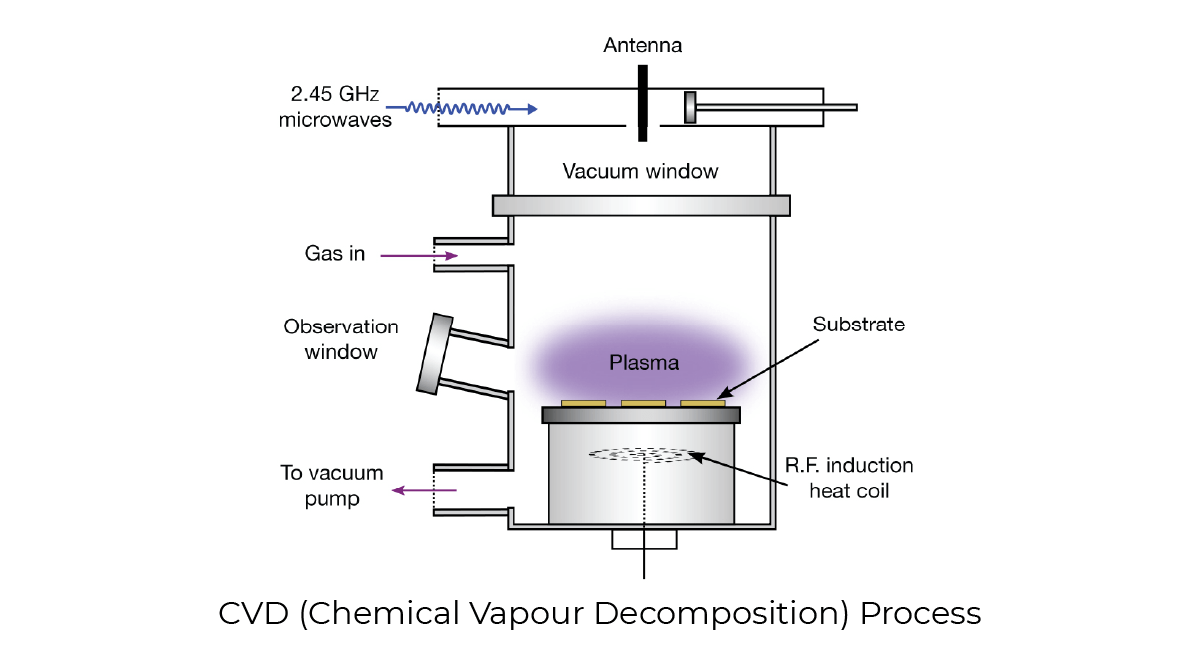
We will guide you all the way to help you purchase the best quality VVS diamond within your budget. Additionally, if you are confused about determining the price of your selected diamond, you can use our Diamond Value Calculator.

[blog_page_btn title=”buy certified lab diamonds” url=”https://www.loosegrowndiamond.com/inventory/”]

Conclusion

The difference between VVS and VS diamonds will always be obvious only to a handful of people with the required expertise. To an average consumer, choosing the “best” diamond has to be a choice made pragmatically as the difference will mostly go unnoticed by the naked eye. 

In such circumstances, it is always better to pay attention to the budgetary restraint every consumer exercises on themselves and focus on buying an eye-clean diamond. Buying a diamond of a higher clarity grade will not always prove to be a smart purchase or a better investment, instead, it is more prudent and profitable to buy diamonds of lower clarity grade that are clean to the naked eye. 

In the end, one must go back to the original saying that all diamonds will last forever no matter what the grade.

FAQ

Which is better VS or VVS diamond? 
VVS diamonds are considered higher in clarity and generally more desirable than VS diamonds.

How much is a vvs diamond? 
The price range of a VVS diamond starts from almost $149 to hundreds of dollars. The price of a VVS diamond can vary significantly based on factors such as carat weight, cut, color, and other quality characteristics.

How do you tell if you have VVS diamonds?
To determine if you have a VVS diamond, a professional gemologist would examine the diamond under magnification to assess the presence of very minute inclusions that are difficult to see even at 10x magnification.