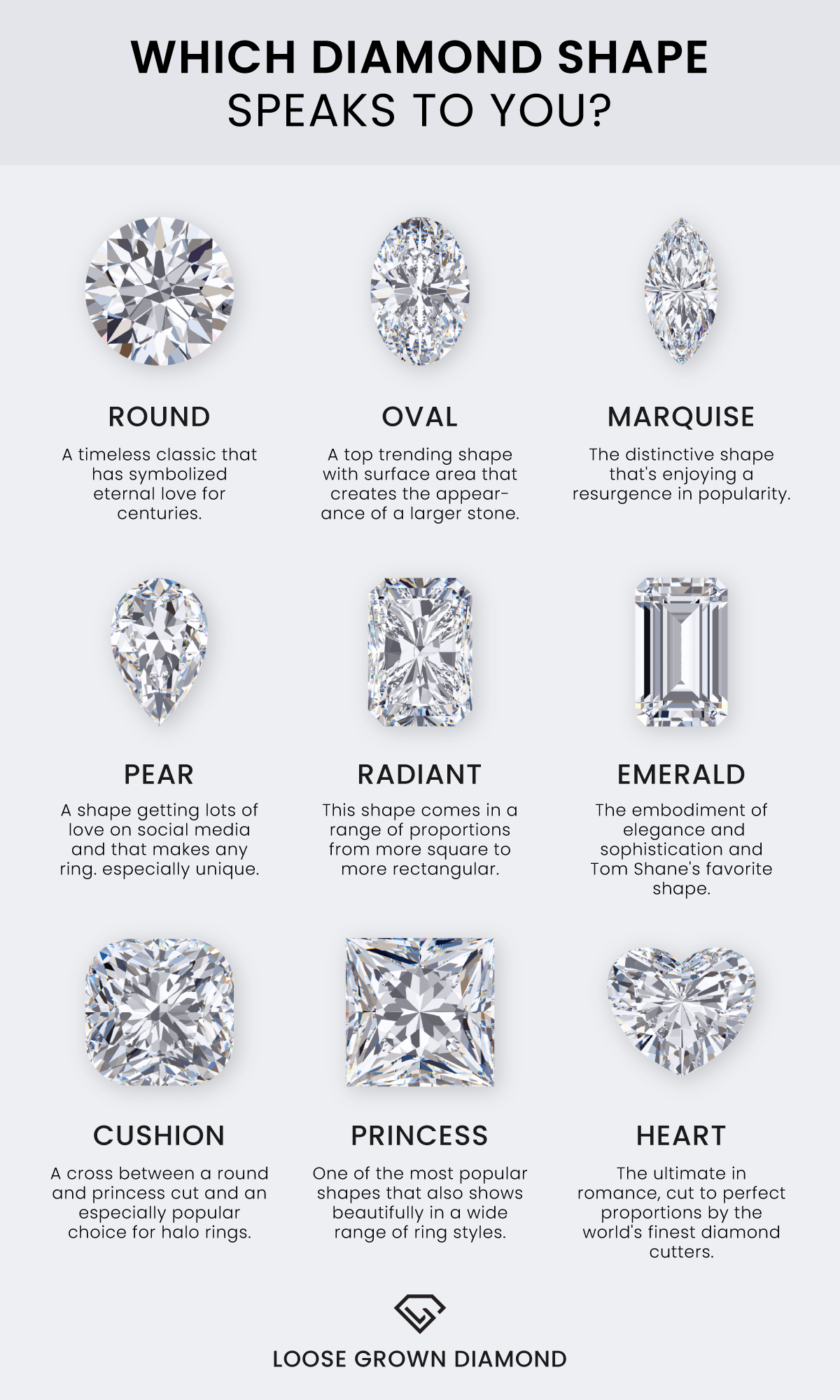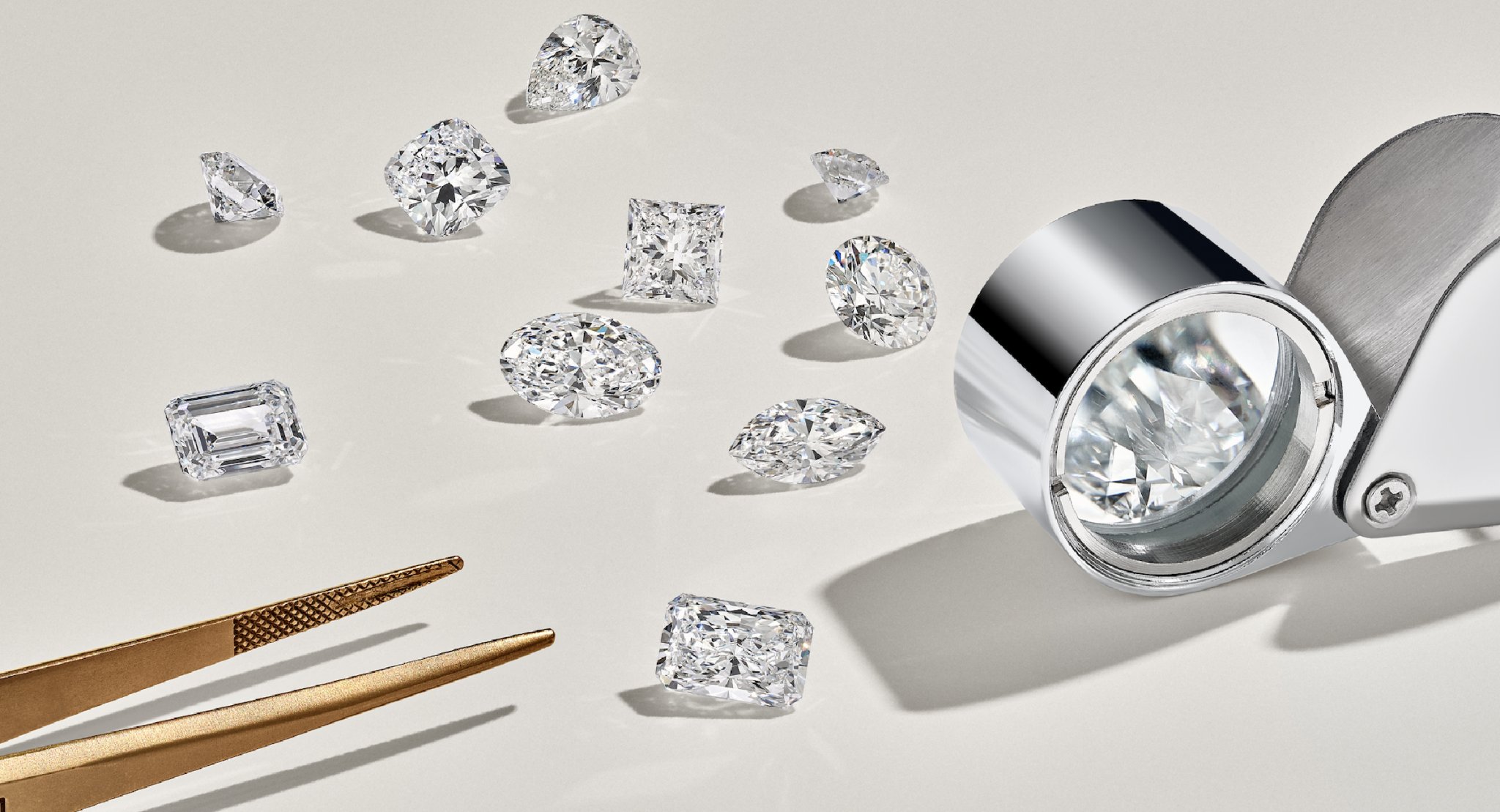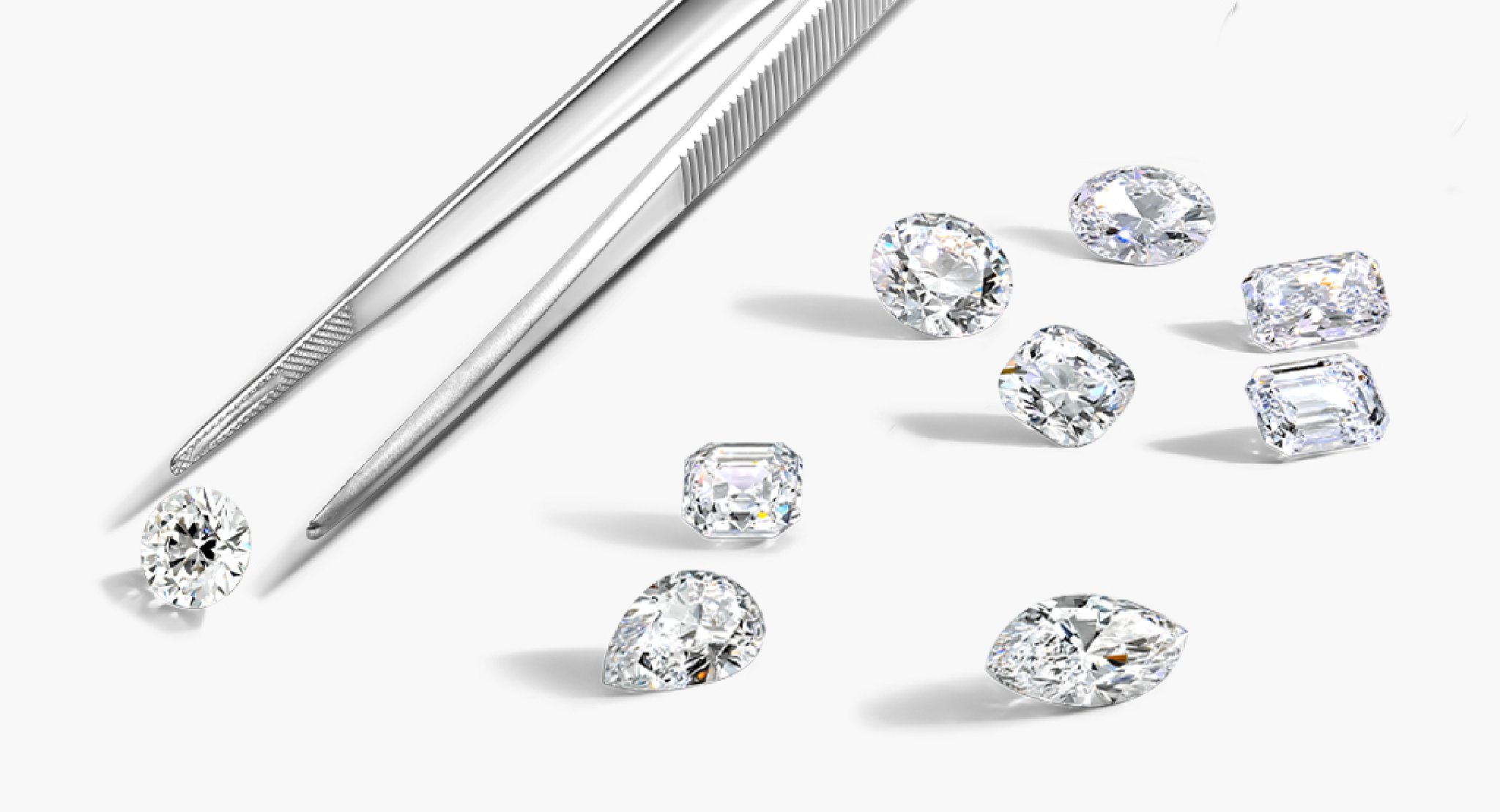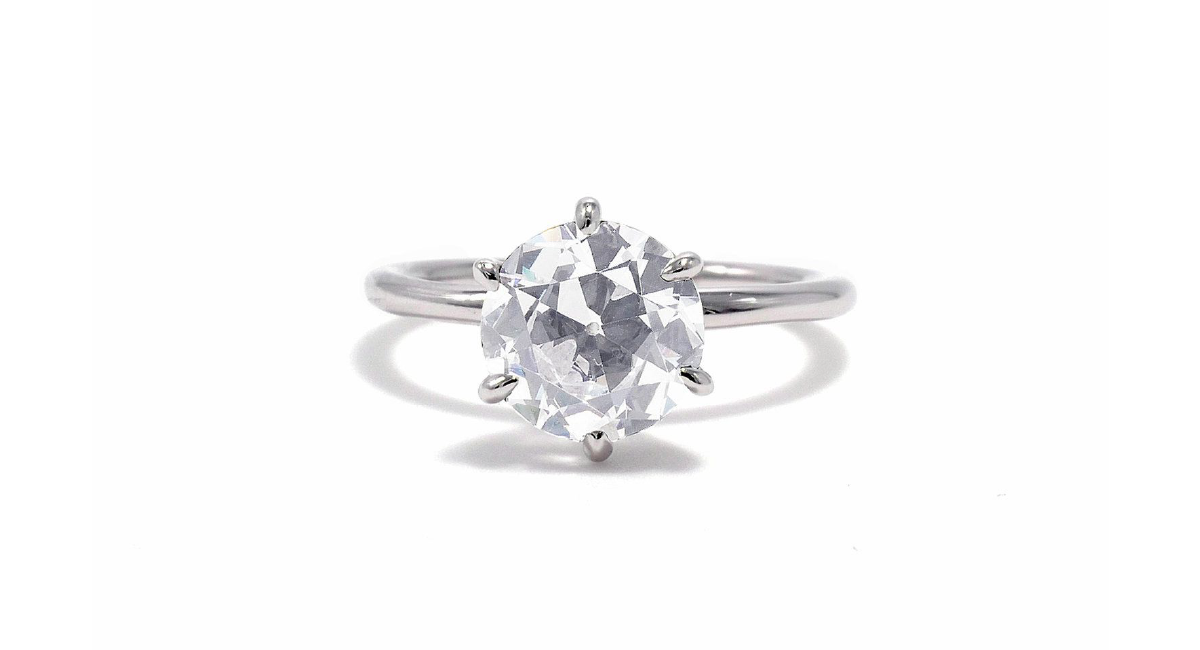
Elevate Your Style The Most Fascinating with Kite Cut Diamond

The kite shaped diamond is traditionally renowned because of its prolonged and angular structure. Without question, the dark hue of this form has caught the attention of many since the stone appears to be stunning and unique.

The shape, size and colors, everything is so glorious that the kite cut diamond is undoubtedly magnificent. It features a striking and distinctive aesthetic that highlights its notable and original shape.

What Do Kite Cut Diamonds Look Like?

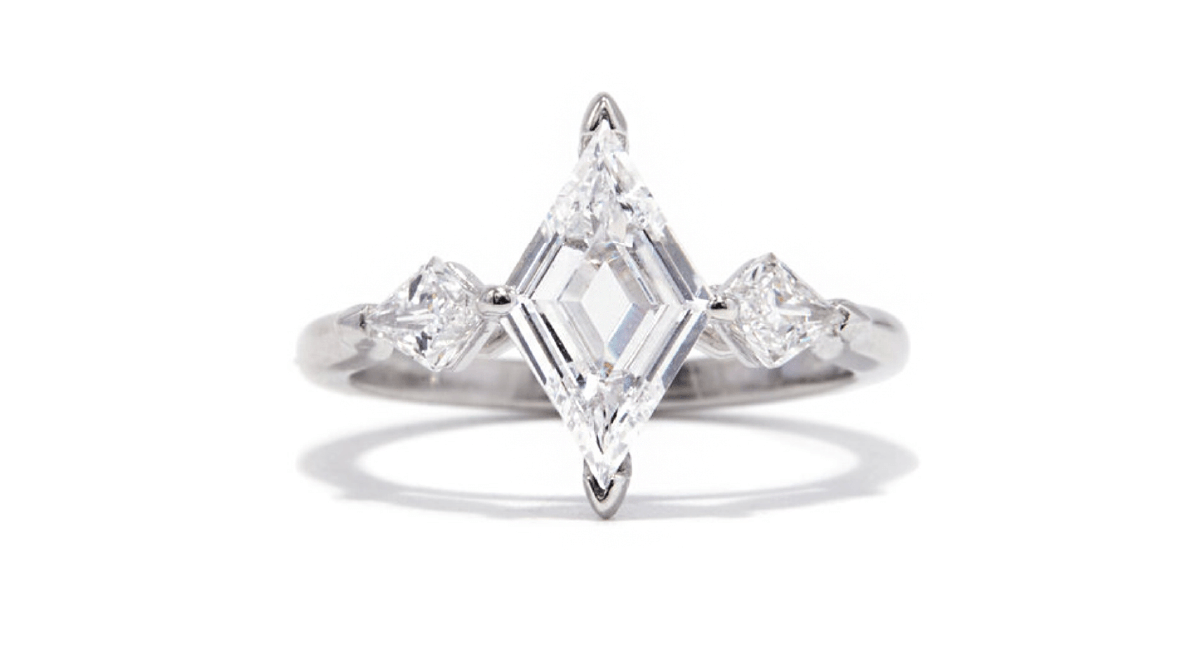
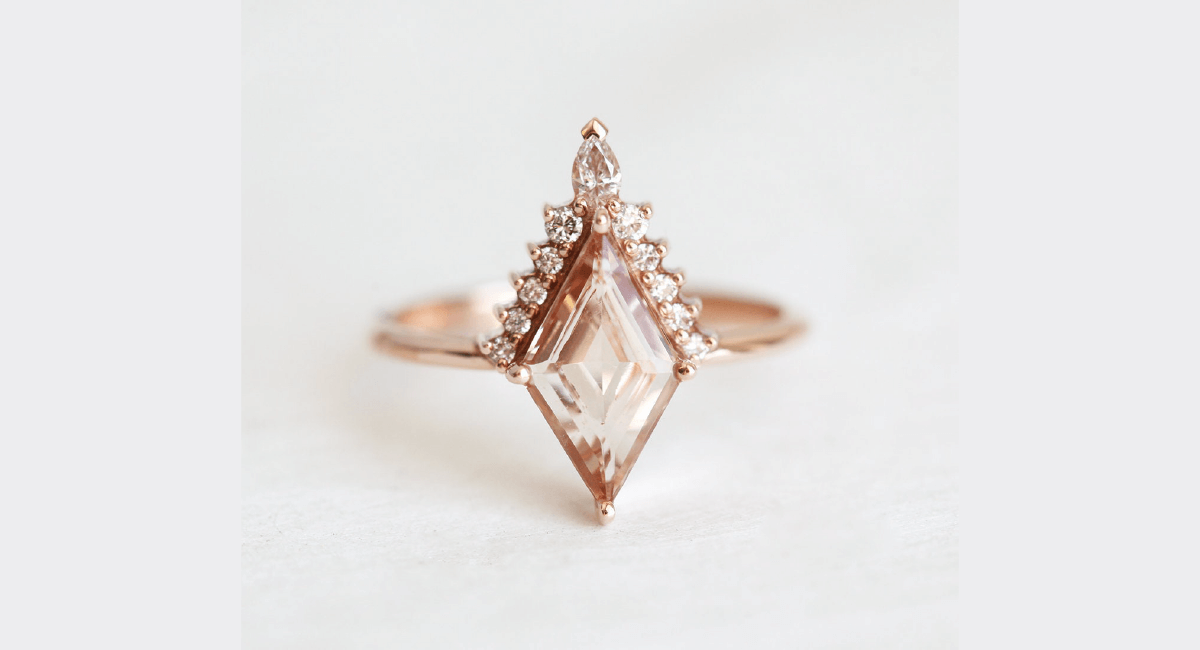
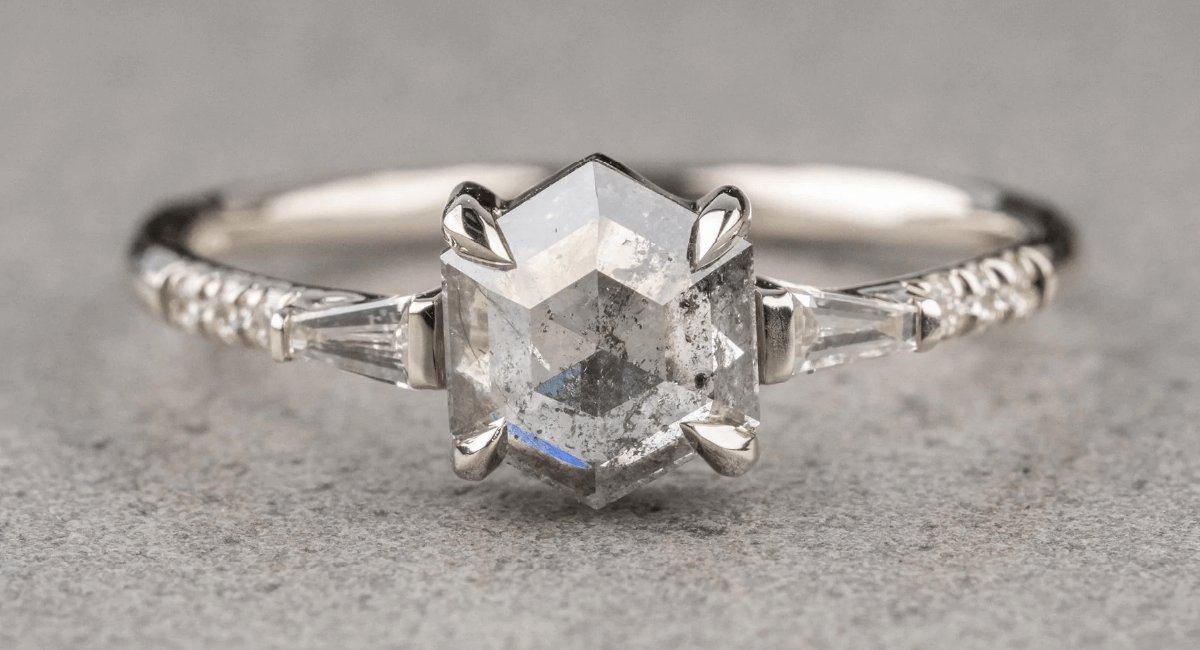
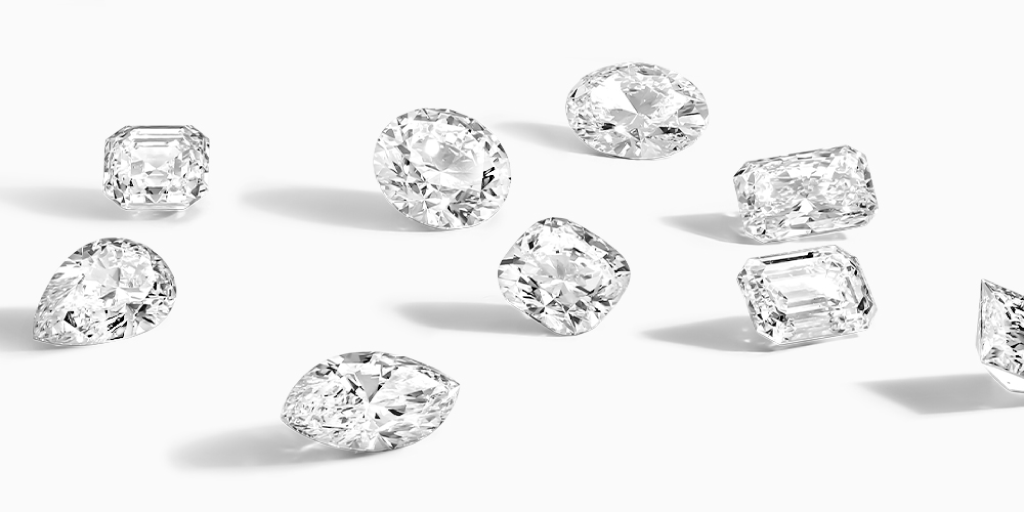
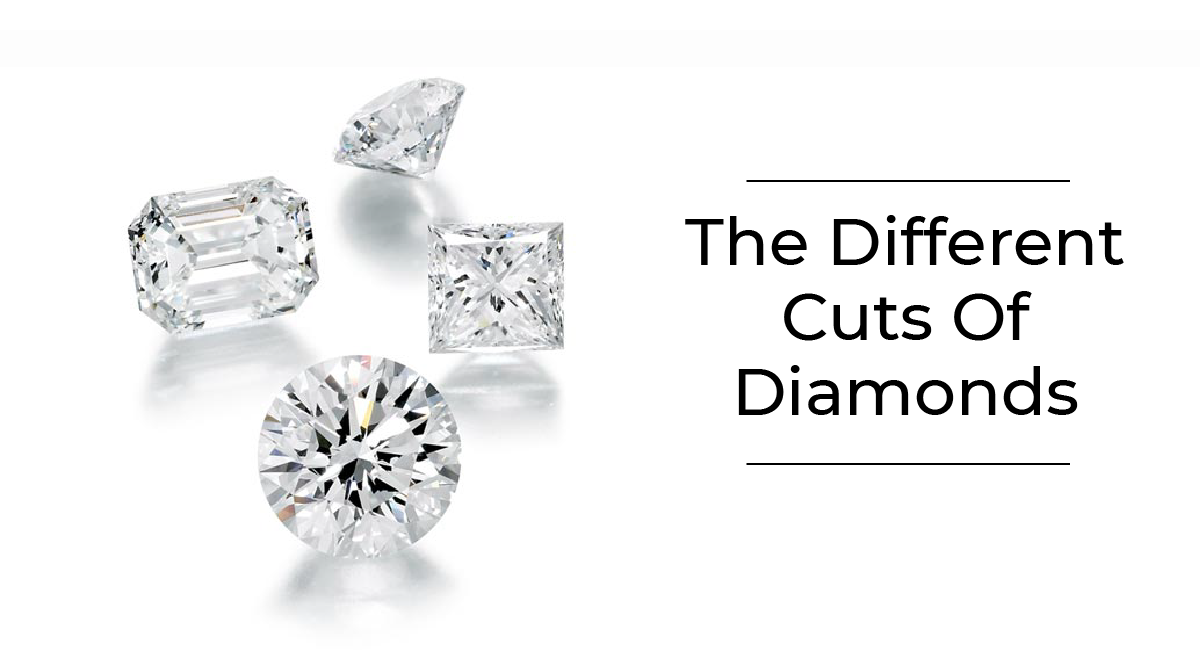
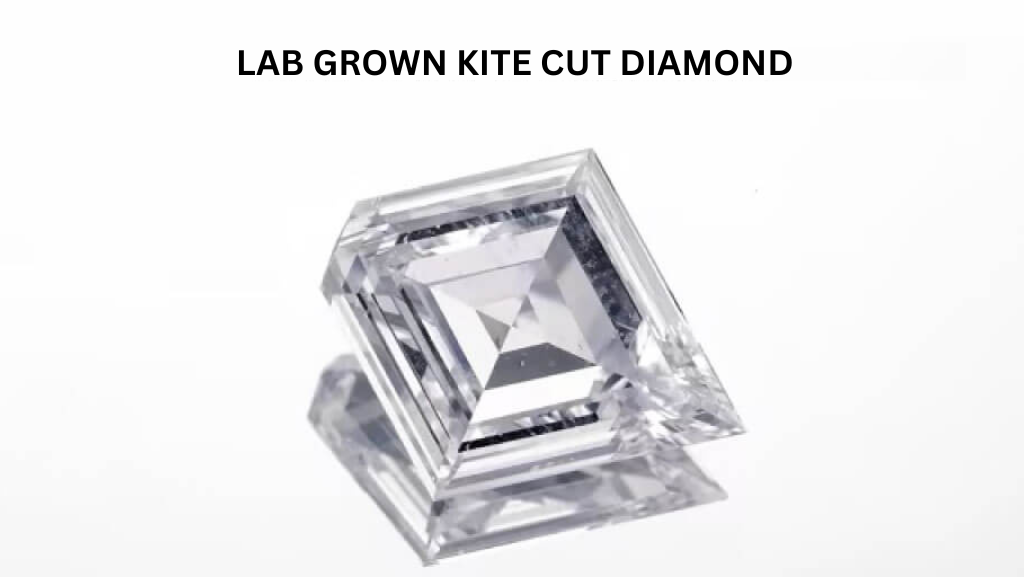
A kite-shaped diamond emanates a vibrant, geometric, rhombus-like cut. It has a brilliant shape similar to a princess-cut diamond and a step cut similar to an emerald-cut diamond.

The kite shape has been referred to informally as “the diamond cut diamond” due to its elongated length and four prominent features. These gems feature very precise cuts making them a fantastic option.

Elevate Your Style The Most Fascinating with Kite Cut Diamond

Additionally, because of its narrow step cut, it sparkles less but yet has a peculiar aura of its own. This gem makes excellent decorative stones and is frequently used in earrings and necklace pendants.

Additionally, a kite lab diamond may be used to create a design that, if they were fashioned in a manner to represent a single huge diamond, would be priceless.

For illustration, you can create a star form by joining the tips of five distinct kite diamonds. Doesn’t this make them fascinating? To know more about this shape of a diamond, read till the end because in this article we are going to cover every aspect of a kite cut diamond.

Kite Shape Diamond
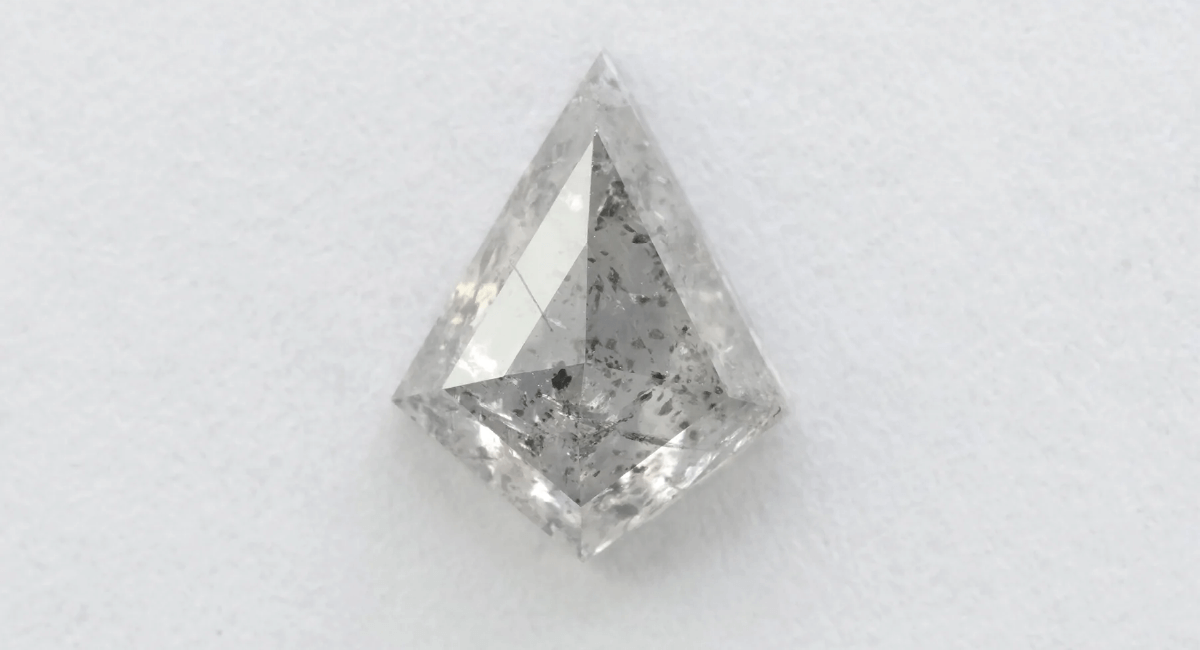
What are Kite Shaped Diamonds

Since the Art Deco era, which was in the 1920s and 1930s, kite cut diamonds have been a popular extravagant cut among those looking for an unconventional yet contemporary gem for their jewelry.

Regardless of the widespread use of dazzling white gems, kite-shaped diamonds are more widely available than other unusual gems like salt and pepper, gray, and black diamonds.

Colored kite shape diamonds can give you a celestial view as these gems seem to contain tiny cosmos inside their facets. They are the ideal option for kite diamonds due to their uniqueness and how they seem after this particular cut. They have a stunning quality that isn’t overtly obvious in their beauty and originality.

Secondly, they might be utilized to make a structure that would be far more expensive if it were made of one enormous diamond. For instance, you might combine the points of five separate kite patterns to produce a star shape.

The form is starting to gain traction as a center stone. Due to its step-cut characteristics, the kite diamond still sparkles subtly, resembling stars in the night sky. People still use it as a side-stone by placing it on both sides of a round brilliant, cushion cut or princess cut diamond.

Price of Kite Shape Diamond

Price of Kite Shape Diamond

Since the kite shape outshines other shaped diamonds, the price of this type of diamond will surely have a vast range. The price for a kite cut diamond starts at $600. So, for an average price that you should consider beforehand, a kite-cut diamond should buy for $1,200 per carat.

Talking about the ceiling price of such a kite diamond engagement ring tops out at $3000 to $5,000+ per ring. A traditional kite diamond ring can serve as both a basic engagement ring and a wedding band.

Also, if you are looking for a rustic kite shaped diamond, it will cost you roughly $2500 per carat, with the size being 2-10 mm (diameter).

We hope you have gotten a rough estimate about the pricing of kite diamonds. You can use our diamond pricing calculator to determine the right price for your diamond.

For the exact details, it is advised to visit an online store’s inventory so that you can compare the prices along with the designs and choose the best option available.

We at Loose Grown Diamonds have a vast inventory of numerous lab grown kite diamonds. Have a look and if you need any help feel free to contact us.

[blog_page_inventory shape=”kite” carat=”0.50,5.60″ cut=”0,4″ color=”0,10″ clarity=”0,11″]
[blog_page_btn title=”buy kite diamond” url=”https://www.loosegrowndiamond.com/inventory/?shape=Kite”]

Clarity of Kite Shaped Diamond

The GIA’s qualitative metric called diamond clarity assigns a grade to each diamond’s appearance. A diamond’s clarity grade will be higher if it has fewer inclusions or blemishes. 

A small high-clarity diamond will shine and sparkle with greater intensity than a bigger lower-clarity diamond. This goes for all diamonds including kite cut diamonds.

Clarity of Kite Shaped Diamond

Compared to VS2 clarity, which is a lesser grade, VVS1 is a greater clarity rating. At VVS, the grade is determined by pin-like inclusions which are impossible to look at with the naked eye. The value of a kite cut diamond’s clarity is influenced by its size and shape as well as other diamond qualities.

A Flawless (FL) grade diamond is without a doubt the clearest type of diamond, even for kite diamond cut. Minor inclusions are more noticeable in VS diamond grades than in VVS diamond grades, although at 10X magnification, even they are visible. 

Under magnification, SI grade inclusions are bigger and easier to see, but if the diamond is eye-clean and the flaws are strategically placed, SI clarity grading may frequently be a buyer’s greatest friend. These are some characteristics that will aid in your search for a kite cut diamond with the best clarity grade.

Should You Buy a Kite Shaped Diamond?

A diamond in the shape of a kite! Yes, a kite cut diamond ring may be the unique yet stunning engagement ring you are searching for. 

These gorgeous jewels have a heavenly appearance that is sometimes disregarded because of their imperfections. Despite the imperfections, kite-shaped diamonds are uncommon and may create a unique and beautiful engagement ring. 

These stones have a galaxy-like form, with each of their facets containing a distinct component of the galaxy. The pointy shape gives it an elongated look which makes it a preferred choice among buyers.

This stone fits people’s design ideas despite not being a conventional shape. Simply because it makes a stunning setting for an engagement ring. 

A kite cut diamond has two sides, one which is flat and has a big table while the other has a step-cut. The jeweler typically chooses the step-cut side since it has a more geometric appearance. 

So, if you are searching for something different yet want a diamond, you can go out for a kite cut diamond because it is not mainstream but is still glamorous and surely it will add beauty to any piece of jewelry it is placed on.

Our Top 6 Kite Shape Engagement Ring Settings

This shape in itself has a unique design, but there are different settings available which can enhance the beauty of a kite shape diamond engagement ring. The choice of setting is vital to determine the vibe of the ring. Let’s talk about the different settings a kite lab diamond can be placed in: 

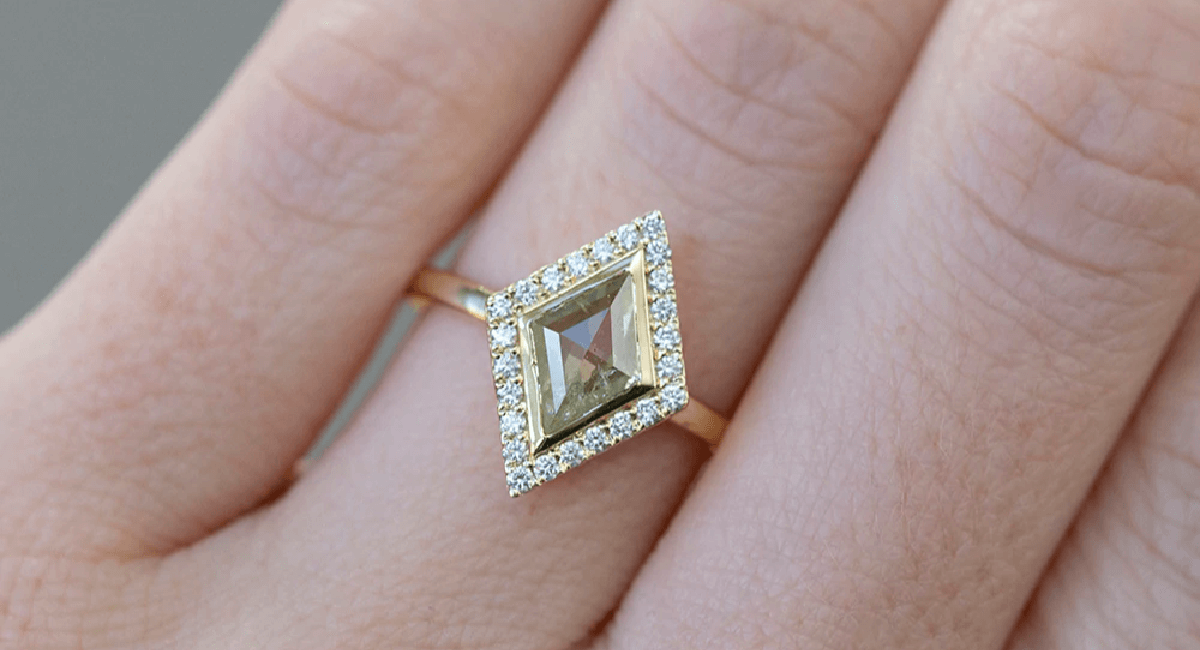
  1. Halo Setting

Halo Setting Kite Shape Diamond Ring

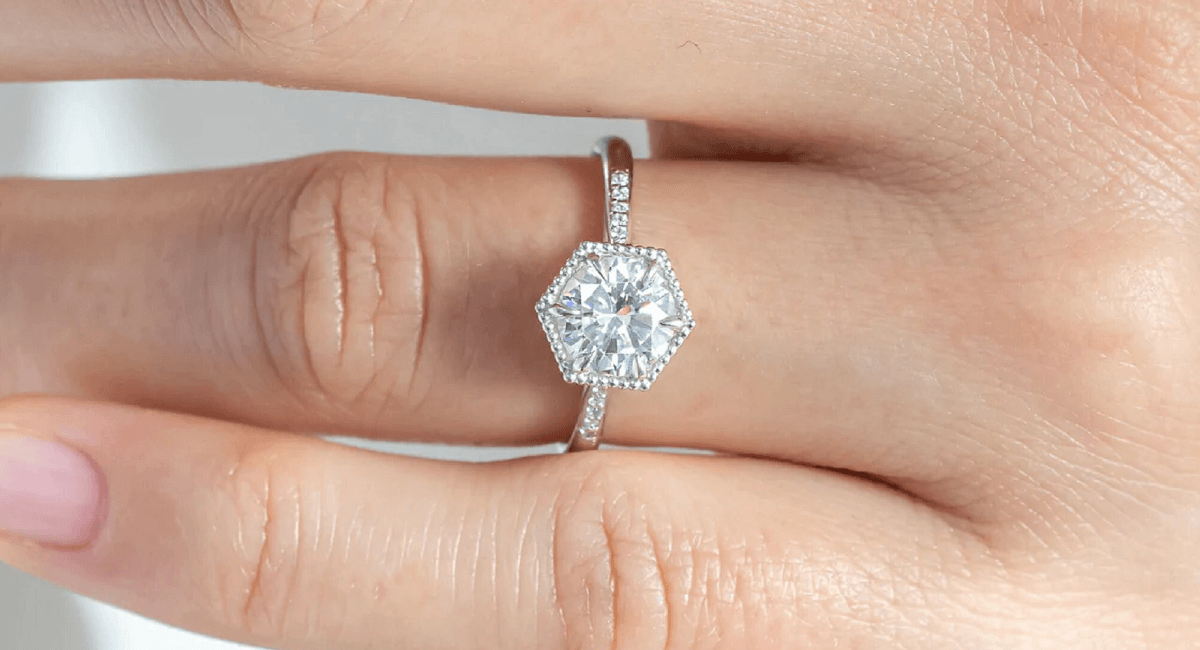
A ring type known as a halo setting has a central stone encircled by several side stones. Regarding the halo effect in a kite-shaped diamond, a single layer of extra stones on the halo setting can increase the appearance of the main diamond’s size by up to a half carat.

It provides a less expensive alternative to a solitaire setting where the item’s total carat weight (CTTW) is contained in a single diamond since it divides the CTTW of the piece across many jewels. 

The single, double, and triple halo effects are only a few of the variations available within the halo effect. In a single halo ring setting, a kite-shaped diamond will be encircled by one layer of stones.

Two layers of jewels surround the center diamond in a double halo, comparable to a single halo. The triple halo effect goes the same. When choosing a type of halo effect for your kite cut diamond ring, you must first decide if you want the jewel levels to complement or contrast one another.

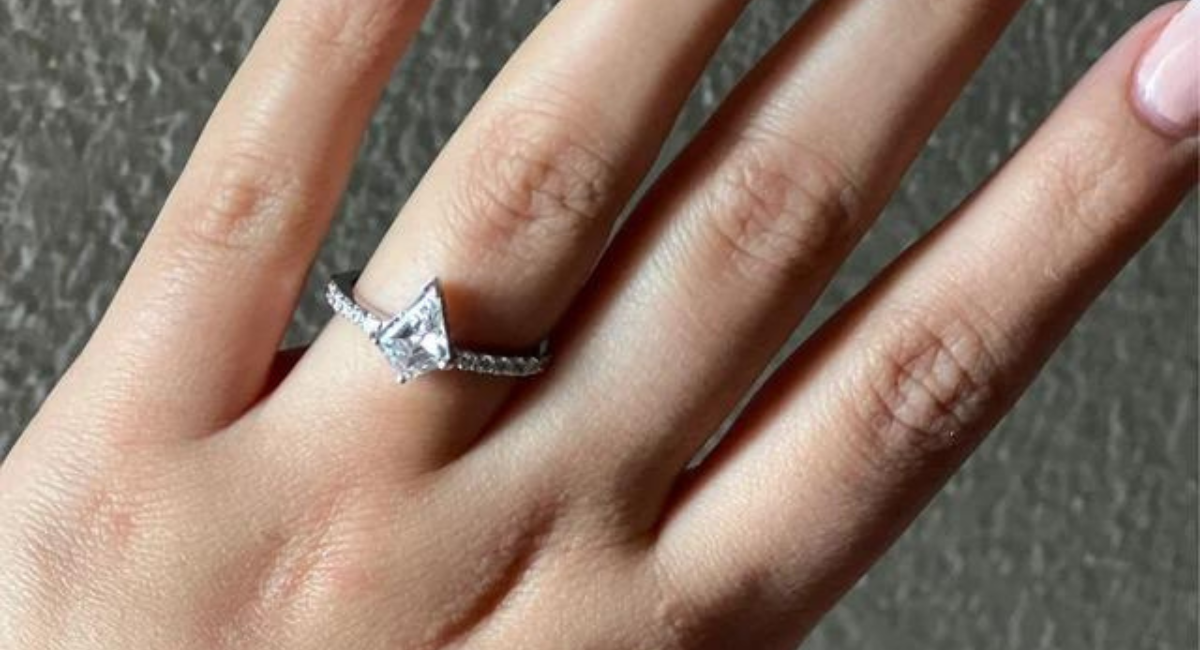
  1. Pave Setting

Pave setting Kite Shape Diamond Ring

In a pave setting, small diamonds or gemstones are implanted into the base or circle of a ring and secured by tiny hooks or beads, giving the impression of a continuous line of sparkling. The stones will be positioned so tightly together that the metal below them won’t be visible. 

This setting’s ultimate objective is to give the impression that glittering, freestanding stones are covering the whole surface of the ring. Talking about the pave setting in a kite cut diamond ring, if you think your ring could ever need to be resized, the best option is a semi-pave band rather than a complete one. 

Diamonds can be placed in rows on a broader band, a thinner, more delicate band, a split shank, or even a crisscross pattern. Whatever pave you select will provide a field of glitter that is amplified.

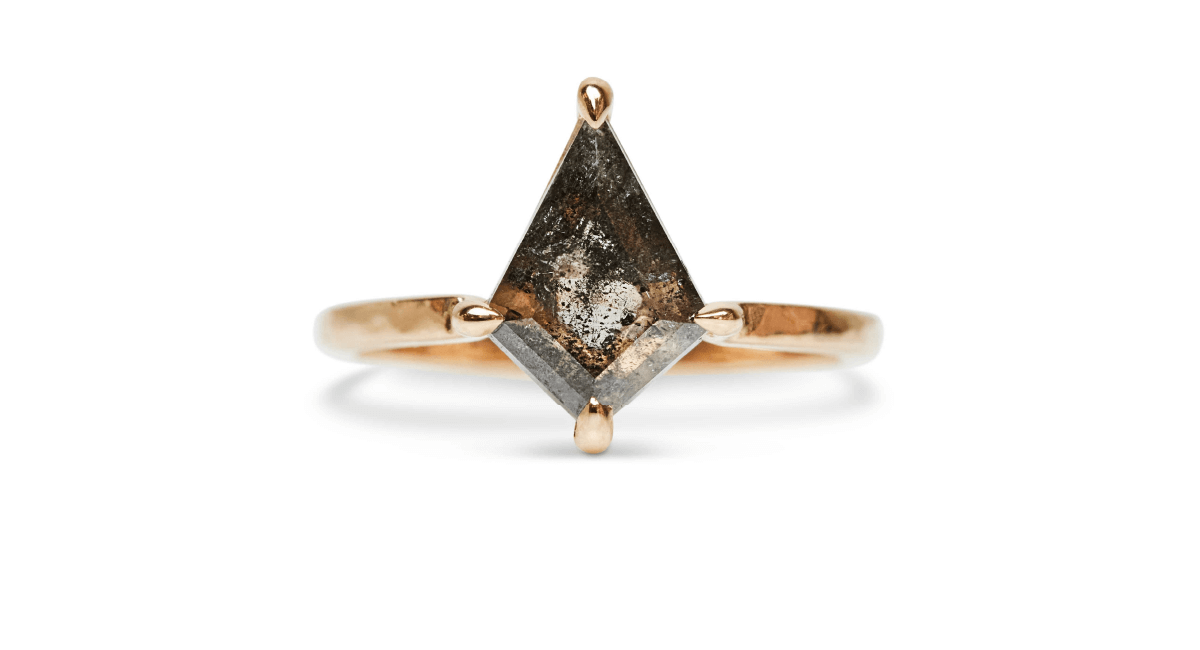
  1. Prong Setting

Prong setting Kite Shape Diamond Ring

A prong setting secures the diamond while letting light easily travel through metal prongs that are used to keep it aloft. There are two alternatives for the number of prongs in a kite-shaped diamond ring: 4 or 6. The prongs can be flat, rounded, pointy, or v-shaped. Your gorgeous kite cut diamond’s characteristics can be enhanced by using prong settings. 

The diamond’s fire and brightness are increased by the prongs’ large openings for light. On the other hand, you don’t want prongs that are too big or thick since they would obscure the center’s lovely kite form. In a perfect world, you would strike a balance between prongs that securely hold the diamond while yet allowing it to take center stage.

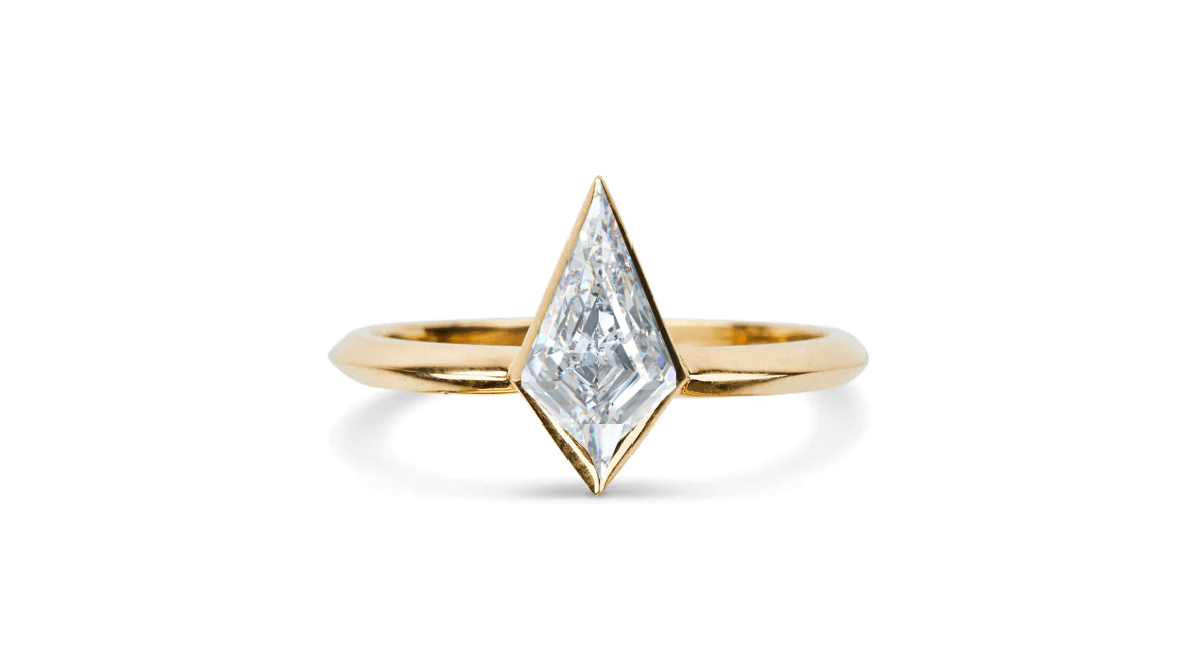
  1. Bezel Setting

Bezel setting Kite Shape Diamond Ring

It is referred to as a bezel setting when the diamond or gemstone is encircled by an arc with a thin metal rim. 

The gem is held in place by a metal collar that is formed around it. In addition to being useful, this setting gives the jewelry piece a touch of elegance. 

There are three bezel setting styles available for kite cut diamonds: complete, partial, or ornamental. 

For a kite diamond, the extra metal creates a streamlined form that looks good and goes well with the kite’s central shape. The bezel offers outstanding protection, even though it could lessen brilliance. 

Light from the sides cannot enter the diamond since the bezel setting surrounds the gem’s periphery. Bezel rings might cost more than other settings due to the weight of the metal and the difficulties of making the setting.

  1. Three-Stone Setting

Three-stone setting Kite Shape Diamond Ring

The three-stone setting, also known as the trilogy ring setting, is a well-liked option for a variety of events, particularly when purchasing engagement and anniversary rings. 

As you have undoubtedly guessed, there are three diamonds arranged side by side in this setting. As the three gemstones or diamonds stand for the kid and the parents, couples frequently purchase them for the birth of their first child. 

In essence, a three-stone kite cut diamond ring will just have three diamonds set one after the other in the center, giving the band this name. 

The three stones are frequently seen as a symbol of the past, present, and future, and this arrangement is considered romantic because of its eternal appeal. There is no doubt that the three-stone setting has exquisite symbolism, but how you choose to interpret it is all up to you.

To get all you want out of a three-stone engagement ring, you’ll need to do a little more study and budgeting, but if you strike a balance, you’ll love your brilliant trio for years to come!

  1. Sunburst Setting

Sunburnt setting Kite Shape Diamond Ring

Smaller diamonds are arranged in a sunburst pattern so they look like one bigger diamond. A huge center stone or a collection of stones of different sizes can be found in a sunburst ring.

In a sunburst kite diamond ring, the diamonds frequently take the form of an original pattern, like a flower or starburst, or a geometric shape like a square.

Additionally, this setting looks wonderful with a kite shaped diamond. These rings often cost less than solitaire rings since they don’t include as large of a diamond. The price of a ring is influenced by the precious metal, diamond grade, and carat weight.

Conclusion

Without a doubt, the kite cut diamond is a superstar in the diamond market. It shines into light more quickly than other cuts because of its expanded form, which would be greatly facilitated by four distinct lines. 

The final two columns, which are the longest, triumph at the end of the composition while the other two lines are angled to finally meet at their highest point. 

Most of us choose to keep things simple by calling it Kite Cuts instead of Diamonds since calling it Diamond might be deceptive. Have a look at kite cut diamond engagement rings today and select one for your significant other!

FAQs

What are the advantages of choosing a kite cut diamond?
Kite cut diamonds offer a contemporary and elegant look that sets them apart from more conventional diamond shapes. They also tend to appear larger for their carat weight due to their elongated shape, making them an excellent choice for those looking for a unique and eye-catching engagement ring.

What factors should I consider when purchasing a kite diamond?
When buying a kite cut diamond, consider the 4Cs: carat weight, cut, color, and clarity. Pay attention to the diamond’s proportions and symmetry to ensure optimal sparkle and brilliance.

Are kite diamonds rare?
Yes, kite shape diamonds are rare because of their shape and brilliance. Asymmetric cut along with different silhouettes is what makes it unique. Due to their distinctive hue, most kite-shaped diamond rings are in high demand yet rare.

Which diamond shape has the most sparkle?
Although theoretically, round diamonds will dazzle the brightest, various other elements might enhance a diamond’s brilliance. 58 facets make up the facet design of the round brilliant cut, which guarantees that light can flow through it in a way that produces the ideal brilliance.

What is kite diamond ring?
A kite cut diamond ring features a diamond that has been cut into a kite shape, and set into a ring as the central stone or accent stone.

What makes a kite diamond engagement ring unique?
kite shape, with its elongated appearance and pointed corners, sets these rings apart from more traditional diamond ring designs.
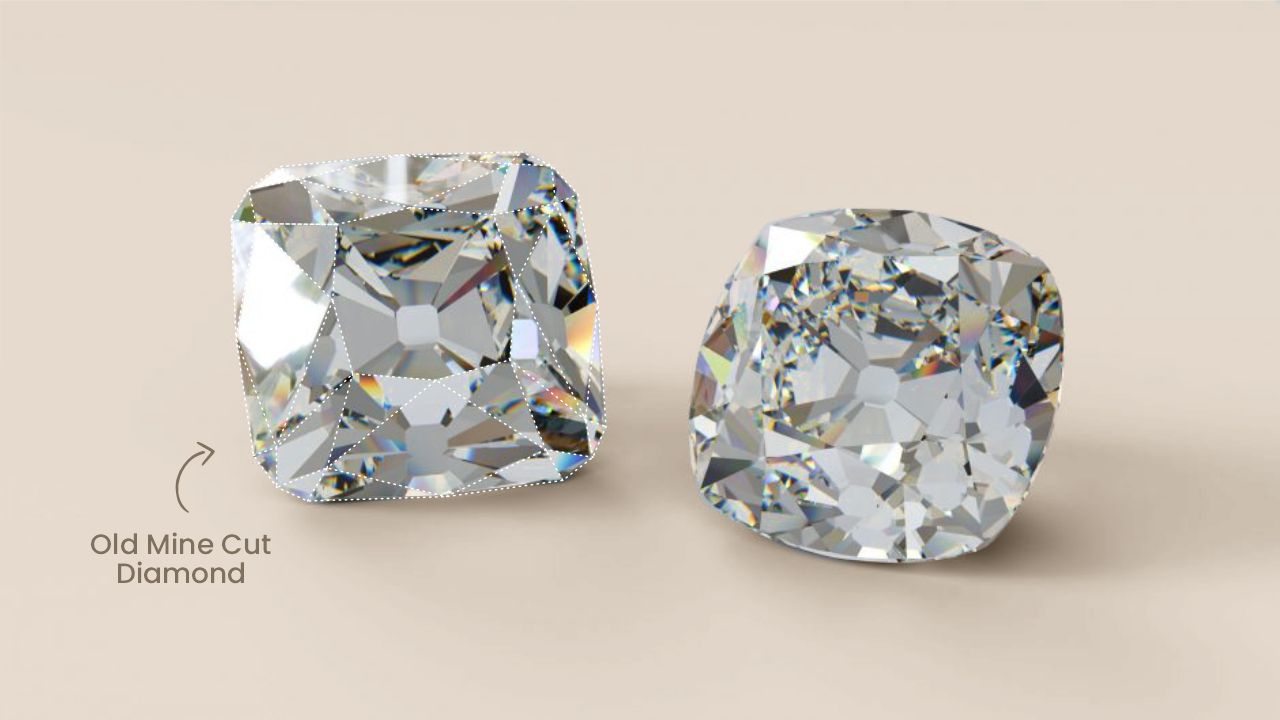
Everything to Know About Lab Created Old Mine Cut Diamond

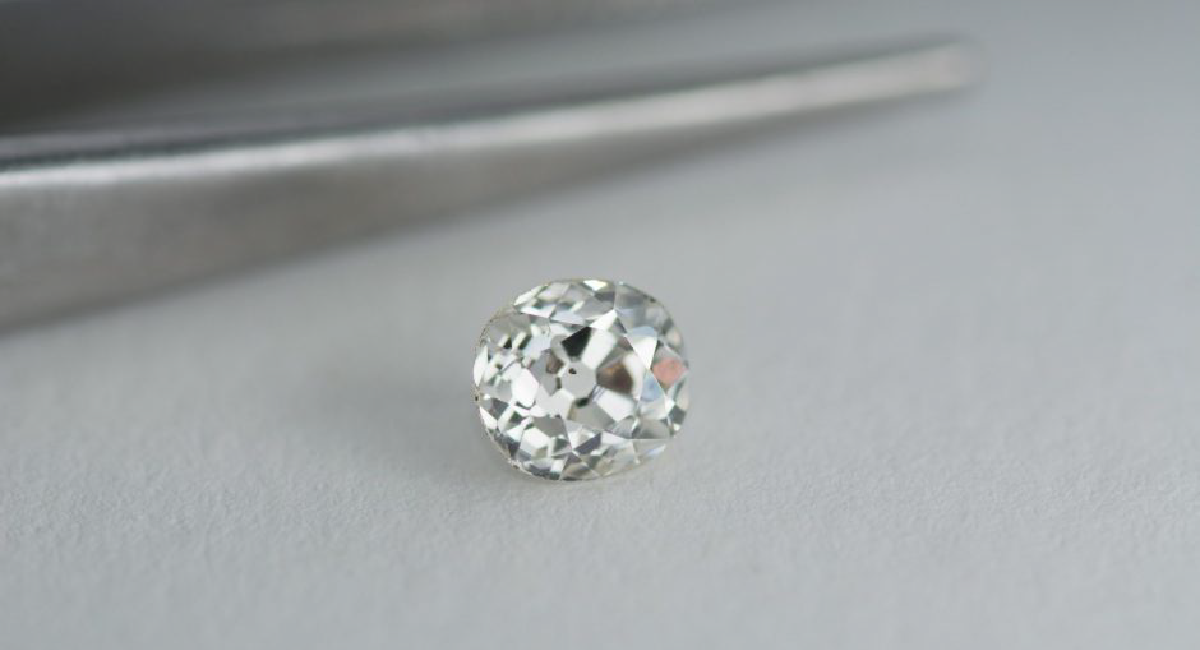
Lately, old mine cut diamonds have gained a newfound popularity due to a shift in interest toward more vintage styles. They have gained the spotlight with their stand out appearance having a squarish shape and curved edges giving that in-demand vintage touch.

But what makes these diamonds so special? Aside from their place in the history of diamond cutting, the fact that these loose grown diamonds are cut and polished by hand makes every cut unique and one of its kind.

With their very distinct and interesting history, and appearance that stand out, old mine cut diamonds open the doors into the world of vintage glamour each with a unique story and a mesmerizing sparkle that transcends time and a definite choice to add to your collection.

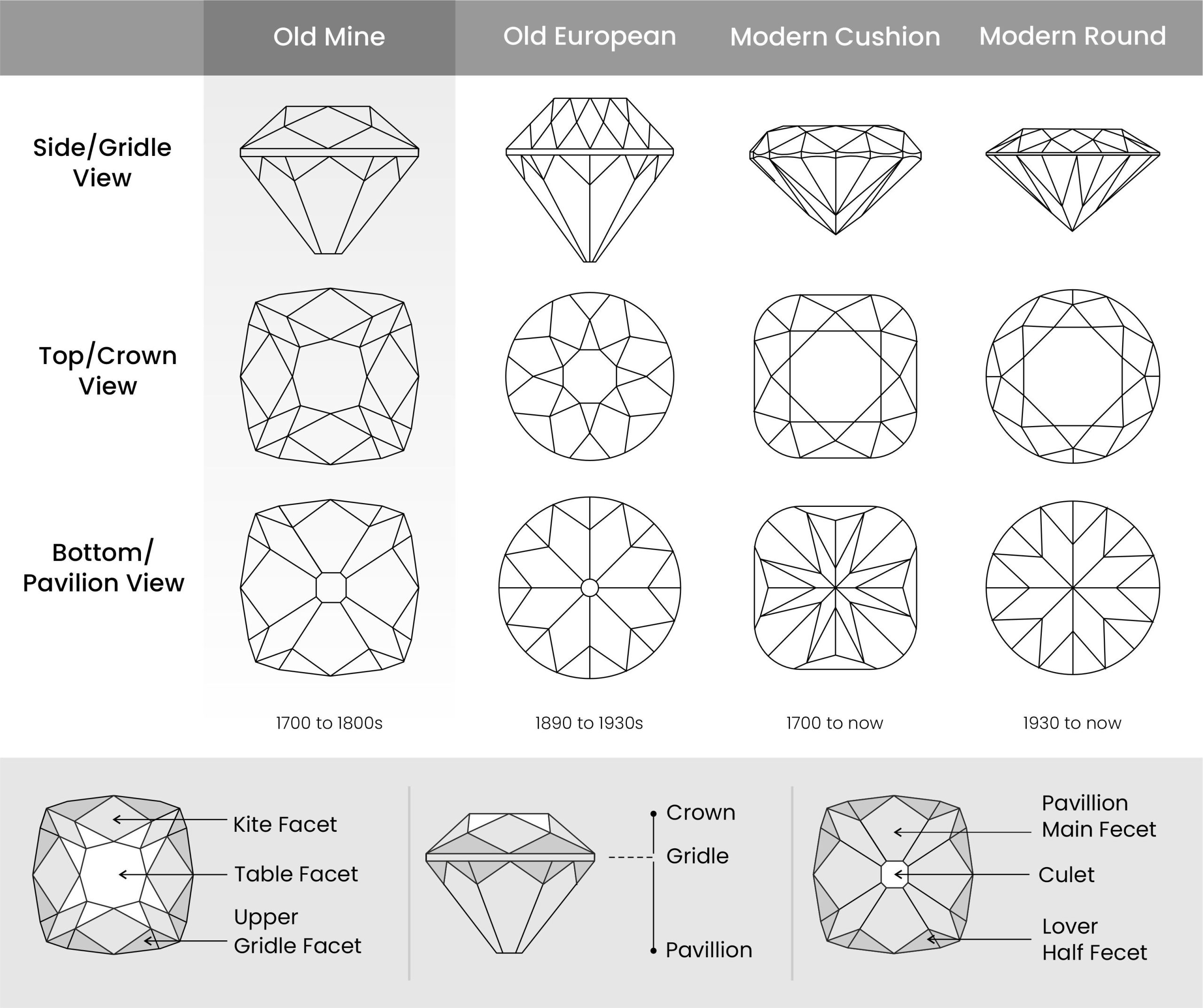
old European vs old mine vs cushion vs modern round

What is an Old Mine Cut Diamond?

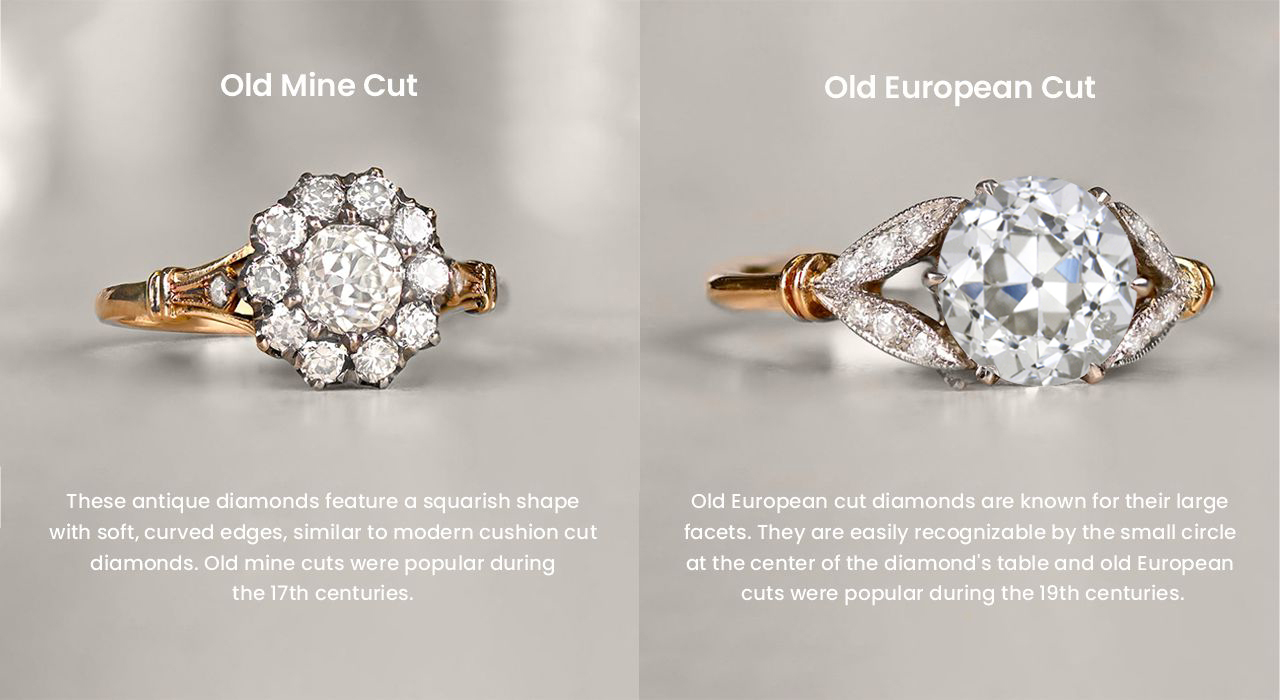
Old mine cut diamonds are diamonds that were cut by hand before modern cutting techniques were developed. They were typically cut during the 1800s and early 1900s and were shaped to maximize carat weight rather than brilliance and fieriness. 

They have fewer facets and a more subdued sparkle compared to modern diamonds, but their unique asymmetrical shapes and romantic appeal have made them highly sought after by jewelry collectors and enthusiasts alike.

Old Mine Cut Diamonds: Visual Characteristics

  • Old mine cut diamonds have a distinct appearance that sets them apart from modern diamonds and gives them a unique identity. 
  • They have an irregular shape as they were cut by hand, often resulting in an asymmetrical appearance. 
  • These diamonds also have a smaller table. For those who may not be familiar, the table is the top facet of the diamond. The smaller table of these diamonds can result in less light reflection.
  • These diamonds have a higher crown- the crown is the part between the table and the girdle. This makes them appear larger in size. 
  • They also have a deep pavilion, the lower part of the diamond which often gives a more subdued sparkle. 
  • These diamonds are defined by lesser facets- being 58 or less.
  • Another charming aspect of their appearance is the open cutlet- that is the bottom point of the diamond which gives it a cross-shaped ‘X’ pattern when viewed from the bottom.

Are Old Mine Cut Diamonds More Valuable?

Old mine cut diamonds have their own vintage charm. But whether they are more valuable than modern diamonds depends on various factors, like the 4Cs of loose grown diamond- cut, color, carat, and clarity grades, as well as the diamond’s age, rarity, and demand.

These diamonds have a distinct appeal and aura that makes them an amazing catch for vintage collectors. However, old mine cut lab diamonds often have fewer facets and a less brilliant and fiery appearance compared to modern diamonds, which can affect their value. 

In some cases, the rarity and historical significance of old mine cut diamonds may increase their value, while in other cases, their lower cut grades may decrease their value. Ultimately, the value of a diamond can only be accurately assessed through a professional diamond appraisal.

You can use our old mine cut diamond value calculator to get an idea of what your choice of stone may cost.

Old Mine Cut Diamond Value/Price

The pricing of these vintage collectibles is usually dependent on the carat weight of the piece. 

  • The price can usually range from $1,800 per carat for a 0.5 carat diamond to $5,800 per carat for an approximately 3 carat diamond. 
  • The price range for a 0.5 to 0.69 carat diamond is usually $1,800 to $2,000 per carat. 
  • For a 1-1.4 carat diamond it increases to about $2,700 to $3,300 per carat. 
  • The price increases further for 1.5 to 1.99 carat at $3,300 to $4,100 per carat and then at $4,500 to $5,800 per carat for a 2 to 2.99 carat diamond.

Old Mine Cut diamond vs old European Cut diamond

Old Mine Cut vs Old European Cut

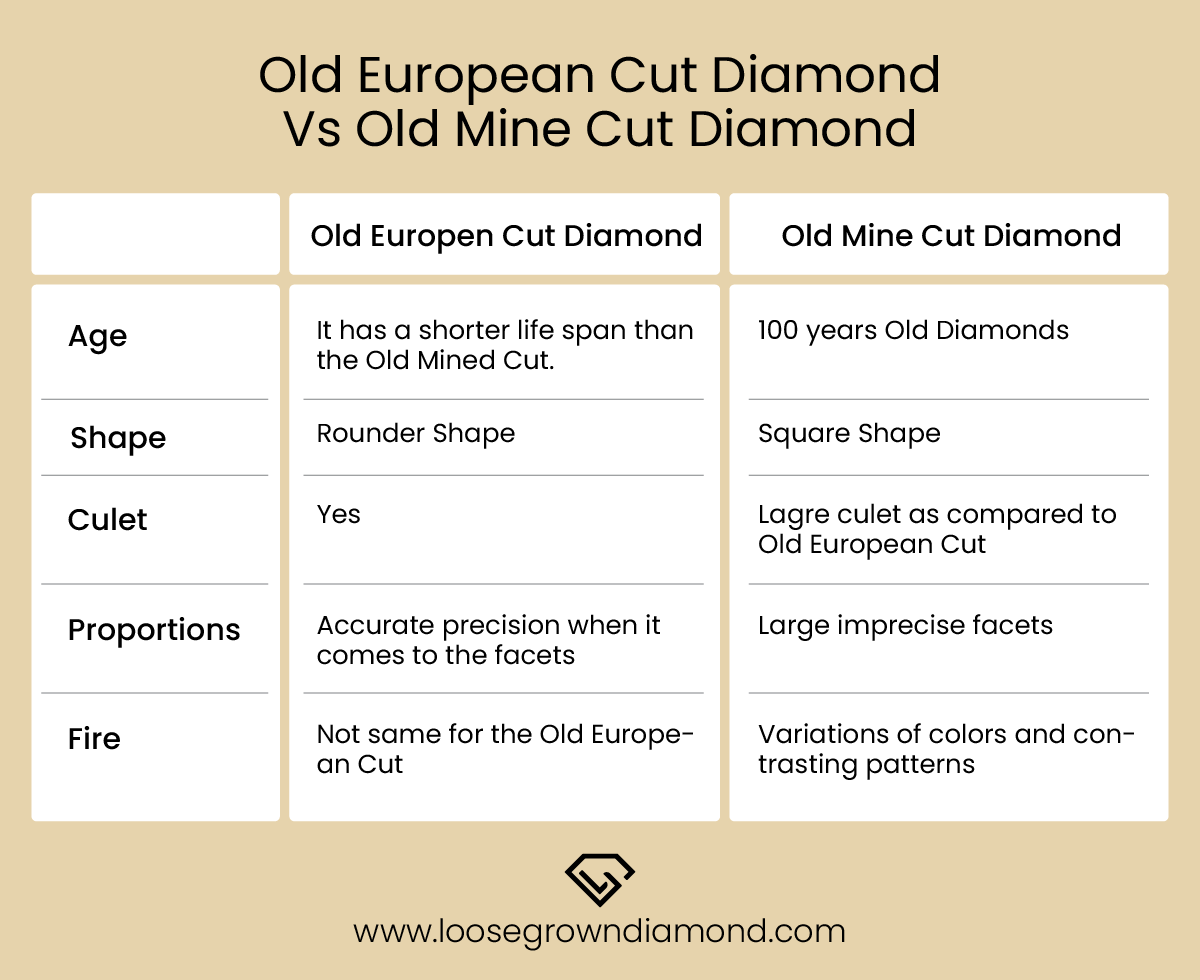
So, here’s the deal with Old Mine Cuts and Old European Cuts. When it comes to old mine and old european diamonds, the main difference is their shape. 

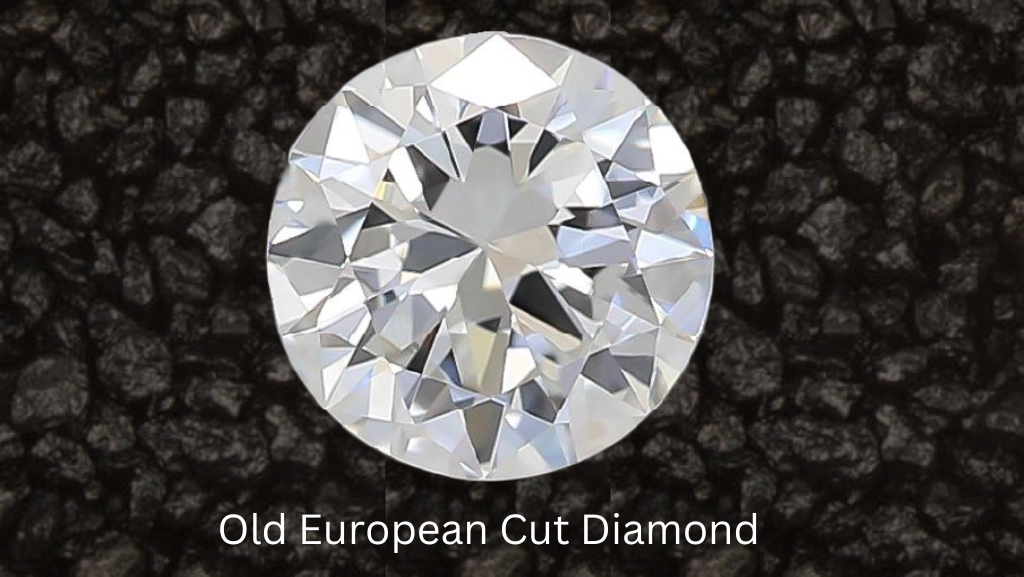
Old mine cuts have that gorgeous cushion-like shape, while old europeans are more of a classic round shape. Old europeans are round, which makes them brighter and sparklier, while old mine cuts have a more distinct shape, faceting, and overall appearance.

A fun fact about both these loose grown diamonds is that they both have cutlets. But the cool thing about antique diamonds is that they have something called an open culet, which means that the point is polished flat, resulting in a visible circle within the stone.

Tips for Buying Old Mine Cut Diamonds

If you’re looking for an old mine cut diamond, you might face a bit of a challenge as they’re pretty rare. Only a handful of diamond dealers still sell them, which means you’ll need to do your research to find one.

Here’s a hot tip for you: focus more on whether you personally find the lab diamond attractive rather than its GIA certificate. After all, what really matters is that you pick a diamond that you truly enjoy looking at. This diamond size chart will give you a thorough approach to identifying your size.

And when it comes to settings for your old mine cut diamond ring, consider pairing it with yellow gold or rose gold. Why is that? Well, it turns out that many of the colorless antique diamonds (graded DH) have been recut over the years into modern diamonds.

So the ones that remain are the ones that have a bit more character and history. These metals can complement the warm color of the old mine diamond cut, making it look even more beautiful. Luckily, you can find this setting with most antique engagement rings.

The key is to choose a lab grown diamond that looks attractive to your eye. The warm color of an old mine cut diamond is actually part of its charm, so it’s not fair to judge these diamonds by modern standards. Additionally, you can use our promo code for your diamond. So go ahead and embrace the unique beauty of these antique diamonds!


Conclusion

Old mine cut diamonds are an enchanting reminder of a forgotten era. With their distinctive shape, unique faceting, and warm color, they offer a glimpse into the past while still dazzling in the present. While they may not meet modern standards, their character and history make them highly prized by collectors and those who appreciate the beauty of antique diamonds.

Whether you’re seeking a unique engagement ring or a rare addition to your collection, old mine cut diamonds are sure to captivate any individual.

FAQs

What is an old mine cut diamond?
An old mine cut diamond is a vintage style diamond that is cut by hand and was typically done in the 1800s and 1900s.

Where to buy an old mine cut diamond?
You can buy old mine cut diamonds from antique jewelry stores, specialized dealers, or online retailers/auction sites. Be cautious when buying online and only purchase from reputable sellers with detailed information and certification. Consider consulting with a diamond appraiser or expert to ensure a fair price and quality diamond.

Are old mine cut diamonds more valuable?
Old mine cut diamonds can be more valuable than modern diamonds, depending on their rarity, size, quality, and historical significance. However, their cut grades may be poorer than modern diamonds, which can decrease their value. A diamond expert can provide a better understanding of the diamond’s value through an appraisal.

Are old mine cut diamonds sparkly?
Old mine cut diamonds have fewer facets and different cutting techniques compared to modern diamonds, resulting in less sparkle. However, they have a warm glow and a romantic vintage feel that many find attractive.

What do old mine diamonds look like?
These diamonds have a unique appearance with a slightly rounded square or rectangular shape, fewer facets than modern diamonds, a larger culet that creates an “X” pattern in the center, and larger and more irregularly shaped facets that give them a more subtle sparkle and a soft, romantic glow. Overall, they have an alluring vintage charm and character adding to their value.

What does old mine cut diamond mean?
Old mine cut diamonds are diamonds with a vintage look that were traditionally hand-cut in the 1800s and 1900s. The phrase “Old Mine” describes the fact that these diamonds were typically mined by hand utilizing old techniques that are now seen as antiquated. As a result, they frequently have distinctive shapes, with each lab grown diamond being unique in its own manner.

Are old mine diamonds rare?
Old mine cut diamonds are considered rare and highly valuable due to their historical significance and unique appearance. They gained popularity during a particular era in history, and many have since been lost or damaged, making them more difficult to acquire.

Besides that, old mine cut diamonds were frequently hand-cut utilizing vintage cutting methods that are no longer common, making each diamond special. The irregularities in shape and cut also mean that it is difficult to find a matching pair or set of old mine cut diamonds, which adds to their rarity.

Flawless Diamonds: The Ultimate Symbol of Perfection and Prestige

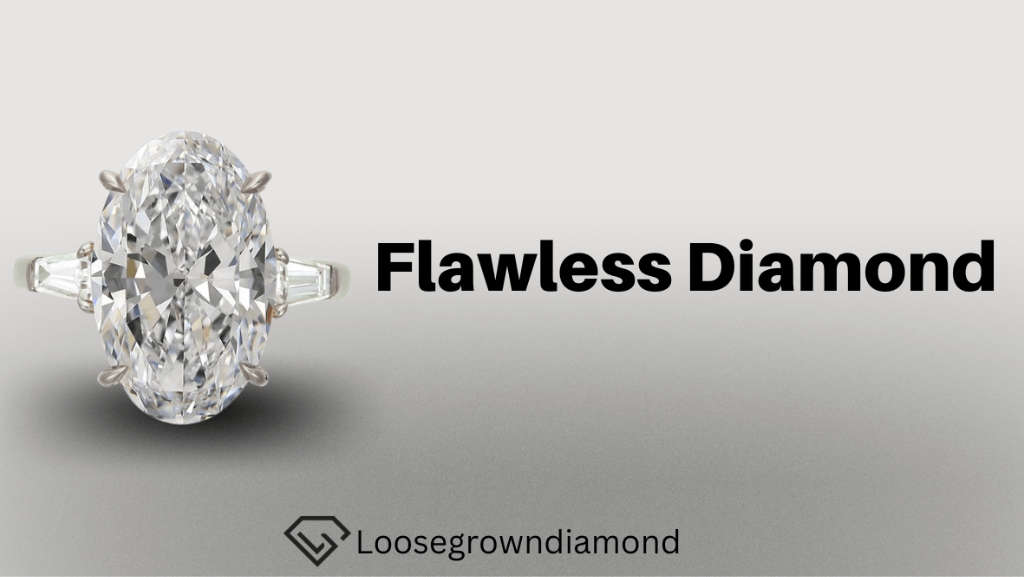
Starting with the word “flawless,” what do you think this means? It refers to anything that does not have any imperfections or defects. Therefore, diamonds with top clarity grades that have no defects within are called “flawless diamonds.”

Since no diamond is completely free of flaws, it is hard to find the ones with an FL grade, and less than 1% of all diamonds get this grade.

The question now arises: is it easy to find a flawless diamond, or is it so rare that one cannot easily find it? Since these diamonds require several severe prerequisites to be met before being developed, they are very difficult to procure.

Fans and buyers are interested in such gemstones, but it is not easy for them to find them. Flawless cut diamonds are gems that are perfect, very rare, and very expensive, and you can’t see any flaws in them when you look at them with a 10x or 20x lens.

So, if you are planning to buy a flawless diamond, you should consider that you will not find it easily.

People want them because they are clean and unique, even though they are expensive. To know more about flawless diamonds, you should read the article till the end.

What Is a Flawless Diamond?

What Is a Flawless Diamond

Considering the fact that diamonds encounter harsh conditions throughout their development stage over hundreds of years.

There will always be something wrong with them, even if it’s just a small flaw that can’t be seen with the naked eye but must be visible under a microscope.

However, as stated in the above paragraph, flawless diamonds have no blemishes. How is that even possible? Internally Flawless (IF) diamonds have apparent flaws and inclusions, but none are noticeable.

Hence, a flawless diamond may contain flaws and defects, but it will rarely have noticeable inclusions.

In reality, a flawless diamond is still not considered to be the purest, i.e., it will still have certain imperfections that require a minimum of 60 to 100 times zoom in a microscopic view to see.

Flawless diamonds have no obvious flaws or imperfections. Even though we all attempt to achieve perfection, a defect or three often keeps us rooted.

Under a microscope, it is the absence of symmetry that distinguishes the internally flawless diamond, too. In a deep taste of celestial humor, the IF diamond tells us all that what is on the inside is more important than what is on the outside.

Benefits of A Flawless Diamond

Until now, it has been clear that flawless diamonds are surely not the ones you can easily get your hands on. Despite their high price, a certain class of people prefers these diamonds. Have you ever wondered why?

  • Many buyers prefer flawless diamonds because, well, who doesn’t like perfection? It is nothing but a kind of internal satisfaction that people attain while possessing top-notch items.
  • From a distance, flawless diamonds create a great visual impact, making them worth buying.
  • Flawless diamonds are intended for enthusiasts who seek the prestige of possessing a scarce gem. Even if you have a half-carat flawless diamond, its sparkle can easily light up a room.
  • A good variety of the other 4Cs—color, cut, and carat—are available for flawless diamonds.
  • Clarity is a thing that dominates in flawless diamonds, but despite that, when you look at the options available in this range, you will surely want to buy it.
  • When individuals hear the term “flawless,” their brows crease. Flawless is at the top of the list whenever it relates to gems. Nothing really exists from above. They are incredibly rare. It is humanity’s greatest masterpiece, and there is hardly anything else on the land as beautiful as it.

Should You Buy Flawless Diamonds?

If you aren’t concerned about money and want to get your hands on something worth the cost, you should look at flawless diamonds.

But if you prefer color and cut-related factors in a diamond over clarity, you should opt for other options like VS1 or VVS1.

So first, settle on which factors you are primarily looking for in a diamond. and then make a decision accordingly.

If you still prefer to buy a flawless diamond ring, maybe a key question you should ask yourself is which color and carat size you would like to go for so that it looks fabulous.

Moreover, if you find yourself confused about determining the carat size of your chosen flawless diamond, you can make use of our diamond carat size chart.

To make it clear, we’ll just use the word “beautiful” to express how you desire the stone to appear on her hand.

For different people, perfection may lie in different things. Aiming for a purity grade better than VVS is unnecessary for some. Especially if you plan to enhance the luster and sparkle of the diamond ring by adding more diamonds or a precious metal band.

We suggest that if you have the money, go for a larger carat, a superior cut, and a brighter hue. A bigger VVS diamond will look much more appealing than an FL diamond with a half-carat weight.

Usually, the vast majority of individuals purchasing a wedding ring will not want their fiancee to notice any faults in the gemstone when looking at it.

So, first, have a clear idea if your partner would actually like flawless diamonds, and then decide on the other factor.

To give you a sense of how rare these jewels are, just seven stones weighing more than 100 carats have been auctioned in the past 30 years, and just one of those has been purchased. 

Even the recently auctioned 102.34-carat stone was considered “flawless.” It is an oval diamond with a D color grade and costs around $10 million to $30 million.

Flawless Diamond Price

Diamonds with lower clarity appear similar to perfect-looking stones but will be priced much less when compared to flawless diamonds. We’ve talked about how expensive flawless diamonds are several times; let us give you a more accurate figure.

Other than clarity, carat, cut, and color are the most important factors that determine the value of a gem, especially a diamond.

Because the color and cut of a diamond play a crucial role in its price, it’s difficult to give a precise value for a 1-carat FL gem. Furthermore, because these immaculate diamonds are so uncommon, the price of a perfect 1-carat round cut, a flawless diamond with a GH color ranges from around $4,100 to $7,000 per carat.

Bigger perfect gems are considerably rarer, and their values reflect this; since larger FL, and IF gems are much more uncommon, the price increases rapidly as the carat increases.

Although purchasing an upper purity certification may appear as the best way to ensure a gorgeous diamond, investing in an FL or IF grade is not really a smart investment. How so? 

Because no one will be able to tell the difference between an IF and an FL diamond, visually clean stones of lower grades, such as VVS1, VVS2, VS1, and VS2 stone, can be found; these gems will appear just as clear as an FL diamond. However, a flawless diamond will undoubtedly cost you extra money.

If you select an eye-clean VS1 or VS2 diamond, you’ll get a gorgeous stone while paying almost 60% less in comparison to an FL diamond.

How to Choose a Flawless Diamond?

If the flawless diamond range fits your budget and you are now wondering which diamond would suit you the best, then let us help you out.

Color: Of course, each of us would like a diamond with the highest grade of the 4Cs, especially the color grade. The higher the color grade, the more royal the stone will look.

Also, remember that most rare diamonds are colorless when choosing the diamond color. Some gems have subtle yellow hues that are difficult to notice with the human eye. Here “color” does not refer to colored diamonds (blue, brown, black, pink, etc.)

Have an idea about the color your partner wishes to have, or else it is advised to go for the least-colored diamond to make its shape more noticeable and make it look more royal.

Cut: If you are going for a flawless cut diamond, it is recommended that you go for the highest cut level according to GIA or IGI standards. That is “excellent” or “ideal” grades, respectively. A diamond’s cut plays a vital role in depicting its overall greatness.

Carat: In the case of flawless diamonds, it will be hard to find a big-carat diamond as they are scarce. Anything above 2 carats will easily cost you thousands of dollars. Thus, make a decision wisely.

Metal: The metal band you are going to choose will determine the overall look of the diamond. Gold, silver, or platinum are the best choices to match with a perfect diamond to make it look better overall.

In the end, it may be difficult to identify “the one absolutely faultless” diamond, as there might not be such a stone. As FL gemstones are rare and unique, they have a steep cost, yet there are plenty of them available on the market that you can look at.

Fl vs IF Diamonds: What’s the Difference?

According to GIA’s clarity rating, IF gems are one grade below FL (flawless diamonds). These, like flawless diamonds, are exceedingly rare, accounting for fewer than 1% of all precious diamonds.

  • Purity: Under 10x magnification, an FL (flawless) quality diamond exhibits no imperfections or flaws. It has the greatest purity grading as well as the most singular form of gem brilliance.
  • Rarity: Flawless diamonds account for fewer than 1–1.5% of all market gems. While IF diamonds account for 1–2% of diamonds on the market.
  • Imperfections: An IF (internally flawless) gem has little or no obvious internal defects but could have minor surface flaws. As a result, the primary distinction between FL and IF is the existence of imperfections on the diamond’s surface.
    Superficial surface roughness, irregularities, or patches of polish markings could place a stone in the IF category rather than the FL grade.
    Those gems are immaculate, extremely rare, and immensely valuable, with really no apparent defects under 20x, 50x, or even 90x magnification.
  • Pricing: With the exception of pricing differences, there is really not much of a structural contrast between these two types of gems being the best diamonds available in the market. Additionally, we have a Diamond price calculating tool for you.
  • Distinguishing: You can’t tell the difference between FL and IF diamonds without a microscope and the knowledge of a trained jeweler.
    However, specialists may also have difficulty differentiating between FL and IF. This is usually a negligible difference because even relatively close blemishes on an IF diamond are just so tiny and unnoticeable that they scarcely affect anything.
  • Highest Quality Diamond: Some newcomers make the error of believing that a D-colored, IF-clear stone translates to the highest natural quality of a diamond.
    In practice, the necessary variation between FL, IF, and VVS diamonds is so small that there is no substantial difference in their clarity and brilliance.
    Nothing affects a diamond’s look (sparkle and scintillation) more than its cutting grade. So, in addition to the clarity grade, have a look at the cut grade.
  • Which One Should You Buy?
    Any individual purchasing a fancy, high-grade, flawless diamond may think it is a good choice to pay such a steep price. But what for?
    Since no one can determine whether it’s an IF or FL diamond, you will have diamonds that cost double that of a VVS1 or VS1 that are eye-clean and look flawless (relatively).
    Choose a flawless cut diamond for your engagement ring only if you have enough money and want to give your partner the best stone possible.

[blog_page_btn title=”buy lab diamond” url=”https://www.loosegrowndiamond.com/inventory/“]

Conclusion

If you have a big budget for your engagement ring or are a passionate collector of rare gems, flawless diamonds are an optimal choice. As discussed, flawless gems are pretty uncommon since they must meet several demanding standards before being made.

It’s no surprise that bigger diamonds frequently earn record-breaking prices at auctioneers. If you are going for a flawless diamond ring, be ready to spend a ton of money.

FAQs

How are flawless diamonds graded?
Diamonds are graded for clarity using a scale established by gemological laboratories. The scale ranges from Flawless (no inclusions or blemishes visible under 10x magnification) to Included (inclusions and/or blemishes visible to the naked eye).

Are flawless diamonds completely without any imperfections?
Yes, a flawless diamond is free from both internal (inclusions) and external (blemishes) imperfections when examined under magnification. It signifies the highest level of clarity in a diamond.

Can flaws be removed from a diamond?
Flaws cannot be removed from a diamond; they are inherent characteristics formed during the diamond’s creation. Cutting or polishing may enhance a diamond’s appearance, but it cannot eliminate internal imperfections.

How can I verify if a diamond is truly flawless?
Certification from reputable gemological laboratories, such as the Gemological Institute of America (GIA) or the International Gemological Institute (IGI), provides an accurate assessment of a diamond’s clarity. Always request and verify a diamond’s certification when making a purchase.

How much is a flawless 4 carat diamond?
The price of a 4 carat flawless diamond can range from approximately $30,000 to over $1 million, depending on various factors including cut, color, and overall quality.

What does a flawless diamond look like?
A flawless diamond appears crystal clear and lacks any visible inclusions or blemishes, even under 10x magnification.

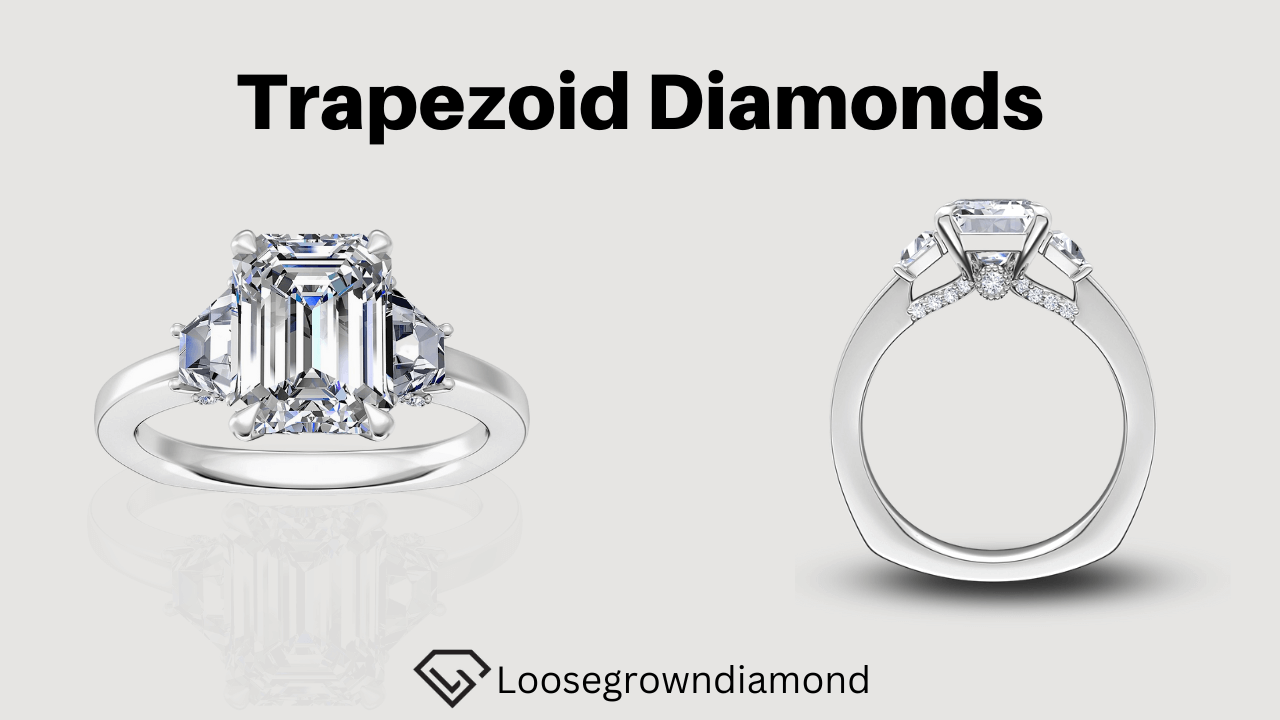
Trapezoid Diamonds 101: All About Its Side Stones

You may have heard the term “trapezoid diamond” from someone. You may have come across this term while researching. Have you ever wondered if there is such a thing as a trapezoid diamond? Are trapezoid diamonds side stones? Then let us explain in detail what these stones are and why people are inclined to buy them.

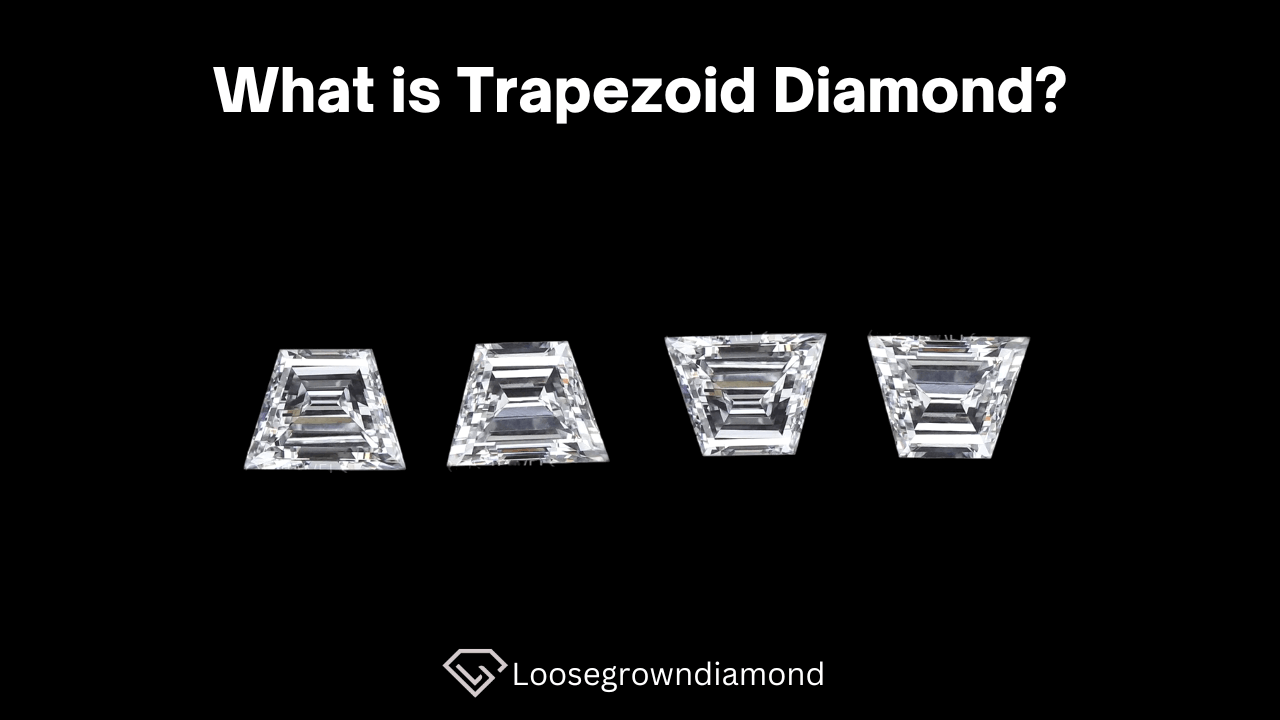
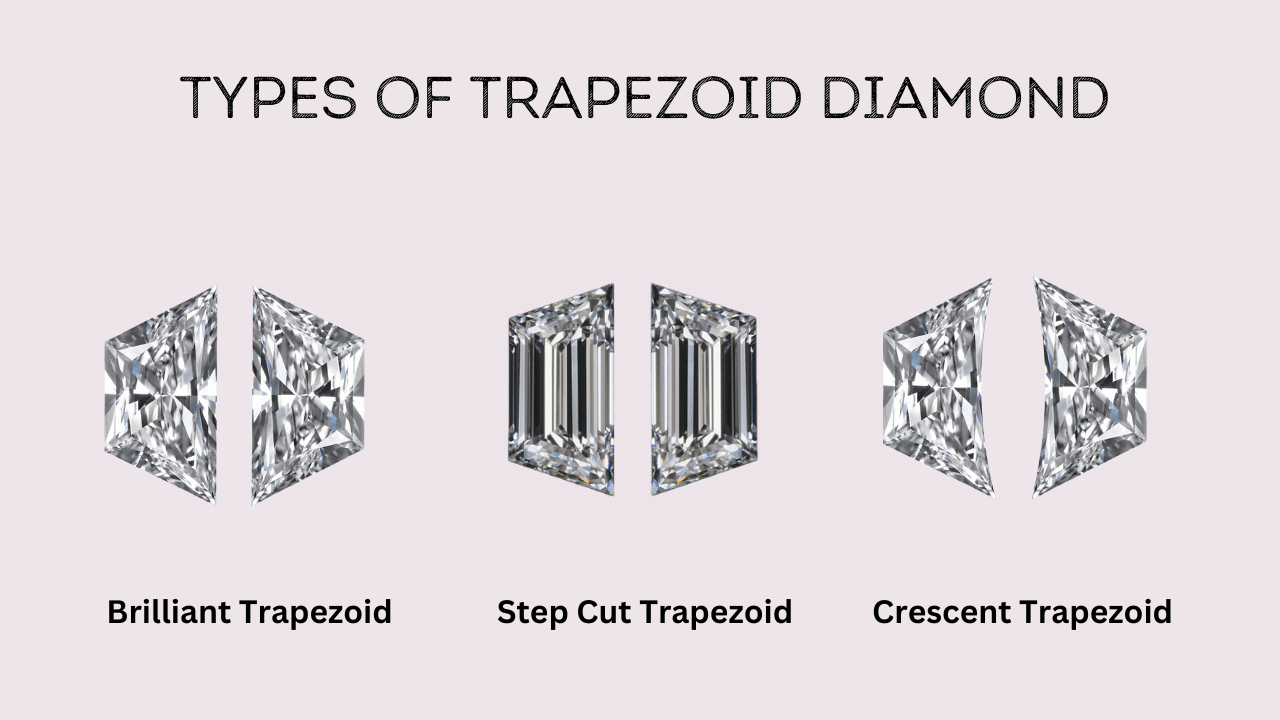
Brilliant-cut diamonds with a similar shape to a trapezoid were developed from either the tapered or the baguette cuts. The multiple-sized trapezoid diamond shape has two inward-slanting edges and a top and bottom that are equal. A triangular shape with missing edges will result in the resultant shape.

Some people consider trapezoids a fantastic substitute for the increasingly popular trillion or baguette shaped diamonds because they possess a comparatively large area and produce more sparkle when placed in jewelry.

Trapezoid Diamonds 101: All About Its Side Stones

In addition to adding shine, trapezoids generally exude refinement and style. The swinging canvas that became renowned inside the carnival is likely where the word “trapeze” originated.

In the last few decades, as the need for dazzling jewelry has grown, the trapezoid cut has become more and more popular with traditional gems.

Trapezoids can be used as main stones, but they are more often used in pairs as side stones to match the size and shape of a larger core diamond. Due to their adaptability, trapezoids are quite desirable since they may accompany a variety of center shapes, including emerald, radiant, princess, asscher, and round diamonds.

What Is a Trapezoid Diamond?

Many people think that these shapes are a better match than the more common trillion or baguette cuts because they have a larger total surface area and still shine brightly.

Diamonds are known for their shine, and so are the trapezoid diamonds, but apart from adding sparkle to any jewelry’s look, these side stones add class to the piece. They make any ring or pendant look unique.

What is Trapezoid Diamond

The step-cut trapezoids are famous and are usually paired next to the asscher– or emerald-cut center stones. When placed next to any of these gems, a step-cut trapezoid diamond will give off a “parallel set of stones” look. This, in turn, can make any engagement ring look sharp and give off a royal vibe.

A brilliant-cut trapezoid pairs fairly well with princess– and radiant-cut center diamonds. As all these shapes have more facets, they tend to look like a maze of reflections, making the ring look complex yet stunning.

In general, individuals are inclined towards going for baguettes or trillion-cut lab diamonds, as they are the more common choices available to jewelers. But with time, the use of trapezoid cut diamonds in engagement rings, earrings, and pendants has increased tenfold.

Of course, all measurements and dimensions should be made clear about the center stone before deciding which companion stone will work best with a ring style.

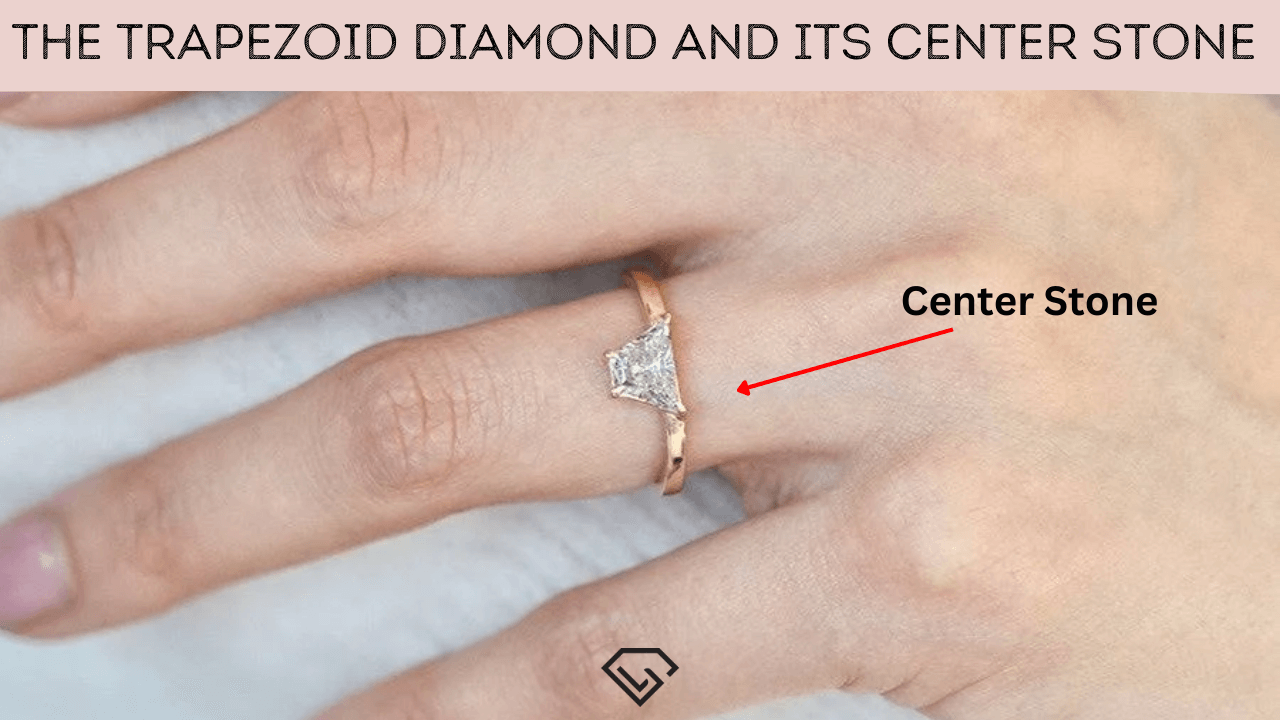
The Trapezoid Diamond and Its Center Stone

Depending on the selected jewelry design, you can opt for trapezoidal side stones. Knowing the center stone’s measurements is a must for using any type of trapezoid diamond.

The Trapezoid Diamond and Its Center Stone

You wouldn’t want an engagement ring in which the side stone looks bigger than the center stone. Because trapezoid diamonds are so versatile, they can be set in many different ways without taking away from the main stone.

For any change to be undetectable to the naked eye, both stones must be the same color and clarity grade. Thus, first, decide the color and clarity grade of the center stone. Based on that, have the trapezoid diamonds, which will work as side stones, made. The side stones can have a color and clarity grade that is 1–2 grades lower than the main stone.

There shouldn’t be more than one color grade difference between the side and center stones. The adjacent stones cannot have a color grade lower than H, for instance, if the center stone has a G color grade.

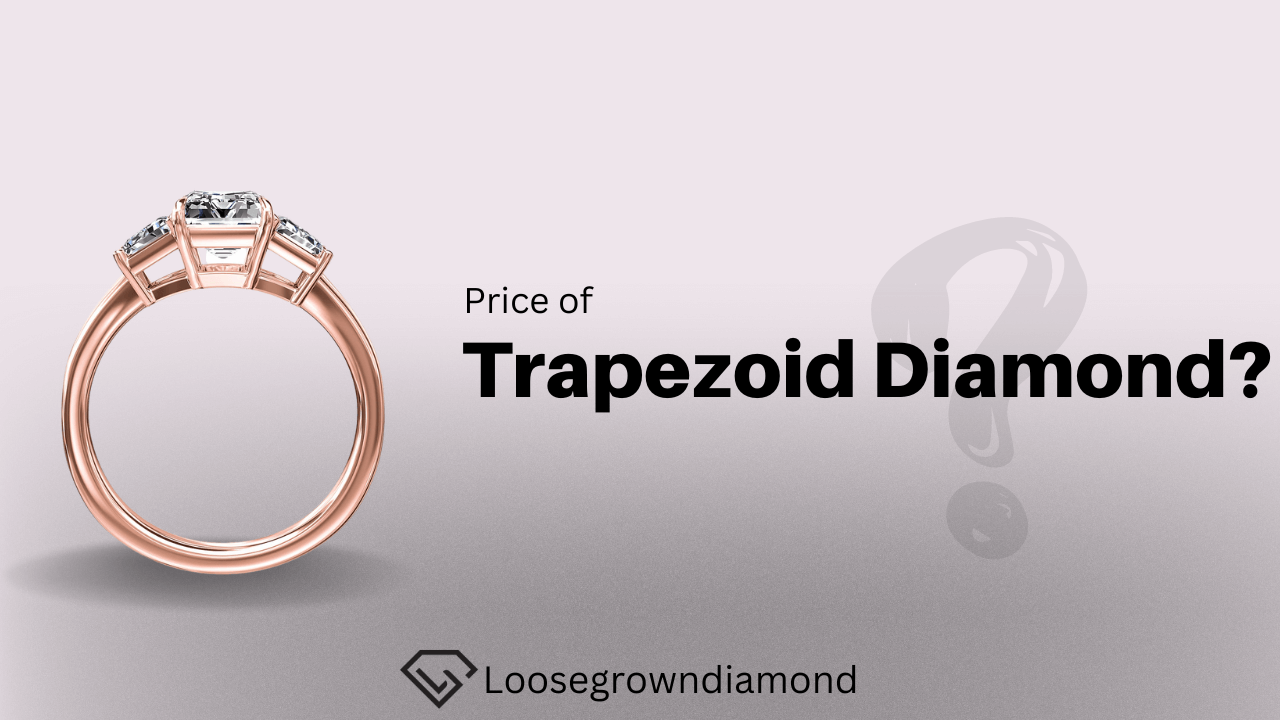
Trapezoid Diamonds Cost

It is seen that trapezoid diamonds are used to enhance the brilliance of center stones and jewelry pieces. Trapezoids are known as versatile stones because their unique design allows them to compete with all other stones as side stones.

Trapezoid diamond price

As you get such a nice option to pair with your selected center stone, knowing about the prices of trapezoid diamonds is important to set a budget for your engagement ring.

Talking of an average rate, trapezoid diamonds are roughly available at $1000 per carat. Of course, size, color, and many other factors determine its actual price.

Prices may differ depending on the 4Cs. We can only give you an estimate of the prices so that you can budget accordingly.

Your engagement ring’s total cost will be the sum of the following: the cost of the center stone plus the cost of the side stone plus the cost of metal plus the cost of making.

When it comes to trapezoid diamond prices, a standard-size trapezoid diamond with base colors and design will cost you around $700-1000 per carat (at the very low end).

A trapezoid lab diamond can cost $400,000 or more depending on its features for a high-end design with a unique composition and large size. Additionally, we have a tool(diamond price calculator) for you to determine the trapezoid diamond price.

Types of Trapezoid Diamond

Contrary to other diamond cuts, the trapezoid lacks what is regarded as an optimum dimension-to-height ratio, making it more adaptable to individual pieces. Thus, diamond cutters can produce stones with the right size and lighting reflection.

Types of Trapezoid Diamond- Brilliant Trapezoid, Step cut trapezoid, Crescent Trapezoid

There’s more to it, though. Finding the ideal center stone to go with it as an accent stone will require patience and skill.

Diamonds with a trapezoidal cut are typically used as side stones and come in brilliant-cut or step-cut varieties. At the same time, step-cut trapezoids are typically observed beside the emerald or asscher cut center stones.

The brilliant trapezoid cut diamond complements brilliant-shaped, rectangular center stones such as radiant and princess diamonds beautifully. Since it is wide enough to fit a nice little side diamond somewhere between the cut costs, the rectangle emerald form is perfect for notch trapezoid diamonds.

There is also a third type of trapezoid diamond called a crescent trapezoid diamond. Let us explain in detail.

Brilliant Trapezoid Diamond

Compared to step-cut trapezoids, brilliant-cut trapezoids are a far more recent cut. They emit a significant amount of light and fire compared to step-cut trapezoids. They are ideal when paired with lab created emerald or asscher cut diamonds.

The diamond’s bottom reflection is maximized thanks to the shape, which simulates a conical appearance.

Also, with contemporary methods, carving and cleaning a rough diamond always causes a significant loss in weight. On the other hand, these brilliant-cut trapezoid diamonds are either made from broken larger diamonds or produce less waste.

Step Cut Trapezoid Diamond

The trapezoidal cut that is utilized more commonly is the step-cut trapezoid diamond. In contrast to the brilliant-cut trapezoid, with more edges, the step cut technique has a stunning purity and sense of beauty.

It features parallel lines on each side that are significantly bigger than those in a brilliant-cut diamond, as is typical for step-cut diamonds.

The angles of the diamond consequently bounce light off one another, making the gemstone incredibly transparent.

Step-cut trapezoid diamonds have more obvious flaws when contrasted with brilliant-cut trapezoid diamonds.

So, we suggest that you choose a mix of step-cut trapezoids with excellent color and at least VS2 clarity.

Crescent Trapezoid Diamonds

The brilliant-cut crescent trapezoid is the most commonly encountered new trapezoidal shape. It has curved sides to fit round center diamond types, including round, cushion, oval, and marquise diamonds.

It has a comparable brightness and sparkles to the brilliant-cut trapezoid diamond. Crescent trapezoids require a professional diamond craftsman to make their beautifully curled tips. And then, place it firmly in an engagement ring around a round-cut diamond without chipping its edges.

While picking the brilliant-cut trapezoid stone, you can select a lower-quality gem since the flaws aren’t as noticeable, optimizing your budget on side stones.

Compare and Select

Step-cut trapezoids are excellent side gems for both an asscher cut and an emerald cut center stone. In 3-jewel settings, step-cut trapezoids are frequently utilized, with the trapezoidal diamonds serving as a gradient to the central diamond.

Step-cut gems are only suitable for use in conjunction with step-cut trapezoids to complement each other.

Step-cut trapezoids next to an emerald center stone provide a stylish choice for side stones in an engagement ring.

Asscher-cut center stones look stunning when placed beside white, clear, and excellent purity-grade step-cut trapezoids.

Similarly, brilliant-cut trapezoids provide a lot of sparkle and brightness, accentuating the central stone’s fire.

As a result, they’d be most commonly used as accent stones for diamonds with dazzling geometric shapes, such as princess and radiant cut diamonds.

And if both of these don’t tend to work, you can always opt for the crescent lab grown trapezoid diamond ring.

Any of the trapezoidal shapes will be ideal for you when you have finalized a center stone.


Conclusion

With a relatively wider structure than a conventionally cut stone, the trapezoidal cut has become popular among diamond buyers, which is not surprising. In this article, we have tried to cover each aspect of a lab grown trapezoid diamond, from its price to its types and features.

This is all you should consider when going shopping to ask for a trapezoid diamond. You can also take a look at our inventory at Loose Grown Diamond. If you like any of our trapezoid diamonds, be sure to connect with us. Elevate your diamond shopping experience with a generous discount using a promo code handed out by LGD Diamonds.

FAQs

Can a trapezoid diamond have different facet arrangements?
Yes, trapezoid diamonds can have various facet arrangements, including step cuts or brilliant cuts, depending on the desired appearance and style.

Do trapezoid diamonds sparkle?
Yes, trapezoid diamonds can sparkle. The brilliance and sparkle of a diamond are influenced by factors such as the cut, facets, and overall quality of the stone.

What does a trapezoid diamond look like?
A trapezoid diamond has a distinctive shape with four sides, where the top and bottom sides are parallel, and the other two sides slant inward. It creates a unique and stylish appearance in jewelry.

Trillion Cut Diamond: Its Value, History, Benefit, and Buying Overview

Are you looking for a trillion cut diamond (Triangular diamond) but don’t know where to start? We at Loose Grown Diamonds have your back.

The odd trillion cut diamond stands out so beautifully in any setting as its most distinctive feature is how it’s cut. These gems have a lovely brilliance that makes it easy to cover imperfections and blemishes.

One of the most well-known and stunning varieties of these gems that customers should definitely consider is the triangular diamond. Not only does this cut exhibit brilliance and shimmer but it also does an excellent job of standing out from the normal crowd of diamonds.

trillion cut lab grown diamond For the above reasons, if you want to gift your significant other something truly special, a straightforward trillion cut is a great way to go.

These gems appear to be particularly great in a position supporting the center diamond, where they may draw far more interest. The composition and size of the unpolished rough diamond will ultimately determine whether it is carved with equal angles or with somewhat outward-bowed edges.

The cryptic nature of triangle-cut diamonds further contributes to their air of mystery. Despite being incredibly gorgeous, they may also be very frugal.

The unique selling point of these diamonds is their huge face-up size and affordable prices which tend to attract many customers. The only challenge here is the difficulty with which a trillion shape diamond with acceptable quality is accessible to diamond shoppers. Hence, to help the customers discover the best trillion cut diamonds for their jewelry.

Let us have a detailed review of the trillion-cut diamond and also understand all the important information related to this cut.

What is Trillion Cut Diamond?

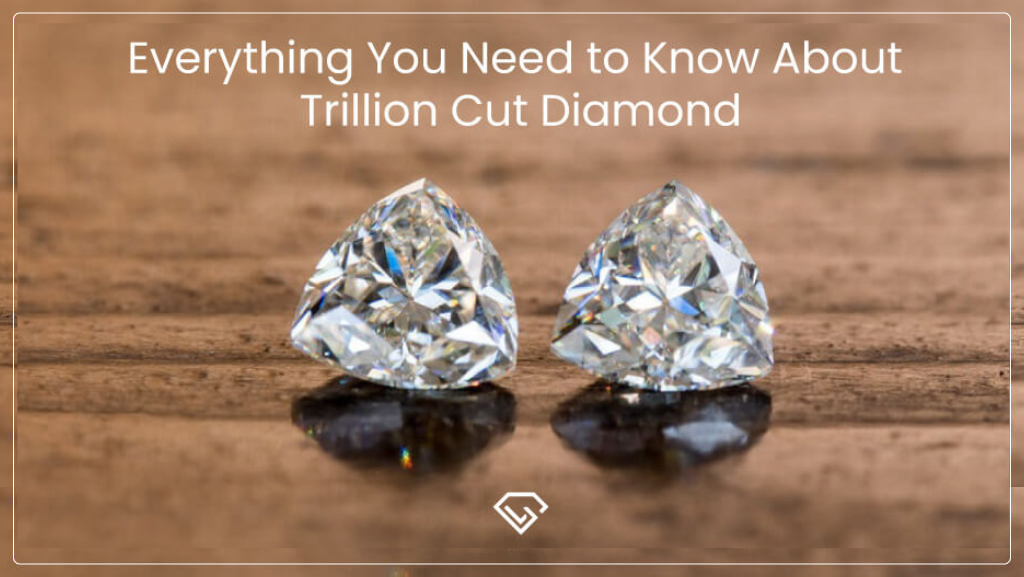
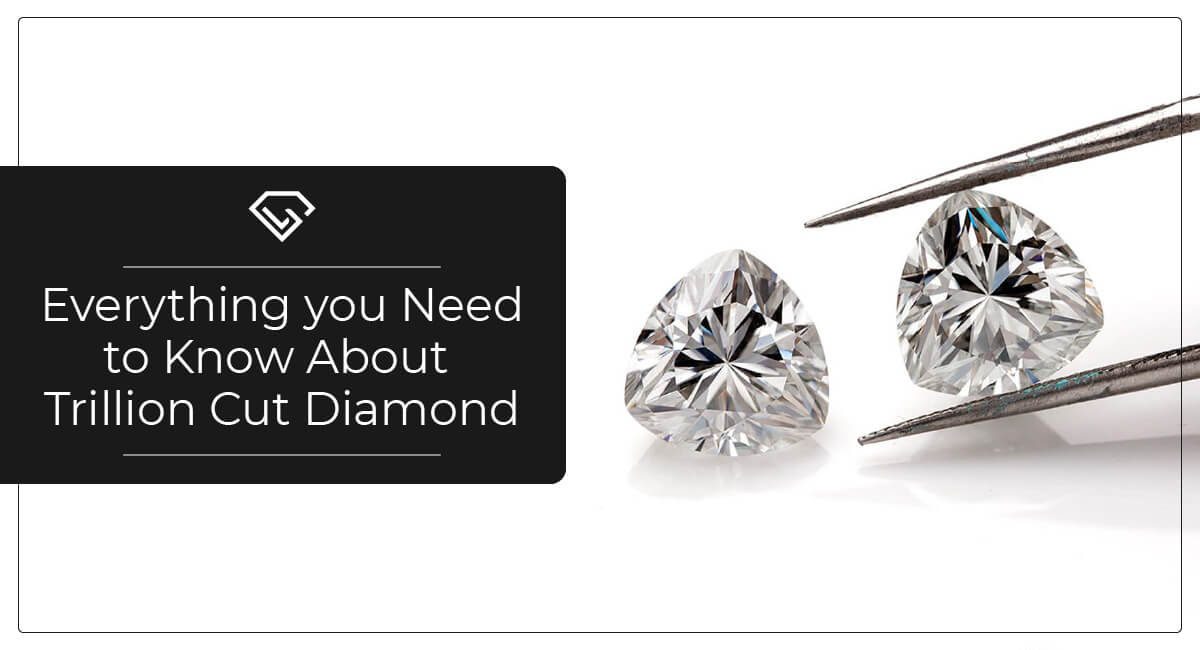
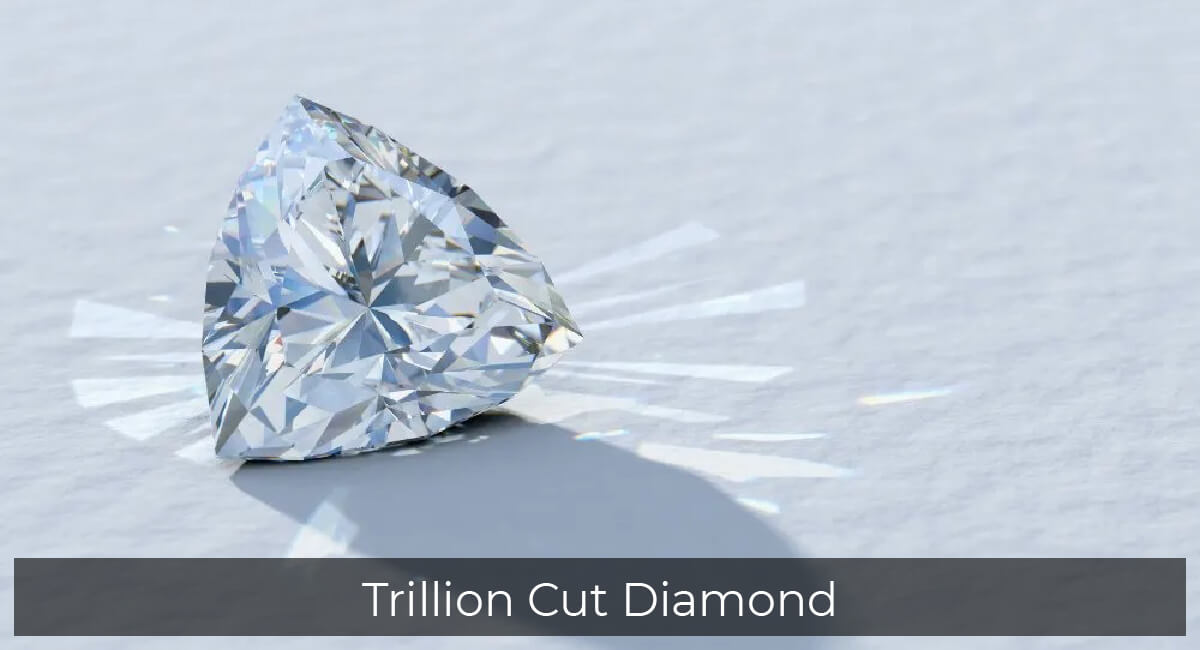
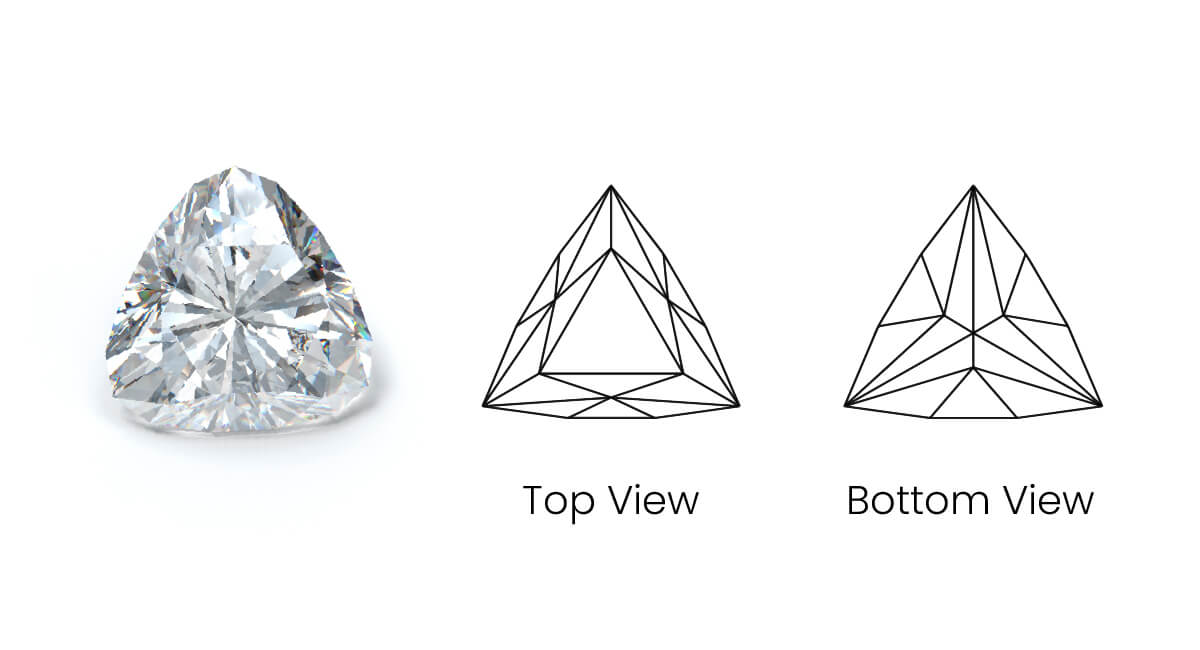
Typically, the trillion cut diamond is also known as a triangular shape diamond. Trill cut, Trilliant cut, and Triangular Brilliant cut are a few variations of this name.

Commonly used as diamond accents, the trillion cut diamonds are shaped triangularly and generally have three sides that are equal in length along with a surface that resembles a flat table. 

What is Trillion Cut Lab Grown Diamond

These triangular gems are frequently used as side stones within rings. The most famous setting is a three-stone setting. The trillion-cut diamond is on both sides of the main gem, which may be a round brilliant, emerald cut, oval cut, or even a princess cut diamond.

Although the trillion-cut diamonds are generally used as a side stone in designs that feature other types of diamonds in the spotlight, many customers have begun preferring the diamond as the center gem in their rings since the diamond’s appeal has grown exponentially since its relatively recent inception in the 1960s.

Trillion-cut diamonds also make an excellent addition to pendants and bracelets, ensuring a wonderful fit. The use of a triangular cut diamond in a necklace would be ideal in a solitary pendant piece.

Diamonds with a trillion form are renowned for their excellent sparkle and brilliant brightness. They may have a maximum of 31 to 50 facets. Thus, with such high brilliance similar to that of a round brilliant diamond, the name “trilliant” came to light. which means a trilliant brilliant diamond.

History of Trillion Cut Diamond

Unique cuts that are triangles in shape are termed and described as trilliant. These shapes are made up of 50 facets.

Misunderstanding between the phonologically similar phrases “Trillion” and “Trilliant,” each of these words lost their copyright rights in the 1980s, and Leon Finker’s business empire relaunched the Trillion cut as “Treille”.

History of Trillion Cut Lab Diamond
Now, brilliant cut is used to refer to a triangular cut for the stone. Trillion-cut gems are triangle-shaped gems with sharp edges 25 crowned angles and 19 wing facets. Triangle-cut diamonds were invented in Amsterdam and are commonly used as accent gems to bigger solitaires in engagement rings.

It also is evident that researchers and scientists have found proof of many other brilliant stones far well before the asscher siblings. Despite this, Amsterdam is regarded as being the birthplace of the trillion cuts in the eighteenth century.

Irrespective of its true origins, it is undeniable that the contemporary trillion cut, as it is now known, started its voyage in NYC in 1962. These diamonds may not be well known but do stand out and amplify other diamonds when placed in a setting.

Pros and Cons of  Trillion Cut Diamond

There is a list of pros and cons that follows every diamond which is true even for the trillion-cut diamond. Customers must be aware of these pros and cons to make an informed decision and rule out whether the drawbacks exhibited by the diamonds are less significant with regard to the personal preference and style of the customer.

Pros

  • A trillion-cut diamond will always appear larger than a round cut diamond of the same carat weight since the surface is 12% bigger in the former. 
  • Amongst all the diamond shapes except for a marquise cut, the trillion-cut diamonds are home to the largest face-up area.
  • These diamonds are also a lot less costly than their counterparts in round cuts since the latter has a higher demand which tends to increase the price of it by a lot. 
  • Because of the presence of sharp points and steep angles, the trillion-cut diamond offers the jewelry it is set in with a highly modern and trendy look. It hence is desirable by the youth who are looking for something to complement their generation. 
  • Trillion-cut diamonds are generally used as diamond accents and hence, are rarely seen as center stones. They would definitely make eye-catching jewelry for customers who have eclectic tastes. 

Cons

  • The most significant cons that exist within the trillion cut diamonds are the physical weaknesses it carries due to the sharp corners.
  • These corners make it easier for the diamond to be chipped and broken.
  • The only way to protect the trillion cut diamonds is by placing them in an appropriate setting like the V-shaped prong or bezel and customers who are not attracted to these settings might have to settle for it as a compromise.
  • The next most significant disadvantage surrounding the trillion-cut diamond is their limited availability which could make it difficult for customers to find good quality trillion-cut diamond jewelry. There are also high chances of customers being fooled or falling prey to jewelers who are not honest about the quality of the diamonds they sell in the case of trillion cut diamonds.

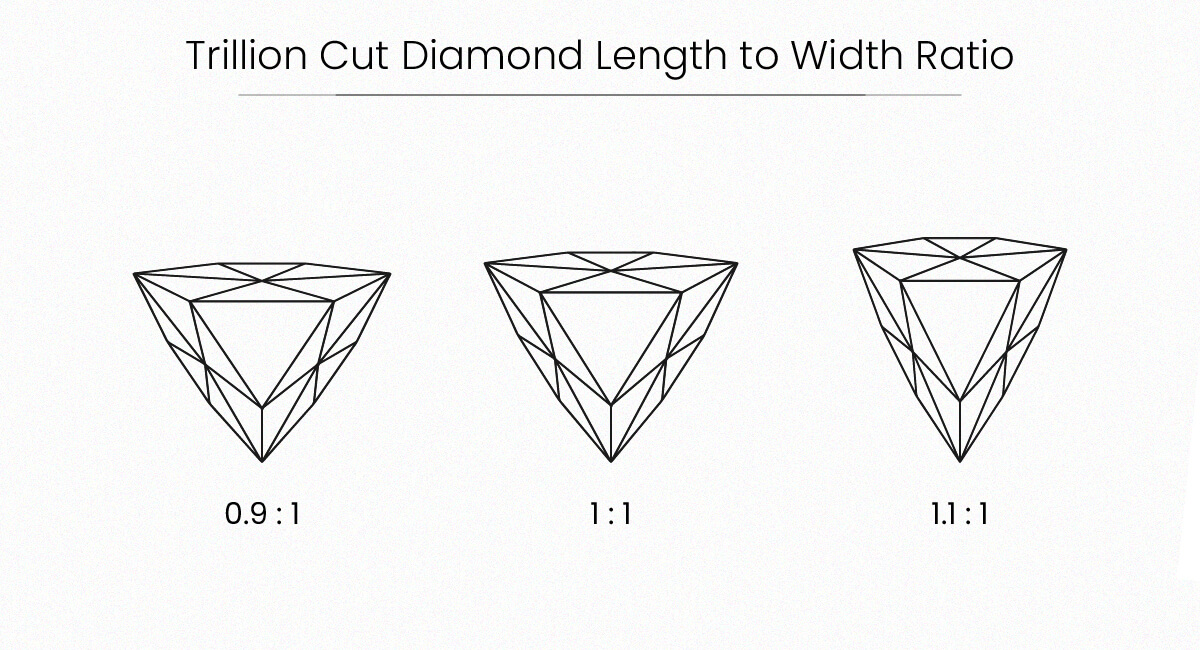
Trillion Cut Diamonds “Length-to-Width Ratios”

When looking for a trilliant gem, always opt for something like an equilateral triangle. In an ideal situation, all sides of the gem should have a 1:1:1 ratio.

Trillion Cut Diamonds “Length-to-Width Ratios”
A diamond with an uneven or out-of-symmetry balance will stand out to the naked eye and is easily noticeable. Therefore, must be disregarded.

Trillion Cut Diamonds Quality

Brilliant cut diamonds, unlike some other cut diamonds, do not have any set requirements for a great cut grade. The metrics listed below can be used as a standard guide for assessing cut excellence.

  • 32-48 percent depth
  • Table of contents: 50-70 percent
  • 1.00-1.10 length-to-width proportion

The uniformity and polishing ratings indicated on the certification should be considered while selecting the ideal stone. It is strongly advised that the symmetry and polish be “excellent or very good”’. Make sure the diamond isn’t too deep, since a superficial cut will detract from the rock’s attractiveness.

What Is the Price of a Trillion Cut Diamond?

Speaking about the price bracket of trillion cut diamonds, its range is considerably less than that of diamonds with conventional shapes. A one-carat trillion diamond (triangular diamond) with good clarity and color grade can cost between $800 and $2000.This, however, is variable for the 4Cs.

Trillion-cut diamonds sometimes appear larger at specific carat values due to their depth below the girdle. Many trillion cut diamonds have 25% of their weight above the girdle and the rest 75% below it. Such diamonds tend to look bigger. Others will have a 50-50 weight distribution and rounded edges, thus making the diamond look larger than usual.

Selecting a design that seems larger will complement any ring you choose. Triangle-cut diamonds may be purchased for as little as $150, which is reasonable and useful. It all depends on the grades.

[blog_page_inventory shape=”Triangular” carat=”1.20,4.50″ cut=”0,4″ color=”0,10″ clarity=”3,10″]
[blog_page_btn title”Buy Now” url=”https://www.loosegrowndiamond.com/inventory/?”]

What Is an Ideal Trillion Diamond?

The Trillion diamond category is made up of many different styles of diamonds. Speaking about the trilliant cut, which is meant to be an ideal trillion diamond, is distinctive and well-known for its aesthetic appeal. The term “Trilliant diamond,” which is used by wholesale diamond merchants, is created by fusing the words “triangle” and “brilliant.”

Triangle is a geometry reference. “Brilliant” is referred to as a stone and its brilliance or shine. A trilliant should have a cut that leaves one-third of the diamond’s mass above the bezel. The load must also be distributed so that two-thirds of it is located below the girdle. Typically, trilliant-cut diamonds have 44 facets. However, some trillion cut diamonds have 50 facets, giving the stone greater fire and radiance.

A trillion-cut diamond’s sides can be rigid or flexible, which changes how the diamond looks. With 50% of the mass below the belt and 50% overhead, larger girdles are a common characteristic of trilliant-cut diamonds.

Decreased brightness is the consequence of the resultant ratios. Contrary to common diamond cuts like the round brilliant, trilliants have a wide range in terms of thickness and dispersion.

Because of this, we evaluate each diamond based on its size, shape, and carat weight. Strong visual impact examples may weigh less carat than larger diamonds. This is why you should never buy an uncut diamond before carefully inspecting it or getting a good look at an HD picture.

When fashioned in twins, trilliant-cut diamonds are occasionally used as side stones and work well on each end of another brilliant cut.

Facts To Consider Before Buying Trillion Cut Diamonds

Although it may appear challenging, purchasing a trillion shaped diamond is not always complicated. The problem with triangular diamonds is mostly your lack of comprehension of them, the exorbitant cost, and most importantly, the symbolism of what a diamond purchase signifies.

The challenging part is gone since you’ve already resolved to buy a diamond. A little homework and consideration will be needed to make a final decision.

To ensure that the next time you buy a trillion diamonds, you do so with complete knowledge, here are a few pointers to keep in mind:

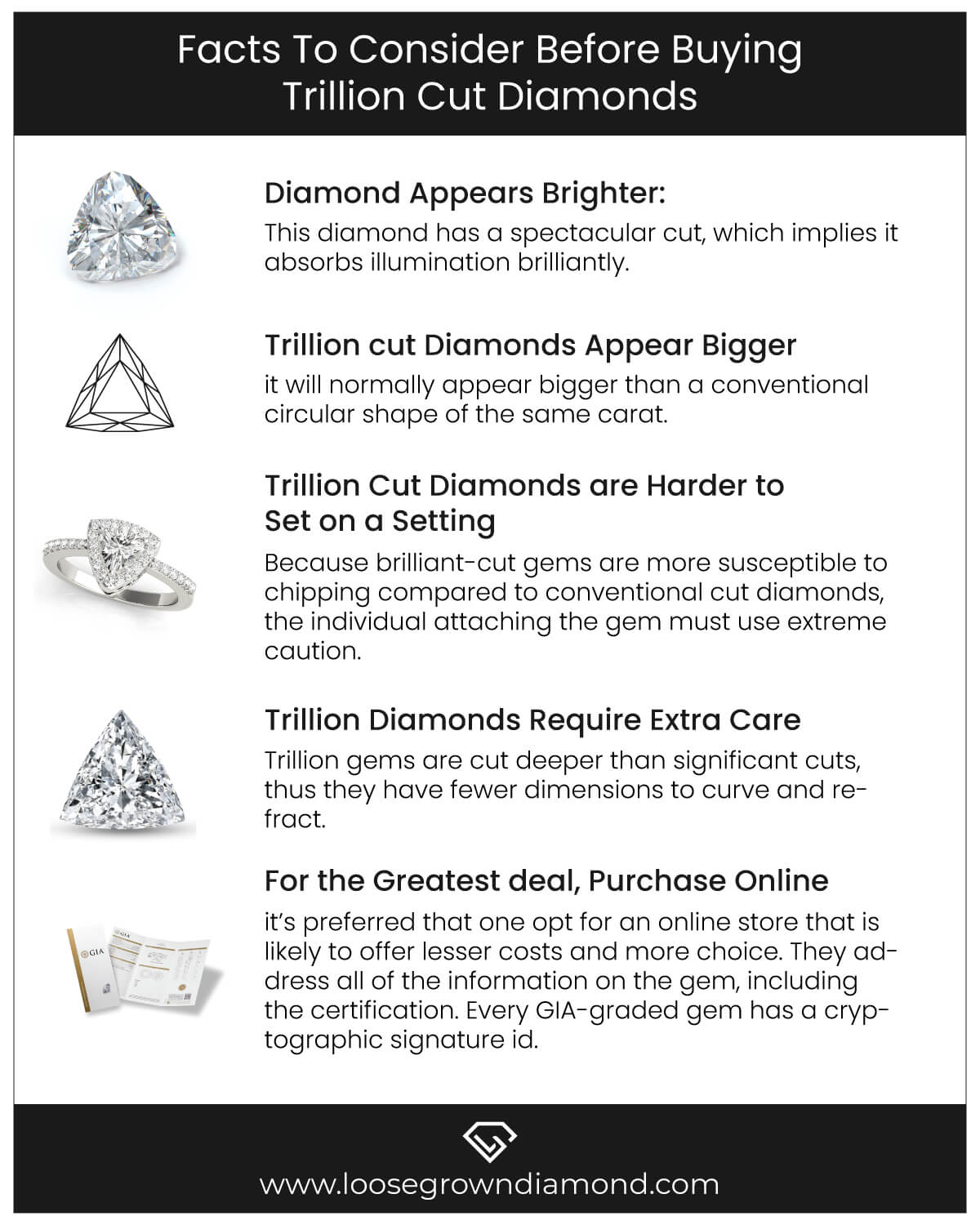
Facts To Consider Before Buying Trillion Cut Diamonds infographics

Diamond Appear Brighter.
This diamond has a spectacular cut, which implies it absorbs illumination brilliantly.

Trillion Cut Diamonds Appear Bigger.
Trillion gems have deep incisions and are broad in size. Due to this, it will normally appear bigger than a conventional circular shape of the same carat.

Trillion Cut Diamonds are Harder to Set on a Ring Setting.
Because brilliant-cut gems are more susceptible to chipping than conventional cut diamonds, the individual attaching the gem must use extreme caution. Brilliant cut gems must also be placed in special sets made expressly for these due to their rough edges.

Trillion Diamonds Require Extra Care.
Trillion gems are cut deeper than significant cuts, thus they have fewer dimensions to curve and refract. As a consequence, even a small amount of debris will rapidly dull their radiance. Cleaning your diamond periodically to ensure its luster and appreciate its shine.

For the Greatest Deal, Purchase Online.
This technique can be difficult to acquire in your regional jewelry store, and modification for the unique setting typically comes at an additional cost. So it’s preferred that one opt for an online store that is likely to offer lesser costs and more choice. They address all of the information on the gem, including the certification. Every GIA graded gem has a cryptographic signature id, which is laser etched on the crown in many cases. Making, and purchasing gems online completely risk-free.

Other considerations when purchasing a trillion cut diamond:

  • Budget: You must decide on your spending limit before the purchase. A limit will eventually assist you in selecting what you desire because trillion diamonds come in a large range and are priced differently. These gems are reasonably priced, but you may not realize how costly they are. However, keep in mind that if you look hard enough, you might find a great stone at a reasonable price.
  • Lab-Grown or Natural Diamond?: Verify whether the diamond you want to purchase is natural or whether it was manufactured in a lab. Lab-grown diamonds are 30–40% cheaper than natural diamonds. Lab-grown diamonds are also eco-friendly and have gained massive popularity among the younger generations.
  • Color and Clarity: Look for clarity and color levels that will offer you the best pricing. The finest grades and highest prices go to colorless and perfect diamonds. Instead of an off-color diamond, you’ll generally prefer one that appears colorless or white in a ring setting.
    Additionally, when viewed normally, you want a diamond that seems perfect to the eye. The diamond’s look will also depend greatly on your clarity grade.
  • 4C’s and Certification: You’ll need to educate yourself on the 4C’s and diamond certification. The weight, shape, brilliance, and purity of a stone—all of these things should be known to you. The 4Cs determine the diamond’s price, but other factors also play a major role. If a diamond is graded by a reputed institution like GIA, GCAL, or IGI, then it will hold a lot of value.

After all these points are covered, it’s time to get browsing! You can find a diamond that sparkles even more by focusing on a few cut-related factors. Then, within your price range, you simply choose the largest, sparkliest diamond.

Sounds easy, doesn’t it? If you feel like you still need help, You can contact Loose Grown Diamond’s expert gemologists, who will gladly help you choose the perfect stone for your engagement ring.

Trillion Diamond Ring Settings

When making rings, there are two primary ways to use trillion diamonds.

[su_youtube url=”https://www.youtube.com/watch?v=3lbQ-XGKInw” autoplay=”yes” mute=”yes” title=”Triangular Diamond Engagement Ring”]

Three Stone Setting: In this setting, trillion-cut diamonds are typically utilized as accent stones rather than as a small shards, as is customary with solitaire settings. Trilliant diamonds are best suited to each side of another brilliant cut, such as a round or princess cut.

The center stone and the two trilliant diamonds are held in place with the help of prongs. Four prongs will hold all four corners of the center stone and two corners of the trillion cut diamond. Then one prong will hold the tip of the trillion diamond on each side. thus making the six-prong setting a safe and popular choice regarding three stone trillion shape diamond designs.
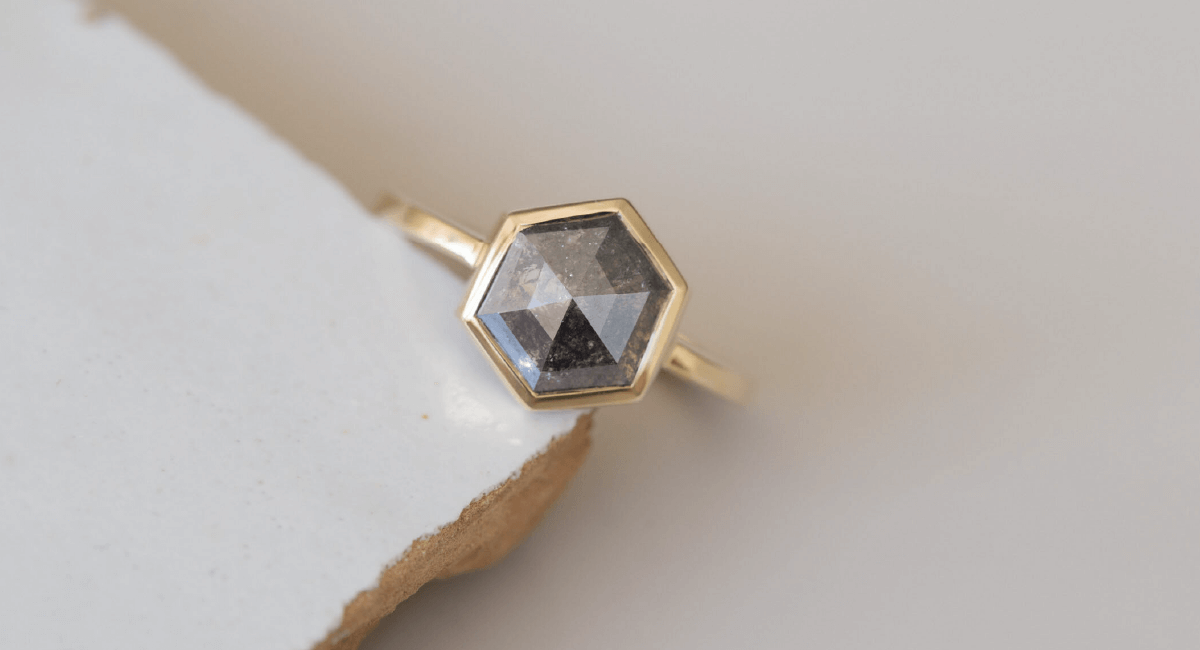
Trilliants have a single line of symmetry; thus, it is preferable to set the diamond so that one of its sides is parallel to the user’s finger. One setting that follows this rule best is a solitaire setting.

Solitaire Setting: One of the most common ways to arrange a trilliant cut is to bring the peak nearer to the fingernail and the parallel side nearer to the wearer’s hand. In this position, the stone enhances the finger’s length and gives the wearer’s hand a more feminine appearance.

The diamond will seem more substantial when it is fitted the opposite way around, with the perpendicular side of the triangle closer to the wearer’s nail. This makes the arrangement a more comfortable option for rings, particularly those made for men. This setting is mostly kept in place with the help of three prongs or a bezel.


Conclusion

Giving a diamond will show somebody that you care for them. Mentioning trillion-shaped diamonds will even draw interest.

Gems of identical carat and brilliance are uncommon. That kind of gemstone is unusual and unlikely to be discovered by many individuals. The carat weight of a gemstone becomes something to think about, but it isn’t the only thing. Hence, be sure your diamonds match the grading shown in the certificate and double-check their cut, clarity, and color.

A giant diamond ring could have several flaws, which, if not looked for properly, would go unnoticed and trillion-shaped diamonds with multiple flaws are not worth the money. Shop carefully, yet freely!

FAQs

How is the trillion cut diamond different from other diamond cuts?
The trillion cut is distinct for its triangular shape, setting it apart from traditional round or square cuts.

Is the trillion cut suitable for engagement rings?
Yes, the trillion cut can make a stunning choice for an engagement ring. Its unconventional shape adds a modern and eye-catching element to the ring.

What metal options are suitable for a trillion cut diamond setting?
Trillion cut diamonds pair well with various metals, including white gold, yellow gold, rose gold, and platinum. The choice of metal depends on personal preference and style.

Can you engrave my engagement ring for free?
LGD provide free customization services and would be more than happy to engrave a ring for you. At the time of placing an order there is a “order notes” section on the checkout page. Please write down the instruction over there.

Can I custom design an trillion cut engagement ring?
Yes absolutely, your desired design can be customized and get in touch with us through our website. We will be more than happy to design a customized engagement ring for you.

Half Moon Diamond: Express Your Feelings With An Impressive Cut

Half moon diamonds, also called semi-circles or crescent moons, have become a new trend in the jewelry market. This cut has become a great sensation among customers as well as designers.

In the early 20th century, the step-cut process was used to achieve the desired half moon shape. But today we have more advanced processes that give brilliant facets that, in turn, give a smooth and precise edge to the diamond. These diamonds are quite popular if you want to craft an unconventional engagement ring.

Half Moon Diamond: Express Your Feelings With An Impressive Cut

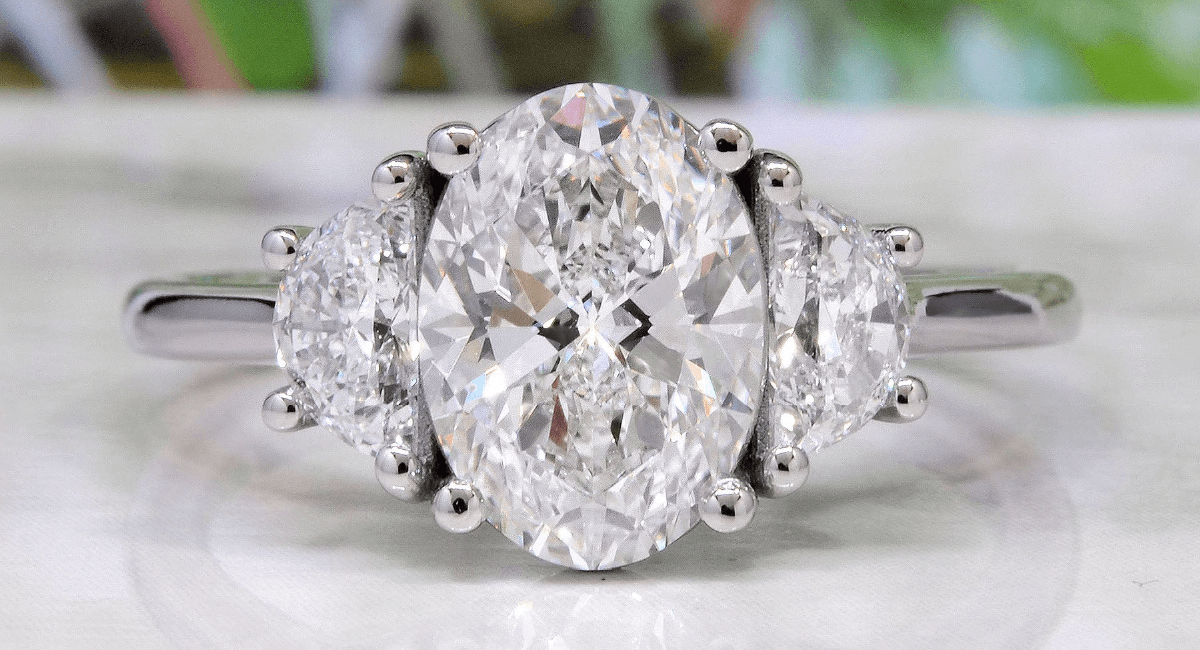
Generally, two half moon lab diamonds on either side of the centered brilliant stone will give your ring a perfect look. These little sparkly moon diamonds on the side of the central stone will help to increase the brilliance of the primary stone.

The ring will appear more attractive and will be worth the money you paid for it. In this article, you will get to know more about the unique features of half moon diamonds and how to incorporate them into your ring to increase its beauty.

What are Half Moon Diamonds?

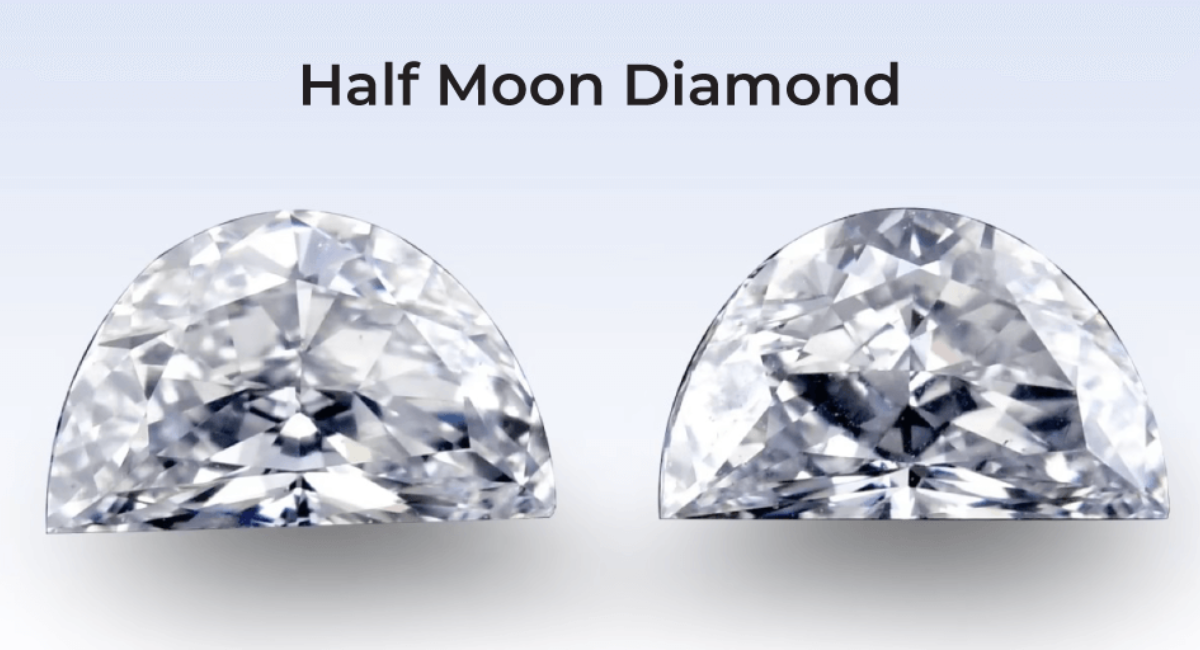
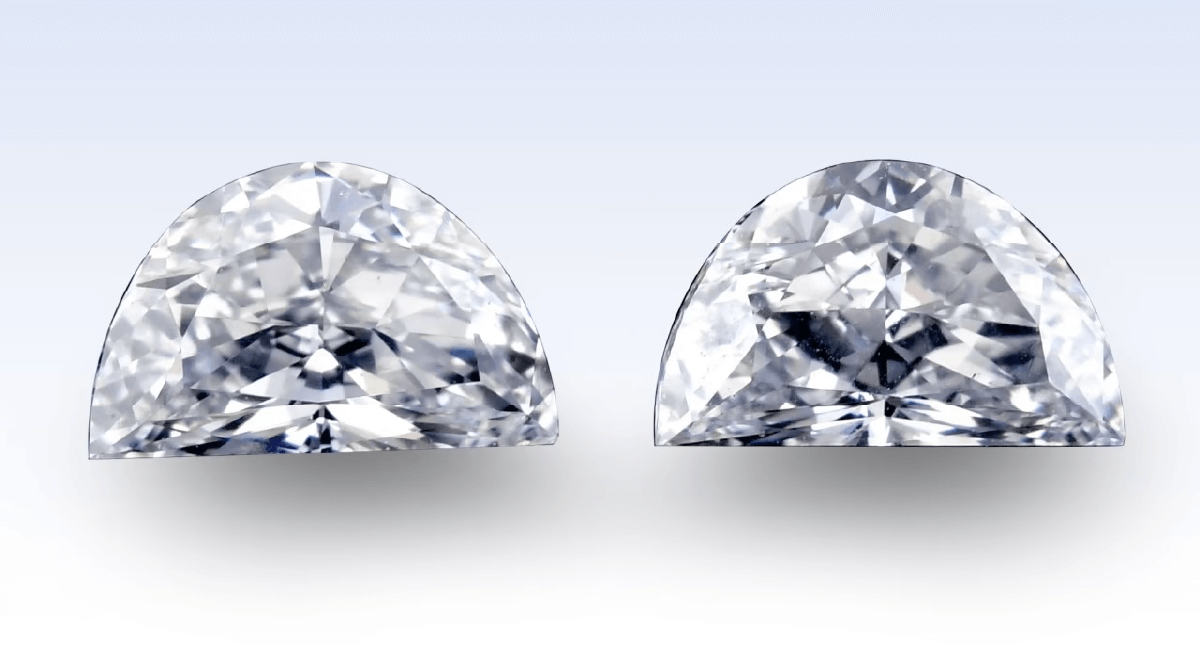
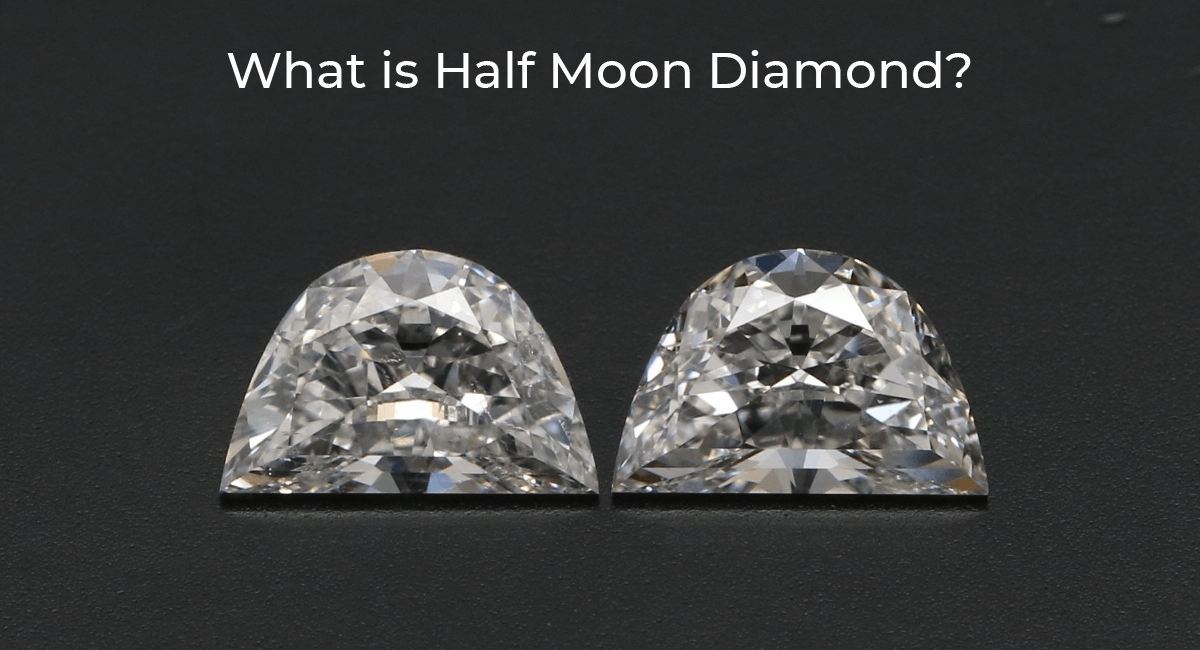
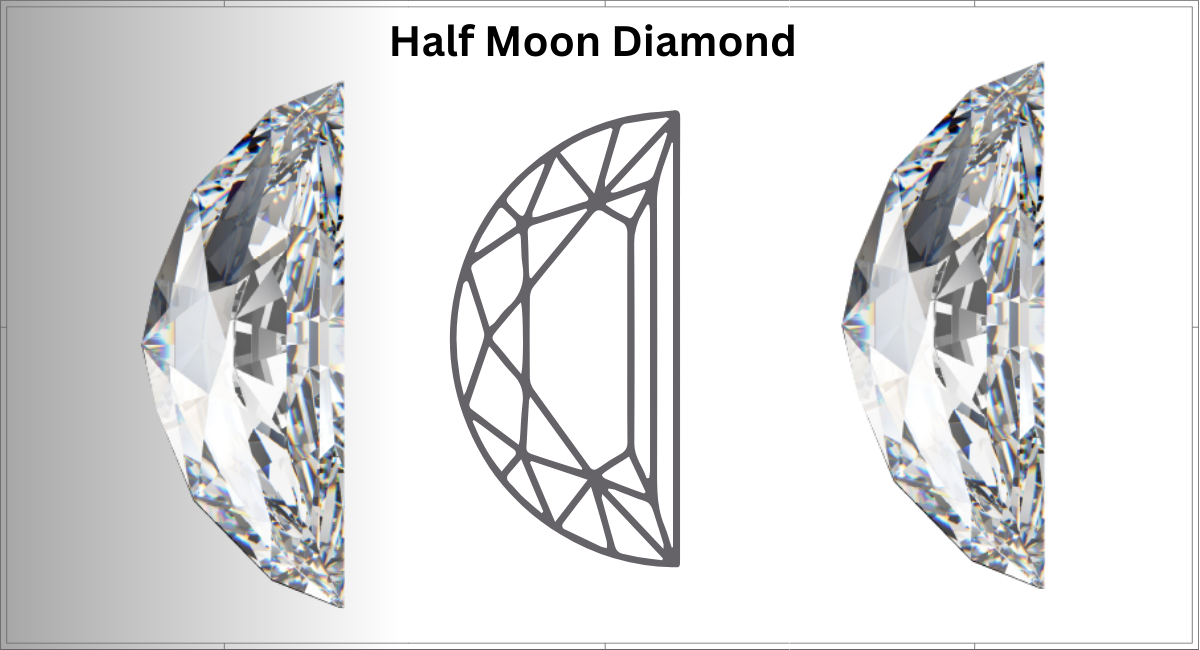
A diamond that depicts the shape of a half-moon or appears as a semi-circle is called a half moon diamond. These stones are not flat and have a good depth.

What are Half Moon Diamonds

The half moon cut diamond is unique in its way, it has a rare mixture of round, curved side softness and a hard, straight edge. This gives the diamond a romantic and extraordinary feel.

This cute-looking cut has many amazing features. If we have half of a round or half of an oval diamond, then what we have is exactly what is called a “half moon” diamond. This happens when cutting a diamond if a big chunk of the rough stone falls off or if a round diamond is cut incorrectly and is cut into a half moon diamond.

Half-moon diamonds are usually placed on the sides of rectangular or square-cut diamonds to add to their elegant look. as the sides of the rectangle or square lie parallel to the straight side of the half-moon diamond.

Half moon diamond is also known as a Demilune; this name is given because the diamond has a shape similar to the crescent stage of the moon, which is pretty.

The half moon was specially made to be served as a side dish. These are responsible for adding brilliance and highlighting the round or oval center stone in a piece of jewelry.

You can be as creative as you want by adding different shapes of the lab created diamond as a center stone and also by increasing or reducing the number of little crescents as side diamonds. There is no concrete way to design your jewelry.

The half moon diamond can be cut in a variety of ways, but the step cut is the most popular, especially among designers. The step cut is mainly responsible for giving a calm and clean, glassy look to the crescent-cut diamond.

How Much are Half Moon Diamonds Cost?

The lab grown half moon diamonds cannot be found singly; they are commonly sold in pairs.

How Much Are Half Moon Diamonds Cost

It is important to note that sometimes the crescent moon diamond can have a bow tie effect. The bow tie effect looks like two dark triangles opposing each other, making the shape of a bow tie that will appear at the center of the diamond. and thus compromising the clarity of the diamond.

Generally speaking, the bow tie effect is seen frequently in elongated diamonds. This can mainly affect the cost of half-moon-cut diamonds.

Bow ties are basically imperfect, but it is also crucial to acknowledge that no diamond is perfect.

The cost of diamonds is primarily determined by whether these imperfections can be removed or not. If the diamond is of SI1 clarity grade, it doesn’t matter whether it has a black or color inclusion; all these inclusions become visible to the naked eye, thus reducing its price.

The black inclusion is the most avoided one, and blemishes are the sign of unwanted force applied to the diamond. These inclusions are known as high defects, which lower the value of diamonds.

Even jewelers avoid these defects, and a responsible jeweler will not try to hide these imperfections. You have to pay around $1500 for an average set of half moon diamonds.
To get an idea of the price range, you can also seek inspiration from celebrities and influencers. The unique and timeless celebrity diamond ring designs below feature half moon diamonds.
  • Mariah Carey: The American singer-songwriter has a unique ring that incorporates a 10-carat emerald cut diamond as a central stone. Two half moon diamonds are placed on either side to complement it. along with 58 precious pink diamonds placed in the halo surrounding this setting. This half moon diamond ring cost about 2.5 million dollars.
  • Avril Lavigne: The Canadian singer-songwriter has a 10-carat pear shaped diamond as the primary stone with two half moons on each side, 2 carats each. making the ring a total of 14 carats. This beautiful ring is known to have cost around $350,000.
  • The Queen of Belgium has a dark blue oval stone at the center and two half moon diamonds on both sides.

Ideal Setting for the Half Moon Diamonds?

The half moon diamonds are mainly known for their placement in a three stone engagement ring pattern. This shape is versatile, and it also complements almost all possible shapes for the central stone.

Ideal Setting for The Half Moon Diamonds

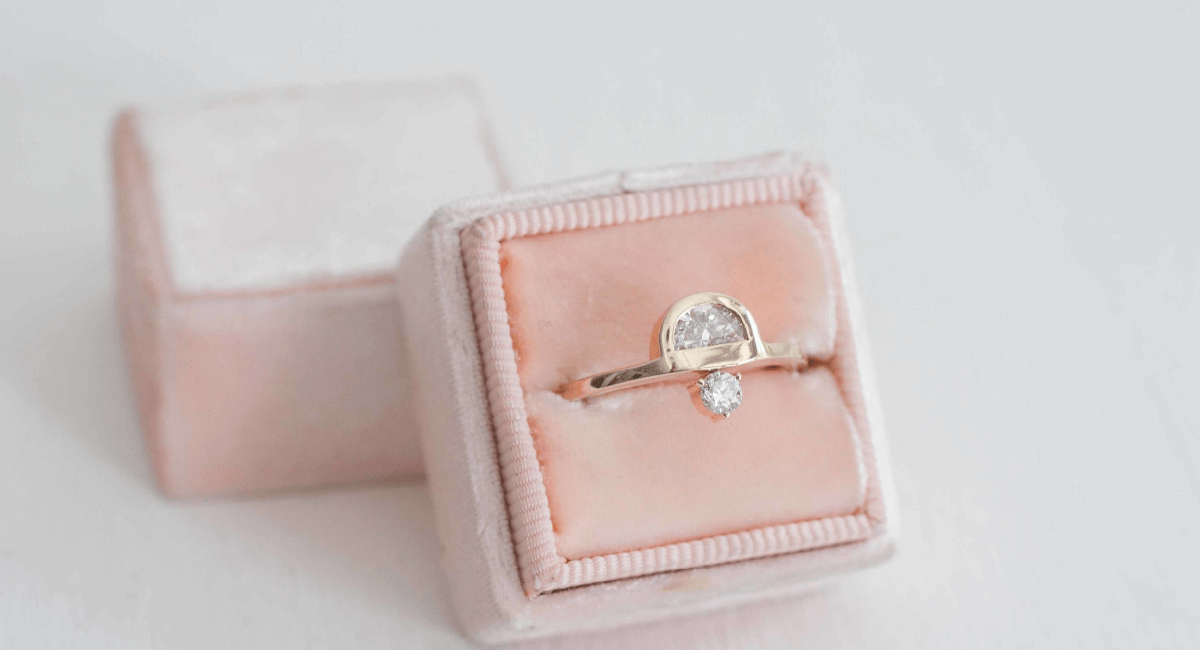
These stones are often used as side stones, but sometimes they can also work as a solitaire ring.

A crescent diamond will go perfectly as a side stone for emerald, rectangular, or square-shaped diamonds. The flat side of a half moon diamond and the side of the central diamond will fit perfectly and tightly against each other, creating a beautiful effect.

The classy half moon diamond is so elegant that it doesn’t draw attention to itself but rather draws the viewer’s attention to the central stone.

You can also have only half moon diamonds on your ring, by joining the two halves, you can have a round-shaped diamond with a different kind of shine.

But if we talk about settings, these beautiful diamonds are mainly found in and halo and bezel settings.

Should You Buy Half Moon Diamonds?

You should choose a half moon diamond because it has a soft, romantic feel without being complicated. Aside from its appearance, this half-moon cut is considered more practical.

Should You Buy Half Moon Diamonds

You can also go for a lower clarity grade as they are commonly side stones, meaning you have to pay a low price for them, which can turn out to be a great deal.

One big reason for the low price of these diamonds is that they are carved from broken round or oval diamonds. They may be low-value broken round diamonds, but they can add a high value of beauty to any jewelry setting.

If you are going to buy a half moon diamond as the center stone, you should be more careful with the cut of this type of diamond as it can show a bowtie effect and eventually lower the spark of your diamond.

If you are going for a side-by-side crescent moon diamond, then clarity and color imperfections will not be your concern; they won’t ruin your diamond’s beauty. Although it will increase the beauty of the central stone if you go for high clarity and color.

Pros:

  • One of the cheapest diamond cuts.
  • perfectly designed to serve as small side gems.

Cons:

  • has a comparatively low sparkle compared to other shapes.
  • has fewer setting options.

Half Moon Diamond Size Chart

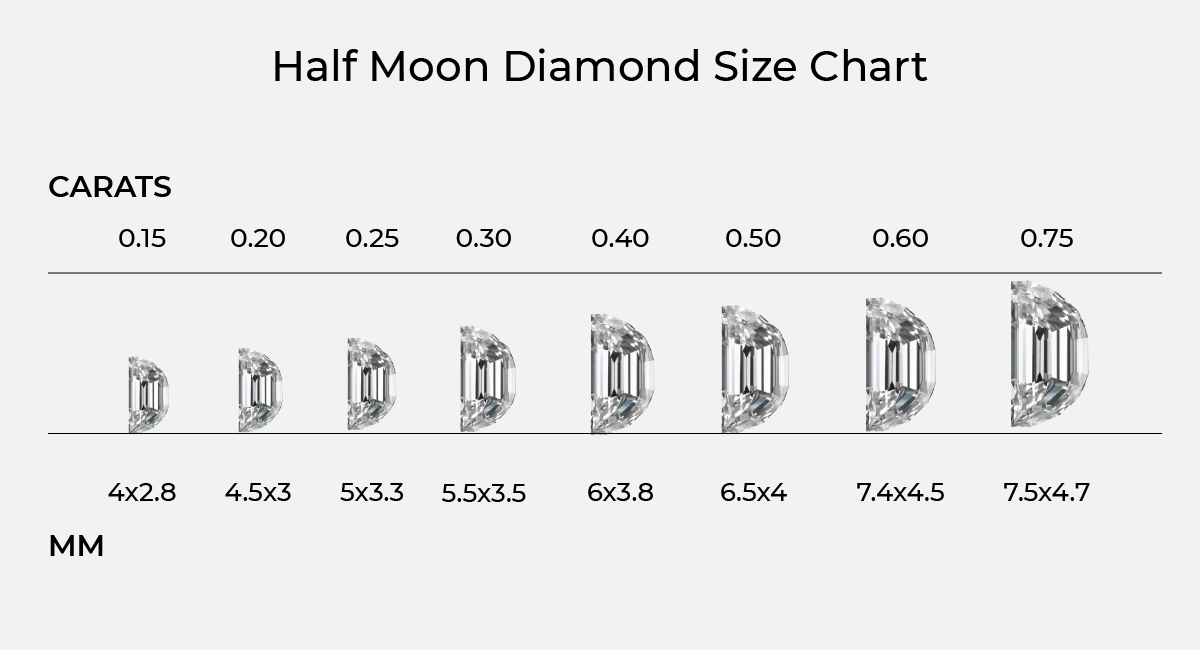
If you are going to buy a half moon diamond, it is important to know that these stones can be measured in carats as well as millimeters. However, the purchase of these diamonds is mainly dependent on their carat weight.

Half Moon Diamond Size Chart

But it is also necessary to understand and use millimeter sizes to get the perfect diamond within your budget.

Sometimes two diamonds having the same carat weight will not appear to be the same size due to differences in facets; therefore, a millimeter measurement is used to define the true size of a diamond.

Also, if you want a diamond for a setting that already exists, you will have to find a diamond of a precise size; here the millimeter size chart plays a crucial role.

If we talk about non-circular shapes like emerald cuts, cushion cuts, and other rectangular or square cuts, the millimeter measurement has an important function. Because of these millimeter proportions, we get to know that the cushion cut is more square and the emerald one has a more rectangular shape.

It is recommended to go for an IGI, GIA, or GCAL certificate when buying diamonds. The carat weight and millimeter size of a diamond are both accurately stated in these certificates. You can rely on these numbers.

Do Half Moon Diamonds Sparkle?

Half moon diamonds have a sparkle, but it is comparatively lower than that of brilliant diamonds.

This is because these diamonds are constructed from broken round or oval diamonds. They might be broken round diamonds of low value, but they can add an extraordinary appeal to your jewelry setting.

Do Half-Moon Diamonds Sparkle

If you are going to buy a half moon diamond as the center stone, you should be more careful with the cut of this type of diamond as it can show a bowtie effect and eventually lower the spark of your diamond.

Size is also responsible for the brilliance of a diamond. If we made a smaller version of any popular shape of jewelry, then it wouldn’t look as beautiful as bigger ones because the brilliance of a diamond depends on the size.

For example, if we go under 2 mm for round brilliant-cut diamonds, the brilliance gets highly reduced.

This is because in small sizes, the flaws as well as the light will not be able to express themselves in the diamond. No matter how good the clarity or cut of your diamond is, its small size will reduce its brilliance.

Now if we talk about bigger sizes, it will also ruin the sparkle of the diamond. For example, in round brilliant cuts, a diamond of 2 or 3 carats has more brilliance and sparkle than a big 9 carat or 10 carat round diamond. This happens because of the ideal balancing of the mosaic pattern, created by internal reflection and refraction done by the facets.

Where to Buy Half Moon Diamonds?

We at Loose Grown Diamond offer the best quality half moon diamonds, which you can buy directly from our store. If you find yourself uncertain about assessing the cost of the selected diamond, our diamond price calculator can be a valuable tool. This tool takes into account various factors such as cut, color, clarity, and carat weight to provide you with an estimate of the diamond’s value.

To obtain a stunning ring, consider engagement ring settings that incorporate half moon diamonds. It’s a user-friendly and efficient way to make informed decisions when purchasing a half moon diamond and half moon diamond ring.


Conclusion

The half moon diamond has a shape with one straight edge over the side, and on the other side, a round, smooth cut is present. This diamond is made of broken round diamonds that have been cut in half to form a crescent moon shape.

If you are searching for a side stone to complement your rectangular or square-shaped central stone, then this would be a perfect choice. Also, these diamonds have low complications and lower prices. When shaped properly, these diamonds have the quality to sparkle from end to end.

FAQs

Are half moon diamond cuts expensive?
You have to pay an average set of 1 carat half-moon-shaped diamonds for around $2,500.

Are half moon diamonds suitable for engagement rings?
Yes, half-moon diamonds can be used in engagement rings to create a distinctive and personalized look. They are often paired with other diamond shapes or used as side stones to complement a central stone.

Can I customize of jewelry with a half moon diamond?
Yes, LGD offers customization options. You can choose the metal, setting, and other design elements to create a unique piece featuring a half-moon diamond.

Hexagon Diamond Ring: Wear the Most Fabulous Shaped Diamond

6 sided mesmerizing gems, also known as hexagonal diamonds, have become a popular choice for brides who want their engagement ring to be unique.

Many people like the different and unique shapes of diamonds in their jewelry. If you are one of those people, you will surely be amazed by the beauty of hexagon diamonds.

A hexagon shape could signify the uniqueness inside you or an unconditional and remarkable love for your partner if you select this diamond for an engagement ring.

In this article, you will get to know more about the unique features of the hexagon diamond and what setting will bring out the true beauty of your ring.

What are Hexagon Diamonds?

What Are Hexagonal Diamonds?

As we all know, the brilliance of a diamond is mainly dependent on the cut of the diamond.

The hexagon is a six-sided diamond shape that gives a diamond its perfect brilliance. It can come in three cuts: the step cut, the brilliant cut, and the rose cut.

Also, there are two types under the hexagon shape category: one is when all sides are equal with an ideal symmetry, and the other can be a little elongated, almost like a rectangular-like hexagonal shape.

The specialty of this shape is that it gathers the majority of light reflection at its center. thus making it sparkle with great intensity.

The hexagonal diamond ring has a taste of a nontraditional shape, and because of its uniqueness, it has become a sensation among brides.

This six-sided diamond looks great in multiple engagement ring settings. This shape can also go flawlessly with different kinds and shapes of stones, primarily colored gems.

One major drawback of this six-sided geometric shape is that its perfect six corners and edges are not totally perfect; if you don’t take proper care of them, they can get dull after a few years.

To prevent this, you have to be very careful while wearing the ring, consider removing the ring while doing hard jobs in which the ring can get in the way or get stuck onto something. For higher security, set the ring in a durable setting like a prong or bezel setting.

[blog_page_inventory shape=”Hexagon” carat=”1.20,4.50″ cut=”0,4″ color=”0,10″ clarity=”3,10″]
[blog_page_btn title”Buy Now” url=”https://www.loosegrowndiamond.com/inventory/?”]

Below are some pros and cons of hexagon diamonds:

Pros

  • It is an uncommon shape, making your ring unique.
  • Hexagon diamonds are versatile and vintage.

Cons

  • Won’t suit an active lifestyle
  • The beauty of this shape and its edges can be a drawback too. It can break easily if not placed in the proper setting.

Hexagon Diamond Ring Designs

Hexagon Diamond Ring

These hexagon engagement rings are bold and geometric; they also have the angular Art Deco style that the Bohemian era is famous for.

This six-sided shape of a diamond is very uncommon, so finding the perfect design will mainly depend on your preference.

The dimensional and angular properties are responsible for giving a vintage look to this diamond. Due to this look, these polygonal-shaped diamonds can look perfect in almost every setting.

Three-stone, halo, solitaire, and bezel are some of the most popular settings for this shape.

These are rare, but that doesn’t mean you can’t be creative while choosing your dream hexagon diamond ring.

Here are some points that can help you design your perfect match ring.

  • You can have a prolonged gold setting with a long black diamond. The gold color and the shine of the black diamond will make a royal pair.
  • A dark-shaded, symmetrical hexagon diamond as the center stone, surrounded by brilliant, transparent round diamonds in a halo setting, will look gorgeous on a ring.
  • One big symmetrical loose hexagon diamond shape in the center in a prong setting and some small, colorful diamonds on two sides of the polygon can be a good choice. This simple and beautiful setting can be perfect for a wedding ring.

If somehow you are not able to find a hexagon diamond ring, then you can go for a round brilliant cut with a hexagonal setting, this setting has the power to make the diamond appear like a hexagon.

What to Look for in a Hexagon Engagement Ring?

What to Look for in a Hexagon Engagement Ring

  • The best setting for your hexagon diamond ring: you should go for a setting that is not going to hide the beauty of your diamond plus is a good match for your diamond. The four-prong setting is favorable for hexagon diamonds, as it gives a traditional vibe to the modern-cut hexagon diamond.
    In addition, this setting is also good for safety, because the prong setting is going to save the diamond from falling damage and prevent the dullness of the edges.
  • Only hexagon diamonds can be eligible for the hexagon setting: as these unique shapes like hexagons are hard to find. Therefore,  not all hexagon diamond rings have hexagon-shaped diamonds in them.
    Round brilliant-cut diamonds are mainly used in place of hexagon diamonds; they can make the ring appear geometric. You can increase the edgy look by adding a few small baguette diamonds in a halo fashion.
  • Pricing of a hexagon diamond: the price of a diamond mainly depends on cut, clarity, carat, and color. However, the cut is largely responsible for the high and low prices of hexagon diamonds.
    These beautiful six-sided polygon diamonds have gained high popularity recently; it will be no shock if their price falls within the range of round diamonds.
  • Certified diamond: if you’re going to buy a diamond ring, you should check its origin, cut, clarity, etc. All these properties of diamonds are mentioned correctly in a certificate issued by a reliable diamond association, such as GIA , IGI, or GCAL. It also gives proof of whether the diamond is real or fake.

Should I Choose a Hexagon Shaped Diamond?

Should I Choose a Hexagon Shaped Diamond

You should choose hexagon diamonds as they are perfectly shaped and have a beautiful geometric touch without being too complex. These hexagonal shaped diamonds have become an unconventional choice that brides have opted for in the last few years.

This six-sided polygon is not like a triangular or square gem that we generally find in jewelry.

It consists of six unique edges that make up the face of a pyramid if you look at it from the side. The face gets broad at the base and becomes narrow at the top.

The diamond can vary in size, but these hexagonal diamonds have a height of more than 3–4 mm and a width of about 2 mm.

If you are looking for a unique, new, and stronger gem, then the hexagon diamond cut could be the perfect choice for you.

It has an admirable geometric shape, which can look pretty in almost every setting. You can also add small diamonds around your polygon, which will increase the beauty and value of your diamond ring.

How to Care for A Hexagon Diamond Engagement Ring

How to Care for A Hexagon Diamond Engagement Ring

A diamond can be the hardest and strongest substance present in nature, yet a diamond can lose its shine if it is not cared for properly.

It can chip or break from the edge, it can fall off and receive permanent damage, which cannot be undone.

But if you keep your diamonds clean and wear them with care, your diamond or any jewelry can look brand new even after years of wearing it.

Below are some points that can help you keep your hexagon diamond engagement ring looking flawless.

  • Do not touch your diamond frequently: by regularly touching your diamond, you can get oil or dirt on it from your hands. This will make up a thin layer on top that is going to affect the brightness, color, and beauty of the diamond. Also, you should touch it gently. If excessive force is applied, it may be displaced or become loose.
  • Regular cleaning: regular cleaning can be good, as oil, dirt, and sweat can block the way of light. Regular cleaning will help to keep the diamond shining bright. The cleaning process is not too technical. You just have to wash it a little with warm water and use a soft toothbrush and mild soap to rinse it. And do not use toothpaste at all.
  • Storage: A diamond should be protected from being stolen and also from getting damaged. If a diamond gets damaged, there is a great chance the damage cannot be undone. A diamond can be rubbed against other jewelry and have its edges damaged, making it appear dull. Some of your other jewelry can also get damaged by rubbing against your diamond. So one should use a designated ring box for the storage of diamonds or diamond jewelry.

Our Top 5 Hexagon Diamond Rings

  1. Halo setting: In the halo setting, the hexagon diamond is surrounded by small diamonds, which are going to add beauty and additional safety to our hexagon.
  2. Pave settings: if you want a very unusual and special style in your ring, then the pave setting is definitely for you. This setting incorporates the use of diamonds in the metal band to make the center stone appear pretty. You can be creative with colors in this setting.
  3. Prong setting: This is the most favorable setting from the list for the hexagon diamond setting. It is just beautiful, and it keeps the central diamond secure from any kind of fall damage.
  4. Bezel setting: this setting also helps to keep your diamond safe by framing it from all sides. Unlike others, the bezel setting protects the diamond from all possible damage.
  5. Three-stone setting: Three stone setting, we have two more stones in addition to our central hexagon. You can be very creative with this, one can add colors to the side stone, or different-shaped side stones can also be used.

We at Loose Grown Diamond offer the best-quality lab-grown diamonds at wholesale rates. We manufacture our diamonds and customize jewelry. Have a look at our inventory if you are interested.

You can use our diamond price calculator to determine the right price for your diamond. Explore exclusive savings with our promo code when elevating your diamond shopping experience. Feel free to contact us if you need any help selecting a diamond or piece of jewelry.


Conclusion

A hexagonal diamond has six sides and a geometrical shape. These diamonds definitely have similar fire and are just as pretty as other diamond shapes. Depending on the length, these can be symmetrical or elongated.

Hexagon diamonds offer a great size with a great look. It has the perfect geometrical shape, which can go with every setting that exists, but a prong setting is recommended as it prevents damage as well.

It can, however, be a hard task to find a high-clarity and large-sized hexagonal diamond. If you want to feel unique and want something uncommon and new, the hexagon diamond shape is the perfect choice for you.

Frequently Asked Questions (FAQs)

Are hexagon diamonds rare?
Hexagon diamonds are pretty rare because they are uncommon and non-traditional shapes. You might never find a hexagon diamond at shops near you. But a hexagon diamond ring can be a perfect match for someone who likes a modern look with a vintage twist.

What Is a hexagon diamond called?
Hexagon diamond is also called Lonsdaleite. It has a crystal structure of carbon with a hexagonal lattice. It can be found at the site where the meteorite impact occurred. But this is different, as this hexagon refers to the hexagon created within the crystal lattice of the diamond. The hexagon diamond mentioned in this article is about a diamond that has 6 sides.

Can I custom design a hexagon cut engagement ring?
Yes absolutely, your desired design can be customized, and get in touch with us through our website. We will be more than happy to design a customized engagement ring for you.

A Guide to the Different Cuts of Diamonds

Just like the other characterized facets of the diamonds, such as quality, color, and shape, diamonds “Cuts” are also a prominent feature that changes the various dynamics of the diamonds from their creation to their purchase.

In layman’s language, the diamond shape is the initial focus and has been considered chiefly an exclusive feature when making choices. We must look more deeply into the context of diamond cuts to know it better and understand it more profoundly.

In this blog post, we will explore some of the most popular diamond cut and their unique characteristics.

Different Cuts of Diamond

What does a diamond do to people? Why does it always tend to attract them? What’s that one major factor or feature of diamonds that never fades away?Different Cuts of Diamond

Diamond has its own sparkle and brilliance that reflects the light around it and charismatically attracts people. This is the sole factor that never goes in vain and keeps individuals invested in the beauty of diamonds.

Before the diamond is cut and polished, it is known as a rough diamond which is highly opaque and it is not truly see-through. The rough diamonds contain nil sparkle within them. The cutting of the diamond impacts its light performance and visually embarks the brilliance and beauty of the lab grown diamond.

This cutting procedure is the basic step towards the formation of the diamond and later arrives at its shaping and quality framing. Visibility of colors and fire within the diamond is only possible with the cutting of the diamond.

Diamonds are always a go-to choice for people; they love them for all their exquisite brilliance. These gems always stand out on every occasion and compliment the bearer making them look prettier.

The Most Popular Diamond Cuts

To know more about different diamond cuts and their detailed existence, we have to dig a little deeper. When concluding, people usually confuse diamond “cuts” as the “shape” which is not beneficial for making a decision. We at LGD will be giving you the right direction by throwing light on the different cuts of diamonds.

different cuts of Diamond: explained in detail

A diamond requires specific characteristics that demonstrate the quality representation of the diamonds, which are the 4C’s: Color, Clarity, Cut, and Carat Weight, which eventually helps in determining the cost of a diamond. Along with these 4C’s, the diamonds are graded within definite ranges and a graphic representation of the proportions of the diamonds is presented.

Let us get to know about different cuts of diamonds in detail:

Round Cut Diamond

The most popular diamond cut until now. Round cut diamonds are considered real classics that could never go out of style and would always keep incrementing their value and worth. Specifically, these diamonds look bigger in comparison with many other diamonds whereas the cutting quality highlights their brilliance as well.

First, the round cut diamond was created in the 17th century, and almost after 100 years, it started to originate on its own. One thing about the round-cut diamond that always impresses the jewelers is that they leave the littlest waste and deliver the maximum worth. Approximately, in the last thirty years, the value of diamonds has been increasing and the round cut has secured a position as a “favorite” in the hearts of the people and the round cut diamond is the best choice for creating a beautiful ring. Round cut diamond rings are gaining popularity among individuals who admire vintage.

[blog_page_inventory shape=”Round” carat=”1.56,2.60″ cut=”3,4″ color=”5,8″ clarity=”6,10″]
[blog_page_btn title=”buy round diamond” url=”https://www.loosegrowndiamond.com/inventory/?shape=Round”]

Asscher Cut Diamond

The Asscher cut diamond was created by Joseph Asscher in 1902 and so it was named after him only as he had a patent put up on his unique design. This cut is rare as opposed to flaunting its brilliance and fire, it embarks on the clarity of the diamond. Precisely, the luster and clarity of the diamond are the main focus, whereas it has its own brightness from within.

It has a symmetrical geometry that also secures its vintage style inspired in line from the Art Deco Era. This cut has a variedly structured design with an unusual facet pattern that makes it more appealing to the masses and it is found rarely. These diamonds are in high demand these days, as give a unique look to Asscher cut diamond rings.

[blog_page_inventory shape=”Asscher” carat=”1.50,2.60″ cut=”0,4″ color=”0,10″ clarity=”0,11″]
[blog_page_btn title=”buy Asscher diamond” url=”https://www.loosegrowndiamond.com/inventory/?shape=Asscher”]

Emerald Cut Diamond

The Emerald cut diamonds invention dates back to the 1500s when the creators came across this design and gave it a stylistic approach. It is one of the oldest diamond shapes that is structured as a rectangular cut with cropped corners, this gives it an edgy, sharp, and bold look. Its popularity soared during the Art Deco period only, especially due to its geometric shape and eye-catching formation.

During the 13th century, the ‘step-cut’ was formed after various experimental cuttings which had a bit of octagonal structure and later evolved into this emerald cut. Within the emergence of the 19th and 20th centuries, people’s choices were found getting intact with this cut and now it has highly secured a position in the market due to its elongated shape. It emphasizes clarity rather than sparkle, creating a unique and elegant appearance and their unique emerald cut diamond ring designs are creating a fresh appeal.

[blog_page_inventory shape=”Emerald” carat=”1.50,2.60″ cut=”0,4″ color=”0,10″ clarity=”0,11″]
[blog_page_btn title=”buy Emerald diamond” url=”https://www.loosegrowndiamond.com/inventory/?shape=Emerald”]

Princess Cut Diamond

The princess cut diamond finds its existence with the origination of a Barion Cut patented in 1971 by the creator who named it after himself and his wife. The cut is highly recommended to those who desire the same brilliance and fire as that of a round cut diamond, but that too in a square shape.

The princess cut diamond can be square shaped as well as rectangular shaped too but the most chosen shape is square cut as it remarks the uniqueness. Princess cut diamond rings have numerous facets that enhance their brilliance, making them a popular choice for engagement rings.

[blog_page_inventory shape=”Princess” carat=”1.50,2.60″ cut=”0,4″ color=”0,10″ clarity=”0,11″]
[blog_page_btn title=”buy Princess diamond” url=”https://www.loosegrowndiamond.com/inventory/?shape=Princess”]

Cushion Cut Diamond

The cushion cut is a modern-day design that traces back its existence to the old mine cut, which was found around the 1700s, but after a lot of digging and mining, it began to dry up, and later the cushion cut diamond was formed. It hides its inclusions very well and has a very soft, pillow-like formation that withholds less brilliance but has got its own fire which is its most appealing feature.

This cut highly interests vintage and aesthetic stylists and portrays the feminine look. It also looks a bit smaller than other diamonds when looked at from the top due to its deeper cut and extra weight under the girdle of the stone. The cushion cut diamond ring is becoming increasingly popular among those who appreciate vintage and aesthetic styles.

[blog_page_inventory shape=”Cushion” carat=”1.50,2.60″ cut=”0,4″ color=”0,10″ clarity=”0,11″]
[blog_page_btn title=”buy Cushion diamond” url=”https://www.loosegrowndiamond.com/inventory/?shape=Cushion”]

Radiant Cut Diamond

The radiant cut was first made in New York in 1977 but it didn’t get a hold of urgent success and later in the years it exploded by securing the center stage and sidelining the brilliant round cut diamond. This time, there was no compromise either on the formation or the brilliance.

It was structured in square and rectangular shapes enabling higher brilliance. It is a classic that always keeps your ring stand out from the crowd and the radiant cut diamond ring gives a unique impacting design.

[blog_page_inventory shape=”Radiant” carat=”1.50,2.60″ cut=”0,4″ color=”0,10″ clarity=”0,11″]
[blog_page_btn title=”buy Radiant diamond” url=”https://www.loosegrowndiamond.com/inventory/?shape=Radiant”]

Oval Cut Diamond

The oval cut is an elongated version of the Round cut diamond that elegantly follows almost all the similar features whereas makes the hands of the wearer look a bit different and slender. It never loses its classic elements and maintains a vintage look throughout.

It is less expensive than round cut diamonds due to its sparkly feature and has this timeless yet sophisticated vibe. Typically, they are 20% less expensive in comparison to other diamonds making them a splendid choice.

[blog_page_inventory shape=”Oval” carat=”1.50,2.60″ cut=”0,4″ color=”0,10″ clarity=”0,11″]
[blog_page_btn title=”buy Oval diamond” url=”https://www.loosegrowndiamond.com/inventory/?shape=Oval”]

Heart Cut Diamond

The heart cut diamond made its debut in the year 1463, which states its deep-rootedness and ancient history, which undoubtedly symbolizes the eternal love amongst the partners. Earlier, the cut was popular amongst the royal families, that too for exchanging it as a means of goodwill.

It is primarily a brilliant cut only, which is later molded in a heart shape but consists of the same brilliance and sparkle within it. It is generally 15-20% cheaper and one can have a larger diamond in shape with this cheaper rate as well, precisely in comparison with round cut diamond. A heart cut diamond ring symbolizes romance and affection, making it a sentimental choice for expressing love and adoration.

[blog_page_inventory shape=”Heart” carat=”1.50,2.60″ cut=”0,4″ color=”0,10″ clarity=”0,11″]
[blog_page_btn title=”buy Heart diamond” url=”https://www.loosegrowndiamond.com/inventory/?shape=Heart”]

Marquise Cut Diamond

The marquise cut diamond has a unique story to its origination, and it dates back to the 18th century, when King Louis XV of France, demanded one of the jewelers to create a unique shaped diamond that would be similar to the shape of the lips of the king’s mistress. The diamond kept evolving over time and has become what we have now.

It was also named after the king’s love, which is sometimes called ‘Navette Cut’ by the jewelers. It has a tapered Oval shape with pointed ends which is suggested to be “old school” but that doesn’t mean it can’t be stated as a symbol of modernity and must be included in evolution as styling is always dynamic and could be put forth with a lot of unexpected.

A marquise cut diamond ring offers a distinct and elegant appeal, perfect for those seeking a unique and glamorous piece of jewelry.

[blog_page_inventory shape=”Marquise” carat=”1.50,2.60″ cut=”0,4″ color=”0,10″ clarity=”0,11″]
[blog_page_btn title=”buy Marquise diamond” url=”https://www.loosegrowndiamond.com/inventory/?shape=Marquise”]

Pear Cut Diamond

The pear cut diamond originated in the 1400s in Flanders by a Flemish diamond cutter and polisher. It is considered to be a vintage jewel and is highly popular for engagement rings which sparkle a lot and have got utter brilliance. About only 4% of diamonds found in the market are evaluated for their rarity.

Though people don’t like it much and prefer not to buy it due to its small size and lumpy sides. Also, the bow tie within it is considered to be an ill inclusion. The diamond, however, produces less waste while cutting so it is cheaper than the other diamonds.

[blog_page_inventory shape=”Pear” carat=”1.50,2.60″ cut=”0,4″ color=”0,10″ clarity=”0,11″]
[blog_page_btn title=”buy Pear diamond” url=”https://www.loosegrowndiamond.com/inventory/?shape=Pear”]

Old European Cut Diamond

The old european cut diamond was first handcrafted in the year 1890 to 1930 and remained extremely popular in the 1900s amongst almost all classes. During the Art Deco Era, their popularity grew continuously. They are also considered the predecessors to one of the most popular diamond cuts in the present, which is the round cut diamond.

The diamond was cut in a way where it was a deeper cut, high crown, and a small table surface over the top with fewer facets to it. Making it one of the antique diamond cuts of all time.

[blog_page_inventory shape=”old european” carat=”1.00,5.60″ cut=”0,4″ color=”0,10″ clarity=”0,11″]
[blog_page_btn title=”buy old european diamond” url=”https://www.loosegrowndiamond.com/inventory/?shape=old european”]

Baguette Cut Diamond

The baguette cut diamond was created from the rectangular step-cut diamond which evolved from the hogback, which was an elongated cut explored during the mid-16th century. During that era, it was highly used to form monograms or jeweled letters, precisely the initials of the names. “Baguette” is a French word, it is a kind of bread that is elongated in shape and this name has been derived from it.

This diamond cut has a vintage nostalgia emotion leading back to the Art Deco Era that is exceptionally alluring. The lab diamond is highly expensive due to its tough composition as it is sustainably difficult to match the sizes and cut from a rough diamond, but it is still worth it.

[blog_page_inventory shape=”Baguette” carat=”1.10,4.60″ cut=”0,4″ color=”0,10″ clarity=”0,11″]
[blog_page_btn title=”buy Baguette diamond” url=”https://www.loosegrowndiamond.com/inventory/?shape=Baguette”]

What is the Difference Between Diamond Cuts and Diamond Shapes?

The diamond cut refers to how well a diamond is cut to maximize its brilliance and light performance, while the diamond shape refers to the physical outline or external appearance of the diamond, such as round, princess, or emerald shape. The cut of a lab grown diamond is referred to and understood with its facets, symmetry, dimension, and reflective measures and the shape remains as an outlining structure of the particular diamond.

What is the Difference Between Diamond Cuts and Diamond Shapes?

For instance, let’s try to understand it in an easier way, think of any diamond cut, be it a trillion cut diamond, it might be shallow or deep, dull or brilliant, and even highly symmetrical or lumpy, but these all factors directly affect the diamond cut and has nil effect on its shape. It remains triangular with only various inclusive changes to its formation.

Both the elements are different but they highly impact the overall creation and worth of the diamond, which also plays an important role in choosing one.

The Most Expensive Diamond Cut

The most expensive diamond cut around the world is round brilliant cut diamond as it wastes most of the rough stone while under the cutting procedure, almost around 60% of the diamond is wasted. It is a precious stone that embarks on its sparkle and radiation that highly reflects the light and makes it a crowd-pleaser. The light performance of the diamond is also a factor of interest and must be highly considered.

The Most Expensive Diamond Cut
Any of these factors are highly impactful due to its cut, as that only brings out the formation of the diamond and evolves its appealing style. It is a classic shape that runs through generations and highly never loses its real worth, which also makes it exceptional from the other diamonds.

Which Diamond Shape Looks Biggest?

Some other diamonds that also run in the race to look larger than their usual appearance are round diamonds, Marquise, Pear, Oval, and Emerald cuts, whereas all of these are classic styles existing for a very long time and have developed a greater interest in the minds of the people.

All of these cuts are elegant and have a greater impact when chosen as a center and sole diamond. Other than these varied cuts, a diamond in a ring can also look bigger with various prescriptive settings.

Cut Grades

In layman’s language, grading simply means the act of classifying on some specific scaling/metric which could be based on the quality of the diamonds. Diamond cut grade is based on several factors, including symmetry, polish, brilliance, and fire, which could be only determined, while under magnification. It helps you identify all that you must know about the diamonds, such as their rarity and the measurement of reflection it carries within itself when light hovers through them.

Cut grades vary from being excellent to poor, which highly and specifically means if the diamond has greater factors, they precisely are good enough but if the quality has deteriorated and you get the least of anything it is similar to a mere stone, which is poor in quality.

Tips for Selecting the Best Diamond Cut for Your Engagement Ring

Knowing the depth of the different diamond cuts is a necessity but there are other factors as well that collide while purchasing a precious lab diamond, precisely the engagement ring. Let’s have a look at a few knocking and quick tips to follow in order to have a better purchase:

Get to know about 4C’s in a diamond.

Tips for Selecting the Best Diamond Cut for Your Engagement Ring

It is a very easy concept but confusing as well, so have a better look at it to have a much better understanding of the lab diamonds, because it is the basic form & structure of the diamonds.

Learn about various cut and shape styles of the diamonds, differently. Never forget that a lab diamond cut is different from diamond shapes. Study the various metals, their availability, quality, and prices, and choose one of the best.

Lastly, have a budget in mind and revolve around it, because we believe that even with the lowest budget one can have the desired choice. You can use our diamond price calculator to determine the right price for your diamond. Explore exclusive savings with our promo code when elevating your loose grown diamond shopping experience.

[perfect_ring_box title=”Ready to create your perfect ring?” btn1ttl=”Start with a Setting” btn1url=”https://www.loosegrowndiamond.com/build-a-ring”]

Conclusion

Know when we exclaim “best” it is simply your style, liking, and budget that makes it one, nothing that others choose for you, we only recommend them.

Diamonds are anyways the greatest investments of all time and one must have a sense of belongingness attached to them. They are a one-time investment for the ages and later run through generations, in a tone of generic terms. Types of lab grown diamond cuts are indeed a factor to be known but it should never be the “only” factor to be indulged with, know a bit about all to have a better perspective and considering these factors will assist you in finding the ideal engagement ring.

FAQs

What are the different diamond cuts?
The different diamond cuts include round brilliant, princess, emerald, asscher, cushion, oval, marquise, pear, radiant, and heart-shaped cuts.

What are the most popular diamond cuts?
The most popular diamond cuts include the round brilliant cut, princess cut, and cushion cut.

Which diamond cut offers the most sparkle?
The round brilliant cut is known for its exceptional sparkle and brilliance due to its precise facet arrangement and optimal light reflection.

Are certain diamond cuts more expensive than others?
The price of a diamond is influenced by various factors, including the cut. Generally, fancy shaped cuts like emerald, Asscher, and marquise cuts can be more expensive compared to round brilliant cuts.

Which diamond cut is best for an engagement ring?
The best diamond cut for an engagement ring depends on personal preference. The round brilliant cut is a classic and popular choice, while other cuts like princess, cushion, and oval offer their own unique appeal.

Can diamond cuts affect the diamond’s perceived size?
Yes, diamond cuts can influence the perceived size of a diamond. Certain cuts, like the oval or pear, can create an elongated appearance that makes the diamond appear larger than its actual carat weight.

What Is An Old European Cut Diamond – An Ultimate Valuable Guide

A diamond cutting process is a very complex process. Over time, the process has been optimized and is easier when compared to the old days. For that, technological advancements are to be thanked.

The development of new machines has helped a lot in enhancing the artistic capabilities of a lapidarist, due to which we have seen some great and brilliant cuts in the modern era.

And though people have greatly admired the modern brilliant cut, there remains a market that still appreciates the craftsmanship of the old antique diamonds. One such diamond is the old European cut diamond.

What Is An Old European Cut Diamond?

An old European cut diamond is an old and vintage diamond type that is different from the mine cut diamond. These diamonds were used to be cut between the late 19th and early 20th centuries using the old European cutting technique. 

The old European cut diamond has recently been in the limelight because of many celebrities endorsing this antique and vintage style of diamond. This diamond cut succeeded the mine cut diamond whilst keeping some of its features. Which facilitates the argument of the old mine cut vs old european cut diamonds.

What Is An Old European Cut Diamond - An Ultimate Valuable Guide

Some of these were the large cutlet and small table but having round shape. 

These days with modern and high-efficiency machines, the diamonds are first scanned, and then it is worked out how the rough and raw diamond can be transformed into the piece of art that we are used to.

After that comes the cutting process, grinding and polishing, etc. Then the diamond is scanned again to see if everything’s cut properly or if any changes can be made.

The old European cut diamond was cut and measured to become the piece of art that it is today, using nothing but the cutter’s eye. The modern era’s way of cutting diamonds depends on both skill and heavy machinery. 

But when compared to the cutting style of the old European cut diamond, it has an organic feel to it, containing all the imperfection and character, which when you notice you tend to appreciate the work that went behind creating that masterpiece. After all, it was made using nothing but the naked eye and human intuition.

Aesthetically the old european cut diamond is almost similar to the modern round cut diamond, so much so that it can be called the softer version of the modern round cut diamond. But the difference is clear to an eye that knows what it’s looking for.

Are Old European Cut Diamonds Valuable?

Speaking in general terms, no. As it is common for older diamonds to have less value in the market, the same goes for the old european cut diamonds. You can expect them to be 20% cheaper than the regular round cut diamond of the same carat weight. 

But when we are talking about the general reality, the value of a diamond depends on a lot of things such as its clarity, color, carat weight, and cut. So naturally, there are a lot of instances where the prices of an old European cut diamond have been more than expected.

After that comes the rarity of the diamond. The diamond market changed a lot from when they used to make the old european diamond. And because diamonds are rarely being cut using this technique, such diamonds can be very valuable.

Are Old European Cut Diamonds Valuable?

But again, for that to happen, the diamond needs to have certain admirable qualities that will encourage buyers, in turn, increasing its demand. Some of those qualities are if it has been cut and crafted beautifully or if it has any cultural or historical significance. Diamonds with these criteria in check often sell at a higher value. 

To boost the price range you might be happy or sad, depending on your stand, to know that the old european cut diamonds are quite popular these days. Some of the reasons are soon-to-be-married couples. 

Old European cut diamond engagement rings are popular among soon-to-be-married couples and if it fits the requirements of the couple then the price rarely matters. After all, the heart wants what it wants and the old European cut diamond ring is most likely to be of the same or cheaper price than a regular round cut diamond ring.

[blog_page_inventory shape=”old european” carat=”1.50,4.60″ cut=”0,4″ color=”0,10″ clarity=”0,11″]
[blog_page_btn title”Buy Now” url=”https://www.loosegrowndiamond.com/inventory/?”]

What To Look For In An Old European Cut Diamond?

The old European cut diamonds are often compared with other antique diamonds such as the old mine cut diamond. But to no one’s surprise, they both are quite different in some areas. One of them is their large facets that are bigger than the round brilliant cut diamonds.

They can be easily spotted because of the small circle at the center on top of the diamond. That circle appears because of the large cutlet of the European cut. 

A large cutlet is what allows light to pass through the bottom of the diamond creating dark rings in the process. Nowadays most diamonds do not have large cutlets or cutlets at all. The round brilliant cut diamond doesn’t have a facet at all.

Instead, modern diamonds have equipped themselves with more of a sharp end at the bottom, which also helps in reflecting the light and preventing dark circles from emerging altogether. 

If you are looking to buy an old European cut diamond and are confused about what setting suits it the best. We would like to tell you that most people go with a simplified background. They don’t want any other design elements to shift the attention from their old antique diamond. 

How To Identify An Old European Cut Diamond?

Old European cut diamonds were all handmade thus giving them a distinguished imperfection. This imperfection makes it easy to pick out an Old European Cut Diamond. This diamond cut has 58 facets (larger than regular diamonds) just like modern diamonds.

How To Identify An Old European Cut Diamond

Most diamonds tend to also have large “culet” causing the light to escape which causes spots/circles to appear. Something that every diamond had in common was having a higher crown but a small table. The symmetry of the diamonds was very hard to achieve in Old European Cut Diamond due to antiquated vintage cutting. 

Pros and Cons Of  The Old European Cut Diamond

PROS

  • Old European cut diamonds are often available at lower prices than modern-cut diamonds. Which makes them a good value for money if you’re into old and antique diamonds.
  • The old European cut diamond is unique and not only when compared to other diamonds they are unique but also among their own kin. And that’s because every diamond is handcrafted. Which makes each one of them unique and a piece for appreciation.
  • Their rarity is increasing because the older diamonds are being re-cut into newer and more modern shapes. As that transpires there will be very few original old European cut diamonds which is sure to boost the prices and the demand for the ones that are left.
  • They also have something referred to as “inner fire” by antique diamond enthusiasts. Inner fire is the light and dark flashes of light in a checkerboard pattern. It’s less intense than the modern diamonds, which antique diamond enthusiasts appreciate.
  • They make a perfect engagement ring as the demand for them is increasing. And for an antique engagement ring, the European cut, being antique itself, will be a flawless choice.

CONS

  • They are very limited in numbers giving birth to limited choices. Because they belong to a rare antique type of diamond it’s quite hard to get them according to your color of choice, size, or carat weight.
  • Imperfect cuts. As we have mentioned before the old European cut diamonds were completely handmade it is quite expected that they don’t have the perfect cuts. This certain con can also be a pro for you, depending on who you are and what you are looking for.

Old European Cut Diamond Vs Old Mine Cut Diamond

Old European Cut Diamond is often being compared to the Old Mine Cut Diamond, thus creating the ‘old mine cut vs old European cut– which is better?’ debate. while they both have a soft and supple appearance, albeit with few distinguishing features. 

Old European Cut Diamond Vs Old Mine Cut Diamond

Age

When compared to the diamonds based on their age the Old Mine Cut Diamond is way older than the Old European Cut Diamond. Old Mine Cut Diamond is approximated to be 100 years older while Old European Cut Diamond became common in the 20th century. 

Shape

Old European Cut Diamonds are rounder while Old Mine Cut Diamonds are square-shaped with rounded edges. Old European Cut Diamonds resemble the modern round cut diamonds and old mine cut diamonds incline more towards a modern cushion cut. 

Culet

Old Mine Cut Diamonds and Old European Diamonds both have cults that are visible without any need for magnification. Although culet in Old Mine Cut Diamonds is larger when compared to Old European Cut Diamonds. 

Proportions

Old European Cut Diamond has comparatively accurate precision when it comes to the facets. On the other hand, the Old Mine Cut Diamond has large imprecise facets. 

Fire

Due to the large facet size of Old Mine Cut Diamond, it tends to display variations of colors and contrasting patterns. This isn’t the case when it comes to European Cut Diamond. 

Both old European Cut Diamond and Old Mine Cut Diamond have a lot in common. They both are conventional pieces with imperfect symmetry, each having 58 facets and a smaller table compared to modern cut diamonds. 

Old European Cut Diamond Vs Round Brilliant Diamonds

Modern Round Brilliant Cut Diamonds have evolved from old cut diamonds including Old European Cut Diamonds. They are similar in many ways but when compared side by side the differences are uncanny. 

Old European Cut Diamond Vs Round Brilliant Diamonds

Table Size

The Old European Cut Diamonds have very small table sizes, sometimes as small as 38% of the diamond’s diameter. But Modern Round Brilliant Diamonds have excellent table sizes which go up to 60%. 

Facet Shape

Both diamonds have similar facets (58 in number) but the cut in each varies. In the Old European Cut, the facet has a more triangular shape and on the other hand, a round diamond’s facet is thinner.

Culet Size

Because of the use of antiquated techniques, the culet size of the Old European Cut is larger than that of the Modern Round Cuts. The size recommended while selecting a diamond is to have no or very minimal culet.

Girdle Finishing

Unlike Modern Cut Diamonds that have faceted girdles, Old European Diamonds have frosted or brute girdles.

Precision and Symmetry

Usage of modern technology for making Modern Round Brilliant Cut makes it symmetrically precise but when compared to Old European Cut Diamonds which were handmade, the precision isn’t symmetrical.

Cut for Color and Brilliance

The modern round brilliant cut is designed for maximum brilliance, as the name implies. The old European cut, on the other hand, is predominantly intended to highlight the color of a diamond.

Where to Buy Old European Cut Diamonds?

The choice of where to purchase a diamond significantly influences the ultimate cost. Two primary options exist: online and in traditional jewelry shops. Opting for online diamond purchases can prove advantageous.

loosegrowndiamond.com offers old European diamonds at more affordable prices since they bypass diamond retailers and brokers, reducing buyers’ costs.

Utilize our diamond price calculator to ascertain the perfect value for your diamond. Unlock exclusive savings by applying our promo code, enhancing your diamond shopping experience with added benefits. Discover the find certified lab-grown old European cut diamond in our inventory.

Conclusion

Due to the rarity of Old European Cut Diamonds, the value has been constantly increasing. The value however depends on the color, clarity, carat, and cut. The downside of Old European Cut Diamonds is that it fall short on the “cut” aspect due to their uneven symmetry and lack of precision.

Having something valuable and antique-like Old European Cut Diamond can add brilliance, and color and amplify one’s diamond collection. 

Frequently Asked Questions (FAQs)

Are old European cut diamonds conflict-free?
As previously stated, if you are searching for vintage bands (or contemporary rings with an ancient gem), the age of the diamond must imply that it is conflict-free. Antique crystals older than 50 years (pre-1970s) have always been conflict-free. More caution is necessary for more latest antique diamond engagement rings.

What is a European cut?
A round stone cut between 1890 and 1930 is known as an old European cut diamond. They were prevalent during the Art Deco era. These antique diamonds predated the contemporary round brilliant cut diamond, which has become the most pervasive diamond configuration. These antique diamonds have 58 facets, just like the popular diamond cut: Round.

How can you tell an old European cut diamond?
Old European cut crystals are distinguished by their prominent facets, which seem to be significantly more extensive than those of brilliant round cuts. They can be identified by the tiny circle in the center of the diamond’s table. The sizable culet of the old European cut inspired this ring. The culet is located at the bottom of the diamond.