Exploring the Brilliance of Lab Created Diamond Color D

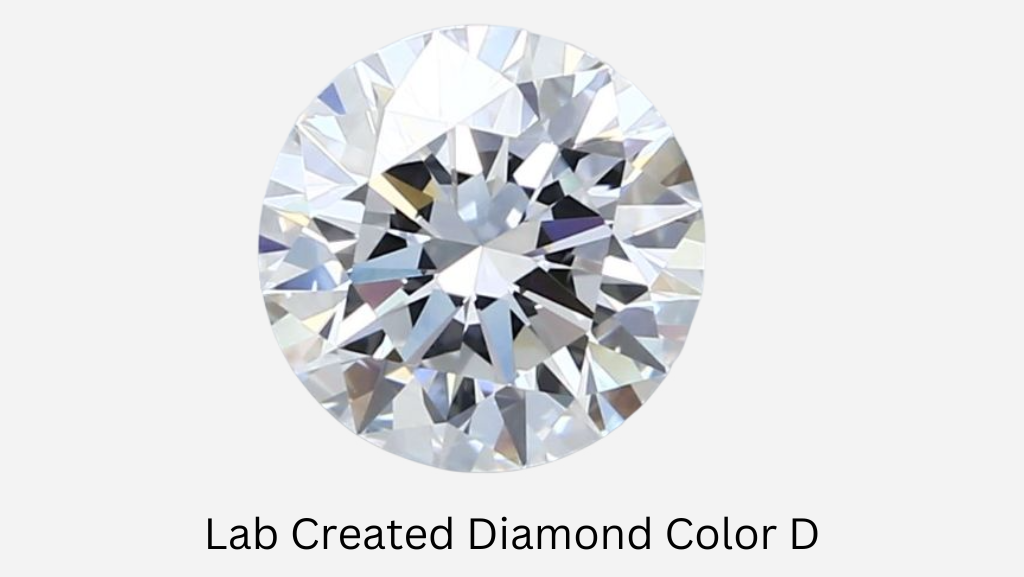
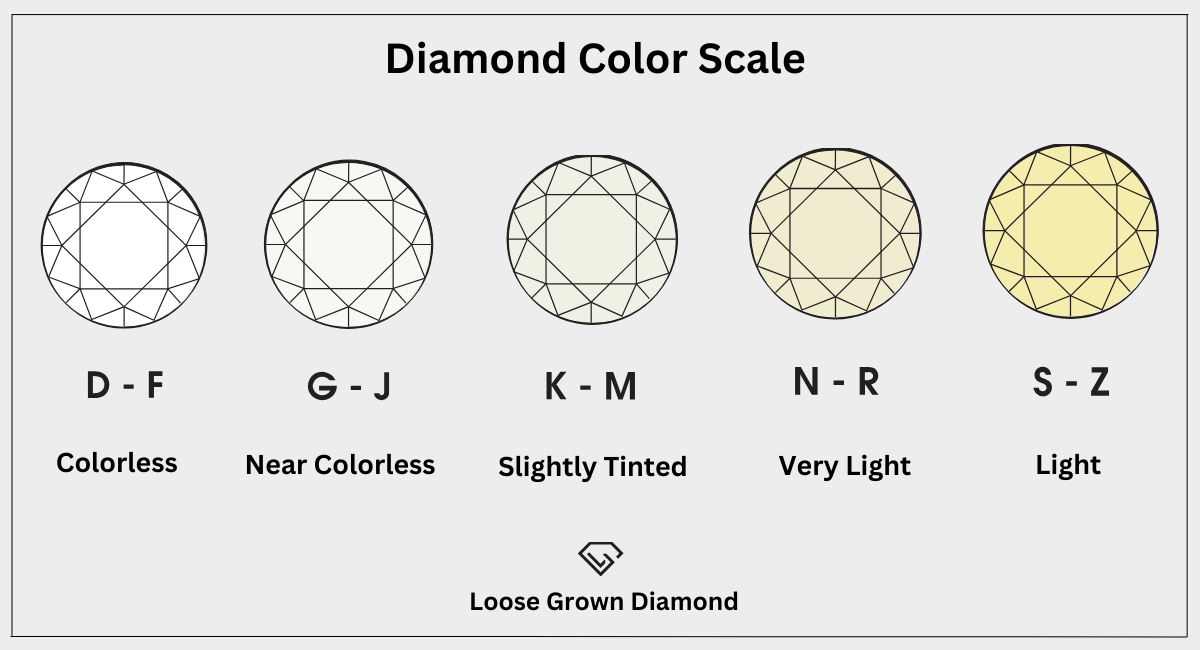
In continuation of our previous blog, diamond color grades are used to assess the presence of color within a diamond. D color diamonds, also known as “colorless” diamonds, are among the highest grades in the diamond color scale. They are extremely rare and highly sought after for their exceptional lack of color.
Exploring the Brilliance of Lab Created Diamond Color D

D color flawless diamonds display a pure, icy-white appearance, allowing them to maximize the reflection and refraction of light. With their remarkable brilliance and rarity, D color diamonds are favored for their unparalleled beauty.

Their pristine color grade signifies a top-tier diamond that exudes timeless elegance and luxury, making them a coveted choice for those seeking the epitome of diamond perfection.

Why Diamond Color Start From D?

In the 1930s, when the Gemological Institute of America (GIA) was developing the comprehensive 4Cs system, existing color grading methods were often ambiguous and inconsistent. While diamonds were traditionally categorized as A, AA, or AAA, this approach was not precise enough for diamonds.

To establish a more precise and objective standard, GIA decided to create its color grading scale, starting with the letter D. The diamond color scale starts at D to avoid confusion with previous grading systems.

Elegance Redefined: Embracing Lab Created D Color Diamonds

Lab created D color diamonds are chemically and optically identical to natural diamonds. Their exceptional color grade, coupled with their ethical and sustainable origins, makes them a desirable choice for conscious consumers.

With certifications available to verify their authenticity, lab created diamond color D offers a range of sizes, cuts, and shapes to suit various jewelry preferences. Whether for an engagement ring or a special occasion piece, these diamonds provide a brilliant and affordable option without compromising on quality or beauty.

[su_youtube_advanced url=”https://www.youtube.com/watch?v=3OILwnZbt2Q” width=”1600″ controls=”alt” autohide=”yes” autoplay=”yes” mute=”yes” loop=”yes” rel=”no” modestbranding=”yes” theme=”light” playsinline=”yes” title=”D color diamond ring”]

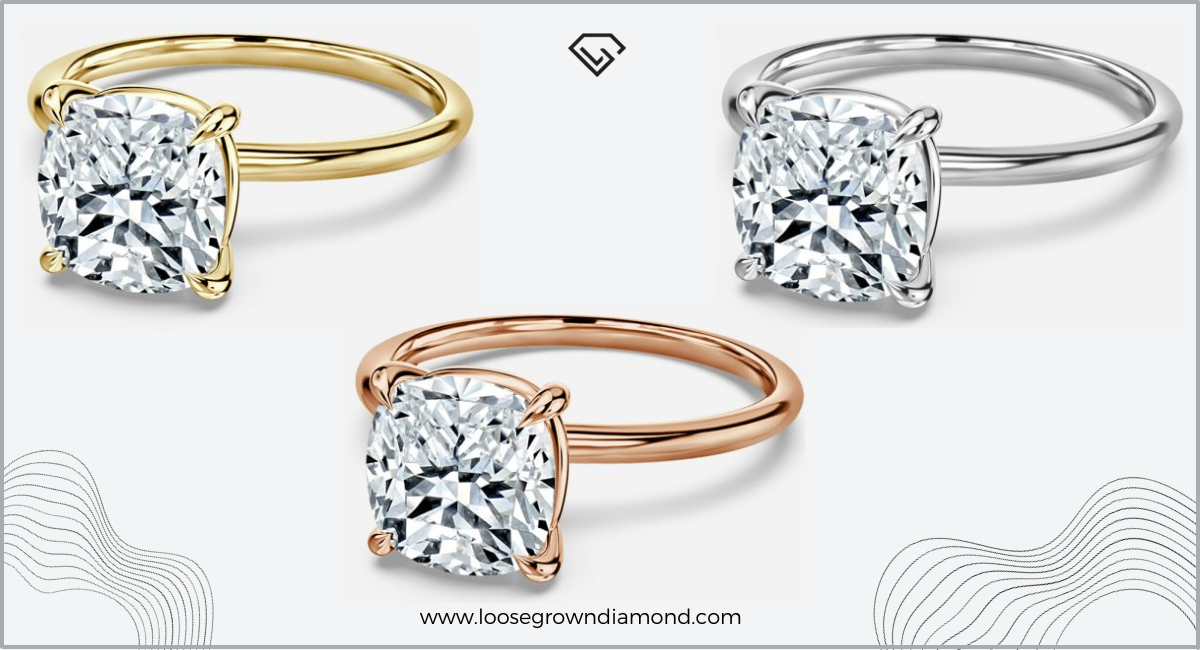
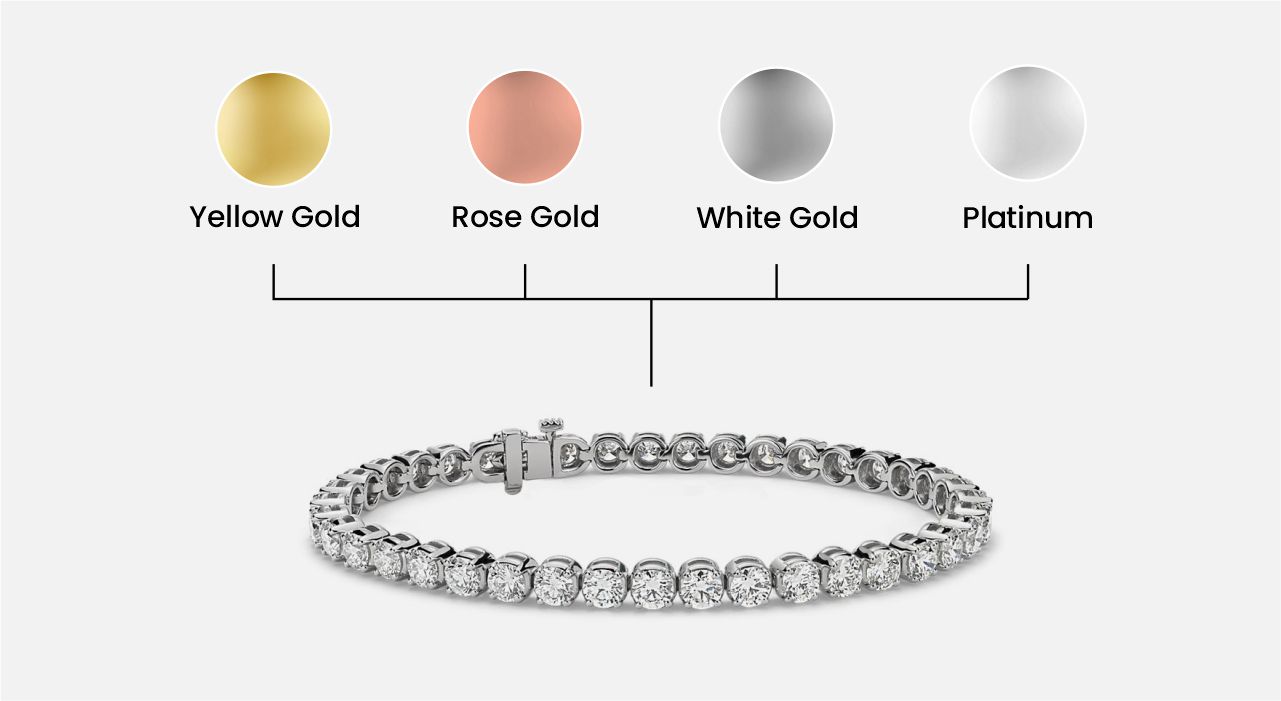
Diamond color D is incredibly versatile, complementing any setting or metal choice. Whether set in platinum, white gold, yellow gold, or rose gold, the colorless nature of these diamonds allows them to seamlessly integrate into any design, making them a perfect choice for those who appreciate both tradition and contemporary style.

Whether you opt for a timeless solitaire or a more intricate design, the diamond’s sheer brilliance captures the very essence of your love story, creating a proposal that will be etched in your memories forever.

Embrace the allure of a diamond color D while making an environmentally responsible choice by considering lab created options.

Unveiling Diamond Purity: The Mesmerizing Allure of Flawless D Color Diamonds

Diamond color grades start from D because they represent the highest level of colorlessness. Color D diamonds are exceptionally rare and exhibit no detectable color.

Diamond Color D

As the first grade on the color scale, D signifies the purest and most coveted diamond color. Diamond color D are highly sought after for their brilliance and ability to reflect light with unmatched radiance. When combined with flawless clarity, D color flawless diamonds or loose diamonds represent the epitome of diamond perfection.

The Amazing Aesthetics and Value of Diamond Color D

D color diamonds exhibit a mesmerizing icy-white appearance, reflecting light with dazzling brilliance. These diamonds are truly colorless, making them highly sought after for their rarity and exceptional beauty.

While they come with a higher price tag due to their scarcity, their unmatched radiance and prestige make them a worthwhile investment for those seeking the pinnacle of diamond perfection.

[blog_page_inventory shape=”Cushion,round,heart,pear,oval,cushion,princess,emerald,radiant” carat=”1.30,2.60″ cut=”1,4″ color=”10,10″ clarity=”1,6″]
[blog_page_btn title=”buy best price D color diamond” url=”https://www.loosegrowndiamond.com/inventory/?”]

A Dazzling Choice: Why Investing in D Color Diamonds Reigns Supreme

Celebrities like Beyoncé, Jennifer Lopez, and Angelina Jolie have embraced the allure of D color diamond rings, solidifying their status as the epitome of luxury.

D Color Diamond Ring

Their timeless elegance effortlessly enhances any style or occasion, while their high resale potential ensures a future-proof investment. With color D diamonds, you can bask in the beauty of a rare treasure that transcends trends and shines with unmatched radiance.

Understanding the Price of D Color Diamonds

When it comes to answering whether a D color diamond is good, its price reflects its rarity and exquisite beauty. Being the highest grade on the diamond color scale, diamond color D commands a premium due to their exceptional colorlessness.

D color diamond price is influenced by various factors such as carat weight, cut, clarity, and overall quality. While they may come with a higher price tag, diamond color D are valued for their timeless allure, breathtaking brilliance, and the prestige associated with owning a top-tier diamond.

Diamonds with a color grade of D can be priced anywhere from $200 to several thousand dollars, depending on various factors such as carat weight, cut, clarity, and other considerations.

You can get your hands on the diamond color D at the best price at Loose Grown Diamonds. A diamond wholesaler who cuts out the middleman and sells directly to you. You can use our diamond price calculator to determine the right price for your diamond. Explore exclusive savings with our promo code when elevating your diamond shopping experience.

[perfect_ring_box title=”Ready to find your perfect diamond and ring?” btn1ttl=”D color diamond” btn1url=”https://www.loosegrowndiamond.com/inventory?color=10.00,10.00″ btn2ttl=”D color diamond ring” btn2url=”https://www.loosegrowndiamond.com/build-a-ring”]

FAQs

When is a D color diamond a good choice?
A diamond D colors are ideal for individuals who value rarity, prestige, and a timeless aesthetic in their diamond jewelry.

How much does a D diamond cost?
Diamond color D Prices can range from $500 to tens of thousands of dollars.

What is the best diamond color?
The best diamond color depends on personal preference and the desired aesthetic. While diamonds color D are considered the highest grade and prized for their colorlessness, diamonds in the near-colorless range (G to H) can also offer excellent value and beauty.

Why is a D color grade diamond the most expensive?
D color grade diamonds are the most expensive due to their exceptional rarity. They are considered truly colorless, reflecting maximum light and exhibiting unmatched brilliance.

Are D color diamonds rare?
Yes, color d diamonds are incredibly rare. Being absolutely colorless, they are the rarest of all color grades. Their scarcity adds to their desirability and contributes to their higher price in the market.

Is color more important in a diamond?
Yes, color is an important factor in determining the quality and value of a diamond. The importance of diamond color depends on personal preference and individual priorities.

Is it worth buying a lab created diamond color D?
Buying a D color diamond can be a worthwhile choice if you prioritize colorlessness and desire a diamond with maximum brilliance.

How are diamond colors graded?
Diamond colors are typically graded by gemological laboratories, such as the Gemological Institute of America (GIA).

How much does a 1 carat D diamond cost?
1 carat D color diamond deemed of excellent cut and clarity will cost a purchase anywhere from $350 to hundreds of dollars.

Why buy D color diamond?
Buying a lab created diamond D color is a popular choice because D color diamonds are considered the highest grade on the color scale, representing exceptional colorlessness and maximum brilliance.
Shining Brilliance: Unveiling the World of SI1 Clarity Diamond

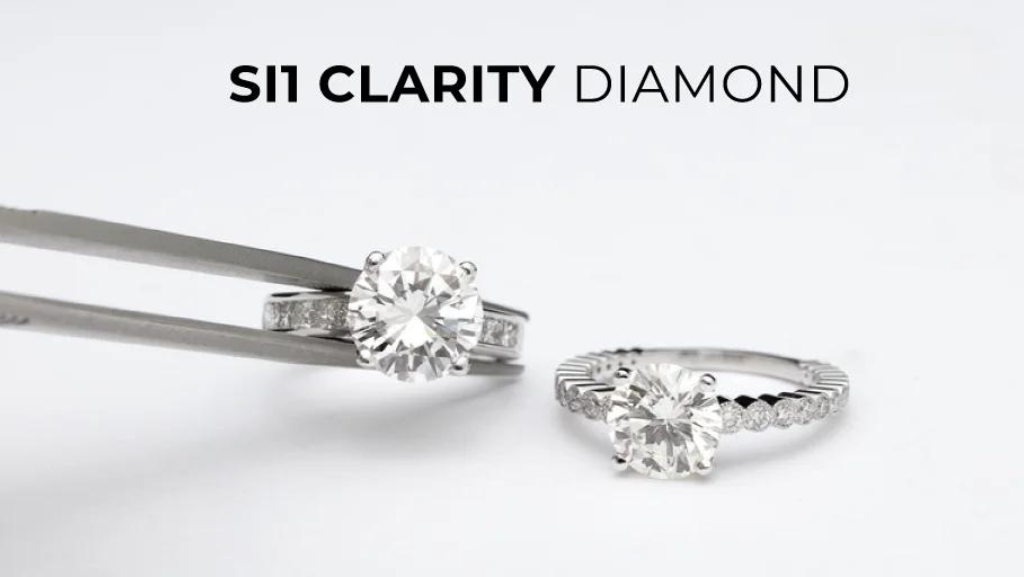
Welcome to our sparkling corner of the internet, where we resume our journey through the captivating realm of SI1 diamonds from our previous blog. This time we will dive deep into exploring the mesmerizing beauty and allure of SI (Slightly Included) diamonds.

What Does SI1 Clarity Mean

SI1 diamond clarity means the diamond has slight inclusions that are visible under 10x magnification, but generally not visible to the naked eye. SI1 is a specific clarity grade within the diamond grading system.

It stands for Slightly Included 1 and is a term used to describe the level of internal characteristics or inclusions present in a diamond. The clarity grade of a lab diamond refers to the extent to which it has internal or external flaws that can affect its overall appearance and brilliance.
Seeing Clearly: How to Determine Eye Clean SI1 Diamonds

Crystal Clear Choices: Essential Tips for Buying SI1 Clarity Diamonds

Review the clarity grading system: Familiarize yourself with the diamond clarity grading system, including the “Slightly Included” (SI) category and the subcategory of SI1.

Understand the definition of SI1 clarity: SI1 diamonds have slight inclusions that are visible under 10x magnification to a trained grader. The key here is that these inclusions are generally not easily noticeable to the naked eye.

Look for additional descriptors: When researching or evaluating an SI1 diamond, pay attention to any additional descriptions provided by the jeweler or seller. They may use terms like “eye-clean” or “visually clean” to indicate that the lab diamond appears free from noticeable inclusions when viewed without magnification.

Unlocking the Value: Exploring the Price Range of SI1 Diamond Clarity

SI1 clarity diamond: SI1 diamonds are generally more affordable compared to higher clarity grades. However, the price can still fluctuate depending on other factors.

Diamond G color SI1 clarity: The color grade of a diamond also plays a role in determining its price. A G color diamond, which is considered near colorless, will typically be more expensive than lower color grades.

Diamond color D clarity SI1: Diamonds with a color grade of D are considered the highest grade on the color scale, indicating exceptional colorlessness. When paired with SI1 clarity, the diamond’s price may increase due to the premium associated with a colorless stone.

SI1 diamond price: The si1 diamond price can vary significantly depending on the other characteristics mentioned above. As a general guideline, you can expect SI1 diamonds to range from a few hundred dollars to several thousand dollars per carat, with larger stones commanding higher prices.

Generally, SI1 clarity prices can start from $250 and go up to several thousand dollars.

Price confusion you can use our diamond pricing calculator to determine the right price for your lab grown diamond and elevate your diamond shopping experience by using a promo code.

Why Choose GIA Certified SI1 Clarity Diamonds

Choosing GIA certification guarantees an impartial assessment by industry experts. GIA’s rigorous standards and esteemed reputation enhance the reliability of its certificates. When acquiring an SI1 clarity diamond, the inclusion of a GIA certificate substantiates the stone’s quality and authenticity, instilling confidence in the purchase.

GIA clarity grades, from highest to lowest:

  • Flawless (FL)
  • Internally Flawless (IF)
  • Very Very Small Inclusions (VVS1)
  • Very Very Small Inclusions (VVS2)
  • Very Small Inclusions 1 (VS1)
  • Very Small Inclusions 2 (VS2)
  • Small Inclusions 1 (SI1)
  • Small Inclusions 2 (SI2)
  • Inclusions 1 (I1)
  • Inclusions 2 (I2)
  • Inclusions 3 (I3)

As you can see, SI1 diamond clarity is closer to the bottom. SI1 diamond is not exactly the best choice when it comes to diamonds. The clarity of a diamond depends mainly on inclusions. The type, cut, size, and amount of inclusion can make any diamond beautiful or unfit for jewelry.

Even a high clarity diamond might have some imperfections. It’s rare to find a lab diamond without any flaws. So it would be beneficial if you looking for a diamond that is eye-clean and will look good on your jewelry.

When assessing whether an SI1 diamond is eye-clean or not, it is important to consider the specific characteristics of the stone. Here are some steps to keep in mind.

Crystal Clear Choices: Essential Tips For Buying SI1 Clarity Diamonds

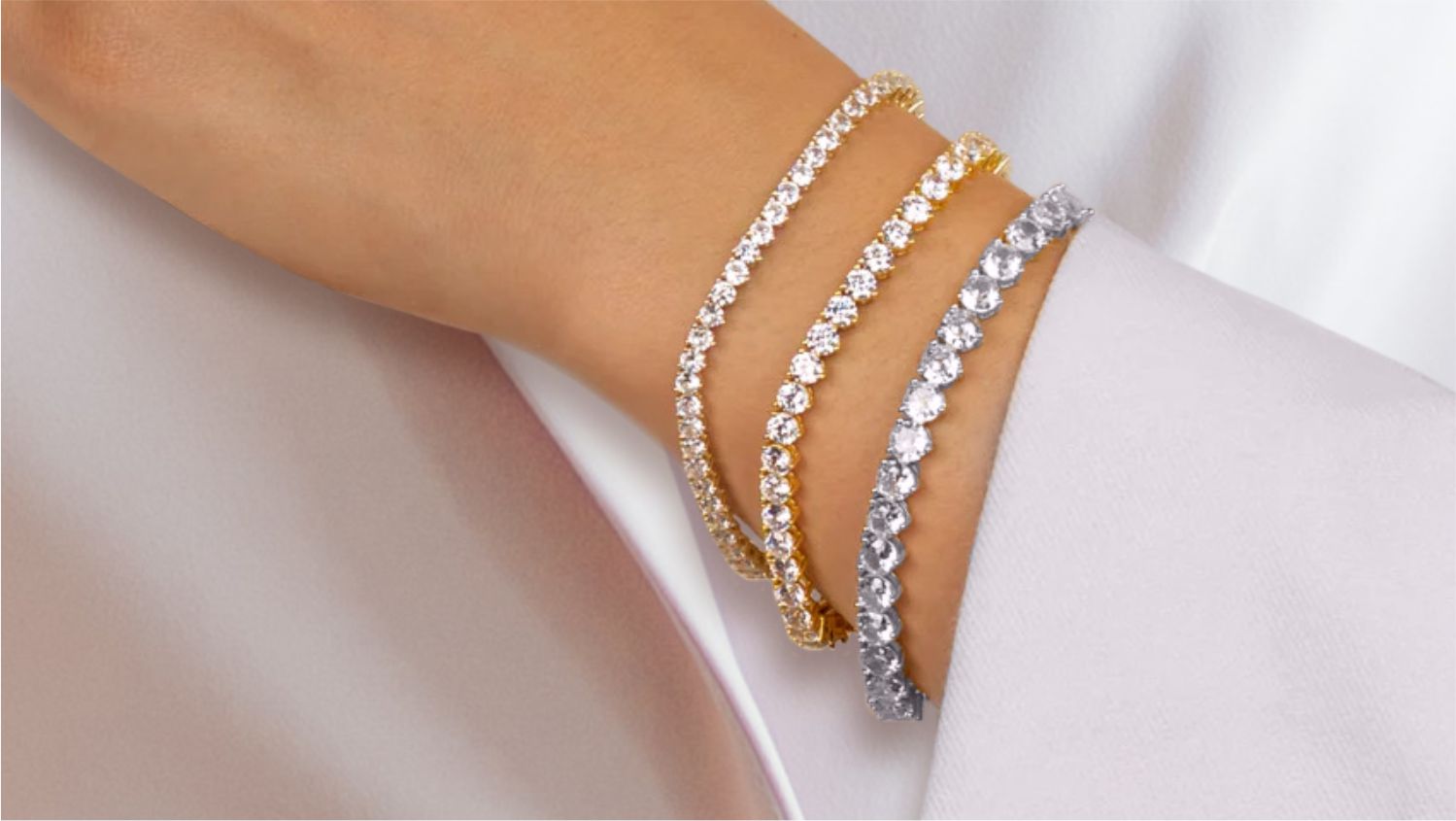
How to Determine Eye Clean SI1 Diamonds

Understand SI1 clarity characteristics: Familiarize yourself with the definition of SI1 clarity and its slight inclusions visible under 10x magnification. Remember that these inclusions are generally not easily noticeable to the naked eye, making SI1 diamonds a popular choice for balancing quality and budget.

Prioritize eye-cleanliness: Look for keywords like “eye-clean” or “visually clean” when searching for an SI1 diamond. These descriptors indicate that the diamond appears free from noticeable inclusions when viewed without magnification. Request detailed images or videos to personally assess the lab grown diamond’s eye-cleanliness.

Consider the color grade: If color is important to you, focus on SI1 diamonds with higher color grades such as G color or even colorless grades like D. This combination of SI1 clarity and a desirable color grade can enhance the overall appearance of the diamond.

Now that you have a better understanding of what to consider when choosing a SI1 diamond, it’s time to embark on your search! choose diamonds from hundreds of styles on LGD.


Conclusion

Alas, SI1 diamonds offer a balance between quality and affordability, with slight inclusions that are generally not visible to the naked eye. They provide an attractive option for budget-conscious diamond buyers. And if you opt for lab grown SI1 diamonds you will get the best deal there is in the market!

Frequently Asked Questions

Is SI1 diamond clarity good?
SI1 clarity is considered good as it strikes a balance between quality and affordability.

Are SI1 clarity diamonds bad?
SI1 clarity diamonds are not considered bad; they are a popular choice for those seeking value without compromising on appearance.

What is the difference between an SI1 and SI2 clarity grade?
The difference between SI1 and SI2 clarity grades lies in the visibility and severity of the inclusions, with SI1 having slightly fewer and less noticeable inclusions.

Do SI1 diamonds sparkle?
SI1 diamonds can sparkle beautifully when well-cut and have good light performance.

Is SI1 diamond clarity good for engagement rings?
SI1 clarity diamond is a good option for engagement rings, as long as the specific diamond is eye clean and meets your desired criteria.

Why Lab Created G Color Diamonds are the Trend in Jewelry!

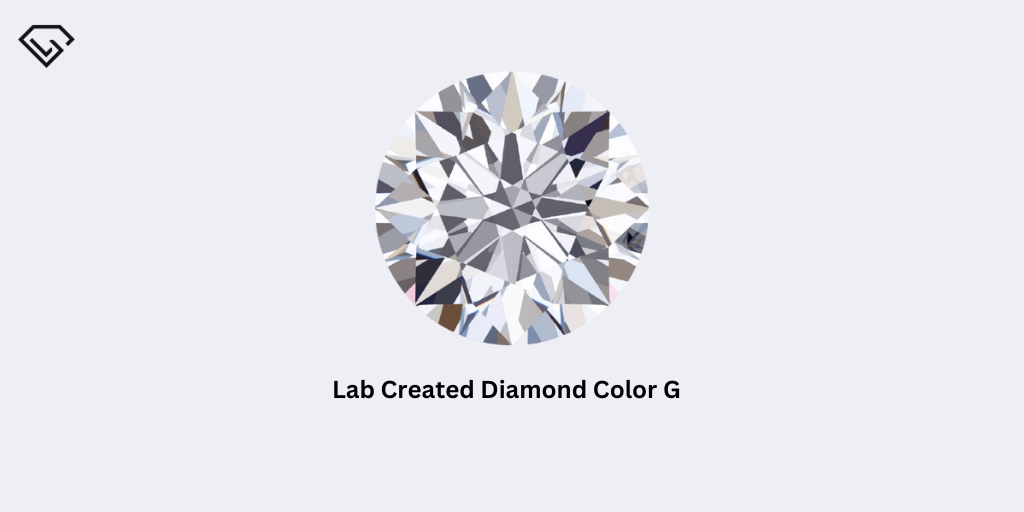
When it comes to the world of diamonds, the color grade plays a significant role in determining their value and overall beauty. Among the various color grades, G color diamonds hold a special place.

But what exactly is a G color diamond, and what does this color grade signify? In this blog post, we will delve into the fascinating world of G color diamonds, exploring their characteristics, significance, and how they contribute to the allure of these precious gemstones.

The question arises – is a G color diamond good or bad? The answer lies in personal preferences and individual considerations. While some may prioritize absolute colorlessness, others appreciate the slight warmth and character that G color diamonds offer.

G color diamonds are often an excellent choice for those seeking a balance between quality and budget, as they tend to be more affordable compared to higher color grades while still delivering exceptional beauty.

Enhancing the Brilliance of G Color Diamonds: Tips to Make Them Look Whiter

Why Lab Created G Color Diamonds are the Trend in Jewelry!

When it comes to making a G color diamond appear whiter, understanding the interplay between diamond colors and clarity can be invaluable. The diamond color scale provides a framework for assessing a diamond’s hue, while clarity characteristics influence its overall visual appearance. By leveraging these concepts, you can maximize the whiteness of your lab created diamond G color.

One effective strategy is to prioritize diamonds with excellent clarity grades. Diamonds with minimal inclusions or blemishes allow more light to pass through, reducing any distractions that might affect the diamond’s perceived color. This clarity-focused approach enhances the diamond’s brilliance and highlights its whiteness, creating a visually striking effect.

Additionally, selecting lab diamonds with well-cut proportions can optimize their light performance and minimize color dispersion. A well-cut G color diamond reflects light more efficiently, making it appear brighter and more vibrant.

This emphasis on precision and symmetry diverts attention from any faint warmth in the stone, resulting in a whiter-looking diamond. Understanding lab diamond colors and the diamond color scale, alongside clarity, empowers you to make informed choices when aiming to enhance the whiteness of your diamond color G.

By selecting diamonds with excellent clarity and superior cut quality, you can elevate the brilliance and whiteness of your G color diamond, ensuring that it captivates with its luminosity and near-colorless allure.

How Much is a Diamond G?

Generally, G color diamonds are considered near colorless and are priced at a premium compared to lower color grades. Lab grown diamonds are often more affordable than natural diamonds.

Medium Size 0.25 to 0.5 carat Starting from around $150 and can go up to $5000 or more. Larger sizes start from $5000 and can go up to $50,000 or more.

You can check out Loose Grown Diamond’s specialized “Diamond Size Chart” guide for measuring diamond sizes. This diamond size chart will give you a thorough approach to identifying your size.

Furthermore, if you find yourself uncertain about assessing the price of your selected diamond, you can take advantage of our diamond price calculator.

[blog_page_inventory shape=”Cushion,round,heart,pear,oval,cushion,princess,emerald,” carat=”1.30,2.60″ cut=”1,4″ color=”2,9″ clarity=”1,6″]
[blog_page_btn title”Buy Now” url=”https://www.loosegrowndiamond.com/inventory/?”]

Pros & Cons of G Color Diamond

Why Lab Created G Color Diamonds are the Trend in Jewelry!

G color diamonds, with their near-colorless appearance, have become a popular choice in the diamond market. They offer a range of advantages and considerations that potential buyers should be aware of. In this article, we will explore the pros and cons of G color diamonds in detail.

Pros:
Near-Colorless Appearance: G color diamonds exhibit a nearly colorless appearance, making them visually appealing. They are considered one of the best value options in terms of achieving a balance between quality and price. While they may have a subtle hint of warmth or yellowish undertones, these characteristics are often not easily discernible to the naked eye, offering a beautiful diamond that appears bright and sparkling.

Versatility: G color diamonds are versatile and can complement a variety of metal settings and jewelry designs. They pair well with both white and yellow metals, allowing for more flexibility in creating unique and personalized pieces. Whether you prefer a traditional or contemporary setting, G color diamonds can enhance the beauty and elegance of any jewelry design.

Value for Money: Compared to higher color grades like D or E, G color diamonds are more affordable while still offering an impressive visual appearance. They provide excellent value for those seeking a high-quality diamond within a specific budget. Choosing a color G diamond allows you to allocate more of your budget towards other important factors such as cut, clarity, and carat weight.

Cons:
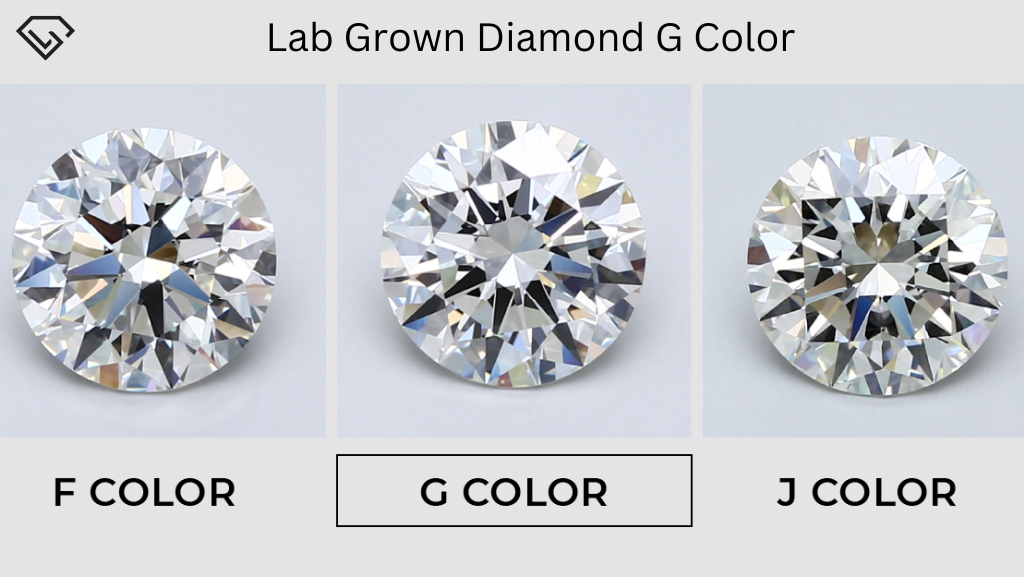
Subtle Warmth: One of the main considerations with G color diamonds is the presence of a slight warmth or yellowish undertones. Although these characteristics are typically not prominent, they may become more noticeable in larger diamond sizes or when compared side by side with higher color grades. Individuals with a highly discerning eye for color may prefer a higher color grade to achieve a truly colorless appearance.

Clarity Sensitivity: The color of a diamond can influence its perceived clarity. In the case of G color lab diamonds, the presence of slight warmth may make inclusions or blemishes more noticeable to some individuals. It’s important to consider the clarity grade of a diamond color G and ensure that any inclusions are not too visible to the naked eye. Opting for a higher clarity grade, such as VS or VVS, can help mitigate this concern.

Lighting Conditions: Like all diamonds, color G diamonds can exhibit different appearances under varying lighting conditions. They may appear slightly warmer in certain lighting settings, such as warm or yellow-toned lighting. However, it’s worth noting that under everyday lighting, G color diamonds appear bright and white.

Personal Preference: The choice of diamond color is highly subjective and depends on individual preferences. While G color diamonds offer a near-colorless appearance, some individuals may prefer a completely colorless diamond and opt for higher color grades. It’s crucial to consider your personal style and preferences when selecting a color G diamond.

G color diamonds provide several advantages, including their near-colorless appearance, versatility, and value for money. They offer a visually appealing option that strikes a balance between quality and affordability. However, it’s important to consider the slight warmth, sensitivity to clarity, and personal preferences when choosing a G color diamond.

G Color Diamond is Best for an Engagement Ring?

[su_youtube_advanced url=”https://www.youtube.com/watch?v=akEiRePhdOo” width=”1600″ controls=”alt” autohide=”yes” autoplay=”yes” mute=”yes” loop=”yes” rel=”no” modestbranding=”yes” theme=”light” playsinline=”yes” title=”G color lab diamond ring”]

The price of a G color diamond can vary depending on various factors, including the diamond’s clarity grade and carat weight. Generally, a G color diamond will have a lower price compared to higher color grades like D or E. However, it’s important to consider the impact of clarity grades on the price as well.

For example, a VS2 G color diamond, which has a higher clarity grade compared to lower clarity grades like SI1 or SI2, may command a higher price due to its superior clarity characteristics. The VS2 clarity grade indicates that the diamond has minor inclusions that are not easily visible to the naked eye, adding to its value and overall appeal.

Similarly, a VS1 G color diamond, with even fewer inclusions and potentially higher clarity, may be priced higher compared to a VS2 or lower clarity grade. The higher the clarity grade, the rarer and more valuable the diamond becomes.

When it comes to a carat weight, a 2-carat G color diamond will generally be more expensive compared to a smaller carat weight color G diamond. Larger carat weights command higher prices due to their rarity and increased demand.

Overall, the price of a G color diamond can vary depending on factors such as clarity grade and carat weight. It’s recommended to consult with reputable jewelers or online diamond retailers to get specific pricing information and to compare options based on your desired specifications and budget.

[perfect_ring_box title=”Ready to create your perfect ring?” btn1ttl=”Start with a Setting” btn1url=”https://www.loosegrowndiamond.com/build-a-ring”]

Where Can I Buy G Color Lab Diamonds?

If you choose to buy diamonds online, it can be profitable for you. You can save up to 20% by buying diamonds online. You can purchase G color lab diamonds from various reputable sources specializing in Lab Grown Diamonds. Consider purchasing directly from lab grown diamond producers.

Ensure that the diamonds come with proper certification, like IGI or GIA. It’s essential to buy from trusted sources to ensure quality and authenticity. You can apply the promo code during checkout for a discount.

Conclusion

In conclusion, the price of a color G diamond is influenced by various factors, including clarity grade and carat weight. While G color diamonds generally offer a more affordable option compared to higher color grades, factors such as clarity and carat weight can impact the overall price.

By understanding the pros and cons, you can make an informed decision and select a diamond that aligns with your desired aesthetics and budget. It’s essential to consider these factors when making a purchasing decision.

FAQs

What is the diamond color scale?
The diamond color scale categorizes diamonds based on their color, with G color falling within the near-colorless range.

What is the best color for a diamond?
The best color for a diamond is subjective and depends on personal preferences, with options ranging from colorless (D-F) to near-colorless (G-J).

What diamond color grade has the best value?
The diamond color grade that offers the best value may vary, but diamond color G are often sought-after for their balance of quality and price.

Are G color diamonds good?
G grade diamonds are considered good, offering a near-colorless appearance and a balance between quality and affordability.

How much does a 1-carat G diamond cost?
A 1-carat color G diamond deemed of excellent cut and clarity will likely cost a purchase anywhere from $350 – $16,000.

Are G-color lab diamonds expensive?
G-color diamonds are generally less expensive than higher color grades, offering a more affordable option without compromising on beauty.

How much does a G-color diamond cost?
The cost of G-color diamonds varies based on factors such as carat weight and clarity; it’s best to consult jewelers for specific pricing information.

Should I buy a G-color diamond?
Whether to buy a G-diamond depends on personal preferences and budget considerations; they offer a balance between quality and affordability.

Do diamonds G-color look yellow?
G-color diamonds are near-colorless, and while they may have a subtle warmth, they generally do not appear yellow to the naked eye.

A Guide to Diamond Measurement and Calculating Diamond Ratios

In the realm of exquisite gemstones, diamonds stand unrivaled, captivating us with their unparalleled elegance. However, unlocking the secrets behind their brilliance requires a deep understanding of diamond measurement and the art of calculating diamond ratios.

We at Loose Grown Diamond are going to teach you how to calculate diamond ratios in the best way possible. In this article, we embark on an enlightening journey to explore the complexity of diamond measurement, where we will get to know the significance of the 4Cs (carat weight, color, clarity, and cut) and look into the lesser-known yet crucial aspect of lab grown diamond ratios.

By looking into the world of gemology and creative techniques employed by experts, we will train and equip you with the knowledge of lab diamond assessment. Thus, enabling you to make informed decisions when it comes to selecting the perfect diamond for you.

What is the L/W Ratio of a Diamond?

The LW ratio of a diamond refers to the length-to-width ratio of the stone. It is a numerical value that shows the certified lab diamond’s proportion and shape.

The ratio is derived by dividing the diamond’s length by its width. The LW ratio provides insights into the diamond’s overall shape and appearance. Diamonds with higher LW ratios, closer to 2.0 or greater, are considered elongated or rectangular, such as emerald or radiant cuts. On the other hand, diamonds with lower LW ratios, closer to 1.0 or less, are considered more square or round, like princess or cushion cuts.

The LW ratio is an important factor to consider when selecting a diamond, as it influences the stone’s visual appeal and how it will appear when set in jewelry. Different individuals may have preferences for certain ratios based on personal aesthetics and style preferences.

Ultimately, the L-W ratio, along with other factors like the cut quality and personal preferences, should be taken into account to find a diamond that best suits your taste and desired appearance. In any case, let’s get right into the query: how to calculate diamond ratio?

How To Calculate Diamond Ratio?

To calculate the diamond ratio, follow these steps:
Measure the Length of the Diamond: Measure the longest dimension of the diamond from one end to the other with a millimeter ruler or digital caliper. Make sure to take your measurements along the diamond’s longest axis, which is usually the diagonal across the stone’s face.

Measure the Width of the Diamond: Again, using a millimeter ruler or digital caliper, measure the width of the diamond perpendicular to the length measurement. This measurement should be taken at the diamond’s widest point.

Divide the Length by the Width: Take the length measurement and divide it by the width measurement. The diamond ratio will be obtained from this computation.

The resulting calculated diamond ratio value will provide insights into the shape of the diamond. It’s important to note that personal preferences and desired aesthetics can vary, so consider the ratio along with other factors such as cut quality to find a lab diamond shape that suits your preferences.

[blog_page_inventory shape=”pear,round,heart,oval,cushion,princess,marquise,emerald,asscher,radiant” carat=”1.90,2.10″ cut=”0,4″ color=”5,10″ clarity=”0,11″] [blog_page_btn title=”buy lab diamond” url=”https://www.loosegrowndiamond.com/inventory/”]

Pointers for Length to Width Diamond Ratio

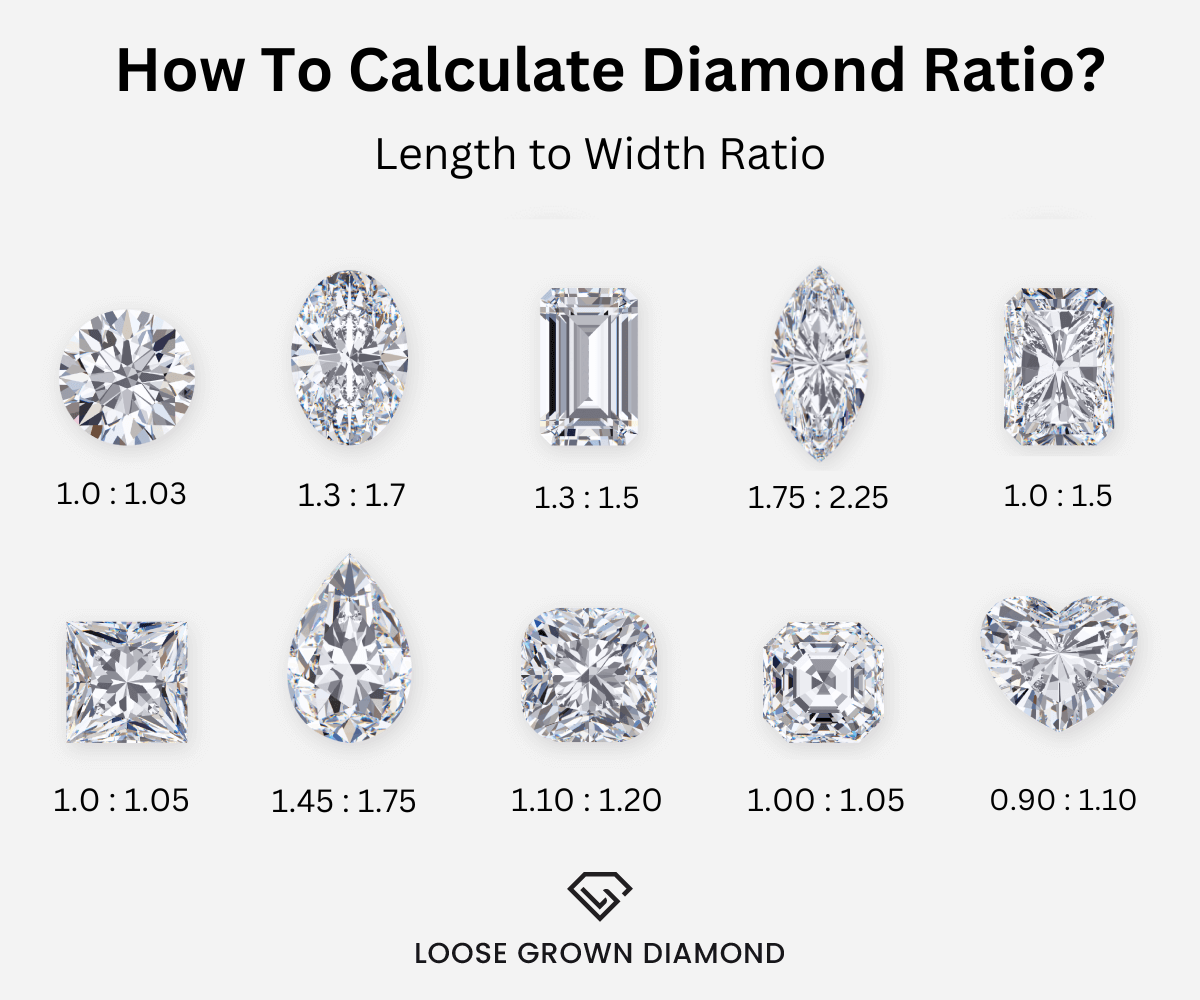
Different diamond shapes have varying length-to-width ratios, which contribute to their unique appearances. Here are some commonly recognized diamond shapes and their typical length-to-width ratios:

How to Calculate Diamond Ratio?

Round Brilliant Cut: The most popular and classic diamond shape, the round brilliant cut, is known for its exceptional sparkle. Round diamonds typically have a length-to-width ratio close to 1.0, as they are designed to maximize light reflection and brilliance.
Princess Cut: Princess cut diamonds are square or rectangular with pointed corners. They have a length-to-width ratio of 1.0 to 1.05, giving them an almost square look.

Emerald Cut: Emerald cut diamonds are rectangular with cropped corners and step-cut facets. The emerald cut diamond ratio is between 1.3 and 1.5, resulting in an elongated shape that showcases the diamond’s clarity and unique faceting.

Oval Cut: Oval-cut diamonds are elongated with rounded edges, offering a blend of brilliance and the illusion of length. The oval diamond ratio is typically around 1.3 to 1.7, depending on personal preference.

Marquise Cut: Marquise cut diamonds have a distinctive boat-shaped appearance with pointed ends. The marquise diamond ratio generally ranges from 1.75 to 2.25, emphasizing their elongated shape.

Pear Cut: Pear cut diamonds are a combination of round and marquise shapes, featuring a tapered point and rounded end. Pear diamond ratio usually ranges from 1.45 to 1.75, resulting in a teardrop-like shape.

Radiant Cut: Radiant cut diamonds are rectangular or square with trimmed corners and brilliant-cut facets. Radiant diamond ratio is between 1.0 to 1.5, providing a balance between square and rectangular designs.

Cushion Cut: Generally, cushion cut diamonds have L/W ratios ranging from 1.00 to 1.20, with some variations. A cushion cut diamond ratio of 1.00 would indicate a perfectly square cushion cut, while higher ratios like 1.10 or 1.20 would result in a rectangular cushion cut with more elongation.

Asscher Cut: Similar to emerald cuts, asscher cut diamonds are also square or rectangular. The ideal length-to-width ratio for asscher cuts falls within the range of 1.00 to 1.05.

Heart Cut: Heart shaped diamonds have a unique shape characterized by a cleft at the top and a rounded bottom. A commonly recommended length-to-width ratio for heart diamonds is around 0.90 to 1.10.

It is crucial to note that these ratios are approximations and may vary slightly depending on personal choice and the particular proportions of a diamond. Consider your aesthetic tastes, style, and desired visual qualities when choosing a diamond shape, and choose a length-to-width ratio that appeals to you.

Understanding how to calculate diamond ratio is a personal observation, and only you can decide what’s suitable for you, but perhaps this has given you a basic framework!


Conclusion

In the fascinating world of diamonds, understanding the art of diamond measurement and calculating diamond ratios provides us with a deeper appreciation for their extraordinary beauty. Through the exploration of the 4Cs and the significance of diamond ratios, we have unveiled the key factors that contribute to a diamond’s allure and visual appeal.

With this knowledge, we can confidently navigate the diamond market, making informed choices that align with our personal preferences and desired aesthetics. Whether we seek a classic round brilliant or a modern emerald cut, the ability to assess and calculate diamond ratios empowers us to find the perfect gemstone that radiates brilliance and captures our hearts for a lifetime.

FAQs

Apart from the question ‘how to calculate diamond ratio’, here are some other questions that customers usually tend to ask regarding the same topic.

What is length-to-width ratio?
The diamond length-to-width ratio is a measurement that defines the relationship between the length and width of the stone, providing insights into its shape and overall visual appearance and is expressed as a numerical value.

How do you find the length-to-width ratio?
To determine a diamond’s length-to-width ratio, measure the longest measurement as the length and the widest dimension as the width. The length measurement is then divided by the width measurement. The resulting numerical number represents the length-to-width ratio, which offers information on the diamond’s shape.

Why is the diamond ratio important?
The diamond ratio is significant because it determines a diamond’s optical appearance and aesthetic appeal. The ratio dictates the stone’s shape and proportions, whether square, rectangular, or elongated. It is essential for achieving visual balance and ensuring that the diamond has nice dimensions and symmetry. The diamond ratio helps people pick a diamond that reflects their preferred aesthetic while maximizing the stone’s beauty.

How do I measure the length and width ratio of a diamond?
To determine a diamond’s length and width ratio, use a millimeter ruler or digital calipers to measure the longest measurement as the length and the broadest dimension as the width. Make sure to measure the length along the diamond’s longest axis and the breadth perpendicular to the length measurement. Divide the length by the width to calculate a diamond ratio.

Pink Diamonds: The Enchanting Gems That Mesmerize the World

Throughout history, diamonds have captivated the human imagination with their unparalleled beauty and timeless allure. Amongst the vast spectrum of diamond colors, one shade stands out in a league of its own—the breathtaking pink diamond.

Known for its rarity, elegance, and extraordinary value, the pink color diamond has become a symbol of prestige and sophistication. However, the traditional realm of natural pink is now being challenged by an innovative alternative: lab grown pink diamonds.

These lab created gems, meticulously crafted in controlled environments, offer a fascinating alternative to their natural counterparts. As technology advances and the global demand for ethically sourced and sustainable gems grows, the emergence of lab grown pink color diamonds has sparked a profound shift in the jewelry industry.

We at Loose Grown Diamonds will shed light on their origin, characteristics, and the intriguing distinctions between natural and lab grown varieties, their extraordinary rarity in nature, and how cultivating their synthetic counterparts within laboratories is done.

Whether you are a gem lover, a jewelry connoisseur, or simply fascinated by the relationship of science and beauty, this article will provide an in-depth overview of pink diamonds and the intriguing debate between natural and lab grown variants.

What are Lab Created Pink Diamonds?

What are Lab Created Pink Diamonds?

Lab created pink diamonds, also known as synthetic or man-made pink diamonds, are created in a laboratory using advanced technological processes that mimic the natural conditions required for diamond formation. Unlike natural pink diamonds, which take millions of years to develop deep within the Earth, lab grown diamonds pink color are grown under controlled environments in a fraction of the time.

The process involves using a seed diamond and subjecting it to high pressure and high temperature or chemical vapor deposition techniques, allowing carbon atoms to accumulate and crystalize around the seed.

Lab technicians can manipulate the diamond’s color, clarity, and size by controlling the growth parameters. Pink lab diamonds are genuine diamonds with the same chemical composition and physical properties as natural ones.

They offer advantages such as affordability, ethical production methods, and reduced environmental impact. While natural pink color diamonds remain highly valued, pink lab diamonds are gaining popularity as a captivating alternative that combines beauty, ethics, and affordability.

Pink Diamond 4Cs
The 4Cs—Color, Clarity, Cut, and Carat Weight serve as universal criteria to assess the quality and value of diamonds, including pink color diamonds.

Color: One of the most distinguishing features of a pink diamond is its color. Pink color diamonds are available in a variety of colors, ranging from light pastels to bright, brilliant pinks. Pink diamond color is graded by the Gemological Institute of America (GIA) on a scale of “Faint” to “Fancy Vivid.” The brighter and more vivid the pink hue, the more expensive and rare the diamond.

Clarity: The existence of internal or exterior defects, known as inclusions and blemishes, is referred to as clarity. Diamonds pink, like other diamonds, can have variable degrees of clarity. The GIA grades diamond clarity on a scale ranging from “Flawless” (no visible inclusions or blemishes under 10x magnification) to “Included” (visible inclusions to the naked eye). Pink diamonds with higher clarity grades are generally more valuable.

Cut: The cut of a diamond refers to its proportions, symmetry, and overall craftsmanship. The cut has a significant impact on a diamond’s brilliance, sparkle, and overall beauty. While the 4Cs were initially developed for colorless diamonds, the same principles apply to diamonds. Well-cut pink diamonds are skillfully faceted to maximize their color intensity and brilliance.
Carat Weight: Carat weight measures the size of a diamond and is one of the most apparent factors influencing a diamond’s value. Pink diamonds, like all diamonds, are weighed in carats. Larger pink diamonds are typically rarer and more valuable, assuming all other factors, such as color and clarity, are equal.

Pink Diamond Color Grading

Pink diamond color grading involves assessing the color intensity and saturation of pink diamonds, which are graded on a scale developed by the Gemological Institute of America (GIA). The GIA color grading scale for pink diamonds ranges from “Faint” to “Fancy Vivid,” with several intermediate grades in between. Here is a breakdown of the GIA pink diamond color grading scale:

[su_table responsive=”yes”]

Faint
Pink diamonds in this grade display a very light, pale pink color. The pink hue may be subtle and barely noticeable.
Very Light
Pink diamonds in this grade exhibit a slightly stronger pink color compared to faint diamonds but are still considered very light in intensity.
Light
Pink color diamonds in this grade have a noticeably stronger pink color than the previous categories but are still relatively light in intensity.
Fancy Light
Pink color diamonds in this grade exhibit a light to moderate pink color intensity. The pink hue becomes more prominent and noticeable.
Fancy
Pink lab diamonds in this grade display a medium to strong pink color saturation. The pink color is more vivid and distinct.
Fancy Intense
Pink diamonds in this grade exhibit a significantly stronger and more intense pink color. The pink hue is bold and captivating.
Fancy Vivid
Pink lab diamonds in this grade represent the highest color saturation and intensity on the GIA scale. They exhibit a vibrant and vivid pink color that is exceptionally rare, highly sought after.

[/su_table]

The GIA color grading scale for pink diamonds primarily focuses on the intensity and saturation of the pink color, without considering secondary hues. Higher color grades like Fancy Intense and Fancy Vivid are rarer and more valuable due to their vibrant and intense pink color. However, personal preference plays a significant role in selecting a diamond pink, as individuals may have different preferences for the specific shade and intensity of pink they find most appealing.

How Much Does a Pink Diamond Cost?

How Much Does a Pink Diamond Cost

Pink diamond prices can vary based on factors like color intensity, carat weight, clarity, cut quality, and rarity. Pink color diamonds are highly sought after and can reach extraordinary prices which are often also dependent on the pink color diamond uses. Here’s a general price range based on color intensity grades:

Faint to Light Pink: These diamonds are generally more affordable, ranging from several thousand dollars per carat to tens of thousands of dollars per carat, depending on quality.

Fancy Light to Fancy: Pink lab diamond prices in this range can be significantly higher due to increased color saturation. Prices range from tens of thousands to hundreds of thousands of dollars per carat.

Fancy Intense to Fancy Vivid: These are the most valuable diamonds pink color, with vivid and intense color. Prices start from hundreds of thousands of dollars per carat, reaching into the millions for larger, high-quality stones.

These price ranges are approximate and can be influenced by market conditions, diamond characteristics, pink color diamond use and buyer demand. Natural pink diamonds are subject to significant price fluctuations and increases over time.

Lab grown diamonds are generally more affordable, offering a lower-priced option for those seeking the beauty of fancy pink color diamonds. Pink diamond prices typically begin at $500 and can escalate to thousands of dollars. It’s recommended to consult reputable jewelers or diamond experts for accurate pricing information based on specific diamond characteristics.

Which Jewelry Can Pink Color Diamonds Be Used In?

Which Jewelry Can Pink Color Diamonds be Used In?

Pink diamonds are highly desirable for their unique color and are incorporated into various jewelry pieces, including rings, earrings, necklaces, bracelets, pendants, brooches and more. Women’s pink diamond rings, particularly for engagements and cocktails, create striking and romantic pieces. Pink diamond earrings add elegance and femininity, often paired with white diamonds or other gemstones.

Pink diamond necklaces make a statement, whether with a single pendant or cascading diamonds. Diamond color pink bracelets offer captivating adornment, while pink color diamond pendants showcase their beauty. Pink lab diamond brooches add elegance to attire. Pink color diamonds are often combined with white diamonds or colored gemstones for a stunning contrast.

The choice of jewelry depends on personal style and occasion, but regardless, pink diamonds add enchantment and exclusivity to any piece.

Where to Buy Pink Lab Grown Diamonds?

You can purchase pink lab grown diamonds from reputable sources such as online retailers. LGD platforms offer a wide range of pink lab diamonds in various shapes and settings. You can enjoy a special discount when buying the diamond by using a promo code. Additionally, brick-and-mortar jewelry stores may carry lab grown diamonds, including pink color diamonds, alongside natural diamonds.

This is the most feasible option a buyer can opt for which makes the process and purchase more accessible. However, one could also consider visiting reputable jewelers in your area or contacting diamond suppliers and manufacturers specializing in lab grown diamonds for a wider selection and customization options.

Auctions and estate sales occasionally feature lab grown pink diamonds, although availability may be limited compared to natural diamonds. When one wishes to buy pink diamonds, one must ensure that they deal with reputable sellers who provide reliable certification from respected gemological laboratories such as IGI or GIA.


Conclusion

Pink color diamonds hold a unique allure and charm, captivating jewelry enthusiasts. The emergence of lab grown diamonds offers an exciting alternative to natural ones. Lab created pink color diamonds possess the same properties and brilliance as natural diamonds, with a range of stunning hues and affordable prices.

They also provide ethical and environmental benefits, aligning with sustainability. While natural pink diamonds remain exclusive, lab grown diamonds have gained acceptance and popularity for their beauty and conscious appeal.

Whether choosing natural or lab grown pink diamonds, both options offer remarkable and enchanting gemstones. The decision depends on personal preference, budget, and values, celebrating the splendor of nature or human innovation and leaving a lasting treasure of beauty and elegance.

FAQ

How are lab grown pink diamonds made?
Pink lab diamonds are created using one of two primary methods: chemical vapor deposition (CVD) or high-pressure, high-temperature (HPHT) synthesis. In the CVD method, a diamond seed is exposed to a carbon-rich gas, and as the carbon atoms deposit onto the seed, it grows into a diamond. HPHT synthesis involves subjecting a diamond seed to high pressure and temperature, which encourages the growth of a larger diamond.

Can pink color diamonds be certified?
Yes, pink lab grown diamonds can be certified by reputable gemological laboratories, just like natural diamonds. Certifications provide information about the diamond’s quality, including its color, clarity, cut, and carat weight. The most well-known diamond certification organizations are the Gemological Institute of America (GIA) and the International Gemological Institute (IGI).

How much is a pink diamond worth?
The price of a pink lab diamond varies greatly based on criteria such as color intensity, size, clarity, and general rarity. They usually start from $500 and go up to thousands of dollars. Diamond pink are among the most costly and rare gemstones, and their values can be extremely high.

How much would a pink diamond ring cost?
Pink diamond prices and ring prices vary substantially based on various aspects, including size, color intensity, clarity, cut quality, and the kind and quality of metal used in the setting. A pink diamond engagement ring can cost as little as a few thousand dollars for lesser, lower-quality stones and as much as several hundred thousand dollars or more for larger, higher-quality pink color diamonds that have superior color saturation.

How rare are pink diamonds?
Pink lab diamonds are among the rarest and most valuable colored diamonds account for only a small percentage of all diamonds mined, with some estimates claiming that pink diamonds account for less than 0.1% of all diamonds discovered.

Pink color diamonds are much rare because they are mostly derived from a few select mines, such as Australia’s Argyle mine, which has discontinued operations. Pink color diamonds market worth and appeal are increased by their scarcity in nature, combined with their compelling beauty.

Should I buy a lab grown diamond for an engagement ring?
The decision to purchase a lab grown diamond for a pink diamond engagement ring is a personal one that is influenced by your priorities and values. When compared to natural diamonds, lab grown diamonds have various advantages, including ethical considerations, sustainability, and typically a lower price. Ultimately, it is important to consider your budget, environmental concerns, and personal preferences when deciding on a lab grown diamond for a pink engagement ring.

How to Make Your Custom Ring Flawlessly

Lab diamonds have revolutionized the world of fine jewelry, offering a new realm of possibilities for custom rings. With their exquisite beauty and ethical origins, these diamonds have captured the attention of jewelry enthusiasts worldwide.

In this article, we will explore the art of customizing your lab diamond ring. From selecting the perfect diamond shape and size to choosing the ideal metal setting and accent stones, we will guide you through each step, helping you create a truly extraordinary piece.

Whether you’re celebrating a special occasion or simply seeking a unique expression of your personal style, join us on this journey as we unlock the secrets to customizing your lab grown diamond ring and bringing your vision to life.

custom diamond rings

Step 1: Select a Setting

A setting is the metal framework that secures a diamond or gemstone within a piece of jewelry, such as a ring. It not only protects the stone’s stability but also adds to the piece’s overall visual appeal. A well-chosen setting can enhance the diamond’s brightness, shape, and color, giving a spectacular aesthetic effect.

[su_youtube_advanced url=”https://www.youtube.com/watch?v=DFUal8QQDFY” width=”1600″ controls=”alt” autohide=”yes” autoplay=”yes” mute=”yes” loop=”yes” rel=”no” modestbranding=”yes” theme=”light” playsinline=”yes” title=”custom lab diamond ring “]

There are various types of settings to choose from when going for a custom engagement ring. Some popular options include:

Prong Setting: Prong settings are the most common and classic choice for diamond rings. This setting uses small metal claws, or prongs, to hold the diamond in place.

Bezel Setting: In a bezel setting, a metal rim encircles the diamond, holding it securely in place. Bezel settings can be full or partial, with the latter leaving the sides of the diamond exposed. This style provides a sleek and modern look.

Halo Setting: A halo setting features a circle or a cluster of smaller diamonds or gemstones surrounding the center diamond.

Channel Setting: Channel settings involve placing smaller diamonds or gemstones into a metal channel within the ring band.

Tension Setting: Tension settings create the illusion that the diamond is floating in mid-air. The metal band is intended to apply pressure on the diamond, firmly securing it in place without the need of prongs or bezels. Consider the form, size, and cut of the diamond, as well as your particular style choices and lifestyle, when selecting a setting.

Ultimately, the right setting will showcase your lab diamond beautifully and make your customized ring a true work of art. The setting not only provides the structure and security for your precious gemstone but also adds an aesthetic touch that enhances its beauty.

[blog_page_btn title=”Select a Setting” url=”https://www.loosegrowndiamond.com/build-a-ring”]

Step 2: Select the Type of Metal

When customizing your diamond ring made of lab diamonds, selecting the right metal is an important decision as it sets the overall tone and style of the custom ring.

Factors to consider include durability; platinum or 14K-18K gold alloys have great durability.

Select the Type of Metal for custom diamond ring

The metal’s color and appearance also play a vital role. Platinum for a luxurious look, white gold as an affordable alternative, yellow gold for classic appeal, rose gold for a romantic touch, and two-tone gold to give a two-toned contrast to the metal band.

Compatibility with the gemstone, allergies/sensitivities; opt for hypoallergenic metals like platinum. Your personal style, preference, and maintenance requirements will also determine what metal you choose.

By considering these factors, you can confidently select a metal that enhances the beauty and style of your custom ring. Remember, the metal you choose will not only provide a secure setting for your diamond but also contribute to the overall beauty and character of the piece.

Step 3: Select Your Diamond

In a custom ring made of lab diamonds, selecting the right diamond is crucial to achieving the desired brilliance, sparkle, and overall aesthetic appeal. You will have to take into account the diamond shape including round, princess, cushion, asscher, emerald, heart, radiant, marquise, oval, and pear, among others. You will also look at the carat weight which refers to the size of the diamond. It is how the diamond is cut that determines the precise size. This diamond size chart will give you a thorough approach to identifying your size.

You will also have to consider the cut quality. A well-cut diamond will reflect light effectively, creating mesmerizing fire and brilliance. Also, diamonds can range from colorless to various shades of yellow or brown. Personal preference and the desired style of your ring may influence your choice of grade.
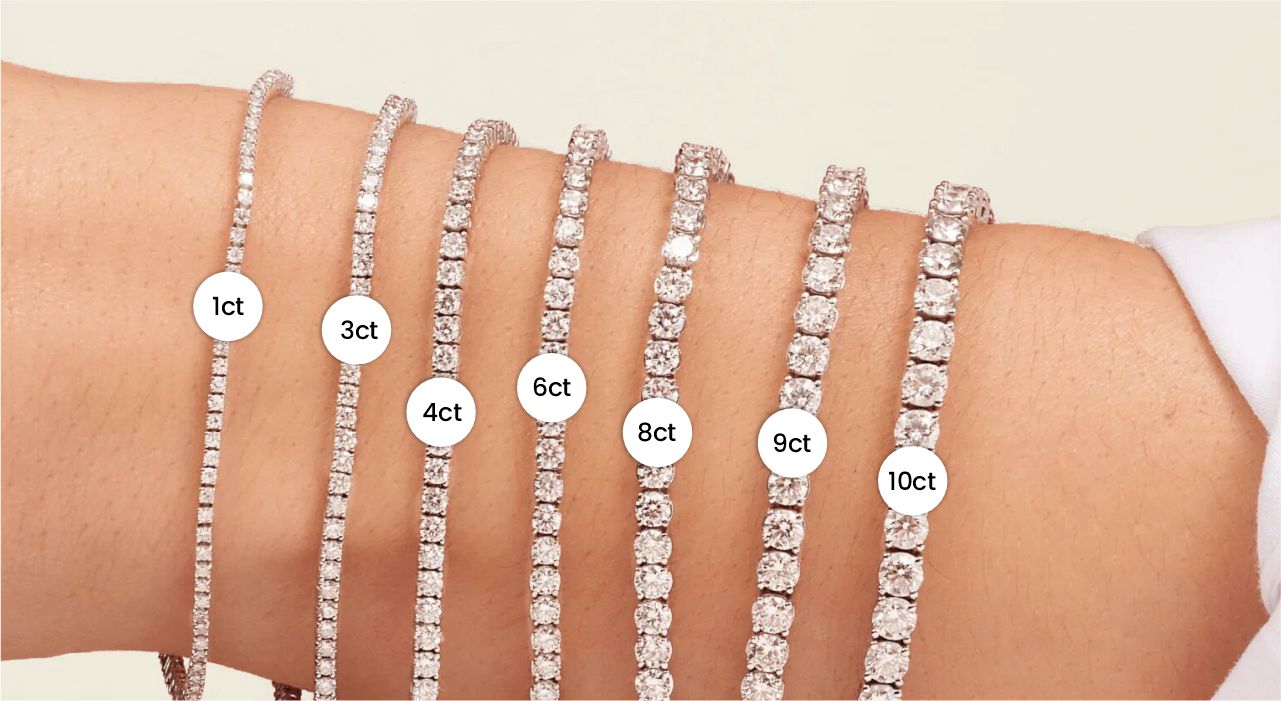
It is also advisable to choose a lab grown diamond that comes with a reputable diamond grading report from an independent gemological laboratory such as the Gemological Institute of America (GIA), International Gemological Institute (IGI), or Gem Certification & Assurance Lab (GCAL). This certification provides an unbiased evaluation of the diamond’s quality, verifying its authenticity and the accuracy of its characteristics.

Remember, choosing a custom engagement ring involves assessing its shape, carat weight, cut quality, color grade, clarity grade, and certification, while also considering your personal preferences and budget. By carefully evaluating these factors, you can select a lab grown diamond that brings the desired beauty and brilliance to your custom ring, creating a cherished piece that reflects your unique style.

[blog_page_inventory shape=”pear,round,heart,oval,cushion,princess,marquise” carat=”1.80,2.30″ cut=”0,4″ color=”0,10″ clarity=”0,11″]
[blog_page_btn title=”find your diamond for a ring” url=”https://www.loosegrowndiamond.com/inventory/”]

What is a Center Stone?

When making a custom ring with lab grown diamonds, choosing the perfect center stone is crucial for its overall beauty. Consider the diamond shape, carat weight, cut quality, color grade, clarity grade, certification, and budget.

The shape should complement your style and hand shape, while the carat weight determines the size and visual impact. Look for excellent cut grades to ensure optimal sparkle, and consider your preferred color grade for the desired aesthetic of your custom ring.

Ensure the clarity grade is free from visible imperfections. Select a certified lab color diamond from a reputable grading laboratory. Going for a white color diamond as a center stone on a gold metal band is the most popular choice among people. Some may even take a white diamond with either rose gold or platinum. Which type of look you would prefer is the one you should opt for.

Finally, balance your priorities and budget to make the best choice. By considering these factors, you can create a customized diamond ring with a lab-cut center stone that exudes elegance, brilliance, and individuality.

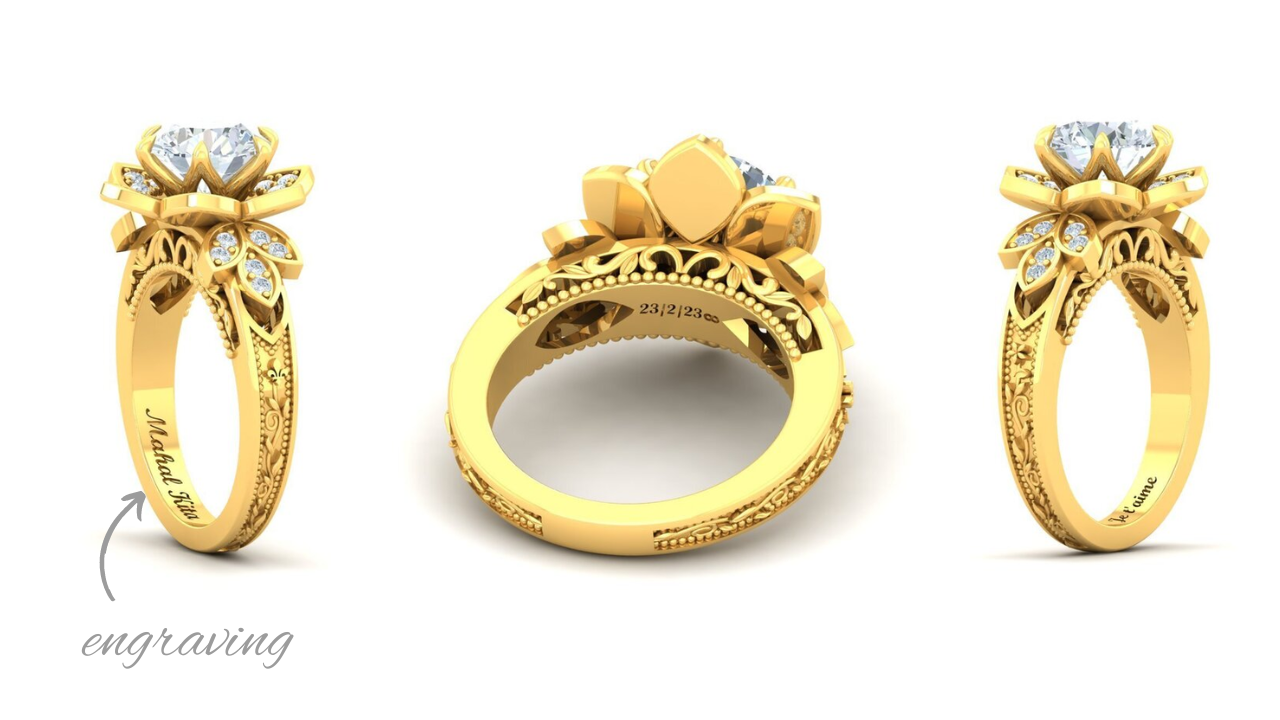
Personal Customization- Add an Engraving

custom ring engraving

If you want to add a personal touch to your custom ring, we at Loose Grown Diamonds provide a one-of-a-kind opportunity to personalize and elevate your ring to new heights of elegance and sentimental value.

We engrave beautiful designs, initials, dates, or touching sentiments onto the surface of your custom engagement ring using artistry and cutting-edge technology. Whether you seek a classic monogram or a custom modification that reflects your individuality, our team will work closely with you to bring your vision to life.

We understand that every detail matters and our dedication to craftsmanship ensures that your customized diamond ring becomes a cherished and celebrated symbol.

How Much Does a Custom Ring Cost?

The cost of a custom engagement ring varies based on factors such as design complexity, materials, diamond or gemstone quality, chosen metal, expertise required, reputation of the jeweler or designer, location, and additional services. Custom rings are generally pricier due to personalized attention and craftsmanship. Setting a budget beforehand is important.

Custom rings can vary in price, ranging from $1,000 to tens of thousands or even hundreds of thousands of dollars. It ultimately depends on the specific preferences and requirements of the individual ordering the ring. You can contact us to get a more accurate estimate based on your requirements.

Moreover, if you find yourself confused about determining the cost of your chosen diamond, you can make use of our diamond price calculator. Remember, a custom ring represents your style and love story, so strike a balance between budget and desired personalization and quality.

Can I See the CAD/3D Look of My Engagement Ring?

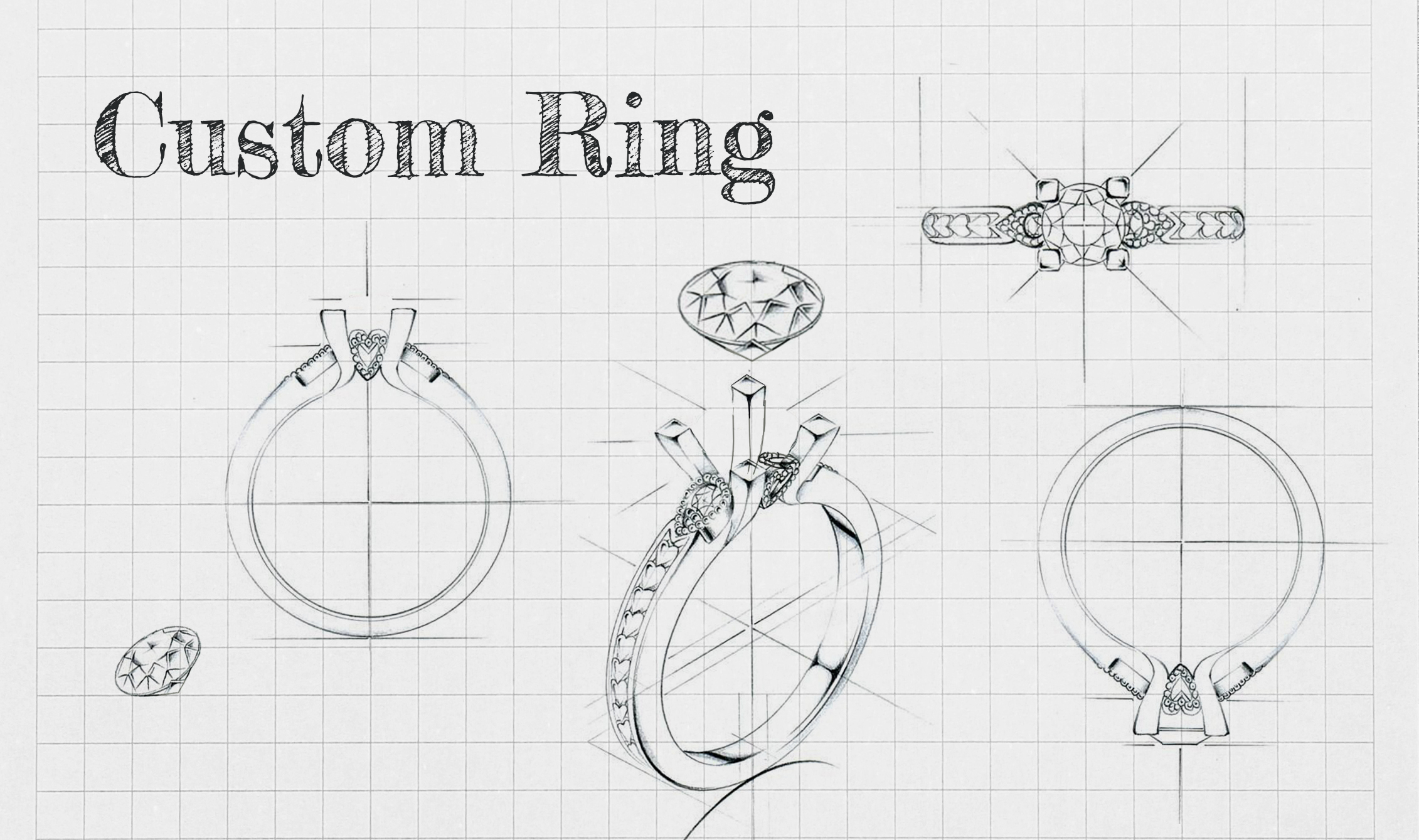
Yes, we offer Computer Aided Design software and a 3D design of how the custom ring will look, as well as the proportions of each aspect of a piece of jewelry. Once you place the order, we will get back to you with the CAD/3D within 48 working hours over email.

This can help you visualize your design and personalize the process. We are dedicated to providing the best services available so that you can design the custom engagement ring of your dreams.

[perfect_ring_box title=”Customise your dream ring?” btn1ttl=”Start with a Setting” btn1url=”https://www.loosegrowndiamond.com/build-a-ring”]

Conclusion

Creating a custom ring made of lab diamonds offers a world of possibilities to create a truly exceptional piece of jewelry. From choosing the perfect setting and metal to selecting the ideal diamond and exploring engraving options, every detail contributes to the overall beauty and personal significance of the ring.

Whether you like a classic and timeless design or a modern and one-of-a-kind style, the customization process allows you to show your personality and design a ring that embodies your love story. The possibilities for personalisation are limitless, thanks to the experience of talented artisans and technological breakthroughs. So go ahead and embark on this exciting path of creating a custom engagement ring, and let it become a cherished symbol of your love and personal flair for years to come.

[blog_page_custom_request_pup_btn]

FAQ

What is a custom diamond ring?
A custom ring is a piece of jewelry that is particularly designed and made to the individual ordering its tastes and specifications. A personalized diamond is tailored to the wearer’s own likes, style, and needs. It allows you to customize every part of the ring, from the diamond(s) to the metal, setting, and design details.

Can I use my own diamonds in a custom diamond ring?
Yes, you can use your own diamonds in a custom diamond ring at loosegrowndiamond.com. Please contact us for more information.

How do you create your engagement ring?
Designing a custom engagement ring is an exciting and personal journey. Choose a diamond that matches your preferences and budget, considering the 4Cs (cut, color, clarity, and carat weight). Lab diamonds offer ethical options with a variety of choices. Select the metal based on durability, color, and personal style. Then, decide on the setting.

Work closely with a jeweler or designer to customize the ring, including details like prong quantity, bandwidth, and engravings. Review and finalize the design before creating your unique symbol of love and commitment.

How long does it take to create a custom engagement ring?
A personalized custom engagement ring can 2 to 4 weeks to create. The design stage, where the ultimate concept is chosen, is where the process starts. Skilled craftsmen then undertake the production and craftsmanship phase, which may take 2 weeks, especially for intricate designs.

The completed ring undergoes quality control and final touches to ensure it meets specifications. It is best to begin the custom ring planning far in advance to allow for design, fabrication, and necessary revisions.

How can I design my custom diamond ring for free?
We don’t charge for the CAD & 3D design of your custom design ring. Please click here to submit your request. Do not forget to share the ring size, metal and center stone. However, if you make more than two ring setting changes, subsequent CAD & 3D designs will incur a $20 fee each.

Toi Et Moi Ring a Symbol of Your Entwined Love

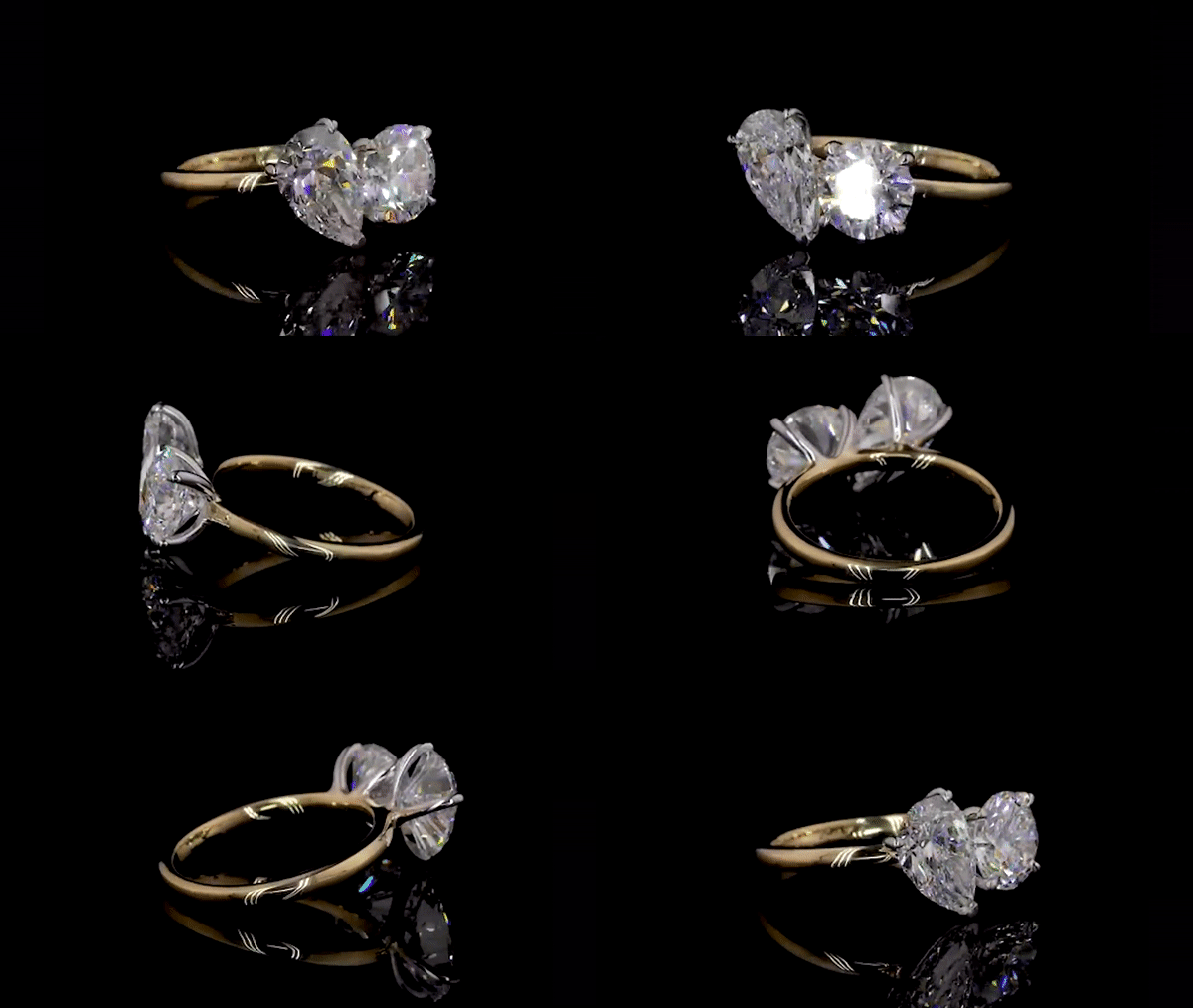
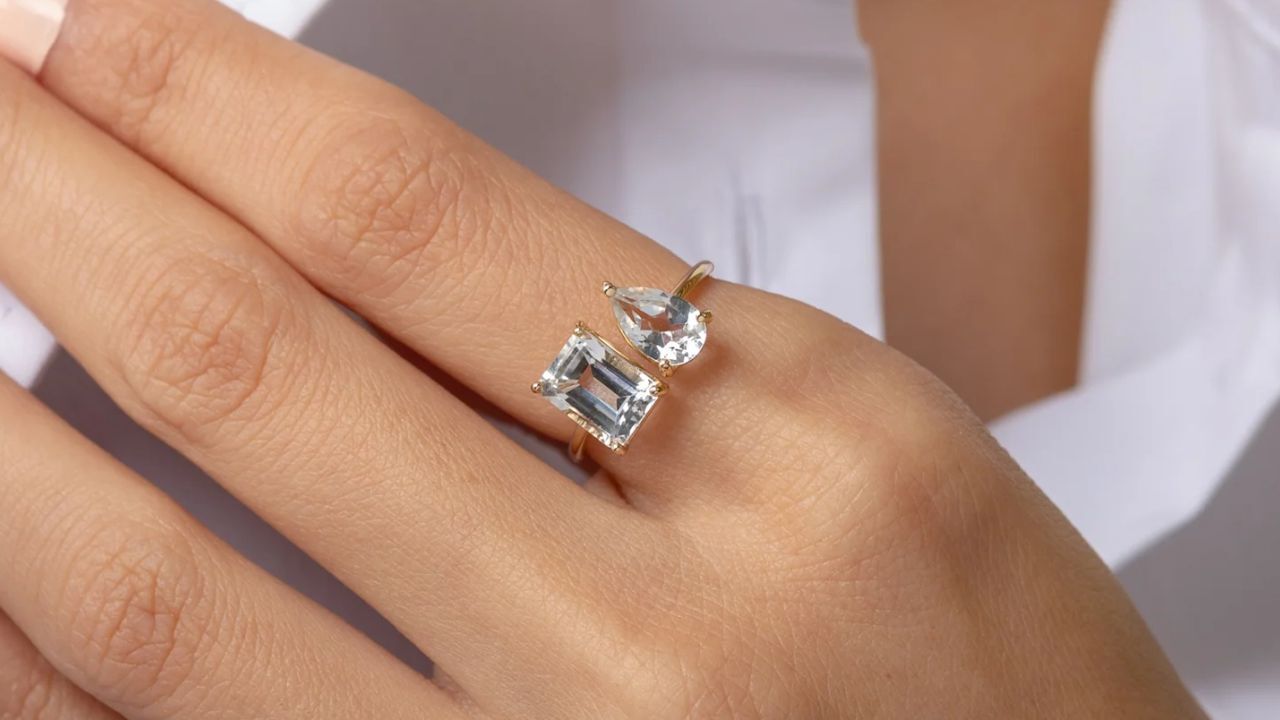
The toi et moi ring is an excellent choice if you fancy a unique engagement ring. One focus element is sometimes not enough, so toi et moi comes with two of them.

The entanglement of two souls brings a unique design that represents balance. The symbol of eternal love between two souls comes together in the toi et moi engagement ring.

The toi et moi ring came about in the 1790s when Napoleon Bonaparte proposed to Joséphine with a sapphire and diamond. After that, the design was not too prominent in fashion until quite recently when celebrities started the trend again.

What is a Toi Et Moi Ring?

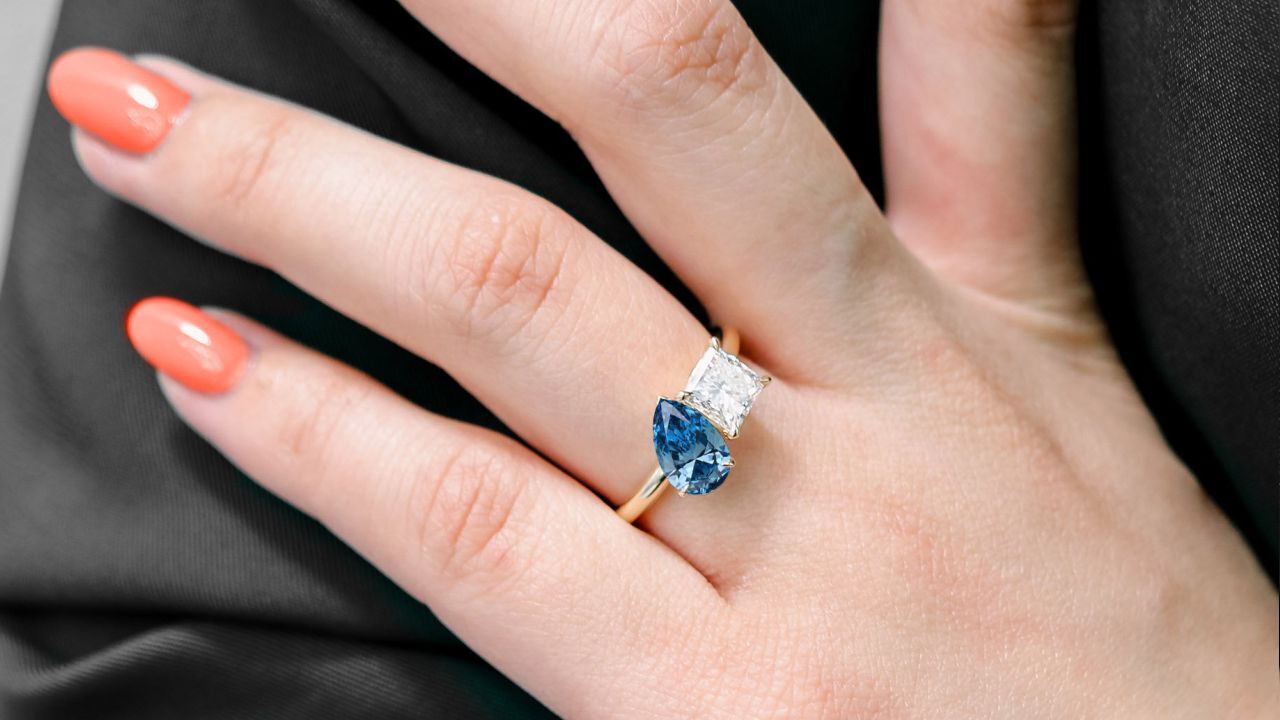
You must wonder what does toi et moi mean, and that too when speaking in the context of rings. Toi et moi translates from French, which means you and me. The representation depicts the union of two souls into one when the two stones sit beside each other in one pattern.

The history of this two stone engagement ring makes it a symbol of love in a distinctive way. This ring derives its identity from the symbolism of not just one person but a depiction of two people together.

two stone engagement rings

A toi et moi ring meaning usually unites two souls, but it can also be customized to add a personalized sense to the ring. Using different stones, colors, and shapes, you can create a pattern that brings together an identity for each stone. People also use birthstones to represent their personalities when assembling the iconic toi et moi ring.

Initially, the toi et moi diamond engagement ring would have two stones of similar color, cut, and carat placed beside each other. However, at this point, custom toi et moi ring designs have evolved to fit into various patterns like diamonds and pearls or diamonds with different cuts/shapes. It is how the diamond is cut that determines the precise size this diamond size chart can be a helpful reference when choosing the stones for your ring.

Many designs have reached great heights. When experimenting with permutations and combinations of the type of stone you want, you can achieve designs beyond imagination, beauty, and expression. Fill in the form below if you want to customize your toi et moi engagement ring.

[blog_page_custom_request_pup_btn]

What Should You Consider Before Creating a Toi Et Moi Engagement Ring?

You can create your own toi et moi engagement ring, in any stone and metal you. The toi et moi rings can be made using platinum, gold, or silver.

Toi et moi ring gold variety offers yellow gold, rose gold, and white gold. Two different metals can also be combined to give a two tone contrast to the metal band and enhance the look of the jewelry even more. Out of all these, you can choose the metal that fits your budget and sits well with the color of the stones you have selected. Both elements should complement each other and not look like an awkward combination.

You can use lab grown diamonds in the toi et moi ring since they impart a glorifying beauty to their individualistic pattern. Lab grown diamonds are available in diverse varieties, similar to natural diamonds. Many factors concerning the stones chosen come into the picture when you curate the final budget and design. It would help if you also considered the proportions of the gemstones you have shortlisted and how they would look when placed next to one another.

Unsure of the ring size? Refer to the ring size chart to find the perfect fit for a stunning and meaningful Toi et Moi ring for women.

toi et moi engagement rings

The color and cut of the gemstone play a huge role when placed in a toi et moi ring. If the stones are different, you must consider the tone of the metal which suits both diamonds.

The metal that holds these lab diamonds together also adds an individual tint of its own. You can choose a classic pattern of just diamonds, diamonds and pearls or different colored diamonds.

You can experiment with the different cuts and shapes till you are satisfied with the design. Choosing similar clarity stones is recommended since it creates similarity and unity in the design.

How Much Does a Toi et Moi Ring Cost?

The price of the Toi et Moi ring varies, influenced by factors such as diamond cut quality, carat weight, and the choice of metal. For a more luxurious Toi et Moi ring adorned with high-quality diamonds, prices can ascend significantly.

Toi et moi ring prices can start from $2000, offering affordability for those seeking timeless elegance on a budget.

To make these exquisite rings more accessible, LGD provides a discount. Make your Toi et Moi ring purchase even more memorable by using our exclusive promo code for a discount.

Celebrities Who Wear Toi Et Moi Rings

Jackie Kennedy possessed a toi et moi ring which was made of toi et moi ring emerald cut diamonds. The toi et moi ring Jackie Kennedy wore was later known to be redesigned by her. She replaced the emerald cuts with marquise cut diamonds.

The trend of toi et moi rings recently resurfaced, with Emily Ratajowski flaunting her engagement ring. Megan Fox also opted for a vintage toi et moi ring on her engagement with Machine Gun Kelly, which consisted of two pear shaped lab diamonds forming a heart. Ariana Grande and Kylie Jenner are also known to flaunt their iconic and classy toi et moi rings.

Buy a Toi Et Moi Ring For You!

toi et moi rings

The toi et moi ring is a gorgeous ring pattern that ideally represents the union of two souls into one. This symbolism enhances the meaning of an engagement ring when worn during the event of a wedding. There couldn’t be a ring type more perfect than the toi et moi ring, which sits in perfect harmony with one another as a mark of love that stays together forever.

Choose from hundreds of styles on loosegrowndiamonds.com or share a ring design you adore from elsewhere, and we can create it to your preference.


Conclusion

In the world of engagement rings, the Toi et Moi design stands out as a testament to enduring love. Whether you choose a women’s Toi et Moi ring or opt for the captivating combination with a matching wedding band, this symbol of eternal connection is sure to make your proposal an unforgettable moment. For those envisioning a harmonious bridal set, consider pairing your Toi et Moi engagement ring with a matching wedding band.

FAQ

How can I customize a toi et moi ring? 
You can choose which two stones will be put together. Whether or not you want pearls in the ring? What type of metal will you go for? What is your budget? These will determine how you can customize a toi et moi ring.

What does toi et moi mean for rings?
Toi et moi means you and me in French. It is depicted as two stones on a metal band next to one another. They are usually used as engagement rings to represent the love that they stand for.

How can I determine the right Toi et Moi ring size?
If unsure of the size, utilize a ring size chart provided by the LGD.

How do you pair your Toi et Moi engagement ring with a wedding band?
A toi et moi engagement ring can be paired with a wedding band, worn on separate fingers, and stacked, depending on the style that you are looking for.

What is a bypass ring?
A bypass ring is a ring that spirals to the other end of the ring but does not join the other end. It fits the finger like a spiral.

What are two stone engagement rings?
A two-stone engagement ring, also known as a “double stone” or “toi et moi” ring, is a style of engagement ring featuring two center gemstones or diamonds set side by side.

How do you create your own toi et moi ring?
Creating your own toi et moi ring can be easy and tricky, depending on what you have in your mind. Finding the right professional who can help you and bring your design to life is ideal. Using lab grown diamonds adds an easy edge to the pattern when catering to shapes and sizes. For the lab diamonds that best match your preferences and budget click here.

The Beauty of Lab Grown Diamond Necklace and Tips to Buy Them

The task of buying a lab grown diamond necklace is more of an experience than it is a task. We at Loose Grown Diamonds are here to make your experience of buying a lab created diamond necklace enjoyable.

With the beauty of lab grown diamonds set together in a necklace, the elegance of this particular piece is priceless. Many factors go into deciding what is an ideal design. So you can get the best possible necklace or customize one according to your desire.

The Beauty of Lab Grown Diamond Necklace

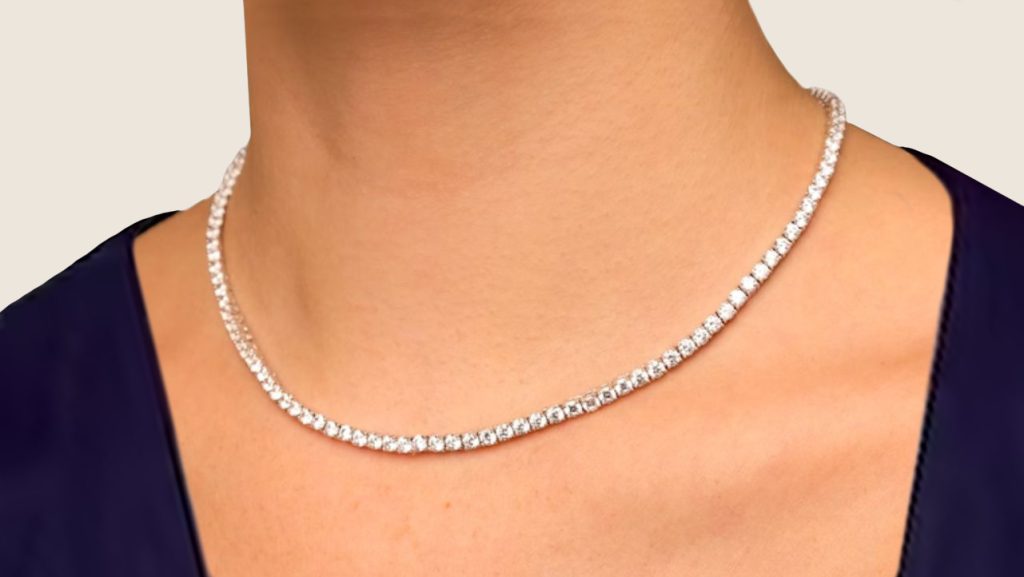
A diamond necklace has always been a classic piece of jewelry that fits into all settings and can be worn with most outfits. Its versatility creates room for experimentation and thus gives people an option to select a unique style.

Factors to Consider Before Buying a Diamond Necklace

There are numerous factors to consider when one is buying a necklace. A lab diamond necklace is never a small affair, hence it needs to be looked into with much detail. The necklace is, firstly, a representation of the person wearing it. Once the person wears it, it becomes a part of their allure.

The budget, the usage of the necklace, the material used, and its look are all important factors to consider. A real diamond necklace has a different charm as each necklace differs. One can always see that diamonds enhance the wearer’s features and can fit into all styles.

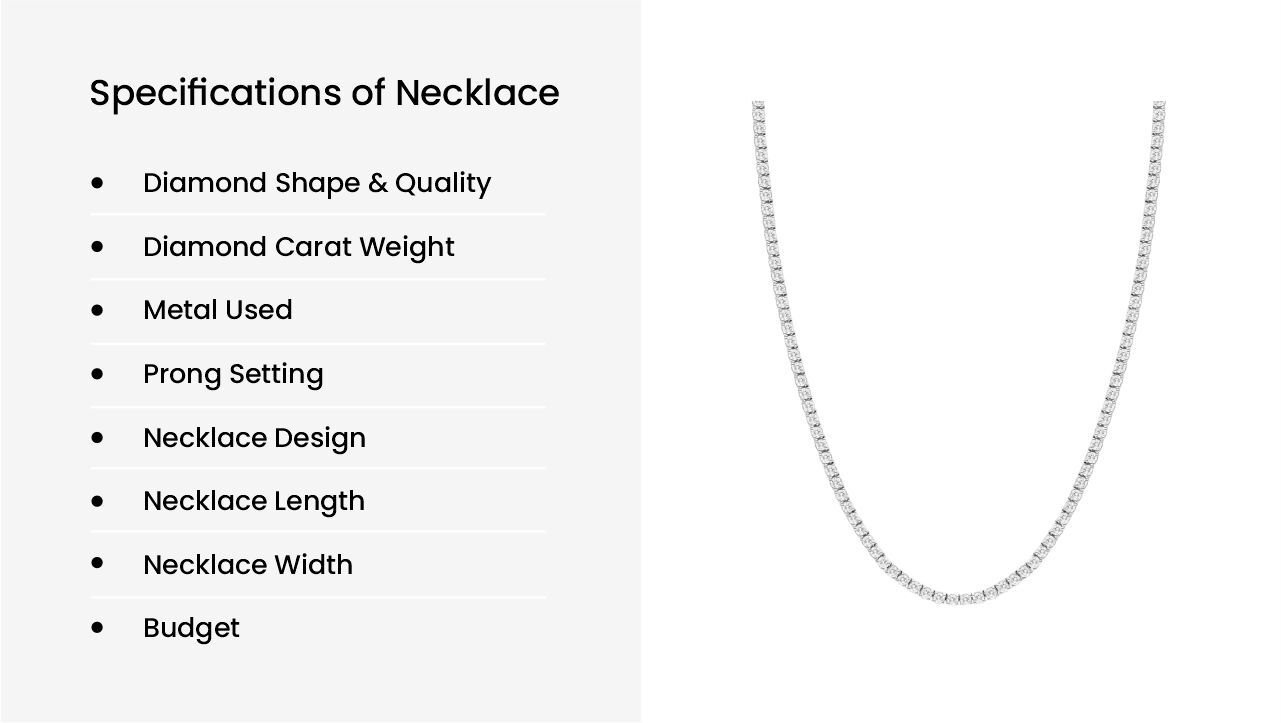
specifications of diamond necklace

Shape & Quality of the Diamond
When looking for a diamond necklace, you should check the quality of the diamond used in the necklace. The clarity of the diamond and the diamond shape will help depict the quality. You can select from options like round, oval, pear, emerald, princess, and marquise cut. A round diamond necklace is the most classic design in the lab grown diamond necklace varieties.

Diamond Carat Weight
When choosing which diamonds to be placed on a necklace, it is necessary to determine the overall weight of the necklace first. Once the overall weight of the necklace is finalized, the carat weight of the tiny diamonds on the necklace is calculated.

Metals of Necklace
The diamonds in a diamond necklace are carefully set in particular metals that hold them in place and enhance their beauty. The metals that are primarily embedded with diamonds are gold, platinum, and silver.

A gold necklace with lab grown diamonds set into the design is a stunning combination. A yellow gold diamond necklace imparts a warm tone to the diamonds when placed in the necklace. A rose gold necklace is a feminine and subtle take on the gold diamond necklace. A white gold diamond necklace is a classy, gleaming piece that shines as bright as the diamonds. This metal is preferred because the diamond is placed in a neutral-toned metal in such a setting. Making the diamond stand out more.

Another neural-toned metal is platinum. A platinum necklace is a luxurious piece of jewelry that fewer people buy due to its high price. All diamonds set in platinum shine brilliantly and make their own statement.

Length of Necklace

Factors to Consider Before Buying a Diamond Necklace

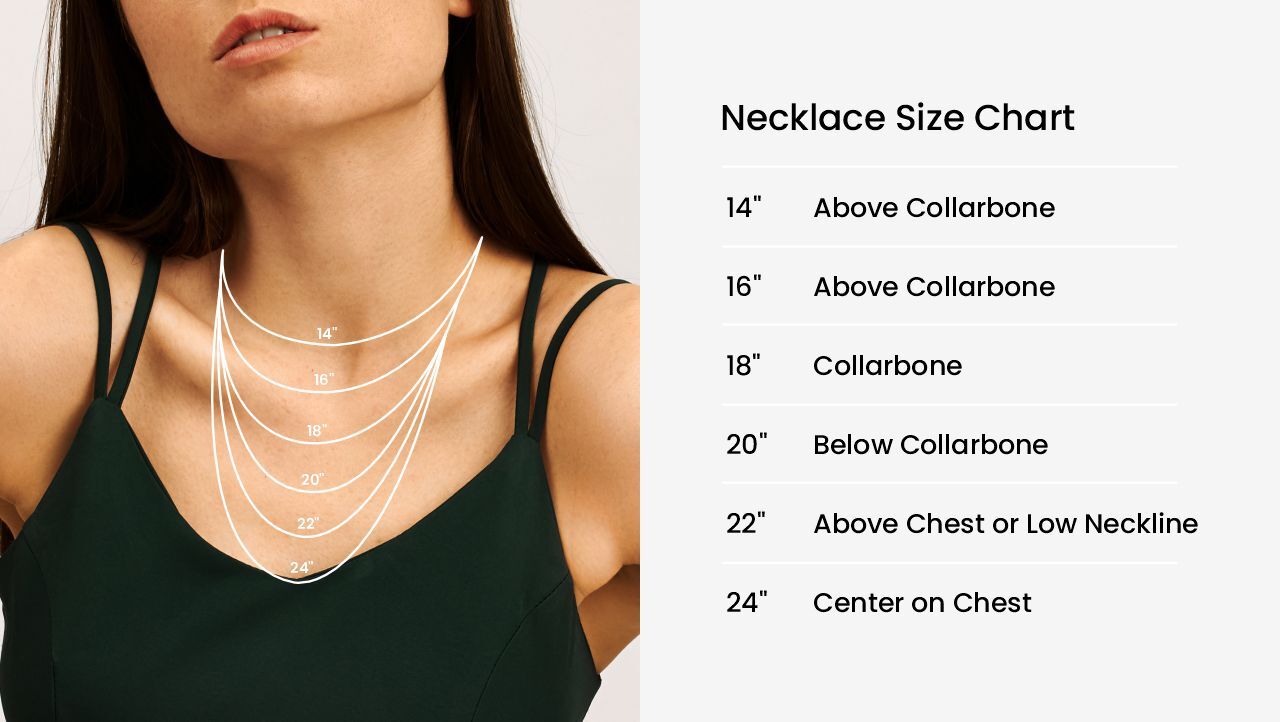
The basic pattern of the necklace can determine the length of the diamond necklace. If the necklace’s design is a choker pattern or a small pendant, then the length will sit comfortably around the base of the neck. If the pendant and chain are extended, 16″ is a good length. The diamond necklaces are available in increasing lengths, wherein 20″ is considered the most comfortable length, not too short or too long. With the usage requirement of the design, one can fit in and select the length that fits them best.

Width of Necklace
The width of a diamond necklace can vary depending on the specific design and the size of the diamonds used. Diamond necklaces come in a range of styles, from delicate and minimalistic to more elaborate and substantial designs. The width of a necklace typically refers to the width of the chain or the central part of the necklace where the diamonds are set.

Some individuals prefer a narrower and more refined diamond necklace, while others prefer a wider and more prominent design that showcases larger diamonds.

Prong Settings
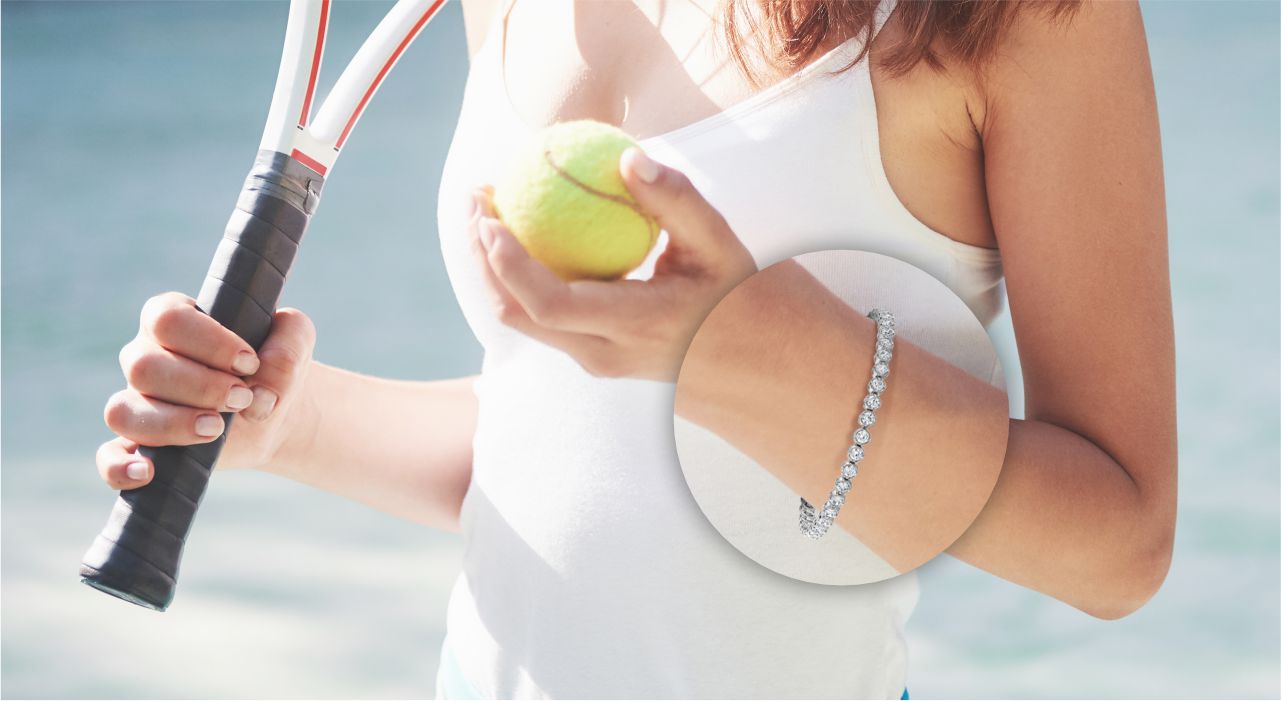
When looking at lab grown diamond necklace for women, the settings are always such that they work according to the necklace’s design. If a diamond necklace pattern is a tennis necklace, the diamond settings range from prong to bezel and sometimes even halo. In contrast, in other patterns, the pendant design determines the setting. These diamond settings range from prong and halo settings and sometimes even bezel settings if the design works that way.

Budget
The budget for a lab grown diamond necklace can vary significantly depending on several factors. The cost of a necklace diamond is influenced by factors such as the quality and size of the lab created diamonds, the metal used in the setting, the craftsmanship involved, and the overall design complexity.

Generally, real diamond necklaces can range from affordable options with smaller diamonds and simpler designs to high-end, luxurious pieces featuring larger, higher-quality diamonds and intricate settings. It’s recommended to work with a reputable jeweler who can guide you through the selection process and provide options that fit within your budget while still maintaining the desired quality and design aesthetic.

When purchasing a lab grown diamond necklace, it’s important to consider personal style preferences, budget, and the desired level of sparkle and presence. You can also avail a discount by applying a promo code.

Best Diamond Necklace Designs

Best Diamond Necklace Designs

Diamonds are always known to be versatile when placing them in jewelry and designing ornate patterns. Similarly, there are varieties of diamond necklace patterns too. The more familiar patterns of the necklace with diamonds are tennis necklaces and pendant necklaces. A lab created diamond necklace can be breathtaking when designed correctly.

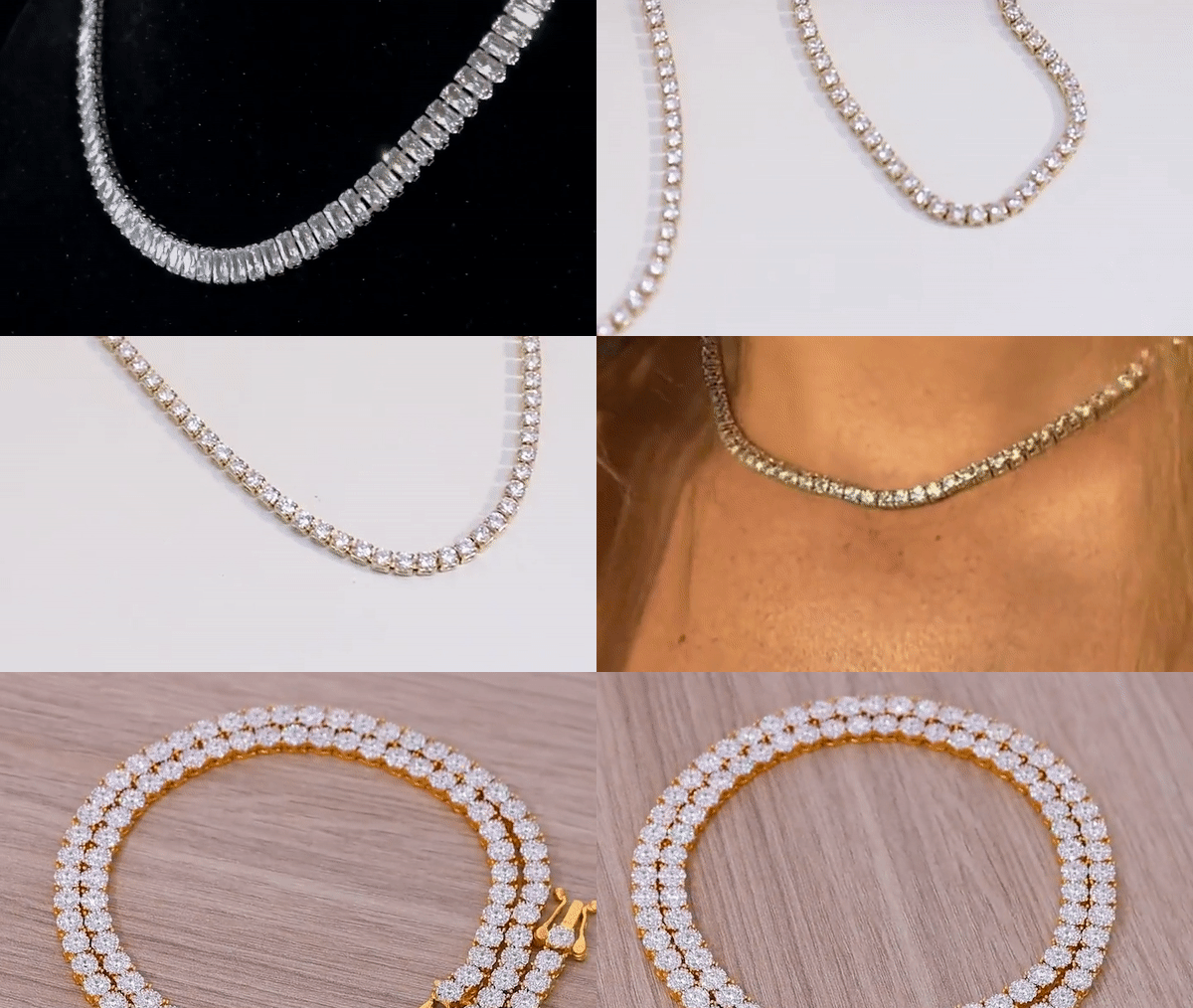
The tennis necklace has been a favorite among many people due to its simplicity and versatility. A tennis necklace can be paired with various outfits, attracting the most attention. This is ideal if one is looking for a jewelry piece that caters to diverse options.

It can also come across as too precious for casual wear, for such circumstances, a pendant is a viable option. The pendant designs available in the market are unique and can be customized to fit personal preferences. A pendant necklace is a simple pattern you can wear occasionally or for everyday use.

Single diamond necklaces are also trending in the social media world. A diamond is placed in the center, with a chain connected at the two ends. In this specific design, you can see the diamond cut being highlighted. For those who want the best of both worlds, a stationary pendant, and a removable pendant are available.

Multiple options exist in which the diamonds are placed alternatively and connected with a certain chain length. This makes the necklace appear sleek as well as subtle. In this case, the lab grown diamond necklace does not look overwhelming and hence can be worn regularly. If you want to experiment with style, throw on some of your favorite delicate necklaces, and you will know how to layer necklaces.

Diamond Necklaces Worn By Famous Celebrities

Diamond Necklaces Worn By Famous Celebrities

In showbiz, diamonds never fail to dazzle and leave us in awe. Many of these celebrities have worn diamond necklaces, but some have rocked them so well that they left an impact on our minds. Diamonds never fail to shine, whether it be award ceremonies like the Golden Globes and Oscars or even the Met Gala or Cannes.

Channeling the classic elegance of Julia Roberts, the round cut diamond necklace showcases a round cut diamond suspended from a simple and refined chain, capturing a sense of understated glamour.

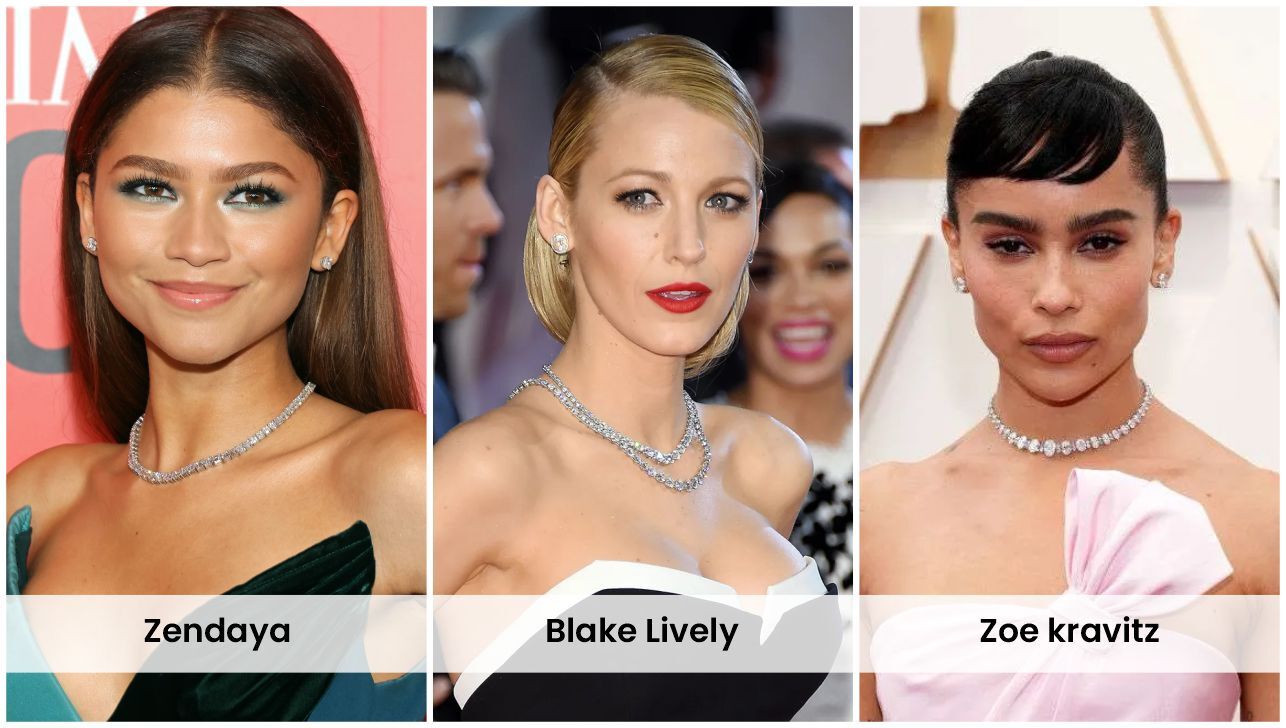
Zoe Kravitz rocked a layered diamond necklace, while Lady Gaga chose a pendant necklace so Lady Gaga was seen wearing a diamond pendant necklace. Zendaya opted for a single-line simple diamond necklace, whereas Blake lively chose a tennis necklace, all of these celebrities chose to flaunt their outfit with style and went with diamond necklaces as the eye-catching factor of their outfits.

How to Buy a Diamond Necklace?

When buying a lab grown necklace, you should always ensure you buy the diamond necklace women from a trusted jeweler or diamond merchant. The certification of diamonds is of utmost importance, as that piece of paper determines the quality of the diamond.

You can see that necklaces with diamonds have different styles and patterns. The patterns range from tennis necklaces, pendant necklaces, and a whole set of diamond necklaces to some simpler delicate designs. All these patterns are dedicated to different occasions and styles. The lengths of the necklace also complement the necklines of the outfit. A bow tie diamond tennis necklace would complement a low neckline or an off-shoulder gown for a special occasion.

While choosing or making your necklace design, you must narrow down its usage and purpose. You should figure out the budget before deciding what to go ahead with. You should select the metal of the necklace depending on the necklace’s design and budget. Then you can choose the design, carat, and cut of diamonds to be placed in the design.

Once all these factors start coming together, you can figure out which necklace pattern suits your style vibe best. Remember, with a lab grown diamond necklace one can never go wrong.

[blog_page_btn title=”Buy Diamond Necklace” url=”https://www.loosegrowndiamond.com/product-category/necklaces/”]

Ending Remarks on Lab Grown Diamond Necklace

With this knowledge, you are all set to design or buy the diamond necklace of your dreams. You must figure out your preferred designs and patterns and then go shopping. With all the details you want available online, you can have your very own lab grown diamond necklace designed according to your style.

FAQ

From where should I buy a lab grown diamond necklace?
While buying lab grown diamonds, you should focus on their origin since legitimate lab diamonds come with proper certification. The certification proves that the diamond is pure and that you are receiving the best quality of it. Loose Grown Diamonds offer a large variety of options when it comes to design and customization. We have a particular category for creating the best lab grown diamond necklace.

Can I customize a lab grown diamond necklace?
Yes, you certainly can custom design a necklace, and we at LGD Diamonds will implement your custom design on demand.

What are the different necklace sizes?
Necklaces are available in a variety of sizes, right from 14″, which is the choker variety of necklaces, to the length of about 24″, which is usually preferred for pendant designs.

How do you calculate the price of a diamond necklace?
The price of a diamond necklace is determined by the amount of metal used in the necklace and hence its cost, added up with the additional costs of the diamond and the making charges. You can use our diamond pricing calculator to determine the right price for your diamond.

How many carats should a diamond necklace have?
The diamond’s usage and budget should determine the diamond carat for a necklace. A 0.25- 1 carat diamond, such as a pendant necklace, is ideal for everyday wear. If you want a tennis diamond necklace then a carat weight of 3-12 carats is suitable.

Are lab grown diamond necklaces durable?
Lab grown diamonds are as durable as natural diamonds, lasting as long as natural diamonds, mostly forever.

Why is a diamond necklace more expensive than gold?
A diamond necklace’s price is higher than that of gold, since the price of diamonds is higher, owing to the rare availability of diamonds and higher demand.

What Is A tennis chain/tennis necklace?
A tennis chain is a chain that has an all-around coverage with diamonds. The diamonds are placed all around the chain in a continuous form.

What is another name for a tennis necklace?
Tennis necklaces are also known as infinity necklaces, line necklaces, and eternity necklaces.

Should I Buy A Lab Grown Diamond Tennis Bracelet?

The beauty of a diamond tennis bracelet is not hidden from the human eye. A timeless piece such as this deserves to be adorned and carried on for generations. With the elegance of the design and some alterations to elements, a lab grown diamond tennis bracelet can be a unique piece of jewelry.

Let us at LGD get into depth about how you can get the right lab grown diamond tennis bracelet.

What is a Lab Grown Diamond Tennis Bracelet?

lab grown diamond tennis bracelet

The classic tennis bracelet is simple and subtle but has a rich vibe. The lab grown diamond tennis bracelet is a beautifully crafted minimal bracelet that lines diamonds along the whole circumference of the bracelet. It can be set in any metal, like platinum and gold.

The diamonds used are lab grown diamonds that adorn the bracelet and possess the same chemical and physical properties as that of a real diamond, with the only difference being that they are manufactured in a lab. There will be a marginal difference between them and a real diamond tennis bracelet.

Lab created diamonds and natural diamonds are both great options for a bracelet.

Lab grown diamonds, also known as synthetic or man-made diamonds, are created in a laboratory using advanced technological processes that replicate the conditions in which natural diamonds form. Loose grown diamonds are typically less expensive than natural diamonds, and they have a smaller environmental impact as they do not require mining.

Ultimately, the choice between a lab grown or natural diamond bracelet comes down to personal preference and budget. If you’re looking for a more cheap option that is environmentally friendly, a lab grown diamond bracelet may be the way to go. However, if you place a high worth on the rarity and natural beauty of a diamond, a natural diamond bracelet may be a better choice for you.

Why is it Called a Tennis Bracelet?

tennis bracelet women

It has been called a tennis bracelet due to a particular event that changed the course of these bracelets. A tennis player Chris Evert started the trend of wearing this specific piece of jewelry on the court. One such day, the bracelet slipped, resulting in the game being paused for Chris Evert to find her diamond bracelet. The tennis bracelet has never left people’s minds since that day.

How to Choose a Lab Grown Diamond Tennis Bracelet?

There are many considerations when choosing a tennis bracelet women like and a men’s tennis bracelet. With all these permutations and combinations, one can develop a unique lab grown diamond tennis bracelet that is special to them and shows their individuality.

metal of tennis bracelet

Metal The way to get started with your design of a women’s diamond tennis bracelet is to choose the metal you wish to base your design around. Once that is selected, you can easily understand what the tennis bracelet will look like. The more common choice for a classic tennis bracelet is a platinum tennis bracelet, which is classy and has a rich tone to it. It adds a certain purity to the effect of the bracelet.

Next, we move on to gold tennis bracelets. While a yellow gold tennis bracelet will impart a yellowish look to the bracelet, a white gold diamond tennis bracelet will do justice to the white tone of a diamond. An eccentric option would be to go for a rose gold tennis bracelet.

Diamond Shape A round diamond tennis bracelet is a classic piece of jewelry and has been turning heads since the olden days. The other diamond shapes that follow its lead, like the baguette tennis bracelet, are also a good choice. The emerald is another vintage and classy piece that imparts a royal charm to an emerald tennis bracelet. Princess cut, and oval cuts are also unique cuts that fit into the lab grown diamond tennis bracelet designs.

Fit The fit of the lab grown tennis diamond bracelet is something you have to check before you get into the design process of the bracelet. The fit should not be too tight or too loose. Either of these will result in an uncomfortable experience, which will take away the beauty of the diamond bracelet. The approximate size that is usual is around 7-7.5 inches, so that could be something you can work around.

Styles and Settings The styles and settings in which lab created diamond tennis bracelets come are diverse, and they offer a lot of variety and choice for the person to choose from. The settings which are common in tennis bracelets are prong and bezel. While the prong allows maximum shine of the diamond, the bezel setting is very safe and secure, keeping the diamond safe. A 3 prong diamond tennis bracelet gives a more triangular look to the diamond bracelet and is equally unique.

Another style is the bolo tennis bracelet, which is half of a tennis bracelet and the other half is a chain that can be tightened. This unique variety can also cut costs by almost half of the loose grown diamond tennis bracelet.

bracelet Carat Weight chart

Carat Weight This carat weight will determine the weight of the diamond bracelet altogether. You can decide the weight of the lab grown diamond bracelet you are looking for, and the division can be made further on.

Clarity The clarity of a lab grown diamond will hugely impact the appearance of the lab grown diamond tennis bracelet. Since these diamonds are smaller, the chosen clarity can range from H to SI1. With better clarity, the bracelet’s beauty will create a fantastic aura.

Price The price of a lab grown diamond tennis bracelet is primarily determined by the base metal that holds the diamonds in place. The other factors hugely impacting the price are the diamond carat, cut, and clarity. On average, a bracelet starts from $1500 to anywhere around $5000, depending on all the factors and elements chosen. A 3 carat diamond tennis bracelet is the minimum and costs around $4500, but yet again will be influenced by other features that make up the bracelet.

Lab Grown Diamond Tennis Bracelet to Gift

[su_youtube_advanced url=”https://www.youtube.com/watch?v=6Z83J5F2la0″ width=”1600″ autoplay=”yes” mute=”yes” loop=”yes” modestbranding=”yes” theme=”light” playsinline=”yes” title=”Lab Grown Diamond Tennis Bracelet”]

A classic tennis bracelet is an attractive option to adorn your loved one. When choosing gifts, diamond jewelry stands out from the rest. A bracelet has been a reliable gift option for many years. The tennis bracelet can be gifted to anyone you hold dear. You can buy it for your parents, partner, children, or siblings.

The occasions to present these timeless pieces are endless. Whether it be an anniversary, wedding, birthday, graduation, or just wanting to express your appreciation for one special person in your life. A small diamond tennis bracelet will be a cute gift for someone if you are on a budget but want them to feel special.

If you are getting a lab created diamond tennis bracelet for your significant other, a heart tennis bracelet would be an optimal selection to mark as a symbol of love. It is accurate when they say that diamonds symbolize love due to their brilliant shine and everlasting nature. These stones withstand all sorts of pressure & conditions and yet shine the brightest in the end.

How to Buy a Diamond Tennis Bracelet?

Tennis bracelets have a lot of designs and options that can adorn the one wearing them. Lab grown diamonds must be chosen wisely when choosing a diamond tennis bracelet for women. The first step that we can go ahead with is choosing a base metal. After this, one can go ahead with finalizing the cut, clarity, and carat of the diamonds, followed by the setting of the diamonds in the metal.

While buying a lab created diamond tennis bracelet, one should check the quality of the diamonds, which the certification from a reputed institution will state. This certification states all the lab grown diamonds properties and certifies them. Buying a tennis bracelet from a reputed and accredited company is always recommended.

Buying a lab grown diamond tennis bracelet starts right from the question of how this piece of jewelry will be used and is followed by a series of questions regarding style, metal, price, etc. Which, when compiled, end up creating a design of the bracelet. Every little detail matters in this process and will hugely impact the end product.

One crucial aspect to ponder is the size of the diamond, and utilizing the diamond size chart is vital for making a well-informed decision. As you delve into the decision-making process, keep an eye out for a promo code that may further sweeten the deal. This not only allows you to make a choice based on your preferences and values but also provides an opportunity to secure brilliant jewelry at a more budget-friendly price.

Find the Perfect Lab Grown Diamond Tennis Bracelet

The ideal lab grown diamond tennis bracelet is something that suits your aesthetic sense and also fits perfectly into your lifestyle. A tennis bracelet is a piece of jewelry that can mend well with any day-to-day routine. If it works well in a sport like tennis, then why not everything else? That is how the history of the tennis bracelet goes.

If you have a hectic, slow, or even conscious lifestyle, the tennis bracelet is a perfect fit for either of these options. The only difference that would be there is the difference in the jewelry setting. A bezel setting is an ideal setting recommended for regular and rough usage, while a prong is an exquisite setting that enhances the shine of the diamonds.

You can always look into various brands and companies that manufacture lab diamonds. These companies would retain the authenticity of lab grown diamonds. They would also do justice to designing them and setting them in a way that enhances the brilliance of these diamonds.

[blog_page_btn title=”Find a Lab Grown Diamond Tennis Bracelet” url=”https://www.loosegrowndiamond.com/product-category/bracelets/diamond-tennis/”]

How to Clean Lab Grown Diamond Tennis Bracelet

Lab grown tennis bracelets can be cleaned by soaking in a mix of lukewarm water and dish soap. This will help to remove impurities and settle inside the solution. Hard soaps are not advisable since they could damage the shiny metal. To retain the glow of the metal and diamond, dish soap is a feasible and easily accessible option.

Conclusion

The beauty of classic tennis bracelets has transcended generations and, up until now, continues to remain a timeless classic. With more styles and variations to be added to the design catalog. With the addition of lab grown diamond elements to this classic piece, it continues to keep up with the growing technology. There is nothing that a loose grown diamond tennis bracelet cannot fit into in terms of beauty or styling.

FAQs

What is a tennis bracelet?
A tennis bracelet is a diamond bracelet that contains diamonds along the whole length of the bracelet. This gives an infinite loop in terms of the bracelet, and the diamonds can be seen along the entire circumference of the wrist when it is worn.

Why choose a lab grown diamond tennis bracelet?
A lab grown diamond tennis bracelet is an excellent choice for anyone who wants a tennis bracelet. The bracelet is an eco-friendly option, as well as affordable. Lab grown diamonds are gaining popularity and being accepted by people.

How much is a 5 carat diamond tennis bracelet worth?
A 5 carat lab grown diamond tennis bracelet is worth almost $4000, and the price can vary based on the metal in which the tennis bracelet is set, its clarity, and the cut of the diamond.

Why are tennis bracelets so expensive?
Tennis bracelets are expensive because of the number of diamonds on the bracelet. The number of diamonds that adorn this classic piece is carefully chosen to shine brilliantly. The end-to-end placement of diamonds lets the jewelry piece accommodate more stones thus making it more valuable.

Can you wear a lab grown diamond tennis bracelet every day?
A lab grown diamond tennis bracelet can be worn daily since it fits into all kinds of and is durable. For better security, you can choose a bezel set diamond tennis bracelet to hold the diamond in place securely.