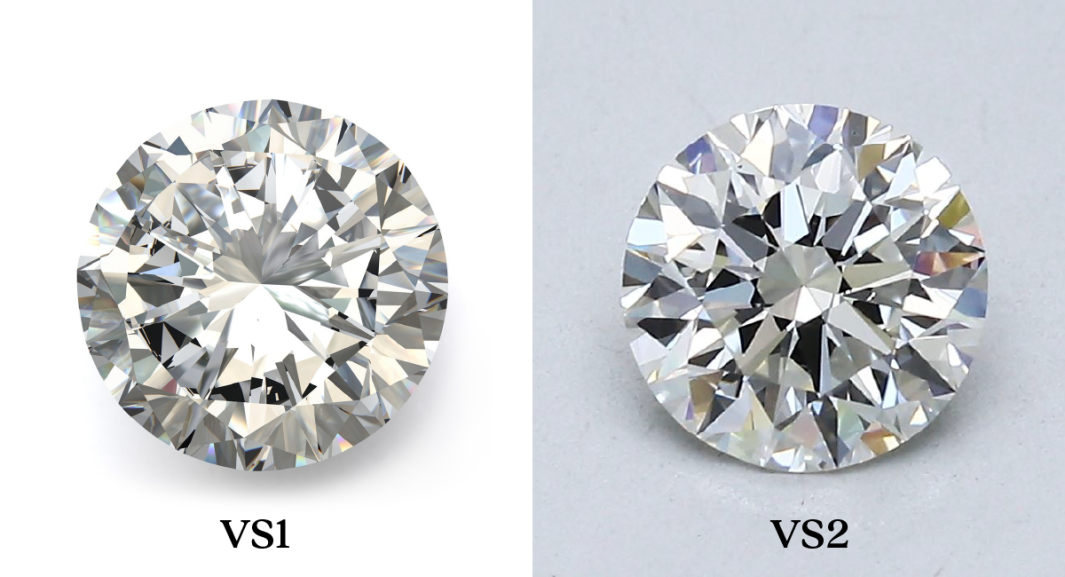
VS1 vs VS2: Which is better VS1 or VS2? A Complete Guide to Differentiate Them

While selecting a diamond we tend to compare the 4Cs that ultimately make up a diamond and its existence. The 4Cs are carat, color, clarity, and cut. While each of these can be divided into a whole set of categories, here we shall focus on clarity.

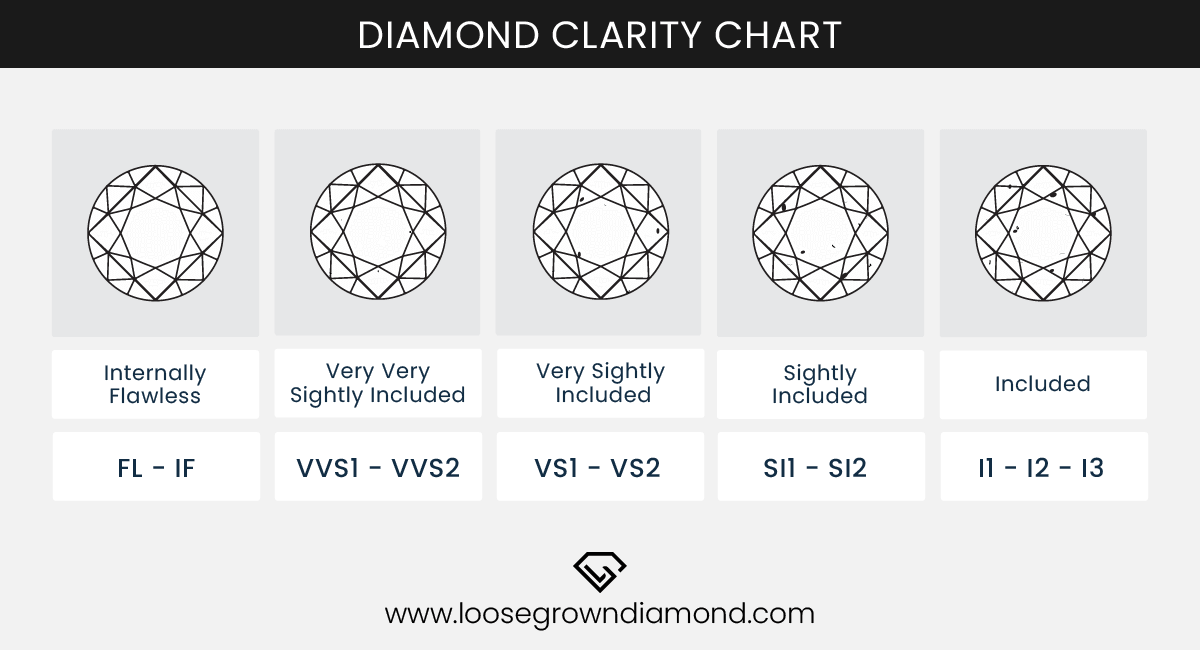
A diamond can be segregated based on 8 types of clarity. The topmost is flawless and internally flawless. Then there are VVS 1 and VVS 2, which are very very slightly included in 1 and 2 respectively.

Then VS1 and VS2 are gradings for very slightly included 1 and 2, respectively. Lower below, there are SI 1 and 2, for slightly inclusive 1 and 2 respectively, and I 1, 2, and 3, which stand for inclusive 1, 2, and 3 respectively.

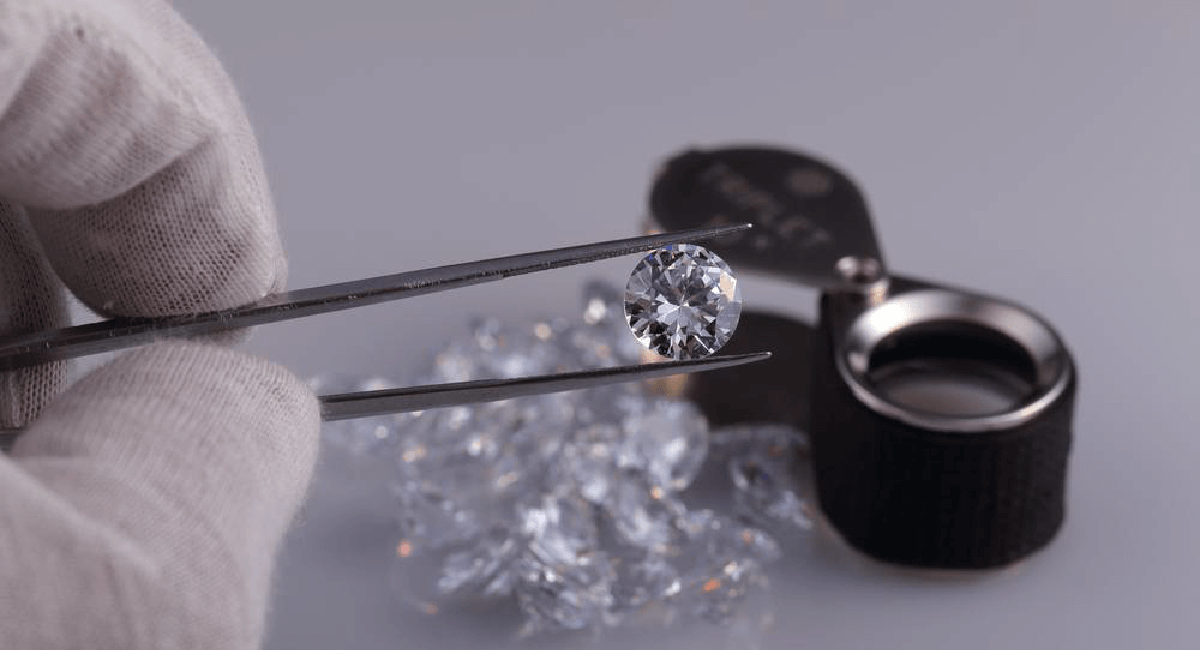
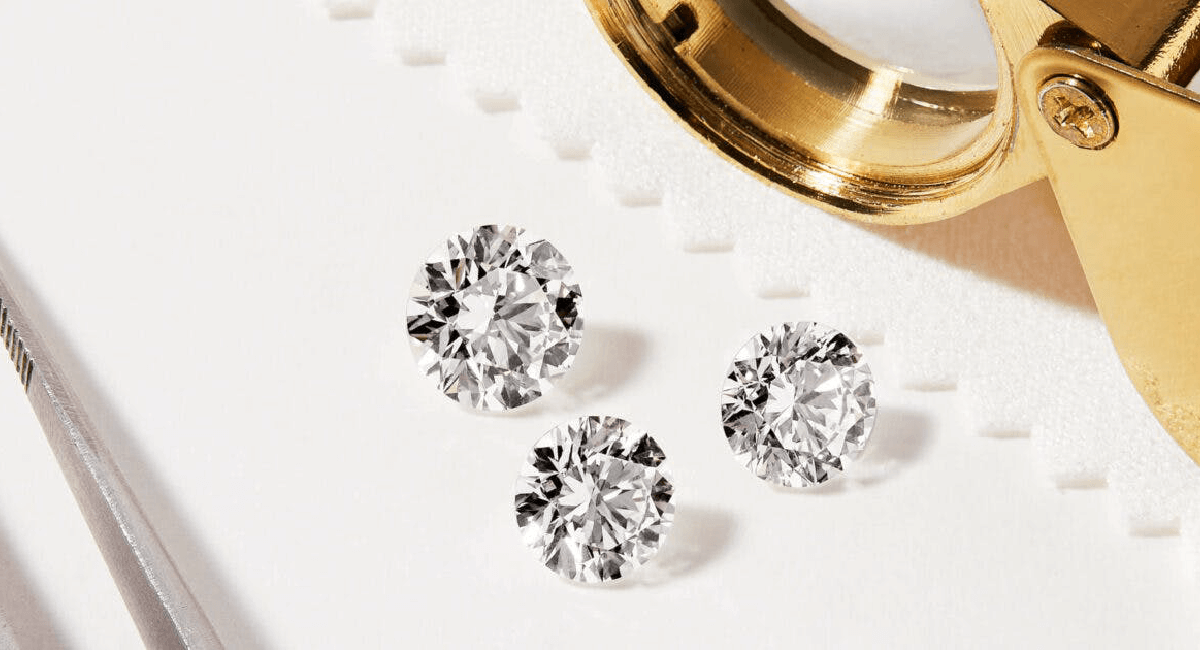
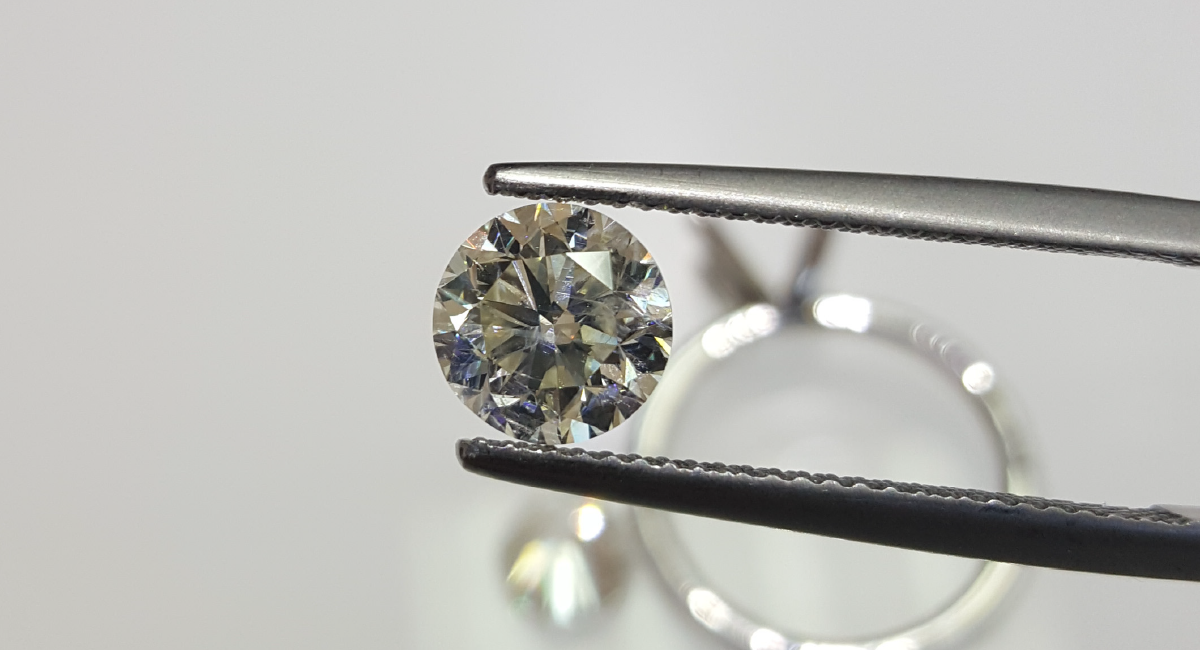
VS1 vs VS2 diamonds fall into the classification of affordable and good-quality diamonds. Very slightly included means that the inclusions in these diamonds are not visible under a 10x magnifying microscope. These inclusions are hardly visible under the microscope and not at all visible to the unaided eye.

Some of these inclusions might be visible to the eye, but it is a common thing for diamonds over 1 carat. Hence, understanding the classifications of a diamond and its clarity can be of great assistance while actually selecting the right kind of diamond on a budget.

Vs1 vs Vs2: Which One Is Best?

Overall, the VS variety of diamonds is an ideal range of diamonds that are budget-friendly along with being a higher quality diamond.
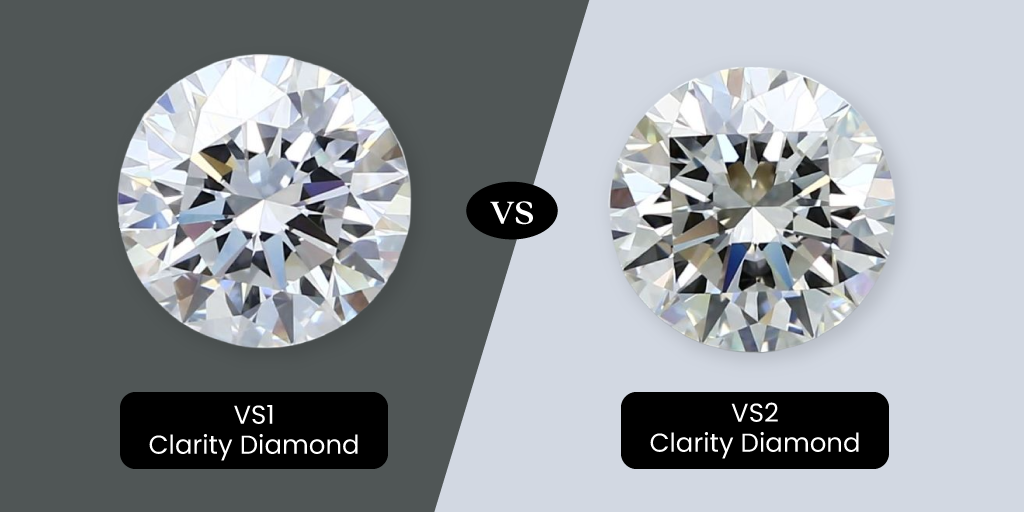
Vs1 vs Vs2: Which One Is Best

VS1 is very slightly included 1 and VS2 is very slightly included 2. These can be considered one of the highest quality diamonds you can buy on a budget.

The size and number of inclusions overall can be used to differentiate VS1 from VS2. VS diamonds are preceded by VVS diamonds, and hence are very close to the best clarity of diamonds. VS1 has better quality than VS2, but on a budget, VS2 is preferable since it contains a maximum of 5% inclusions in the diamond, which is a fair enough percentage.

Usually, VS1 ranks higher than VS2, which means that the quality of VS1 is better than that of VS2, but yet again, in terms of budgetary importance, VS2 can cost slightly less than VS1.

The investment value of a VS diamond is said to increase over time due to the beautiful color and light play that occurs on the inside of a diamond. This happens due to certain inclusions in the diamonds, which make them innately beautiful while being affordable.

From the quality of VS1 vs VS2, VS1 is usually preferred, but there isn’t much of a quality difference when observed from the point of view of the naked eye.

VS clarity is slightly lower than VVS, and despite having inclusions, they do not have any chances of chipping as compared to the SI quality of diamonds.

Also Read: VVS/VS/SI Diamonds

Advantages of Vs1 and Vs2

The greatest advantage of VS1 and VS2 is that there are absolutely no highly visible inclusions in this clarity of diamonds.

Advantages of Vs1 and Vs2

The only inclusions in there are up to 5%, and that is only when viewed under 10x magnification. This is a highly beneficial preference since they cost way less than the flawless VVS range of diamonds while imparting almost similar beauty.

The investment value of VS2 is less compared to VS1, but nevertheless, it will turn out to be good over time. These additions give VS1 and VS2 distinct identities, and if one is preferred over the other aesthetically, that is not a bad choice either.

Vs1 vs Vs2: The Difference Between Both of These

In terms of the clarity of diamonds, VS1 and VS2 fall under the same category, but as we go on further to subdivide them, we see the difference between them. 
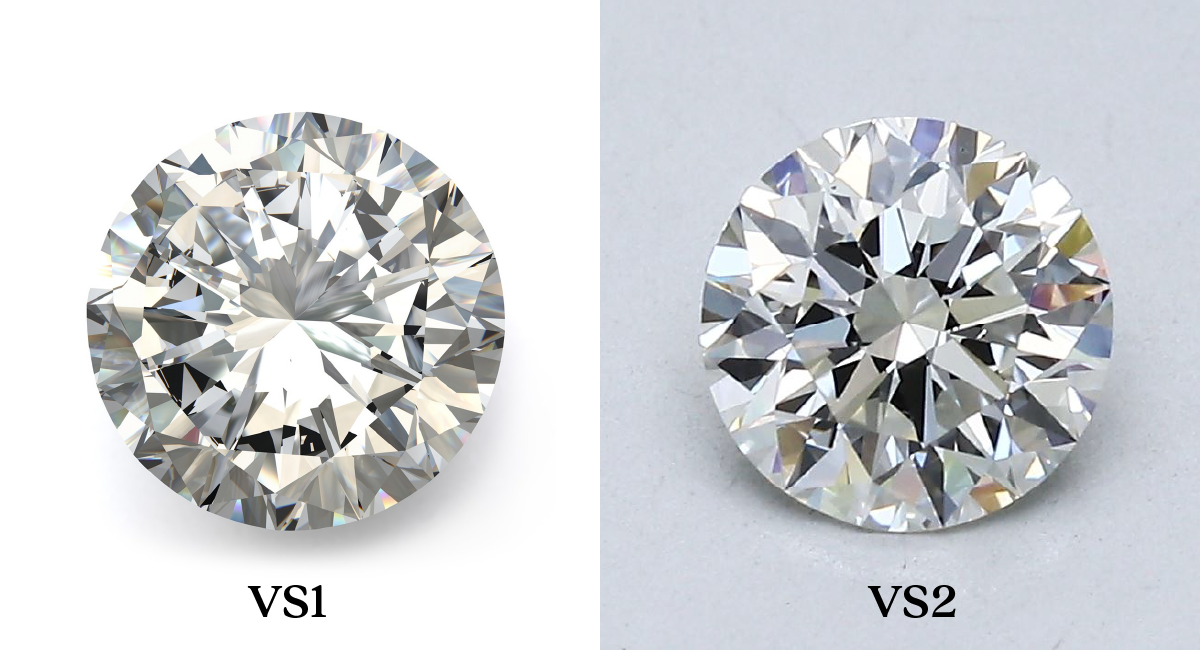
Vs1 vs Vs2: The Difference Between Both of These

The VS category of diamonds falls between VVS and SI, which means that the inclusions in these diamonds are between the very very slightly inclusive ones and the slightly inclusive ones.

It is very difficult to spot the difference between these as the inclusions are only minutely visible under a microscope at a range of 10x magnification. While examining these through the naked eye, it is almost impossible to tell the difference, and even professionals might skip out on actually segregating them.

Some of these diamonds can also have similar inclusions, but both are placed at different ends of the VS1 vs VS2 scale. This is because some inclusions tend to be located in positions where they do not interfere with the brilliance of the diamond and it is absolutely not evident.

This position might be at a corner or an edge, and hence not be a very crucial benefactor in deciding the clarity of a diamond.

VS1 vs VS2: Price: Overall, VS diamonds can be bought at a price of 10% less as compared to VVS diamonds. The higher the quality of diamonds, the cost is certainly going to be higher as well.

When a person goes to buy diamonds, they have to select their personal preference because that will ultimately determine which clarity they prefer from VS1 vs VS2. Since the VS1 is of a higher quality than the VS2 clarity of the diamond, the price of the VS1 is more than that of the VS2.

VS2 vs VS1 clarity can have a considerable impact on the price factor based on its carat size and cut, and hence a comparison should be made before buying the diamond.

The prices of these will greatly differ when they are compared to the other Cs of each of these diamonds. Of course, since clarity is just one of the factors among the other three, cut, carat, and color.

The higher the values of the other three, the prices certainly make a huge difference when scaled on the highest and lowest of each of these individual factors, keeping the other three constants.

VS2 vs VS1: Quality: In terms of quality, both fall into the category where they are not of the highest quality but still brilliant, and that too on a budget, which is almost 10% less as compared to the highest quality of diamonds.

In the comparison of VS2 vs VS1, the latter is said to have higher quality as it is closer to VVS. VS1 has very minute inclusions, which are almost close to negligible since they cannot be perceived by the naked eye.

The clarity of VS2 has slightly higher inclusions when viewed as compared to VS1, but is still very hard to view by an unaided eye. The quality of both of these clarities is brilliant, and it is also chip-free (relative to shape) since it can withstand pressure of sorts.

VS1 vs VS2: People’s Preference: The preference of people when choosing a diamond of VS clarity can be difficult to come up with since this is very subjective. When a person buys a VS diamond, they will consider the difference in the price ranges and the highest clarity quality. Within the budget, these diamonds are an exceptional choice.

But, even if one is okay with a slightly lower clarity quality, they can go on to choose the VS2 variant, which will be less expensive as compared to the highest variant of Vs, which is VS1.

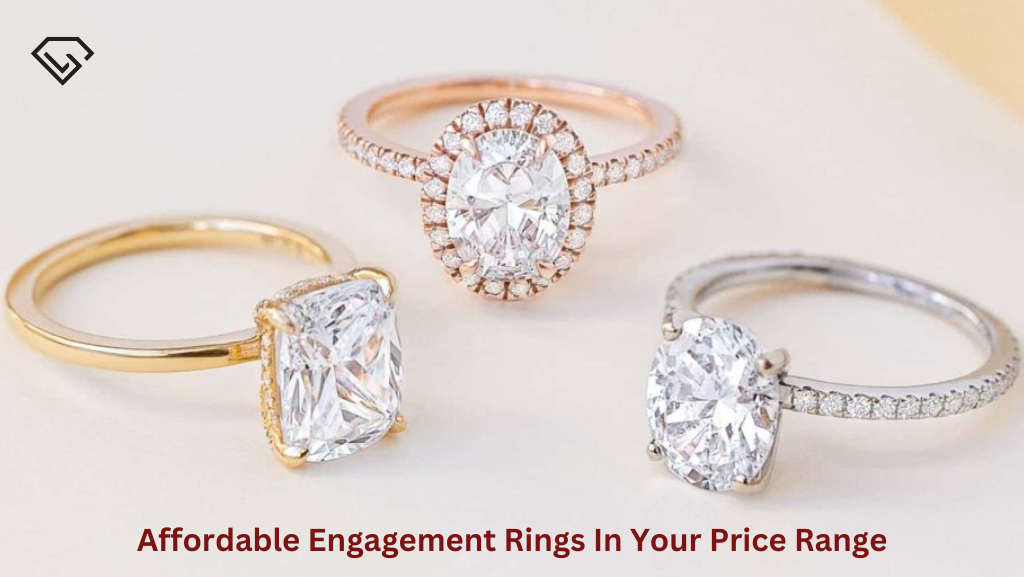
Also Read: Top 10 Stunning Affordable Engagement Rings In Your Price Range

Why VS Diamonds Are a Good Choice

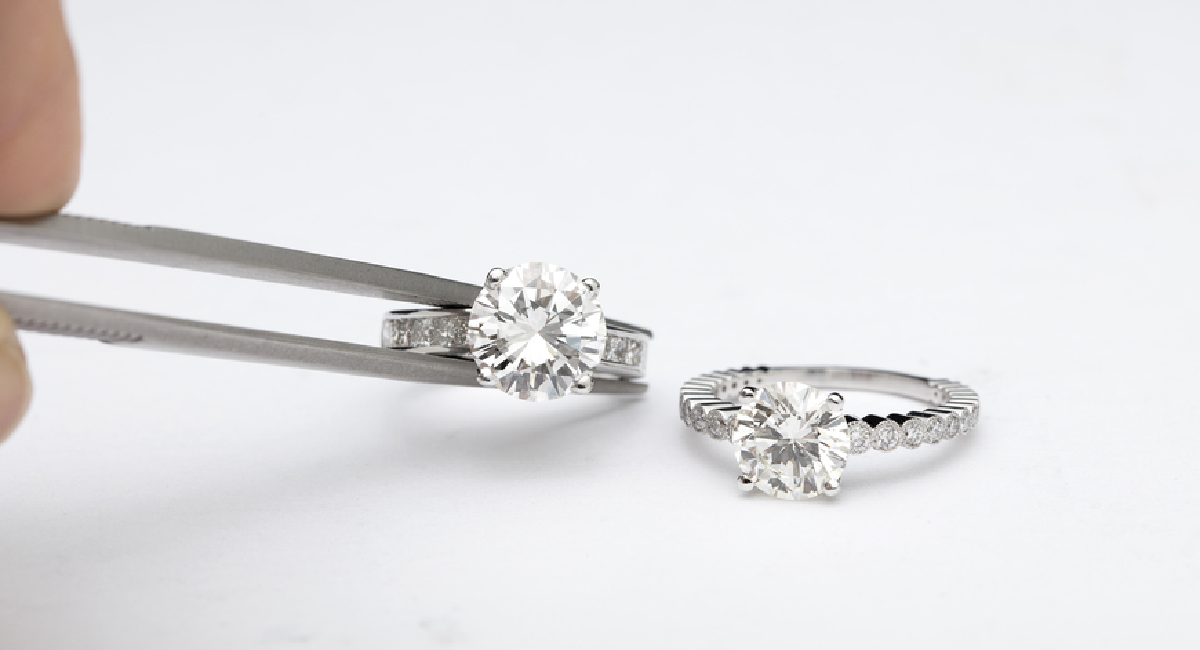
VS diamonds seem like a good choice to the buyer since they are said to have a higher investment value, meaning the value of these diamonds will increase over time after being bought.
Why VS Diamonds Are a Good Choice

A little less clarity would not be of greater significance when selected over VVS, since the diamonds tend to appear as brilliant as VVS to the naked eye.

The second reason is that definitely, these range between the expensive very very slightly inclusive (VVS) and a little more inclusive range of the Slightly inclusive (SI) clarity. This range is always preferred since it has the closest quality to the higher clarity of diamonds while being at a budget price range that does not go heavy on the pocket.

[blog_page_inventory shape=”Oval,round,pear,cushion,Princess,Heart” carat=”2.03,2.7″ cut=”2,4″ color=”3,10″ clarity=”5,7″]
[blog_page_btn title”Buy Now” url=”https://www.loosegrowndiamond.com/inventory/”]

How to Choose Between VS1 and VS2 Diamonds?

With the choice of VS1 vs VS2, there is not much distinction, and a person cannot differentiate based on these with the naked eye. Some of these inclusions are only visible after putting gems under magnification, and hence not much of a difference can be seen between them, unless very closely observed or seen on the diamond certificate.
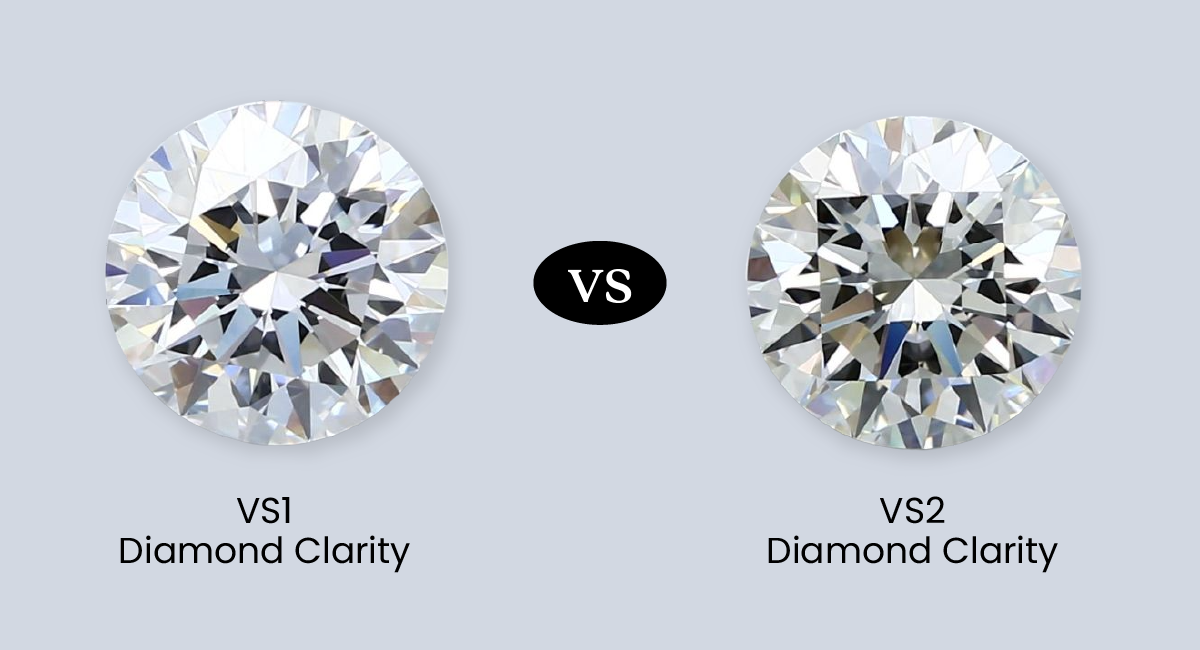
Vs1 vs Vs2: The Difference Between Both of These

If the diamond is above 1 carat, it is preferable to choose VS1, since the inclusions will be clearly visible if any. But, if you go with an option of less than 1 carat, then the choice of VS2 will not make much of a difference.

This choice is still a matter of preference since a lot of these might depend on the other 4Cs of a diamond. While a buyer might select based on the importance of budget and brilliance, other factors like carat, color, and cut play as much of an essential role as clarity. The carat weight can make it either VS1 or VS2.

If one chooses a larger carat, then VS1 is preferred, or else VS2 is as good a choice as VS1 for diamonds less than 1-carat weight. A good choice is subjective based on what the preference is, so VS2 vs VS1 is not an open decision that can be made.

How To Buy A VS1 and VS2 Diamond?

If you are particular about having the clearest possible diamond, VS1 might be more suitable for you, as it offers slightly better clarity than VS2.

The diamond’s cut and the way it’s set in the jewelry can significantly impact its overall appearance. An expertly cut diamond can mask minor inclusions, making the choice between VS1 and VS2 less critical.

Always opt for a certified diamond. Purchase your diamond from a trusted and reputable jeweler. They can guide you through the selection process, ensuring you get the best quality diamond for your budget.

Use promo code offered by LGD. These can help you save money without compromising on the quality of your diamond.

Conclusion

The diamonds we see are rated on various charts for various factors. They can be graded on the basis of clarity, as shown above, and on factors like the type of cut, the carat weight, and the color of the diamond. Each of these factors is as important as the other, and they eventually sum up to create the value of the individual piece of diamond. Each diamond has its own identity and these factors make it up.

The beauty of every diamond lies in the way it has been crafted, including the unique inclusions. These inclusions add a unique touch to each diamond and end up enhancing the beauty, which gets appreciated as time passes.

Frequently Asked Question (FAQs)

What is clearer VS1 vs VS2?
The clarity of VS1 is higher than the quality of VS2, owing to fewer inclusions. Although these inclusions are not visible to the naked eye, they are slightly visible under 10x magnification, hence the difference.

The inclusions in both categories can be similar but still be labeled as VS1 and VS2, based on the position of the inclusion, which affects the brilliance and light reflection inside the diamond.

Is VS2 a good quality diamond?
VS2 is a very good quality diamond that one can avail of on a budget. The quality of this diamond is such that it is extremely close to the brilliant quality of diamonds, but with inclusions that do not interfere much with the quality of the diamond.

One may prefer to choose VS2 over VS1 if they are going for a size of the diamond less than 1 carat since the inclusions are barely visible at this carat weight.

Which diamond clarity should I buy?
The diamond clarity which is preferable for one to buy is either VS1 or VS2, as these are very brilliant diamond clarity scales alongside being very much within a good budget, making sure you do not overspend on buying diamonds.

Which is better VS or VVS diamond?
VVS is comparatively better than VS because they have almost no inclusions. When a buyer sees a VS diamond, it will come off as similar to a VVS diamond, but in quality, VS does possess some inclusions visible under a microscope.

This perception is not seen by the naked eye, hence we can conclude that VS diamonds are much better when seen from the budget point of view. But, if one is looking for a higher quality of diamonds, then VVS is the option to stick by.
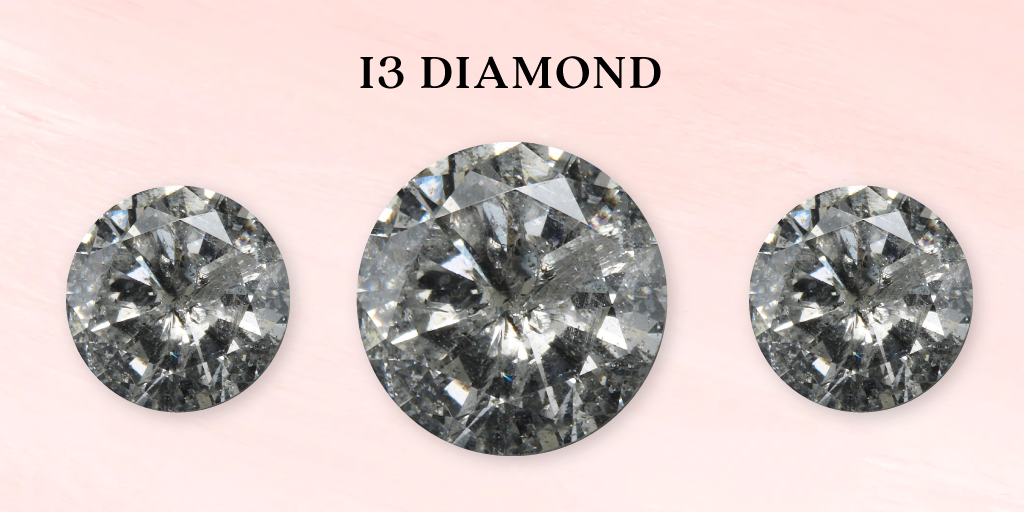
What Are I3 Clarity Diamonds and Should You Buy Them? An Expert Guide

If you have ever searched “What are the lowest quality diamonds?”, you would have probably gotten the answer I3 diamonds are the lowest quality diamonds. Now, why does such a diamond exist in the first place? Can you use an I3 diamond? If you have such questions on your mind then let us help you out with the answers.

Diamonds are a rare mineral with innumerable properties and varied compositions. For decades, diamonds have been a symbol of prosperity, and power and often are a mark of a particular social status. To attain this mark of power many individuals have tried to find a cheaper way as the clearest diamonds have the highest prices.

WHAT ARE I3 CLARITY DIAMOND

If you have been to a store in search of a perfect diamond, you would possibly be aware of the fact that diamonds follow a universally recognized grading system and each grade of diamond has its own unique set of characteristics, and prices are fixed accordingly. We are going to look at I3 diamonds and explore what they entail by addressing some questions related to I3 diamonds followed by faqs.
What Are I3 Diamonds?

The lowest or weakest diamond clarity grading that is presently recognized and obtainable is I3 as per the GIA Scale. The Gemological Institute of America developed the GIA diamond clarity scale, which is used to evaluate and grade the quality of diamonds

What Are I3 Diamonds?

GIA’s Clarity Scale:

  • Flawless (FL)
  • Internally Flawless (IF)
  • Very Very Small Inclusions (VVS1)
  • Very Very Small Inclusions (VVS2)
  • Very Small Inclusions 1 (VS1)
  • Very Small Inclusions 2 (VS2)
  • Small Inclusions 1 (SI1)
  • Small Inclusions 2 (SI2)
  • Inclusions 1 (I1)
  • Inclusions 2 (I2)
  • Inclusions 3 (I3)

The ‘I’ in I3 diamonds stands for inclusions or incorporations, to put it simply. The diamond’s rating on the diamond clarity scale is indicated by the number “3” in the diamond clarity I3. In layman’s language, it indicates that the I3 grade is third in order in the Included diamonds category of the diamond clarity scale. (For context, included diamonds is a term that refers to the I1, I2, and I3 clarity grades.) 

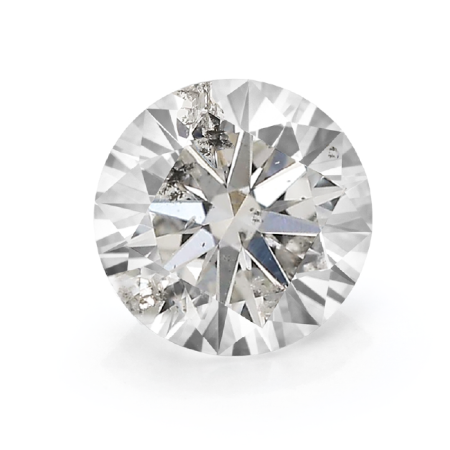
Now, since I3 diamonds lie at the very bottom of the scale, they have a large number of noticeable inclusions. A diamond’s inclusions are flaws or defects that reduce its luminescence, sturdiness, and aesthetic appeal. Pores, bruises, dents, and scrape grooves are a few examples of inclusions that are frequently found in I3 diamonds. 

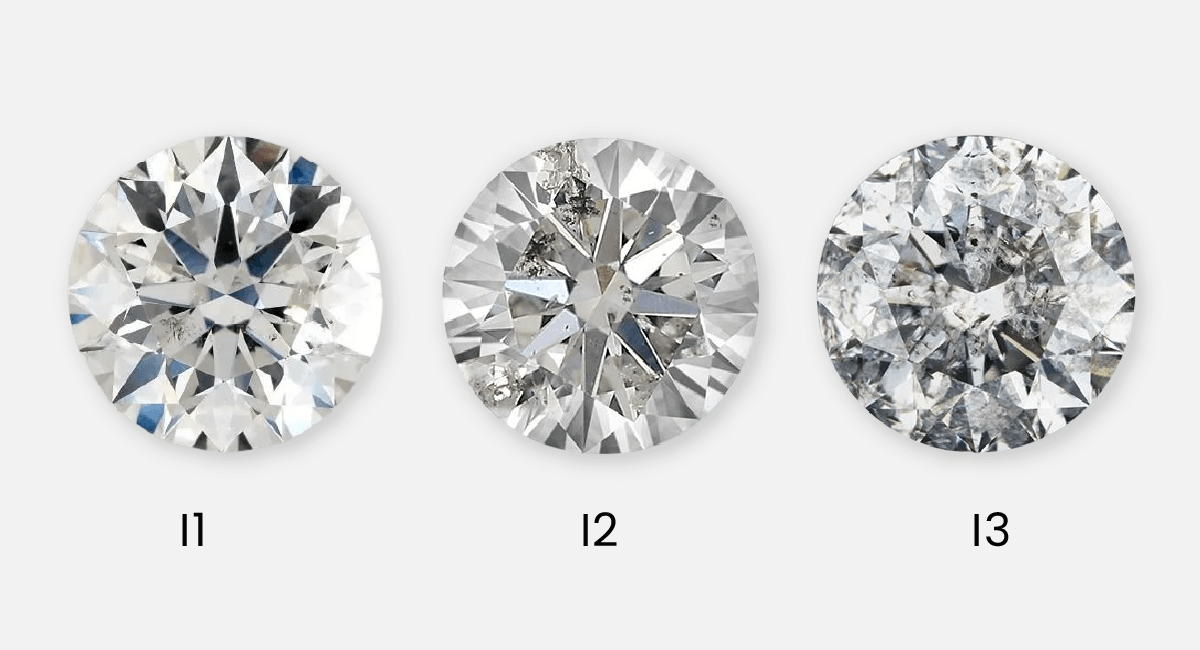
On the diamond clarity scale, I1 clarity diamonds have apparent inclusions that are less prominent than diamond clarity I3. Whereas, diamonds with I2 diamond clarity have far greater inclusions than I1 but still way less as compared to I3 diamonds.

This is attributable to the fact that I3 diamonds are not only in the lowest portion of the chart but also take the final spot there. As a result, it receives the GIA’s and other organizations’ lowest clarity grade, including GSI.

Are I3 Diamonds Worth Buying? 

Now to answer the real question, are I3 diamonds worth buying? I3 diamonds are composed of the same composition as other lab grown diamonds, therefore the only thing that distinguishes them is the degree of inclusion and its corresponding intensity and how that affects the diamond. 

Are I3 Diamonds Worth Buying?

We now know that diamonds with a clarity grade of I3 diamond have more imperfections than those with a higher grade. Depending on the intended use, applicability, and purpose of the purchase, an I3 diamond may or may not be worthwhile.

I3 diamonds have recently attracted considerable attention when they show up in some eye-catching trends like “hued diamonds” or “salt and pepper diamonds.”

A salt-and-pepper effect can be seen throughout the diamond due to the presence of black and white inclusions. Additionally, an I3 diamond may perform well when used in small-sized jewelry or other pieces containing numerous diamonds. 

We advise consumers to choose diamonds with a minimum clarity rating of SI2 diamonds. Anything below this will be futile if you are going for a big stone.

Is I3 Diamond Clarity Good?

As we move down the clarity scale, the rate of increase of inclusions increases. Consequently, I3 diamond clarity merely indicates that a diamond is severely included, as it is at the bottom of the range of included diamonds. 

To clarify, little grains that are trapped inside the diamond are what really produce inclusions, which are useful markers of diamond clarity. The poorest diamond clarity grade that is formally offered is I3. As a result, we might conclude that it is not thought to be the greatest option offered.

How Much Do I3 Clarity Diamonds Cost?

Costs for various diamonds of various clarity grades operate in such a way that the cost increases for each step up in clarity grade. When you select an I3 clarity diamond, you may anticipate paying substantially less. 

Diamonds that are included are more abundant. Prices are significantly reduced as a result. Moving from an I3 diamond to an I2, and from an I2 to an I1, you should anticipate a slight price increase, thus an I3 diamond price being relatively the least in the order. 

An I3 diamond should cost between $1,200 and $2,000 per carat. A clean edge and L hue I3 diamond may cost around $1,000-$1,300. I3 diamond price with a J color grade may cost $1,600-$1,800. Be aware that these values are not fixed and are based primarily on the various properties of diamonds, even those with the same clarity grade.

Loose Grown Diamond provides the most affordable diamonds on the market. We have our lab grown diamond price calculator which you can check out.

Why Should You Avoid I3 Clarity Diamonds?

When customers are running after the diamonds that give them the most evident appearance and blinding luster, very few would go for an I3 clarity diamond. Due to this, a large number of well-known major retailers refrain from offering loose I3 diamonds. Let’s examine some potential drawbacks or negatives of diamonds with an I3 clarity rating: 

Average Appearance: The aesthetic appearance of I3 diamonds is characterized by a heavy presence of inclusions that are readily apparent to the naked eye. Inclusions in I3 diamonds are typically big, darkish, and immediately noticeable. Buyers who are searching for a loose grown diamond with no obvious inclusions may be turned away by this.

Poor Quality: A diamond’s inclusions have an impact on its overall quality as well. They prevent it from shining. Quality cuts with few inclusions are characteristics of diamonds with the highest light performance. Light can effectively enter or leave the diamond thanks to this interaction. The diamond won’t sparkle as brightly when you rotate it as one with a better clarity grade. However, a diamond that weighs just under 0.5 carats won’t have as obvious a poor brilliance.

Poor Resale: The value of I3 diamonds at the time of resale is very poor. There really isn’t a huge requirement for them because of the overabundance of inclusions. Furthermore, there is no lack of supply because lab diamonds can be discovered plenty anywhere. An I3 diamond may allow you to partially retrieve your initial investment, but you will still be making a big loss.

Low Durability: An I3 clarity diamond may have issues with durability because of the heavy proportion of inclusions, which compromise the diamond’s fundamental physical structure. The presence of inclusions increases the risk of chipping and bruises in diamonds.

If you’re looking for the best quality diamonds and jewelry, the diamond wholesaler where you can buy top-quality diamonds is LGD, which do a fantastic array of loose grown diamonds.

[blog_page_btn title=”Buy Lab Grown Diamonds” url=”https://www.loosegrowndiamond.com/inventory/”]

Conclusion

In closing, we can say that there are more qualities to consider when buying I3 lab grown diamonds than simply thinking about doing so favorably. Due to its low ranking on the scale used to grade diamonds, it is more likely to have significant inclusions, which diminishes the diamond’s brilliance and luster and gives it a murky aspect.

In order to avoid being lured in by the low price these diamonds bear, it is essential to think about higher graded diamonds for significant purchases like women’s diamond rings or diamond jewelry.

Frequently Asked Questions (FAQs)

Is I3 Good Diamond Clarity?
The lowest clarity grade a diamond can receive is an I3 grading. Since I3 diamond clarity contains various flaws and could not be worth the investment, jewelry companies avoid selling them.

Is I2 I3 Clarity Diamond Good?
The second-lowest clarity grade for diamonds is I2. I2 falls between the lowest diamond clarity grade, I3, and the highest of the ‘included’ grade; I1. I2 clarity diamonds have observable inclusions that are visible to the naked eye.

But I3 diamonds are at the top of the list for having the most inclusions, and because of their abundance and size, these inclusions can impart the diamond a dreary, opaque look. As a result, I2 is undoubtedly superior to I3, while I1 is superior to both I2 and I3.

What Is an I3 Clarity Diamond?
Without the use of a microscope, inclusions can be seen in diamonds in the I1–I3 tier of the clarity chart. The lowest clarity grade, an I3 diamond, will have much more obvious inclusions than an I2 diamond.

Are I3 Diamonds Good for Earrings?
The ideal choice of diamonds chosen for something like diamond earrings marketed by the retail diamond industry is I1 clarity, which denotes that the inclusions or imperfections inside the lab diamond are clearly visible without magnification at a distance of 9 to 12 inches. As a result, we can see this as a crucial criterion for excluding I3 diamonds from the category of diamond jewelry production.

Are I2 Diamonds Worthless?
The center of the lowest degree of clarity for diamonds is represented by I2 clarity diamonds. That indicates that they are heavily populated with clearly discernible inclusions, such as flaws, flakes, fissures, and other defects. We can claim that I2 diamonds are worth more than I3 diamonds, at least in part because they can be used in designs that call for melee, side, and tiny stones.

Which Diamond Clarity Is Best?
To ensure you’re obtaining the diamonds you want for a fair price, it’s crucial to examine the diamond quality. Since diamonds stay for a lifetime and are more of an asset, they should be bought with much consideration. Shape, color, purity or clarity, and carat are important markers that experts and customers use to estimate the value of a diamond.

Usually, diamonds with a clarity grade of SI1 or higher are eye-clean. Because step-cut diamonds, like emerald or Asscher cut, don’t conceal imperfections as well, you could also choose one with a clarity of VS2 or above.

Do I3 Lab Diamonds Shine?
Since the inclusions reduce how much light the diamond can absorb and reflect, I3 diamonds have little brilliance. Fewer inclusions equal more shine because they don’t interfere with the way light passes through the lab grown diamond.

We advise emphasizing a diamond’s cut as well as clarity if you want it to have the most brilliance. These are the elements that have the greatest bearing on a diamond’s ability to reflect light, and I3 diamonds score poorly on the clarity scale.

What Are I2 Clarity Diamonds and Should You Buy Them? – An Expert Guide About I2 Clarity

Have you heard the line “Don’t buy I2 diamonds?” Curious as to why many people and retailers state this? Well, let us take you through the details so you can decide whether you want to support this statement or go against it.

As the saying goes, “It’s hard to be a diamond in a rhinestone world.” The same goes for the wide variety of categories within diamonds. All diamonds are one-of-a-kind, and their variations aid in assessing their price, scarcity, and aesthetic value.

Because the size, structure, and even the simplest imperfections can affect profitability, not all diamonds are unreasonably priced.

What Are I2 Clarity Diamonds and Should You Buy Them?

These nanometer blemishes, which are primarily determined by their clarity grade, can certainly help buyers set guidelines and act as prerequisites for smart buying.

When we turn to low-quality diamonds that fall within the larger population’s budget, I2 diamonds are seen to be a top pick in many cases too. However, with a low cost comes certain flaws to be aware of.

With this article, you can make sure to be aware of everything that I2 diamonds entail, from their distinctive features to quality to their pricing and more.

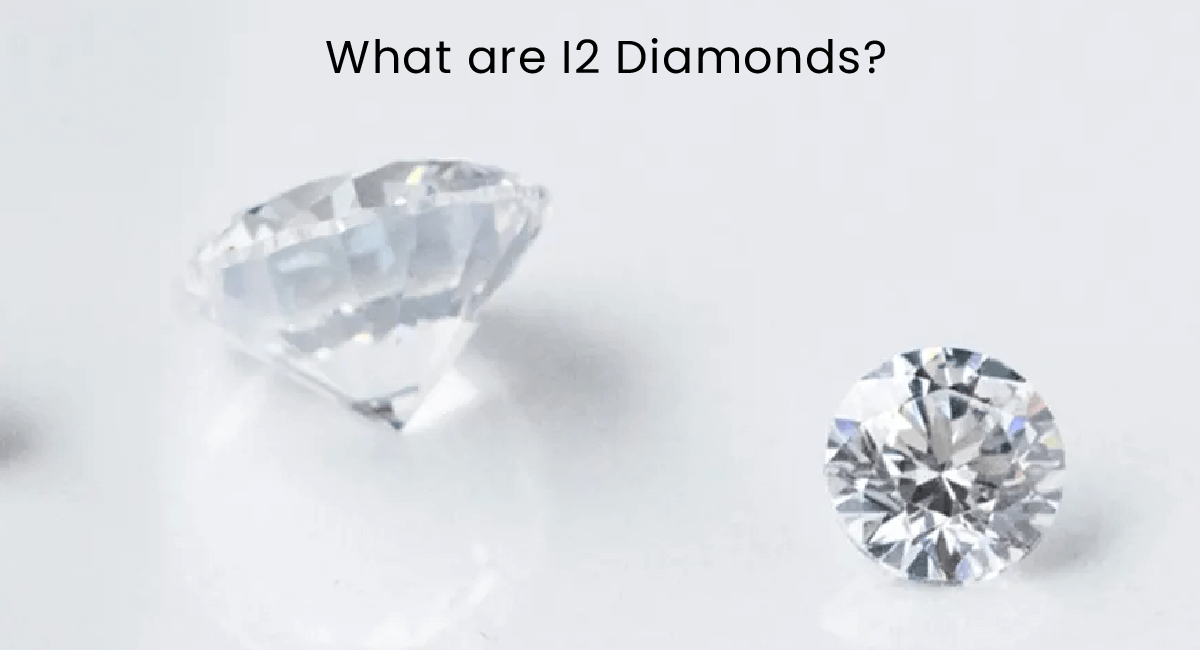
What Are I2 Diamonds?

I2 diamond clarity grades are the ones that are at the lower end of the diamond clarity scale. A summary of what diamond clarity is is given further ahead.

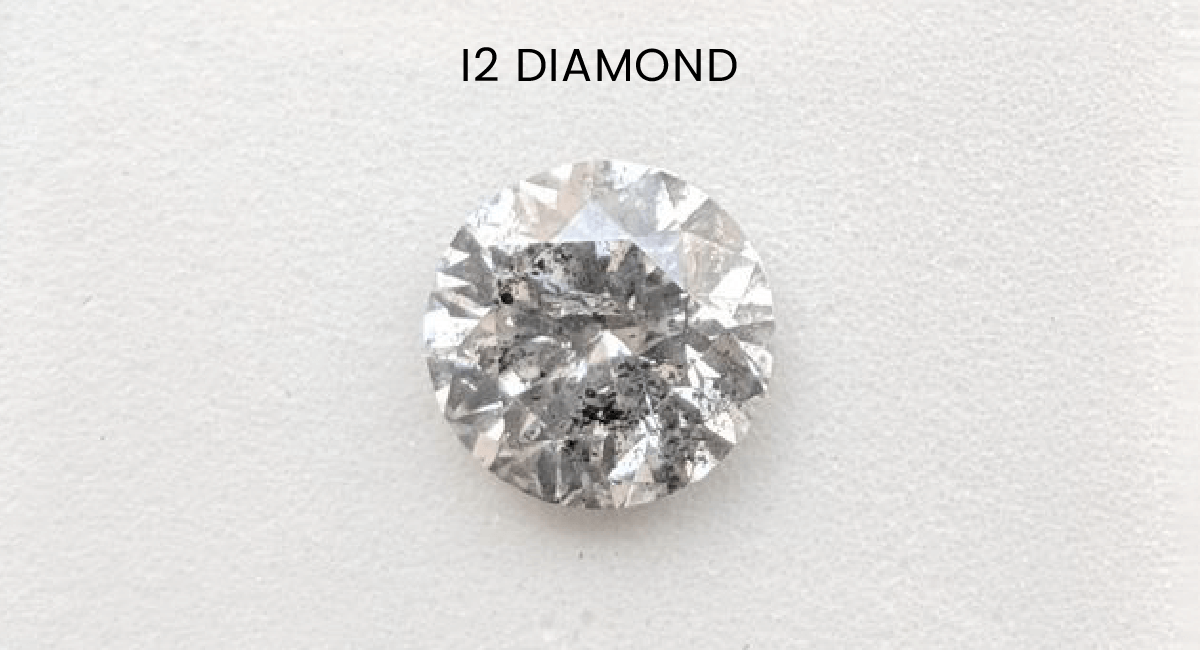
The ‘I’ in the I2 diamond stands for Included. I2 diamonds are 2nd-degree included diamonds with observable imperfections under magnification as well as to the unaided eye.

What Are I2 Diamonds?

In fact, most I2 diamonds have inclusions that minimize their clarity and brilliance. Inclusions and imperfections of this degree lead to impacting changes in some features of the stone, like aesthetic value, monetary value, and quality of transparency.

In addition to taking a toll on the diamond’s exterior looks, inclusions in I2 diamonds make them prone to durability issues. Frankly, your I2 diamond has greater chances of being chipped or, in the worst-case scenario, even broken due to its inherently poor physical structure.

A Quick Summary of Diamond Clarity: Where Does I2 Fall?

Let us take you through a quick recap of what diamond clarity is. The clarity of a diamond refers to the degree of purity and rarity of the stone. The purity of the diamond is confirmed on the diamond clarity scale (GIA Diamond Clarity Scale), which means that light microscope substances can be entombed in the diamond while it is being shaped.

A Quick Summary of Diamond Clarity: Where Does I2 Fall?

The diamond clarity scale grading is largely decided by putting the dimensions, category, and amount of diamonds to the test, as well as where the inclusion is on the stone and how well it affects the appearance.

Most of these factors interact to determine the grade. Included (I) clarity means that “inclusions are visible under 10 magnification and may affect clarity and brilliance.”

The I grade range contains three sub-grades: I1, I2, and I3. Put simply, the higher the count in each grade, the higher the likelihood of flaws in the stone. You must have developed some understanding of diamond clarity by now.

Now, coming to I2 diamond clarity! I2 is a diamond clarity grade with a low ranking on the diamond clarity scale. I2 diamond clarity is the 2nd lowest clarity grade currently offered. I2 is a diamond clarity grade that falls between I3 (lowest) and I1 (highest).

Diamonds with an I2 clarity grade have overly evident and clearly recognizable inclusions that are readily captured by the naked eye. All the same, in comparison to I3 clarity diamonds, I2 clarity diamonds have much more soul and dazzle.

Should You Buy Diamonds of Clarity I2?

I2 diamonds’ large and abundant imperfections hamper the amount and intensity of light passing through them and tend to reflect off of the diamond. The diamond’s greatness suffers, making it appear dull and pale.

Should You Buy Diamonds of Clarity I2?

I2 diamonds also have noticeable flaws that you will notice every time you glance at the diamond. Such inclusions can be quite unsightly, especially if they are concentrated next to each other in a central spot in the stone or when these same inclusions are pretty dark in color.

Inclusions in an I2 diamond entail black attributes, clusters of carbon compounds, and surface roughness. I2 level, white inclusions are often visible at the I2 level and distract people from the diamond’s radiance.

Thus, your reasons to stay off I2 diamonds could be poor quality and noticeably large imperfections. extremely low shine and brilliance. highly prone to chipping, breaking, and wearing away

Thus, engagement rings with I2 clarity diamonds are relatively rare. However, lower clarity diamonds could also stand out when working with limited resources and at a minimal price.

Clarity alone is not a primary consideration for some shoppers, as long as the diamonds match in color. Also, you could settle for a better deal by spending a little more to get VS2, SI1 or SI2 grade diamonds.

As a result, when it comes to purchasing I2 clarity diamonds, keep the above-stated facts and information about I2 diamonds in mind.

The Price of I2 Diamond Clarity?

Normally, according to the generic price trending across markets, I2 diamond prices are lower than eye-clean diamond prices for the simple reason that they have far too many observable imperfections and surface defects to have the same premium quality price as eye-clean diamonds.

The Price of I2 Diamond Clarity?

There are many other factors that directly or indirectly impact the pricing of a particular diamond. I2 diamond prices are also fixed based on the quality, size, carat, color (amount of whiteness), and most importantly, the cut of the diamond.

However, I2 clarity diamonds are significantly less expensive than improved clarity diamonds. According to experts, I2 clarity diamond prices range between $300 and $5000 (for a carat range of 0.50-1.00) for a reasonably good whiteness with a very good cut degree.

Also, picking a lower section diamond of such a grade eliminates the expense far more. Thus, all in all, I2 diamond clarity is a low-cost diamond.

Differentiate I2 Clarity Diamonds with I1 and I3 Clarity Diamonds

So far, we have gathered a lot of I2 diamonds. Now, knowing that I2 diamonds fall into the same subcategory under the diamond clarity scale as I1 and I3, let us see some of the key differences between them.

Differentiate I2 Clarity Diamonds with I1 and I3 Clarity Diamonds

A) I1 vs. I2 Diamond Clarity

The presence of inclusions is the first key similarity. On the clarity scale, I1 and I2 diamonds are essential besides each other, as I1 diamonds are slightly superior. They primarily differ in terms of inclusion, concentration, size, durability, and so on.

I1 diamonds have visible inclusions, as do I2 diamonds. However, the deformations are more prominently visible in an I2 diamond owing to its larger size. For example, they could be darker or maybe more closely packed. Numerous other different distinctions between I1 and I2 diamonds also include their accessibility and the types of retailers that offer them.

For instance, I2 clarity diamonds will never be marketed by a prestigious and reputable jeweler.

I1 vs I2 vs I3 Diamond Clarity

B) I2 vs. I3 Clarity Diamonds

In terms of 13 and 12 clarity diamonds, the I3 diamond has a much larger volume of inclusions than the I1 and I2 diamonds, making it the worst in line. I2 diamonds are commonly thought to be one grade higher than I3 diamonds.

An I3 diamond has the least clarity grade and has more noticeable inclusions than an I2 diamond. Finally, both I2 and I3 diamonds should be avoided for higher-end jewelry.

[blog_page_btn title=”Buy Lab Grown Diamonds” url=”https://www.loosegrowndiamond.com/inventory/”]

Conclusion

The I2 diamonds that lie second in line under the category of Included stones come with their own pros and cons, though the latter seems to outweigh the former. It may be debatable whether it is desirable to purchase one such stone if its inclusions would readily catch one’s eye when you wear it or make a social appearance in it.

However, it should be crystal clear that if you are looking for a shiny, lustrous, and clean diamond to fit right in the center of one of your precious jewelry pieces, you might want to rethink and re-evaluate your decision to buy an I2 diamond.

Frequently Asked Questions (FAQs)

1. What are inclusions and blemishes in diamonds?
Inclusions are internal flaws, while blemishes are external imperfections. These can include tiny crystals, feathers, or other minerals trapped within the diamond or surface irregularities.

2. What are the advantages of choosing I2 clarity diamonds?
The primary advantage of I2 clarity diamonds is their lower cost. If you’re on a tight budget and prioritize a larger carat size over clarity, I2 diamonds may be an option.

3. What factors should I consider when buying I2 diamonds?
When buying I2 clarity diamonds, focus on factors like cut, carat weight, and color to maximize the diamond’s overall appearance. A well-cut I2 diamond with a higher color grade can look more appealing.

4. Is I2 diamond clarity good?
I2 clarity diamonds are in the center of the lowest tier of diamond clarity. That is, they have a lot of clearly visible inclusions, such as flaws, grains, air pockets, and so on. Furthermore, these diamonds will always have visible inclusions to the naked eye.

5. Do I2 diamonds sparkle?
Generally, the greater the clarity scale, the more sparkle the diamond has. However, the diamond’s cut quality determines how much light rates of return and how equally distributed brilliance (white stun) takes place throughout the stone (colored sparkle).

6. Is there a risk of I2 clarity diamonds breaking easily?
I2 diamonds are not more prone to breaking than diamonds with higher clarity grades, but it’s important to handle and care for any diamond carefully.

Channel Set Engagement Ring: Pros, Cons and Buying Guide

Have a tough time deciding on what setting to choose? Let us give you an elaborate explanation as to why you should choose channel setting rings over others.

Rings can be molded into various kinds of settings, and all of them have their identity. Each of these ring settings can be used in a way to enhance the beauty of the main gem.

Engagement rings usually have multiple unique settings to suit the style of the wearer. These are rings that can enhance the beauty of the wearer and stand out as their own unique identity. The other settings include three diamonds, solitaire, halo, and pave, out of which channel is a part of pave setting, but sometimes can be termed separate.

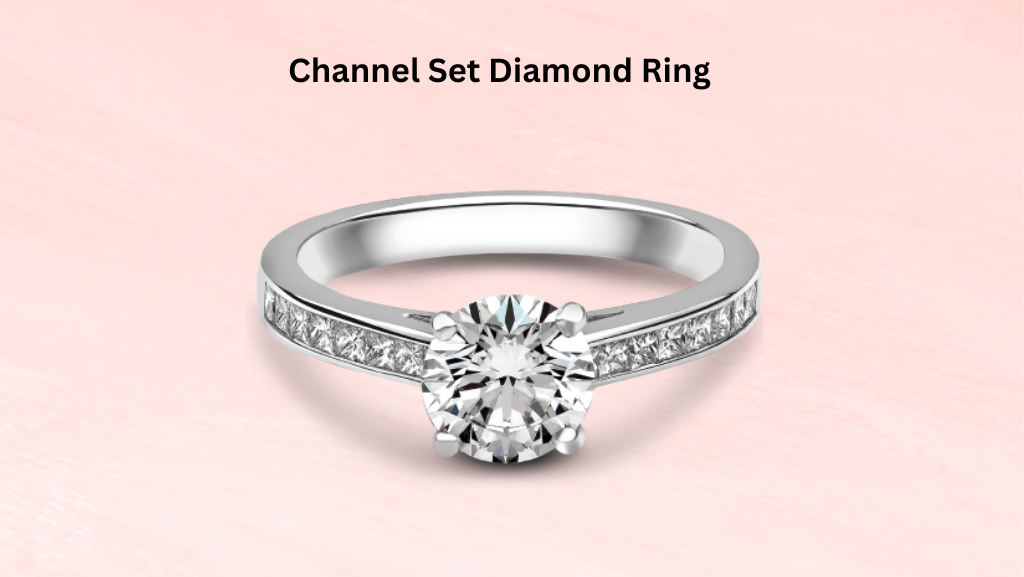
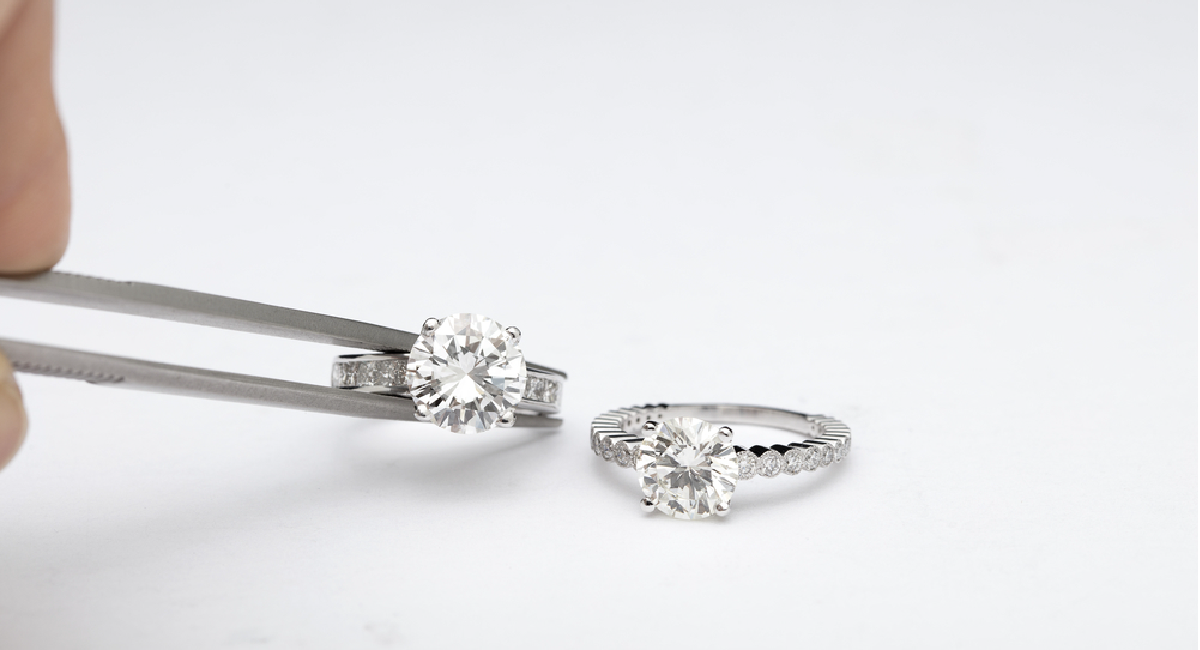
A channel setting ring is a very unique setting owing to its stronghold of channel diamonds rather than just prongs. The look imparted by the ring and its design is elegant, and classy, and makes the ring appear the most brilliant ring one has ever seen.

Even if the design is simple, the shine of the channel diamonds combined with the main gem will make people turn to have a second look while giving you that royal appeal.

What Is a Channel Set Ring?

What Is a Channel Set Ring

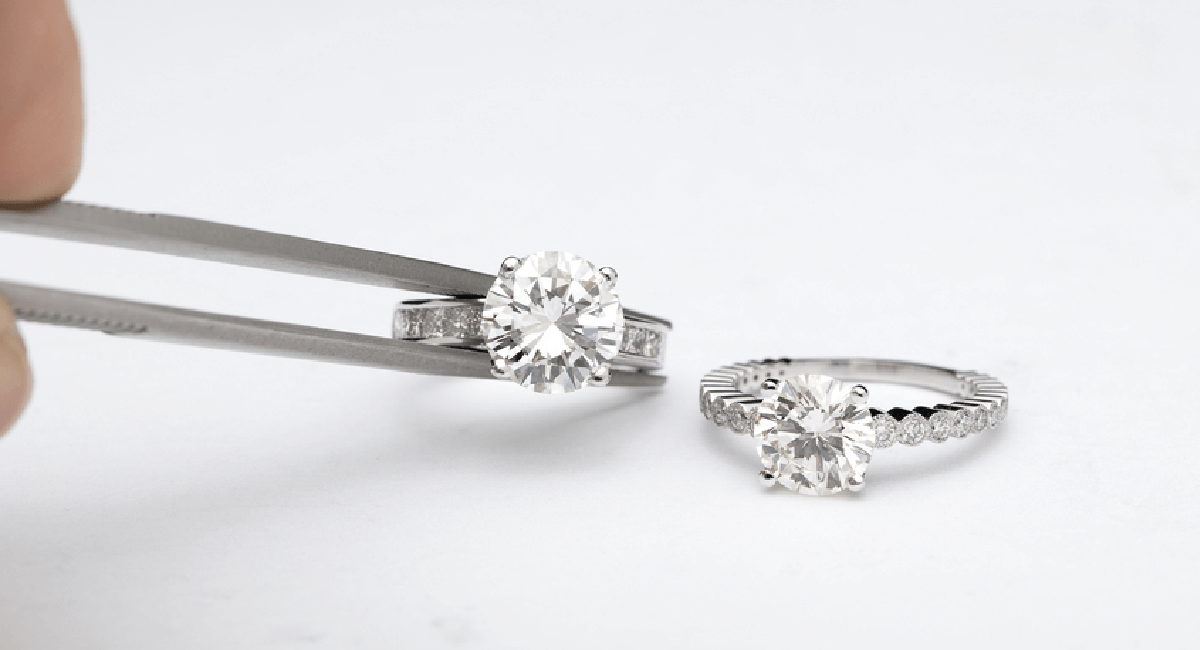
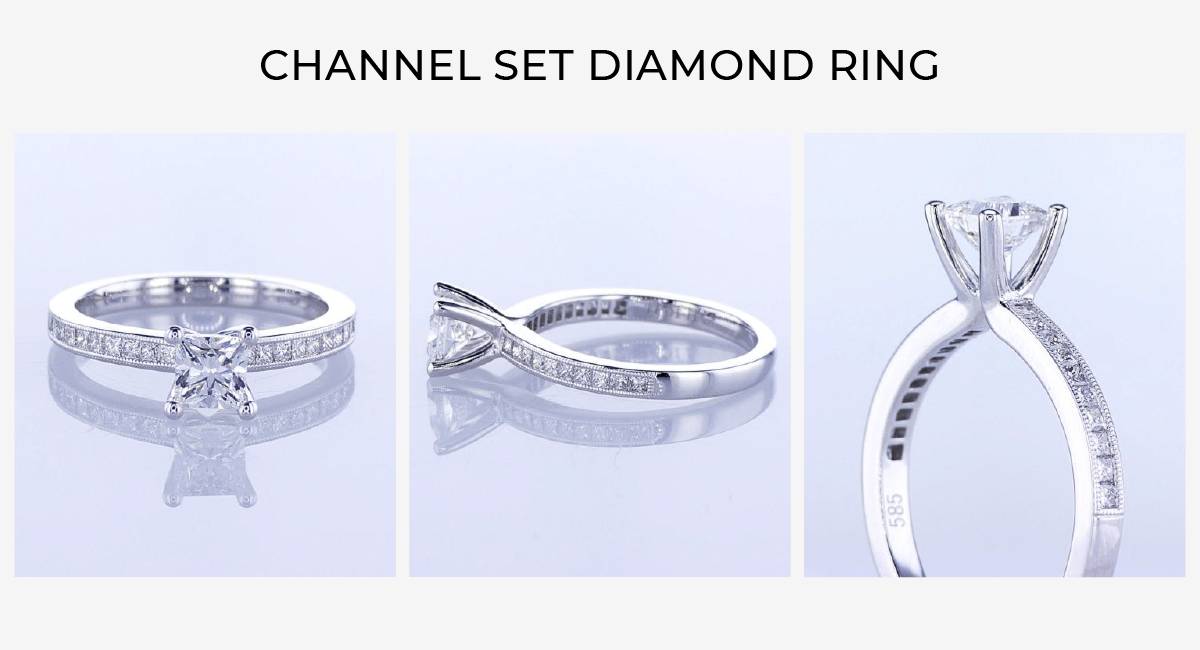
Channel setting is a type of pave setting used in rings. In this, there are two channels of metal on either side of the diamond placements, which prevent any loss or damage to the smaller diamonds that surround the main diamond.

Out of all the engagement rings, the channel set engagement ring is one of the most elegant, desired, and trending ones. This setting is termed as a variant of pave setting rings and is only different in the way the smaller diamonds have been set.

Pave setting is a diamond setting and is so-called after the paving of the smaller diamonds alongside the main diamond. The protection of smaller diamonds by the channel set ring makes it a very special piece among other ring varieties.

The conventional pave setting uses prongs to hold the smaller diamonds in place, while the channel set ring allows secure protection on both sides of the diamond so that there are no chances of mishaps and loss of smaller diamonds.

Most of the time these channel set diamond rings have channels in between each diamond as well, to secure the diamonds with extra protection.

Why Choose a Channel Set Engagement Ring?

Why Choose a Channel Set Engagement Ring

Channel set engagement ring would be an ideal choice for a person for many reasons ranging from practical to aesthetic.

The first ideal reason for one to choose a channel set engagement ring is the brilliance of its diamonds. The setting of smaller diamonds alongside the large gem makes a perfect choice if one prefers to wear a shiny jewel. 

In this diamond ring setting the smaller diamonds aligned along the ring make the overall ring appear bigger and much more expensive without giving it a ‘too bulky’ look.

A channel set ring provides the ultimate protection against any sort of mishaps, like bumps, and a diamond setting providing a better shine. It will protect the diamond from dismantling if there is a bang on the ring. 

Anyone who has an active lifestyle can choose the channel set ring, without having to worry about any damage the ring might face. The ring might even get dirty, but the setting prevents any visibility of it on the design.

The price range of these channel set engagement rings is less expensive since the diamonds used in these can be of lesser clarity, but the appearance of the ring in the setting will remain the same.

Designing a Channel Set Ring

Designing a Channel Set Diamond Rings

Channel set rings are some of the unique wedding ring settings that focus on enhancing the main gem at the center of the ring. The center gem is mostly fixed, but the choice remains on how one wishes to enhance it.

There can be half channel on either side, full channel, or even double channels. The purpose of these smaller diamonds is to enhance the look of the main diamond or gem. The diamonds along the channel can be of different cuts, but preferably ones that get along well with the main gem.

The pattern along the channel set diamond ring can be either even or tapering. This imparts a good flow to the setting of the smaller diamonds and turns the focus towards the center, where it is meant to be.

Who Should Consider a Channel Set Engagement Ring?

Who Should Consider a Channel Set Engagement Ring

Anyone who likes the aesthetics of the channel set engagement ring can choose it as an option, whereas the ones for practicality anyway find it useful.

One of the most important people who prefer this pattern of the ring are those with an agile lifestyle, and whose rings might end up going through certain hard times. 

The design of the channel set ring is such that it can take a lot of hard blows, and thus it ends up being a harsh competitor for the other ring settings. Usually, if it is a prong setting, then there is a fair chance that the prong might get chipped off resulting in the loss of the precious diamonds.

It can also be considered by people who want a brilliant shining engagement ring but on a budget. The channel ring setting focuses on the enhancement of the ring’s shine, without putting any load on your wallet since the smaller diamonds are less expensive as compared to a whole carat of diamond of the same quality.

The setting of this ring is very secure and doesn’t result in being caught on to fabrics or any other material. The lack of protruding elements in the channel makes it very safe for the ring as well as the security concerns of the wearer.

It is usually a little hard to clean, almost close to impossible, but the channel setting ensures the beauty of the diamonds does not lessen over time. You can get it cleaned by going to a local jeweler.

Pros and Cons of A Channel Set Engagement Ring

Every design of an engagement ring has pros and cons, some of them for the channel set engagement ring are described below.

[su_youtube_advanced url=”https://www.youtube.com/watch?v=CDaYjg3B0jY” width=”1600″ controls=”alt” autohide=”yes” autoplay=”yes” mute=”yes” loop=”yes” rel=”no” modestbranding=”yes” theme=”light” playsinline=”yes” title=”channel set engagement ring”]

Pros:

  • The strength of a channel set engagement ring is high as compared to the other engagement ring settings, as the channels on either side of the smaller diamonds hold the diamonds in place while adding an extra layer of protection to secure them from any mishaps.
  • They are built in a way that they can take some bangs, and hence they are preferable over other engagement ring settings, in terms of the security of the diamonds.
  • The channel set rings are preferred by people who have a very active lifestyle and hence the ring can take certain accidents which might seem scary in any other set of rings. It also does not have any extensions that seem to get stuck in fabrics or other materials.
  • It imparts a heavy brilliance, owing to the beauty of the smaller diamonds that add up to the larger diamond. The larger diamond is focused on, by the smaller diamonds and thus results in a brilliant output. This is one of the main reasons why users prefer channel set engagement rings over other settings of diamond rings.
  • The expense of the ring turns out to be way less than that of a large diamond ring which will in turn impart the same brilliance. Despite that, the cost of the smaller diamonds is less, and the brilliance and shine are almost the same as that of a larger diamond in the center.

Cons:

  • It is very difficult to resize a channel setting ring. It can only be designed initially and then any alterations in the size of the wearer might result in damage to the design of the channels and in turn loosening the grip of the channel on the small diamonds.
  • It is very difficult to clean the diamonds and the gaps in the channel set rings. Usually, due to the setting, there can be a lot of dirt that gets trapped in between the diamonds, and hence the cleaning can get difficult.
  • Even though the channel set engagement rings are very brilliant in terms of shine, the brilliance is way less than that of prong settings, since the smaller diamonds are concealed in between the channels and hence preventing the light from passing through them. It conceals the brilliance of the diamond slightly.

Can You Resize a Channel Set Ring?

Can You Resize a Channel Set Ring

It is usually not possible to resize a channel ring, as the build quality of the channel set ring can get spoilt. The initial design of the channel set ring is easier to be made when it is based according to the wearer’s size

Twitching it over time can damage the design of the ring and also the stronghold of the wedding ring setting. The channel which holds the diamonds in position might loosen up resulting in an uneven grip, and also damage to diamonds or else loosening of the grips.

It would be easy if half of the ring is set in diamond and the rest is metal, in that case, it can be altered. But in cases where the whole band of the ring is channeled, then it would be difficult to alter the size of the ring. Hence, before the ring design is set, it is necessary to check the size before it can be set.

In the long run, it might be necessary to design a whole different ring if there are chances of a change in size to preserve the pattern and also clean the whole ring.

Where to Buy Channel Set Engagement Rings?

Consider working with a Loose Grown Diamond who can create a unique channel set diamond engagement ring tailored to your preferences. This offers a wide selection of diamond engagement rings, including channel-set designs.

You can check our inventory and get a promo code for the best discount. Know the ring size of the person you are buying for and If you’re unsure, check out our ring size chart.

LGD may allow you to choose the specific diamond and customize the setting according to your preferences. This option allows you to choose the specific design, metal, and diamond shape that suits your taste.


Conclusion

Overall, one can say that the channel set ring is one of the most beautiful set rings in the engagement ring set, while also being advantageous in terms of aesthetics and practicality.

Although some pros and cons might set off the scale a little bit, nevertheless, there is always a chance that one would prefer the channel set engagement ring due to its classy and rich appearance.

FAQs

What types of metals are commonly used for channel set rings?
White gold, yellow gold, rose gold, and platinum are popular choices for channel set engagement rings, each offering a unique aesthetic.

Can I customize the number of stones in a channel set ring?
LGD offers customization options, allowing you to choose the number of stones based on your preferences.

How much does a channel set ring cost?
In general, you can expect to pay between $4000 to more for a yellow gold channel set ring. More complex such as those with platinum settings cost of $9,000 and 3 carat diamond channel set ring can cost upwards of $15,000.

Are channel set rings suitable for everyday wear?
Yes, channel set rings are durable and well-suited for daily wear, making them a popular choice for engagement rings.

What Are I1 Clarity Diamonds and Should You Buy Them?

What do you think of when you hear the word “bling”? Maybe a shiny diamond ring for your wedding? If you love diamonds but don’t know much about them, you’re in the right place.

Just like people, diamonds have unique characteristics that make each one different. Keep reading to learn about I1 diamonds, and diamond gradings, and get tips on choosing or avoiding diamonds. First, let’s understand how diamonds are created and what I1 diamonds and clarity mean.

Natural diamonds form deep in the earth under heat and pressure. Lab-grown diamonds are made in labs to replicate the natural process. These processes can create internal qualities called “inclusions” and external characteristics called “blemishes.”

What Are I1 Clarity Diamonds and Should You Buy Them? - An Expert Guide About I1 Clarity

Natural diamonds are formed when carbon is subjected to extreme heat and pressure in the earth’s interior. Lab-

Inclusions are tiny crystal fragments trapped inside a diamond during its formation. Sometimes, a crystal’s structure can be uneven as it grows. The size, location, and presence of inclusions affect a diamond’s clarity.

Inclusions and blemishes are like reminders of the journey a diamond takes before becoming jewelry. The right clarity grade is crucial for a brilliant diamond without overspending. Find answers to important questions below to help you choose the perfect diamond.

What Is I1 Diamond Clarity?

The absence of inclusions and blemishes is referred to as diamond clarity. When a report is published for a diamond, independent laboratories like the GIA provide grades for clarity. The GIA diamond clarity system (discussed below) assigns a ranking to diamonds based on the existence or density of clarity properties that a diamond possesses.

What Is I1 Diamond Clarity?

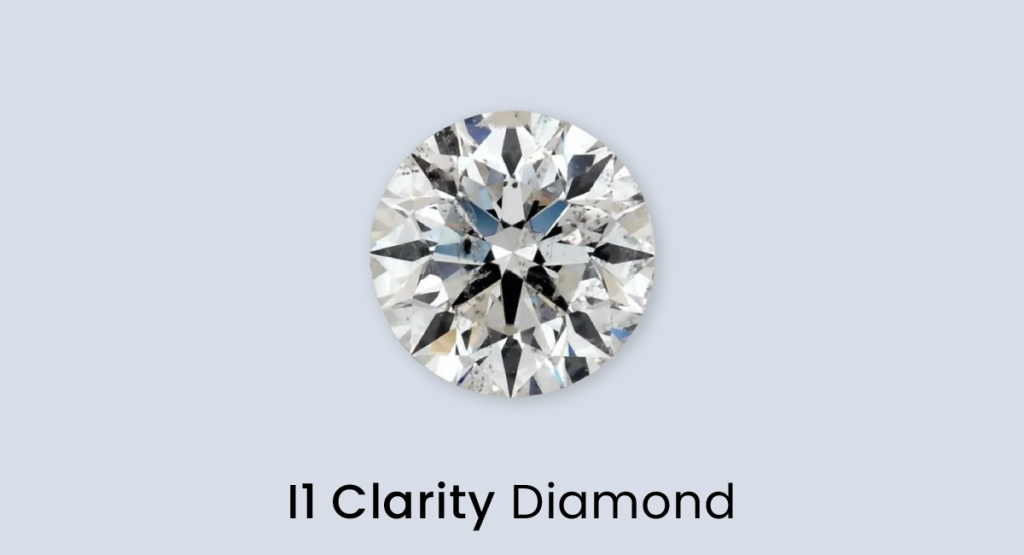
These traits are often referred to as inclusions by jewelers. Therefore, I1 stands for “Included 1.” I1, I2, and I3 diamonds make up the included range of diamonds. Diamonds with an I1 clarity rating are considered to be on the lower end of the clarity spectrum.

This is exactly what is meant by “I1 diamond clarity”. The important feature of an I1 diamond is that flaws are clearly visible under a 10X microscope and to the human eye. Even an amateur using the magnifying glass for the very first time will find this to be true.

In some instances, diamond clarity I1 may have imperfections that compromise their durability and increase the likelihood that they may chip easily. However, if one is equipped with the proper knowledge, using such diamonds can be one of the best approaches for customers on a tight budget to receive the most value. These imperfections might occasionally lessen the diamond’s radiance and beauty. These defects can occasionally reduce their durability.

There is, in fact, more to it. The noteworthy fact is that a diamond can be classified as an I1-included stone with just one discernible inclusion. In other words, a diamond may have 10 defects, only 1 of which would be apparent, which can prove to be just enough to reduce the clarity and grade of the stone and bring it down steeply to an I1 (including ranking).

[blog_page_inventory shape=”Round” carat=”0,5″ cut=”0,4″ color=”0,10″ clarity=”1,2″]
[blog_page_btn title”Buy Now” url=”https://www.loosegrowndiamond.com/inventory/?shape=Round&carat=0,5&color=0,10&clarity=1,2″]

The Gia Diamond Clarity Scale

The diamond clarity scale is a scale that helps in grading how pure a diamond is. There are very many technicalities while checking out the diamond clarity in general and I1 diamond clarity in particular here, so read further to know its A to Z’s with the help of the universally recognized I1 diamond clarity chart. But, before hopping onto understanding the GIA Diamond Clarity Scale, let us give you some interesting insights about GIA itself.

Gia Diamond Clarity Scale: vvs, vvs1, vss2 , i1, i2, i3, si, si1, si2, fl

Similar to the color scale, the GIA’s clarity grading system was created as a result of jewelers using phrases like “piqué” and “loupe clean” that could be misunderstood. Irrespective of what language the jeweler speaks, they would most certainly use words like VVS1 or SI2 to describe a diamond’s clarity if you purchase it anywhere in the world.

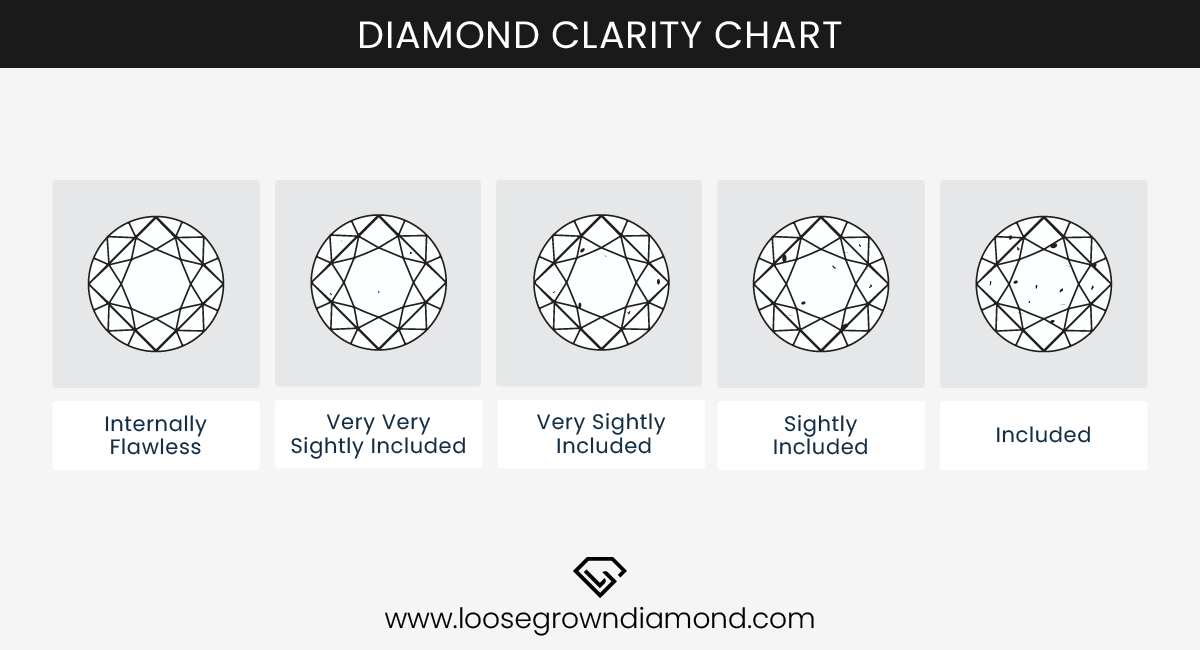
There are a total of 11 distinct grades on the GIA diamond clarity scale/chart, divided into 6 categories:

  • Flawless (FL): No imperfections or inclusions apparent at a 10x magnification
  • Internally Flawless (IF): Under 10x magnification, there are no inclusions to be seen.
  • A Very, Very Slightly Included (VVS1 and VVS2): Inclusions are so tiny that a skilled grader would struggle to detect them at 10x magnification.
  • Very Slightly Included (VS1 and VS2): It is difficult to view inclusions at 10x magnification, which can be described as small imperfections.
  • Slightly Included (SI1 and SI2): Under 10x magnification, inclusions are visible 
  • Included (I1 diamond, I2 diamond, and I3 diamond): Under 10x magnification, inclusions are visible and may reduce transparency and sparkle.

To evaluate, grade, and verify the quality of gems, the world’s most reputable retailers, institutions, online sellers, and individual buyers all rely on the knowledge of GIA grading charts. They have full faith in GIA to give complete, unbiased, scientific information because they know how important it is for evaluating gems.

Also Read: Lab-Grown VVS Diamond versus VS Diamond: What’s the Difference

Where Does I1 Clarity Fall Within the Scale of Clarity?

I1 diamond clarity lies at the ninth spot on the clarity scale, consisting of 11 grades in decreasing order. The GIA diamond clarity system assigns diamonds a ranking based on the existence or distribution of clarity features within a diamond. These traits are often referred to as inclusions by jewelers.

In this case, I1 stands for “Included 1.” Even less clear diamonds are called I2 clarity diamonds or I3 clarity diamonds. On the GIA diamond clarity scale, I3 is the lowest clarity grade that can be given to a diamond.

Tips for Choosing I1 Clarity Diamonds

Identifying suitably included diamonds can be complex. However, doing so is essential if you are on a tight budget. The procedure can go more smoothly with proper examination, investigation, and appraisal of the diamond.

Tips for Choosing I1 Clarity Diamonds

  • Firstly, take note that any large or larger I1 grade diamond won’t be eye-clean as flaws are easier to find in larger stones due to their larger surface area. Hence, don’t get fooled by sellers telling you that a bigger diamond is the best way to go.
  • If you want to purchase an I1 diamond, look for stones with imperfections that are widely dispersed or have a few prominent ones near the edges/girdle so that they can be hidden behind a jewelry setting’s metal covering.
  • When mounted on a ring, an I1 diamond’s inclusions will be concealed from general view. In these circumstances, you may wish to utilize larger prongs to help you cover the obviously included sections.
  • Note that an I1 diamond guarantees a low price that cannot be matched by any other perfectly cut diamond with comparable qualities.
  • If there is inclusion at the stone’s center, it will be easily visible and you should avoid buying such a stone. However, if it is near the girdle, it can be seen from the center of the stone, but only by an expert.
  • If a diamond has a faint cavity inclusion, it is graded at an I1 diamond clarity level or lower. Its positioning is crucial in deciding if the diamond is worth the money or not. If the jewelry setting masks the cavity or if it is on the girdle of the diamond, then it can turn out to be a good deal.
  • Finally, get an eye-clean diamond, but just don’t invest more than you have to in order to get the most for your money.

What are the Benefits of I1 Graded Diamonds?

Though most people prefer to buy eye-clean diamonds over included diamonds, let’s understand why people are buying low-clarity diamonds. What could be the potential benefits of I1 diamond clarity?

What are the Benefits of I1 Graded Diamonds?

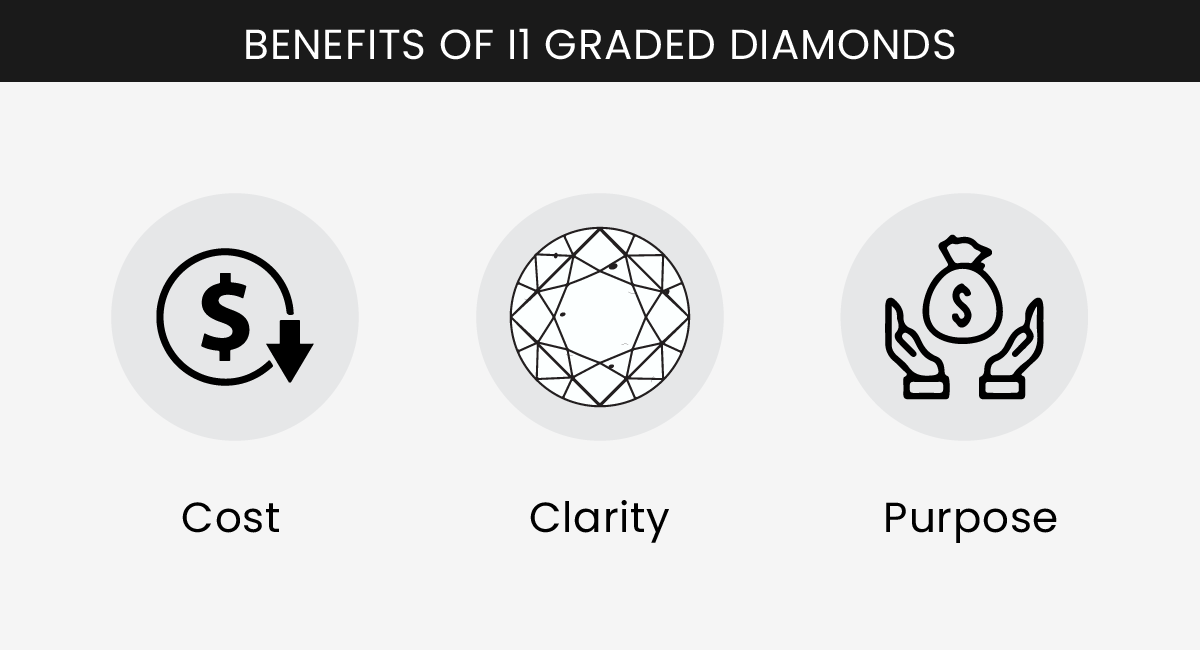
The two main advantages of purchasing an I1 clarity diamond appear to be:

  1. Cost: Evidently, the general public is drawn to cheap long-range diamonds. This is because the majority of customers prioritize carat count or cutting, so sacrificing clarity might result in larger diamonds being more reasonably priced. An I1 diamond can give excellent value in terms of pricing and appearance if it is properly chosen.
  2. Clarity: Your diamond’s attributes of clarity serve as a blueprint. As a result, your diamond will be instantly identifiable.
  3. Purpose: When purchasing a piece of jewelry for a specific purpose, one can willingly choose not to prioritize the clarity of the diamond or to prioritize the cost-effectiveness over the clarity. Clarity may not be as important because an observer will look from a distance, which means that a large gem with low clarity will look amazing from afar.

I1 Diamond Clarity Durability

when we talk about “diamond durability,” we are usually referring to how well a diamond can withstand wear and tear over time. In this context, the “i1” clarity grade suggests that there are inclusions in the diamond that may be visible to the naked eye. These inclusions could affect the diamond’s durability if they weaken the structure or make it more prone to damage.

In simple words, an “i1” diamond might have some visible imperfections, and these could impact its ability to withstand daily use without showing signs of wear or damage. If durability is a key consideration for you, you might want to look for a diamond with a higher clarity grade, such as “VVS” (very, very slightly included) or “VS” (very slightly included), as these diamonds generally have fewer and less noticeable inclusions.

I1 Diamonds and Shapes

Inclusions are well-hidden by diamond shapes such as the oval cut & cushion or crescent. To find an eye-clean I1 lab diamond, you would need to sift through hundreds of diamonds. The inclusions may be less obvious or perhaps hidden by the ring setting if they are dispersed throughout the diamond.

I1 Diamonds and Shapes

Diamonds with an I1 clarity make excellent round brilliant cuts. They also work well with princess cut diamonds. Excellent faceting often makes inclusions appear hidden by facets. Because they are cut in steps, emerald-cut and baguette cut diamonds may not be as forgiving.

I1 Clarity Diamond Reflection

Sometimes, when you’re looking at a diamond, you might notice what seem to be imperfections that aren’t listed on the clarity chart. That’s because they could be reflections of actual imperfections.

Diamonds have facets that act like mirrors, and these reflections can make one not-so-nice-looking spot seem like there are many more. It’s like an optical illusion.

If you’re holding the diamond, try turning it around to make these reflections appear and disappear. If you’re shopping online, use videos and other tools to spin the diamond around.

Because these dark inclusion reflections can make the entire stone seem less appealing, it’s usually a good idea to steer clear of diamonds that show them.

The Value of An I1 Diamond

I1 diamond is the one for you if you’re on a tight budget. The price increases as one moves up the diamond clarity chart. You can make an informed decision by understanding how the diamond’s clarity affects cost. Prices for diamonds can vary by 15 to 25% when moving up or down the clarity scale grade and by 5 to 15% within the same scale grade.

The main benefit of stones that lie in this grade category is that the I1 diamond price really makes “spend less for a big buy” appear true. When compared to gem grades, I1 clarity diamonds sell at huge discounts. Be wary of this temptation, though, and choose your diamonds after a detailed evaluation.

[blog_page_inventory shape=”Radiant,Emerald,Pear,oval,round,heart,cushion” carat=”0,1.50″ cut=”1,4″ color=”2,9″ clarity=”1,6″]
[blog_page_btn title”Buy Now” url=”https://www.loosegrowndiamond.com/inventory/?”]

Conclusion

We’re certain that by this point you’ve realized how complex it is to grade a diamond’s clarity. Finally, we firmly recommend that buying an I1 diamond is a good option to save a ton of cash.

The best deal is an I1 diamond that is eye-clean and if it allows you to afford a better cut, it’s a reasonable choice. Simply never purchase one without at least viewing magnified images. All diamonds warrant a closer look and comparison, regardless of their purity, size, hue, or cut.

Frequently Asked Question (FAQs)

Is an I1 diamond good?
Talking of quality, I1 diamonds lie between low to moderate in acting as center stones. Blemishes that diminish the stone’s richness and shine are pretty evident. However, in terms of cost-effectiveness and to be used as small stones, I1 diamonds are a preferred choice.

Which is better, I1 or SI2?
The slippery slope is that I1 and SI2 both lie in the ideal range between reasonable cost and respectable quality. A diamond with a clarity grade of SI2 (slightly included) frequently has a variety of inclusions. Where I1 diamonds are less costly and have more noticeable inclusions, SI2 diamonds can indeed be eye-clean and are much more durable, a feature greatly lacking by I1 diamond clarity.

Starting with an SI1 clarity grade and moving up is advised if you desire a diamond without obvious inclusions. Ultimately, in deciding between an I1 and SI2 diamond, knowing what factors are most significant to you is the deciding factor.

How much is a 1 carat I1 diamond worth?
The price range for a well-cut, 1 carat, round diamond with G-I coloring and I1 clarity is between $1,100 and $2,500. But because I1 diamonds aren’t very good, not every diamond store sells them.

Should you buy an I1 diamond?
If you have budget constraints and are okay with buying a diamond that will have visible inclusions to the naked eye, then you should buy an I1 clarity diamond. If you want something eye-clean or more clear, then it is advised that you go up the diamond clarity scale.

Do I1 clarity diamonds shine?
The cut of a diamond determines its shine, not clarity. This is a needless worry because a diamond’s inclusions have little impact on shine. The cut quality of the diamond controls the amount of light returned, as well as, how evenly brilliance (white dazzle) and dispersion are distributed throughout the stone (colored sparkle).

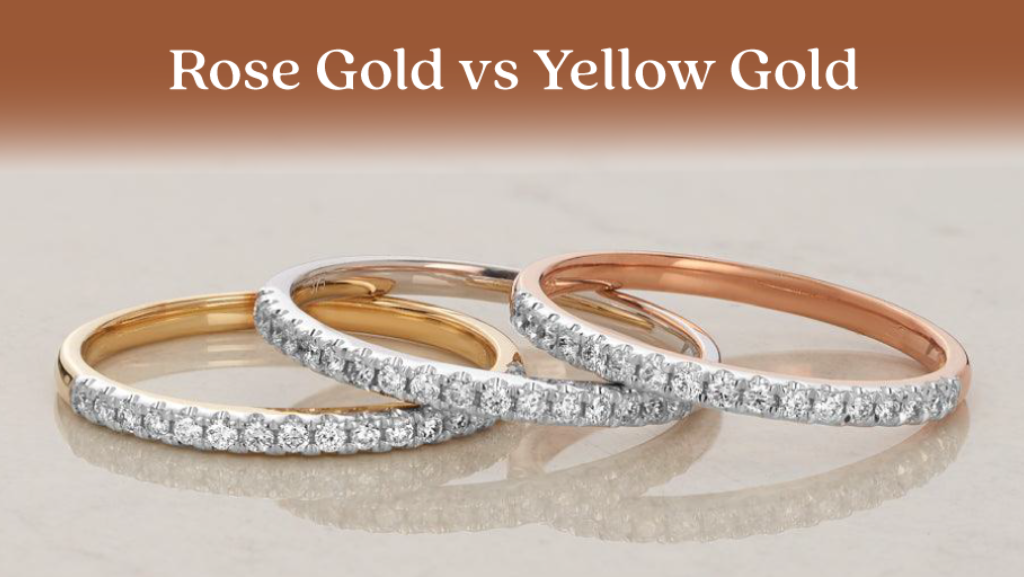
Rose Gold vs Yellow Gold: A Comparison Between The Precious Metals

Rose gold is a prevalent tone used in gold jewelry options. The two other most typical gold colors used in jewelry are yellow gold and white gold. Owing to the combination of copper in the gold alloy used to make jewelry, rose gold has a very attractive and lovely soft pink hue.

The amount of copper in the mixture determines how pink the gold will appear. Rose gold is frequently used in crafting rose gold rings, bracelets, and other rose gold jewelry and is likewise associated with elegance and modernity.

In order for you to take it or leave it or make the best choice, we at LGD want to help clarify any questions you may have concerning the difference between rose gold and yellow gold! 

Be your own go-to expert in distinguishing between rose gold vs yellow gold jewelry by having all the pros and cons listed in one spot in a simplified manner like never before.

Rose Gold vs Yellow Gold: Durability

Rose Gold vs Yellow Gold: A Comparison Between The Precious Metals

Yellow Gold

  • Yellow gold is less robust and is frequently alloyed with copper, zinc, or silver. It is too fragile and soft to be used in its natural form. 
  • Mixing it with other metals is a common practice involved in jewelry making as it allows the gold to become stronger and more resilient, improving its durability in a greater way.
  • In contrast to rose gold, yellow gold is more prone to abrasion, scratches, and scrapes. 
  • It is also likely to deform sooner than expected. 
  • To keep its sheen, it might need additional polishing and care. 
  • This is indicative of how yellow gold jewelry demands a greater level of upkeep and attention.

Rose Gold

  • Rose gold dominantly contains copper and is in greater quantity than yellow gold, it is far more enduring. 
  • Rose gold does not need to be coated or plated, and the color does not fade with time.
  • Rose gold is better suited for a person with an active lifestyle that might include exercise regimes and exposure to pollutants or dust, than yellow gold since it can withstand contact with sweat, water, and other such elements that might cause it to wither.
  • Although jewelry like rose gold rings and necklaces may not be completely scratch-proof, these can easily be rubbed off to restore the metal’s pristine splendor. 
  • In other words, rose gold requires a low level of maintenance.
Tip to remember:
“Rose gold is a good alternative for everyday jewelry like rings, pendants and wrist watches, while yellow gold is ideal for occasional jewelry like necklaces, earrings, and bangles.”


Which Is More Affordable – Rose Gold or Yellow Gold?

When it comes to affordability you should understand the role ‘Karat’ plays in the composition of rose gold and yellow gold. 

Standardized karat classifications are used in the industry to reflect the ratio of pure gold to other metals in an amalgam or alloy. 

The terms “yellow gold,” “white gold,” and “rose gold” all refer to karats. This indicates that the cost of rose gold will be directly proportionate to the ratio of gold present in the jewelry. 

For instance, the value of 14k rose gold is essentially the same as that of 14k yellow gold because they both contain the same quantity of gold. Thus, typically speaking, rose gold isn’t more expensive than yellow gold or white gold.

Rose Gold vs Yellow Gold Skin Tone

rose gold vs yellow gold skin tone

Do you struggle to find jewelry that best suits your skin tone among other things on the checklist? 

Well, finding jewelry that matches your skin tone can prove to be a real gamechanger. Rose gold vs yellow gold skin tone is one of the first distinctions that can guide you to your most perfect purchase. Now, skin tones can be: warm, cool, or neutral, varying in shades. 

If your complexion has warm undertones, yellow gold will probably make you appear your best because of its rich, delicate tones, which perfectly match your skin. 

Additionally, yellow gold really comes through in darker and Asian complexion tones. 

Rose gold balances both cold and warm complexion tones equally well, looking particularly good on people with golden, olive, and pinkish undertones. Rose gold is a stunning metal that looks wonderful on nearly all skin types.

Thus in the round between rose gold vs yellow gold skin tone, both can be attributed equal points. Hope this will help you browse for jewelry with greater assurance and confidence as knowing what compliments your skin type is bound to make you stand out in the crowd by getting all eyes on you!

Style and Popularity: Rose Gold vs Yellow Gold

Styling Rose Gold

Style and Popularity: Rose Gold vs Yellow Gold

It is not new that rose gold has been getting all the attention and hype lately if you are keeping up with the latest trends. The fascinating element is that there are many diverse approaches to style rose gold. 

Rose gold complements other metals because of its subtle hue. In the creation of contemporary and modern jewelry, rose gold is seen as having a fast-expanding presence that perfectly complements glamorous evening gowns or chic outfits. 

White diamonds embedded in the rose gold tone look stunning. For a timeless and refined aesthetic, rose gold jewelry can be matched with pieces made of yellow gold, platinum, or silver. 

Rose gold rings for women are a frequent purchase among millennials, which sheds light on how the rose gold ring is a statement of expanding fashion and popularity.

Popularity

Rose Gold is highly in vogue as it gives people something contemporary, versatile, and a variant that closely matches the twenty-first-century choices. This has led rose gold items especially rose gold jewelry to take the spotlight in popular culture. 

Styling Yellow Gold

yellow gold engagement ring

When it comes to styling, yellow gold might be a little bit restrictive. Yellow gold is somewhat a less common option for many because millennials can identify it with their parents/grandparents’ jewelry; however, the recent renewed interest in classic and customary styles holds the potential to reverse this. 

Delicate gold-plated chains and rings are making rounds for their minimalism. More brands are coming up to create designs with the concept of blending and generating dynamic, customizable, and durable ensembles out of yellow gold.

For instance, it can be transformed into dazzling diamond yellow gold rings and accessories when coupled with diamond studded stones and crystals.

Popularity

Gold is in abundance in the fashion market and has been used in jewelry for decades. The use of yellow gold is quite common and conventional.

Even if gold does occasionally go out of trend, it still holds great significance as a valuable metal. Yellow Gold in the form of a diamond yellow gold ring and other wedding jewelry is most people’s first choice. This is due to the fact that it resonates with strength and richness. And because wedding/engagement rings are mostly made of either 14K or 18K gold.

Also Read: Difference Between 10K, 14K, 18K & 24K Gold- Which Gold Is Most Suitable for You?

Do Rose Gold and Yellow Gold Need Rhodium Plating?

First, let’s get it clear that Rhodium belongs to the platinum metal family. Even though rhodium plating is widely used in jewelry, few people are familiar with it. Rhodium plating is used to create a reflective coating of rhodium on the jewelry that appears to be white.

Because of its resistance to corrosion, it increases the durability of the jewelry while minimizing tarnish and damage.

Now coming to the real question, do rose gold and yellow gold need rhodium plating?

To answer this, it is an established fact that rose gold dominantly contains copper, making it durable and robust. It implies that rose gold jewelry can do just fine without rhodium plating. 

To conclude, rose gold can sustain longer without scratches and by easily maintaining its color. 

It is suggested that Yellow gold can be plated with rhodium for added protection and luster. 

Moreover, because it can dramatically increase the diamond’s sparkle, it is particularly desirable when utilized for diamond rings. Rhodium plating does have certain limitations, though, like the expense and time associated with re-plating regularly over the years.

Pros and Cons: Rose Gold

Each jewelry and metal comes with its sets of pros and cons. Learn about the various pros and cons of rose gold vs yellow gold which is broken down in a simpler manner below: 

Pros and Cons: Rose Gold

Pros: 

  • Rose gold jewelry lasts a lifetime and only gets more elegant with age. 
  • It is popular among a far greater section of the population
  • It is more contemporary than yellow gold
  • It does not require rhodium plating
  • It is associated with romanticism due to its pinkish appearance.
  • The presence of large amounts of copper makes it more durable than yellow gold.
  • It is suited for almost all skin types. 

Cons: 

  • It can cause allergic reactions to sensitive skin due to the high ratio of copper
  • It goes well with only specific undertones.
  • It is not as commonly accessible as rings made of white or yellow gold. 
  • Over time, it can become outdated.

Pros and Cons: Yellow Gold

Pros and Cons: Yellow Gold

Pros: 

  • It is relatively unlikely to cause an allergic reaction.
  • For fans of vintage style, yellow gold works perfectly.
  • Although it matches the majority of skin tones, it stands out especially well on darker, tanned, or olive complexion tones.
  • Yellow gold jewelry repairs can be done quickly and affordably by resizing the pieces
  • Additionally, it is seen through the lens of a prudent financial investment. 
  • It sustains its usefulness over time. 
  • Diamonds and a variety of warmer-toned jewels, including ruby, and violet sapphire, mix beautifully with yellow gold. 
  • This explains why yellow gold wedding rings and engagement rings are so widely purchased.

Cons:

  • Yellow gold lies on the more expensive side of the jewelry industry
  • It is more susceptible to scrapes and dents 
  • It requires greater maintenance and repair 
  • It can rust, corrode or tarnish without rhodium plating 

Rose Gold vs Yellow Gold – Which Should I Choose

The best jewelry is always picked for its relevance, symbolism, or purpose whether it is a present from a partner, given on a special occasion, such as a birthday, or just for you to celebrate a personal success. 

No matter the metal or stone, a special piece will reflect beauty from the wearer. However, among younger brides and even grooms, rose gold engagement rings are still regarded as excellent jewelry and are widely preferred. 

But, white gold or yellow gold engagement rings continue to dominate the majority of conventional styles. Rose gold metal, on the other hand, is difficult to categorize so easily and has recently overtaken other metals to become popular. 

So the bottom line is whenever you’re choosing a piece of jewelry make sure to keep three things in mind, the occasion, significance, and whom are you buying it for.
[perfect_ring_box title=”Ready to create your perfect ring?” btn1ttl=”Start with a Setting” btn1url=”https://www.loosegrowndiamond.com/build-a-ring”]

Conclusion

We hope all this information about the distinction between yellow gold vs rose gold is of great help and will let you make a precise decision. Whatever your style or preferences might be, bold or subtle, classic or contemporary, wisely check both sides and be sure to make a smart choice.

FAQs

Is one more expensive than the other?
The cost depends on factors like the karat purity and additional metals used. In general, there isn’t a significant difference in price between rose gold and yellow gold.

Does the color of rose gold fade over time?
Rose gold’s color is stable and does not fade, as it is a result of the alloy composition, not a surface treatment.

I Can mix rose gold and yellow gold jewelry?
Two different metals can also be combined to give a two toned contrast to the metal band and enhance the look of the jewelry even more.

Which is better rose gold or yellow gold?
Rose gold tends to experience less wear and tear compared to yellow gold due to its higher copper content.

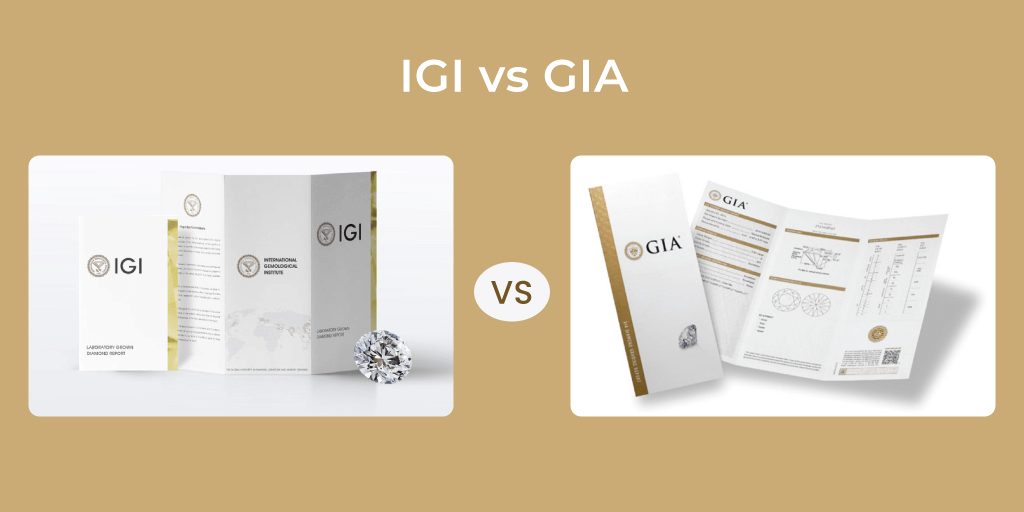
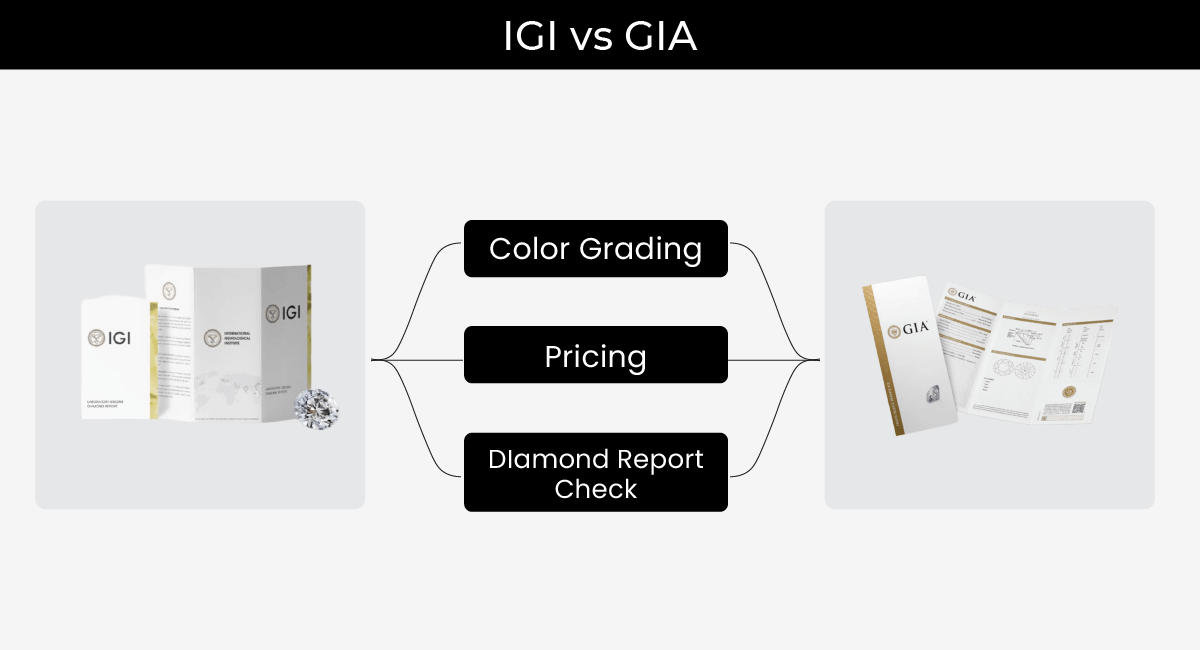
IGI vs GIA: Comparison On The Basis Of Color Grading, Pricing, and Diamond Report

With this analysis, we at Loose Grown Diamonds will put an end to the IGI vs GIA debate.

If you have ever purchased diamonds, there is a good chance you must have heard of the term Gemological Laboratories.

The questions that follow are: What are they? Their testing methods? and which of them is the best? If you know the answers to these questions and are here just to have a look at the comparison of IGI vs GIA, you can skip right ahead.

IGI vs GIA: difference between both of them

In case you haven’t heard about the many gemological laboratories, This article will walk you through the entirety of these bodies from the basics.

Gemological institutions are the organizations that are responsible for grading diamonds. To give a brief description, they are like exams for diamonds, and every other gemological laboratory is like a different exam center.

Some of which are good, and some are just unbearably bad. Why is there a lab diamond grading system, you may ask? Grading is a method used to evaluate the value of a diamond. Based on these evaluations, the seller will decide the price of the diamond.

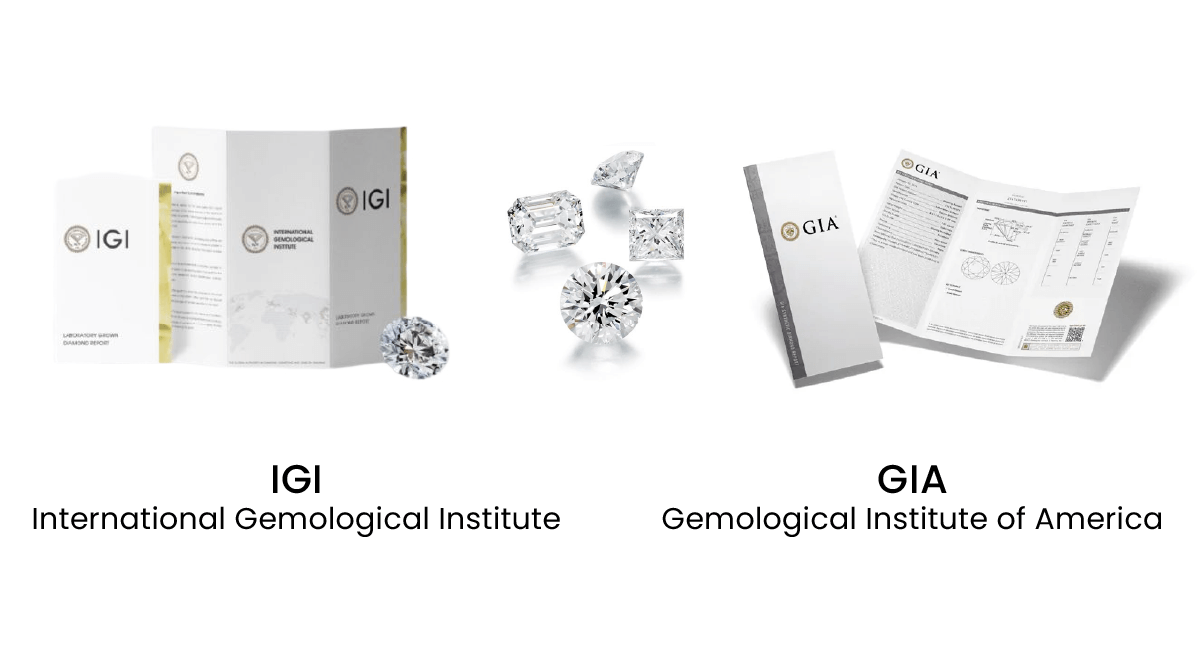
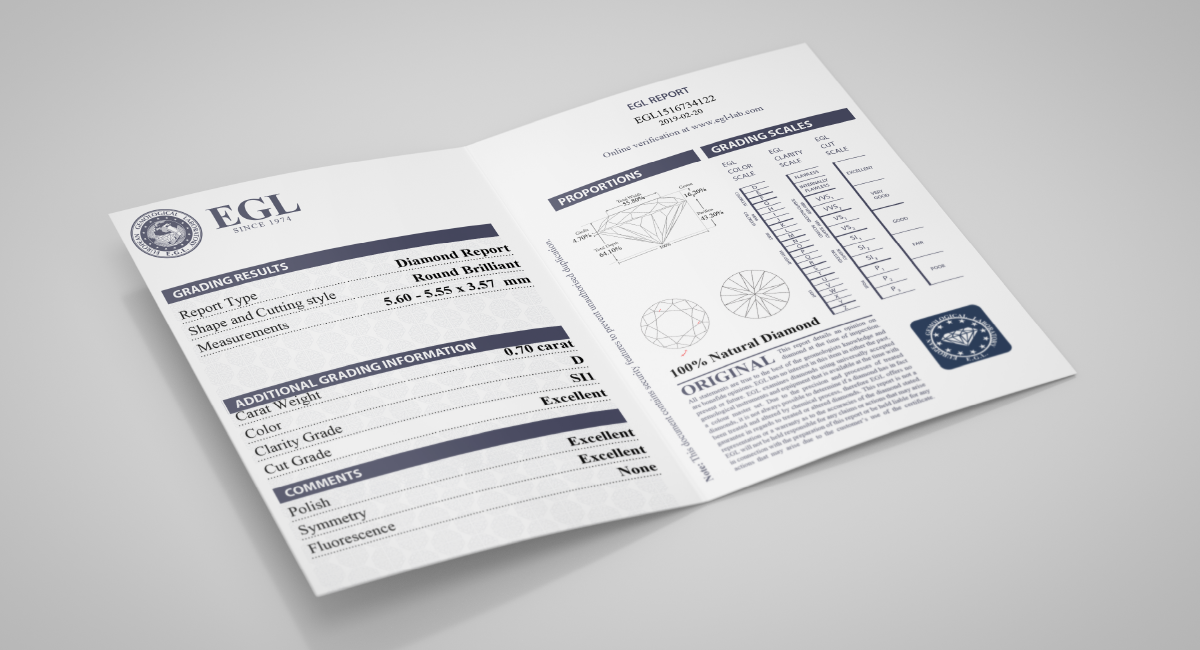
There are multiple gemological laboratories, such as GIA ( Gemological Institute of America), EGL ( European Gemological Laboratories), IGI (International Gemological Institute), etc.

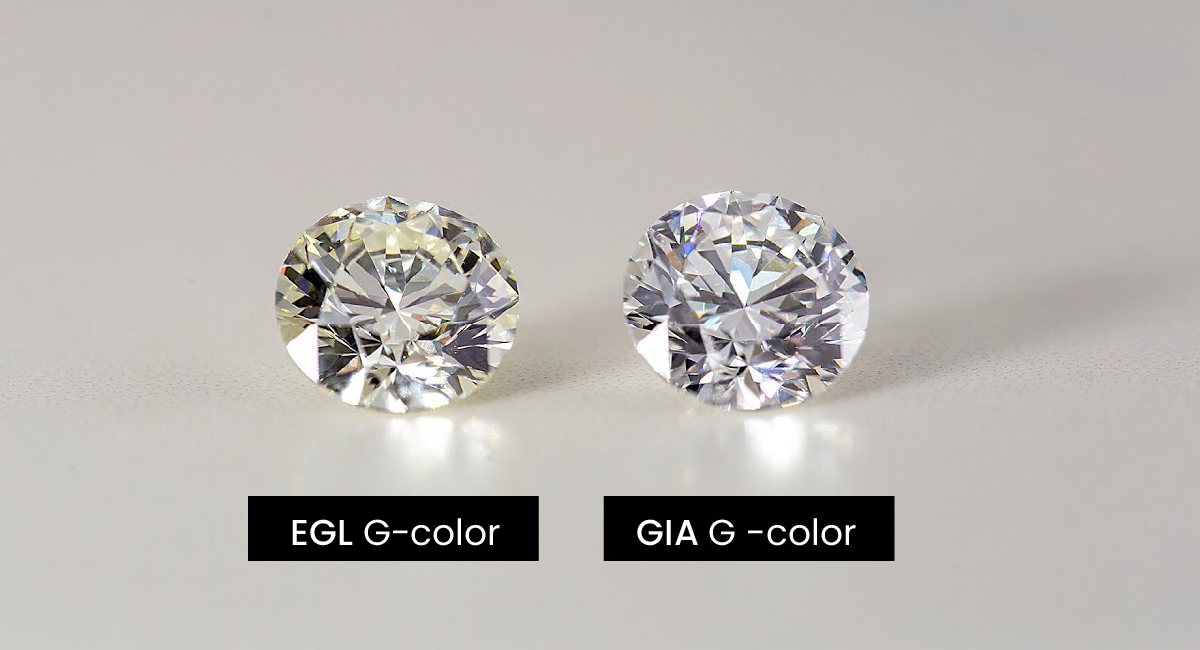
This time we will be comparing two of them: GIA vs IGI. Why not the EGL? What about that? Well, it’s because EGL is neither recommended nor respected by any reputed jeweler because of their inconsistency in grading.

Plus, in this analysis, we are focused on informing you about the comparison between IGI vs GIA.

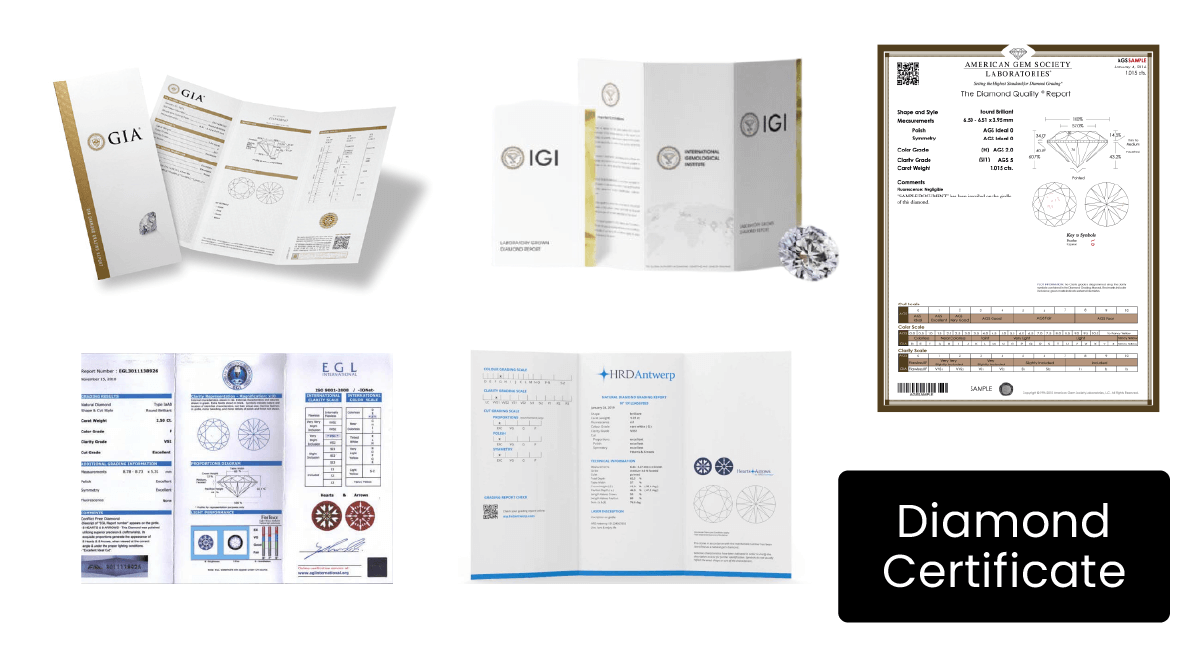
What Is a Diamond Certification?

Diamonds are one of the most precious possessions individuals like to have. Even 100 years ago, the craze for diamonds was the same but it wasn’t the same for the diamond grading industry.

What Is a Diamond Certification?

Before these laboratories existed, there was no way of knowing if the diamond you were going to pay thousands of dollars for was even real. And say if it is real, there was no way to certify if the diamond was worth the money.

Some jewelers had their own way of evaluating the value of the diamond, and some would make ridiculous claims about the diamond’s value, making stories and arguments as they went along. There was no system such as today’s diamond certification.

The customer was always at a loss; they would never get to know if what they bought was even a real diamond. There was a good chance that what they purchased at 500 dollars would only be valued at 300 dollars.

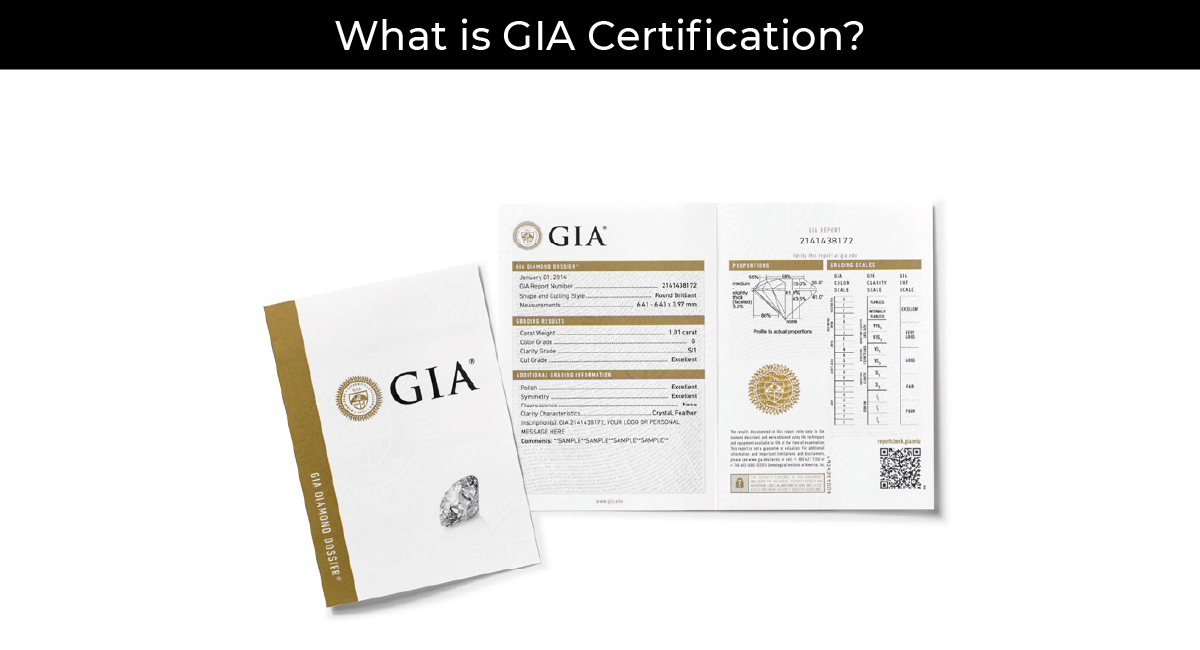
Then came the era of Gemological Laboratories. The first one to be established was today’s gold standard of diamond grading, GIA. If you are buying GIA certified diamonds, you can rest assured that the diamond certification you hold in your hands is legit.

Diamond grading is the series of rigorous tests of a particular diamond to evaluate its value. After its evaluation is complete, the diamond will have been graded according to the 4C’s. The 4C’s are the qualities a buyer should look for in a diamond.

These are clarity, color, carat weight, and cut. A diamond’s grading is based on these criteria, and what they grade in each of the C’s decides its value, or perhaps you can say price.

What are IGI and GIA?

What Is IGI Diamond Certification?

The International Gemological Institute (IGI) is among the largest independent gemological laboratories in the world. Their reports are usually common in Europe, Asia, and the United States of America.

What Is IGI Diamond Certification?

Even after the existence of prominent and renowned laboratories, they have managed to set their foot in the market. The sole reason for that is their low prices for diamond certification and their uncanny ability to certify the diamonds faster than any other laboratory.

Because of such services, they have maintained a good partnership with some of America’s most well-known jewelry retailers.

The IGI certification is not only limited to diamond grading to make it more feasible for everyday people to understand the diamond market. But it is also known for conducting quality research on diamonds to educate the diamond industry and the general public.

They have also made it easier to verify reports provided by jewelers if you buy a diamond certified by them through IGI report check services.

The format of their certification matches the structure of other laboratories. All you would be expected to do is ask the jeweler for the report number of the lab diamond and then go to the IGI certification website and fill in the report number.

This way, you would be able to verify if the report that the jeweler is showing you is correct or not.

At the top of the report, they will also mention if the diamond is lab grown or all-natural. The report will also include the diamond’s proportions, cutting style, and other information you would want to look at. All this will be found at the top of the report.

The most important characteristics that affect the diamond’s overall value are the 4C’s: color, clarity, carat weight, and cut. What we like the most about the IGI diamonds report is that they have managed to provide a dedicated section for the 4C’s.

Which not only tells you about the grade of the diamond but also educates you in a way. They have documented a scale on the report, which you can use to see where the diamond’s cut, clarity, or color grade lies, making it easier for you to understand where your diamond lies on the scale of perfection.

IGI certification gives you the complete picture of what you are getting your hands into by giving you all the things you need to know about the diamond. They also provide diamond certifications for colored diamonds.

And don’t worry; you do not need to re-learn the entire format for the colored diamonds. In this case, they also follow a similar pattern, making it easier for the consumer who is familiar with the standard diamond certification format.

Although this time, they include the image of the diamond so that you can see the shade of your colored gemstone.

What Is GIA Diamond Certification?

The GIA, which stands for Gemological Institute of America, is the gold standard of diamond certifications. It was founded in 1931 as an institute to conduct research on diamonds and distribute that knowledge to the industry and, most notably, the people who are interested in buying diamonds.

What Is GIA Diamond Certification?

Later, they converted it into a laboratory that would not only conduct research on diamonds but also test and certify them. Besides natural diamonds, GIA also reports and certifies lab-grown diamonds and colored gemstones as well.

As we stated earlier, the GIA certification is the gold standard of diamond certifications.

Diamond grading according to or perhaps revolving around the 4C’s is universal, but, you guessed it right, the GIA developed these standards. Many of the most notable and reputed jewelers get their diamonds certified by GIA and take pride in doing so, which is 100% understandable.

After all, the GIA certification is the finest and most accurate report on a diamond. The reason for that is very well known in the diamond industry– it’s because the GIA is known to go through rigorous testing and examinations. Then they make a report on a diamond based on all the evaluations.

When the GIA reports a diamond for evaluation, they first determine whether the diamond is natural or lab-grown. They mention this information in the GIA report itself since it’s essential for you to know whether what you are buying has the qualities you were looking for.

Along with testing the diamond according to the 4C’s, they also make sure to examine whether the diamond has gone through any clarity enhancement procedures, which are known to cover up inclusions.

Inclusions are one of the most common reasons why the price of the diamond gets reduced even if it performs exceptionally well in the other grading criteria. Sellers sometimes try to hide these inclusions via some enhancement procedures.

Still, GIA makes sure that you don’t get scammed or put a dent in your pocket. They consolidate this and other information about the diamond into their report that looks much like the IGI report check.

If you have ever read an IGI report, then reading GIA’s certification will be a piece of cake for you. Like the IGI report check, you can also verify the GIA diamond certificate you are interested in.

To verify the GIA reports, all you need to do is go to their website and type in the report number at the top of the certificate, and voila! You have your confirmation.

The “grading results” section contains all about the cut, clarity, carat weight, and color information. The section below has mentioned polish, symmetry, and fluorescence information, which also includes the data about the inclusions.

Suppose you are wondering which is better, IGI vs GIA certification. In that case, there is not much of a difference, both of them are exceptionally detailed, and it won’t be a hassle for you to read them.

To get a complete picture of the flaws of the diamond, you should examine the inclusion plot, which GIA diamonds will mention at the bottom of the certificate. It would be best if you also focused on the comments that GIA certifications will document at the left of the certificate.

One more similarity that GIA certificates have with IGI diamonds is that they test and report on colored diamonds as well. While the reports might be similar regarding colored gemstones, GIA diamond certificates steal the advantage.

The sole reason for that is to mention how they determine the color of the diamond using their self-developed colored diamond scale.

The Benefits and Drawbacks of GIA

The Benefits and Drawbacks of GIA

Pros of GIA

GIA diamonds are known to go through rigorous testing methods, which ensures that the quality of the GIA certificate is up to the mark. Since almost all reputed jewelers completely trust the GIA diamond certification, This means that consumers will not have to deal with possible hassles if they ever think of selling their precious stones.

Cons of GIA

GIA diamond certification is known to have a lot of cons, and most of them are related to their pricing and how much time it takes to certify a diamond. Their average price to certify a diamond is 15-20% more than that of IGI diamonds. GIA diamond certification is known to take almost a month, even for a single diamond, which means that getting a GIA diamond certification will cost you money and time. At the same time, IGI diamonds take only a few days.

Now, we are going to compare both of the above certifications(IGI vs GIA) as per their grading, price, and reports

Also Read: Egl vs Gia Diamond Certification Comparisons: A Comprehensive Valuable Guide

IGI vs GIA: How are they Different?

After all that information, the whole topic boils down to which one is betterSo in this topic, we will try to evaluate GIA vs IGI and conclude for ourselves which is the better form of diamond certification.

IGI vs GIA: How are they Different?

We are going to give you complete information about their pricing difference and the difference between their color grading. Along with that information, we will also tell you how IGI diamonds specialize in certifying lab grown diamonds.

IGI vs GIA: Color Grading

If we are talking about color grading, you can easily expect IGI diamonds to have a one-grade advantage over GIA diamonds. This might sound like a good thing, but it is not. This usually means that even a diamond that should not have a higher rating will have a higher rating, resulting in higher prices for diamonds of lower quality.

IGI vs GIA: Pricing

While the GIA diamonds take the lead in the quality of grading, the IGI diamond takes the lead in saving your wallet. The GIA certified diamonds are sure to have accuracy in their reports, but it comes at a greater price, literally. You can expect to pay 15-20% more if you are getting yourself a GIA certified diamond.

[blog_page_inventory shape=”Rose Cut,Old European,old mine,Baguette Trapezoid,halfmoon,emerald,kite,radiant,Hexagon,Triangular,round,pear,oval,cushion,heart,Trapezoid baguette” carat=”2.80,4.50″ cut=”0,4″ color=”0,10″ clarity=”3,10″]
[blog_page_btn title”Buy Now” url=”https://www.loosegrowndiamond.com/inventory/?”]

IGI vs GIA: Diamond Reports

At this point, we all know that GIA specializes in certifying natural-real diamonds. But what about lab-grown diamonds? Is there any laboratory that specializes in lab-grown diamonds? The answer is yes, IGI diamond reports are accurate when it comes to lab-grown diamonds. The reports are almost identical to the ones they print for the real ones, with a difference in the report’s yellow theme.

Should You Buy an IGI or GIA Diamond?

Both IGI vs GIA have reputed Diamond Certifications. But when it comes to choosing which to buy explicitly, we recommend looking at the CONS and PROS of the certification institutes.

Should You Buy an IGI or GIA Diamond?

IGI diamond is comparatively cheaper, and it also has created a standard for itself in the market.

On the other hand, GIA has been one of the most reputable certification institutes. GIA has graded almost all valuable diamonds. It has a strict grading policy and accuracy, making it one of the most trusted certification institutes. It has also introduced the concept of grading the 4Cs.

When it comes to the resale value of the diamonds, it also has been noticed that GIA certified diamonds are valued more than IGI certified ones. It is also noted that both the certifications’ color grading is similar.

We recommend purchasing a stone with an unbiased credential to ensure that the diamond is of a reliable state. We believe that IGI certificates do not provide this.

[blog_page_btn title=”buy certified diamond” url=”https://www.loosegrowndiamond.com/inventory/”]

Conclusion

In the above article “IGI vs GIA”, we compared 2 of the most reputed certification institutes and noticed their pros and cons.

While the grading system is similar, we recommend and emphasize buying diamonds certified with GIA.

They are typically expensive compared to IGI certifications. Still, it is worth paying the extra bucks for a higher resale value as it is highly valued in the market.

Diamond Certification FAQs

Here are some commonly asked questions regarding diamond certifications.

Is IGI as good as GIA?
IGI may be cheaper when we compare it with GIA certifications. It might also have a similar color grading system. However, GIA is a very reputable certification institute that provides unbiased and systematic grading solutions, making it highly reliable.

Which diamond lab certification is best?
We advise every buyer to only buy a gemstone with an IGI, GIA, or GCAL credential. The GIA is by far the most reputable and reliable grading organization. In addition to an IGI, GIA, or GCAL certificate, you might want to buy a diamond from a reputable seller LGD.

How much does a diamond certification cost?
The GIA certifications cost between $150 and $300.

The expense of certifying your gemstone with a GIA report is determined by various factors, including the 4Cs factors, the category of diamond credential, and other buying attributes.

Natural D-Z diamonds assistance, Natural Colored Diamonds service, laboratory-grown diamond service, pearls service, and colored stones service are the five GIA certificate charges.

In short, the GIA gemstone price depends on the carats (the weight of the gem), the type of diamond research facility offerings with add-ons, and any other tools you use to accredit the stone.

What’s the difference between diamond certification and appraisal?
A certification is a performance report published by an individual research lab that is unaffiliated with the mines. On the other hand, a diamond appraisal is a research center, jewelry store, or gemologist’s estimate of how much the diamond is worth.

Is a GIA certificate worth it?
We believe GIA certifications are highly worth it. They provide reliable certifications that are systematic and enhance the resale value of the diamond. They are one of the most trusted institutes that provide unbiased and consistent grading.

The credentialed stone usually causes the GIA gemstone price to increase compared to non-certified diamonds of the same reliability and cut.

EGL vs GIA: A Detailed Diamond Certification Comparisons

In the rivalry of EGL vs GIA, which grading institutions prosper? Read ahead and find out.

When looking for a diamond evaluating everything, such as color grading, carat weight, and how the cut affects the price, can be pretty overwhelming. On top of that, the question, of whether “you should buy a lab graded diamond or not?” keeps revolving around your head. 

The absolute answer to that question is yes, always. You should always buy a lab-certified diamond to be safe against any scam, whilst getting the best value for money. 

You probably would know that the color, carat weight, clarity, and cut (the 4Cs) are what you should look for while buying a diamond since these things determine the value of the diamond. 

For example, suppose you are going to buy a large diamond, which if you even change the clarity or color by only 1 grade, the price difference would be immense. 

So it is necessary that you only buy a diamond that has been certified by an independent grading lab and not by the house (or seller). Because the house has graded it, there is a fair chance that it will not be accurate, and you will end up paying way more than the actual value of the diamond. So it is important to only look for an independent lab certification. 

Now, since you have decided that you will buy only lab-tested diamonds, you must have a question, which is very common. What is the name of these labs, and which lab certification is the best? 

There are quite a few labs, but in this article, we will be focusing on two in particular; GIA and EGL. Both are independent laboratories that grade diamonds, and we will tell you the differences between their certifications so you can make an informed decision. 

EGL vs GIA: What are the Differences Between the Two Certifications

The answer to that question is very forthright, and there’s a fair chance you already knew the answer but just wanted to re-affirm it. GIA (Gemological Institute of America) is the gold standard of diamond testing in the diamond market, and everyone trusts its certification. 

EGL vs GIA: What are the Differences Between the Two Certifications

Whereas the EGL (European Gemological Laboratories) is not known for its quality testing; instead, a diamond with its certification is mainly frowned upon by reputed jewelers. 

You must ask, why is that? GIA is an independent non-profit organization known for its strict testing methods. A diamond with a GIA certification is sure to have the quality and grading they claim in their certificates.  

It doesn’t mean that the EGL certification is always inadequate or perhaps worthless. The reason why they are not trusted by many is because of their inconsistent reports. 

The EGL is not a centralized organization and has many branches. Such as EGL India, EGL USA, EGL Canada. While you might think that all of them are branches of the same organization, their reports must also be identical. But that’s not the case; their certificates are always inconsistent compared to one another, which is why people deem them primarily unreliable. 

While EGL doesn’t have a good reputation as a whole, EGL USA is a little better and is still trusted by some. The form of testing of EGL USA comes out to be more strict and reliable when compared to other EGL branches. 

While all of that is true, you’d still be better off buying a diamond with a GIA diamond certification, although it will cost you more. 

The GIA diamond certification costs much more when compared to EGL certifications of the same-grade diamond. We have already explained the reason for this. But if you want a diamond that should be certified don’t care about the resale value and want to save some money, you can go for EGL-certified diamonds. 

However if you want a strictly certified diamond of the same grade as it claims to be on paper, and if you see yourself ever re-selling it. We recommend you go with GIA certified diamonds.

Quick Differentiation between EGL and GIA

1. Grading Consistency:

  • EGL: Inconsistent and loose grading.
  • GIA: Consistent and reliable grading.

2. Standards:

  • EGL: Lower standards compared to GIA.
  • GIA: Higher grading standards and uniformity.

3. Diamond Comparison:

  • EGL-certified diamond is equivalent to a GIA certified diamond of 3-4 grades lower (depending on the specific EGL lab).

4. Industry Trust:

  • EGL: Known for inflating grades and considered unreliable.
  • GIA: Gold standard lab, widely respected in the industry.

5. Merchant Choices:

  • James Allen and Brian Gavin Diamonds prefer GIA and AGS; they do not stock diamonds certified by EGL.

6. Market Presence:

  • EGL has a place due to lower certification costs and faster turnaround compared to GIA and AGS.

7. Cost Considerations:

  • GIA and AGS certification can be expensive (e.g., $100 for a 1-carat diamond).
  • EGL offers cheaper grading services.

8. Service Speed:

  • EGL provides faster grading services compared to GIA and AGS.

9. Pre-Cert Options:

  • EGL: Offers pre-cert options, allowing payment for the certificate only after receiving grading results.
  • GIA and AGS: Do not offer pre-cert options.

10. Clarity Grade Innovation:

  • EGL: Introduces an “SI3” clarity grade, addressing issues with the broad range covered by GIA’s “I1” grade.

11. Upgrade Estimation:

  • On average, EGL may provide approximately 2.5 upgrades compared to GIA, considering color and clarity.

12. Market Awareness:

  • EGL-graded diamonds are sold at a significant discount compared to diamonds with equivalent grades certified by GIA.

EGL vs GIA: Grading Differences

As we have stated earlier, when we compare both laboratories, there is a significant difference between them. GIA diamonds are known to have gone through rigorous testing, and then they are certified. 

Whereas when we talk about EGL USA diamonds, even though they have stricter methods to grade a diamond than other EGL branches, they still don’t catch up to the quality and testing GIA diamonds provide.

EGL diamonds are known to have had some quality issues in the past, but they were still graded higher by 3-4 grades. Which can cost or save you a lot of money when we talk about a bigger diamond. 

GIA’s diamond certification process is consistent and streamlined throughout all branches, and they have managed to deliver the same quality testing and certification to every department. 

Although out of topic, you will be interested to know that GIA was the laboratory that invented the 4C’s; cut, clarity, color, and carat weight. If you don’t know what the 4C’s are, they are the criteria the diamond’s price depends upon. 

Also, if you are wondering why we don’t talk about the other EGL branches, then the reason is that the other branches are not reliable at all. Their grading is off the charts and not in a good way. 

EGL vs GIA: Differences In Color Grading

The color of a diamond is one of the most critical aspects. The color grading is also a significant factor that contributes to how expensive a diamond would be. 

EGL vs GIA: Differences In Color Grading

While you don’t certainly need the best color-graded diamond, it is necessary to have a higher-grade diamond so that it shines like a diamond. 

Also, if you are confused about how color grading works, then it is a measure of how white the diamond is. A diamond is a color graded between the alphabet ‘D’ to ‘Z,’ where D is the best color grading, and Z is the absolute worst. 

When it comes to grading G color diamonds, there are some differences between EGL and GIA grading for G color diamonds, buyers need to consider the reputation and grading standards of each laboratory.

As we have mentioned many times, the GIA diamonds are color-graded accurately. In contrast, the EGL diamonds have a reputation of being two grades higher even though they are of the same color grade. 

In brief, if a diamond is graded H according to the GIA certification, the EGL may grade it as an F. This then means that although for, it might look like you are paying less money for a higher-grade diamond, in reality, you are paying more money for a lower-grade diamond. 

EGL vs GIA: Differences In Cut and Clarity Grading

As you might have noticed, the pattern of the GIA certificate being accurate and EGL being inaccurate, it’s the same when it comes to cut and clarity. 

For example, suppose a GIA certified diamond has a clarity of VS1 and a cut rating of very good. In that case, there’s a good chance that the EGL-certified diamond will have a VVS1 clarity grading and a cut rating of Excellent. 

The difference is that the EGL-certified diamond has one grade-up advantage in both gradings, even though both diamonds will be the same. 

Also Read: Lab-Grown VVS Diamond versus VS Diamond: What’s the Difference?

EGL vs GIA: Differences In Carat

We have talked about GIA vs EGL in almost every grading throughout this article. But this is where we will not speak about GIA vs EGL because while everything else in the 4c’s is subjective to grading, carat weight is not. 

Carat weight is simply the measurement of how big and heavy the diamond is; the EGL vs GIA doesn’t apply here as both do not play a role in carat weight. A diamond certified by GIA and the same diamond, if approved by EGL, will not differentiate in carat weight. 

[blog_page_inventory shape=”emerald,oval,pear,cushion,round,radiant,heart,rose cut,old mine,kite,princess” carat=”2.40,4″ cut=”0,4″ color=”0,10″ clarity=”0,11″]
[blog_page_btn title=”buy certified lab diamond” url=”https://www.loosegrowndiamond.com/inventory/”]

EGL vs GIA: Accuracy in Diamond Reports

GIA reports stand out for their superior accuracy and dependability compared to EGL reports due to the rigorous evaluation process employed by GIA.

At GIA, a diamond undergoes scrutiny from a minimum of 4 gem experts. Only after a thorough examination and a unanimous agreement among the experts, the results are officially documented. Moreover, GIA employs cutting-edge technology, making its assessment methods one of the most advanced in the industry.

On the other hand, EGL reports are less reliable when it comes to accuracy, especially in comparison to GIA. EGL results are known for their inconsistency, and the testing standards are perceived to be more lenient. This leniency poses a risk for buyers who seek assurance in the authenticity and quality of the diamond they are purchasing.

EGL vs GIA: Diamond Testing 

When it comes to the expense of grading diamonds, EGL takes the lead. Getting a diamond graded by EGL is more affordable compared to GIA. This cost disparity is substantial and influences the ultimate price of the diamond.

For buyers, EGL offers diamonds at a notably lower price than GIA-graded diamonds. This affordability is a major factor driving EGL’s popularity among buyers.

EGL vs GIA: Convenience in Diamond Certification

GIA imposes stringent guidelines for diamond manufacturers seeking certification, making the process more time-consuming, expensive, and methodical.

In contrast, EGL offers greater convenience due to its more lenient evaluation criteria. Additionally, EGL introduced the SI3 clarity grade, allowing manufacturers to enhance the value of their lower-quality diamonds and sell them at a more favorable price. This flexibility and adaptability make EGL a more convenient choice for diamond certification.

EGL USA vs EGL International

If you are asking, what about the other EGL branches? Are they not even comparable? Yes, they are not. 

EGL certificate

EGL USA has maintained a decent position in the diamond market, but the other branches are an absolute disaster. Since EGL is not a centralized body, the other EGL branches, such as EGL Europe and EGL Israel, are so poorly managed that they are considered frauds by many. 

Through this article, we gave you the information you needed to know about these diamond laboratories so that it would help you make an informed decision. But if we were to recommend you, we would not recommend buying an EGL-certified diamond since they are unreliable. 

Even though we have said that the USA branch of EGL is somewhat reasonable, it is still not up to the mark. There have been many instances where when organizations put the EGL diamonds to the test, they were found to be graded 2-3 times higher than they should have been. 

This means that even though you might not want to sell your diamond shortly if you ever decide to, you would be very thankful to have a GIA certificate. The other perk of having a GIA certificate is the peace of mind that comes with it by being sure that you have precisely what the paper says. 

Also Read: Igi vs Gia: Comparison on The Basis of Color Grading, Pricing, and Diamond Reports 

Where to Buy GIA Certified Diamonds?

You can buy GIA certified diamonds from Loose Grown Diamond. Trusted online platforms will often offer a wide selection of GIA-certified diamonds. Explore exclusive savings with our promo code when elevating your diamond shopping experience.

Loose Grown Diamonds unveiling the best choice for your investment. Explore the differences in grading accuracy, and resale value to make a confident decision when buying lab-grown certified diamonds.

[blog_page_btn title=”Buy Lab Grown Diamonds” url=”https://www.loosegrowndiamond.com/inventory/”]

Conclusion

The bottom line is don’t buy an EGL-certified diamond and only look for GIA certified diamonds. You will be led to believe that EGL has a higher grade and GIA diamonds have a lower one, and thus you will be charged more. 

Remember that the 2-3 grades higher EGL diamond has the same value as the 2-3 grades lower GIA diamond. This means you will pay less money if you go for a GIA certified diamond since the diamond will be rated accurately and have a lower grade. 

In contrast, the same diamond can be 2-3 grades higher when it is EGL certified, and you will have to pay more money, which benefits the seller and fools the consumer.

FAQs

What is a GIA diamond certificate?
A GIA diamond certificate is an official document issued by the Gemological Institute of America, providing a detailed analysis of a diamond’s characteristics, including cut, color, clarity, and carat weight.

How important is the Gia certificate while buying a diamond?
A GIA certificate ensures accurate and reliable information about a lab diamond’s quality, helping buyers make informed decisions based on standardized grading criteria.

How much cost a GIA certified diamond?
The cost of a GIA certified diamond varies but can range from $500 to over thousands of dollars, depending on the diamond’s size and other factors.

Top 10 Stunning Affordable Engagement Rings In Your Price Range

Owning a diamond ring is the dream that most women desire and why wouldn’t it be, after all, who doesn’t love a shining jewel on their finger? If you have bought a good diamond ring, keeping in mind your style, it will enhance your beauty in many folds.

Most women have one more dream in common: getting proposed to with a shining and lustrous diamond ring. And let’s be honest, who doesn’t want to propose to their soon-to-be significant other with a big & shiny diamond? 

Top 10 Stunning Affordable Engagement Rings In Your Price Range

But be aware that diamond rings can be expensive; in other words, which means that it can drain your account. But that will only happen if you haven’t done your research because affordable engagement rings for women are easily available in the market. 

We understand that buying a diamond ring is a very significant purchase. After all, it will be a part of the memory which you will cherish your whole life. On top of that, an engagement ring is not only a gift but a very considerable investment. So you have to be smart about it because it might not be a very loving purchase if you are not. 

To make it a happy purchase, we have brought you the best, and most affordable diamond engagement rings you can buy right now in the market. 

Our Top 10 Best Affordable Engagement Rings Under $500

This is the first time we’ve offered these discount engagement rings, and it’s limited. Here is the list of our top 10 best affordable engagement rings under $500, you check them out:

1. Ella Princess Solitaire Engagement Ring

Ella Princess Solitaire Engagement Ring under $500

Ella princess solitaire engagement ring is an example of handy and skilled craftsmanship. This beautiful solitaire engagement ring comes with a four-prong setting that is sure to enhance your beauty. The Ella collection takes a particular brand name as it is one of the most demanded yet affordable engagement rings.

Crews from the Ella collection are among the top sellers making it highly desirable to many. Consider this gorgeous piece of stone not as an investment but as a gift to yourself that will last a lifetime.

2. Ella Radiant Solitaire Engagement Ring

Ella Radiant Solitaire Engagement Ring under $500

Another great piece from the Ella collection is the radiant solitaire engagement ring. This ring is the perfect mix of both rectangular-cut diamond and round-cut diamond. An embellished engagement with a radiant cut diamond is said to give a hypnotizing effect of long fingers with effervescent sparkle—the perfect promise ring to give to your significant other.

3. Ella Round Solitaire Engagement Ring

Ella Round Solitaire Engagement Ring under $500

Round solitaire engagement rings have always been trendy. The timeless diamond cut seems to have never gone out of style and still represents class and style. Ella collection provides this timeless piece at competitive and affordable prices. What are you waiting for? Get this stunning affordable engagement ring for women now.

4. Ella Pear Solitaire Engagement Ring

Ella Pear Solitaire Engagement Ring under $500

A symbol of empowerment with a strong will, this beautiful yet delicate ring is one of a kind. This ring is set with three prongs and showcases the best craftsmanship and excellence of the ella collection.

5. Lydia Princess Solitaire Engagement Ring

Lydia Princess Solitaire Engagement Ring under $500

Princess solitaire engagement ring is a stunning ring from the lydia collection. This ring comes with a conventional four-prong setting, making it a delicate, timeless piece.

6. Lydia Round Solitaire Engagement Ring

Lydia Round Solitaire Engagement Ring under $500

A stunning piece of engagement ring that brings sparkle and luster with it. The Lydia Collection provides the best craftsmanship alongside being affordable.

7. Tulip Pear Solitaire Engagement Ring

Tulip Pear Solitaire Engagement Ring under $500

This elegant unique piece with a four-prong setting. The platinum band enhances the pear-shaped solitaire diamond making it stand out and providing luster to the wearer.

8. Lydia Cushion Solitaire Engagement Ring

Lydia Cushion Solitaire Engagement Ring under $500

This excellent four-prong design holds the delicate cushion-cut diamond to the center on a stunning platinum ring. It is suitable for any celebration and seems to go well with almost all attire.

9. Tulip Cushion Solitaire Engagement Ring

Tulip Cushion Solitaire Engagement Ring under $500

This four-pronged design is an excellent alternative to Lydia’s cushion cut, as it is almost the same as competitive. The only deciding factor for a tulip cushion is a personal preference.

10. Tulip Emerald Solitaire Engagement Ring

Tulip Emerald Solitaire Engagement Ring under $500

A diamond stone is ideal for the budget-conscious bride who doesn’t want to forego blazingly brilliant luster. That is what this starlet does. This item is established on a gentle configurable band and features a stunning emerald center stone.

Tips for Finding An Affordable Engagement Ring

Here is a step-by-step guide to finding affordable engagement rings under $500:

Step-1: Set Your Budget

First, you need to set a budget. And not a dreamy one that you think you can attain just by working overtime at your office. You need to develop a realistic budget. Despite what many people believe, you don’t have to spend thousands of dollars on an engagement ring. 

There are many affordable engagement rings out on the market, and those rings are absolutely fabulous. They are affordable by their price, not by their quality and looks. No one will even be able to predict that they are one of those cheap engagement rings until and unless you tell them so.

Everyone has a limit to what they can spend. Even if we are talking about sustainable and affordable engagement rings. So you have to be realistic about it, too, for there are tons of varieties of diamonds that you can buy for a hefty amount of money. That doesn’t mean that you should look for them. So first, find out how much you are comfortable spending and set a budget according to that. Respect your limit even if you think it’s less because of popular beliefs. 

It is essential for you to understand the limits of what you can and can’t spend. So before going on a search, even for cheap engagement rings, first, you need to set a budget on how much you want to invest. 

Step-2: Research For the Best Ring

So now you have a budget, and you are out in the market looking for some fabulous yet cheap engagement rings. What do you do now? You need to resolve which of the four Cs matters to you. What are the four Cs?

Well, the four Cs are color, cut, carat weight, and clarity. If you are looking for a diamond ring, these things are essential to be clear about, for these are the things that affect a diamond’s price. So having clarity about these four things can help you make an informed decision and get you an affordable diamond engagement ring. 

We recommend that you first decide on a diamond’s shape according to your preference and then look for the perfect balance between the size and the quality of the diamond. 

After doing your research, we recommend that you talk to the jewelry expert if the shop has one. They can give you a lot of insider knowledge on buying the best ring according to your budget. They can also help you in creating your dream diamond ring. 

An example of expert advice will be that round brilliant cut diamonds cover up to 70% of the total diamond market. This means if you play your cards right, you can get up to more than a 40% discount on your subsequent acquisition if you go for an oval, pear, or Asscher cut diamond

The most popular diamond in the marketplace is the round brilliant. Experts estimate that this cut alone accounts for more than 70% of all diamonds sold today. The quality of a round brilliant diamond’s cut determines how much the diamond sparkles. To pick a diamond whose flashes of light enchant the eye, you need to know the 4Cs of diamond quality, the universal standard for judging diamonds: color, cut, clarity and carat weight.

Source- GIA: Gemological Institute Of America

This ultimately means that your hunt for a cheap engagement ring just got more affordable, and you’ll be able to save more. And if you have decided early on that you are going to buy a yellow gold ring or a rose gold ring, you are in luck. 

Because if you are going with a yellow gold or rose gold ring, you can save more on your diamond. Now you can buy a diamond with a lower color grade. Which will come at a lower price tag. 

The benefit of having yellow gold or rose gold as your setting is that the diamond, even two grades down, will look bright with those two colors. Even after turning down the diamond’s color a notch, you do not need to worry if it will look brighter or not because it will.

Step-3: Choose Lab vs Natural Diamond Ring

If you want to save money on engagement rings, we recommend being open to different center stone options. One of those options is lab created diamonds. Lab-created diamonds are not that different from natural diamonds

They are created in the lab using machines, and the real ones came from mining. Other than that, both are identical from the look to the very molecular structure. And the advantage of them is that they are way cheaper than real-natural diamonds. 

A sapphire ring is a viable replacement for a center stone. It has almost a similar vibrance to a diamond but costs less money. For an affordable engagement ring, sapphire becomes even more convincing because you can get a bigger stone while spending less money. 

You can also consider opting for different color options as your center stone. Many soon-to-be-married brides opt for a non-traditional white center stone and seek additional color options. 

Suppose you love the sparkle of a diamond and have been looking for cheap engagement rings but don’t want to compromise with the carat size. In that case, you can opt for diamond stimulants. 

These gemstones are manufactured in a way that they look like diamonds but are entirely different gemstones. Although manufactured to copy the real thing, these gemstones are distinguishable to the naked eye to someone who knows how a natural diamond looks. 

Step-4: Short Them As Per Pieces, Size, And Origin

At the top of one budget, one should also consider utilizing details. Minute details such as accent pieces, sizes, and origin of the diamond heavily influence the ring price.

Choosing a halo or half eternity ring is the best value which will help increase the sparkle without crossing the budget. 

However, apart from accent diamonds, unique details like customizing, filigree or migraine can make a band look very luxe, even if the middle gemstone is small and inexpensive. 

Step-5: Select the Best Ring

Because of its sturdiness and alluring appearance, platinum is suitable for wedding ring configurations. Still, it is one of the more expensive options. 

In comparison to platinum White gold, yellow gold, and rose gold are attractive precious alternatives which are more affordable.

If you adore the shimmering white texture of platinum, think about a white gold setting, which is similar in structure and visual appeal but less expensive.

Also Read: White Gold vs Yellow Gold: What’s The Difference Between Both Of These?

How Can An Eco-Friendly Engagement Ring Be Affordable?

An eco-friendly ring does not necessarily have to be expensive. But on the other hand, it protects the environment and is also budget-friendly. 

affordable and Eco friendly engagement rings

How may you ask? There are plenty of options one can opt to move one step closer to being environmentally conscious. 

Recycling Old Jewelry

Recycling the diamond or the material used to make the band can save up big money. This also helps restore sentiments attached to them. One can also recycle old jewelry by making them into new forms of jewelry. This is one of the most common practices followed for many decades now.

Consider Companies that Use Recycled Metals 

Companies have become environmentally conscious in the past few years. There has been a rise in companies that provide affordable rings that have been recycled from other rings or pieces of jewelry. 

Buying Used Ring

Yes, buying a used ring will cut down on the cost and help reduce the carbon footprint. There are plenty of vintage antique rings that are available today for sale. Vintage Rings are unique pieces that are sure to amplify the wearer and will indeed become the talk of the occasion.
[blog_page_btn title=”Buy Lab Grown Diamonds” url=”https://www.loosegrowndiamond.com/inventory/”]

Conclusion

Owning a diamond ring shouldn’t break the bank. In this day and era, many companies have started to take the initiative toward being eco-friendly. There are plenty of options available for people to look into if they want an affordable engagement ring. 

We recommend you do thorough research before buying a ring for its authenticity and always buy rings from someone respected and valued. We at Loose Grown Diamonds have our own set of affordable engagement rings. You can have a look at them in our inventory.

Frequently Asked Questions (FAQs)

How much should an engagement ring cost?
Many individuals follow the usual convention of spending approximately three to four months’ salary. However, norms are forever evolving, so set the budget within your means.

How can I make a diamond engagement ring more affordable?
If you have your mind made up on a gemstone but would like to stretch your finances, lab grown diamonds may be a better option than natural diamonds. Compounds, visually and physiologically, lab grown diamond are identical to natural diamonds.

What are the best inexpensive stones that emulate a diamond? 
Because of its physicochemical parameters, synthetic moissanite is an excellent substitute for gemstones. Moissanite is less expensive, but it still necessitates moderate capital to spend on a high-quality article.

How much does an affordable engagement ring cost?
The cost of an affordable engagement ring can vary, but many options are available for $500 on LGD. Setting a realistic budget and exploring alternatives like lab-created diamonds or recycled materials can help you find an elegant and budget-friendly ring.

Can I add stones to my engagement ring later? 
You might just have to forfeit some design aesthetic based on how much you would like to add or alter. Still, a simple stone switching is straightforward as long as the gemstones have similar proportions. A jeweler’s job is also made more accessible by adding side crystals.